3 Days in Cartagena: The Perfect Itinerary
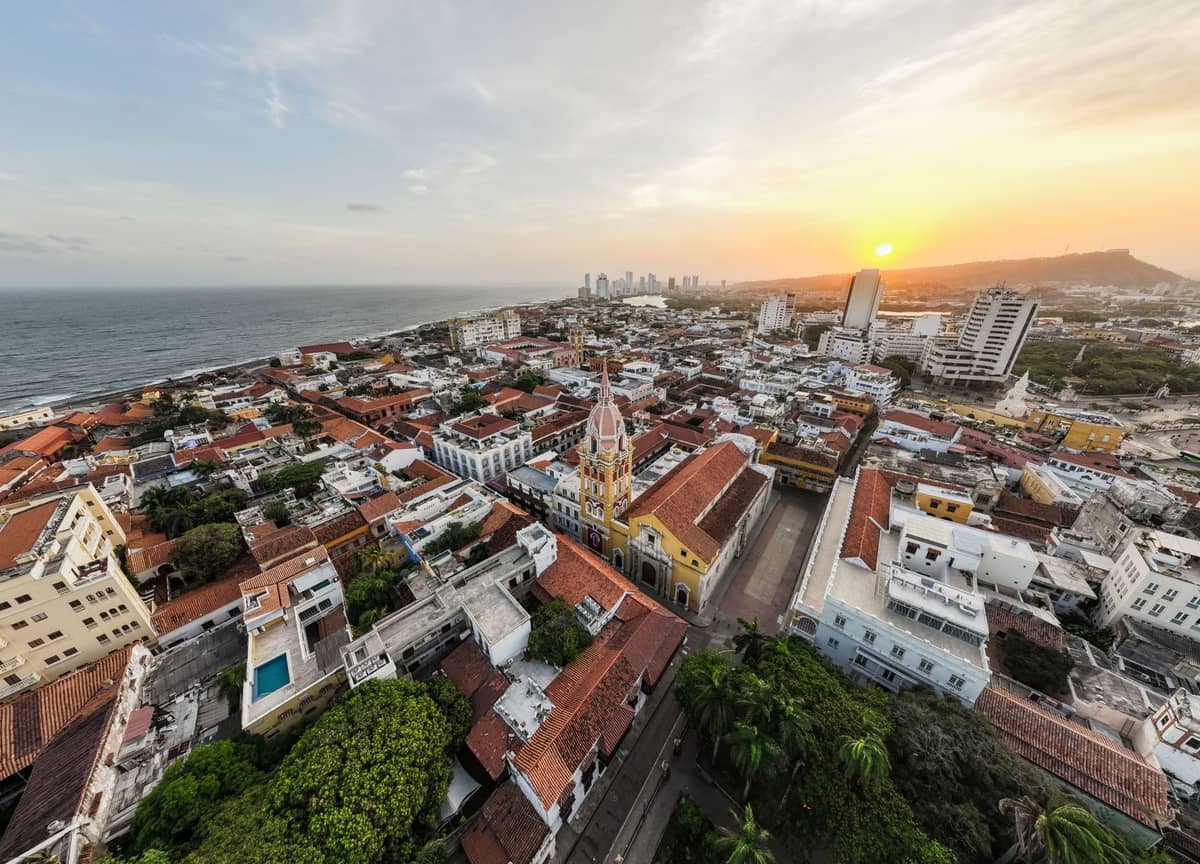
Three days is enough time to experience the best of Cartagena de Indias: the UNESCO-listed walled city, a boat trip to the Rosario Islands, the street art and nightlife of Getsemaní, and a memorable day trip beyond the city. This itinerary is built for first-time visitors who want depth, not just highlights.
Plan and book this trip
Tools from our partner Travelpayouts help you compare flights and hotels. If you book through them, we may earn a commission at no extra cost to you.
Flights
Hotels map
Cartagena de Indias rewards slow, deliberate exploration. The historic walled city alone could fill two days, but spread across three, you can balance colonial history with Caribbean beaches, neighborhood culture, and genuine day-trip adventures. This itinerary structures your time so you're not rushing between landmarks but actually absorbing what makes this city one of South America's most compelling destinations. For context on timing your visit, the best time to visit Cartagena is December through March, when dry weather and steady trade winds make outdoor exploring far more comfortable.
💡 Local tip
Start each day before 9am. Cartagena's heat peaks between noon and 3pm, making early mornings ideal for outdoor sites like the city walls and Castillo San Felipe. Save museum visits and long lunches for the midday hours.
Day 1 Morning: Enter the Walled City
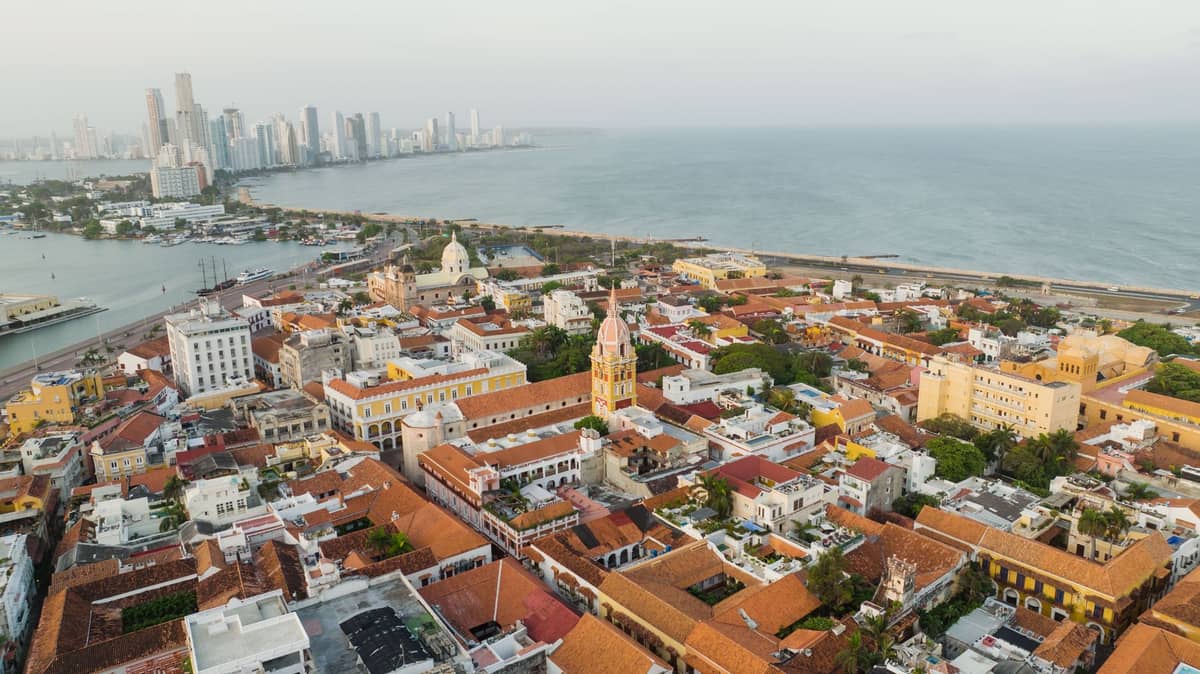
Your first morning belongs entirely to the Centro Histórico. Begin at the iconic clock tower gate, work your way through the main plazas, and climb the city walls before the midday heat sets in. The route from Torre del Reloj to Plaza de Bolívar to Castillo San Felipe covers the essential spine of colonial Cartagena in a logical, walkable sequence.
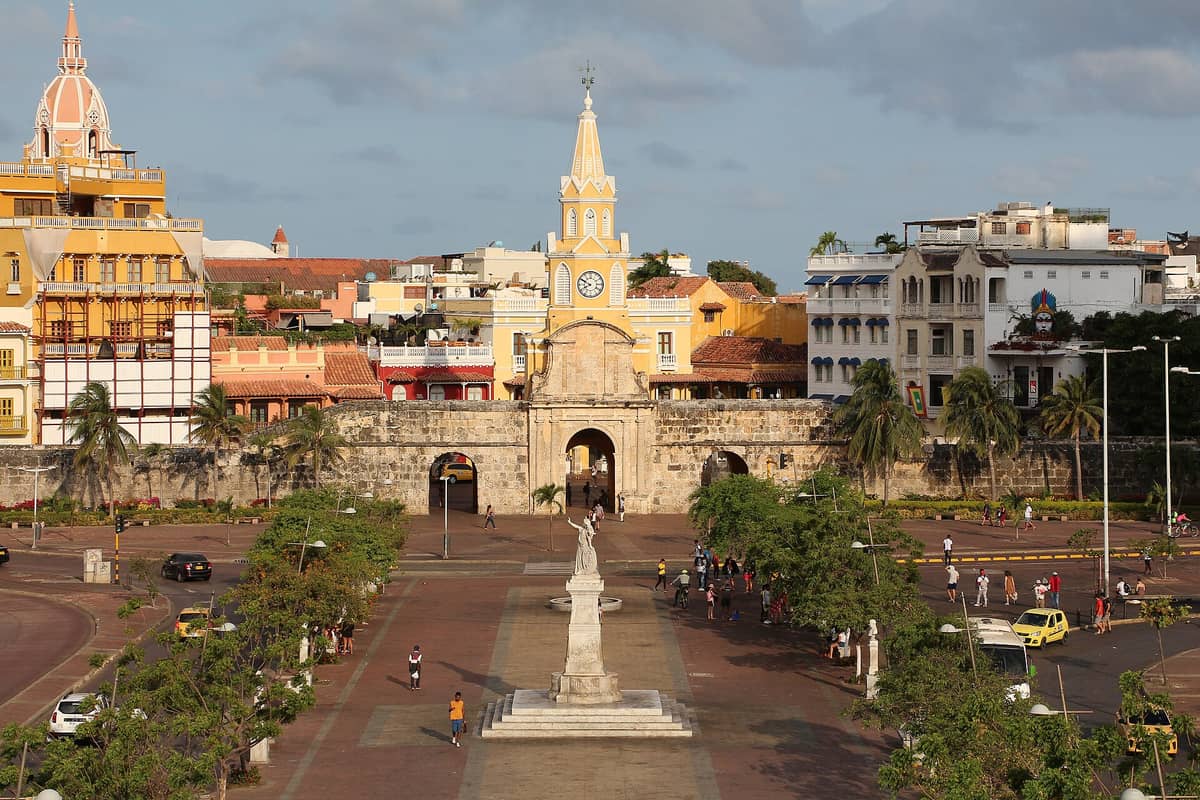
1. Start Your Itinerary at the Clock Tower Gate
The yellow clock tower is the symbolic entrance to the walled city. Arriving here first orients you to the historic center's layout and sets the tone for the day. The adjacent Plaza de los Coches is lively in the morning with vendors and locals.
Explore1. Start Your Itinerary at the Clock Tower Gate
The yellow clock tower is the symbolic entrance to the walled city. Arriving here first orients you to the historic center's layout and sets the tone for the day. The adjacent Plaza de los Coches is lively in the morning with vendors and locals.
Explore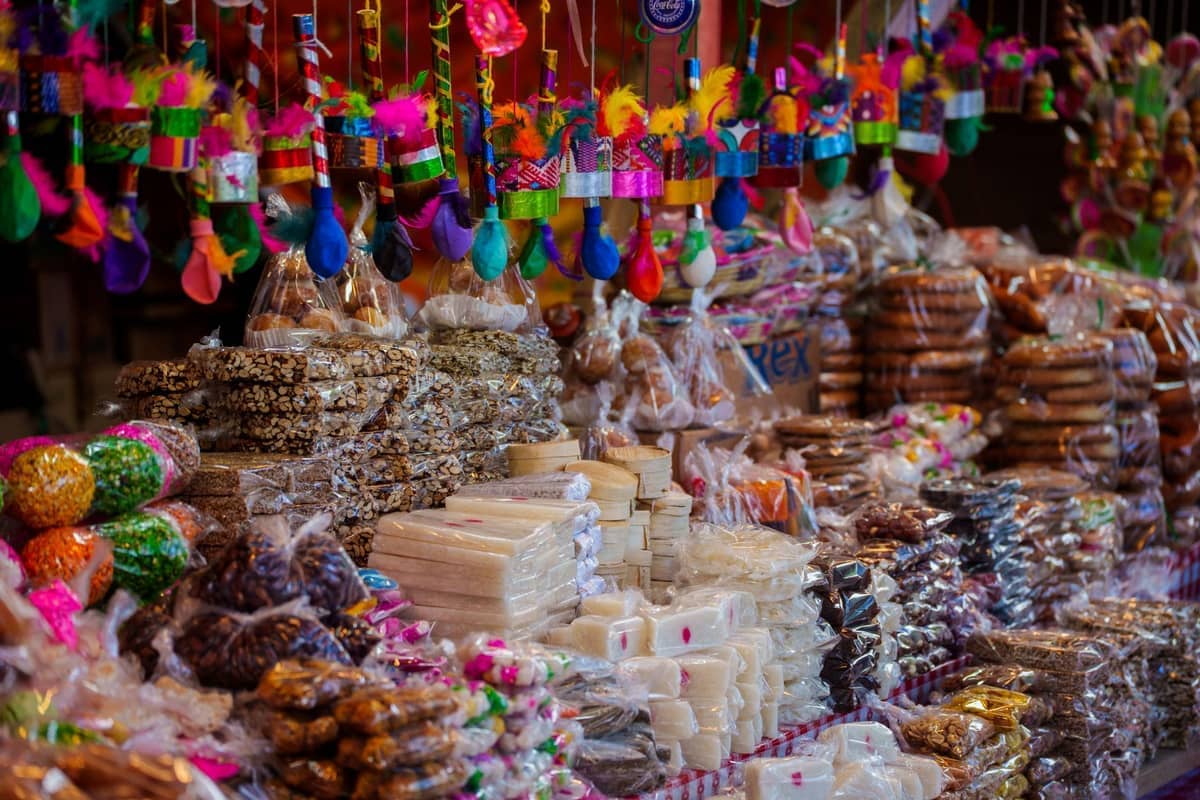
2. Try Traditional Colombian Sweets at Portal de los Dulces
Steps from the clock tower, this covered arcade has sold cocadas, alegrías, and dulce de papaya for generations. Grab a small bag to snack on as you walk. It takes only 10 minutes but adds an authentic local flavor to your first morning.
Explore2. Try Traditional Colombian Sweets at Portal de los Dulces
Steps from the clock tower, this covered arcade has sold cocadas, alegrías, and dulce de papaya for generations. Grab a small bag to snack on as you walk. It takes only 10 minutes but adds an authentic local flavor to your first morning.
Explore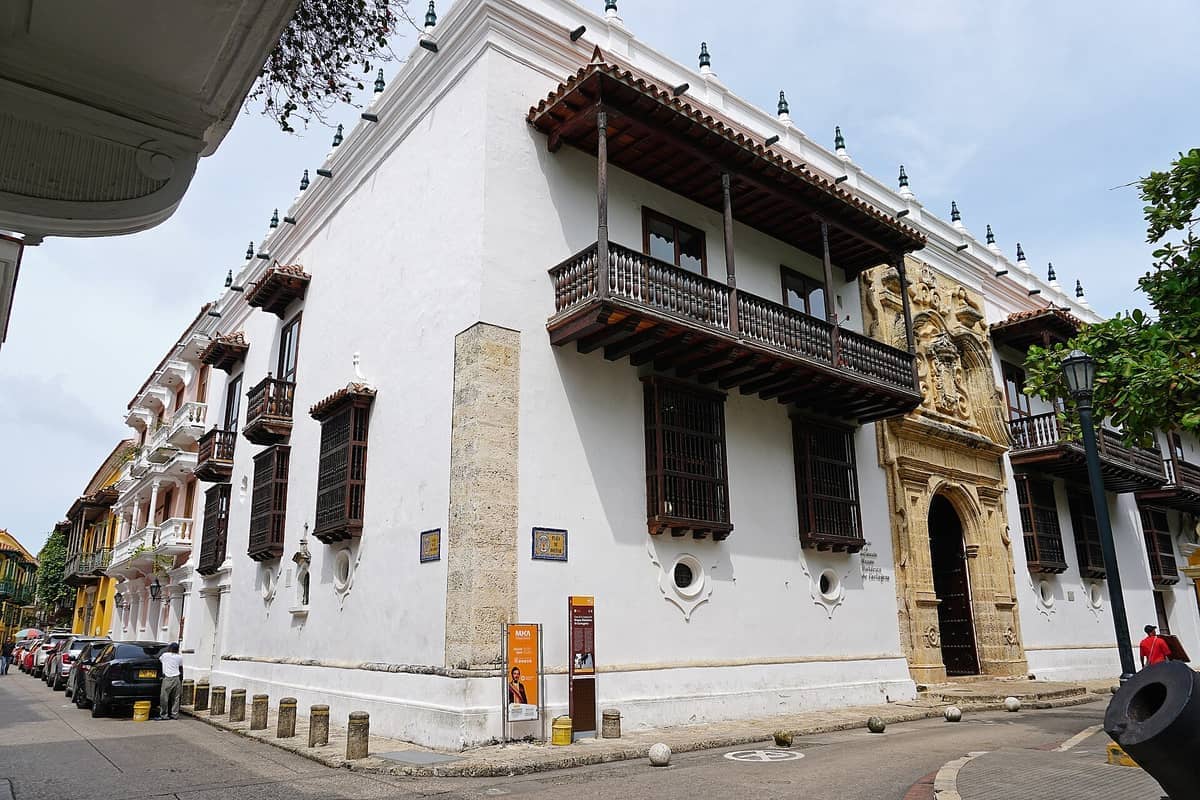
3. Learn the Dark History at the Palace of the Inquisition
Facing Plaza de Bolívar, this Baroque colonial building is one of the finest in the Americas. The museum inside documents Cartagena's role in the Spanish Inquisition with original artifacts. Budget 45-60 minutes; the architecture alone justifies the stop.
Explore3. Learn the Dark History at the Palace of the Inquisition
Facing Plaza de Bolívar, this Baroque colonial building is one of the finest in the Americas. The museum inside documents Cartagena's role in the Spanish Inquisition with original artifacts. Budget 45-60 minutes; the architecture alone justifies the stop.
Explore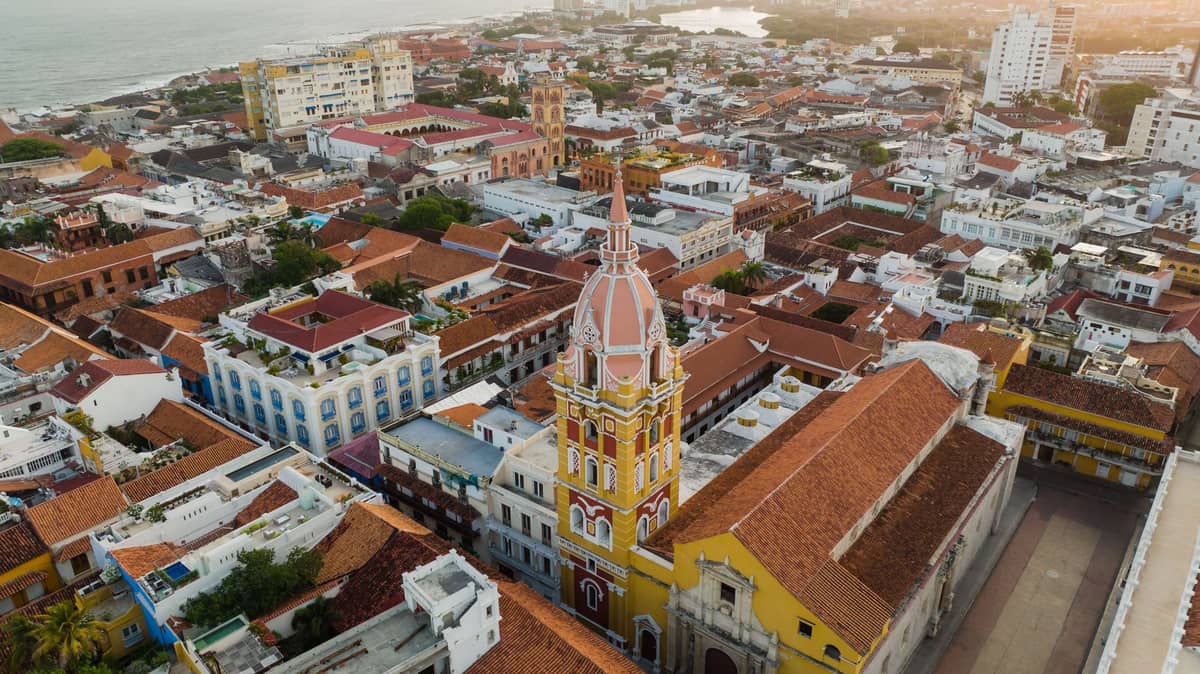
4. Step Inside Cartagena's Historic Cathedral
Begun in 1577, this cathedral on Plaza de Bolívar is among Cartagena's oldest surviving churches. The distinctive yellow-and-white facade is instantly recognizable. Pop in briefly to see the colonial-era religious art.
Explore4. Step Inside Cartagena's Historic Cathedral
Begun in 1577, this cathedral on Plaza de Bolívar is among Cartagena's oldest surviving churches. The distinctive yellow-and-white facade is instantly recognizable. Pop in briefly to see the colonial-era religious art.
Explore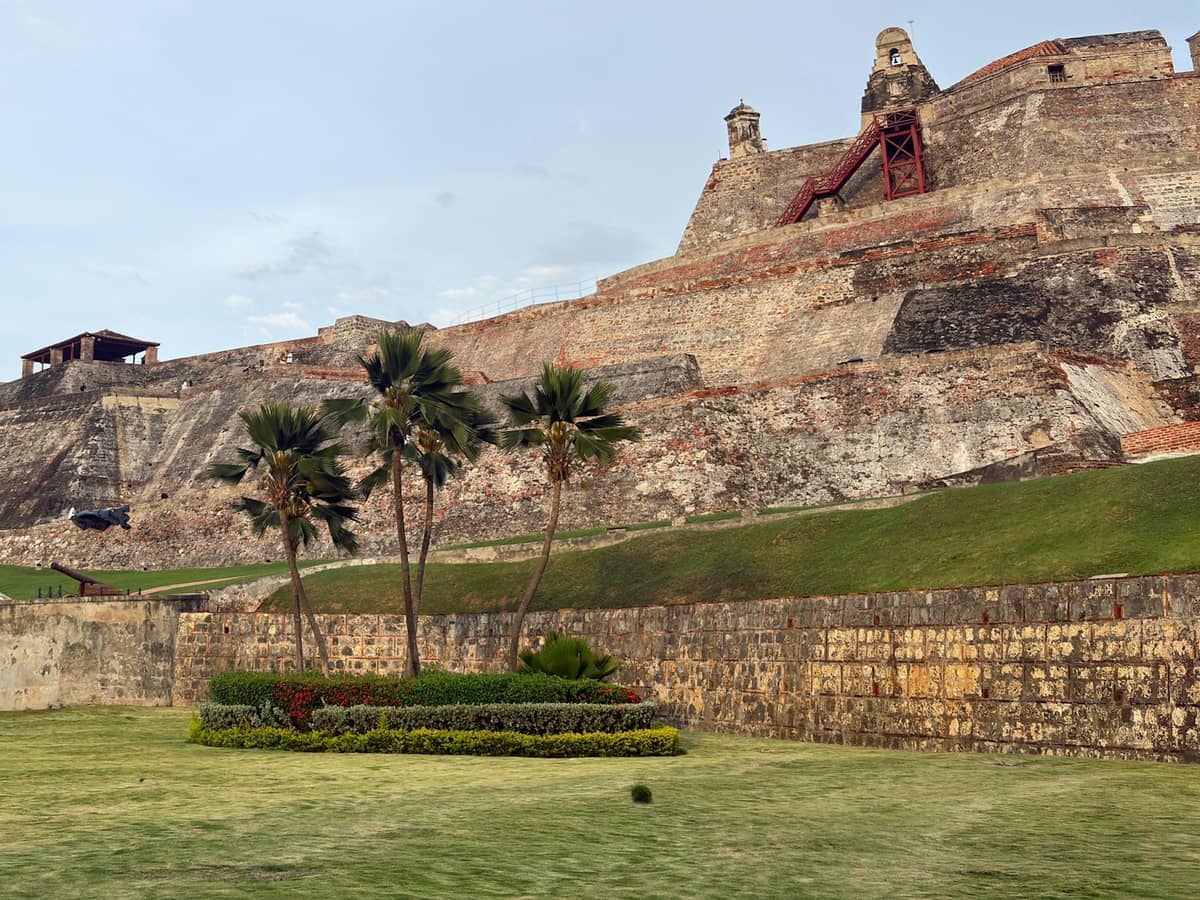
5. Climb the Fortress That Defines Cartagena
The largest Spanish colonial fortress in the Americas demands at least 90 minutes. Walk the ramparts, explore the labyrinthine tunnels beneath, and take in sweeping views over the city. Go before 10am to beat tour groups. Tickets (38,000 COP for the full 2026 rate) are bought at the entrance.
Explore5. Climb the Fortress That Defines Cartagena
The largest Spanish colonial fortress in the Americas demands at least 90 minutes. Walk the ramparts, explore the labyrinthine tunnels beneath, and take in sweeping views over the city. Go before 10am to beat tour groups. Tickets (38,000 COP for the full 2026 rate) are bought at the entrance.
Explore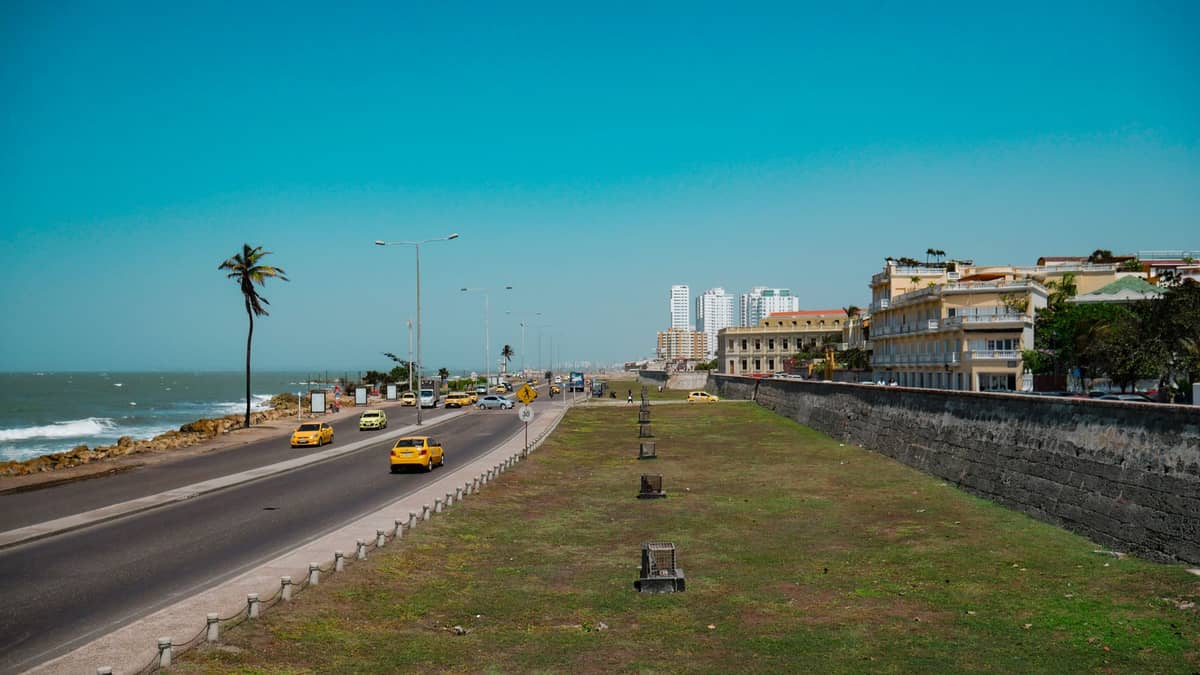
6. Walk the City Walls at Sunset
Return to the walls in the late afternoon when the light turns golden over the Caribbean. The bastions near the historic center offer the best sunset views. The full wall circuit takes about an hour at a leisurely pace, with natural stopping points at each bastion.
Explore6. Walk the City Walls at Sunset
Return to the walls in the late afternoon when the light turns golden over the Caribbean. The bastions near the historic center offer the best sunset views. The full wall circuit takes about an hour at a leisurely pace, with natural stopping points at each bastion.
ExploreDay 1 Afternoon and Evening: History, Art, and Getsemaní
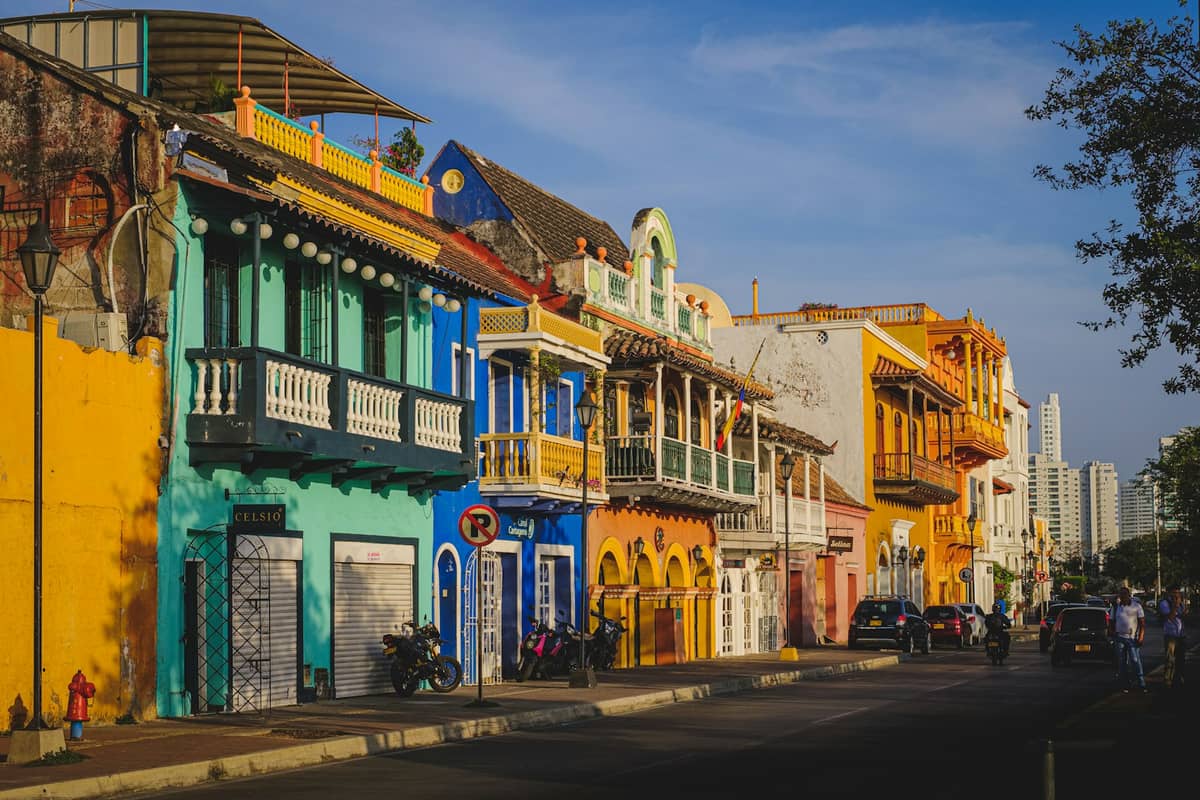
After lunch in the old city, use the cooler afternoon hours for the remaining colonial landmarks before crossing into Getsemaní for the evening. This neighborhood, just outside the walled city, has transformed dramatically over the past decade and is now essential Cartagena. Its street art and nightlife scene are covered in detail in the Cartagena nightlife guide if you want to go deeper.
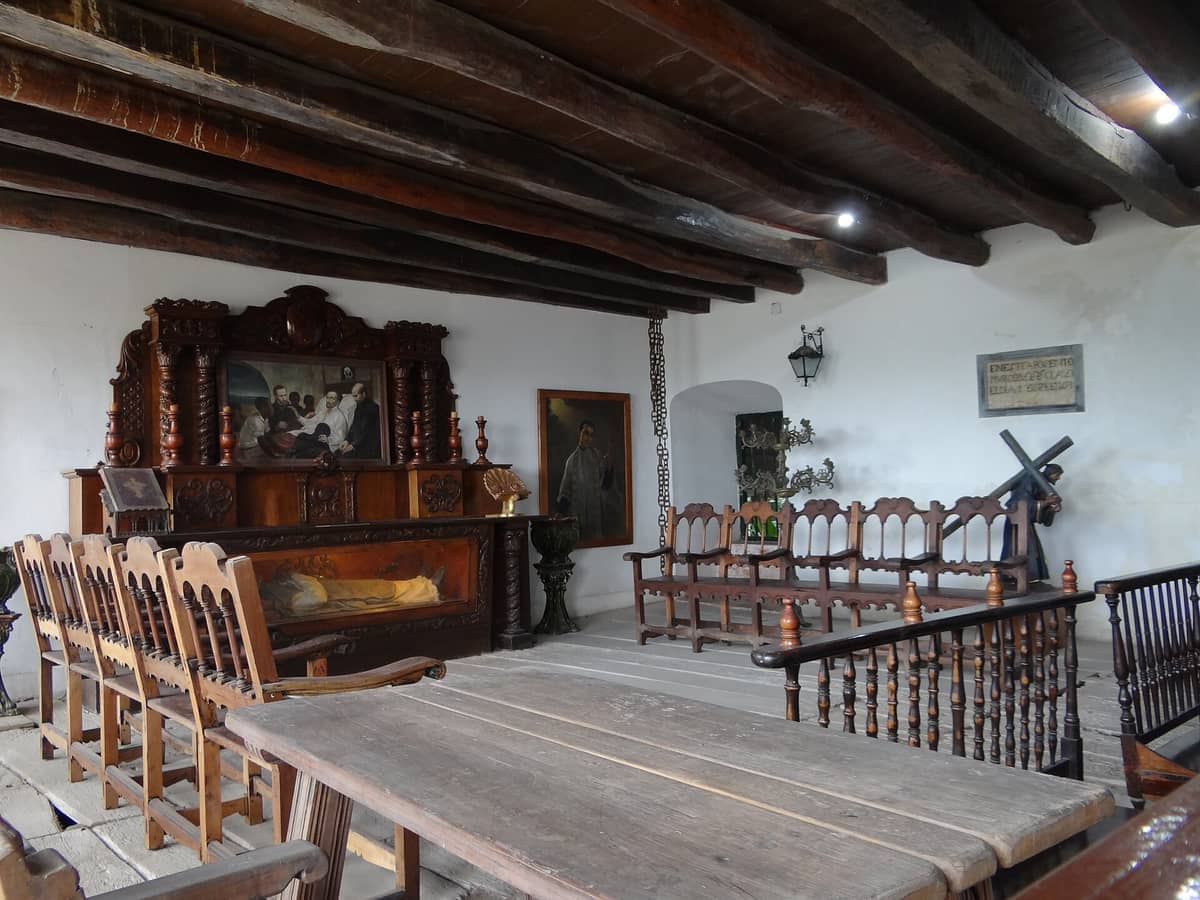
7. Visit the Church Dedicated to the Apostle of the Slaves
This 17th-century church complex is Cartagena's most historically significant religious site. San Pedro Claver ministered to enslaved Africans arriving at this port. The attached museum is small but sobering, and the cloister courtyard is one of the most peaceful spots in the old city.
Explore7. Visit the Church Dedicated to the Apostle of the Slaves
This 17th-century church complex is Cartagena's most historically significant religious site. San Pedro Claver ministered to enslaved Africans arriving at this port. The attached museum is small but sobering, and the cloister courtyard is one of the most peaceful spots in the old city.
Explore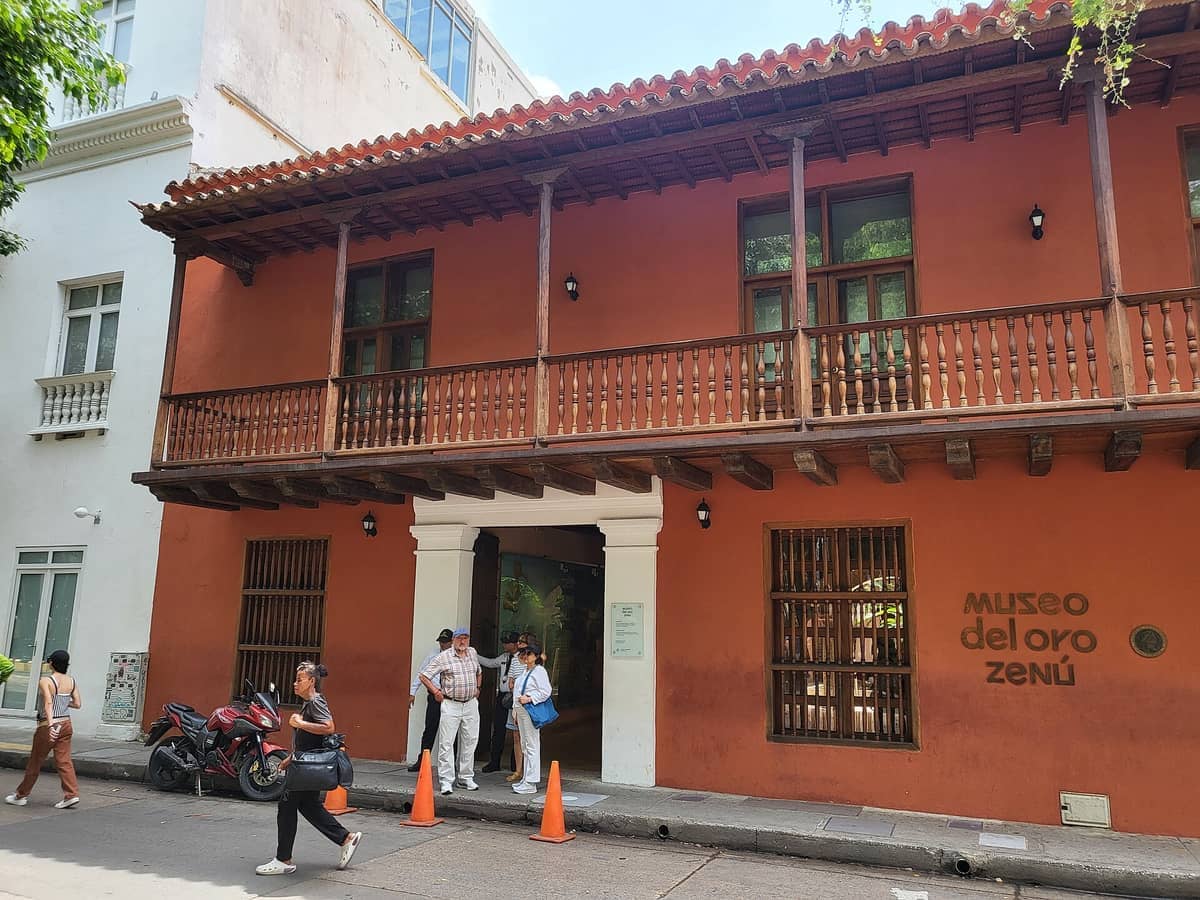
8. Discover Pre-Columbian Gold at the Zenú Museum
Free to enter, this small but excellent museum showcases the intricate goldwork of the Zenú people who lived here before Spanish colonization. The pieces are extraordinary and the context is essential for understanding the region's deeper history. Allow 45-60 minutes.
Explore8. Discover Pre-Columbian Gold at the Zenú Museum
Free to enter, this small but excellent museum showcases the intricate goldwork of the Zenú people who lived here before Spanish colonization. The pieces are extraordinary and the context is essential for understanding the region's deeper history. Allow 45-60 minutes.
Explore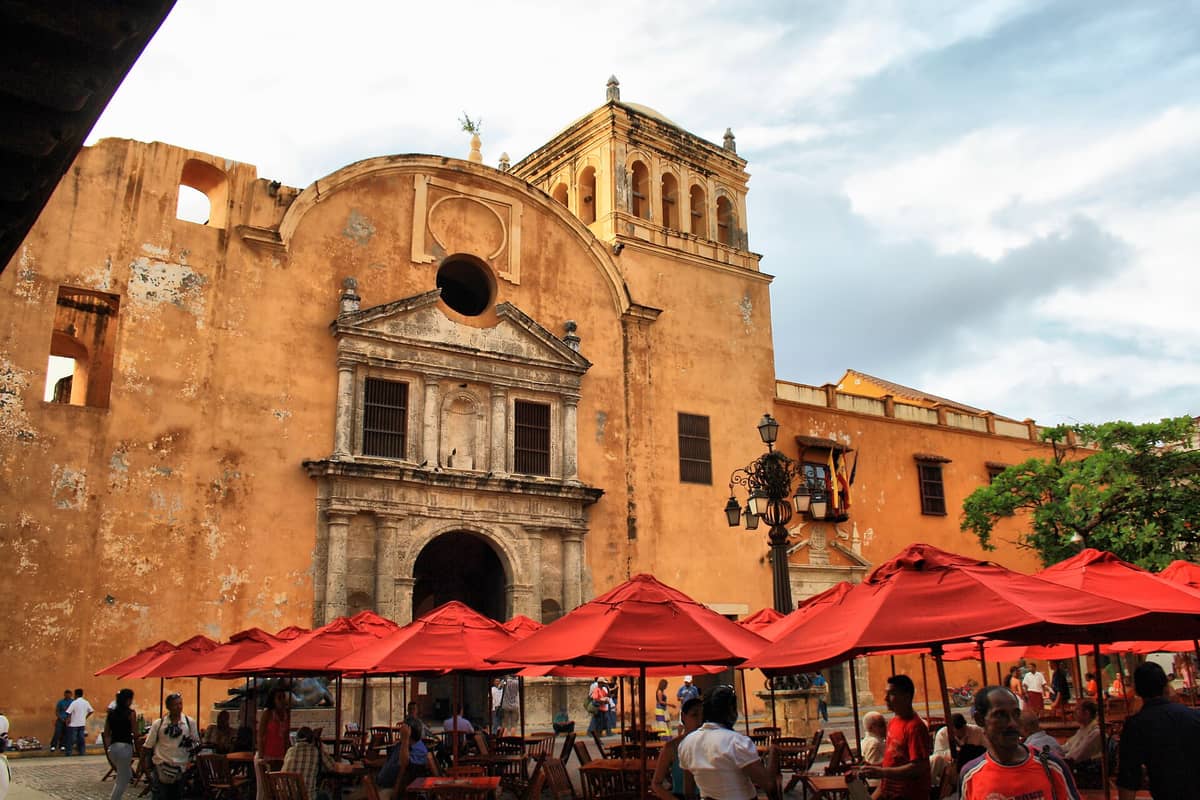
9. People-Watch at Plaza Santo Domingo in the Evening
By late afternoon, this plaza is the social heart of the old city. The famous Botero sculpture of a reclining woman sits outside the oldest church in Cartagena. Restaurants ring the square; it's the ideal spot for an early dinner before heading to Getsemaní.
Explore9. People-Watch at Plaza Santo Domingo in the Evening
By late afternoon, this plaza is the social heart of the old city. The famous Botero sculpture of a reclining woman sits outside the oldest church in Cartagena. Restaurants ring the square; it's the ideal spot for an early dinner before heading to Getsemaní.
Explore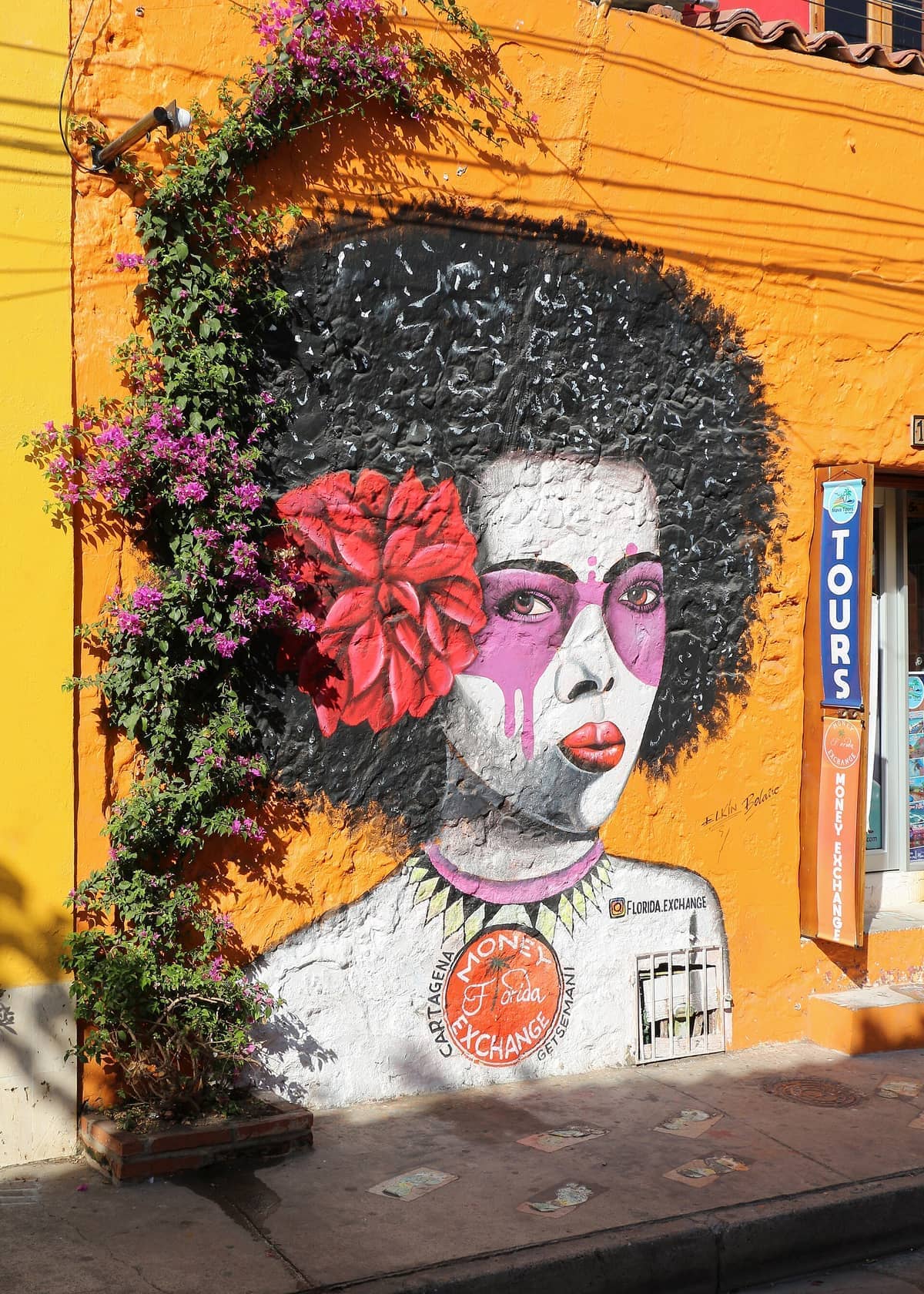
10. Walk the Open-Air Mural Gallery of Getsemaní
Spend an hour after dinner walking Calle de la Sierpe and the surrounding blocks. Large-scale murals by Colombian and international artists cover nearly every wall, documenting Afro-Caribbean identity and neighborhood history. Best appreciated on foot, slowly, at dusk.
Explore10. Walk the Open-Air Mural Gallery of Getsemaní
Spend an hour after dinner walking Calle de la Sierpe and the surrounding blocks. Large-scale murals by Colombian and international artists cover nearly every wall, documenting Afro-Caribbean identity and neighborhood history. Best appreciated on foot, slowly, at dusk.
Explore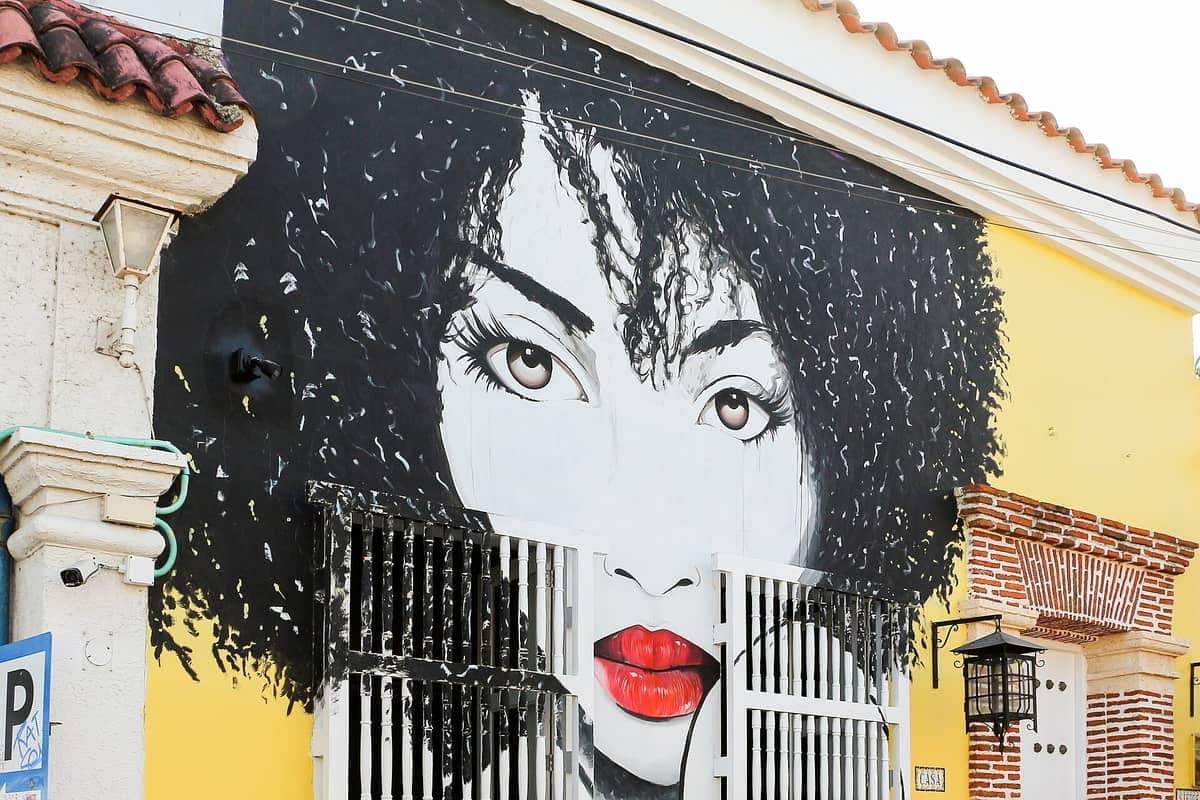
11. End the Night on Cartagena's Liveliest Street
Calle del Arsenal in Getsemaní is where the night actually happens in Cartagena. Open-air bars, salsa clubs, and street food stalls fill the street after 9pm. It's accessible, energetic, and a far more local experience than the touristy bars inside the walled city.
Explore11. End the Night on Cartagena's Liveliest Street
Calle del Arsenal in Getsemaní is where the night actually happens in Cartagena. Open-air bars, salsa clubs, and street food stalls fill the street after 9pm. It's accessible, energetic, and a far more local experience than the touristy bars inside the walled city.
ExploreDay 2: Rosario Islands and the Caribbean Sea
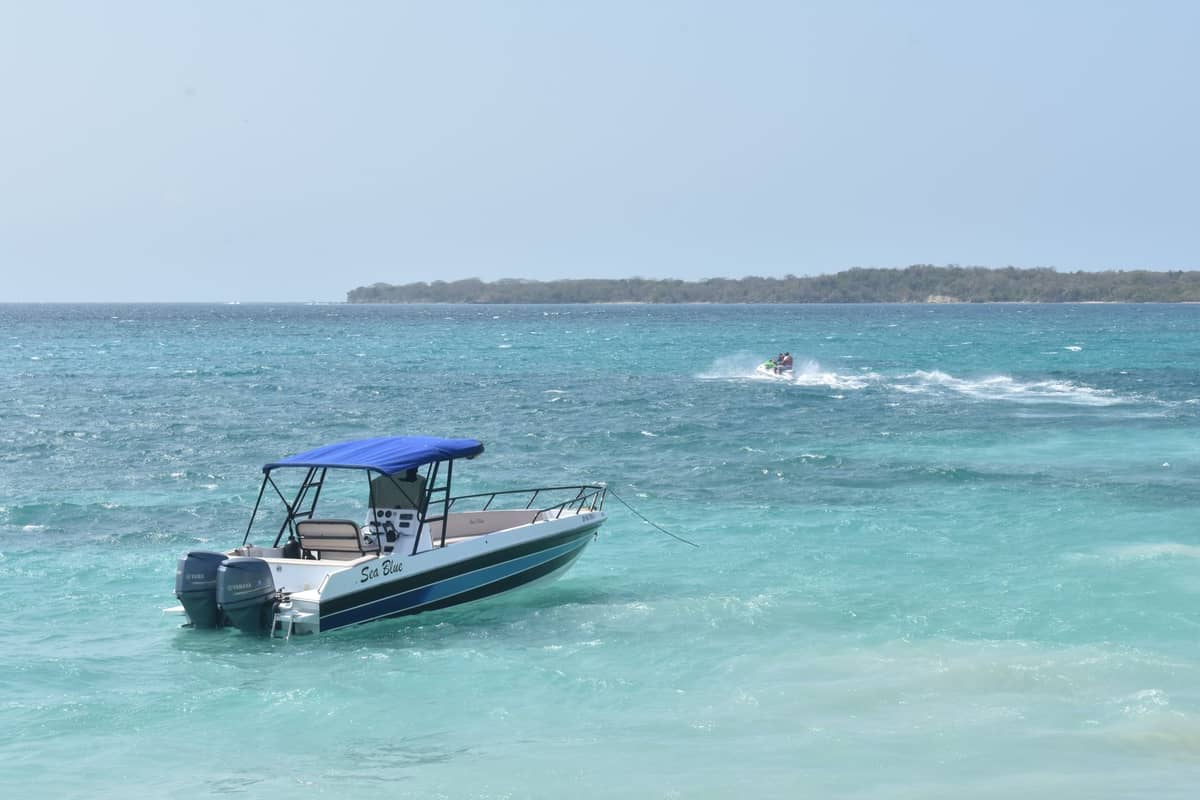
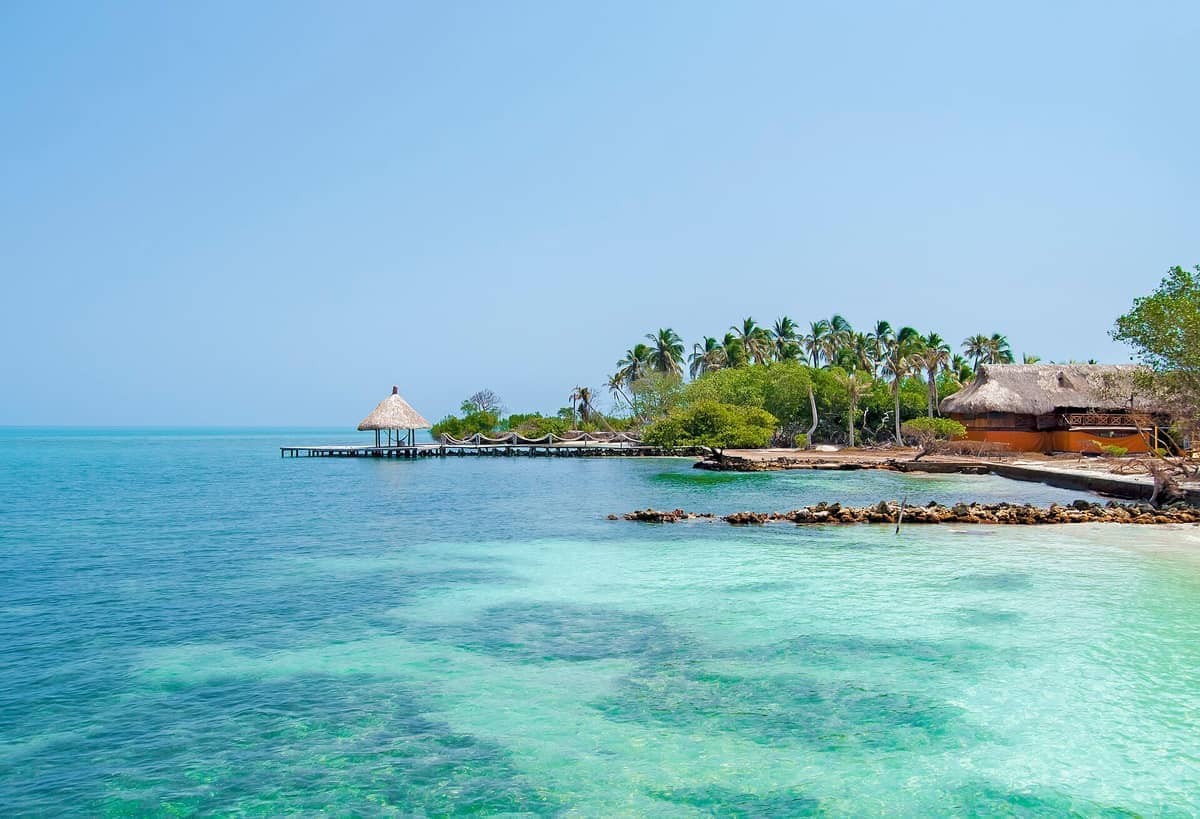
Dedicate your second day entirely to a boat trip to the Rosario Islands. Boats depart from Muelle de la Bodeguita between 8:00 and 9:00am and return around 4:00-5:00pm, so you'll need an early start. The Cartagena islands guide breaks down all the different island options and how to choose the right trip for your budget and interests. Group day tours with snorkeling and lunch run roughly US$50-90 per person; public lanchas to Isla Grande cost around 30,000-40,000 COP round trip.
12. Snorkel Colombia's Best Coral Reefs in the National Park
The Corales del Rosario National Park protects some of the finest coral reefs on the Colombian Caribbean coast. Most day tours include a snorkeling stop over the reef. Water clarity is best December through April; September-October seas can be rough, so confirm conditions the day before.
Explore12. Snorkel Colombia's Best Coral Reefs in the National Park
The Corales del Rosario National Park protects some of the finest coral reefs on the Colombian Caribbean coast. Most day tours include a snorkeling stop over the reef. Water clarity is best December through April; September-October seas can be rough, so confirm conditions the day before.
Explore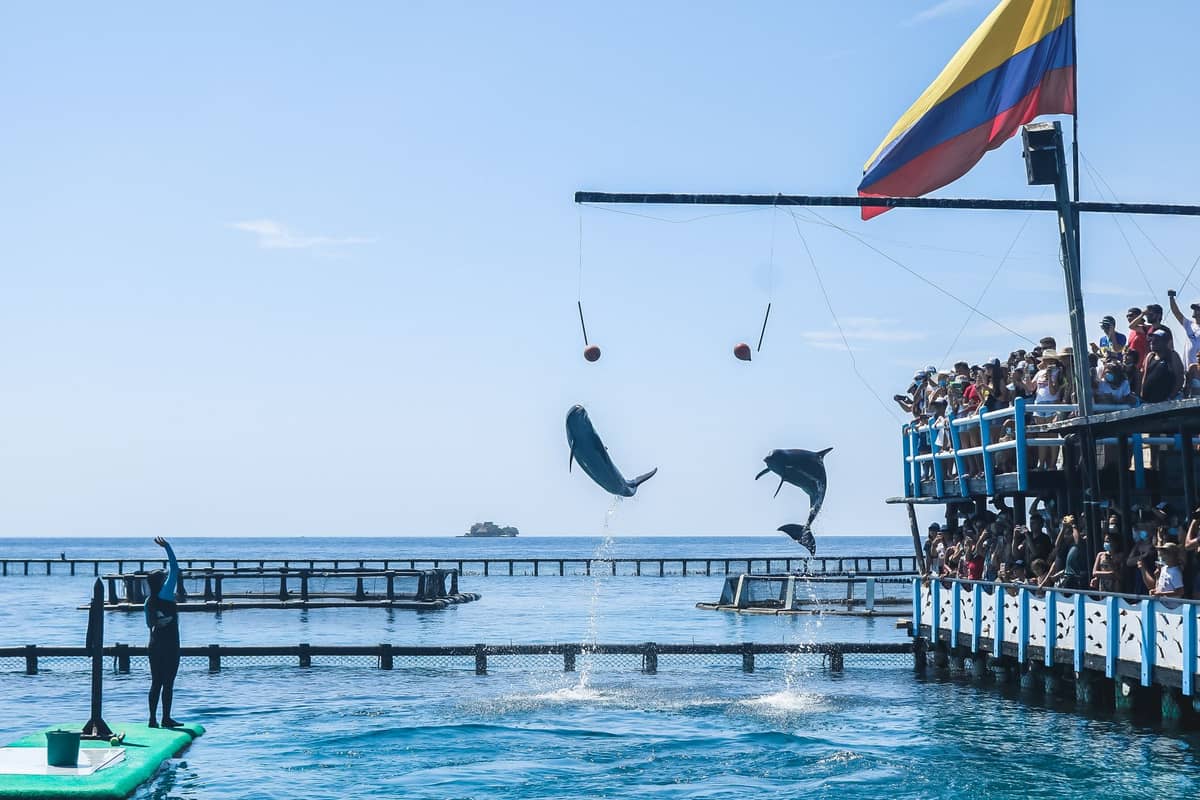
13. Stop at the Marine Aquarium on the Islands
The small Oceanario on the Rosario Islands is a natural add-on to any boat tour. Sharks, rays, sea turtles, and tropical reef fish are on display. It's compact enough to see in 30-45 minutes and works well for families or anyone who wants marine context before or after snorkeling.
Explore13. Stop at the Marine Aquarium on the Islands
The small Oceanario on the Rosario Islands is a natural add-on to any boat tour. Sharks, rays, sea turtles, and tropical reef fish are on display. It's compact enough to see in 30-45 minutes and works well for families or anyone who wants marine context before or after snorkeling.
Explore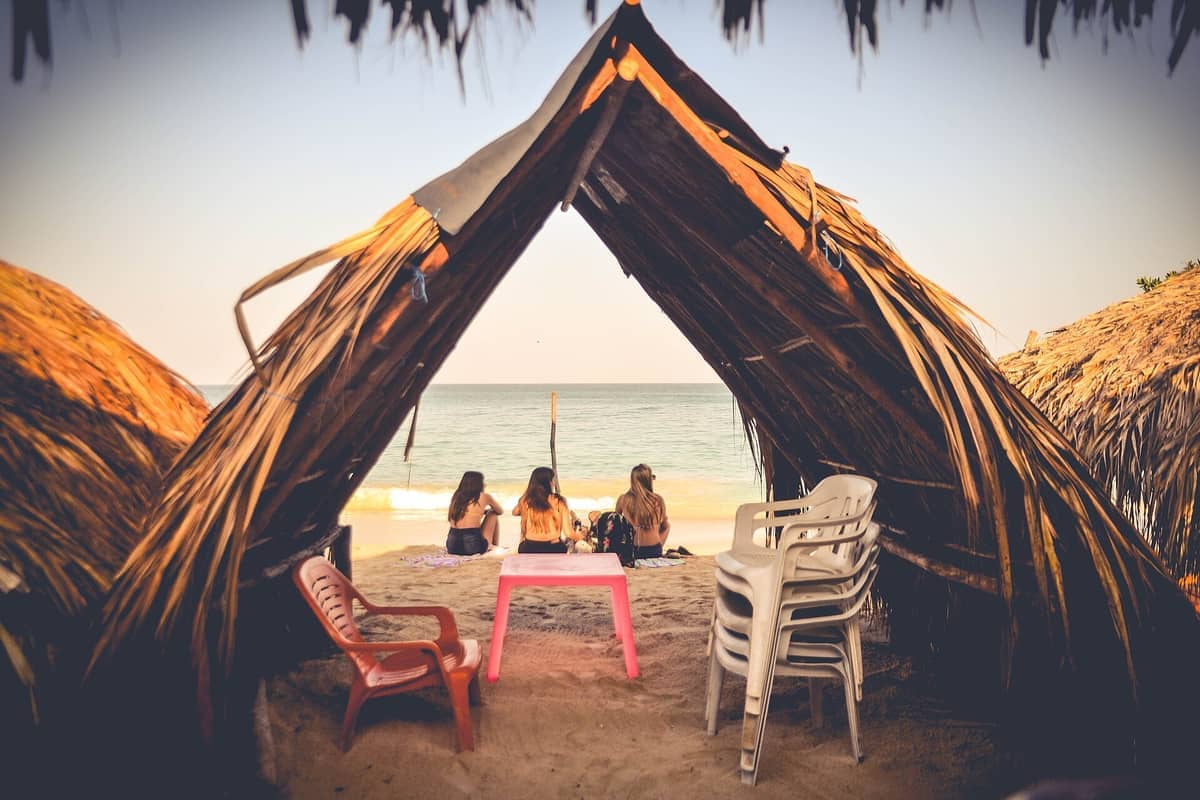
14. Spend the Afternoon at Colombia's Most Famous Beach
Many Rosario Islands boat tours stop at Playa Blanca on the return. The powdery white sand and turquoise water live up to the reputation. Arrive by 11am to secure a spot before day-trippers crowd in. Seafood vendors on the beach serve fresh fish and coconut rice directly.
Explore14. Spend the Afternoon at Colombia's Most Famous Beach
Many Rosario Islands boat tours stop at Playa Blanca on the return. The powdery white sand and turquoise water live up to the reputation. Arrive by 11am to secure a spot before day-trippers crowd in. Seafood vendors on the beach serve fresh fish and coconut rice directly.
Explore✨ Pro tip
Book your Rosario Islands tour the day before, not the morning of departure. Boats fill quickly in high season (December-March and June-August), and operators at Muelle de la Bodeguita can oversell spots. Confirm your departure time the evening before.
Day 3 Morning: Day Trips and Local Neighborhoods
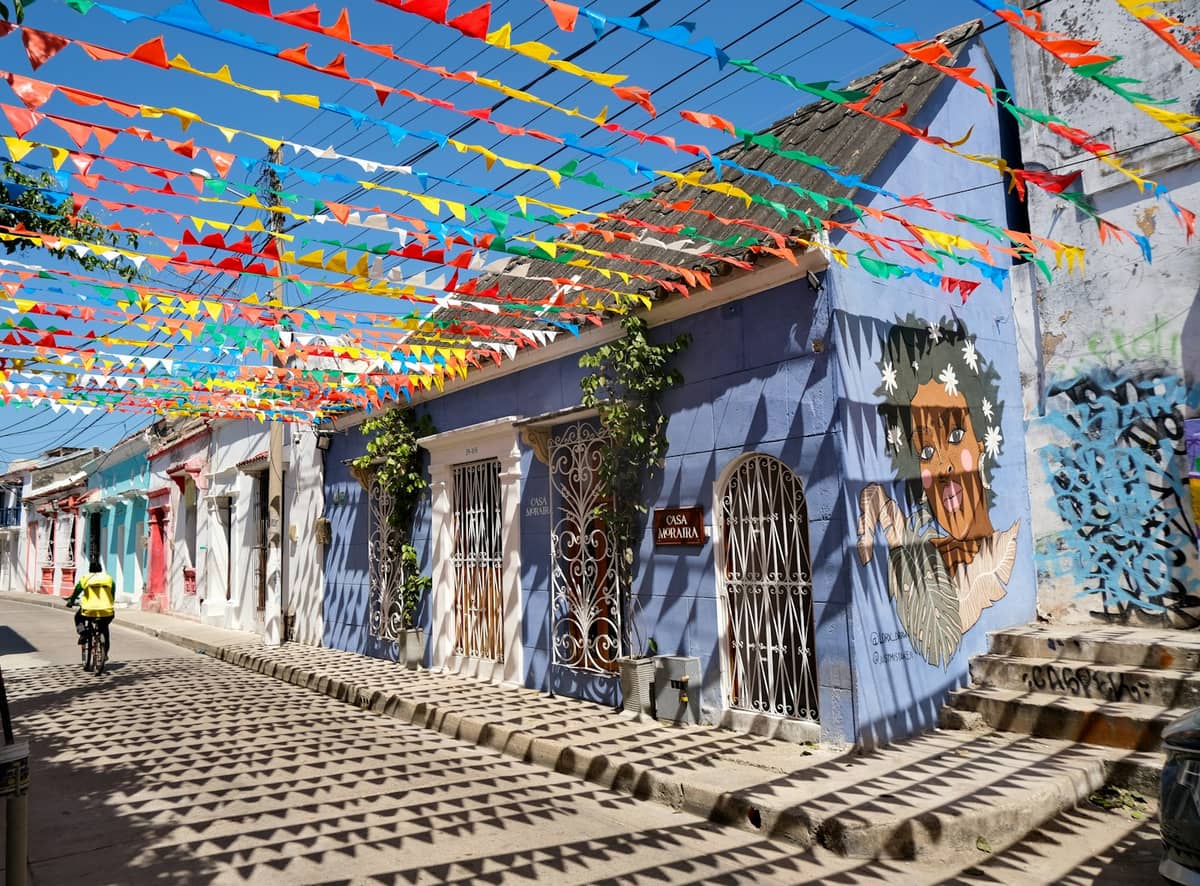
Use your final morning for one of two very different experiences: a local neighborhood excursion or a day trip to one of Cartagena's most unusual natural attractions. The mud volcano at El Totumo is only an hour from the city and pairs well with a beach stop at La Boquilla on the return. For a more culturally focused morning, the Afro-Colombian culture guide outlines how to visit San Basilio de Palenque and La Boquilla responsibly.
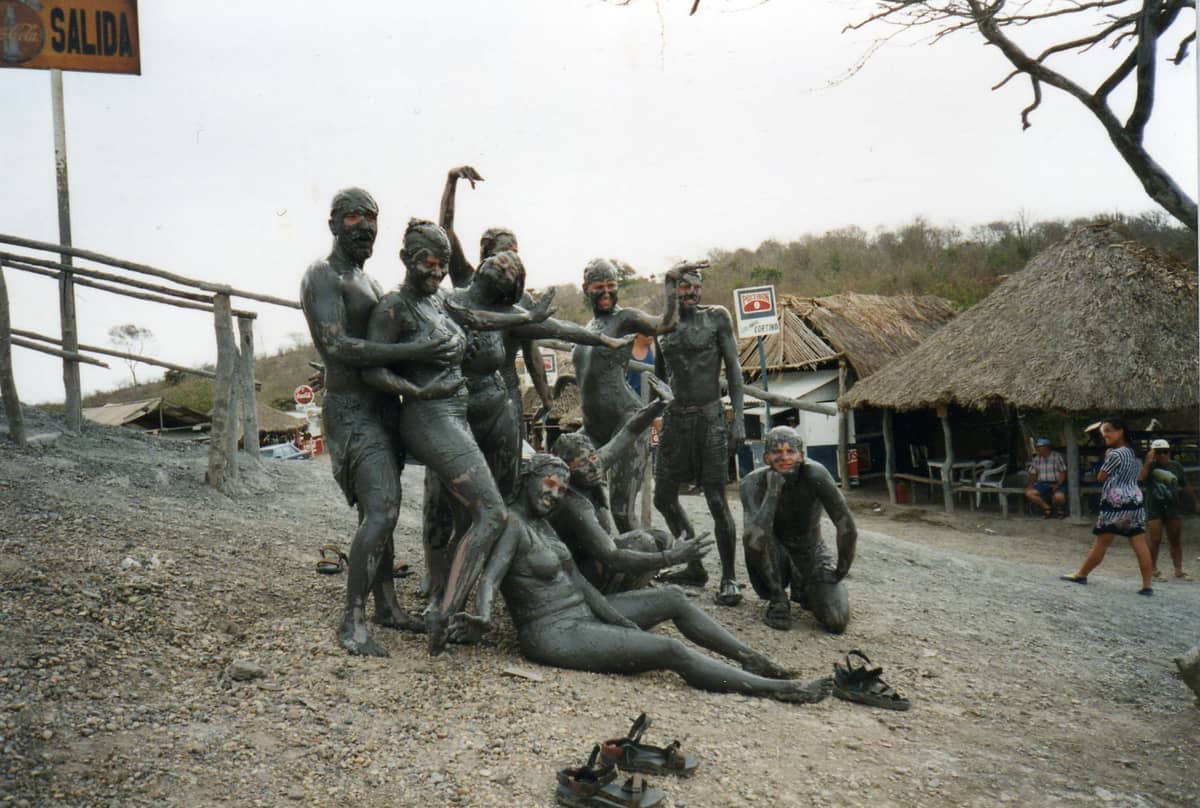
15. Bathe in a Mud Volcano 50km from the City
El Totumo is a small cone filled with warm therapeutic mud where you float rather than sink. It's genuinely unusual and fun. Most organized tours from Cartagena include transport and take about 4 hours total. Go in the morning before tour groups arrive from the city around 10am.
Explore15. Bathe in a Mud Volcano 50km from the City
El Totumo is a small cone filled with warm therapeutic mud where you float rather than sink. It's genuinely unusual and fun. Most organized tours from Cartagena include transport and take about 4 hours total. Go in the morning before tour groups arrive from the city around 10am.
Explore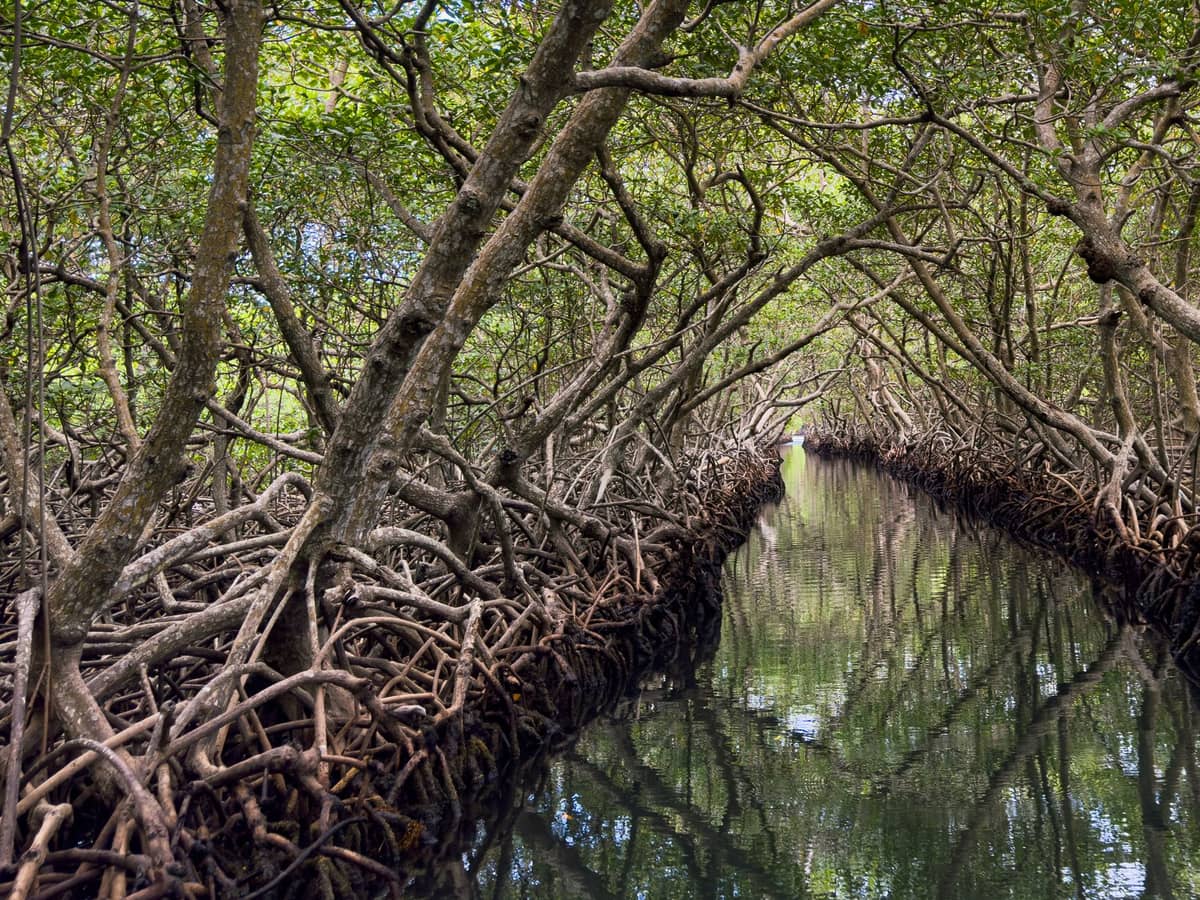
16. Paddle Through Mangrove Lagoons with Local Fishermen
Local guides from La Boquilla village lead canoe tours through dense mangrove waterways teeming with birds and fish. Tours take 60-90 minutes and are run directly by the community. It's one of the most ecologically rich and culturally authentic experiences within 20 minutes of the city center.
Explore16. Paddle Through Mangrove Lagoons with Local Fishermen
Local guides from La Boquilla village lead canoe tours through dense mangrove waterways teeming with birds and fish. Tours take 60-90 minutes and are run directly by the community. It's one of the most ecologically rich and culturally authentic experiences within 20 minutes of the city center.
Explore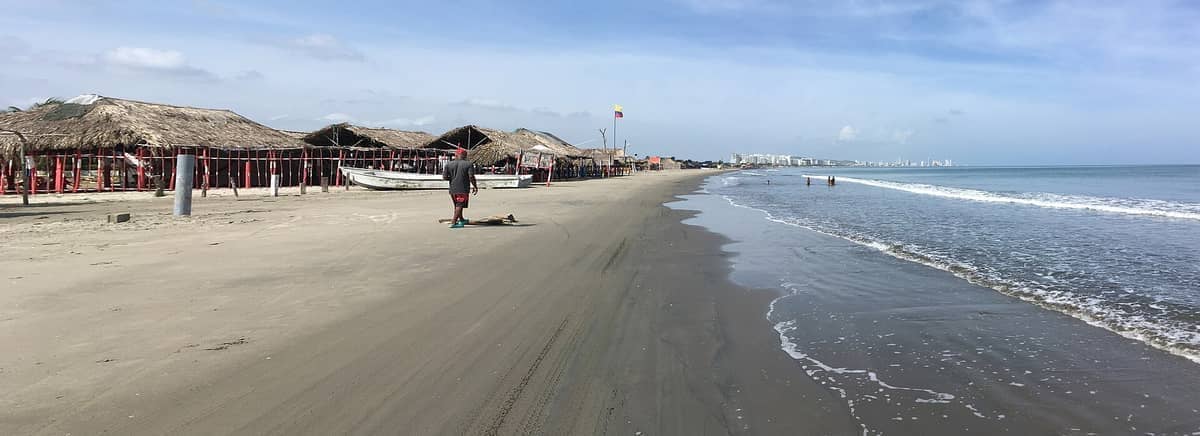
17. Eat Freshly Caught Seafood on a Local Caribbean Beach
La Boquilla's undeveloped beach is backed by family-run seafood restaurants serving fish caught that morning. Grilled red snapper with coconut rice and patacones costs a fraction of old-city restaurant prices. Come here for lunch after the mangrove tour before heading back to the city.
Explore17. Eat Freshly Caught Seafood on a Local Caribbean Beach
La Boquilla's undeveloped beach is backed by family-run seafood restaurants serving fish caught that morning. Grilled red snapper with coconut rice and patacones costs a fraction of old-city restaurant prices. Come here for lunch after the mangrove tour before heading back to the city.
Explore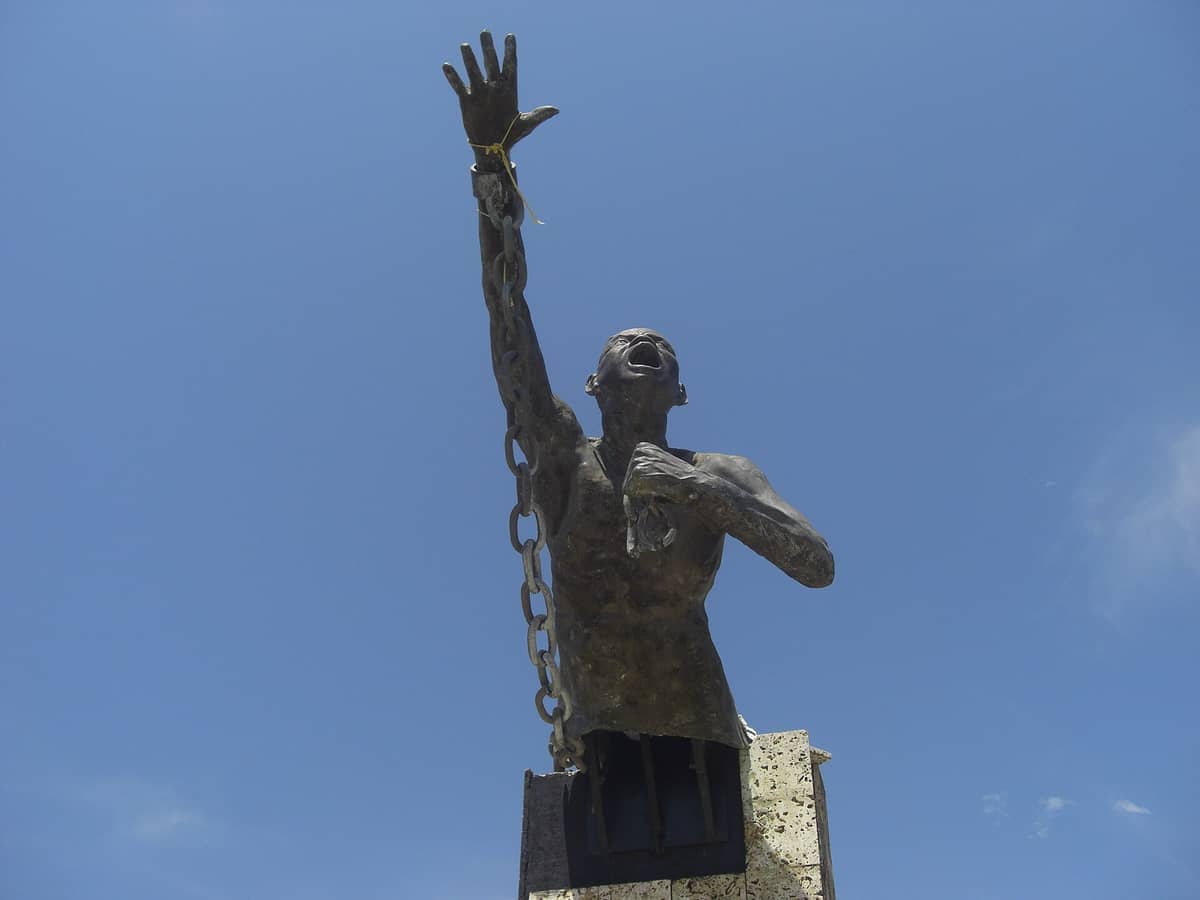
18. Make a Half-Day Trip to the First Free African Town in the Americas
About 70km from Cartagena, this UNESCO-recognized village was founded by escaped enslaved people in the 17th century. The Palenquero language, music, and traditions survive here uniquely. Go with a knowledgeable local guide; this is a living community, not a tourist attraction, and context matters.
Explore18. Make a Half-Day Trip to the First Free African Town in the Americas
About 70km from Cartagena, this UNESCO-recognized village was founded by escaped enslaved people in the 17th century. The Palenquero language, music, and traditions survive here uniquely. Go with a knowledgeable local guide; this is a living community, not a tourist attraction, and context matters.
ExploreDay 3 Afternoon: Final Walks and Viewpoints
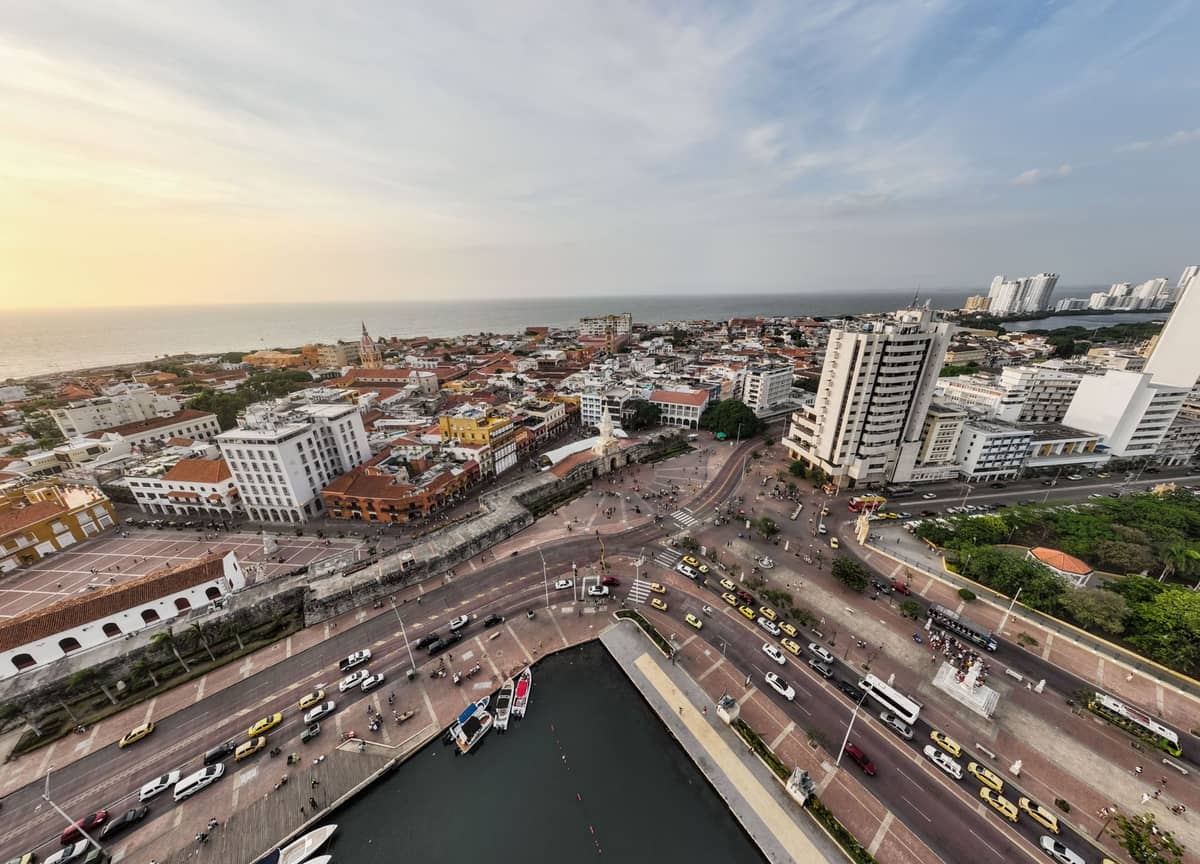
Save your last afternoon for the landmarks you may have missed and the elevated viewpoints that give Cartagena its full visual scope. The Convento de La Popa and the India Catalina statue work well as a final loop before a farewell dinner. If you're still planning accommodation, the where to stay in Cartagena guide covers the tradeoffs between the walled city, Getsemaní, and Bocagrande.
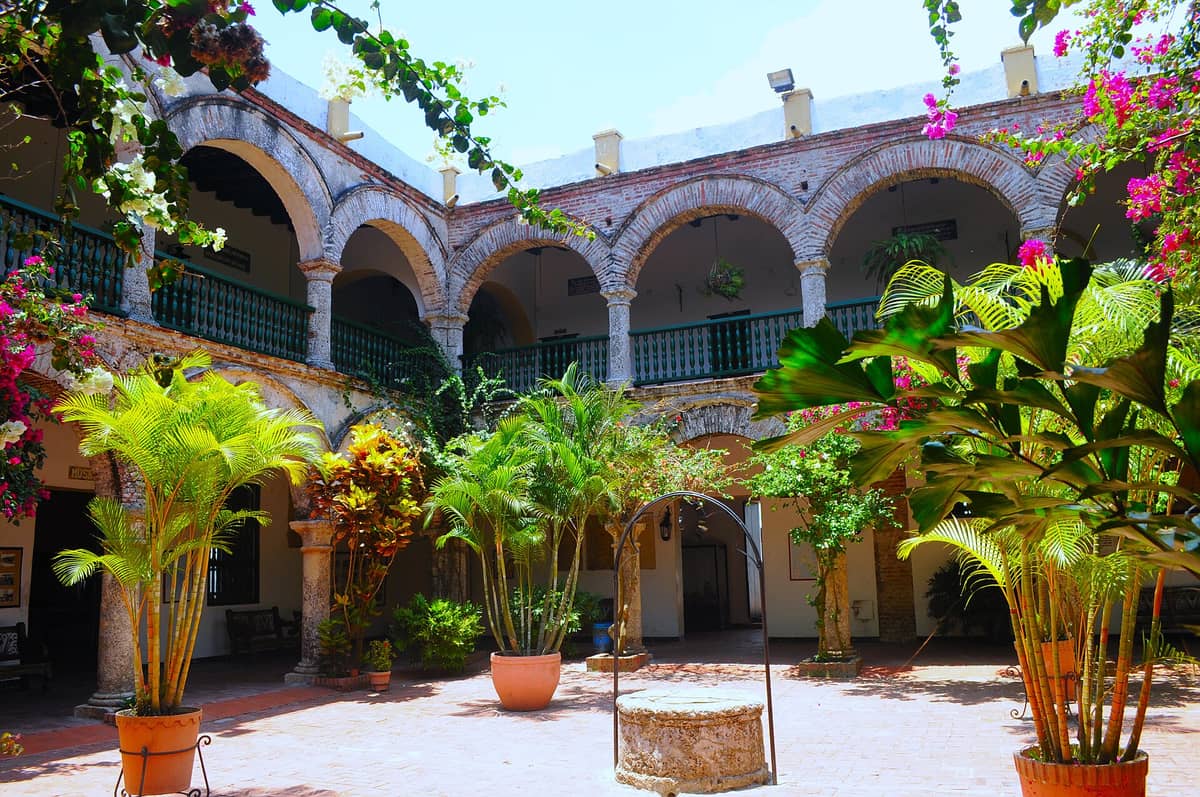
19. Get the Best Panoramic View of Cartagena from La Popa
At 150 meters, this 17th-century Augustinian monastery sits on the highest point in Cartagena. The panoramic view over the bay, the walled city, and the coast is unmatched anywhere in the city. Go in the late afternoon when the light softens. Taxis are the most practical way up.
Explore19. Get the Best Panoramic View of Cartagena from La Popa
At 150 meters, this 17th-century Augustinian monastery sits on the highest point in Cartagena. The panoramic view over the bay, the walled city, and the coast is unmatched anywhere in the city. Go in the late afternoon when the light softens. Taxis are the most practical way up.
Explore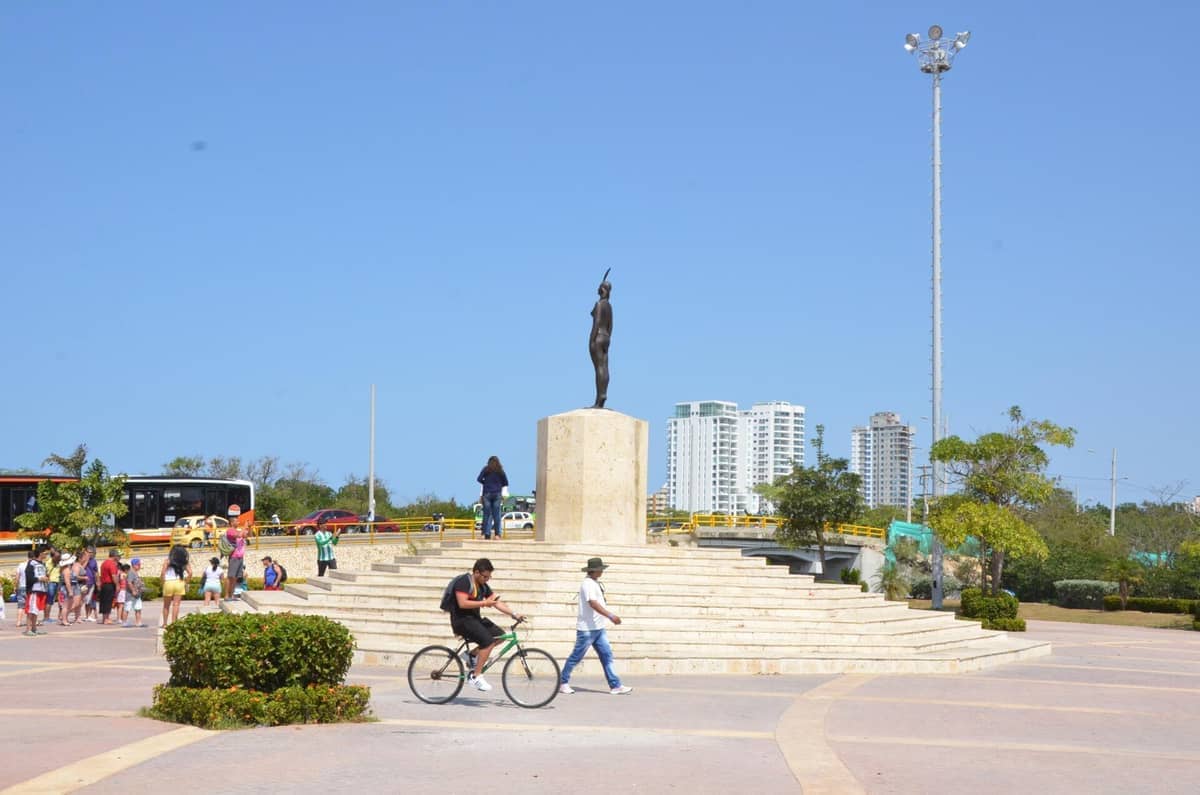
20. See the Symbol of Cartagena at the City Gate
The bronze statue of India Catalina at the main entrance to the walled city is one of Cartagena's most photographed icons. It represents the complex colonial history of the region and serves as the trophy of the city's international film festival. A brief stop with significant symbolic weight.
Explore20. See the Symbol of Cartagena at the City Gate
The bronze statue of India Catalina at the main entrance to the walled city is one of Cartagena's most photographed icons. It represents the complex colonial history of the region and serves as the trophy of the city's international film festival. A brief stop with significant symbolic weight.
Explore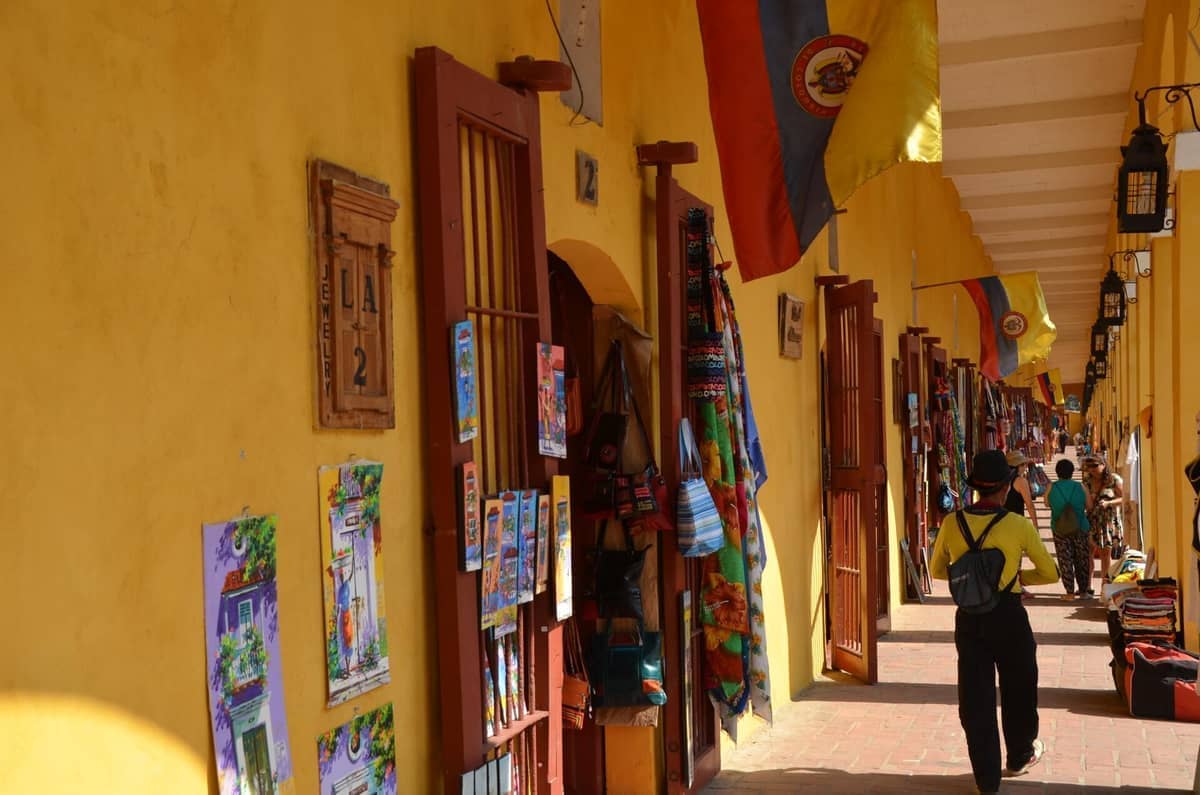
21. Browse Artisan Crafts in the Old City's Dungeon Vaults
These 23 vaulted chambers built into the city walls in the late 18th century once served as dungeons and munitions stores. Today they house artisan stalls selling Colombian crafts, textiles, and jewelry. It's the best place in the old city for souvenirs, set inside genuinely historic architecture.
Explore21. Browse Artisan Crafts in the Old City's Dungeon Vaults
These 23 vaulted chambers built into the city walls in the late 18th century once served as dungeons and munitions stores. Today they house artisan stalls selling Colombian crafts, textiles, and jewelry. It's the best place in the old city for souvenirs, set inside genuinely historic architecture.
Explore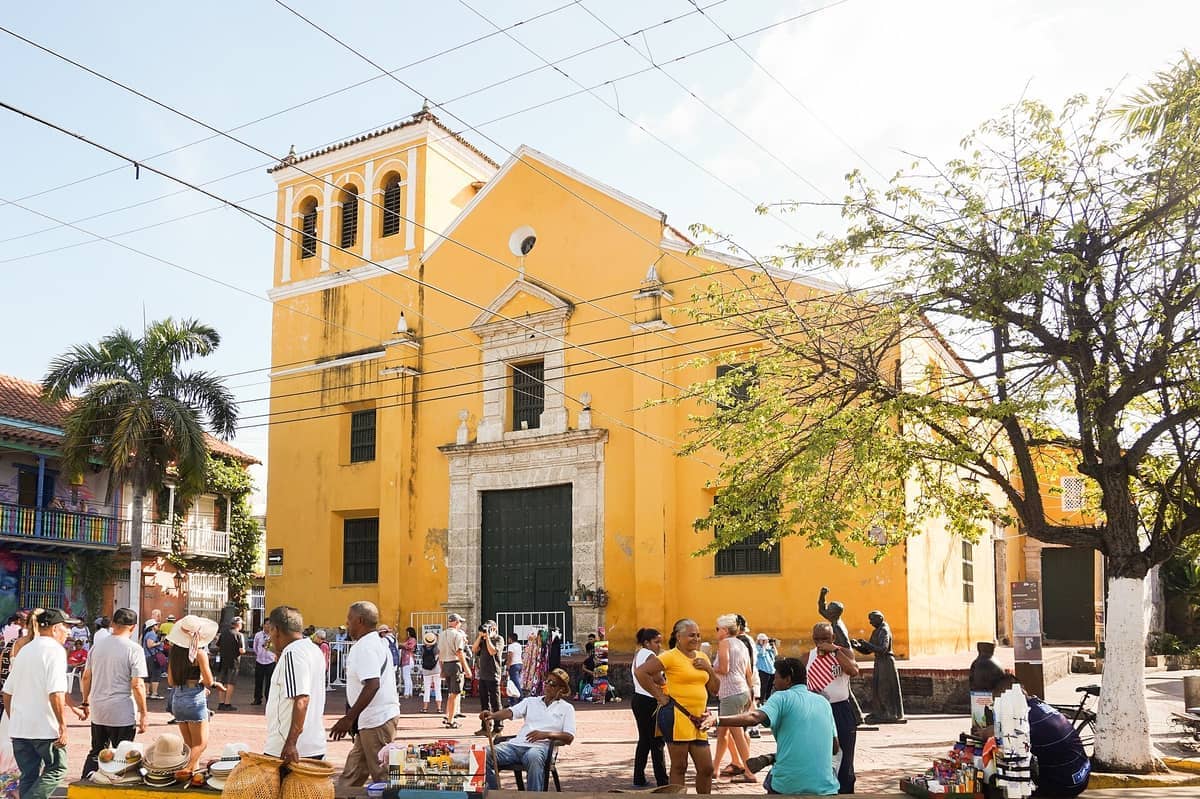
22. End Your Last Evening at Getsemaní's Independence Plaza
The plaza in front of this 17th-century church is where Cartagena's independence was first declared in 1811. Today it's the neighborhood's social living room, full of locals playing chess and chatting at dusk. A quiet, authentic way to close out your three days in the city.
Explore22. End Your Last Evening at Getsemaní's Independence Plaza
The plaza in front of this 17th-century church is where Cartagena's independence was first declared in 1811. Today it's the neighborhood's social living room, full of locals playing chess and chatting at dusk. A quiet, authentic way to close out your three days in the city.
ExploreFAQ
Is 3 days enough time to see Cartagena?
Three days is enough to cover the essential highlights: the walled city, a Rosario Islands day trip, Getsemaní, and one day trip or beach excursion. You won't see everything, but you'll leave with a genuine sense of the city rather than a rushed overview.
What is the best time of year for a 3-day visit to Cartagena?
December through April offers the most reliable dry weather, with minimal rain, steady sea breezes, and good visibility for snorkeling. June through August is also popular but slightly more humid. October is the wettest month and the least ideal for outdoor-focused itineraries.
Do I need to book the Rosario Islands trip in advance?
Yes, especially in high season (December-March and June-August). Boats depart from Muelle de la Bodeguita between 8:00 and 9:00am and fill quickly. Book your tour in advance and confirm departure time and meeting point with your operator in the evening.
Is it safe to walk around Cartagena's historic center and Getsemaní at night?
The historic walled city and Calle del Arsenal in Getsemaní are both active and generally safe for visitors at night due to consistent foot traffic and a visible police presence. As with any city, stay alert, avoid displaying expensive items, and use registered taxis or ride-hailing apps for travel after midnight.
How do I get between the main attractions without spending too much on transport?
The walled city, Getsemaní, and Castillo San Felipe are all walkable or a short taxi ride apart. Bocagrande and La Boquilla are usually reached by taxi or bus. For the Rosario Islands and El Totumo mud volcano, join organized day tours or take a local lancha, as there is no public ferry or road access.