Afro-Colombian Culture in Cartagena: History, Heritage & Experiences
Cartagena de Indias sits at the heart of Afro-Colombian history. From the UNESCO-recognized Cultural Space of San Basilio de Palenque to the living traditions embedded in Getsemaní and beyond, this guide covers the history, the neighborhoods, and the practical details for experiencing this heritage authentically.
Plan and book this trip
Tools from our partner Travelpayouts help you compare flights and hotels. If you book through them, we may earn a commission at no extra cost to you.
Flights
Hotels map
TL;DR
- Afro-Colombian culture is not a performance add-on in Cartagena — it is foundational to the city's identity, rooted in centuries of resistance, survival, and community.
- San Basilio de Palenque, about 70 km from Cartagena, is a UNESCO Intangible Cultural Heritage site and one of the first free African towns in the Americas — visit via a day trip from Cartagena (around US$100–110 per person on organized tours).
- Getsemaní and the streets of the Centro Histórico are where Afro-Colombian music, cuisine, and religious traditions are most visible inside the city itself.
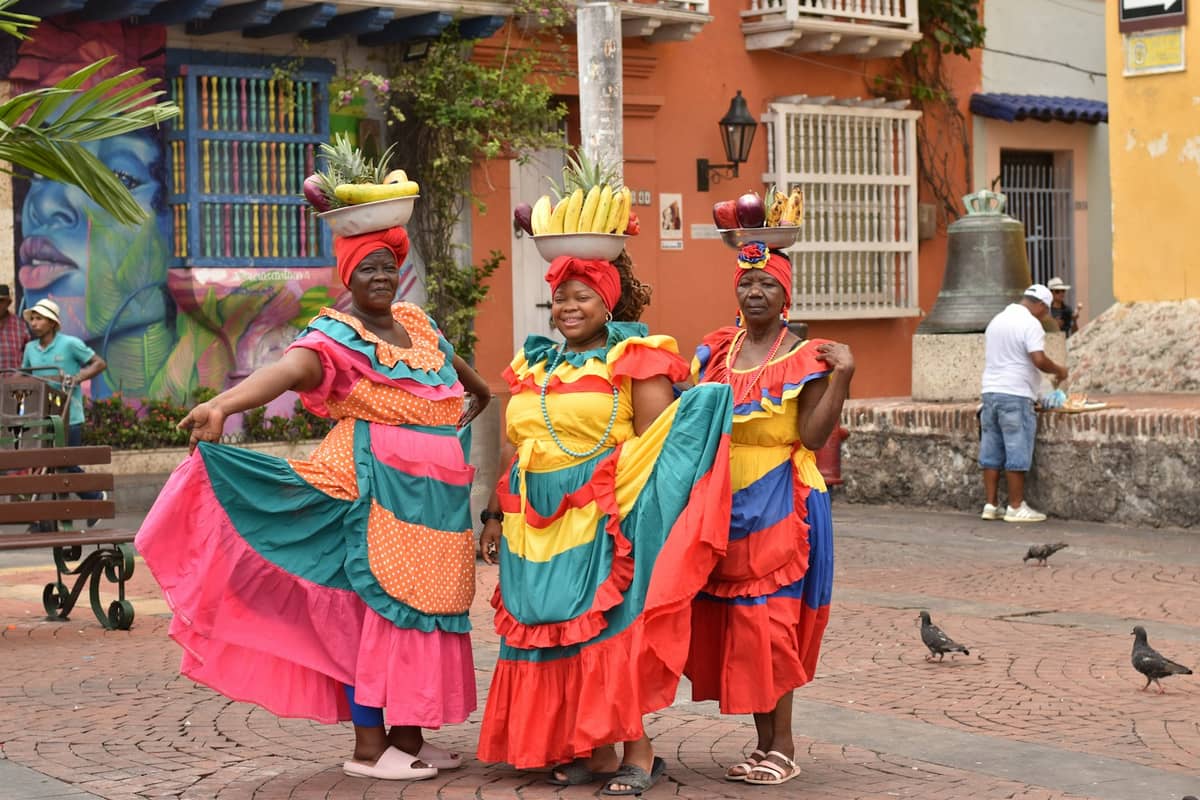
- Palenquero women selling fruit in the Old City are not tourist props — they are custodians of a living cultural tradition that predates Colombian independence.
- The best time to engage with Afro-Colombian culture is year-round, but the dry season (December to April) makes travel to Palenque significantly easier on dirt-road stretches.
Why Afro-Colombian Culture Is Central to Cartagena — Not Peripheral
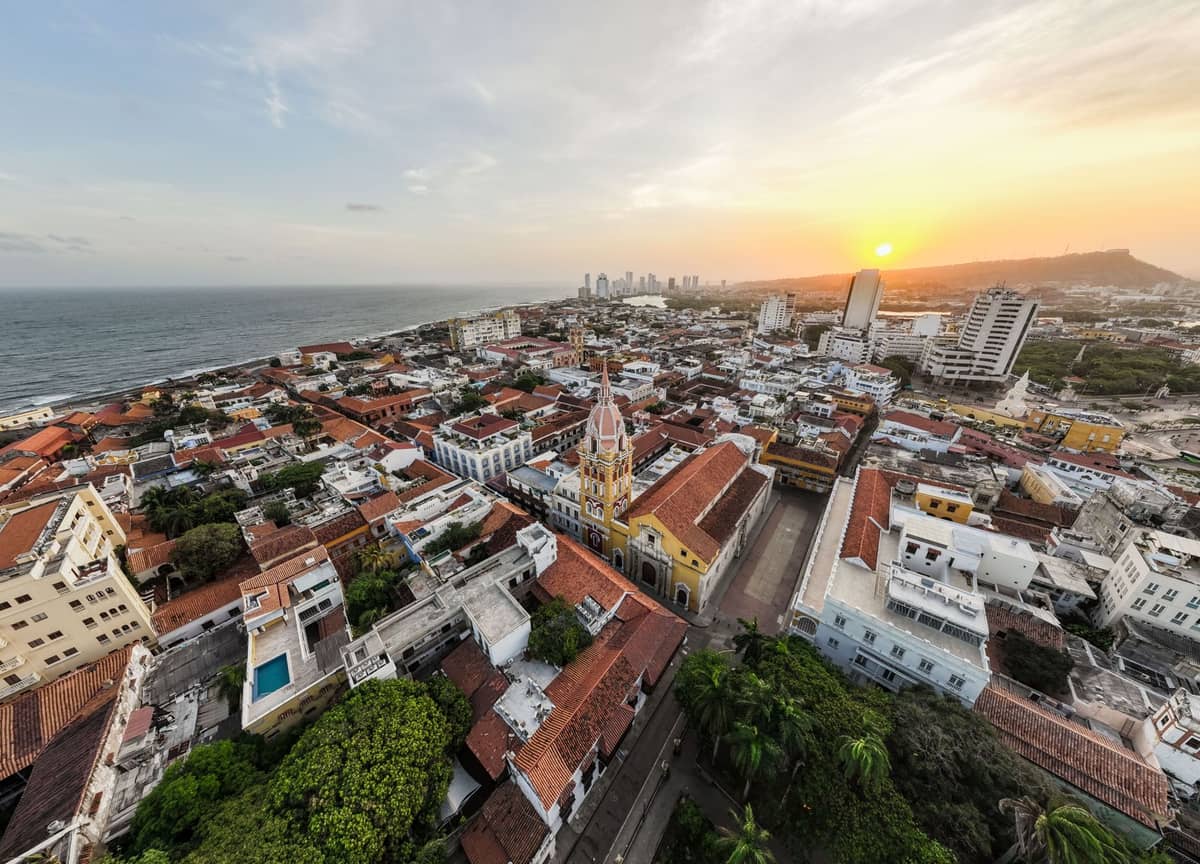
Cartagena de Indias was one of the most active slave-trading ports in the Americas from the 16th through the 18th centuries. Hundreds of thousands of enslaved Africans arrived through its harbor, drawn from diverse ethnic groups across West and Central Africa. This history is not a footnote to Cartagena's colonial story — it is the story. The city's food, music, religious practices, and neighborhood identities were shaped as much by African heritage as by Spanish colonial architecture.
What makes Cartagena distinct from other Caribbean cities is the survival and continuity of these traditions. Communities resisted assimilation, preserved languages, and built cultural institutions that endure today. San Basilio de Palenque — about 70 km from the city — is the most internationally recognized example, but Afro-Colombian heritage is present throughout Cartagena's own neighborhoods, markets, and religious calendar. Reducing it to a single day trip misses most of the picture.
ℹ️ Good to know
UNESCO recognizes the Cultural Space of San Basilio de Palenque as a Masterpiece of the Oral and Intangible Heritage of Humanity (proclaimed 2005, inscribed 2008). It was one of the first Colombian elements on the UNESCO ICH Representative List, alongside the Carnival of Barranquilla.
San Basilio de Palenque: The First Free Town in the Americas
San Basilio de Palenque was founded by cimarrones — Africans who escaped enslavement and established free communities called palenques in remote terrain beyond colonial reach. This particular community survived, negotiated autonomy, and has maintained a distinct cultural identity for more than 300 years. Its residents speak Palenquero, a Spanish-based creole language with deep African grammatical and lexical roots, making it the only Spanish-based creole on the South American mainland that developed from direct African contact with Spanish.
The village is not a museum. Around 3,500 people live there today, practicing cultural traditions that span funerary ceremonies called lumbalú, music styles including bullerengue and son palenquero, and community governance structures with African roots. Day tours from Cartagena typically include a local guide from the community, a music or dance demonstration, and lunch with traditional dishes. Expect a full-day experience: most departures are around 8:30–9:00 a.m., and the total duration runs approximately 6 hours. See the San Basilio de Palenque attraction page for logistics and what to expect on arrival.
- Tour cost Organized day tours with round-trip transport, guide, demonstrations, and lunch typically run US$100–110 per adult. Small-group private tours can reach US$130–150. Budget travelers can arrange shared taxis from Cartagena's Terminal de Transportes, though coordination on the ground takes effort.
- Road conditions The main route from Cartagena covers roughly 70 km, with the final section on unpaved road. During heavy rain (September–October especially), road access can deteriorate. Dry season visits (December–April) are logistically easier.
- Respectful engagement Palenque is a working community, not a cultural park. Photography of individuals requires consent. Purchases of local crafts and food directly support community families. Tipping your local guide is appreciated and meaningful.
- Language Your Cartagena-based guide will likely speak Spanish and English. In the village, most residents speak Spanish and Palenquero. Learning a few words of Palenquero before visiting is received warmly.
⚠️ What to skip
Some tour operators market Palenque as 'authentic' while running performances that feel staged and disconnected from actual community life. Ask whether your guide is from Palenque and whether the tour includes free time to walk the village independently. Tours booked directly with Palenquero community organizations tend to be more grounded than those sold by large hotel concierges.
Afro-Colombian Heritage Inside Cartagena: Neighborhoods, Markets, and Daily Life
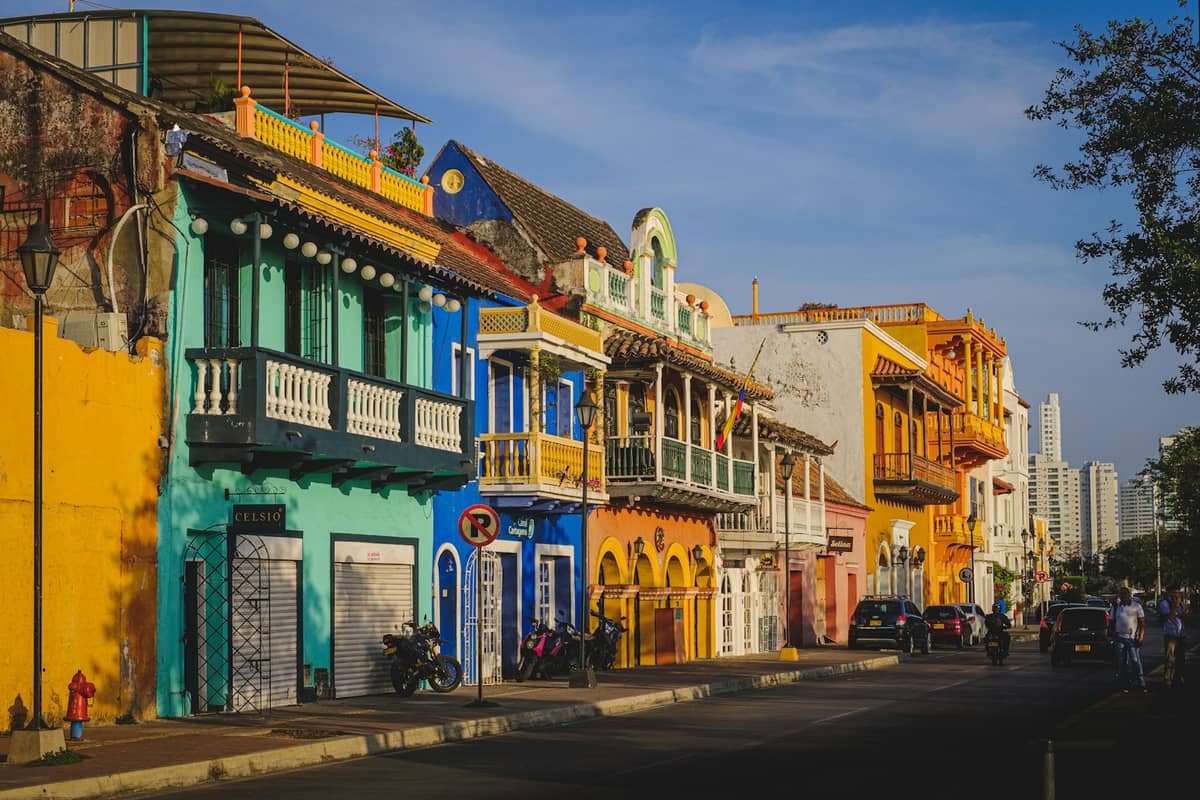
You do not need to leave Cartagena to encounter Afro-Colombian culture. The most immediate and unmediated experience is in Getsemaní, the neighborhood immediately outside the Walled City walls. Historically Cartagena's working-class and Afro-Colombian district, Getsemaní has long been the heartbeat of the city's popular culture — its street food, its murals, its late-night music. The Iglesia de la Trinidad plaza is where the neighborhood gathers in the evenings, just as it has for generations.
Inside the Old City itself, the Palenqueras are perhaps the most recognizable symbol of this heritage: women from San Basilio de Palenque who dress in traditional clothing and sell tropical fruit from baskets balanced on their heads. They are often photographed as a backdrop, but their presence has deep historical and economic significance. The Portal de los Dulces and the streets around the Torre del Reloj are where you are most likely to encounter them. If you buy fruit or request a photograph, pay fairly — this is their livelihood and their cultural statement, not a tourist amenity.
For a less curated experience of Afro-Colombian commerce and community, Bazurto Market is Cartagena's largest popular market and predominantly Afro-Colombian in its vendors, goods, and social character. It is loud, crowded, and not designed for tourists — which is exactly what makes it valuable. Go with a guide if you are unfamiliar with the city, and go in the morning.
Music, Religion, and Living Traditions
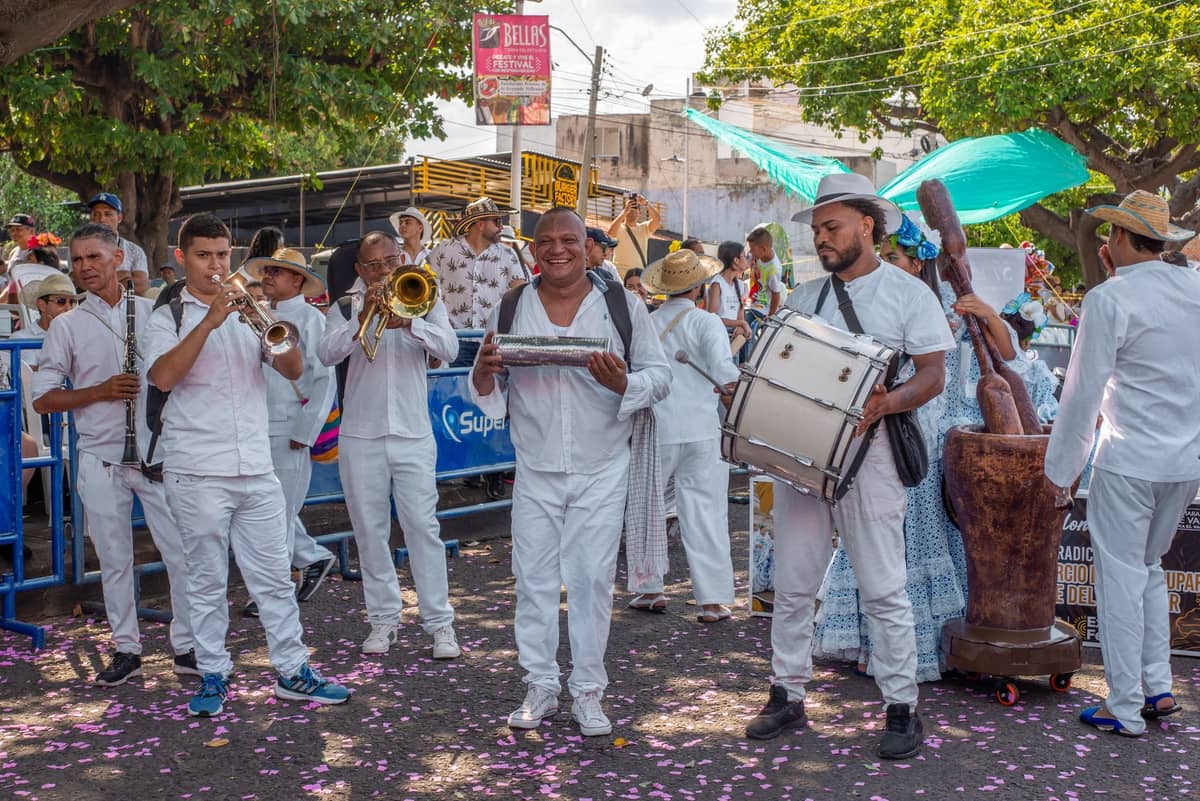
Afro-Colombian musical traditions are audible throughout Cartagena if you know where to listen. Champeta is the genre most associated with working-class Afro-Colombian communities in the city — a bass-heavy, African-Caribbean fusion that emerged in the 1980s from neighborhoods like Getsemaní and Olaya Herrera. It was long stigmatized by Cartagena's elite as low-class music, which is part of what made it such a potent cultural marker. Today it is increasingly recognized as a legitimate art form and is performed at neighborhood festivals and clubs outside the tourist corridor.
Bullerengue and cumbia have older roots and are still performed at cultural festivals and during Cartagena's festival season. The Fiestas de Independencia in November bring street performances, parades, and music that draw heavily on Afro-Colombian traditions. If your trip falls in November, this is one of the most immersive windows into how the culture lives in the city rather than on a stage.
Religious syncretism is another thread. The cult of San Pedro Claver is historically complicated from an Afro-Colombian perspective: Claver was a Jesuit priest who baptized enslaved Africans in Cartagena during the 17th century. The Santuario San Pedro Claver is a significant colonial religious site, but engaging with it thoughtfully means acknowledging both the humanitarian acts it commemorates and the broader violence of the system it operated within. The tension is worth sitting with.
✨ Pro tip
The Museo de las Culturas Afrocolombianas inside San Basilio de Palenque — run by community members — offers a more direct account of Afro-Colombian history than most Cartagena museums. If you visit Palenque, allocate time here before joining the dance demonstration. The context makes everything else land differently.
Food as Heritage: What to Eat and Where
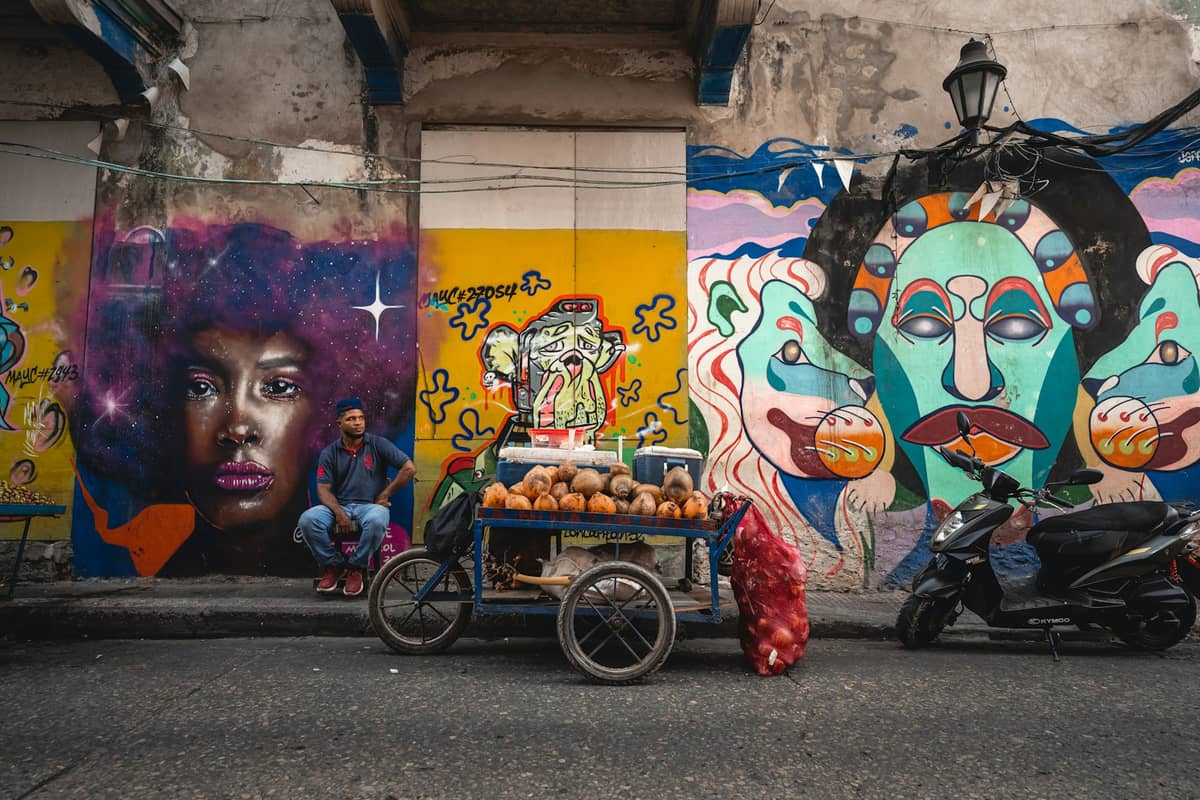
Afro-Colombian culinary traditions are embedded in Cartagena's street food and market cooking. Dishes that trace directly to African techniques and ingredients include rice cooked with coconut milk (arroz con coco), fried fish with patacones (twice-fried green plantains), sancocho de guineo (a green banana stew), and various preparations of yuca and ñame. These are everyday foods across the city, not specialty restaurant items. The Cartagena street food guide covers where to find the best versions, but for Afro-Colombian food specifically, look to Getsemaní's comedores and the stalls around Bazurto Market.
On day trips to Palenque, lunch typically includes dishes prepared by community women using traditional recipes: rice with coconut, slow-cooked meats, and tropical fruits. This is not restaurant food — it is domestic cooking shared with visitors, and the quality is generally excellent. It is also one of the more direct ways your food spending reaches Palenquero families rather than outside tour operators.
- Arroz con coco (coconut rice): the baseline of Afro-Colombian coastal cooking, found everywhere but best when made with toasted coconut milk reduction
- Patacones: green plantain patties fried twice, served with hogao (tomato and onion sauce) or fish
- Sancocho trifásico: three-meat broth stew — a dish that crosses Afro-Colombian and broader coastal traditions
- Carimañolas: yuca fritters stuffed with meat or cheese, sold by street vendors and in Getsemaní markets
- Chicha and agua de panela: traditional drinks tied to community gathering practices
Planning Your Visit: Practical Logistics
Cartagena is well set up as a base for Afro-Colombian cultural exploration. The city is served by Rafael Núñez International Airport (IATA: CTG), about 4–6 km from the Centro Histórico depending on your route. For neighborhood-level exploration of Getsemaní and the Walled City, most things are walkable. For Palenque and surrounding communities, you will need organized transport or a private hire. The getting around Cartagena guide covers transport options in detail.
In terms of when to visit, Afro-Colombian cultural tourism is year-round, but the dry season from December to April brings more reliable road conditions for Palenque trips and more comfortable conditions generally. November's independence festivals offer unmatched cultural immersion. For more on timing, see the best time to visit Cartagena and the dedicated Cartagena in December guide if you are considering a peak-season visit.
Where you stay shapes how much Afro-Colombian culture you actually encounter. Staying in Getsemaní rather than Bocagrande or a resort puts you in direct contact with the living neighborhood. The where to stay in Cartagena guide compares all the major areas honestly, including the trade-offs of convenience versus cultural immersion.
💡 Local tip
If your budget allows only one cultural investment beyond the standard sightseeing circuit, make it a properly organized Palenque day trip with a community-based guide rather than another Colonial-era museum. The perspective shift is considerable and the money goes directly to people keeping this heritage alive.
FAQ
Is San Basilio de Palenque worth visiting from Cartagena?
Yes, for travelers with genuine interest in Afro-Colombian history and culture. It is a UNESCO Intangible Cultural Heritage site and one of the most significant African diaspora communities in the Western Hemisphere. The day is long (roughly 6 hours round-trip), costs around US$100–110 on organized tours, and involves some rough road travel. It is not worth doing if you want a quick highlight reel — but for cultural depth, nothing in the Cartagena region compares.
Where can I experience Afro-Colombian culture without leaving Cartagena?
Getsemaní is the most accessible neighborhood for this, with its street art, music venues, and historically working-class Afro-Colombian identity. Bazurto Market gives you a ground-level view of Afro-Colombian commerce and daily life. The Palenquera fruit sellers in the Old City are another touchpoint, as is the street food culture across the city — coconut rice, patacones, and carimañolas are all part of this culinary heritage.
What is Palenquero and where is it spoken?
Palenquero is a Spanish-based creole language with West and Central African grammatical structures. It is the only Spanish-based creole on the South American mainland that developed from direct contact between African languages and Spanish. It is primarily spoken in San Basilio de Palenque, about 70 km from Cartagena, and by Palenquero diaspora communities in Cartagena itself. UNESCO recognizes it as a core element of the Cultural Space of San Basilio de Palenque.
Is Afro-Colombian culture in Cartagena authentic or just tourism?
Both exist, and the distinction matters. The Palenqueras selling fruit in the Old City, the champeta music in Getsemaní, and the cooking traditions in Palenque are genuine living culture. Some organized tours package these for consumption in ways that flatten or performatize them. The best way to engage authentically is to seek out community-based operators, spend time in neighborhoods outside the tourist corridor, and approach what you see as a guest in someone else's living culture rather than a ticket-holder at an attraction.
What should I read or watch before visiting to understand Afro-Colombian history?
For background on the slave trade through Cartagena, historian Nicolás Ngou-Mve's work is foundational. The documentary 'Palenque, un canto' (2009) offers insight into the community and its music. Nina S. de Friedemann's anthropological work on Afro-Colombian communities remains essential for deeper context. Understanding even the broad outlines of this history before you arrive will change how you experience everything from the colonial churches to the markets.