Cartagena Nightlife: Best Bars, Clubs & After-Dark Experiences
From rooftop cocktails above the Walled City to salsa-soaked plazas in Getsemaní, Cartagena de Indias comes alive after dark. This guide covers every major nightlife zone, realistic price ranges, what to skip, and how to plan a great night out in Colombia's most atmospheric Caribbean city.
Plan and book this trip
Tools from our partner Travelpayouts help you compare flights and hotels. If you book through them, we may earn a commission at no extra cost to you.
Flights
Hotels map
TL;DR
- Cartagena nightlife is split across three zones: Centro Histórico (Walled City), Getsemaní, and Bocagrande, each with a distinct vibe and price point.
- Most bars open 6–7 p.m. and close around 3–4 a.m.; clubs run Thursday through Saturday and get going after 11 p.m.
- Budget around 150,000–250,000 COP per person for a full night out at mid-range spots, including transport, covers, and drinks.
- Getsemaní is where locals and savvy travelers drink cheaply; the Walled City is for atmosphere and splurging. Read our Getsemaní neighborhood guide for full context.
- Petty theft happens in all nightlife zones: use registered taxis or ride-hailing apps, carry minimal cash, and avoid walking alone between neighborhoods late at night.
How Cartagena's Nightlife Is Organized by Neighborhood
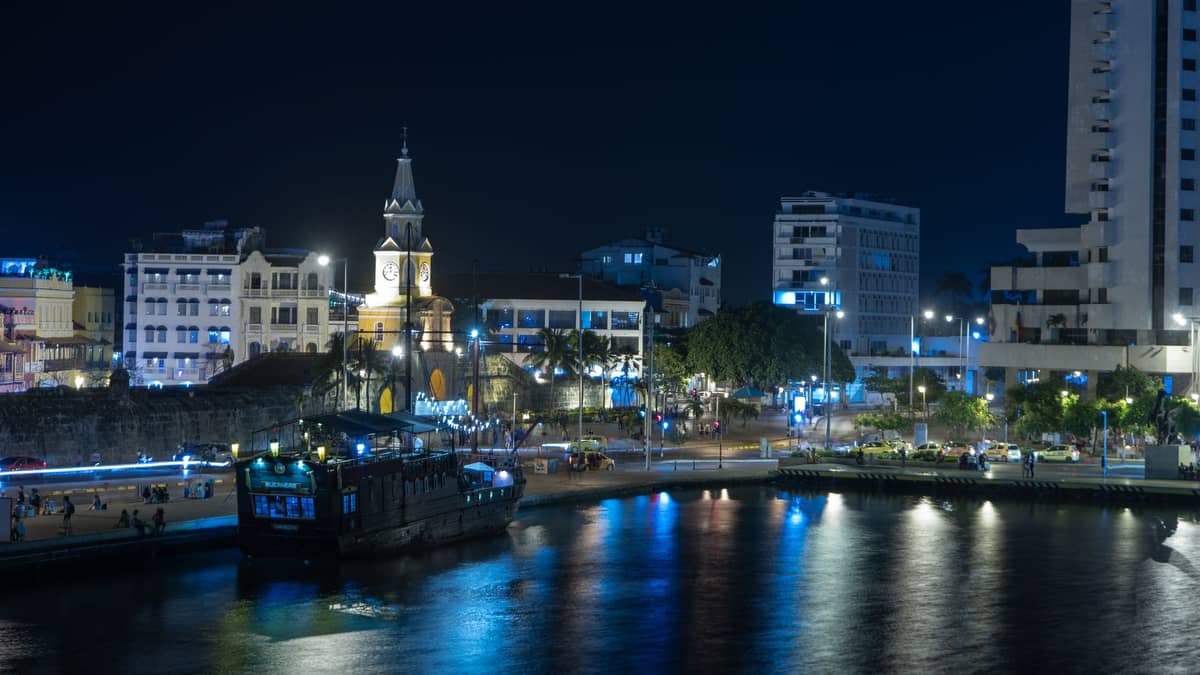
Cartagena de Indias is not a single nightlife scene — it's three overlapping ones. The Centro Histórico (the Walled City) is the most photogenic: colonial courtyards turned into rooftop bars, candlelit plazas with live vallenato, and some of the priciest cocktails in Colombia. Getsemaní, directly outside the walls, is grittier, cheaper, and increasingly popular with both international travelers and locals who know prices inside the walls are inflated. Bocagrande, the Miami-style peninsula to the south, has a more modern club scene in high-rise hotels and beach bars.
Each zone has a different social profile. The Walled City draws couples on romantic trips, foodie travelers, and anyone staying in a boutique hotel within the walls. Getsemaní attracts backpackers, expats, and locals who want to dance cumbia and drink aguardiente without paying tourist markup. Bocagrande appeals to Colombian domestic tourists, families by day and young professionals by night. Understanding which zone fits your travel style saves you a bad night and a bigger-than-expected bill.
💡 Local tip
Nightlife in Cartagena starts late by northern hemisphere standards. Bars fill up properly after 10 p.m. and clubs rarely hit full energy before midnight. Arriving at a club at 9 p.m. on a Saturday means you'll be nearly alone. Plan dinner for 7–8 p.m., rooftop drinks for 9–10 p.m., and clubs after 11 p.m.
The Walled City: Rooftop Bars and Colonial Atmosphere
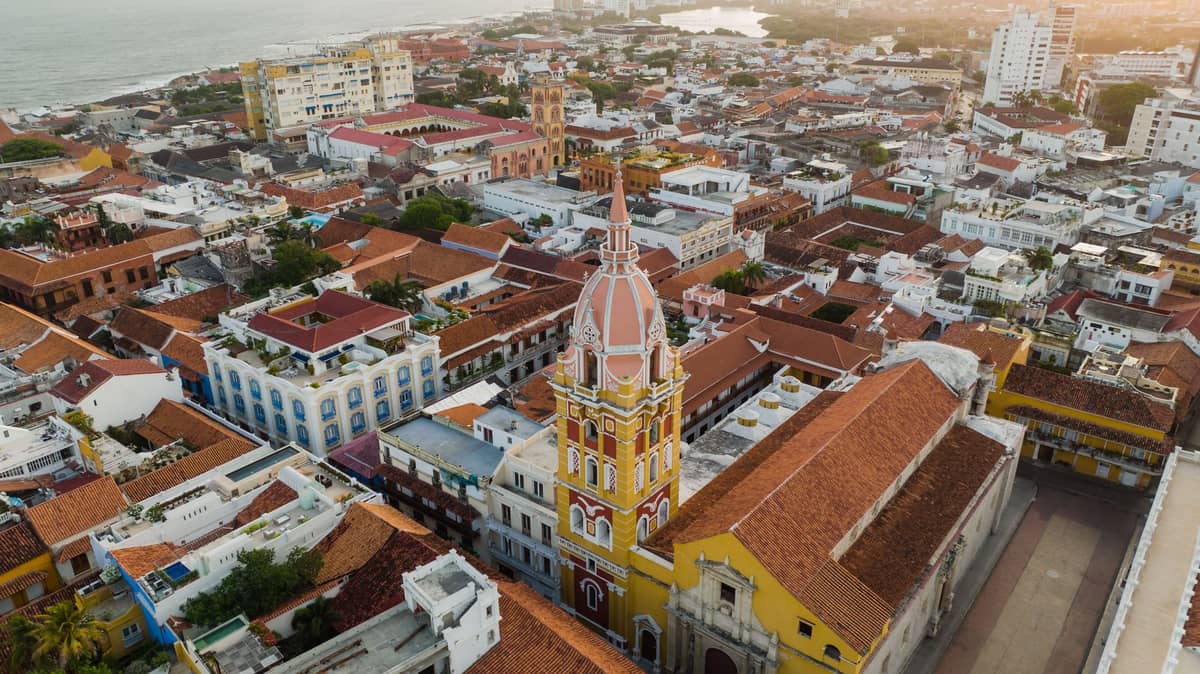
The Centro Histórico delivers the most cinematic after-dark experience in Colombia. Bars here occupy restored colonial mansions, with interior courtyards lit by fairy lights and rooftop terraces overlooking terracotta rooftops and church domes. The atmosphere is genuinely remarkable, but it costs money. Cocktails in mid-range Walled City bars run 35,000–55,000 COP; upscale rooftop venues charge 42,000–95,000 COP per drink. Most rooftop bars have no formal cover but enforce a minimum spend of 80,000–150,000 COP per person.
The area around Plaza Santo Domingo is the most concentrated bar strip in the city. The square itself has open-air tables, live music some evenings, and fruit vendors selling cold cocktails at street prices — a useful tactic for pre-loading before you hit the rooftops. Calle del Santísimo and the surrounding streets have several cocktail bars within a short walk of each other, making it easy to move between venues. The Calle del Arsenal in the San Diego section of the walls is another reliable strip for bar-hopping, with a slightly younger crowd than the plaza areas.
- Rooftop bars Best for sunset drinks and atmosphere. No cover but minimum spends apply (50,000–150,000 COP). Book via Instagram DM or the venue website on weekends during peak season.
- Colonial courtyard bars Ground-level bars inside converted mansions. Often have live music (vallenato, jazz, salsa). More intimate and slightly cheaper than rooftops.
- Plaza tables Outdoor seating around the main plazas. Ambient but slow service. Good for a first drink before moving on.
- Street cocktail vendors Women selling salpicón and canned cocktails around the plazas in the evenings. Cheapest option by far, around 5,000–10,000 COP, and entirely part of the local scene.
Getsemaní: Where the Real Party Is
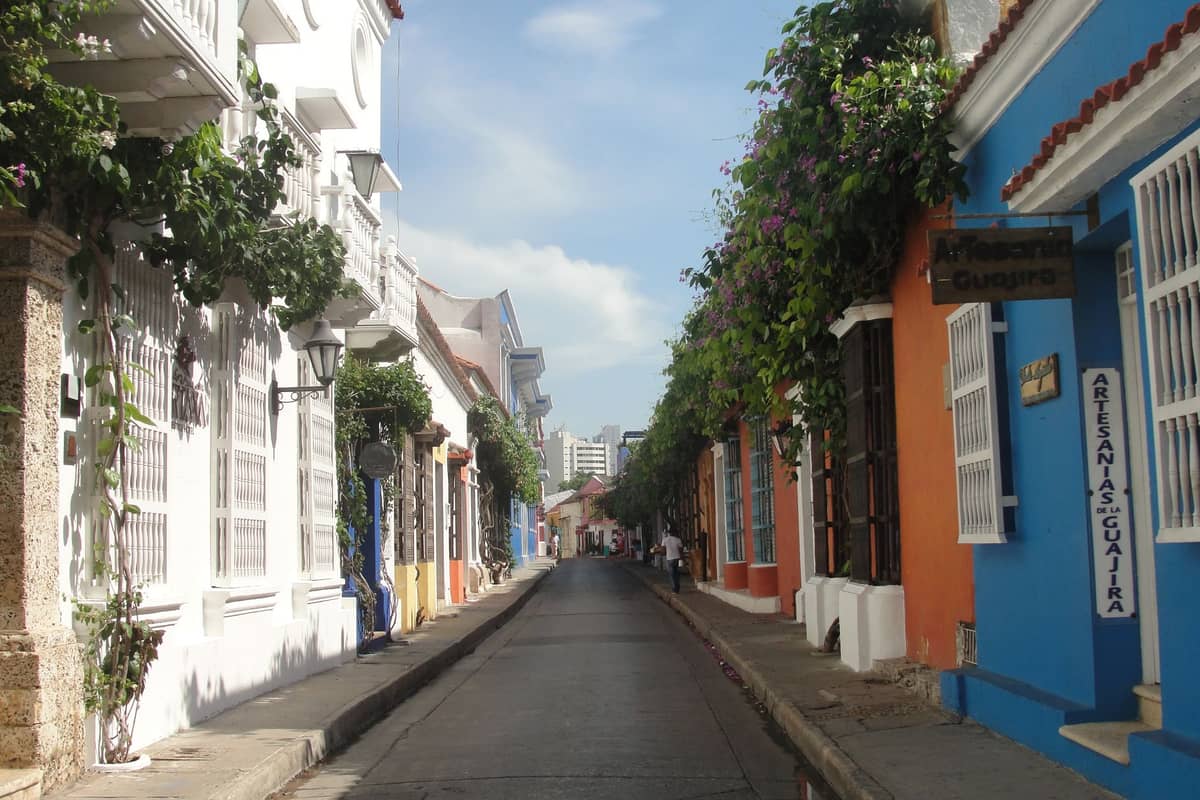
Getsemaní is the neighborhood that best captures how Cartagena actually parties. The Plaza de la Trinidad in particular functions as an open-air living room most evenings: locals set up chairs, vendors sell beer out of coolers (around 3,500–5,000 COP a can), and impromptu music sessions happen with no cover charge at all. It is, without question, the most socially interesting place to spend an evening in Cartagena, and many experienced travelers prefer it to any bar inside the walls.
The neighborhood also has a growing bar and club scene along Calle Larga and the surrounding streets. Bars here open as early as 5 p.m. and cater to a mix of international travelers staying in hostels, Colombian visitors, and neighborhood residents. Drinks are noticeably cheaper than inside the Walled City, with beers around 6,000–12,000 COP and cocktails from 20,000 COP. Several venues have live salsa or cumbia most nights of the week, not just weekends.
⚠️ What to skip
Getsemaní has improved significantly in recent years, but it remains a neighborhood in transition. Stick to the well-lit main streets around Plaza de la Trinidad and Calle Larga. Wandering off into darker side streets after midnight, especially alone or visibly intoxicated, is where petty theft incidents concentrate. The neighborhood is safe with basic awareness — it is not safe with zero awareness.
For a deeper read on the neighborhood beyond its nightlife, the Afro-Colombian culture guide gives essential context on Getsemaní's cultural history, which makes the evening scene feel less like tourism and more like participation.
Clubs, Salsa, and Dancing Until 4 A.M.

Cartagena has proper nightclubs, though the scene is smaller and more seasonal than Medellín or Bogotá. The main club nights are Thursday through Saturday, and most clubs do not get going until after 11 p.m. Weekend cover charges range from 30,000–60,000 COP at most venues, rising to around 70,000 COP at premium spots on special nights. During peak periods (December–January, Easter week, Colombian national holidays), minimums and covers at top clubs can exceed those ranges significantly.
Salsa and champeta (a distinctly Costeño Caribbean rhythm) dominate the dance floors at local spots. Champeta is worth seeking out specifically: it originated on the Caribbean coast and has deep roots in Afro-Colombian communities in and around Cartagena. You will not hear it much in the upscale Walled City venues, but it is very much alive in Getsemaní and working-class neighborhood bars. For couples traveling together, the rooftop bars inside the walls are consistently recommended. For anyone who wants to actually dance, the clubs in Getsemaní and certain Bocagrande venues are the better choice.
- Thursday–Saturday are the only reliable nights for clubs; earlier in the week expect very quiet scenes at most venues.
- LGBT-friendly clubs typically run Thursday–Saturday, 10 p.m.–4 a.m. Check current schedules on Instagram before going, as hours shift seasonally.
- Bottle service is common at upscale clubs; groups of four or more often do better financially with a bottle deal than individual drinks.
- Many mid-range clubs accept cards, but smaller bars and Getsemaní venues often prefer cash. Carry 100,000–150,000 COP in small bills.
- A standard 10% service charge appears on most nightclub and bar bills in Cartagena. This is customary — you can tip beyond it for excellent service, but it is not obligatory.
Bocagrande: Beach Bars and Modern Clubs
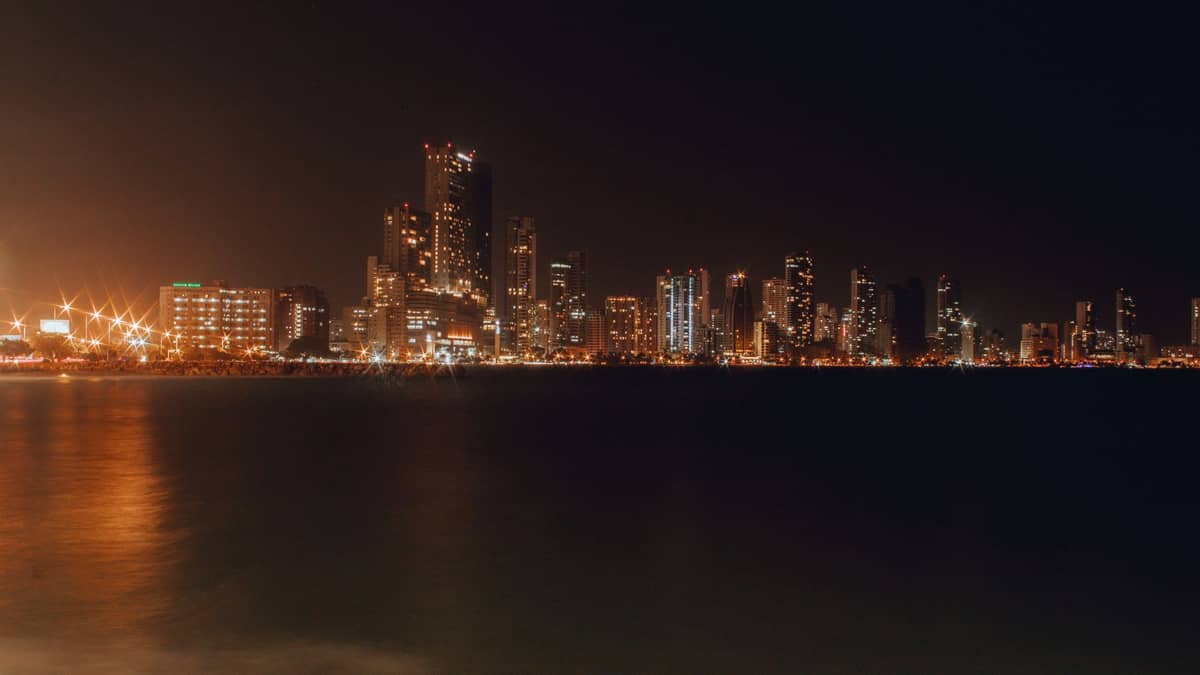
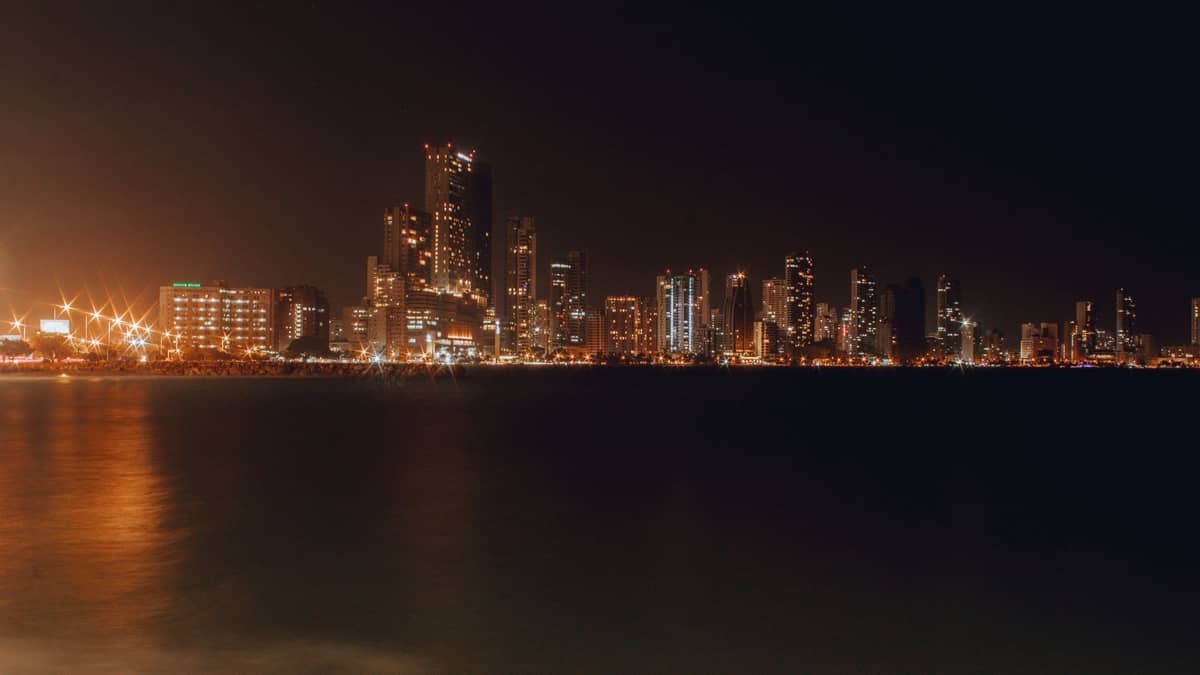
Bocagrande does not have the romance of the Walled City or the authenticity of Getsemaní, but it does offer the most contemporary club experience in Cartagena, and it is significantly safer for late-night travel between venues because it is a more open, well-lit urban grid. The bar and club scene here concentrates along Avenida San Martín and inside several of the larger hotels. Bocagrande appeals most to Colombian domestic tourists, groups of friends on weekend trips from Bogotá or Medellín, and travelers who prioritize comfort and modern infrastructure over colonial aesthetics.
Prices in Bocagrande sit between Getsemaní (cheapest) and the Walled City (most expensive). Beach bars along the Bocagrande waterfront are a solid option in the early evening before heading to a club. Note that Bocagrande beach itself is not the prettiest stretch of sand in Cartagena, but as a setting for an early-evening drink with sea views and a sea breeze, it works well enough.
✨ Pro tip
If you are staying in Bocagrande, the taxi ride to Getsemaní or the Walled City takes around 10–15 minutes and costs roughly 12,000–20,000 COP at night. It is entirely feasible to start your evening in Bocagrande and move to the Walled City for rooftop drinks, then end up in Getsemaní. Use a registered taxi or Uber — do not walk between these zones late at night.
Practical Details: Prices, Safety, and Getting Home
Budgeting for a night out in Cartagena depends almost entirely on which neighborhood you choose and whether you go to a club. A conservative but enjoyable evening (Getsemaní bar-hopping, no club entry) can cost as little as 80,000–100,000 COP per person including transport. A full night out with a rooftop bar in the Walled City, club entry, and drinks will land closer to 220,000–320,000 COP per person. The cost difference between zones is real and worth factoring into your accommodation choice.
Getting home safely is the most practical concern for most visitors. Uber operates in Cartagena and is the most reliable late-night option: the price is set in the app, there is no negotiation, and you have a record of the ride. Official yellow taxis are also fine, but agree on the fare before getting in or insist on the meter. Never accept rides from unmarked vehicles or individuals who approach you outside a club. For a broader look at navigating the city, the getting around Cartagena guide covers all transport modes in detail. If safety is a genuine concern before your trip, the is Cartagena safe guide addresses the question directly with neighborhood-specific information.
For travelers planning a broader trip and wanting to see how nightlife fits into the full picture, the 3-day Cartagena itinerary integrates evening recommendations with daytime sightseeing. Couples may also find the Cartagena couples guide useful, since it specifically addresses which rooftop bars and restaurants are best for a romantic evening.
- Best nights to go out Friday and Saturday are the busiest. Thursday is a strong local night, especially in Getsemaní. Sunday–Wednesday is quiet at clubs; bars remain open but expect thin crowds.
- When to arrive Rooftop bars: 9–10 p.m. for sunset drinks. Clubs: not before 11 p.m. if you want any energy in the room.
- Peak season pricing December through January, Easter week, and Colombian national long weekends push up covers and minimum spends at popular venues by 30–50%. Book tables in advance during these periods.
- Dress code Smart-casual is the standard for most clubs and rooftop bars inside the walls. Flip-flops and beach shorts will get you turned away from upscale venues. Getsemaní bars are relaxed about dress.
FAQ
What is the best area for nightlife in Cartagena?
It depends on what you want. For atmosphere and romance, the Centro Histórico (Walled City) has the best rooftop bars and colonial-era settings. For cheaper drinks, dancing, and a more local feel, Getsemaní is the better choice. Bocagrande offers modern clubs and is the safest area for late-night movement between venues.
Is Cartagena nightlife expensive?
It varies a lot by zone. Getsemaní bars are genuinely cheap: beers from 4,000–8,000 COP, cocktails from 15,000 COP. Walled City rooftop bars charge 38,000–95,000 COP per cocktail and enforce minimum spends. A full night out at mid-range spots (transport, cover, drinks) typically runs 200,000–300,000 COP per person.
Is it safe to go out at night in Cartagena?
The main nightlife zones are patrolled and busy enough that serious crime is uncommon. Petty theft (phone snatching, pickpocketing) does occur, particularly when people leave clubs intoxicated. Use registered taxis or Uber to get home, carry only the cash you need, and avoid walking alone between neighborhoods after midnight. The Walled City and Bocagrande are generally calmer late at night; Getsemaní requires slightly more awareness on side streets.
What time do clubs open in Cartagena?
Most clubs technically open around 9–10 p.m. but are near-empty until 11 p.m. or midnight. Peak energy is typically between midnight and 3 a.m. on Friday and Saturday nights. Clubs generally close around 3–4 a.m. Many only operate Thursday through Saturday.
What kind of music do Cartagena clubs play?
Salsa, reggaeton, and champeta are the dominant genres. Champeta is a Caribbean rhythm with Afro-Colombian roots that you will find almost exclusively in local bars and certain Getsemaní venues — it is one of the most distinctive musical experiences Cartagena offers. Upscale Walled City bars tend toward house, Latin pop, and commercial DJ sets.