Playa Blanca, Isla Barú: What the Photos Don't Show You
Playa Blanca on Isla Barú sits inside a national park about 35 km south of Cartagena, and it delivers genuinely stunning Caribbean scenery: pale sand, warm turquoise water, and a horizon with no highrise hotels in sight. But it also has vendors, crowds, and practical logistics that demand some preparation. Here is what a visit actually looks like.
Quick Facts
- Location
- Western coast of Isla Barú, ~35–40 km south of Cartagena, Bolívar Department, Colombia
- Getting There
- By road: ~1.5–2 hrs via Pasacaballos bridge (car, taxi, or shuttle). By boat: ~45–55 min speedboat from Muelle de la Bodeguita or Bocagrande marinas
- Time Needed
- Half day minimum; a full day is recommended to justify travel time
- Cost
- National park conservation fee applies (verify current COP tariff at park). Boat and shuttle fares charged separately by private operators
- Best for
- Caribbean swimming, photography, beach days away from the city hotel strip
What Playa Blanca Actually Is
Playa Blanca – Isla Barú is a beach sector on the western coast of Isla Barú, a peninsula that juts into the Caribbean about 35–40 km south of Cartagena de Indias. The full official name is Playa Blanca, Isla de Barú, sector del Parque Nacional Natural Corales del Rosario y de San Bernardo, which tells you something important: this is not just a public beach. It sits inside a nationally protected marine and coastal park administered by Parques Nacionales Naturales de Colombia, the same authority that manages the Islas del Rosario offshore.
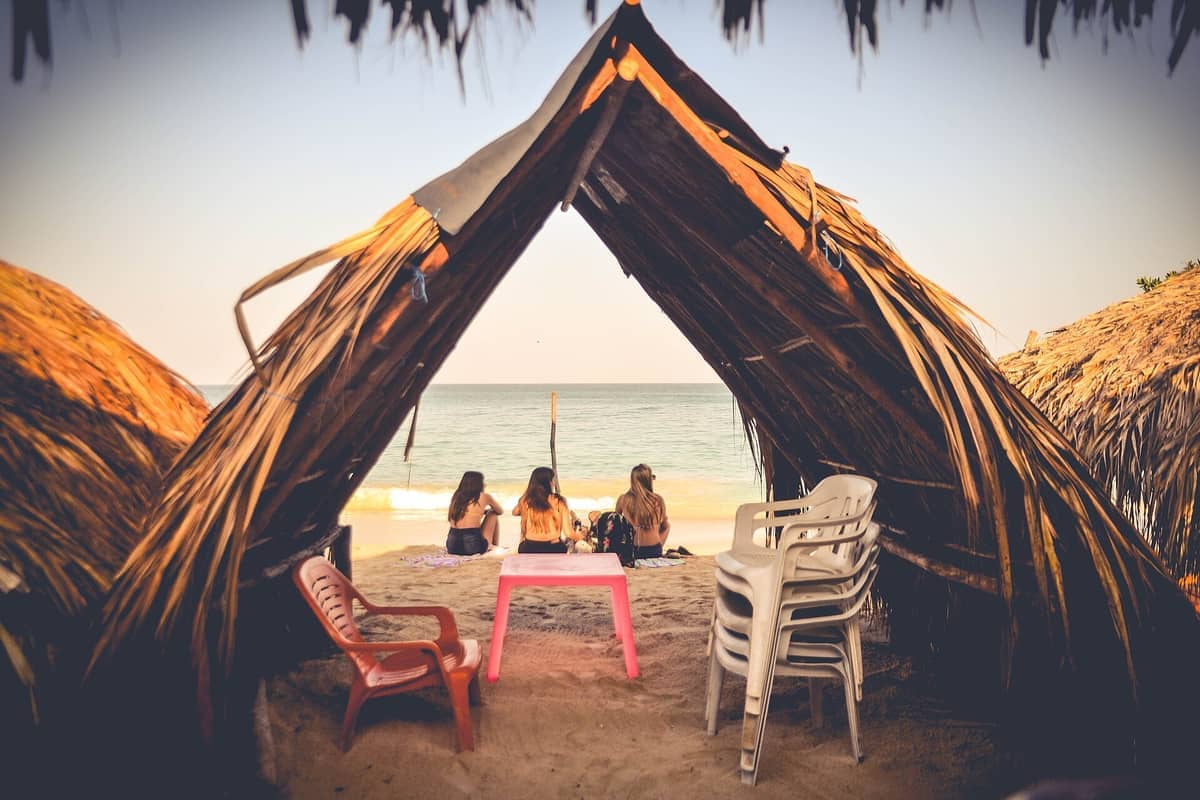
The beach itself is a wide arc of fine, pale sand backed by palm trees and modest food and hammock stalls operated by local Barú residents. The water is shallow, warm, and ranges from clear green-blue near the shore to deeper cobalt further out. On a calm morning, it is genuinely one of the most beautiful stretches of coastline accessible from Cartagena without an overnight stay.
What Playa Blanca is not: secluded. The park authority's own communications have flagged mass tourism and illegal construction here as ongoing management problems. Visitors who arrive expecting an empty paradise, especially on weekends between December and March, will find something closer to a popular beach resort without the formal infrastructure. If a quieter experience matters more to you, the Islas del Rosario national park offshore may be the better choice.
Access Hours and Park Rules
National park regulations set firm access windows that visitors must follow. Terrestrial access by road or bridge is permitted between 07:00 and 17:00. If you arrive by boat, marine access is allowed from 08:00 to 12:00, with the latest permitted departure at 15:00. These are not soft guidelines: the park authority enforces them, and boat operators generally know the windows well.
⚠️ What to skip
A park resolution also specifies that boarding boats to other Rosario Islands sectors directly from Playa Blanca is not permitted. If your itinerary includes both Playa Blanca and the offshore islands, you need to plan those as separate trips departing from Cartagena, not as a combined route via the beach.
A national park conservation fee is charged for entry, collected in Colombian pesos. The tariff structure varies by sector and is updated periodically, so the most reliable figure is always the current rate posted by Parques Nacionales or confirmed with your tour operator before departure. Do not assume a specific price based on older travel forums, as it will change.
Tickets & tours
Hand-picked options from our booking partner. Prices are indicative; availability and final rates are confirmed when you complete your booking.
Baru Terrestre and Islas Del Rosario Pasadia full day tour
From 40 €Instant confirmationFree cancellationTotumo Volcano and lunch at a VIP hotel from Cartagena
From 34 €Instant confirmationFree cancellationCity tour of Cartagena with entry to San Felipe castle
From 25 €Instant confirmationFree cancellationSan Andres Islands pontoon tour through the inner bay
From 26 €Instant confirmationFree cancellation
How to Get There: Road vs. Boat
There are two realistic ways to reach Playa Blanca, and each has a distinct character. The road route crosses the Campo Elías Terán Dix bridge near Pasacaballos and then passes through the rural settlements of Ararca and Santa Ana before reaching the beach area. Total travel time from central Cartagena is roughly 1.5 to 2 hours by car, taxi, or organized shuttle. The final stretch of road into the beach is unpaved and can deteriorate during the rainy season (roughly May through November), which may cause problems for low-clearance vehicles and can be uncomfortable for passengers with mobility limitations.
The boat option departs from Muelle de la Bodeguita or from marinas in Bocagrande. Speedboats cover the distance in approximately 45 to 55 minutes. Organized day tours generally use this route and combine it with snorkeling or a stop near the Rosario archipelago. The boat journey itself, skimming across the Caribbean in the morning light with the colonial skyline receding behind you, is a worthwhile part of the experience. Note that the marine access window closes at 12:00 for arrivals, so boats departing Cartagena after around 10:30 may not make it inside the regulated window.
💡 Local tip
If you book a day tour that includes Playa Blanca by boat, confirm with the operator whether the park conservation fee is included in the price or paid separately on arrival. Many all-inclusive tour prices do not cover it.
For context on how Playa Blanca fits within Cartagena's broader island and coastal options, the Cartagena islands guide covers the full range of day-trip choices from the city, including comparisons with Isla Tierra Bomba and the Rosario archipelago.
What the Beach Feels Like at Different Times of Day
Early morning, between 07:00 and 09:00, is when Playa Blanca is at its best. The light is low and golden, the sand is cool underfoot, the air smells of salt and woodsmoke from the food stalls setting up, and the water is almost still. At this hour, the beach has a genuine, unhurried atmosphere. Local vendors are arranging their hammocks and grilling fresh fish, not yet calling out to every passing visitor.
By mid-morning, tour boats from Cartagena begin arriving in sequence, and the beach fills steadily. Between 10:30 and 13:00 on peak-season days (December through March, especially weekends), the sand is busy and vendor pressure intensifies. Women selling braided hair, men offering boat rides, and hammock rental operators circulate constantly. This is not aggressive by any standard, but it is persistent. If you prefer to simply sit and look at the water without being approached every few minutes, this window is not ideal.
The early afternoon brings heat that makes the water feel necessary rather than optional. Temperatures regularly reach 30–32°C (86–90°F) with high humidity, and the shade from palm trees and thatched palapas becomes genuinely important. By 14:00–15:00, the beach begins to thin as boat-tour groups board for the return journey in line with the marine departure window. If you arrive by road, this is when the beach actually becomes more relaxed.
The Beach Environment and Conservation Context
Playa Blanca sits within a protected area that spans coral reefs, seagrass beds, and coastal mangroves across approximately 123,000 hectares. The broader park, Parque Nacional Natural Corales del Rosario y de San Bernardo, has been under national protection for over 40 years and is Colombia's most visited marine park. The beach itself, however, has faced sustained pressure from informal commercial development and the volume of day visitors.
A 2018 resolution temporarily ordered the closure of the northern sector of Playa Blanca due to environmental and management issues, although a later resolution revoked the specific closure article; the park authority nonetheless continues to reference the site in the context of overuse and illegal construction. The community of Barú has a long presence here, and the food stalls, hammock rentals, and vendor activity at the beach are part of that local economy. Treating vendors respectfully and buying a meal or a coconut from a local stall is both culturally appropriate and economically meaningful for the community.
If you want to understand more of the cultural and Afro-Colombian context of communities on Isla Barú and the surrounding peninsula, the Cartagena Afro-Colombian culture guide provides background that adds real depth to a visit here.
Practical Preparation: What to Bring and Wear
Sun protection is not optional at Playa Blanca. The Caribbean sun at this latitude is intense even in the early morning, and the combination of reflection off white sand and shallow, clear water makes UV exposure faster than many visitors expect. Apply reef-safe sunscreen before you arrive, bring a hat, and consider a UV shirt for extended time in the water. Sunscreen that is damaging to coral reefs is environmentally inappropriate given the park context and is subject to restriction.
Bring cash in Colombian pesos. Food stalls, hammock rentals, and vendors on the beach do not accept cards. Prices for a fresh fish plate, a cold beer, or a hammock for the day vary, so ask before you commit. Bottled water is available for purchase but bring extra for the journey, particularly if you are traveling by road during warmer months.
Footwear: the sand can get very hot by midday. Sandals you can walk in are useful for the walk from the road or dock to your spot on the beach. The water entry is smooth sand with no significant reef hazard at the shoreline, but water shoes can be useful if you plan to wade further out.
ℹ️ Good to know
Photography tip: the best light for beach photography is in the first two hours after sunrise, roughly 07:00–09:00, when the sun is low, the sand is uncrowded, and the water color is at its most saturated. By late morning, the harsh overhead light flattens the scene considerably.
Who Should Reconsider This Trip
Playa Blanca is not the right choice for every traveler. If you are visiting Cartagena for only one or two days, the 1.5-hour one-way journey by road means you spend a significant portion of your limited time in transit rather than exploring the city's colonial streets, museums, and neighborhoods. For a short stay, the beaches at Bocagrande or Marbella are far more accessible, even if they lack the scenery.
Travelers with significant mobility limitations should know that the road into the beach involves unpaved sections that can be rough, and access to the sand from the road-side entry point is not paved or adapted. Boat arrivals involve stepping onto the beach from a vessel in shallow water. Neither is impossible, but both require planning.
During the rainy season, roughly May through November, the beach experience can be significantly reduced. Heavy rainfall, choppier water, and a grayer sky are common, particularly around September and October. If your visit falls in this window, check the best time to visit Cartagena to understand what conditions to expect and whether adjusting your plans makes sense.
Insider Tips
- Take the earliest possible departure if going by boat. Boats leaving Cartagena around 08:00–08:30 arrive before the mid-morning crowd and well within the marine access window. The beach at 09:00 is a completely different experience from the beach at 11:30.
- The stalls toward the eastern end of the beach (away from the main boat landing area) tend to be quieter, with more shade from mature palms. Walking 10 minutes from the main arrival point significantly reduces vendor density.
- If you rent a hammock, agree on the price before sitting down. A hammock between two palms for the day is one of the better ways to spend time here, but the price should be negotiated clearly upfront rather than disputed when it is time to leave.
- The road route by private taxi or shuttle gives you flexibility that boat tours do not: you can stay longer into the afternoon once the day-tour boats have left, and the beach often quiets down around 14:30. Coordinate your return pickup accordingly.
- Playa Blanca's northern sector was subject to a closure resolution in 2018 due to environmental damage. If you see markings or barriers indicating restricted zones on the beach, respect them. The park authority does monitor compliance.
Who Is Playa Blanca, Isla Barú For?
- Travelers with at least 3 days in Cartagena who can dedicate a full day to the trip without sacrificing city sightseeing
- Couples or small groups looking for a Caribbean beach day with more natural character than the Bocagrande hotel strip
- Visitors interested in Colombia's marine protected areas and Caribbean coastal ecosystems
- Photography enthusiasts willing to arrive early for the morning light and uncrowded sand
- Families with older children who are confident swimmers and comfortable with open Caribbean water