Cartagena Islands Guide: Rosario Islands, Barú, Tierra Bomba & the Best Beaches Near the City
Cartagena sits at the gateway to some of the Caribbean's most rewarding island destinations. This guide covers the coral reefs of the Rosario Islands, the white sands of Playa Blanca on Barú, the quieter shores of Tierra Bomba, and the best beaches and nature trips you can reach by boat or road from the city.
Plan and book this trip
Tools from our partner Travelpayouts help you compare flights and hotels. If you book through them, we may earn a commission at no extra cost to you.
Flights
Hotels map
The islands and beaches around Cartagena span a wide range of experiences, from the protected coral reefs of the Rosario Islands to the mangrove lagoons of La Boquilla just north of the city. Isla Barú, though technically connected to the mainland by road, is always marketed alongside the Rosario archipelago on account of Playa Blanca, widely considered the finest beach in the region. Getting the logistics right matters here: boat departure times, park fees, and tour inclusions vary significantly. Our best time to visit guide covers how the wet season (May to November) can affect sea conditions and small-boat departures, which is worth reading before you book.
✨ Pro tip
Book Rosario Islands day tours in advance during December to March (dry season). Shared lanchas from Muelle de la Bodeguita depart in the morning and return mid-afternoon. Missing the last boat back means arranging expensive private transport.
The Rosario Islands: Coral Reefs & Caribbean Water
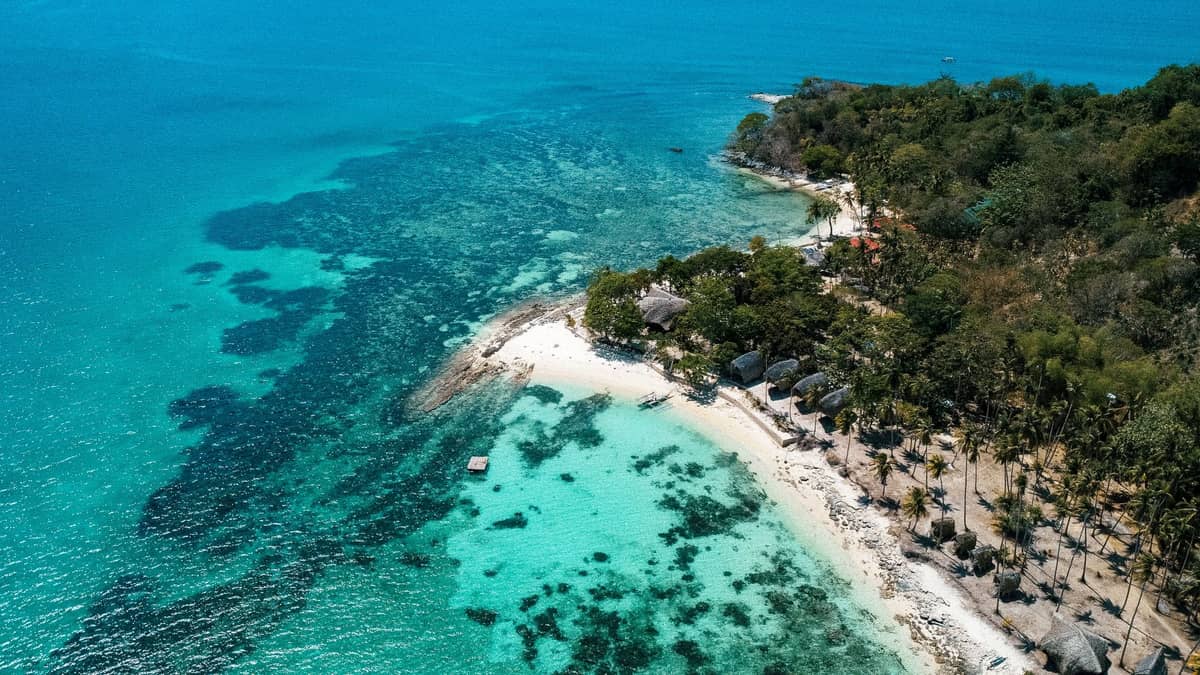
The Rosario archipelago sits roughly 35 km southwest of Cartagena, with standard speedboat transfers taking 45 to 60 minutes from the Muelle de la Bodeguita. The islands are protected within the Parque Nacional Natural Corales del Rosario y de San Bernardo, and entry fees apply on top of boat costs. Budget shared lanchas run around US$15 to US$30 round trip, while mid-range day tours with lunch and snorkeling gear typically cost US$50 to US$90 per person. For a full breakdown of what to expect, see our day trips from Cartagena guide.
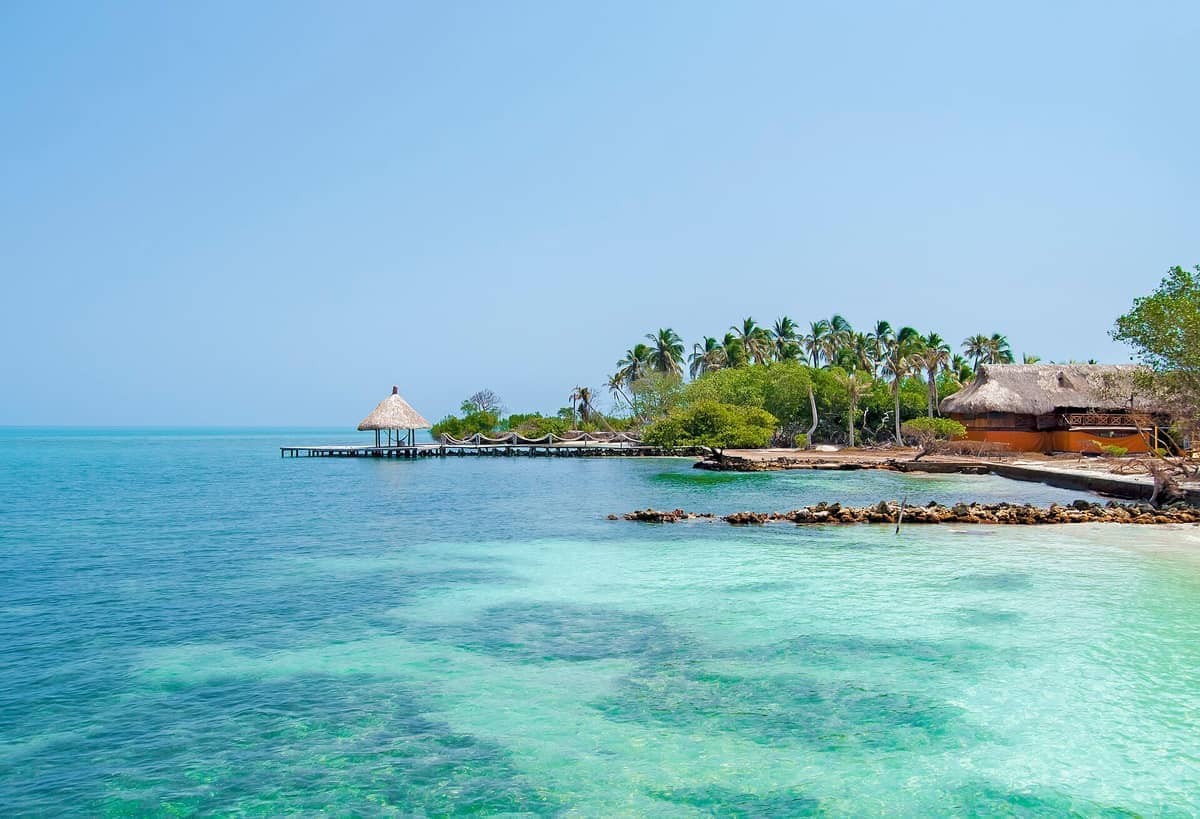
1. Snorkel Colombia's Best Coral Reefs at Rosario Islands National Park
The park protects about 1,200 km² of coral reefs, mangroves, and seagrass beds. Snorkeling here means visibility of 10 to 20 meters on calm days. Go mid-week in the dry season for fewer boats and clearer water around the reef systems.
Explore1. Snorkel Colombia's Best Coral Reefs at Rosario Islands National Park
The park protects about 1,200 km² of coral reefs, mangroves, and seagrass beds. Snorkeling here means visibility of 10 to 20 meters on calm days. Go mid-week in the dry season for fewer boats and clearer water around the reef systems.
Explore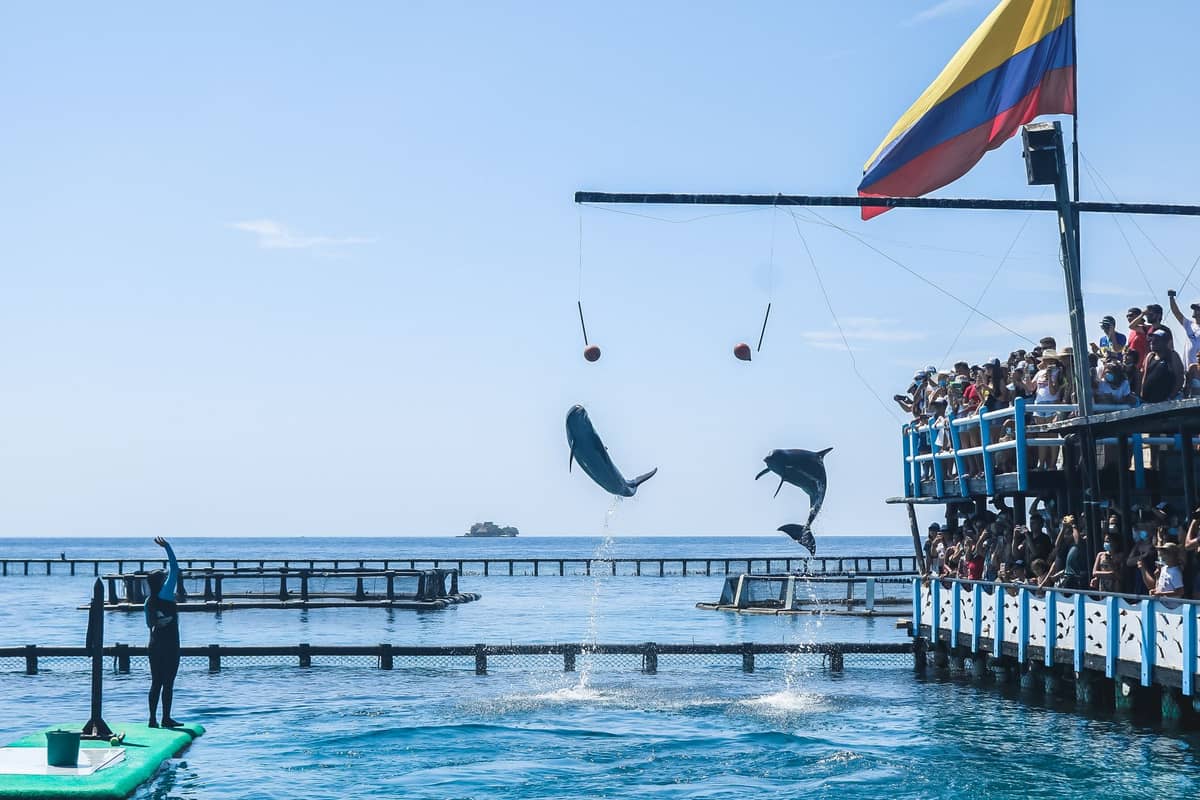
2. See Sharks and Sea Turtles at the Rosario Islands Oceanario
This small marine research aquarium showcases Caribbean species including sharks, rays, and sea turtles. Most group day tours stop here. It adds 45 to 60 minutes to an island day and works especially well for families with children.
Explore2. See Sharks and Sea Turtles at the Rosario Islands Oceanario
This small marine research aquarium showcases Caribbean species including sharks, rays, and sea turtles. Most group day tours stop here. It adds 45 to 60 minutes to an island day and works especially well for families with children.
ExplorePlaya Blanca, Barú & Nearby Island Beaches
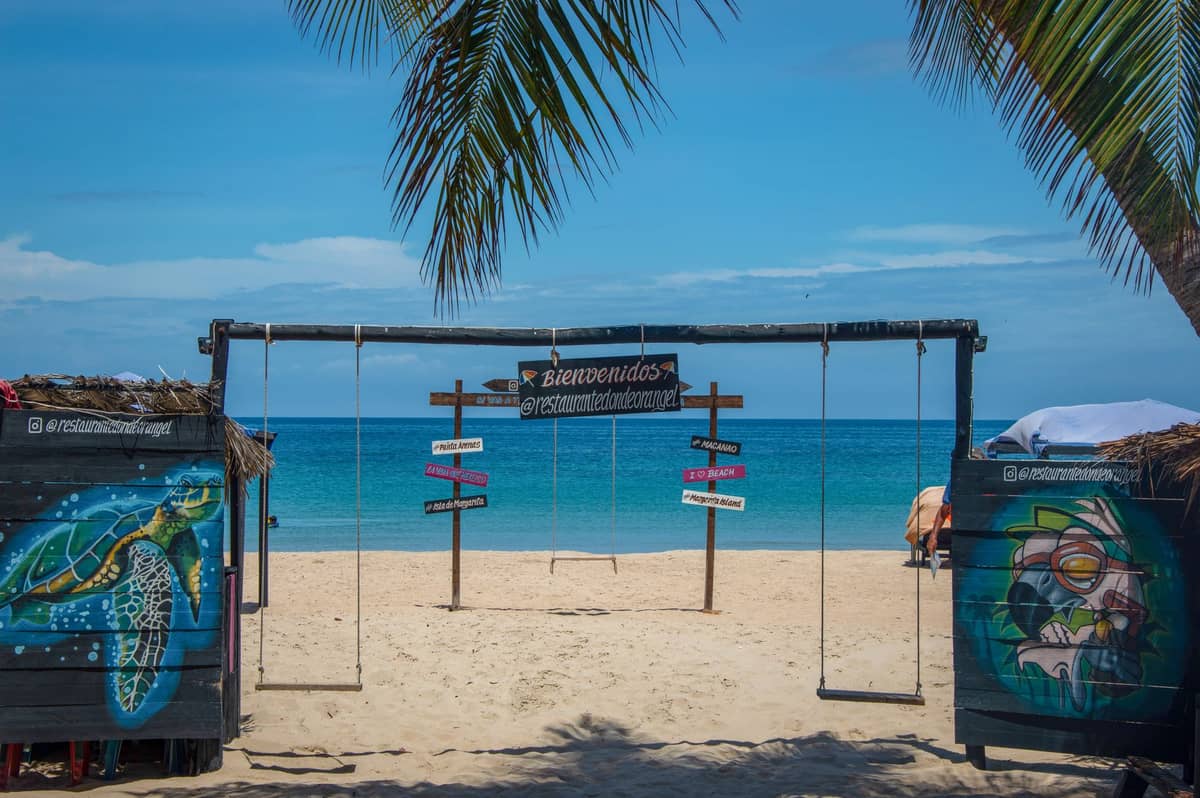
Isla Barú is connected to the mainland by a road and bridge, meaning you can reach Playa Blanca by bus, shared taxi, or car as well as by boat. Most day tours from Cartagena combine a stop at Playa Blanca with time on the Rosario Islands. If you want the beach without the boat crowds, arriving by road in the early morning is the better strategy. For more on Cartagena's broader beach options, the Cartagena beaches guide gives a full comparison.
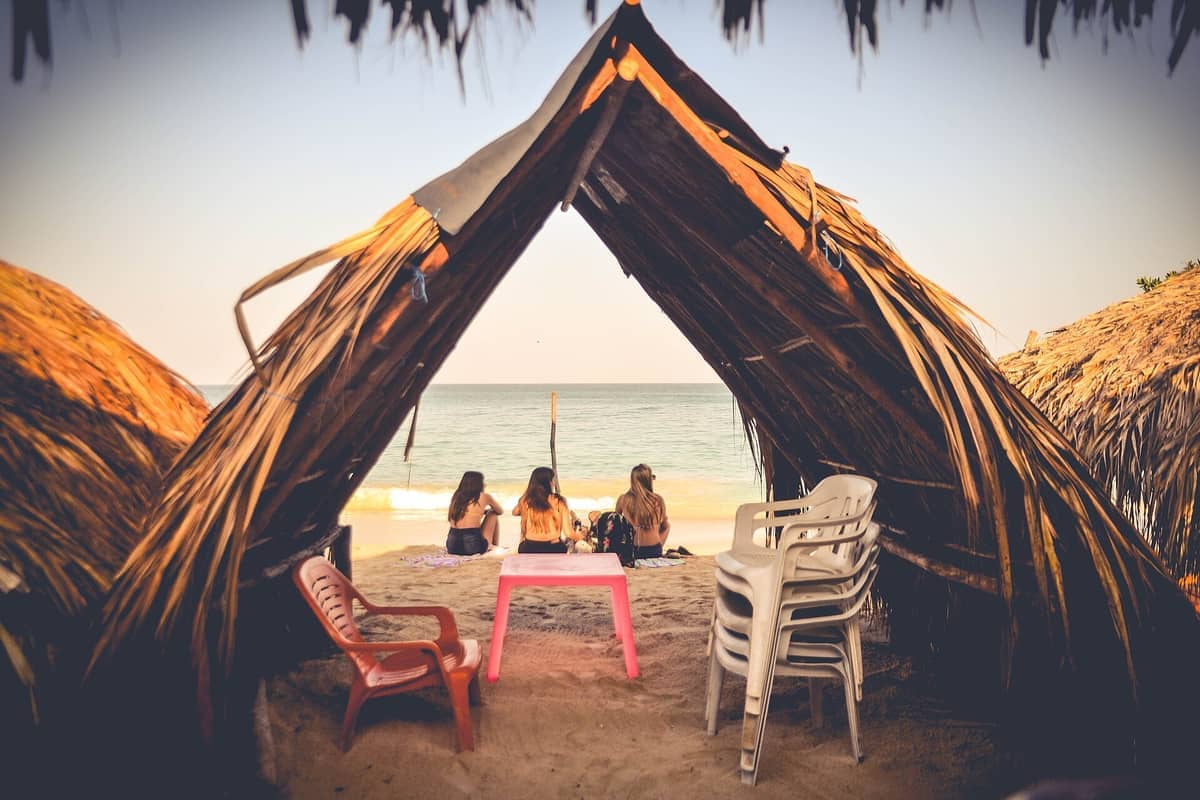
3. Spend a Day at Playa Blanca, the Finest Beach Near Cartagena
Long white sand, shallow turquoise water, and reliable beach vendors make Playa Blanca the standout Caribbean beach near Cartagena. Arrive before 10 a.m. to claim space before day-trip boats arrive. Overnight stays are possible in basic cabanas.
Explore3. Spend a Day at Playa Blanca, the Finest Beach Near Cartagena
Long white sand, shallow turquoise water, and reliable beach vendors make Playa Blanca the standout Caribbean beach near Cartagena. Arrive before 10 a.m. to claim space before day-trip boats arrive. Overnight stays are possible in basic cabanas.
Explore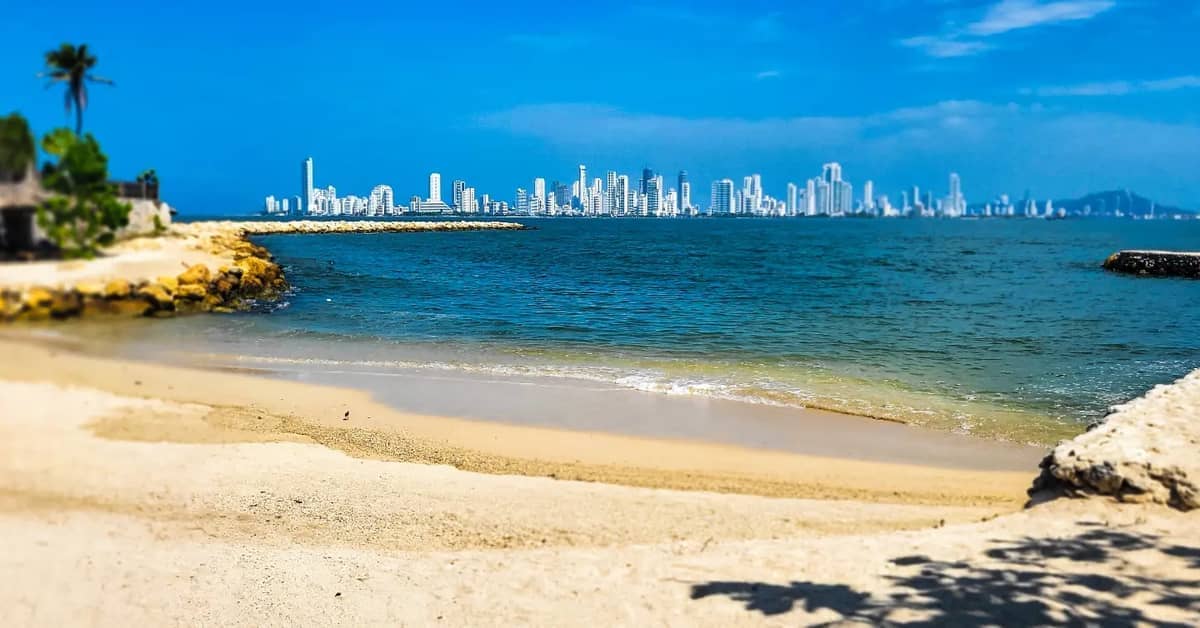
4. Escape the Crowds on Isla Tierra Bomba, 20 Minutes from the City
Tierra Bomba is the closest island getaway from Cartagena, with quiet beaches, Afro-Colombian fishing villages, and colonial fort ruins. Boats run from the Muelle de la Bodeguita. Far fewer tourists come here than to Barú or the Rosarios.
Explore4. Escape the Crowds on Isla Tierra Bomba, 20 Minutes from the City
Tierra Bomba is the closest island getaway from Cartagena, with quiet beaches, Afro-Colombian fishing villages, and colonial fort ruins. Boats run from the Muelle de la Bodeguita. Far fewer tourists come here than to Barú or the Rosarios.
Explore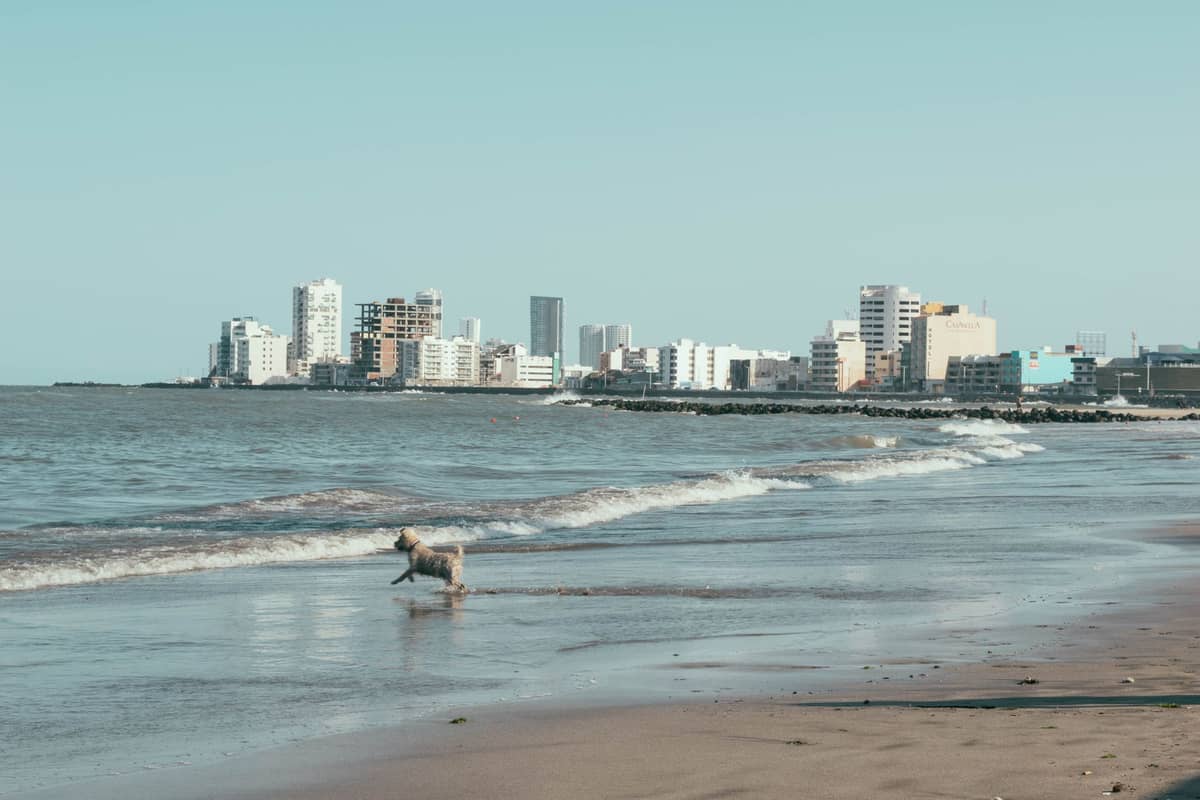
5. Walk Bocagrande Beach for an Urban Caribbean Beach Experience
Bocagrande's beach is broad, lively, and within walking distance of the hotel strip. It is not the clearest water in the region, but for a quick dip with city skyline views and easy beach vendor access, it is the most convenient option of all.
Explore5. Walk Bocagrande Beach for an Urban Caribbean Beach Experience
Bocagrande's beach is broad, lively, and within walking distance of the hotel strip. It is not the clearest water in the region, but for a quick dip with city skyline views and easy beach vendor access, it is the most convenient option of all.
ExploreCoastal Nature: Mangroves, Local Beaches & Lagoons
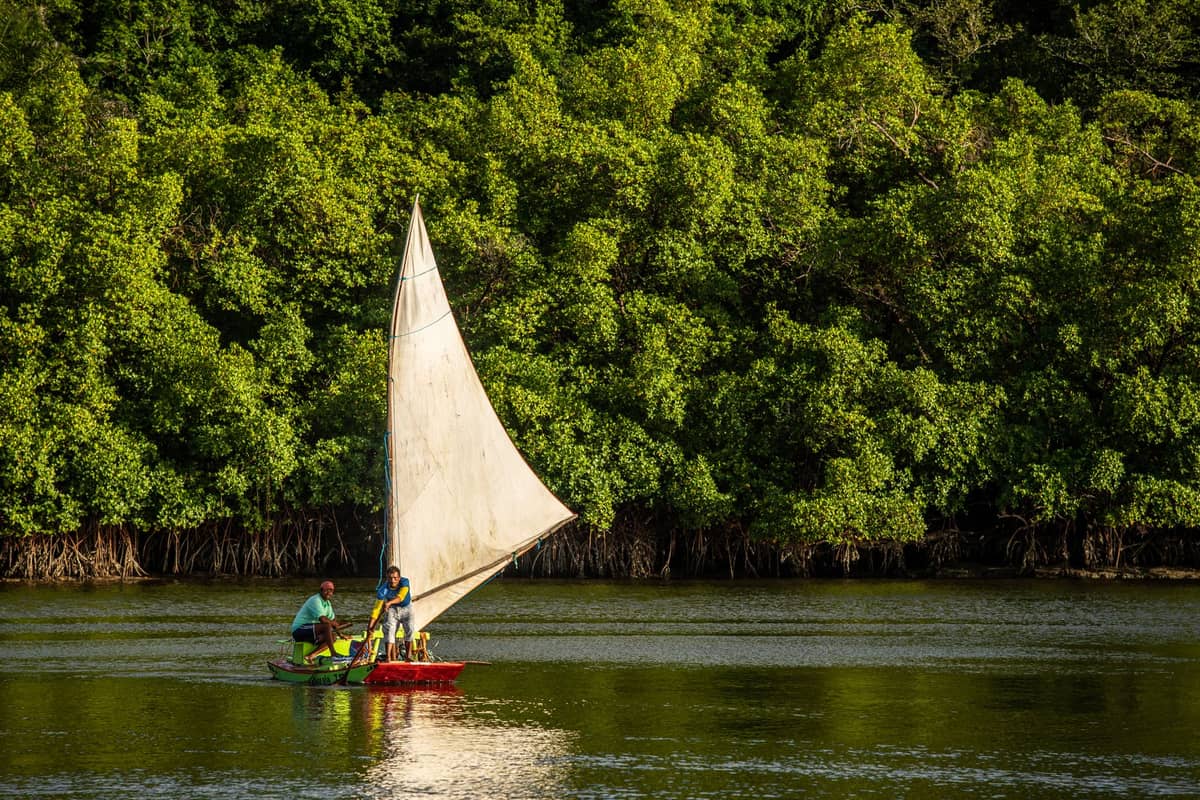
Not every worthwhile beach or nature experience near Cartagena requires a boat ticket and an island tour. La Boquilla village, just north of the city, offers canoe trips through mangrove channels and a long local beach backed by seafood shacks. These experiences give a very different read on the Caribbean coast than the organized island day trips.
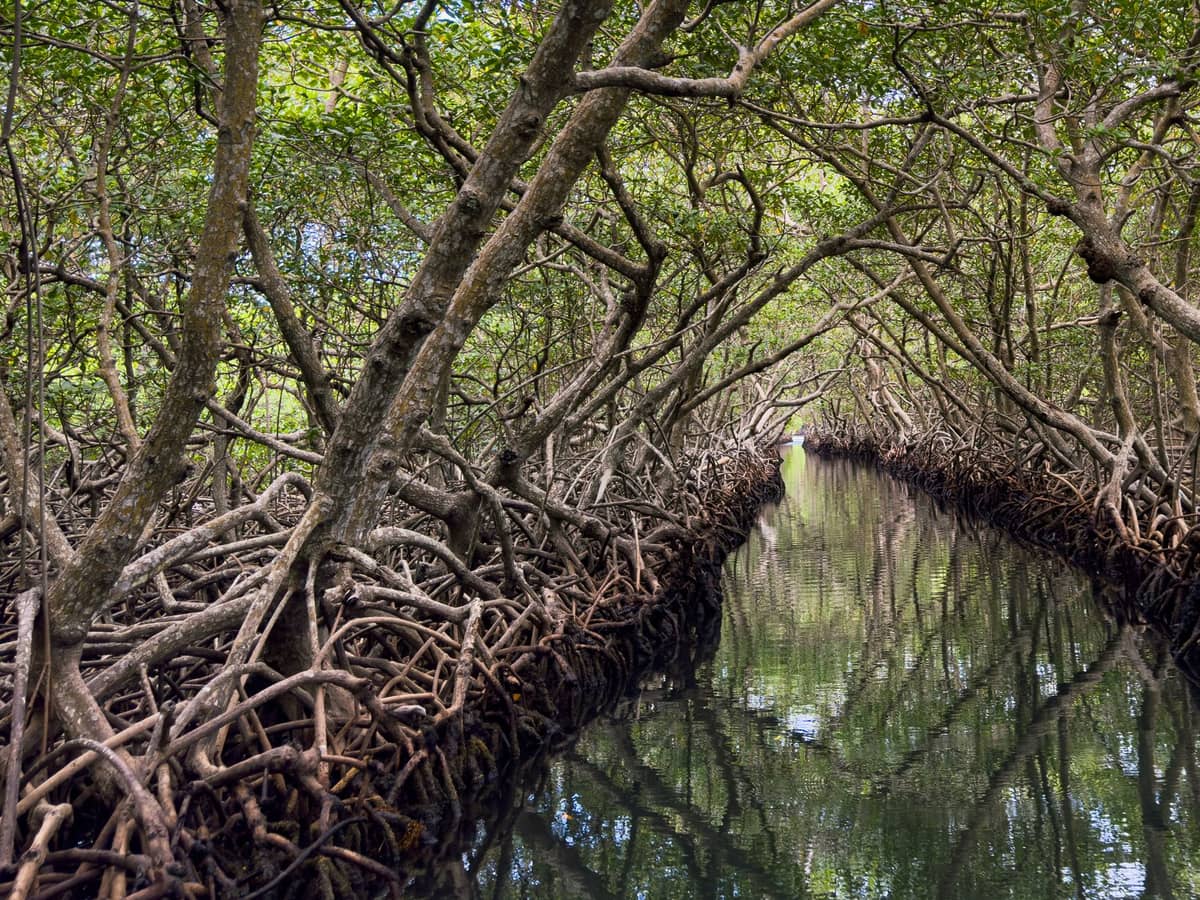
6. Paddle Through Mangrove Channels with Local Guides at La Boquilla
Local fishermen lead canoe tours through La Boquilla's dense mangrove network, passing egrets, herons, and fish traps. Tours typically take 1.5 to 2 hours. This is one of the most ecologically rich and genuinely local experiences within reach of Cartagena.
Explore6. Paddle Through Mangrove Channels with Local Guides at La Boquilla
Local fishermen lead canoe tours through La Boquilla's dense mangrove network, passing egrets, herons, and fish traps. Tours typically take 1.5 to 2 hours. This is one of the most ecologically rich and genuinely local experiences within reach of Cartagena.
Explore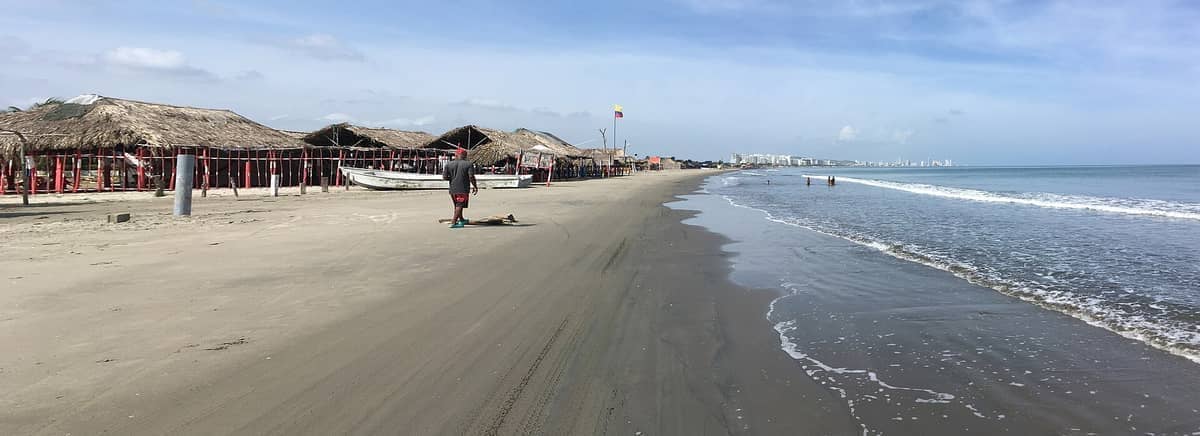
7. Eat Fresh Seafood and Swim at Playa La Boquilla
La Boquilla's beach is long, undeveloped, and lined with seafood restaurants serving the morning's catch. It draws more Cartagena locals than foreign visitors. Come on a Sunday for the most lively scene, or a weekday morning for solitude and fresh fish.
Explore7. Eat Fresh Seafood and Swim at Playa La Boquilla
La Boquilla's beach is long, undeveloped, and lined with seafood restaurants serving the morning's catch. It draws more Cartagena locals than foreign visitors. Come on a Sunday for the most lively scene, or a weekday morning for solitude and fresh fish.
Explore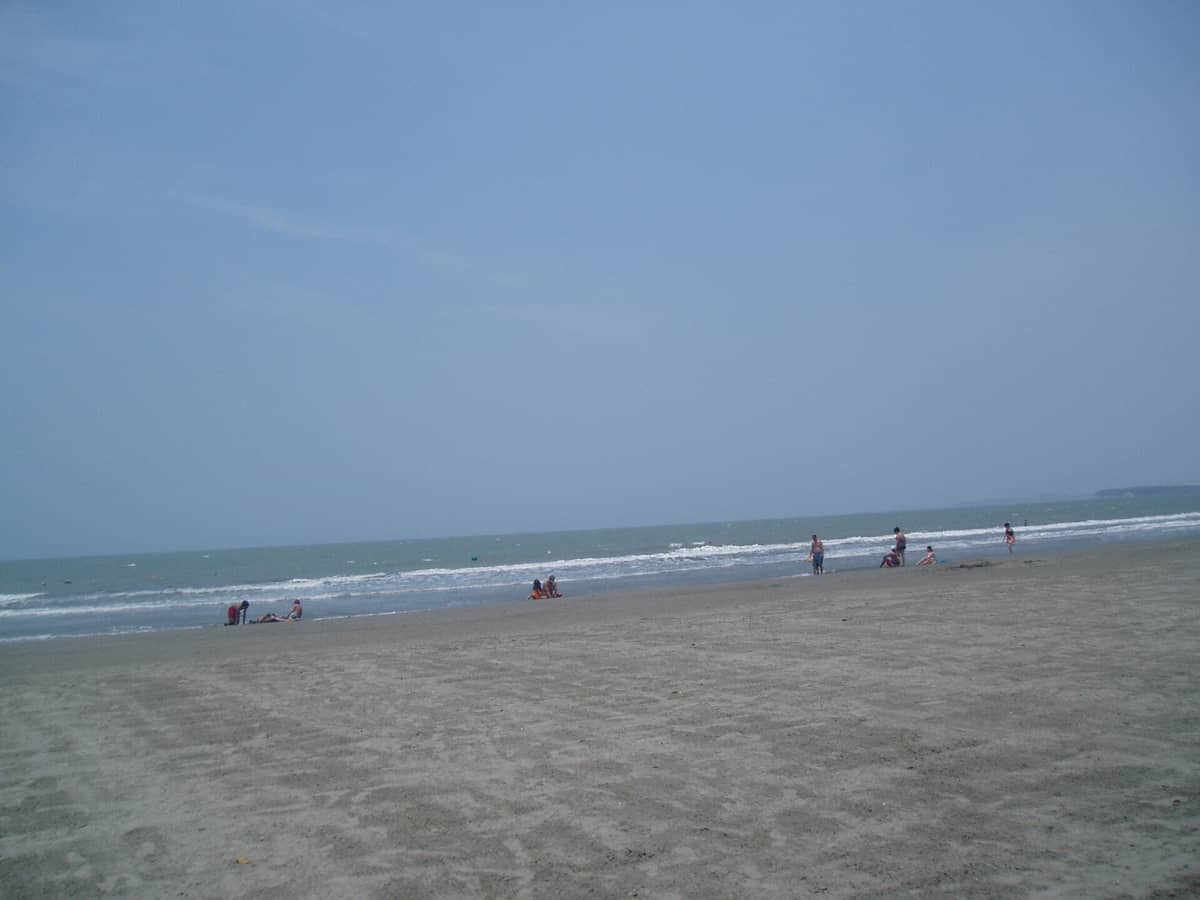
8. Walk Playa Marbella for a Local Morning Beach Near the Walled City
Playa Marbella sits just north of the old city walls and is where Cartagena residents swim and walk early mornings. It has no beach clubs or vendors, just open Caribbean coast. A 10-minute walk from the historic center makes it the most accessible local beach.
Explore8. Walk Playa Marbella for a Local Morning Beach Near the Walled City
Playa Marbella sits just north of the old city walls and is where Cartagena residents swim and walk early mornings. It has no beach clubs or vendors, just open Caribbean coast. A 10-minute walk from the historic center makes it the most accessible local beach.
ExploreDay Trips Beyond the Islands
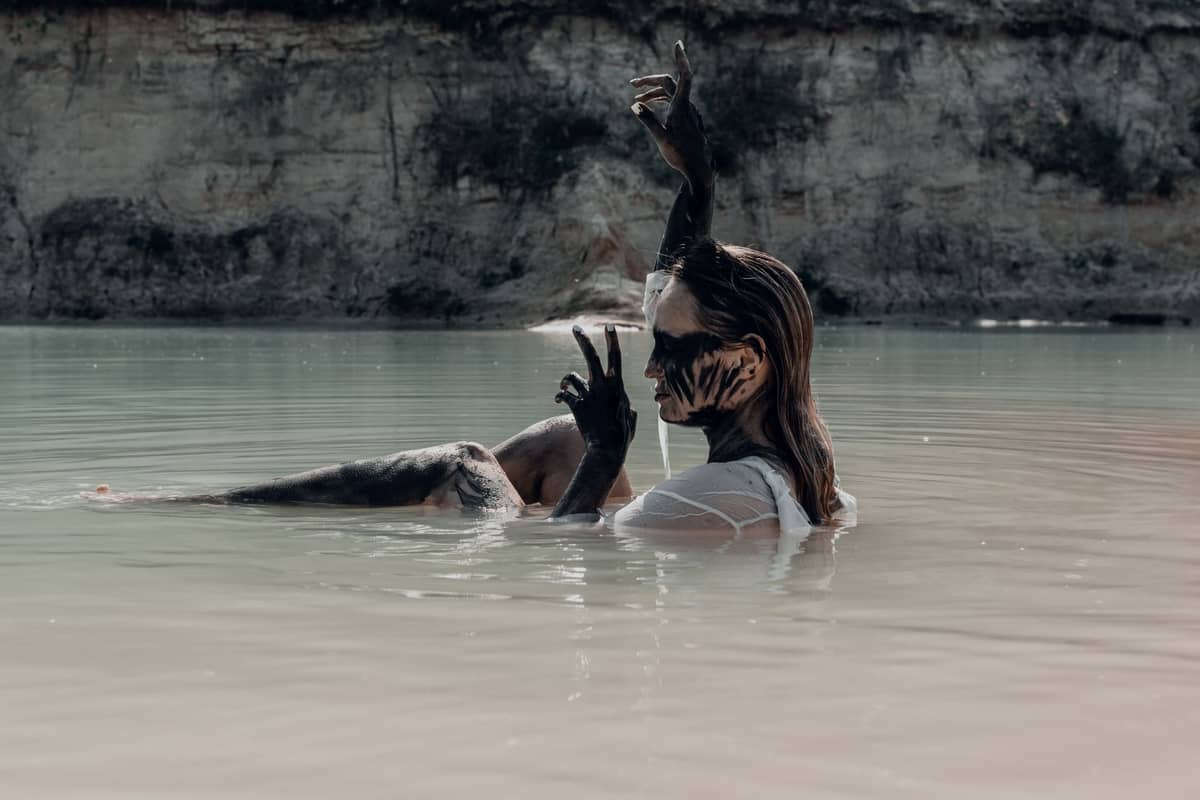
The best day trips from Cartagena are not limited to islands and beaches. The Totumo Mud Volcano and the village of San Basilio de Palenque offer two of the most memorable and completely different experiences within roughly 60 km of the city. These work best as organized tours or as rentals with a driver, since public transport connections are not straightforward.
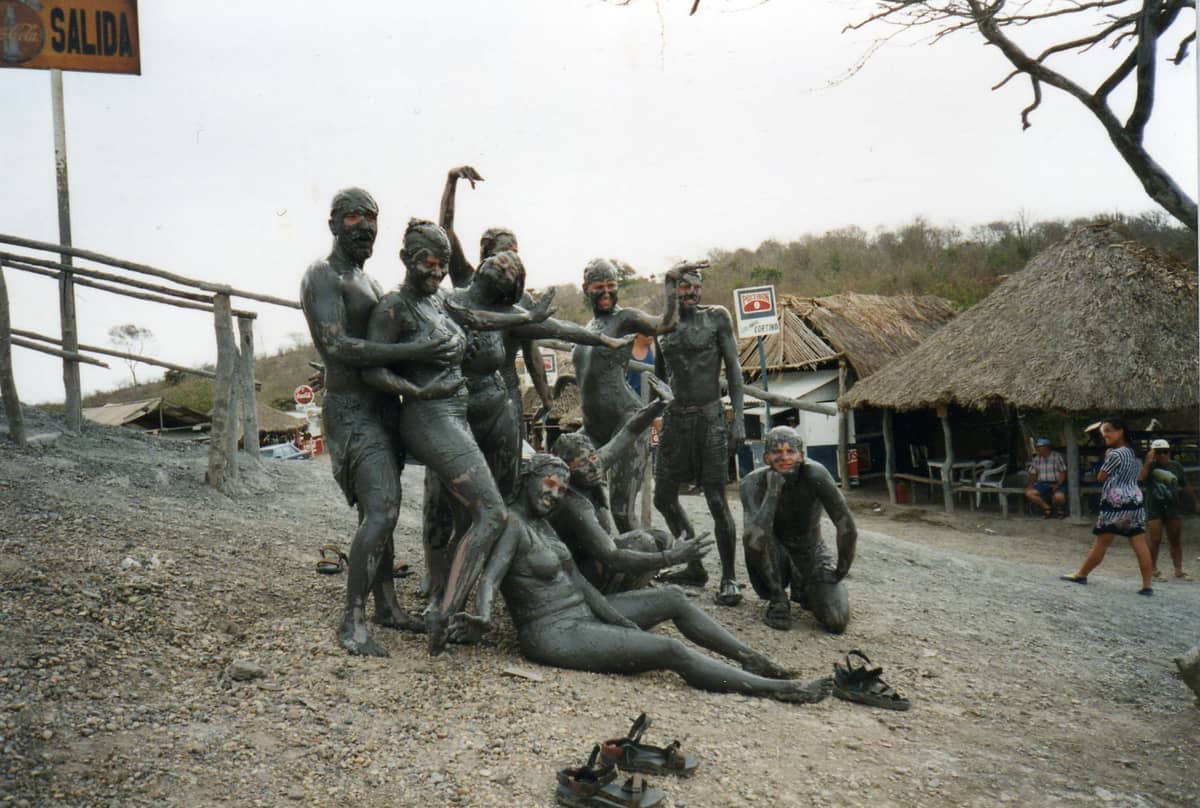
9. Float in Warm Mud at Volcán de Lodo El Totumo
The Totumo Mud Volcano, 50 km from Cartagena, is a cone-shaped crater filled with warm, buoyant mud. Visitors float for 20 to 30 minutes while attendants give informal massages. Most organized day tours combine it with a Rosario Islands or La Boquilla stop.
Explore9. Float in Warm Mud at Volcán de Lodo El Totumo
The Totumo Mud Volcano, 50 km from Cartagena, is a cone-shaped crater filled with warm, buoyant mud. Visitors float for 20 to 30 minutes while attendants give informal massages. Most organized day tours combine it with a Rosario Islands or La Boquilla stop.
Explore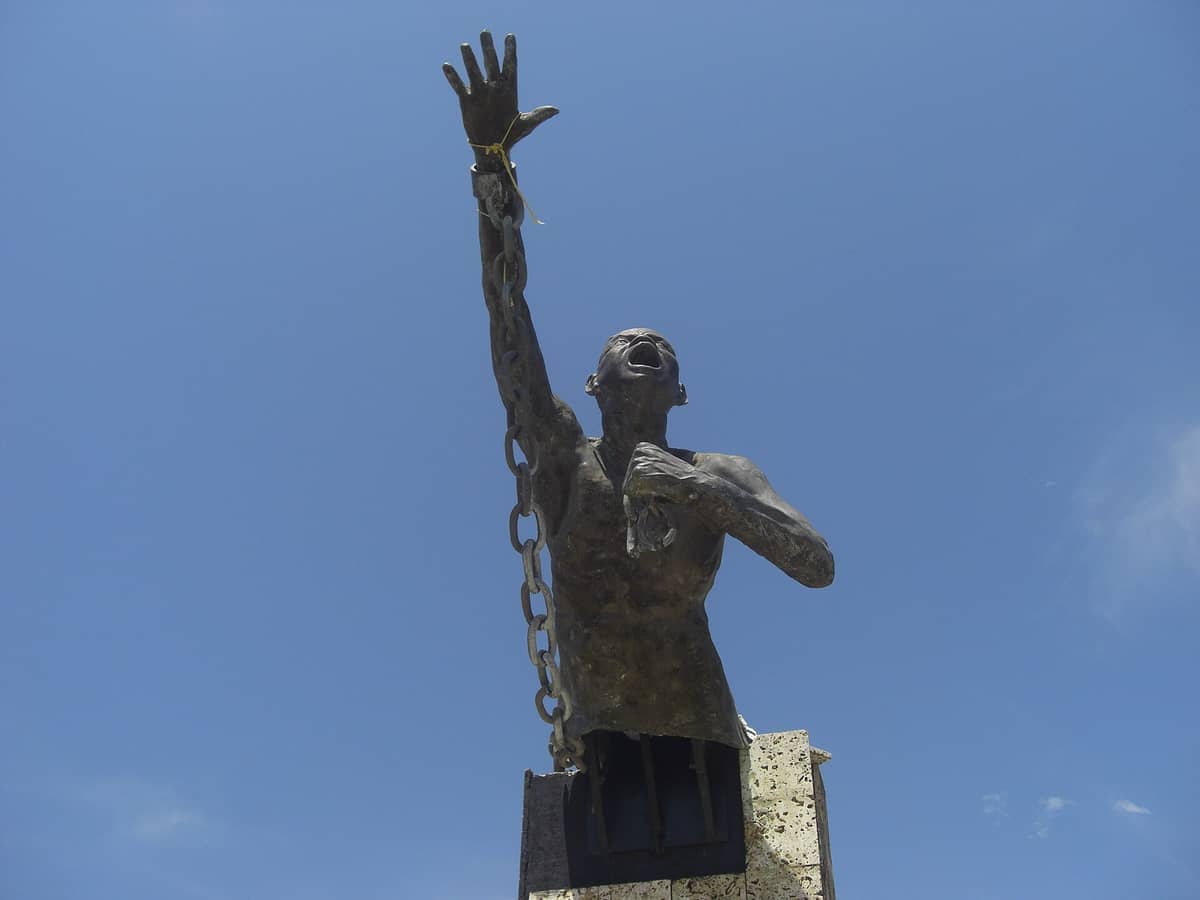
10. Visit San Basilio de Palenque, the First Free African Town in the Americas
Founded in the 17th century by escaped enslaved people, Palenque preserves a living culture unlike anywhere else in Colombia: its own Creole language, music, and traditions. About 70 km from Cartagena, it is best visited with a local cultural guide.
Explore10. Visit San Basilio de Palenque, the First Free African Town in the Americas
Founded in the 17th century by escaped enslaved people, Palenque preserves a living culture unlike anywhere else in Colombia: its own Creole language, music, and traditions. About 70 km from Cartagena, it is best visited with a local cultural guide.
ExploreBefore and After the Islands: City Stops Worth Your Time
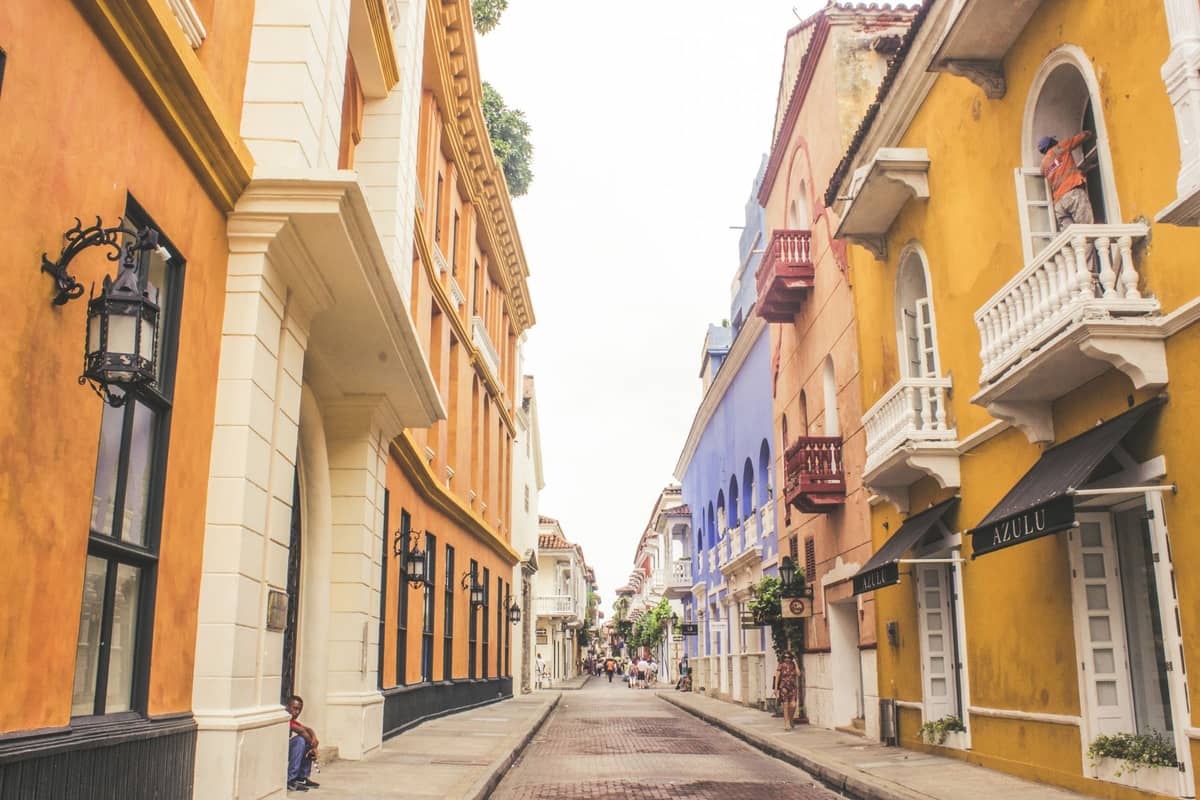
Island days typically run from early morning to mid-afternoon, leaving plenty of time to explore the city before or after. The historic center and Getsemaní are within easy reach of the boat docks, and a few key stops pair naturally with island itineraries. For a full picture of what the city offers, the things to do in Cartagena guide covers all the main attractions in depth.
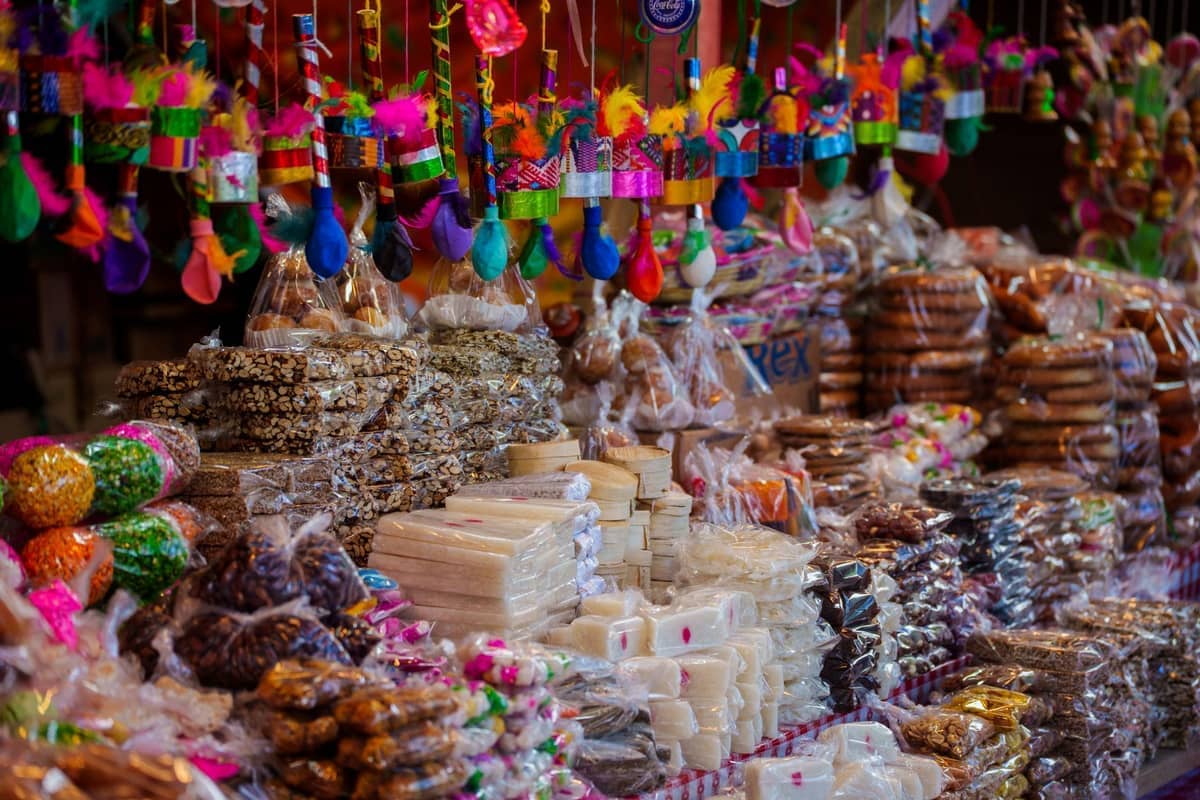
11. Try Traditional Colombian Sweets at Portal de los Dulces Before Boarding
The Portal de los Dulces sits steps from the Torre del Reloj, close to the Muelle de la Bodeguita dock. Vendors sell cocadas, alegrías, and candied papaya that have been made here for generations. A natural pre-departure stop on island day mornings.
Explore11. Try Traditional Colombian Sweets at Portal de los Dulces Before Boarding
The Portal de los Dulces sits steps from the Torre del Reloj, close to the Muelle de la Bodeguita dock. Vendors sell cocadas, alegrías, and candied papaya that have been made here for generations. A natural pre-departure stop on island day mornings.
Explore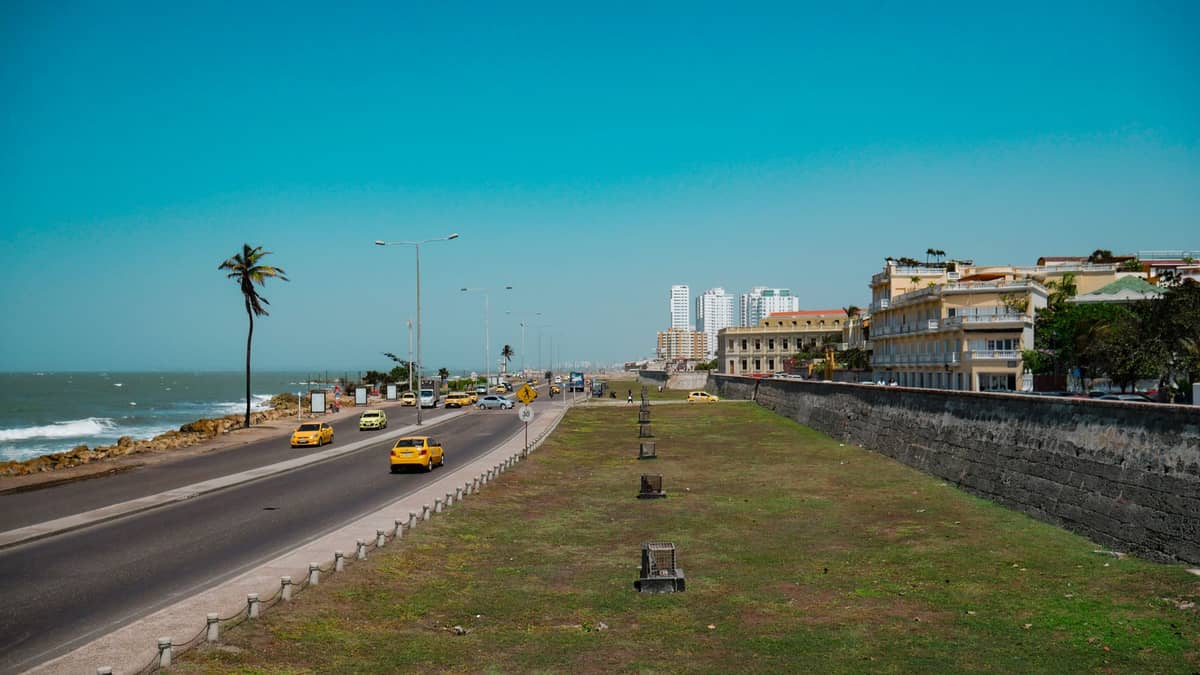
12. Walk the City Walls at Sunset After Returning from the Islands
Island boats return by mid to late afternoon, leaving time for a sunset walk along Cartagena's stone fortifications. The bastions above the Bocagrande side offer the clearest views over the bay and the Caribbean horizon. A natural bookend to an island day.
Explore12. Walk the City Walls at Sunset After Returning from the Islands
Island boats return by mid to late afternoon, leaving time for a sunset walk along Cartagena's stone fortifications. The bastions above the Bocagrande side offer the clearest views over the bay and the Caribbean horizon. A natural bookend to an island day.
Explore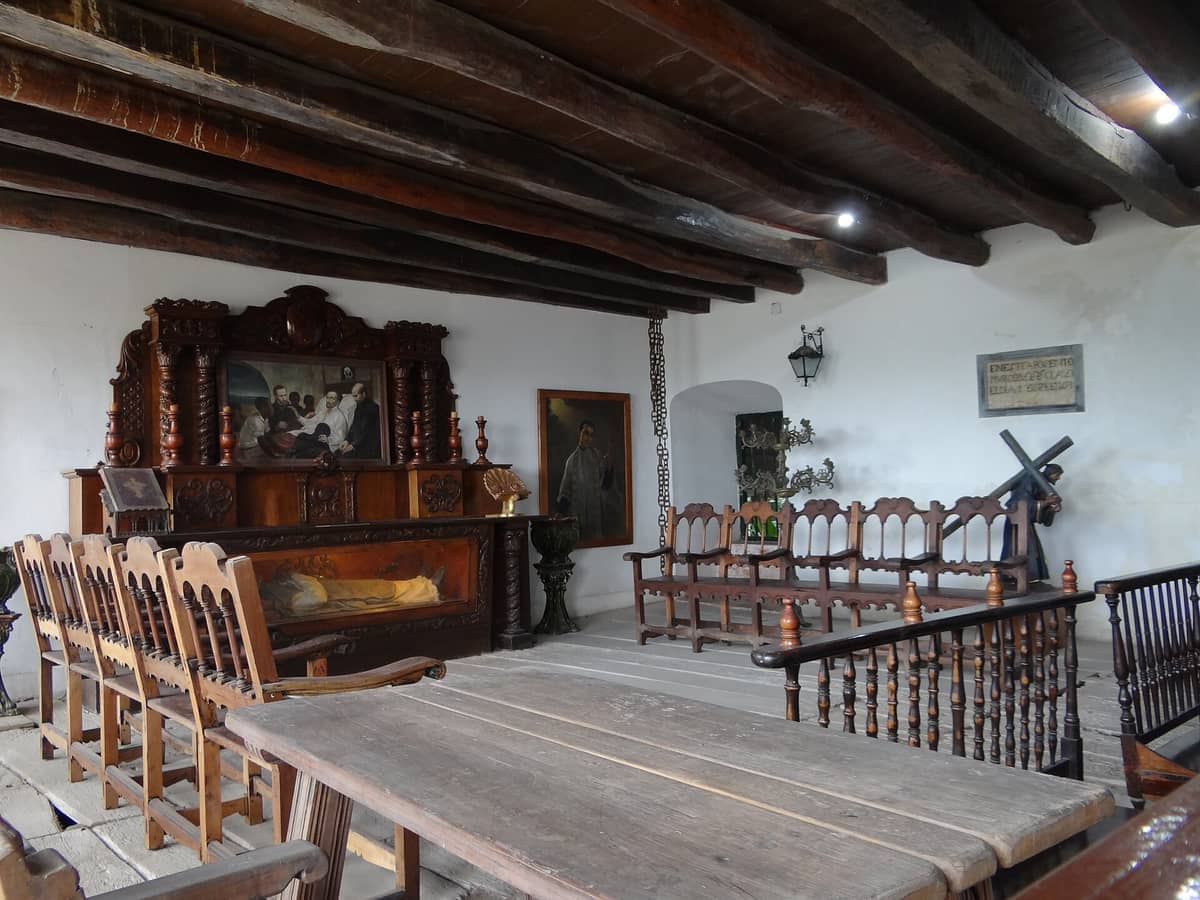
13. Learn the History of the Slave Trade at Santuario de San Pedro Claver
The church and museum dedicated to the 'Apostle of the Slaves' provides essential context for Cartagena's role in the transatlantic slave trade, a history directly connected to the Afro-Colombian communities still living on Tierra Bomba and Barú today.
Explore13. Learn the History of the Slave Trade at Santuario de San Pedro Claver
The church and museum dedicated to the 'Apostle of the Slaves' provides essential context for Cartagena's role in the transatlantic slave trade, a history directly connected to the Afro-Colombian communities still living on Tierra Bomba and Barú today.
Explore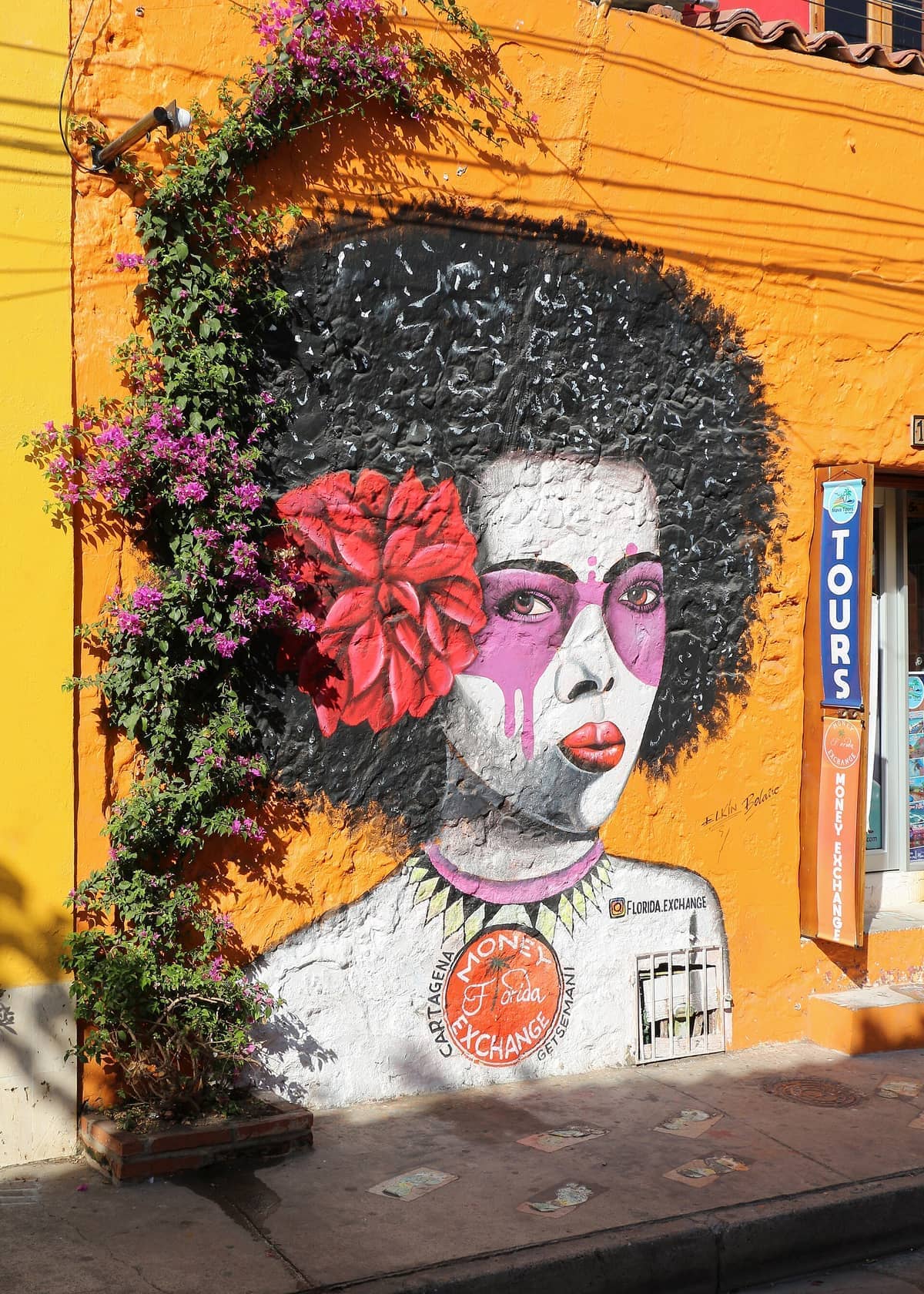
14. Walk Getsemaní's Mural Streets on Your Way Back from the Dock
The Muelle de la Bodeguita is a short walk from Getsemaní, making a post-island stroll through the neighborhood's mural-covered streets a natural end to the day. The Calle de la Sierpe corridor has the densest concentration of large-format street art.
Explore14. Walk Getsemaní's Mural Streets on Your Way Back from the Dock
The Muelle de la Bodeguita is a short walk from Getsemaní, making a post-island stroll through the neighborhood's mural-covered streets a natural end to the day. The Calle de la Sierpe corridor has the densest concentration of large-format street art.
Explore💡 Local tip
The Muelle de la Bodeguita dock is the main departure point for Rosario Islands and Barú tours. Arrive at least 20 minutes before departure. Many group tours offer hotel pickup, which is worth the small premium if you are staying in Bocagrande.
FAQ
How do I get to the Rosario Islands from Cartagena?
Most visitors take a shared speedboat (lancha colectiva) or organized day tour from Muelle de la Bodeguita in Cartagena. Shared boats cost roughly US$15 to US$30 round trip and take 45 to 60 minutes. Group tours with snorkeling gear and lunch cost US$50 to US$90 per person. Private boat charters are available from around US$150 for small groups. Boats typically depart in the morning.
Is Isla Barú the same as the Rosario Islands?
No. Isla Barú is a large peninsula connected to the Colombian mainland by road and bridge, not an offshore coral island. It is often marketed together with the Rosario Islands because Playa Blanca, on Barú's western coast, is the most popular beach in the region. Many day tours combine both in a single itinerary.
What is the best time of year to visit the Rosario Islands?
December through April is the dry season, when sea conditions are calmer, visibility for snorkeling is best, and rain interruptions are rare. September and October see the heaviest rainfall and can produce choppy waters that affect small-boat departures. Most operators run tours year-round, but comfort and water clarity are best in the dry months.
Do Rosario Islands tours include park entry fees and snorkeling gear?
Not always. Lower-priced shared lanchas often cover transport only. Mid-range and higher-end group tours typically include snorkeling gear, lunch, and park fees, but you should confirm before booking. Read the inclusions list on whichever booking platform you use, as pricing varies significantly depending on what is covered.
Can I visit Playa Blanca on Barú without taking a boat tour?
Yes. Playa Blanca is accessible by road from Cartagena via Pasacaballos and the Barú peninsula. Shared minivans and private taxis make the trip, which takes about 1 to 2 hours depending on traffic. Arriving by road before the day-trip boats arrive (before 10 a.m.) means a quieter beach experience.