Things to Do in Cartagena, Colombia: The Definitive 2026 Guide
Cartagena de Indias packs colonial fortresses, Caribbean islands, street art, and serious food into one compact city on Colombia's northern coast. This guide cuts through the tourist noise with specific prices, opening hours, seasonal advice, and specific rankings to help you spend your time well.
Plan and book this trip
Tools from our partner Travelpayouts help you compare flights and hotels. If you book through them, we may earn a commission at no extra cost to you.
Flights
Hotels map
TL;DR
- Cartagena de Indias is Colombia's most compelling Caribbean city, combining a UNESCO-listed walled city, a fortress you can spend two hours exploring, and day trips to coral islands — see the 3-day itinerary to prioritize the highlights.
- The dry season (December to April) gives you the best weather and calmest seas for island trips, but also the highest prices and crowds — especially Christmas through New Year and Easter week.
- Castillo San Felipe de Barajas is open daily from 7:00 a.m. to 6:00 p.m.; entry costs 38,000 COP for foreign visitors — check the full fortress guide for free-entry days and what to skip inside.
- Boats to the Islas del Rosario depart between 8:00 and 10:00 a.m. and return mid-afternoon — there are no evening departures on shared boats.
- Neighborhoods matter: the Walled City suits history lovers, Getsemaní suits nightlife and budget travelers, and Bocagrande suits beach-and-pool types.
Why Cartagena Deserves More Than a Weekend
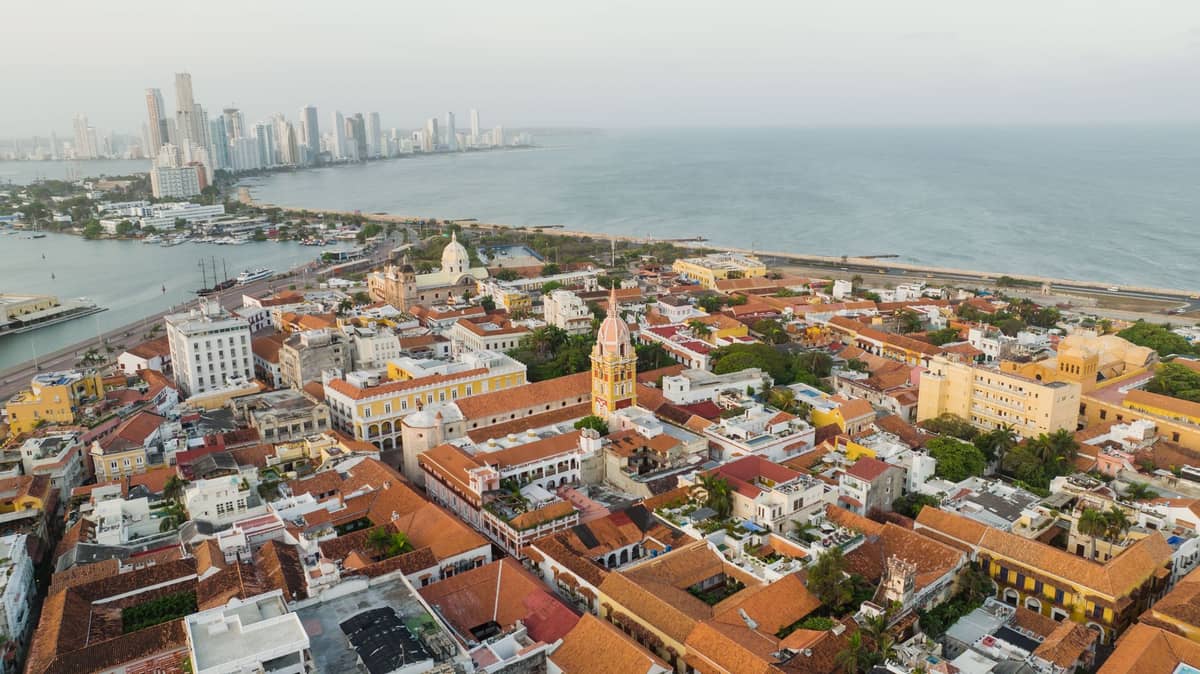
Cartagena de Indias — not to be confused with Cartagena, Spain — sits on Colombia's northern Caribbean coast and serves as the capital of the Bolívar Department. It's one of the few cities in Latin America where you can walk from a 16th-century Spanish fortress to a coral reef in the same afternoon. The official name, Cartagena de Indias, signals its colonial history: this was Spain's most fortified port in the Americas, the gateway through which enormous wealth flowed across the Atlantic. That history is everywhere, and it's not just decorative. It shapes the architecture, the food, and the mix of cultures — including the Afro-Colombian traditions rooted in communities like San Basilio de Palenque, the first free African town in the Americas.
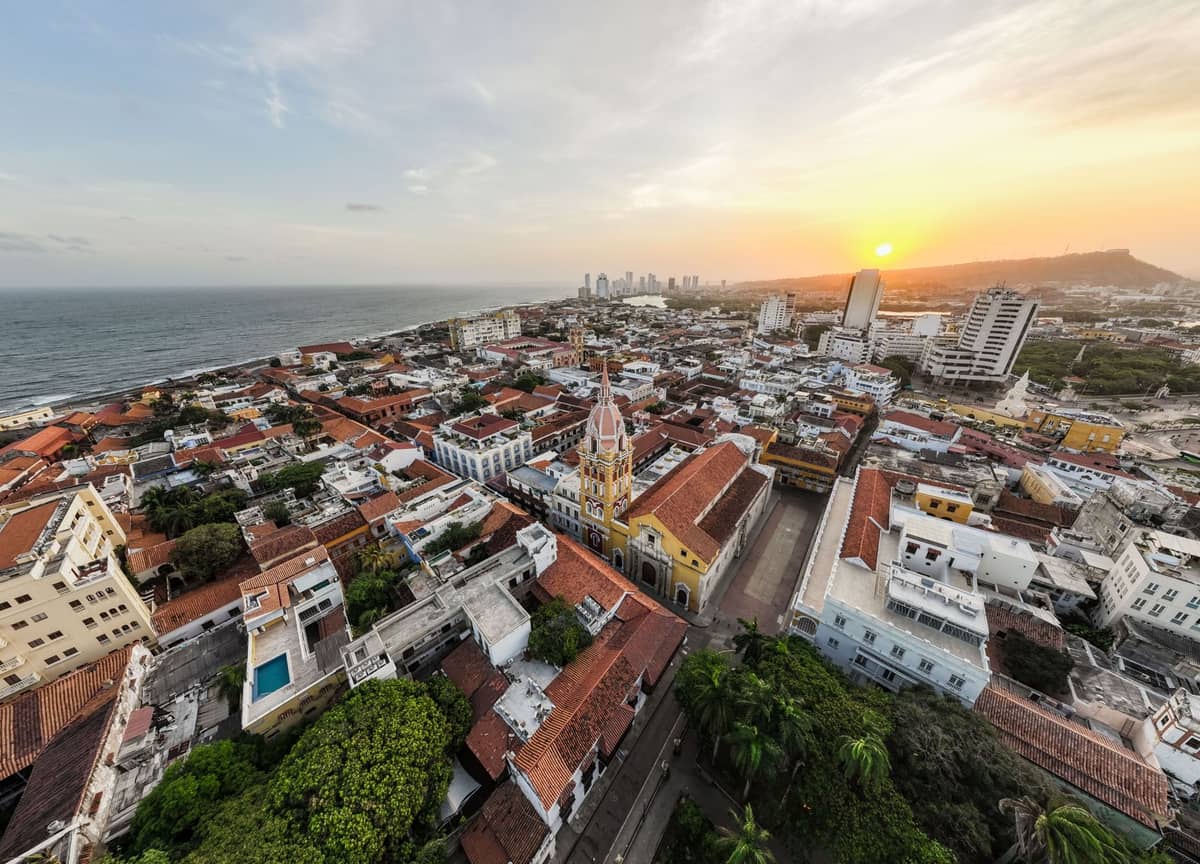
The city divides cleanly into distinct zones, each with a different character. The Centro Histórico (Walled City) is dense with colonial churches, plazas, and high-end restaurants. San Diego, the quieter northern quarter inside the walls, has boutique hotels and a more local pace. Getsemaní, just outside the walls, is where the street art and late-night bars are. Bocagrande, a few kilometers south on a peninsula, is the high-rise beach strip. Understanding which zone fits your trip makes an enormous difference to the experience.
The Walled City and Its Landmarks
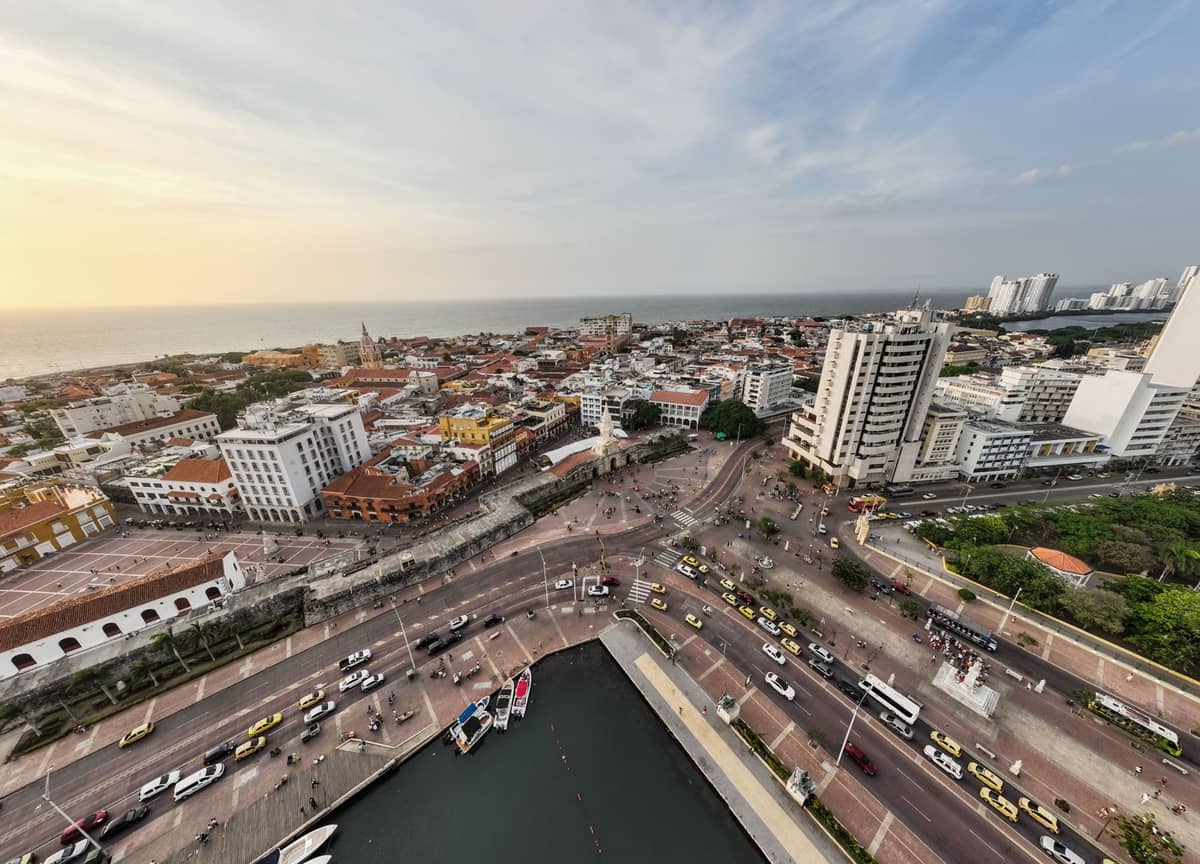
The Centro Histórico is the obvious starting point, and it earns the attention. The city walls themselves — roughly 11 kilometers of coral-and-stone fortifications completed over two centuries — are a legitimate destination, not just a backdrop. Walking the top of the walls at sunset, looking out over the Caribbean on one side and the terracotta rooftops on the other, is one of the better free experiences in South America. The main entrance near the Torre del Reloj (Clock Tower) is where most visitors start; from there the old city unfolds in a 15-minute walk in any direction.
Inside the walls, the Palacio de la Inquisición on Plaza de Bolívar is one of the best colonial-era museums in Colombia, with exhibits that don't sanitize what the Inquisition actually did here. The Santuario San Pedro Claver is quieter and more moving: the church is dedicated to the Spanish Jesuit who spent decades advocating for enslaved Africans arriving in Cartagena. Both deserve an hour each, not a rushed 20-minute pass-through.
💡 Local tip
Visit Plaza de Santo Domingo in the morning, not the evening. By night, the restaurant tables expand across the square and the atmosphere turns heavily tourist-commercial. In the morning, it's calm, the church is open, and the famous Botero sculpture of a reclining woman is easy to photograph without crowds.
- Cartagena City Walls Free to walk. Best at golden hour before sunset. Enter near the Torre del Reloj or the Baluarte de San Francisco Javier.
- Palacio de la Inquisición On Plaza de Bolívar. One of the most substantive museums in the old city. Admission is 24,000 COP for adults and 20,000 COP reduced (official MUHCA rates); verify at the door.
- Santuario San Pedro Claver Church, cloister, and small museum dedicated to the 'Apostle of the Slaves.' Modest entry fee. Quieter and more reflective than most Walled City sites.
- Las Bóvedas The 23 vaulted chambers built into the city walls, now a craft market. Worth a look for artisan goods, but prices are negotiable and quality varies.
- Portal de los Dulces A covered arcade at the Torre del Reloj end of the city where women sell traditional Colombian sweets. Genuinely local, inexpensive, and one of the more authentic food experiences in the historic center.
Castillo San Felipe de Barajas: What to Know Before You Go
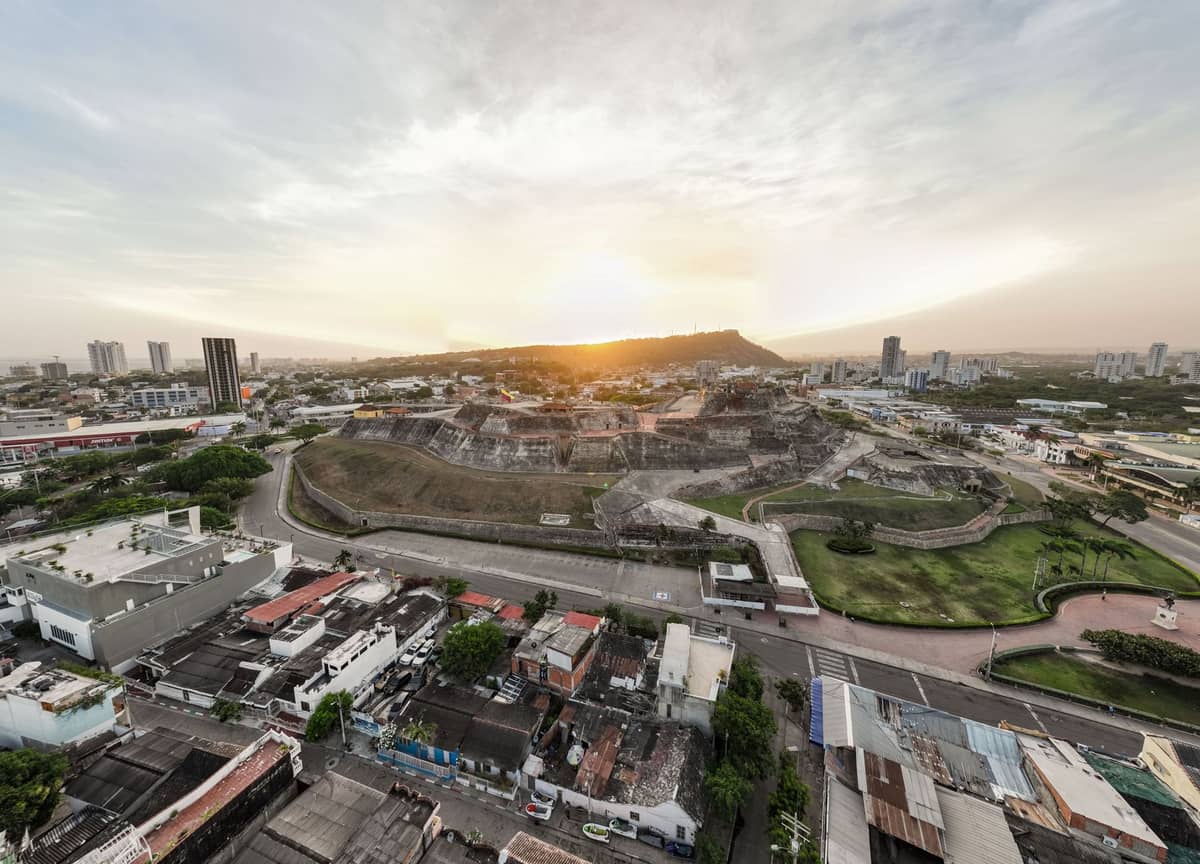
The Castillo San Felipe de Barajas is the largest Spanish colonial fortress in the Americas and, unlike many heritage sites, it's genuinely interesting to explore rather than just photograph from outside. The system of underground tunnels, ramps, and interconnected gun batteries rewards about 90 minutes of exploration. Go early — by 10:00 a.m. tour groups from cruise ships fill the main corridors and the heat becomes a real factor.
Official 2026 entry prices are 38,000 COP for the full (foreigner) rate, 33,000 COP for Colombian nationals, and 16,000 COP for the reduced rate covering children aged 6 to 13, students with valid ID, and some teachers. The fortress is open daily from 7:00 a.m. to 6:00 p.m. — last entry is typically late afternoon. It is not open at night, despite what some hotel concierges suggest about 'evening light shows.' Colombian citizens and legal residents with Colombian ID can enter free on the last Sunday of most months (the exceptions are January and December), with visiting hours shortened to around 5:00 p.m. on those days. Foreign tourists do not qualify for the free-Sunday benefit.
⚠️ What to skip
Unofficial guides will approach you near the fortress entrance offering tours. Some are knowledgeable; many are not. Licensed guides are available at the ticket office — if you want narration, book there rather than accepting unsolicited offers outside. Verbal price agreements with unofficial guides often result in disputes at the end.
Getsemaní and the Neighborhoods Beyond the Walls
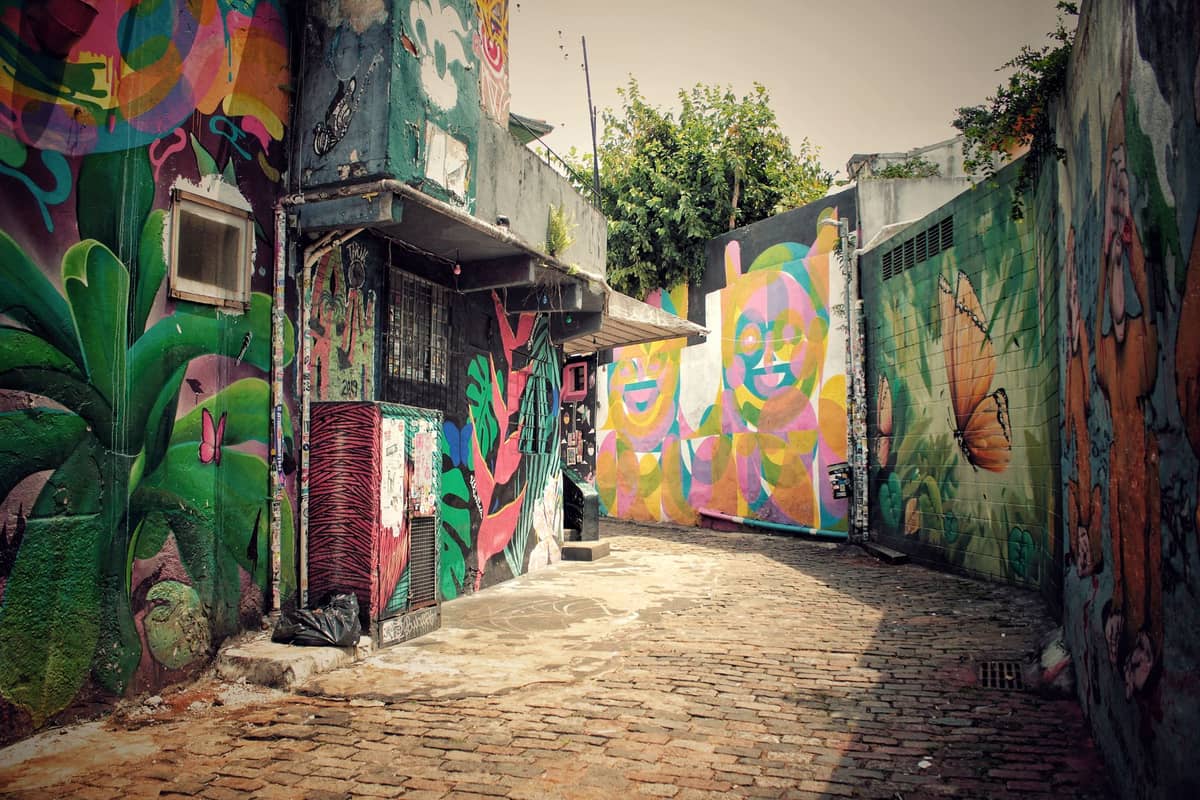
Getsemaní sits immediately outside the walled city and has changed dramatically over the past decade. The neighborhood's transformation from neglected barrio to one of the most interesting areas in Cartagena is visible in the murals covering nearly every surface. The Getsemaní street art is some of the best in Colombia, with large-scale works by both local and international artists. The neighborhood is still relatively affordable compared to inside the walls, and it holds some of Cartagena's better casual restaurants and bars.
The Iglesia de la Trinidad on Plaza de la Trinidad is the neighborhood's social center. Most evenings, locals set up chairs in the square to talk, play cards, and watch their kids run around. It's a rare genuinely local scene in a city that can feel overwhelmingly touristy. Getsemaní is also where Cartagena's nightlife concentrates — the bars and clubs around Calle Larga stay open late and attract a mix of Colombians and visitors. For a full breakdown of the nightlife scene, the Cartagena nightlife guide covers the options by neighborhood and budget.
✨ Pro tip
Mercado de Bazurto, a sprawling market about 2 kilometers from the walled city, is where Cartagena actually eats. The cooked-food section has cheap, excellent sancocho, fried fish, and fresh juices. It's chaotic, loud, and not curated for tourists — which is precisely the point. Go with a guide or a local contact the first time if you're uncertain about navigating it.
Islands and Beaches: Day Trips Worth Taking
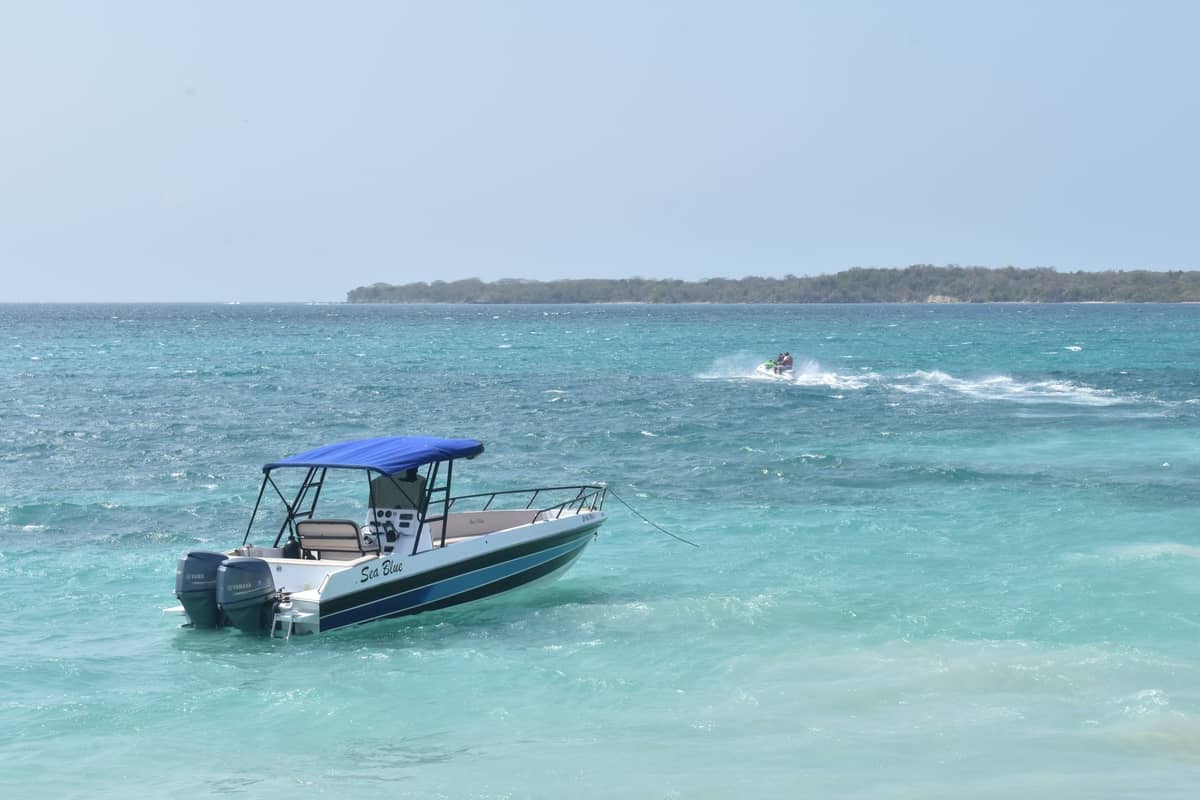
The Islas del Rosario are an archipelago of around 27 coral islands about 35 kilometers southwest of Cartagena, sitting inside a national park. The water is clear and genuinely Caribbean-quality — a significant upgrade over the murky sea near the city beaches. Shared day-trip boats depart from the Muelle Turístico in the Manga neighborhood and from the pier at La Bodeguita, typically between 8:00 and 10:00 a.m. Return boats leave the islands between 2:00 and 4:00 p.m. There are no shared public boats back to Cartagena in the evening — this is a hard logistical constraint that surprises people who assume more flexibility.
Most day trips to the Rosario Islands include snorkeling, a beach stop, and lunch, and are sold through hotels, local agencies, or booking platforms. Prices vary significantly depending on whether you take a shared boat or charter a private lancha. For a deeper look at how to reach the islands and what to do there, the Cartagena islands guide covers logistics, costs, and which islands are worth the extra travel time. Closer to the city, Isla Barú and its Playa Blanca are popular alternatives that require less travel time, though the beach has become significantly more commercialized in recent years.
For those who want sand without committing to a full day trip, La Boquilla is a fishing village about 8 kilometers north of the city with a long, open beach. It's far more local than Bocagrande, and the La Boquilla mangroves offer kayaking through a dense tangle of channels that most tourists skip entirely. It's not a perfect beach — the water can be rough and vendors are persistent — but the cultural context of an actual working fishing community makes it more interesting than the resort-strip alternatives.
- Islas del Rosario Best snorkeling and clearest water near Cartagena. Full-day shared tours depart 8–10 a.m. Book ahead in high season (Dec–April). Not recommended in September–October when seas are roughest.
- Playa Blanca, Isla Barú Closer and cheaper than the Rosario Islands. Decent beach but heavily developed with vendor stalls. Better as an overnight stay than a day trip if you want peace and quiet.
- La Boquilla Beach Local, affordable, and within easy reach of the city. Good for an afternoon without the logistics of a full island day trip. Mangrove kayaking tours available on-site.
- Volcán de Lodo El Totumo A 15-meter mud volcano about 50 kilometers from Cartagena. Swimming in the warm, mineral-rich mud is genuinely strange and fun. Best as a half-day trip combined with La Boquilla beach stop.
Practical Planning: Timing, Getting Around, and Staying Safe
Cartagena weather is tropical year-round, with daytime temperatures typically between 28 and 32°C (82–90°F) regardless of season. The real variable is rainfall. The dry season runs December through April, with January and February being the driest months and the calmest seas — ideal for island trips. The rainy season runs May through November, with September and October being genuinely wet, with afternoon downpours almost daily. This doesn't make those months impossible for a visit, but it does affect boat trips and outdoor activities. For a complete breakdown of what each month looks like on the ground, the best time to visit Cartagena guide goes month by month.
Getting around within the city is straightforward. The Walled City, Getsemaní, and San Diego are all walkable from each other. For longer distances — to Bocagrande, Castillo San Felipe, or the piers — taxis are cheap and reliable. Uber and inDrive both operate in Cartagena, typically running 12,000–25,000 COP for most city trips (verify current rates as these change). The Transcaribe bus system covers the city at very low cost — around 3,900 COP per trip — but routes can be confusing for first-time visitors. The getting around Cartagena guide covers all transport options in detail. Currency is the Colombian peso (COP); the city operates on UTC-5 (Colombia Time) with no daylight saving adjustments.
On the question of safety: Cartagena is not uniformly risky, and millions of visitors travel here without incident, but it is also not without issues. Petty theft and scams targeting tourists are genuine concerns in specific areas, particularly after dark in less-trafficked streets and at beach vendor spots. The is Cartagena safe guide addresses this with specifics rather than vague reassurances, including which neighborhoods and situations require more caution.
ℹ️ Good to know
Rafael Núñez International Airport (IATA: CTG) sits in the Crespo neighborhood, roughly 3 to 7 kilometers from the Centro Histórico depending on the route. Official airport taxis to the Walled City run around 16,000–20,000 COP and take 15–25 minutes outside of peak traffic. Buses from Avenida Santander (a 10-minute walk from the terminal) cost around 2,500 COP but require a connection. All fare figures should be verified at time of travel as COP exchange rates and local tariffs change.
FAQ
What are the best free things to do in Cartagena, Colombia?
Walking the top of the city walls at sunset costs nothing and is one of the best experiences in the city. Plaza de Bolívar, Plaza de Santo Domingo, and Plaza de la Trinidad in Getsemaní are all free. The India Catalina statue and the street art throughout Getsemaní require only your time. The last Sunday of most months offers free entry to Castillo San Felipe for Colombian citizens and legal residents — foreign tourists pay the standard rate.
How many days do you need in Cartagena?
Three days is enough to cover the main Walled City landmarks, Castillo San Felipe, Getsemaní, and one island or beach day trip. Four to five days allows you to explore more slowly, add a day trip to the Rosario Islands and Volcán de Lodo El Totumo, and spend real time in neighborhoods rather than just checking off sites.
Is Cartagena worth visiting in the rainy season?
Yes, with adjusted expectations. Flights and hotels are cheaper, crowds are thinner at major sites, and the city's colonial architecture looks particularly good in diffused light. The practical downside is that afternoon rainstorms can disrupt outdoor plans and rough seas may cancel or diminish island trips, particularly in September and October. Morning activities and indoor cultural sites work well regardless of season.
What is the best area to stay in Cartagena?
The Walled City (Centro Histórico and San Diego) puts you walking distance from most major attractions but comes at a higher price. Getsemaní offers the best value and the most authentic neighborhood atmosphere, at slightly lower cost and a 5-minute walk from the walls. Bocagrande suits travelers who want a beach-and-pool base, but it's less convenient for cultural sightseeing. Full accommodation advice is in the where to stay in Cartagena guide.
Do you need to book a Rosario Islands trip in advance?
During the dry season (December to April) and especially around Christmas, New Year, and Easter week, yes — shared boats and packages sell out several days ahead. In the low season (May to November), same-day booking from a pier-side agency is usually possible. Whenever you go, confirm departure times the evening before, as conditions occasionally cause morning departures to shift.