Isla Tierra Bomba: Cartagena's Closest Island Escape
A short boat ride from Cartagena's historic center, Isla Tierra Bomba offers a compelling mix of Caribbean beach, colonial military history, and everyday Colombian coastal life. It is quieter than better-known island destinations, and honest about that tradeoff.
Quick Facts
- Location
- Bay of Cartagena entrance, Bolívar Department, Colombia — island, not attached to any single neighborhood
- Getting There
- Lancha (motorboat) from Muelle La Bodeguita or other Cartagena piers — approx. 10–30 min crossing
- Time Needed
- Half day for beaches; full day if visiting Fuerte de San Fernando de Bocachica
- Cost
- Boat fare approx. COP 10,000–30,000 one way (verify locally); island access and fort entry reported free
- Best for
- Travelers who want beach and history without the day-trip crowds of Barú or Islas del Rosario
- Official website
- isladetierrabomba.com/n/historia
What Isla Tierra Bomba Actually Is
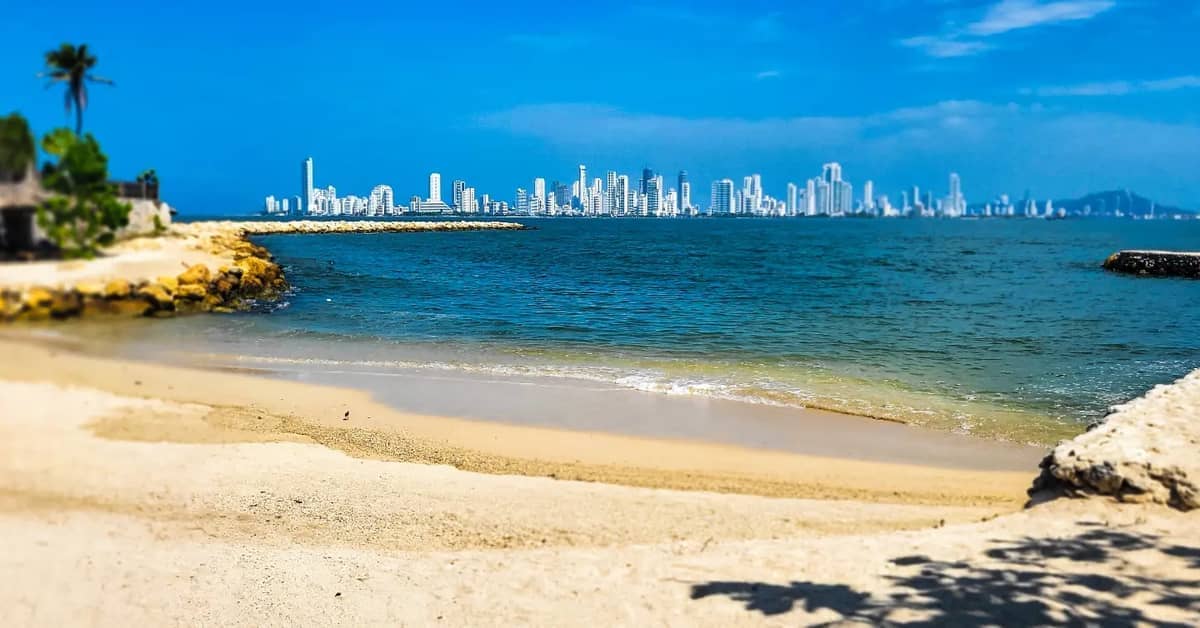
Isla Tierra Bomba is an inhabited island of roughly 19.84 square kilometers sitting at the entrance of the Bay of Cartagena, a few kilometers south of the city's urban waterfront. It is not a resort island, not a marine park, and not a polished day-trip product. It is a place where fishing communities and a few beach operators share a Caribbean shoreline that happens to be extremely close to one of South America's most visited cities.
The island has carried several names in its history, including Carex (or Cárex) and San Bernabé, before settling into its current use. Its southern tip, known as Bocachica, shelters one of the most historically significant military fortifications on the Caribbean coast: the Fuerte de San Fernando de Bocachica, construction of which began in 1753 and was completed around 1759. That fort replaced an earlier structure destroyed during the 1741 British attack on Cartagena under Admiral Vernon, one of the largest amphibious operations in Caribbean history until D-Day.
Most visitors arrive looking for a beach day with minimal logistics. What they find is a layered place where World Heritage-era military history and quiet Caribbean village life exist side by side. For context on how this island fits into Cartagena's broader geography, the Cartagena islands guide covers the full range of options from Tierra Bomba to Islas del Rosario.
Getting There: Boats, Piers, and What to Expect on the Water
The only way to reach Isla Tierra Bomba is by boat. There are no bridges, no ferries with fixed schedules in the European sense, and no ticket machines. The process is informal by design. The main departure point for most visitors is the Muelle Turístico La Bodeguita, a small tourist pier in Cartagena's historic center, though private marinas and other piers also serve the island.
Lanchas, the small motorized wooden boats common throughout the Colombian Caribbean, make the crossing in roughly 10 to 30 minutes depending on your destination on the island and sea conditions. Shared boats typically cost around COP 10,000–30,000 per person one way, though these fares shift with fuel costs and season, so confirm the price before boarding. There is also a reported port departure tax at La Bodeguita, paid separately from the boat fare.
💡 Local tip
Negotiate the return pickup time with your boat operator before they leave. There is no on-demand ferry system, and being stranded after sundown is a real possibility if you assume boats run continuously.
Boarding a lancha from a dock or a beach requires stepping across a gap, sometimes onto a rocking hull. Travelers with significant mobility impairments should assess this carefully, as there are no ramps or structured boarding assistance. Many beaches on the island have informal sandy paths rather than paved infrastructure, and wheelchair accessibility is extremely limited.
Tickets & tours
Hand-picked options from our booking partner. Prices are indicative; availability and final rates are confirmed when you complete your booking.
San Andres Islands pontoon tour through the inner bay
From 26 €Instant confirmationFree cancellationSan Andres Island guided tour in Chiva bus
From 17 €Instant confirmationFree cancellationBaru Terrestre and Islas Del Rosario Pasadia full day tour
From 40 €Instant confirmationFree cancellationTotumo Volcano and lunch at a VIP hotel from Cartagena
From 34 €Instant confirmationFree cancellation
The Beaches: What You Get and What You Don't
Tierra Bomba's beaches are calm by Caribbean standards. The water on the bay-facing side is generally protected, with shallow entry and low wave action, which makes it suitable for families with children or anyone who prefers a gentle swim. The sand is light, the water warm year-round, and the pace almost entirely unhurried.
The beach infrastructure is modest. Expect plastic chairs, thatched palapas, and vendors selling fish, cold beer, and fruit from coolers on the sand. A small number of beach clubs operate with slightly more organized service, but this is not Cancún. If you are looking for manicured sunbeds, full cocktail service, and polished facilities, this island will disappoint. If you are looking for a Caribbean afternoon without the organized day-trip crowd noise, it delivers.
Visitors who want a beach experience with noticeably more facilities and easier logistics might compare this to Playa Blanca on Barú, which offers a similar informal Caribbean atmosphere but with more vendor options and a larger tourist infrastructure. Tierra Bomba sits closer to the city, which translates to a shorter boat ride but also means the water clarity is affected by bay traffic.
Fuerte de San Fernando de Bocachica: The Reason History Travelers Come
The southern corregimiento of Bocachica holds a fort that most visitors to Cartagena never visit, despite its direct connection to the city's UNESCO-listed defensive architecture. The Fuerte de San Fernando de Bocachica was built between 1753 and approximately 1758–1759 to control the southern channel into Cartagena's bay, the same channel through which supply ships and invading fleets both needed to pass.
The fortification you see today was a direct response to military failure. The British attack of 1741, led by Admiral Edward Vernon with a force reported in the tens of thousands, destroyed the earlier Castillo de San Luis and exposed the bay's southern entrance. The Spanish rebuilt, this time more substantially. The resulting fort at Bocachica, constructed largely under Bourbon-era military engineering principles, controlled the channel with cannon batteries designed to create overlapping fields of fire across the narrow passage.
The fort is reported to be open daily from 08:00 to 17:00, with admission free. It sits across the channel from another fortification, the Batería de San José on the Barú side, the two together forming a paired defensive system. For visitors already exploring Castillo San Felipe de Barajas in Cartagena, seeing Bocachica adds a contrasting maritime perspective on the same defensive logic, applied to water rather than land.
ℹ️ Good to know
To visit Bocachica and the fort, confirm with your boat operator at La Bodeguita that the route goes there. Some boats serve only the northern beaches of the island. Bocachica is a separate community at the island's southern end.
Time of Day and Seasonal Conditions
Mornings on the island are cooler and significantly quieter. The beach areas before 10:00 have an almost private quality: locals setting up, the occasional fisherman hauling in or prepping, water that has had time to settle after the previous day's boat traffic. If the fort visit is your priority, arriving early means smaller groups and better light for photographs of the cannon batteries and stonework.
By midday, especially on weekends and Colombian public holidays, the beach areas attract more visitors from Cartagena and the island fills with noise, vendors, and music from competing sound systems. This is not unpleasant, but it is different from the morning experience. Afternoons mean a gradual wind pickup from the northeast, which makes the heat manageable on the beach but also choppier on the crossing back.
Seasonally, Cartagena's dry season runs from December to April, with January and February offering the most stable sunshine and lowest rainfall. During the rainy season, particularly September and October, afternoon downpours are common and sea crossings can be rougher. Humidity is high year-round regardless of season. Sunscreen, a hat, and a dry bag for electronics are not optional items.
⚠️ What to skip
The Caribbean sun at this latitude is intense. Fair-skinned visitors spending time on the beach without adequate SPF 50 protection can burn severely within 90 minutes, even on overcast days.
Practical Walkthrough: What a Day Actually Looks Like
A typical visit begins at La Bodeguita pier in the historic center, where you pay the departure tax and negotiate a shared lancha. The boat ride crosses the bay entrance with views of Cartagena's skyline behind you and the island's low green silhouette ahead. Depending on sea conditions, the crossing can feel exhilarating or uncomfortable; the boats have no enclosed seating and spray is frequent.
On arrival at a beach area in the island's north, the natural move is to find a palapa, order food, and spend two to three hours in the water or on the sand. Local families often bring their own food; vendors circulate with fresh fruit, fried fish plates, and cold drinks. Prices are modest but verify before ordering, as tourist pricing exists.
Visitors who want to combine beach and fort should plan for a full day and factor in travel time from the beach areas to Bocachica, which requires either a separate short boat leg or communication with your operator. If you are building a wider day of Caribbean exploration, it is worth reading about day trips from Cartagena to assess whether Tierra Bomba or one of the offshore island options better fits your priorities.
Photography works best in the early morning and late afternoon for the beaches, when the light is lower and the colors of the water are more defined. The fort at Bocachica photographs well in morning light, with the stone catching warm tones before the midday overhead sun flattens the texture. Drone use near military installations may be restricted; confirm locally.
Insider Tips
- Arrange your return boat before settling on the beach. Ask your operator for a specific pickup time and get a phone number. Boats at La Bodeguita do not wait and there is no on-demand return service once you are on the island.
- If you want the fort experience without fighting tour-group timing, go on a weekday morning. The Bocachica community and its military site see almost no foreign visitors on an average Tuesday, and you can walk the cannon platforms largely alone.
- Bring cash in small denominations. There are no ATMs on the island and vendors often struggle to break large bills. COP 10,000 and 20,000 notes work best for food and drinks.
- The bay-facing side of the island has calmer water than the open Caribbean side. If sea conditions are rough, stick to the protected beach areas rather than any exposed stretches.
- A dry bag or a waterproof phone pouch is genuinely useful, not just a precaution. Spray on the lancha crossing is real, and your phone in a back pocket is at risk.
Who Is Isla Tierra Bomba For?
- Travelers who want a beach day within 30 minutes of Cartagena's historic center without a full organized day-trip package
- History-focused visitors who want to see the less-visited Bocachica fortifications that complement Castillo San Felipe
- Budget travelers: the island access is among the most affordable water escapes from Cartagena
- Photographers looking for military architecture in a maritime setting, particularly in morning light
- Families with children who want calm, shallow Caribbean water without open-ocean exposure
Nearby Attractions
Combine your visit with:
- Mercado de Bazurto
Mercado de Bazurto is where Cartagena actually shops for food. Far from the polished streets of the Walled City, this enormous working market is a sensory overload of fresh fish, tropical fruit, and cumbia drifting from open-air stalls. It rewards curious visitors who come prepared.
- Casa Museo Rafael Núñez
The Casa Museo Rafael Núñez preserves the lakeside El Cabrero home of Rafael Núñez Moledo, Colombia's most consequential 19th-century statesman. Free to enter and a short walk from the Old City, it offers a rare, unhurried look at the private life of the man who wrote the 1886 constitution and penned the national anthem.
- Castillo de San Felipe de Barajas
Perched on Cerro San Lázaro just east of Cartagena's walled city, the Castillo de San Felipe de Barajas is the largest Spanish colonial military fortress ever built in the Americas. Its tunnels, ramparts, and sweeping Caribbean views reward visitors who come prepared and arrive early.
- Convento de Santa Cruz de la Popa
Rising roughly 150 meters above sea level in Cartagena de Indias, the Convento de Santa Cruz de la Popa sits on the city’s highest natural point and one of its oldest religious sites. Visitors climb to a 17th-century Augustinian monastery for panoramic views, colonial architecture, and a surprisingly serene escape from the heat of the streets below.