Best Beaches in & Near Cartagena, Colombia: From City Shores to Caribbean Islands
Cartagena's beach scene spans gritty urban strips, local fishing villages, and some of the most spectacular Caribbean coastline in South America. This guide covers every option, from the accessible shores minutes from the old city to the powdery white sands of Isla Barú and the coral-fringed Rosario Islands.
Plan and book this trip
Tools from our partner Travelpayouts help you compare flights and hotels. If you book through them, we may earn a commission at no extra cost to you.
Flights
Hotels map
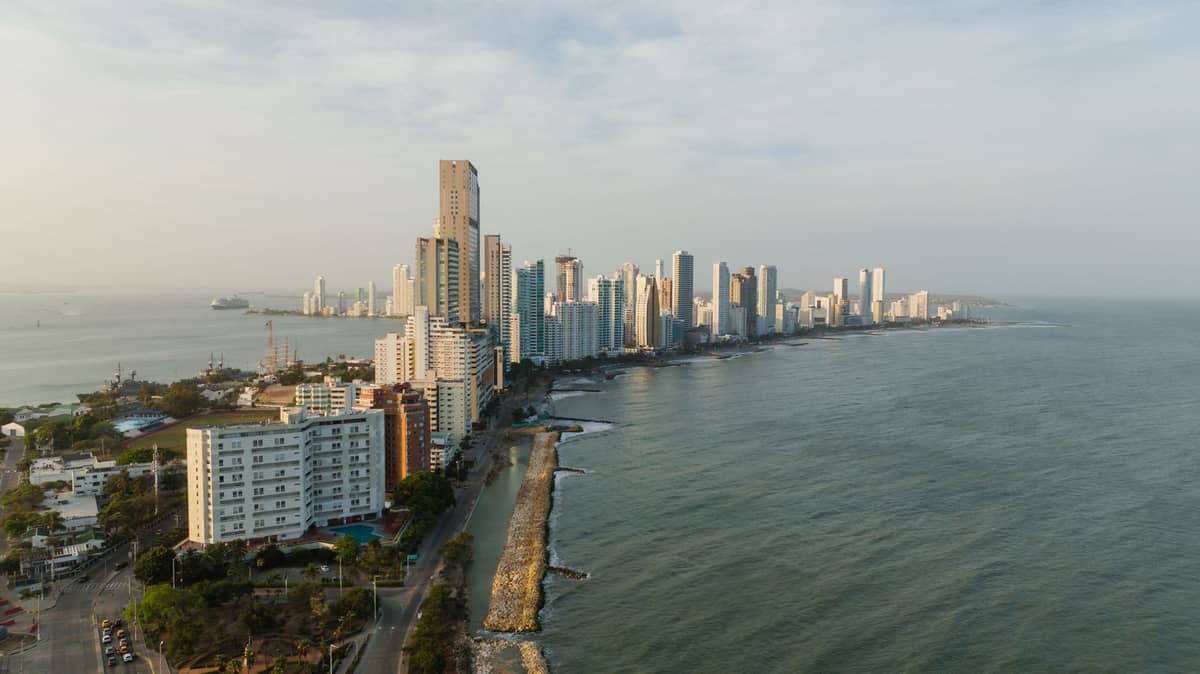
Cartagena de Indias sits on Colombia's Caribbean coast, and the city's relationship with the sea is central to everything here. But not all beaches are equal, and knowing which one suits your day is the difference between disappointment and one of the best beach experiences in South America. The urban beaches along Bocagrande are easy and lively but not postcard-perfect. For genuinely clear turquoise water, you need to venture out to Isla Barú or the Rosario Islands. The beaches north of the city around La Boquilla offer something different again: long, undeveloped coastline with a strong local character. This guide is organized by proximity, so you can plan your day without surprises.
💡 Local tip
The dry season (December to April) gives you the best beach weather, with minimal rain and reliable sunshine. The Rosario Islands and Playa Blanca can both be visited year-round, but rough seas in the rainy season occasionally affect boat departures.
City Beaches: Accessible, Lively, and Convenient
Cartagena's urban beaches are not the most pristine in the region, but they serve a real purpose: zero travel time, cold beer vendors within arm's reach, and a front-row seat to Colombian beach culture. If you're based in the historic center, check our guide to getting around Cartagena for the fastest routes to each of these beaches.
1. Join the Action on Cartagena's Main City Beach
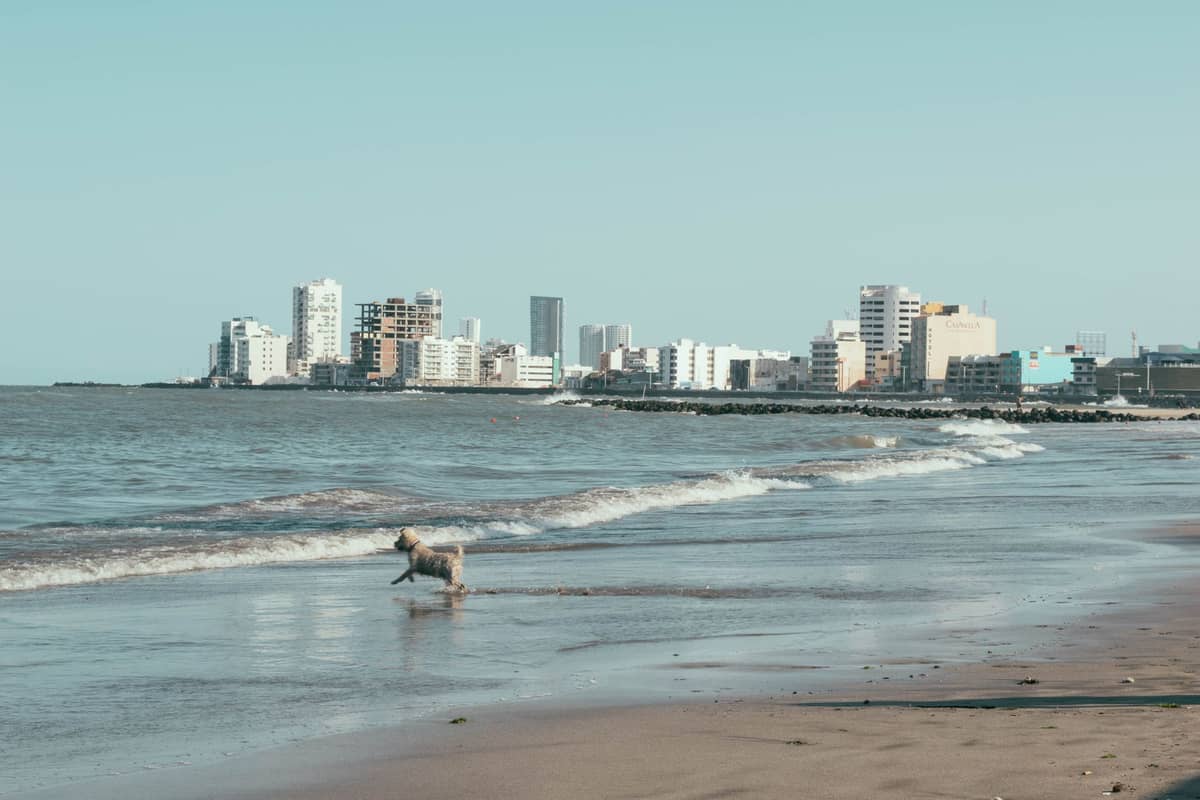
Bocagrande Beach runs the length of the hotel peninsula with a constant flow of vendors, beach clubs, and music. The water is warm but not sparkling clear. Best treated as a social beach, not a snorkeling destination. Easiest beach access from most hotels.
Explore1. Join the Action on Cartagena's Main City Beach
Bocagrande Beach runs the length of the hotel peninsula with a constant flow of vendors, beach clubs, and music. The water is warm but not sparkling clear. Best treated as a social beach, not a snorkeling destination. Easiest beach access from most hotels.
Explore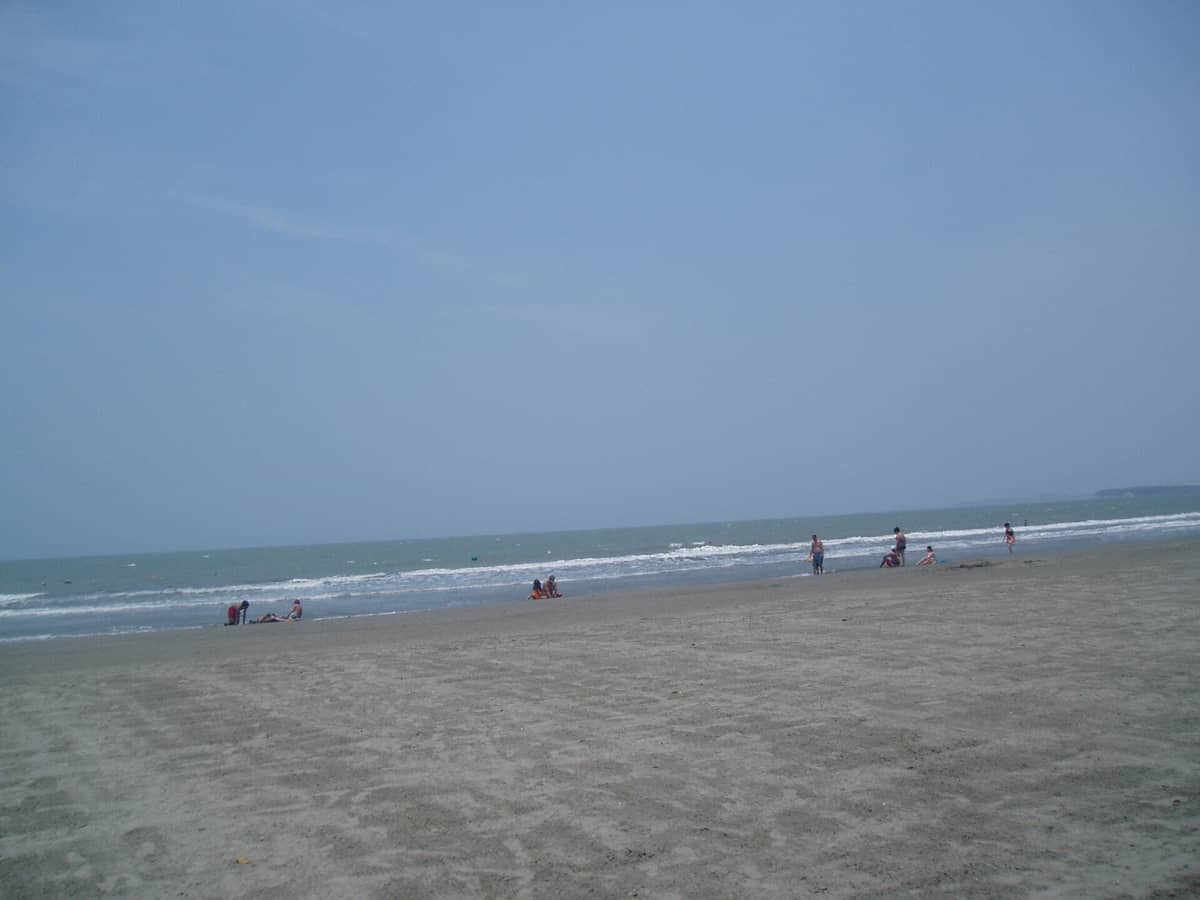
2. Walk the Quieter Local Beach Near the Old City Walls
Playa Marbella sits just north of the historic walls and draws far fewer tourists than Bocagrande. Cartagena residents come here for early morning walks and weekend gatherings. It lacks beach clubs but feels authentically local, and it's walkable from the centro histórico.
Explore2. Walk the Quieter Local Beach Near the Old City Walls
Playa Marbella sits just north of the historic walls and draws far fewer tourists than Bocagrande. Cartagena residents come here for early morning walks and weekend gatherings. It lacks beach clubs but feels authentically local, and it's walkable from the centro histórico.
ExploreNorth of the City: La Boquilla's Long Coastline
About 20 minutes north of the old city by taxi, the La Boquilla area offers a longer and less developed stretch of Caribbean coast backed by a fishing village and a network of mangrove lagoons. It pairs well with a half-day that combines the beach and a boat tour through the wetlands.
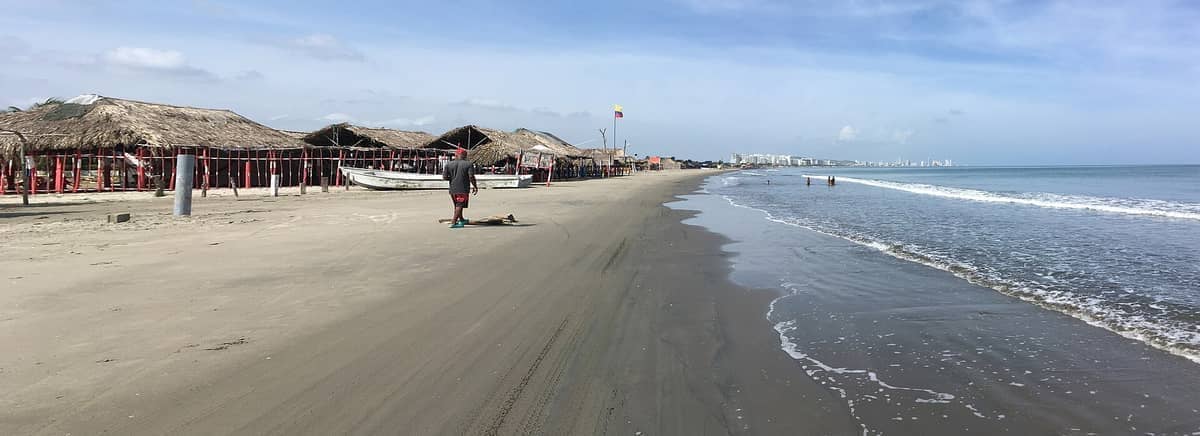
3. Eat Fresh Seafood on a Long, Undeveloped Caribbean Shore
Playa La Boquilla is a wide, open stretch of Caribbean coast where local fishermen sell the day's catch directly to beachside restaurants. Far less commercialized than Bocagrande, with a genuinely local atmosphere. Expect fresh fried fish and cold coconut water at your table.
Explore3. Eat Fresh Seafood on a Long, Undeveloped Caribbean Shore
Playa La Boquilla is a wide, open stretch of Caribbean coast where local fishermen sell the day's catch directly to beachside restaurants. Far less commercialized than Bocagrande, with a genuinely local atmosphere. Expect fresh fried fish and cold coconut water at your table.
Explore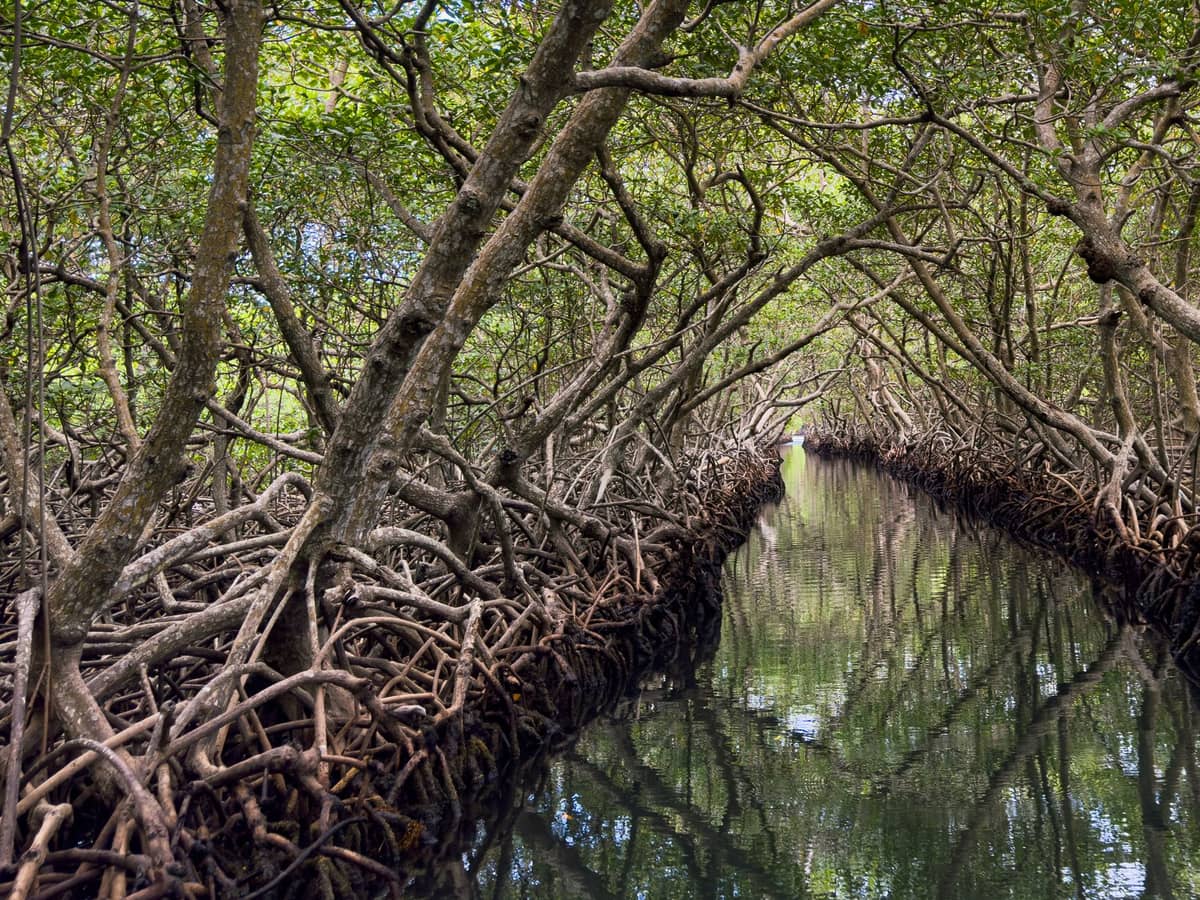
4. Paddle Through the Mangroves After a Morning on the Beach
The lagoon system behind La Boquilla village offers guided canoe tours with local fishermen through bird-rich waterways. A 90-minute tour pairs perfectly with an afternoon on Playa La Boquilla, making this a full half-day from the city without needing a boat to the islands.
Explore4. Paddle Through the Mangroves After a Morning on the Beach
The lagoon system behind La Boquilla village offers guided canoe tours with local fishermen through bird-rich waterways. A 90-minute tour pairs perfectly with an afternoon on Playa La Boquilla, making this a full half-day from the city without needing a boat to the islands.
ExplorePlaya Blanca & Isla Barú: The Classic Caribbean Day Trip
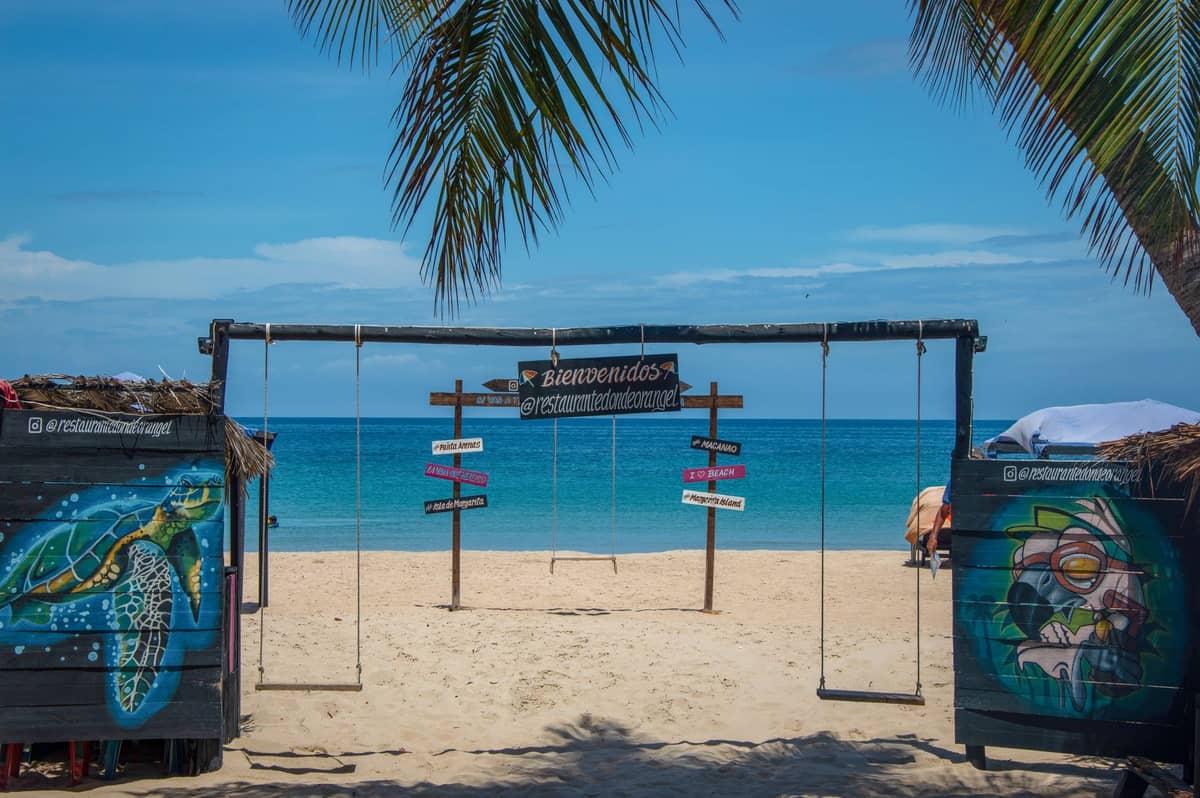
Playa Blanca on Isla Barú is the beach most visitors picture when they imagine Cartagena: powdery white sand, turquoise water, and palm trees. It's roughly 1 to 1.5 hours south of the city by road or boat. Read our full Cartagena islands guide for detailed logistics on getting there, including the latest boat prices and departure times from Muelle de la Bodeguita.
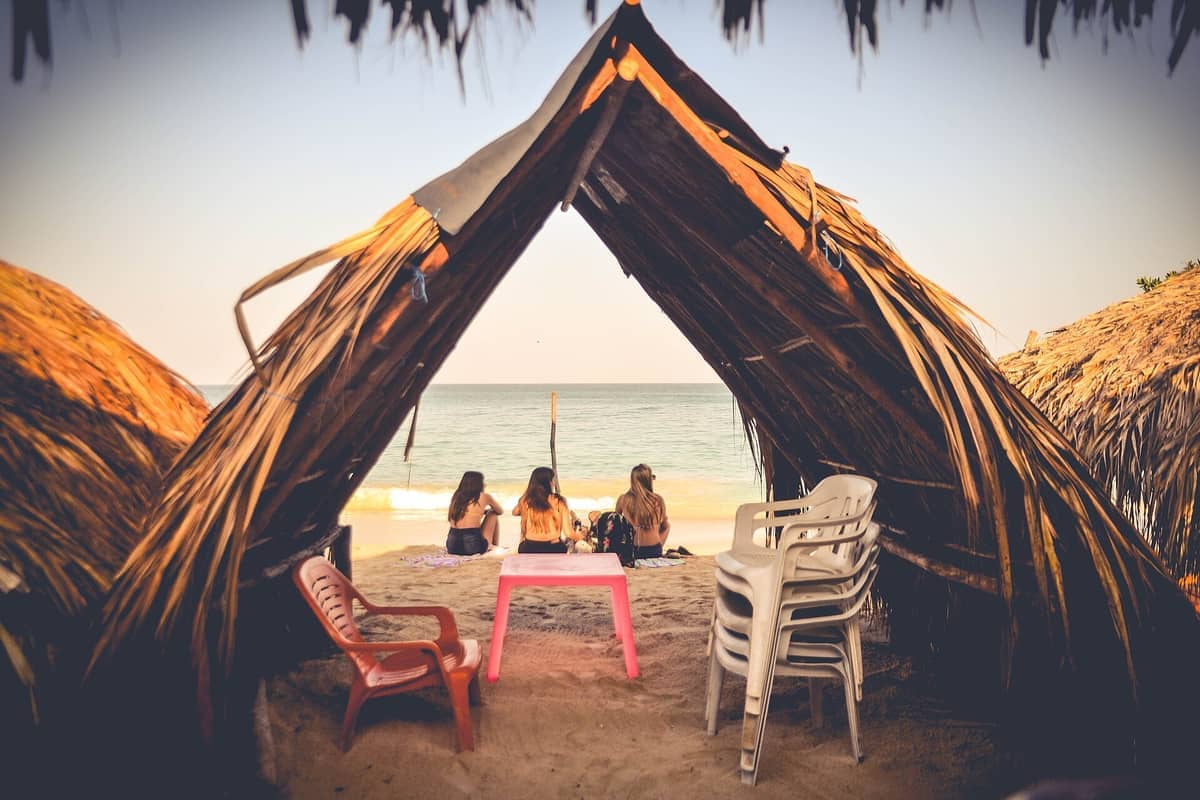
5. Spend a Day at Colombia's Most Famous Beach, Playa Blanca
Playa Blanca delivers the white sand and clear turquoise water that Cartagena's city beaches don't. Access by speedboat takes about 45 minutes from the Bodeguita dock, or by shuttle bus around 90 minutes. Arrive before 10 AM to claim a good spot before day-trip crowds peak.
Explore5. Spend a Day at Colombia's Most Famous Beach, Playa Blanca
Playa Blanca delivers the white sand and clear turquoise water that Cartagena's city beaches don't. Access by speedboat takes about 45 minutes from the Bodeguita dock, or by shuttle bus around 90 minutes. Arrive before 10 AM to claim a good spot before day-trip crowds peak.
Explore✨ Pro tip
Playa Blanca is heaviest with crowds from late morning to mid-afternoon. If you take the first shared shuttle or boat (departing around 7:30–8:30 AM), you'll have an hour or two of relative calm before the main tour groups arrive. A shared shuttle from Cartagena costs around 60,000 COP per adult round trip as of 2026.
Islas del Rosario: Coral Reefs and Crystal-Clear Water
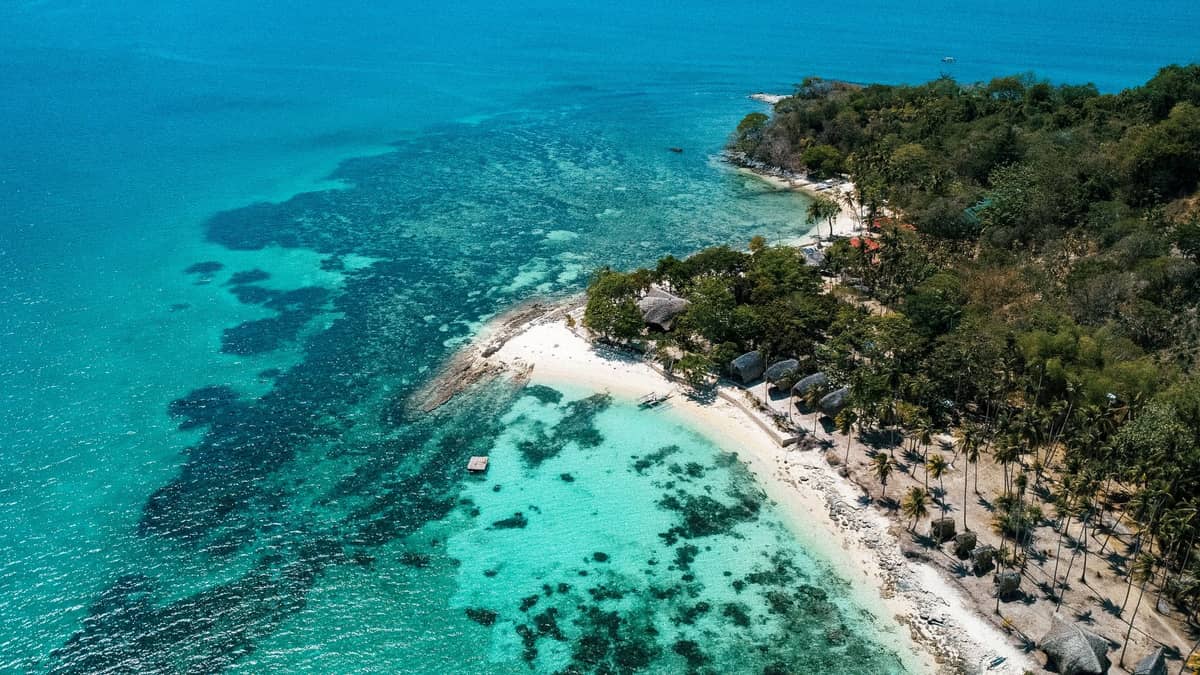
The Rosario Islands archipelago, protected within a national natural park, sits about 45 to 60 minutes offshore from Cartagena by speedboat. This is where you come for snorkeling, scuba diving, and swimming in some of the clearest water on the Colombian Caribbean coast. Most boats depart from Muelle de la Bodeguita between 8:00 and 9:30 AM and return by 3:30 to 5:00 PM, so plan accordingly. See the best day trips from Cartagena for a broader look at how to structure an islands day versus other excursions.
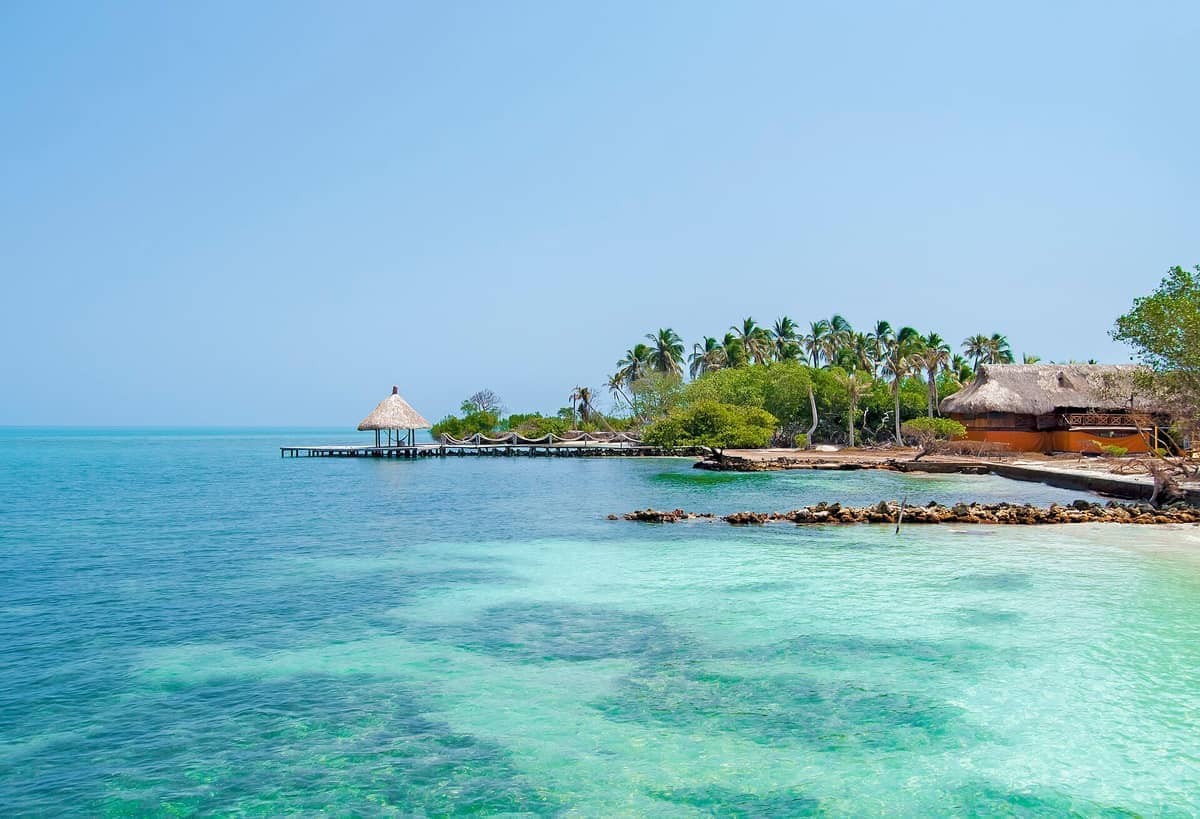
6. Snorkel Colombia's Best Coral Reefs in the Rosario Islands
The Rosario Islands national park protects Colombia's finest coral reef ecosystems. Snorkeling and scuba diving tours depart from Cartagena's Bodeguita dock from around 7:30 AM. Basic shared speedboats cost roughly 40,000–60,000 COP; ferry tickets run 77,000–132,000 COP with a separate port tax.
Explore6. Snorkel Colombia's Best Coral Reefs in the Rosario Islands
The Rosario Islands national park protects Colombia's finest coral reef ecosystems. Snorkeling and scuba diving tours depart from Cartagena's Bodeguita dock from around 7:30 AM. Basic shared speedboats cost roughly 40,000–60,000 COP; ferry tickets run 77,000–132,000 COP with a separate port tax.
Explore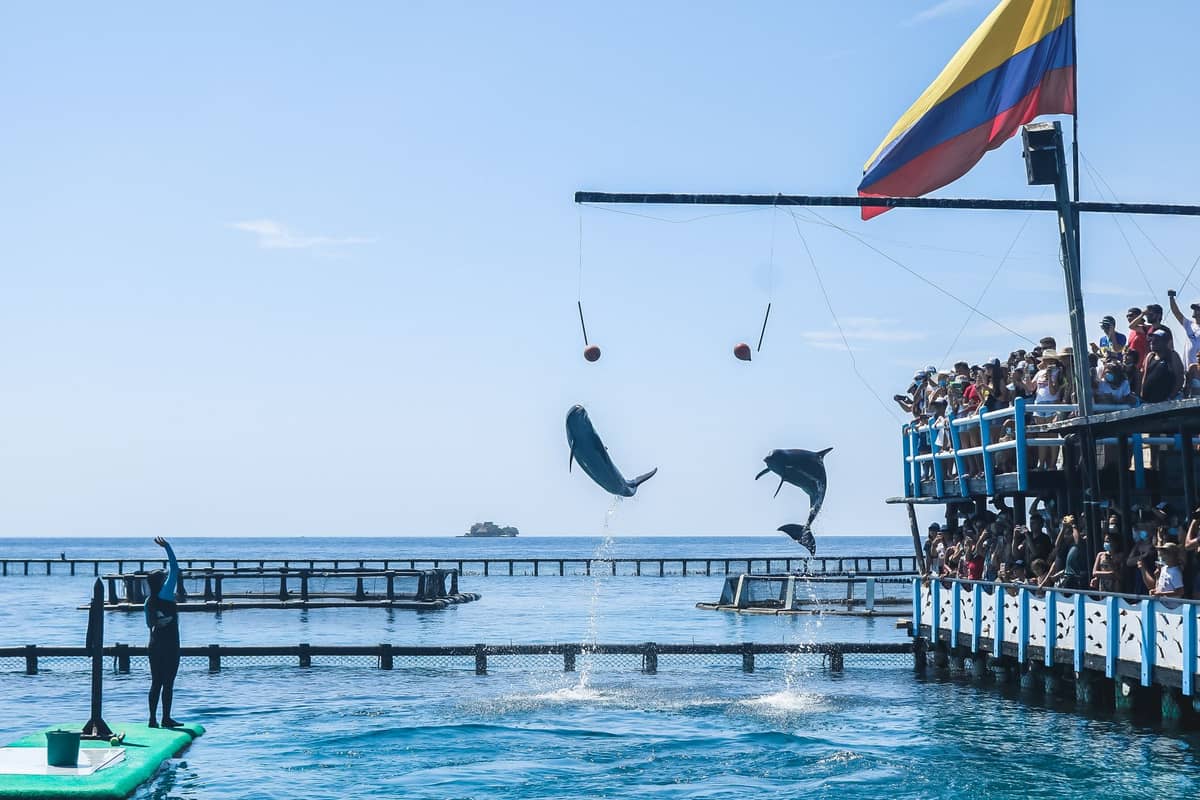
7. See Caribbean Marine Life Up Close at the Rosario Islands Aquarium
The Oceanario on Isla San Martín de Pajarales is a small marine research center and aquarium with sharks, rays, sea turtles, and tropical fish from the Colombian Caribbean. It's a standard stop on most Rosario Islands day tours, adding context to the reef ecosystems you've been swimming above.
Explore7. See Caribbean Marine Life Up Close at the Rosario Islands Aquarium
The Oceanario on Isla San Martín de Pajarales is a small marine research center and aquarium with sharks, rays, sea turtles, and tropical fish from the Colombian Caribbean. It's a standard stop on most Rosario Islands day tours, adding context to the reef ecosystems you've been swimming above.
ExploreCloser to the City: Isla Tierra Bomba
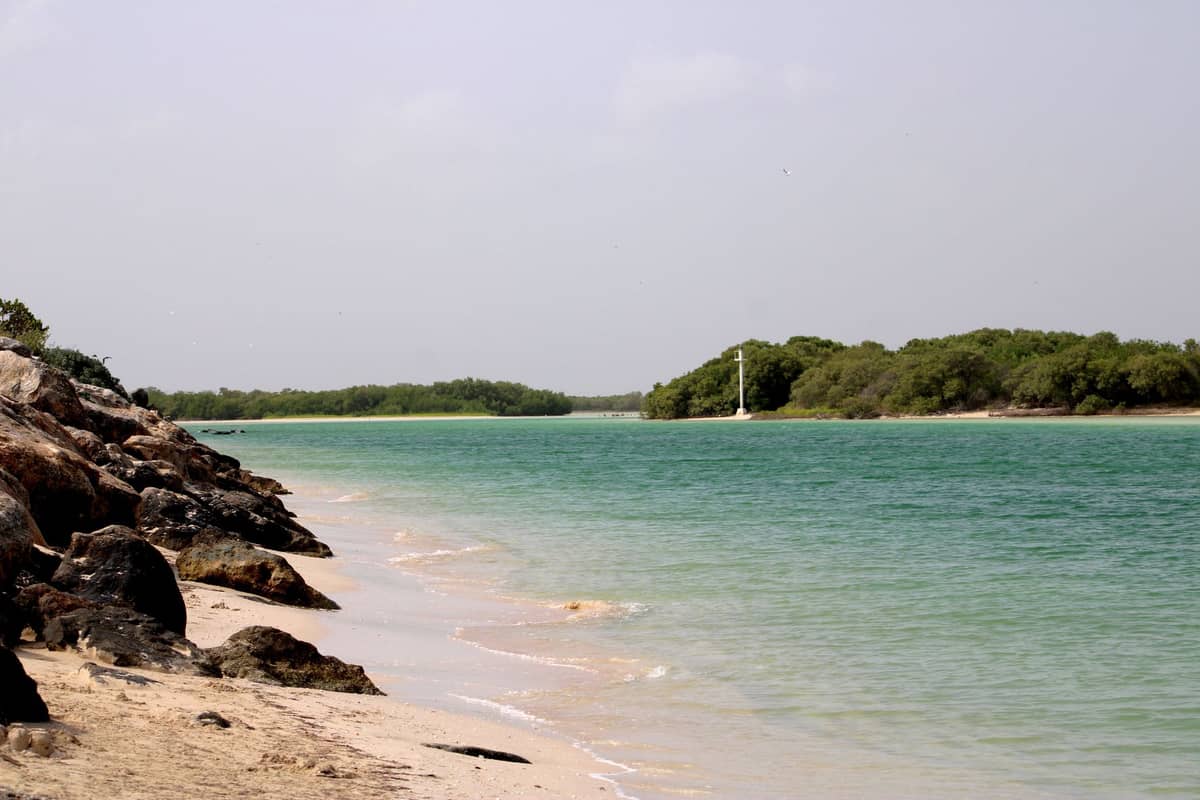
For travelers who want an island beach experience without committing to a full-day excursion, Isla Tierra Bomba is the overlooked alternative. It sits directly across the bay from Cartagena and is reachable by boat in about 10 to 25 minutes, making it practical for a shorter outing or an afternoon trip.
8. Escape to a Quiet Island Beach in Under 20 Minutes
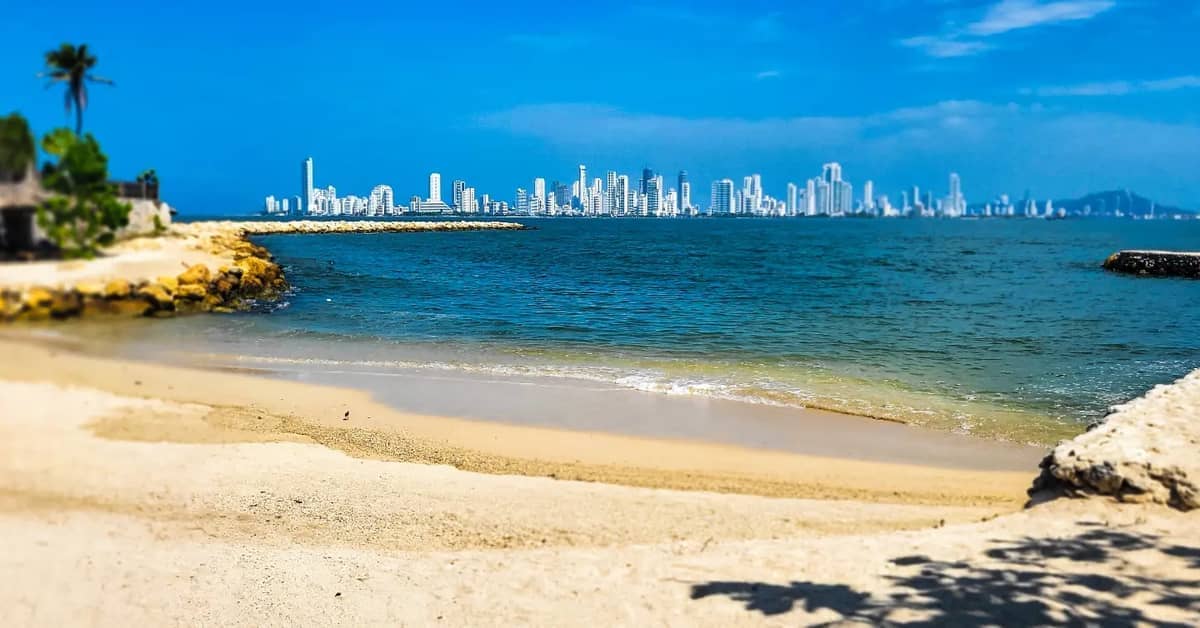
Tierra Bomba is Cartagena's closest island escape: a 20-minute boat ride across the bay to quiet beaches, Afro-Colombian fishing communities, and colonial-era ruins. Far fewer tourists than Playa Blanca, with a slower pace. Good option for an afternoon when full-day island trips aren't practical.
Explore8. Escape to a Quiet Island Beach in Under 20 Minutes
Tierra Bomba is Cartagena's closest island escape: a 20-minute boat ride across the bay to quiet beaches, Afro-Colombian fishing communities, and colonial-era ruins. Far fewer tourists than Playa Blanca, with a slower pace. Good option for an afternoon when full-day island trips aren't practical.
ExploreBeyond the Beach: Complementary Experiences for Island and Beach Days
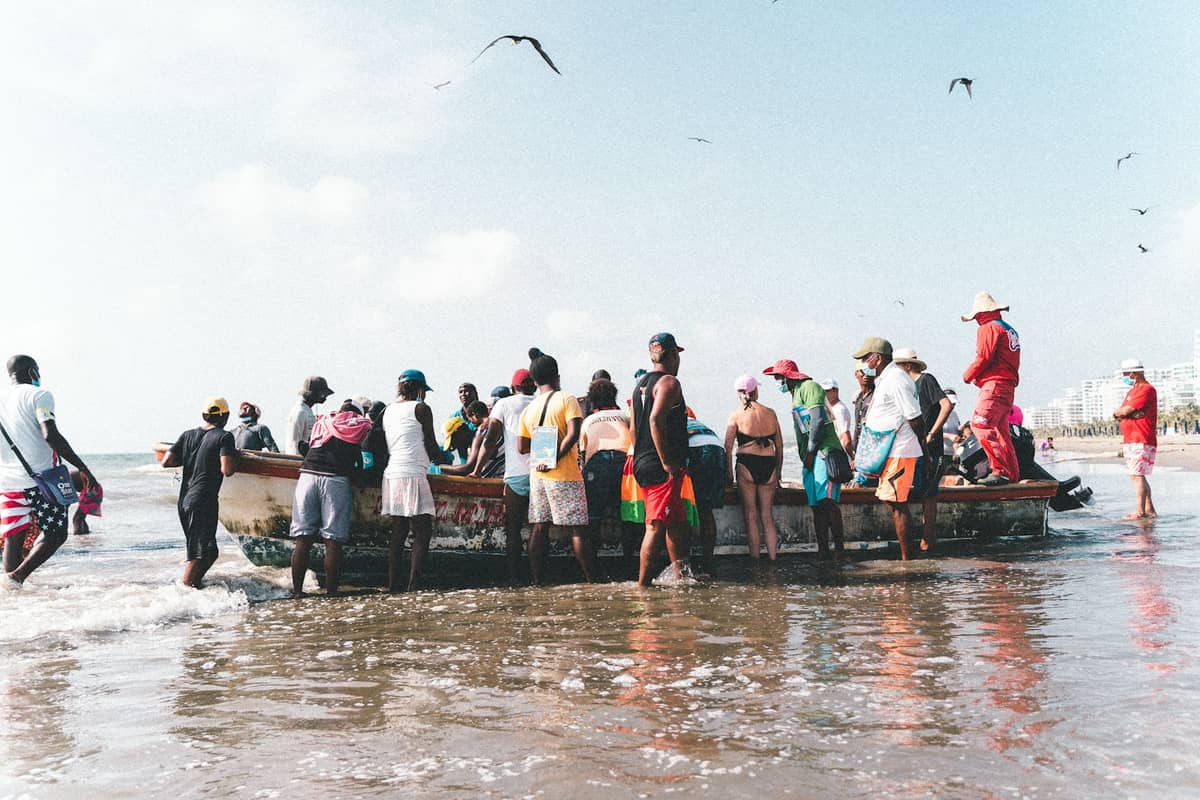
Cartagena's best beach days often combine water time with something else entirely: a soak in a mud volcano, a walk through mangroves, or a meal in a fishing village. These experiences work well as add-ons before or after beach time, and several combine naturally into a full-day itinerary. For a broader picture of how to structure your time, see our 3-day Cartagena itinerary.
9. Float in Warm Therapeutic Mud at the Totumo Mud Volcano
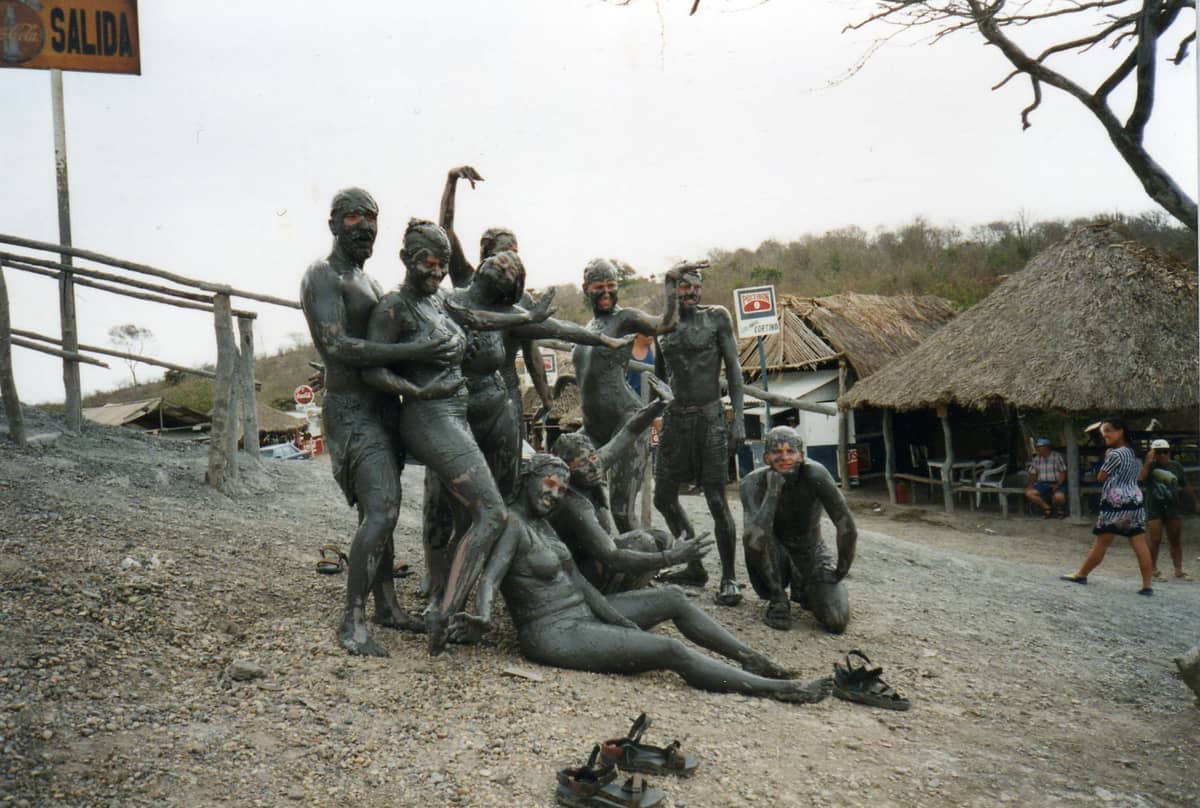
El Totumo is a small cone-shaped volcano about 50 km from Cartagena filled with warm, buoyant mud. Visitors climb in and float, massaged by local attendants. Most organized tours to Playa La Boquilla or the northern coast include a stop here, making it a natural pairing with a beach day.
Explore9. Float in Warm Therapeutic Mud at the Totumo Mud Volcano
El Totumo is a small cone-shaped volcano about 50 km from Cartagena filled with warm, buoyant mud. Visitors climb in and float, massaged by local attendants. Most organized tours to Playa La Boquilla or the northern coast include a stop here, making it a natural pairing with a beach day.
ExploreFAQ
What is the best beach near Cartagena for clear water and white sand?
Playa Blanca on Isla Barú is the standout choice for classic Caribbean conditions: fine white sand and genuinely clear turquoise water. For even clearer water and coral reefs, the Islas del Rosario, about 45 minutes offshore by speedboat, are the top option.
How do you get from Cartagena to Playa Blanca on Isla Barú?
You have two main options: a shared shuttle bus (about 90 minutes, around 60,000 COP per adult as of 2026) or a speedboat from Muelle de la Bodeguita (about 45 minutes, typically included in day-tour packages). Boats cluster around 7:30–9:30 AM departures, so book in advance.
Are Cartagena's city beaches worth visiting?
Bocagrande Beach and Playa Marbella are convenient and fun for soaking up the local atmosphere, but the water is not clear and the sand is not pristine. They work well for an easy afternoon close to the city, but for the classic Caribbean beach experience you need to head to Isla Barú or the Rosario Islands.
What is the best time of year to visit Cartagena's beaches?
December through April is the dry season, with minimal rainfall, reliable sunshine, and calmer seas. January and February tend to be the driest months. The rainy season runs May through November, with September and October being the wettest. Beaches and boat trips are still possible in the rainy season, but seas can be rougher.
Can you do the Rosario Islands and Playa Blanca on the same day?
Some boat tours do combine both stops, but the experience at each tends to be rushed. Most travelers find it more satisfying to dedicate a full day to one or the other. The Rosario Islands are better for snorkeling; Playa Blanca is better if you simply want a long stretch of beautiful beach.