Cartagena with Kids: The Complete Family Travel Guide
Cartagena de Indias works surprisingly well as a family destination, but it rewards planning. From the Oceanario at Islas del Rosario to the hop-on hop-off city bus, this guide covers the best kid-friendly activities, practical logistics, and the seasonal factors every parent needs to know before booking.
Plan and book this trip
Tools from our partner Travelpayouts help you compare flights and hotels. If you book through them, we may earn a commission at no extra cost to you.
Flights
Hotels map
TL;DR
- Cartagena Colombia is genuinely family-friendly, but heat and humidity are real factors — schedule outdoor activities before noon.
- The Oceanario at Islas del Rosario is the single best kid-specific attraction — budget around 40,000 COP per adult, 30,000 COP per child, and confirm hours the morning you visit.
- The hop-on hop-off city bus wraps up around 15:00–15:45, so don't count on it for afternoon or evening sightseeing.
- December through March offers the driest, most comfortable conditions — see the best time to visit Cartagena for a full month-by-month breakdown.
- Island boat tours often don’t include Oceanario admission — in most cases you pay separately at the aquarium entrance, so always check the inclusions when booking.
Why Cartagena Works for Families (And Where It Gets Tricky)
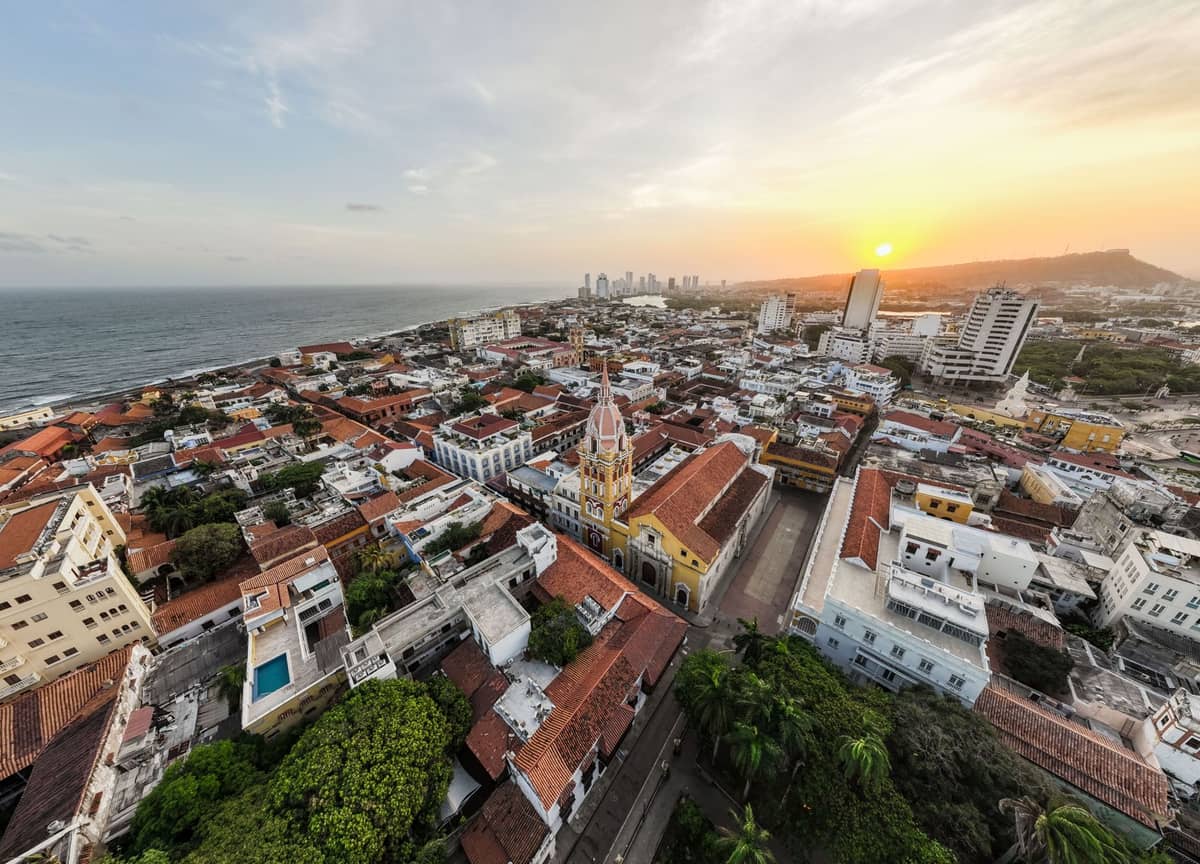
Cartagena de Indias, the colonial Caribbean port city that serves as capital of Colombia's Bolívar Department, gets overlooked on the family travel circuit in favor of beach resorts. That's a mistake. The city offers a compact historic core, calm Caribbean waters within easy reach, and a genuine aquarium on a coral island — experiences that are hard to find in a single destination. That said, this is still a tropical Colombian city at sea level with year-round daytime temperatures usually sitting between about 27 and 31°C (81–88°F) and high humidity throughout. Families who don't plan around the heat end up with cranky kids and abandoned itineraries. The ones who build in afternoon pool breaks and early morning starts tend to have a genuinely great time. For a broader look at what the city offers, the complete Cartagena activities guide covers adult-oriented options you can weave into a family trip once kids are settled.
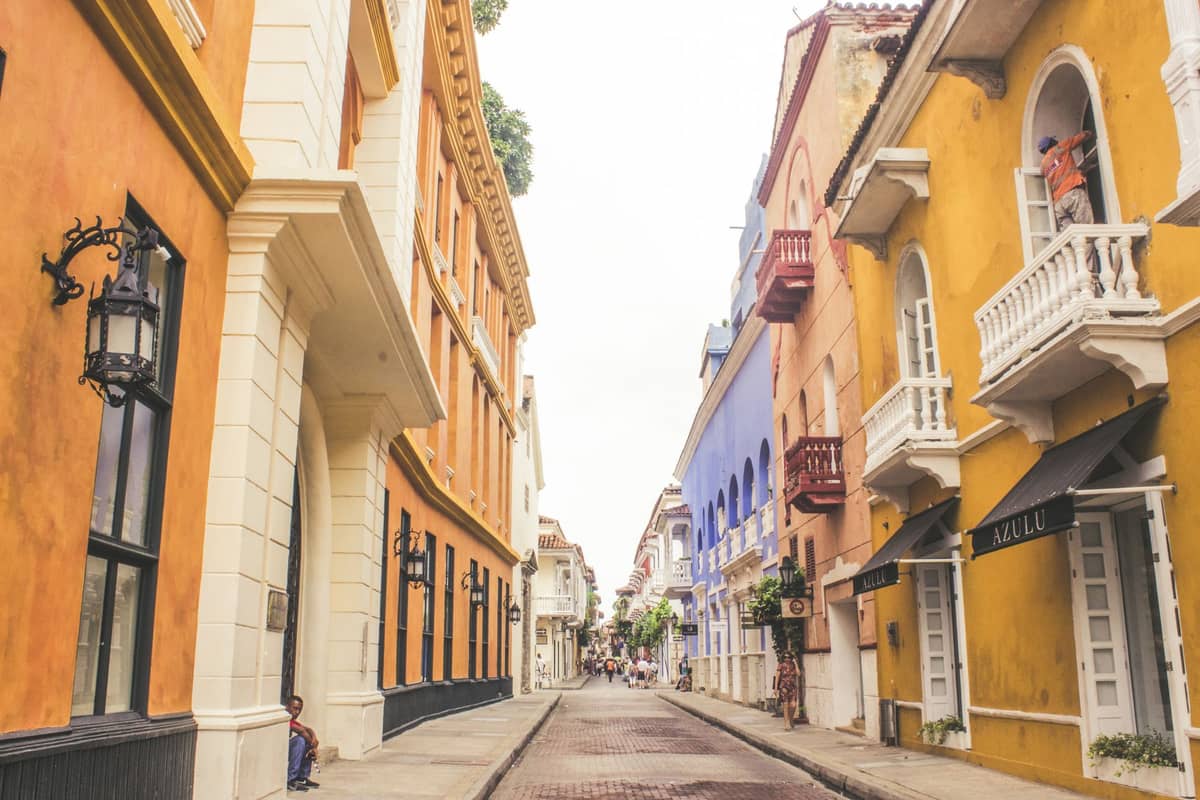
The city divides into distinct zones that affect family logistics. The historic Walled City (Centro Histórico) is dense with cobblestone streets, churches, and plazas — great for a morning walk but not stroller-friendly on the uneven paving. Bocagrande, the hotel-heavy beach strip about 6–8 km from the airport, is flatter and more resort-oriented, with calmer water access. Getsemaní, the artsy neighborhood just outside the walls, is best for families with older kids who will appreciate the street murals rather than those needing soft play areas.
💡 Local tip
Book accommodation in Bocagrande if your kids need beach access within walking distance and you want AC rooms without trekking through cobblestones. Stay in the Walled City if your priority is atmosphere and you have kids old enough to walk comfortably for 30+ minutes on uneven surfaces.
Top Kid-Friendly Activities in Cartagena
The Oceanario at Islas del Rosario stands above every other family activity in Cartagena by a significant margin. It is a working marine aquarium on an island in the Rosario archipelago, roughly 35 km southwest of the city by boat. Kids interact with sea turtles, rays, and reef fish in open-water enclosures rather than just staring at glass tanks. As of 2026, entry runs around 40,000 COP per adult and 30,000 COP per child aged 2–10, with children under 2 entering free. In many standard Islas del Rosario boat tours this ticket is not included, so you often pay separately at the aquarium entrance; always confirm your tour’s inclusions. Hours are listed as 09:00 to 13:30–14:00 daily, but the operator explicitly warns that times vary with weather, sea conditions, and administrative decisions. Call or check the morning you plan to visit.
Getting to the Oceanario means taking a boat from Cartagena's Muelle de la Bodeguita or Muelle Turístico. The crossing takes roughly 45–60 minutes each way to the closer islands and can approach 1 hour 30–50 minutes to the Oceanario, depending on the vessel and sea conditions. Sea conditions matter: if there's rough weather, trips get cancelled or cut short with little notice. Build a backup activity into any island day with young children. The broader Cartagena islands guide covers which operators are most reliable and what to expect at Islas del Rosario National Park beyond the aquarium.
- Oceanario, Islas del Rosario Marine aquarium with open-water enclosures. Approx. 40,000 COP adults / 30,000 COP children 2–10. Open roughly 09:00–13:30, daily, weather permitting. Pay on-site, not included in boat tours.
- City Sightseeing Hop-On Hop-Off Bus 90-minute loop departing from near the Torre del Reloj (Clock Tower). Buses run approximately every 45 minutes from around 09:00, with the last service finishing by 15:00–15:45. Adult tickets around USD 23. Air-conditioned and narrated — practical in the midday heat.
- Castillo San Felipe de Barajas The massive 17th-century fortress is genuinely dramatic for kids who like tunnels and ramparts. Bring water — the exposed stone gets intensely hot by mid-morning. Entry fees apply; mornings are cooler and less crowded.
- Playa Blanca, Isla Barú The most accessible white-sand beach day trip from Cartagena. Calm, shallow water is good for younger kids. Go on a weekday to avoid the heaviest vendor pressure. Confirmed via day-trip operators departing from the Muelle Turístico.
- Carriage Rides in the Walled City Horse-drawn carriages operate in the historic center in the evenings, once the worst heat has passed. A practical way for smaller children to see the illuminated colonial streets without a long walk.
⚠️ What to skip
The hop-on hop-off bus in Cartagena does NOT run into the evening like similar services in European cities. The last departure from the main stop is typically around 15:45. If you plan to use it for afternoon sightseeing, confirm the schedule when buying tickets, as it catches families off guard.
Historic Cartagena with Children: What's Worth It

The Castillo San Felipe de Barajas is the one historic landmark that consistently holds children's attention. The network of interior tunnels, the commanding views over the bay, and the sheer scale of the structure make it feel like a real adventure rather than a museum visit. Arrive at opening time (typically 08:00) to beat both the heat and the tour groups. The Cartagena city walls are worth a short walk at dusk, but covering the full perimeter (about 11 km total) with young children is not practical — pick the stretch near the Clock Tower or near the Café del Mar section for the best views in the shortest distance.
The Palacio de la Inquisición and the Museo del Oro Zenú are genuinely interesting if you have history-curious kids aged 10 and up. Younger children will find them slow. The Convento de La Popa, perched on a hill above the city, offers panoramic views that impress all ages, but the road up is not walkable with small children — take a taxi or arrange a tour transfer.
For a lower-intensity historic wander, the Centro Histórico is best explored between 07:30 and 10:00, before the heat peaks and tourist groups arrive. The Portal de los Dulces near the Clock Tower is a reliable kid-pleaser — rows of local sweets sold by vendors under the arcade. Budget a few thousand pesos and let kids pick what they want.
Beach Days and Water Activities for Families

Cartagena's city beaches vary significantly in quality and suitability for children. Bocagrande beach is the most convenient from the main hotel strip, but the water quality gets mixed reviews and the beach fills up quickly on weekends. For families who prioritize cleaner water and calmer conditions, the day trip to Playa Blanca on Isla Barú is the better investment — the water is shallower and clearer, and the beach is genuinely picturesque. The trade-off is vendor persistence; arriving early and sitting away from the main cluster helps.
For families with teenagers, snorkeling around the Rosario Islands offers good reef visibility and is easy to arrange through any of the major operators at the Muelle Turístico. Most tours include equipment. Younger children can participate if they are comfortable in the water with a life vest, but the open-ocean crossing is not suitable for children prone to seasickness — bring medication if needed and be especially cautious on rougher, rainier days in the heart of the wet season, particularly in October.
✨ Pro tip
For the calmest sea conditions on island excursions, January through March is optimal. October and November are the roughest months, with the highest likelihood of tour cancellations. If you're visiting during the rainy season (May–November), always have an indoor fallback planned for island days.
Timing Your Visit: Seasons, Crowds, and Heat
Cartagena de Indias sits at sea level on the Caribbean coast and maintains a tropical wet-and-dry climate year-round. Daytime temperatures usually stay between about 27 and 31°C (81–88°F) in every month, so heat management is constant regardless of when you visit. The meaningful variable for families is rainfall and sea conditions. The dry season runs December through April, with January and February being the driest months. The rainy season spans May through November, peaking in September and especially October, when afternoon downpours and rough seas are common.
For families, December through March is the strongest window. Lower rainfall means reliable island trips, better beach days, and more predictable outdoor schedules. The catch: this is also peak tourist season. Prices for hotels and flights climb, particularly around Christmas and Semana Santa (Holy Week). Book accommodation several months in advance. If you're flexible and willing to manage occasional rain, April and May offer a reasonable middle ground — drying season tail-end with lighter crowds. For a detailed seasonal breakdown, the best time to visit Cartagena guide is worth reading before you book flights.
- December–March: Best for families. Dry, sunny, reliable island trips. Highest prices and crowds.
- April–May: Shoulder season. Occasional rain but manageable. Good hotel rates.
- June–August: Warm and wet. Beach and island days less predictable. Fewer tourists from abroad.
- September–October: Wettest months. Rough seas frequently cancel island tours. Not ideal for families dependent on outdoor activities.
- November: Beginning of dry season transition. Improving conditions, lower prices than peak.
Practical Logistics for Families in Cartagena

Rafael Núñez International Airport (IATA: CTG) is located in the Crespo neighborhood, roughly 3–7 km from the historic center depending on your exact destination. Official airport taxis to the Centro Histórico or Getsemaní run approximately 16,000–20,000 COP for the 10–20 minute ride, making them the most practical option with children and luggage. Uber and inDrive also operate from the airport, with fares to the Walled City typically ranging around USD 4–8. Confirm current pricing before departure, as fares shift with fuel costs and app promotions.
Getting around the city with kids is easiest by taxi or ride-hailing app. The Transcaribe bus system operates but requires familiarity with routes and stops — not practical with small children or luggage. Within the historic center, walking is the primary mode, but as noted above, cobblestones are rough on strollers. The getting around Cartagena guide covers all transport modes with cost comparisons. For families staying in Bocagrande, the beach and most hotel amenities are walkable, but reaching the Walled City requires a 15–20 minute taxi ride.
On the safety question: Cartagena's tourist districts are considered broadly safe for families during daylight hours, but it pays to be sensible about where you go after dark, particularly in unfamiliar neighborhoods. The is Cartagena safe guide addresses this honestly with neighborhood-specific context. For accommodation, families fare best in the Walled City for character or Bocagrande for convenience — the where to stay in Cartagena guide compares both zones with specific hotel recommendations.
- Language: Spanish is the primary language city-wide. English is used in tourist-facing services, hotels, and major tour operators, but basic Spanish phrases help in markets and local restaurants.
- Currency: Colombian peso (COP). ATMs are widely available in tourist areas. Carry some cash for beach vendors, small restaurants, and the Oceanario ticket.
- Water: Do not drink tap water. Bottled water is inexpensive and universally available — budget at least 2 liters per person per day in the heat.
- Sun protection: UV index is extreme year-round. High-SPF sunscreen, hats, and rash guards for kids are essential, not optional.
- Power: Colombia uses 110V/60Hz with Type A/B outlets (same as the US). No adapter needed for American devices.
ℹ️ Good to know
The Oceanario and island operators communicate primarily in Spanish. Most tours departing from the Muelle Turístico have bilingual guides or printed materials in English, but if you book through a local operator rather than an international OTA, confirm language availability in advance.
FAQ
Is Cartagena Colombia good for families with young children?
Yes, with planning. The main challenges are heat (daytime highs usually around 30–31°C year-round), cobblestones in the historic center that complicate strollers, and sea conditions affecting island trips. Families with toddlers tend to do better based in Bocagrande for beach access and shorter walking distances. The Oceanario, city bus tour, and horse-drawn carriage rides work well for children of all ages.
What is the best age for kids to visit Cartagena?
Children aged 5 and up generally get the most from Cartagena. The fortress tunnels, beach days, and aquarium appeal strongly to that age group. Teenagers enjoy snorkeling, street art in Getsemaní, and the island excursions. Toddlers and infants can be managed, but the heat and walking surfaces require extra planning.
Does the Rosario Islands boat tour include the Oceanario?
Almost never. Standard day trips to the Rosario Islands focus on snorkeling and beach stops. The Oceanario admission (around 40,000 COP adults, 30,000 COP for children 2–10) is usually paid separately at the aquarium entrance, although some specific tours include it; always confirm what is and is not included when booking your island tour.
What time does the hop-on hop-off bus finish in Cartagena?
The City Sightseeing hop-on hop-off bus in Cartagena typically has its last main departure from the first stop around 15:45. Unlike the same service in European cities, it does not run into the evening. Plan any bus-based sightseeing for the morning or early afternoon.
When is the best time of year to visit Cartagena with kids?
December through March, during the dry season, offers the most reliable weather for outdoor and island activities. January and February are the driest months. Avoid September and especially October if your plans depend on island boat trips, as rough seas frequently lead to cancellations. Peak season (December–January and Semana Santa) means higher hotel prices, so book early.