Is Cartagena Worth Visiting? A Clear Assessment
Cartagena de Indias is one of the Caribbean's most photogenic cities, but it comes with real trade-offs: heat, crowds, and tourist pricing. This guide cuts through the hype to help you decide if Cartagena Colombia deserves a spot on your itinerary.
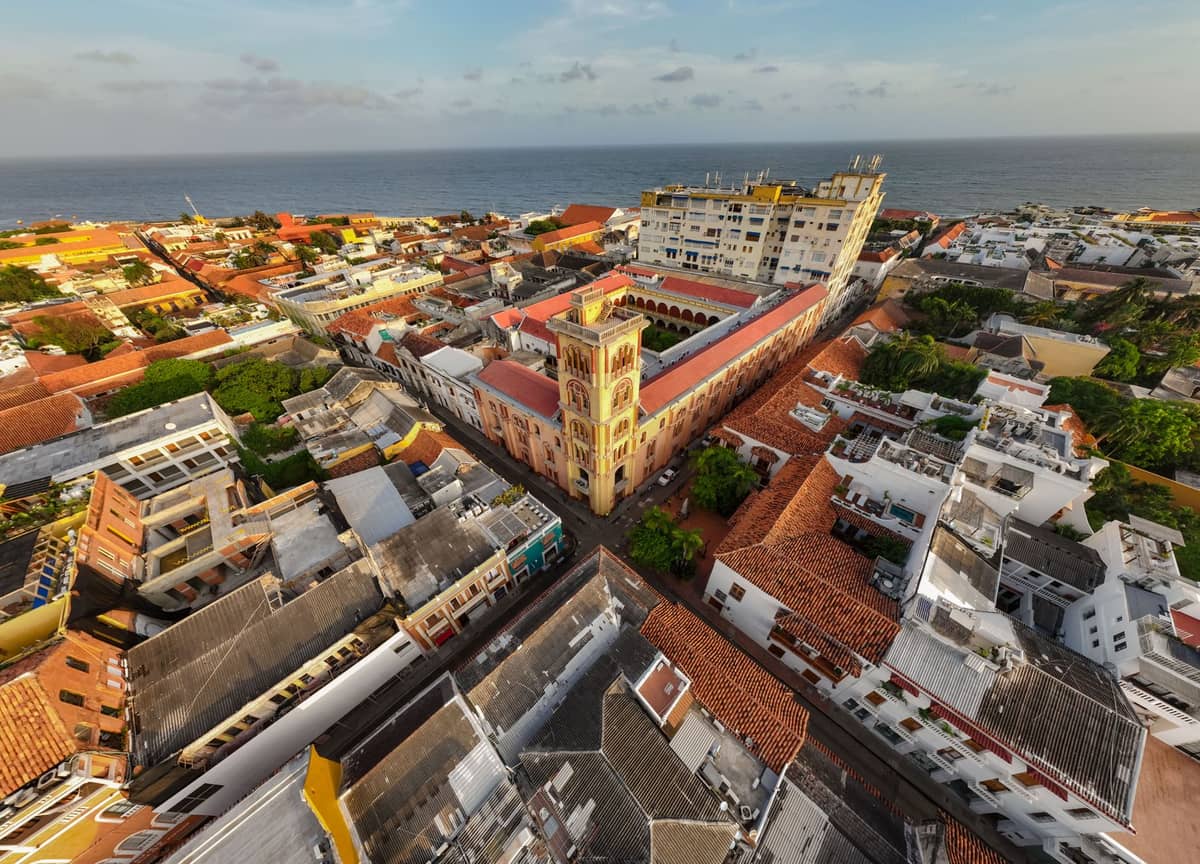
Plan and book this trip
Tools from our partner Travelpayouts help you compare flights and hotels. If you book through them, we may earn a commission at no extra cost to you.
Flights
Hotels map
TL;DR
- Cartagena de Indias is absolutely worth visiting for its colonial architecture, Caribbean island access, and Afro-Colombian culture — but go in with realistic expectations.
- The dry season (December to April) offers the best weather, but also peak prices and crowds — see our best time to visit Cartagena guide for a month-by-month breakdown.
- Safety is a genuine consideration, not a dealbreaker: petty theft is the main risk, and tourist areas are well-patrolled. Standard big-city awareness goes a long way.
- Budget travelers can make it work, but Cartagena's historic center skews expensive. Getsemaní and street food are your best allies.
- Rafael Núñez International Airport (CTG) has direct routes from the US, Canada, and Europe, making Cartagena Colombia easier to reach than most Caribbean destinations — check the getting around Cartagena guide for airport-to-city logistics.
What Cartagena Actually Is (And Isn't)
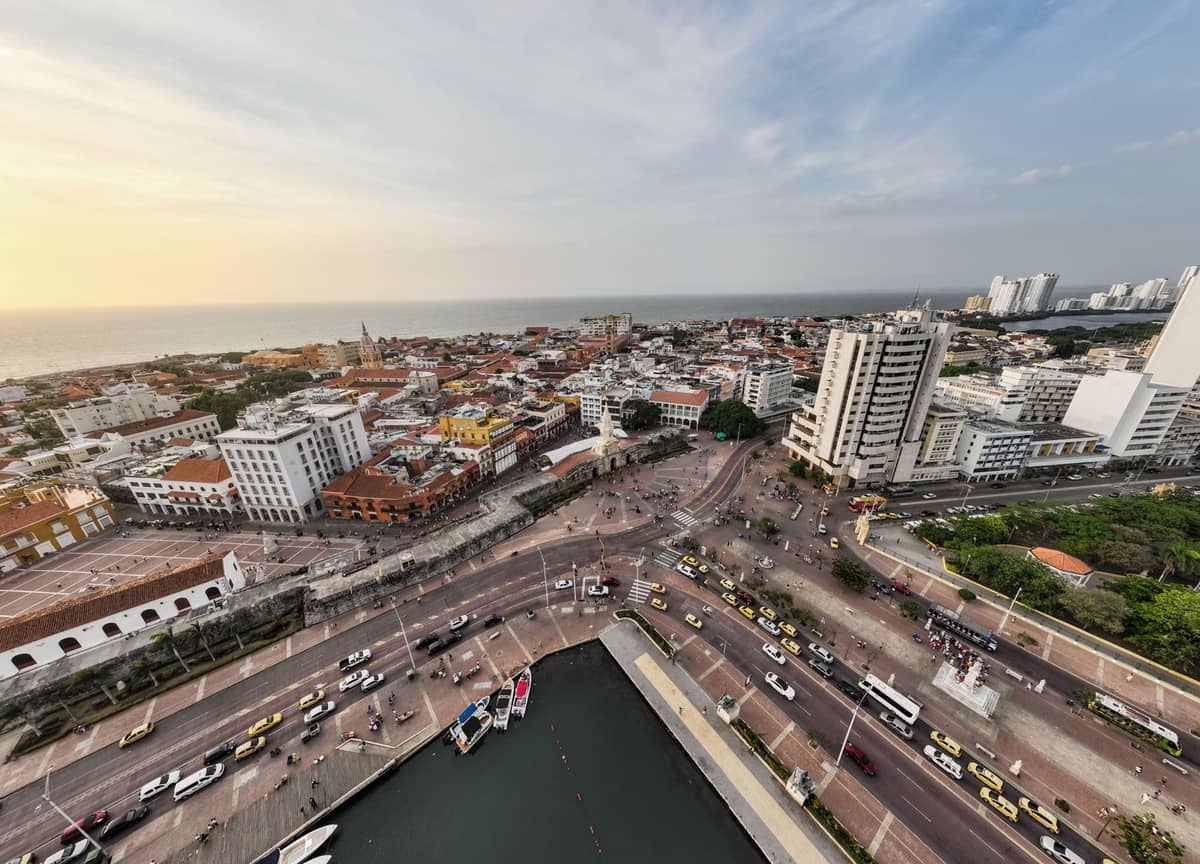
Cartagena de Indias is a large Caribbean port city on Colombia's northern coast, and the capital of the Bolívar Department. It is not a small colonial town frozen in amber. The city has a busy international airport handling roughly 62 flights a day, an active cruise port, high-rise hotel zones, and all the infrastructure of a major metropolitan area. The photogenic walled historic center is real, but it exists alongside a sprawling modern city that most Instagram posts never show.
That distinction matters when setting expectations. The Centro Histórico — the Walled City — is a UNESCO World Heritage Site with genuinely impressive 16th and 17th-century Spanish colonial architecture: thick fortification walls, flower-draped balconies, cobbled plazas, and churches that have survived four centuries of tropical humidity and pirate raids. The neighborhoods of San Diego and Getsemaní each have their own character worth several days of exploration. Beyond the walls, Bocagrande offers a Miami-style beach strip. None of this feels like a theme park — but it can feel that way in December and January when tourist density peaks.
The Case For Visiting: What Cartagena Does Well
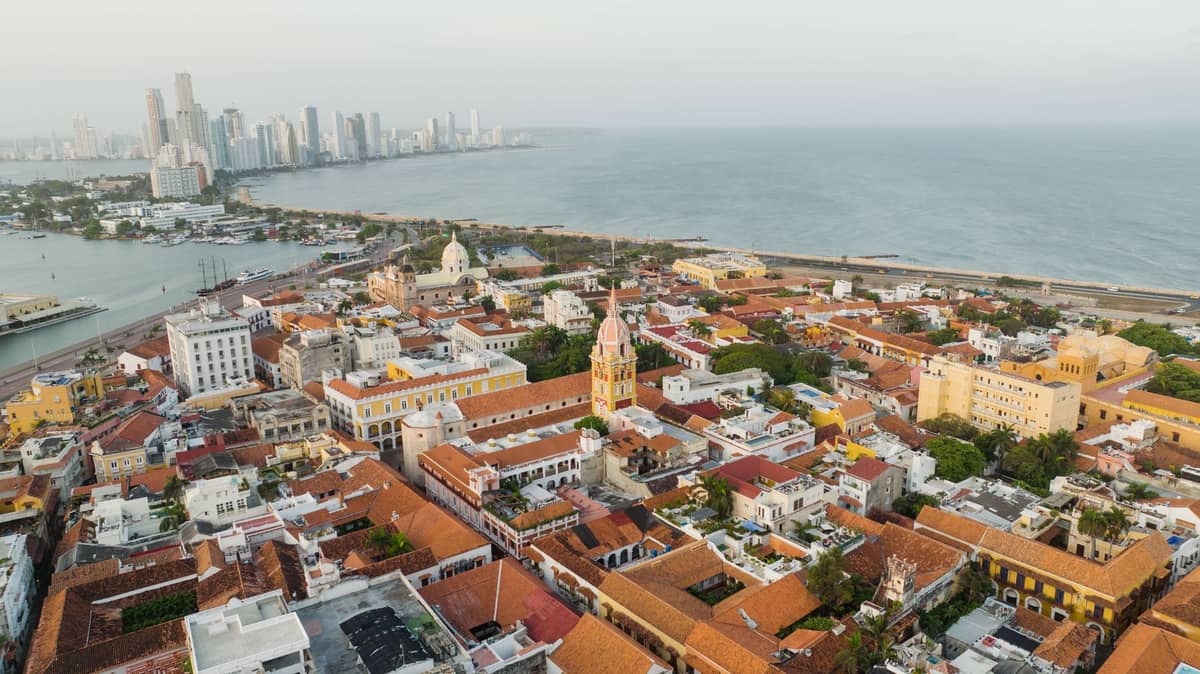
The colonial architecture is the headline, and it earns it. Walking the city walls at sunset, with the Caribbean on one side and the rooftops of the old city on the other, is a genuinely striking experience. The Castillo San Felipe de Barajas is one of the largest Spanish fortifications in the Americas, and unlike many historic sites in Latin America, it is well-maintained and interpretively rich.
The access to islands is another strong argument. The Islas del Rosario sit about 35 km offshore — a coral archipelago with turquoise water and a functioning marine park. Day trips from the docks at Muelle de los Pegasos run around 80,000–120,000 COP per person (prices vary by operator and season). Playa Blanca on Isla Barú is widely considered one of the best beaches in mainland Caribbean Colombia, though it gets crowded with day-trippers by mid-morning in high season.
Cartagena's food scene is seriously underrated. The street food culture — from butifarra sausages to fresh ceviche sold from carts near the Torre del Reloj — is cheap, excellent, and deeply rooted in Afro-Colombian and Caribbean culinary traditions. Restaurants inside the Walled City are priced for tourists, but the quality ceiling is genuinely high. The city also has a growing cocktail and nightlife scene, particularly in Getsemaní, where bars and rooftops don't require a hotel reservation to access.
✨ Pro tip
To avoid the worst of both worlds — tourist-only pricing and rain — target late November or early April. You get dry or drying weather with fewer crowds and rates that haven't yet hit peak-season spikes. These shoulder windows are the city's best-kept scheduling secret.
The Real Downsides You Should Know Before You Go
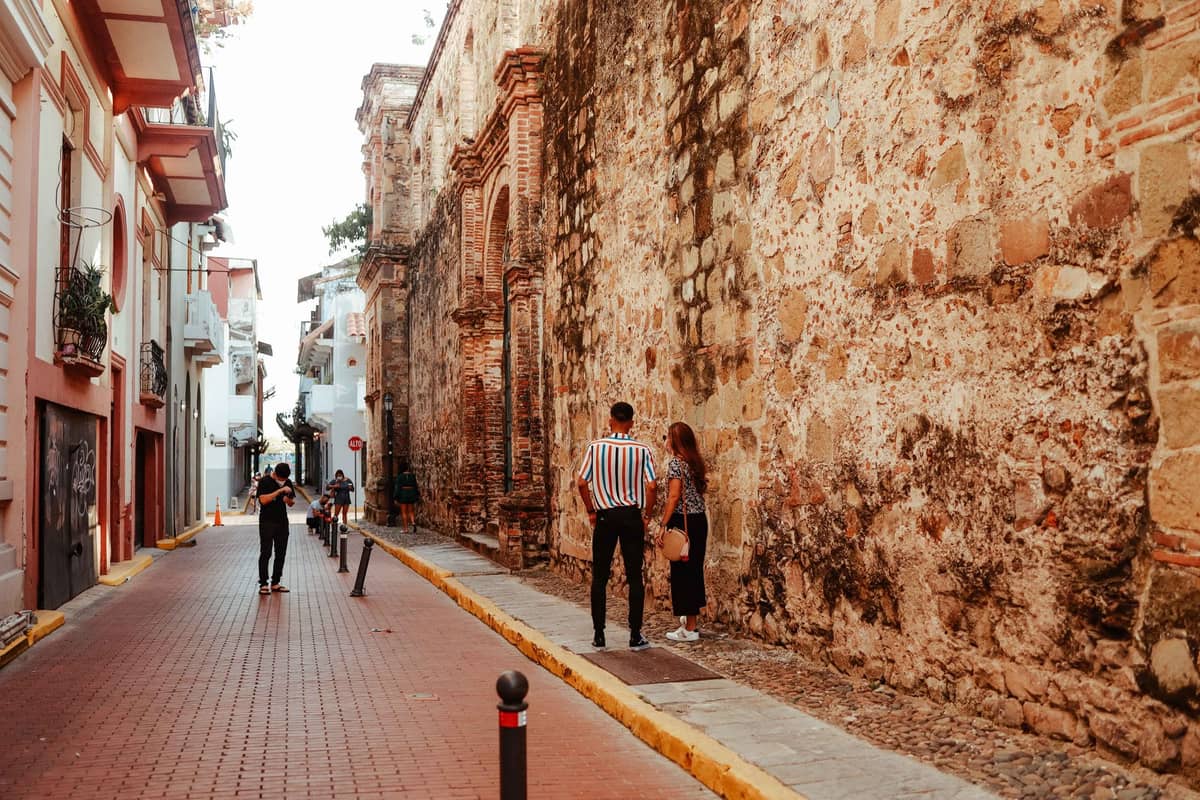
The heat is relentless and year-round. Daytime temperatures sit between 30–32°C (86–90°F) every month of the year, with high humidity even in the dry season. If you are heat-sensitive or traveling with young children or elderly relatives, the midday hours in the Walled City — where narrow streets trap heat and there is limited shade — can be genuinely exhausting. Morning explorations and late-afternoon outings work far better than midday sightseeing.
Tourist pricing is a real friction point. Inside the Centro Histórico, a sit-down meal for two at a mid-range restaurant easily runs 150,000–250,000 COP. Cocktails at rooftop bars are priced at European levels. Budget hotels within the walls start around 200,000–300,000 COP per night for modest rooms. None of this is a scandal, but it does mean that Cartagena Colombia is not cheap in the way that, say, Medellín or Bogotá can be. Travelers on tight budgets need to be strategic about where they eat and sleep.
The rainy season (May to November, with heaviest rainfall in October and November) does not ruin the city, but it changes it. Rains typically arrive as short, intense afternoon showers lasting one to three hours rather than all-day downpours. Mornings are often clear. The trade-off for wet-season travel is meaningful: hotel rates drop noticeably, beaches are less crowded, and the city feels less like a tourist circuit. Budget-conscious travelers often target June to September for precisely this reason.
⚠️ What to skip
Cartagena is outside the main Atlantic hurricane belt, so it does not face the same storm risks as the Eastern Caribbean. Rain in the wet season is a manageable inconvenience, not a safety concern. Do not let generic 'hurricane season' warnings steer you away from what can be excellent value travel between June and September.
Is Cartagena Safe? A Practical Breakdown
Safety is the question most people search before booking, and it deserves a straight answer. Cartagena is generally considered one of Colombia's safer major tourist cities. The tourist areas — the Walled City, San Diego, Bocagrande, and increasingly Getsemaní — see heavy foot traffic and a visible police presence, particularly during peak season. The vast majority of visitors complete their trips without incident.
The primary risk for tourists is petty theft: pickpocketing and bag-snatching in crowded areas. Local data has cited theft rates lower than in many major European cities, though exact figures vary by year and source. Express kidnappings and nighttime street crime exist but are not common in tourist zones when basic precautions are followed — avoid poorly lit streets after midnight, do not display expensive cameras or jewelry openly, and use official taxis or ride-hailing apps rather than unmarked vehicles. Homicide rates in the city have reportedly declined, but Cartagena, like all large Colombian cities, has neighborhoods that tourists have no reason to enter.
For a full, regularly updated breakdown of neighborhood-by-neighborhood risk and practical safety tips, read the dedicated Is Cartagena safe guide, which covers current advisories and what precautions actually matter versus what is overcautious tourist anxiety.
Who Should Visit — and Who Might Want to Look Elsewhere
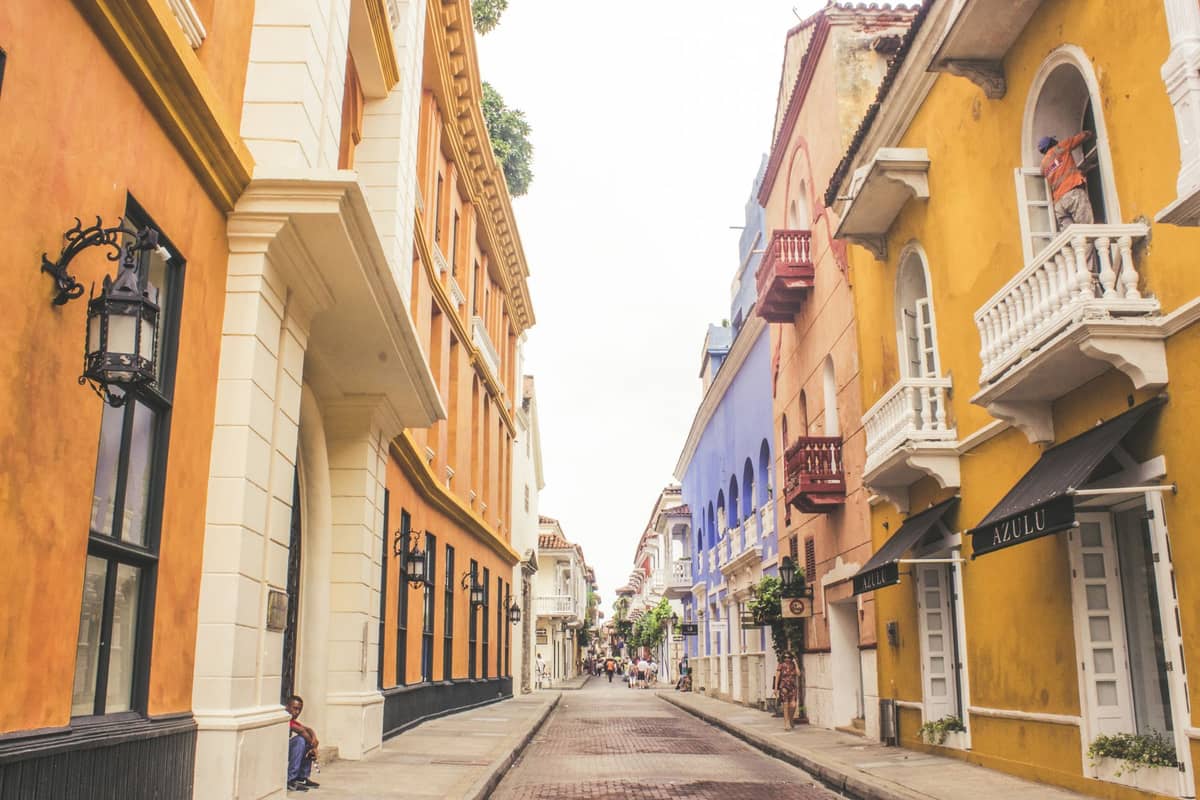
Cartagena works extremely well for certain types of travelers. Couples, particularly those drawn to romantic atmosphere, colonial architecture, and good restaurants, consistently rate it highly. The city has a well-developed luxury infrastructure, including boutique hotels inside the Walled City that rank among the best in South America. History enthusiasts, architecture buffs, and anyone with an interest in Afro-Colombian culture — including the living heritage of communities like San Basilio de Palenque, a UNESCO Intangible Heritage site — will find the city rewarding beyond its photogenic surface.
- Best for: couples and honeymooners The Walled City has genuine romantic atmosphere, world-class boutique hotels, and excellent restaurants. Cartagena is one of the top romantic destinations in Latin America.
- Best for: history and architecture lovers The colonial fortifications, churches, and plazas represent one of the best-preserved Spanish colonial urban cores in the Americas.
- Best for: beach and island seekers The Islas del Rosario and Playa Blanca offer legitimate Caribbean beach experiences a short boat ride from the city.
- Consider carefully: budget backpackers Getsemaní has affordable hostels and the street food scene is cheap, but the overall cost of Cartagena is higher than Colombia's interior cities.
- Consider carefully: travelers seeking authentic local life The historic center is heavily touristic. For a less packaged Colombia experience, Medellín or the Coffee Region offer more local immersion per dollar.
ℹ️ Good to know
Cartagena is one of the most accessible Caribbean destinations from North America. Rafael Núñez International Airport (CTG) has direct flights from cities like Miami, Fort Lauderdale, Atlanta, and Toronto, among others, via carriers including American Airlines, Spirit, Air Canada, Air Transat, Avianca, and LATAM. Travel time from Miami is under three hours.
Planning Basics: What to Know Before You Arrive
Cartagena uses the Colombian peso (COP). The city operates on Colombia Time (COT), UTC-5, with no daylight saving adjustment. Spanish is the official language, and while English is reasonably common in hotels, tour operators, and upscale restaurants, street-level interactions will almost always be in Spanish. Learning a few phrases goes a long way and is appreciated.
Rafael Núñez International Airport (IATA: CTG) sits in the Crespo neighborhood, roughly 3 to 7 km from the historic center depending on which source and which route you use — expect 15 to 25 minutes by taxi in normal traffic. An official airport taxi to Centro Histórico typically costs around 16,000–20,000 COP. Uber and inDrive operate from the airport and are generally reliable, with fares to the Walled City typically in the single-digit USD equivalent depending on demand. The Transcaribe bus system is the cheapest option at roughly the standard city bus fare, but the stop requires a 10-minute walk from the terminal on Avenida Santander.
- Dry season (December–April): best weather, highest prices, most crowds. Book accommodation 4–8 weeks ahead for good properties.
- Wet season (May–November): afternoon showers, lower prices, thinner crowds. Mornings often clear. October and November are the wettest months.
- Peak crowd dates: Christmas week, New Year, Cartagena’s Independence festivities in early November, and Semana Santa (Easter) — expect elevated prices and fully booked hotels.
- Currency: USD is sometimes accepted in tourist-focused businesses, but COP is the standard; always confirm rates and prefer paying in COP to avoid unfavorable conversion markups.
- Airport taxi fares, ride-hailing rates, and bus costs change over time — verify current rates on arrival or with your accommodation.
For where to base yourself across different budgets and travel styles, the where to stay in Cartagena guide covers every neighborhood in detail. If you have limited time, the 3 days in Cartagena itinerary maps a practical route through the city's highlights without wasted hours.
FAQ
Is Cartagena Colombia worth visiting for a short trip?
Yes, even 3 to 4 days is enough to cover the Walled City, Getsemaní, and a day trip to the islands. The historic center is compact and walkable, and the main sites are close together. A short trip works well as long as you do not try to squeeze in long day trips on every day.
What is Cartagena weather like, and when is the best time to go?
Cartagena has a tropical climate with temperatures of 28–32°C (82–90°F) year-round. The dry season runs December to April, with minimal rainfall and reliable sunshine. The rainy season (May–November) brings afternoon showers, most intensely in October and November, but mornings are usually clear. December to March is peak tourist season with higher prices; June to September offers lower rates despite more rain.
Is Cartagena safe for tourists?
Cartagena is considered one of Colombia's safer tourist destinations. The main risk in tourist areas is petty theft. Avoid poorly lit streets late at night, use official taxis or ride-hailing apps, and do not display valuables openly. The Walled City, San Diego, Bocagrande, and central Getsemaní are all reasonably safe for aware travelers.
How expensive is Cartagena compared to other Colombian cities?
Cartagena is the most expensive major tourist city in Colombia, particularly inside the Walled City where restaurants and hotels are priced for international visitors. Budget travelers can reduce costs by staying in Getsemaní, eating street food and local restaurants, and avoiding rooftop bars in the historic center. Overall, it is more expensive than Medellín or Bogotá but comparable to other major Caribbean tourism destinations.
Do I need to speak Spanish to visit Cartagena?
Not strictly, but it helps. English is widely spoken in hotels, tour operators, and upscale restaurants in the historic center. Outside those environments — in markets, local eateries, and taxis — Spanish is the norm. Basic Spanish phrases will significantly improve your experience and are always appreciated by locals.