Cartagena Cruise Port: What to Do on a Day in Port
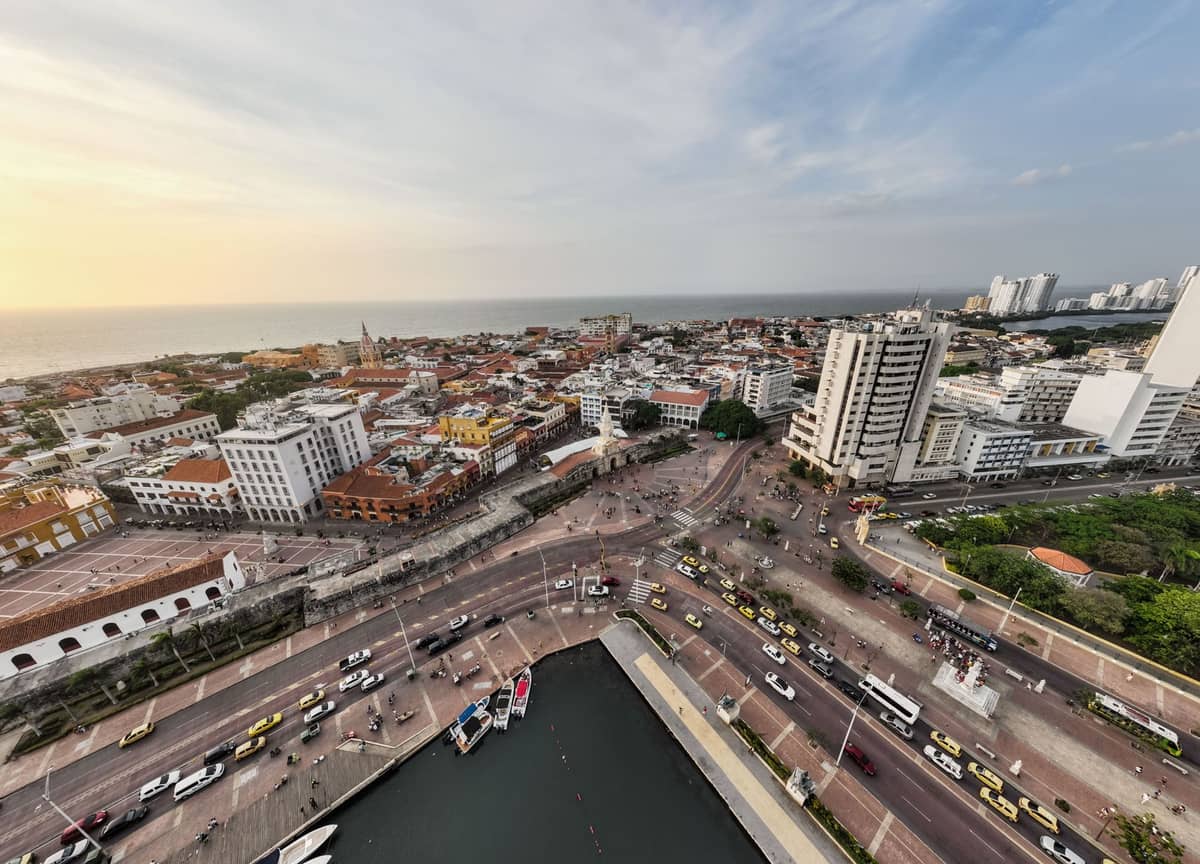
Docking at Cartagena de Indias gives you one of the Caribbean's great port days — colonial forts, walled-city streets, and beach escapes all within reach. This guide covers exactly how to get from the pier to the good stuff, what to prioritize with limited time, and what to skip.
Plan and book this trip
Tools from our partner Travelpayouts help you compare flights and hotels. If you book through them, we may earn a commission at no extra cost to you.
Flights
Hotels map
TL;DR
- The Cartagena cruise terminal (Sociedad Portuaria de Cartagena, Manga neighborhood) sits about 3-3.5 km from the Walled City — do not walk; take an official taxi for around US$8-10 per vehicle.
- The terminal itself has the Port Oasis Ecopark, ATMs, Wi-Fi, shops, and a Juan Valdez café, so you have options even without leaving port.
- Top priorities for a day in port: the Castillo San Felipe de Barajas, a walk inside the Walled City, and the Getsemaní neighborhood.
- Independent shore excursions are almost always cheaper than cruise-line options — book online before you dock.
- Cartagena is hot and sunny year-round (28-32°C / 82-90°F); carry water, sunscreen, and small-denomination Colombian pesos from day one.
Understanding the Port: Location, Layout, and Getting Out
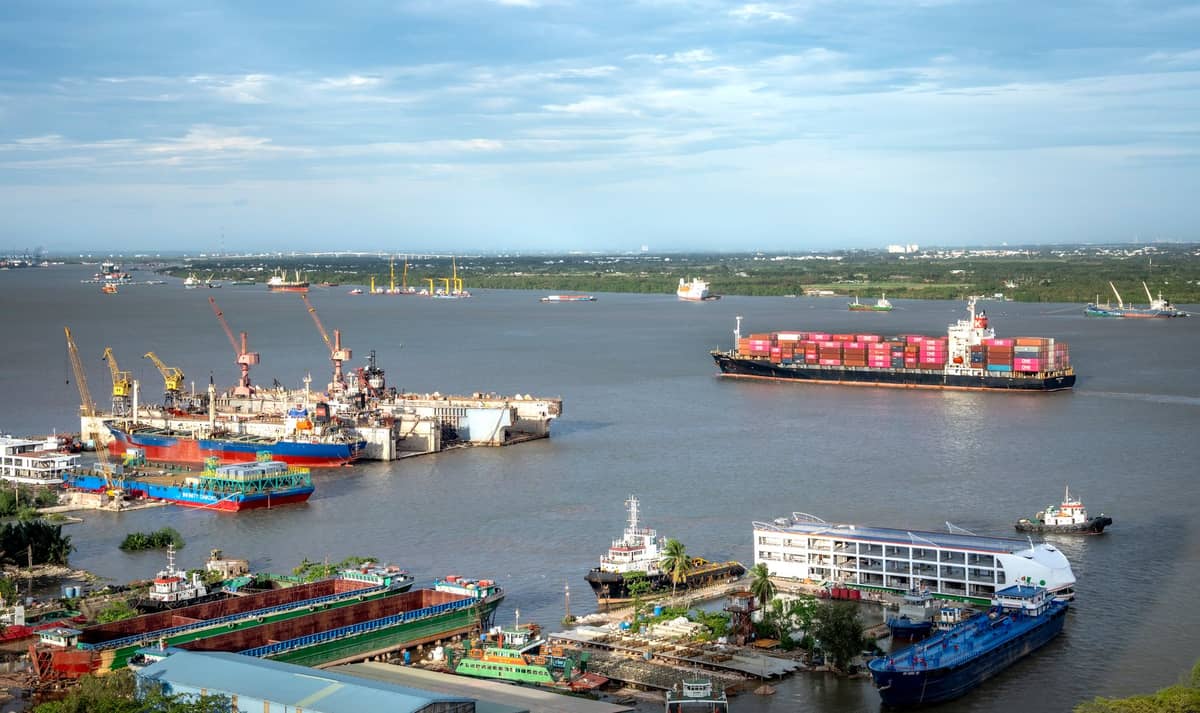
The Cartagena cruise port operates within a functioning industrial container terminal in the Manga neighborhood, officially managed by the Sociedad Portuaria de Cartagena at Calle 28 #24-39. This is not a purpose-built cruise village — it is a working cargo port where cruise berths share space with freight operations. Expecting a scenic waterfront promenade right outside the ship's gangway will set you up for disappointment.
A free shuttle bus covers the roughly 600 meters between the ship's pier and the main cruise terminal building. From the terminal building itself, the Walled City (Centro Histórico) is about 3-3.5 km away — roughly a 10-15 minute taxi ride depending on traffic. The route passes through an industrial zone with heavy truck traffic, which is why every serious port guide tells passengers not to attempt it on foot.
⚠️ What to skip
Do not walk from the cruise pier to the Old City. The 3-3.5 km route runs through an active industrial port and busy roads with no safe pedestrian infrastructure. Official taxis wait at the terminal exit and charge around US$8-10 per vehicle to the Walled City — it is the right call every time.
Official taxis queued at the terminal are the standard choice for independent travelers. Expect to pay approximately 32,000-40,000 COP (around US$8-10) per vehicle to the Torre del Reloj (Clock Tower), which serves as the main entry point to the historic center. Negotiate or confirm the fare before you get in. Ride-hailing apps including Uber operate in Cartagena but may not always be available directly at the port exit — taxi is the faster option here.
- Official taxi from terminal US$8-10 per vehicle to the Walled City / Getsemaní; 10-15 minutes. Best for groups of 3-4 splitting the cost.
- Cruise-line organized transfer Included in many shore excursion packages. Higher cost but no negotiation required.
- Ride-hailing (Uber/inDrive) Available in the city but less reliable at the port gate. Useful for the return trip from the historic center.
- Walking Not recommended under any circumstances — industrial area, no footpath, extreme heat.
The Terminal Itself: Port Oasis and On-Site Facilities
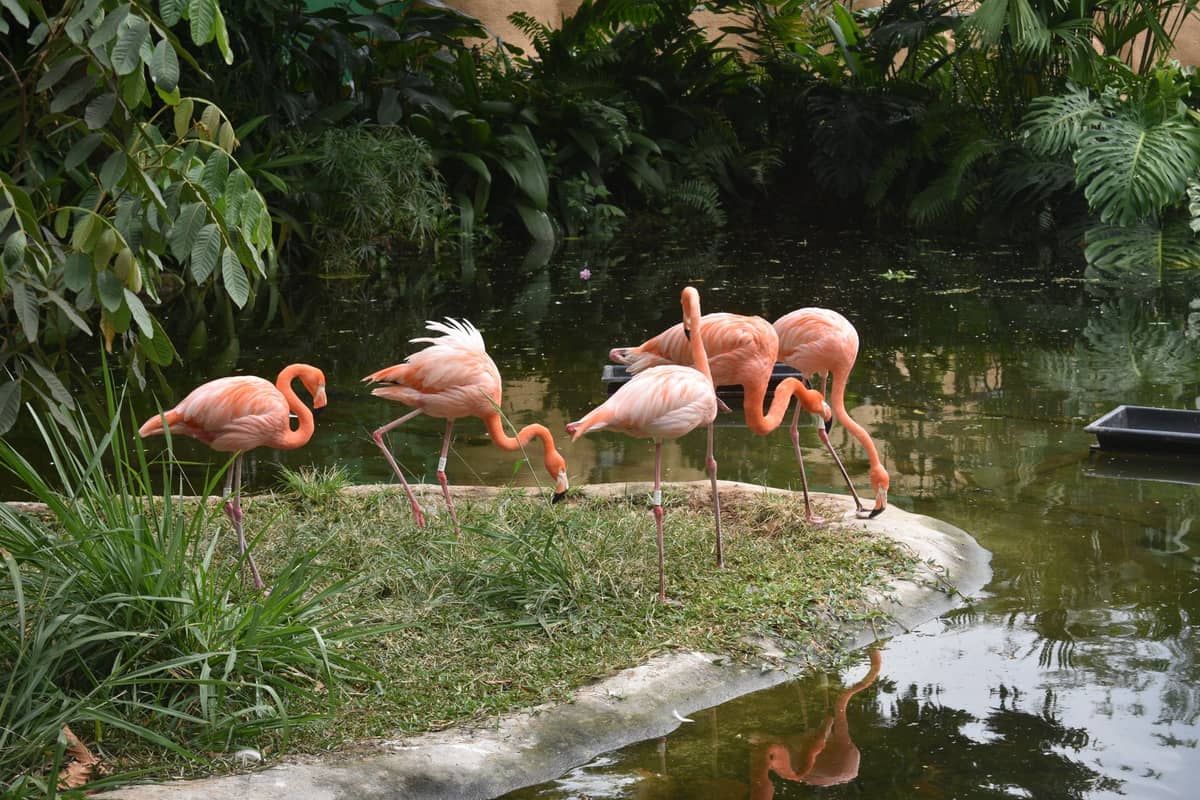
Before you rush into the city, it is worth knowing what the terminal offers. The Port Oasis Ecopark is the standout feature: a landscaped tropical garden area within the terminal complex that includes an aviary with local bird species and other wildlife. It is genuinely pleasant for 20-30 minutes, especially for families with younger children who need a gentle start to the day.
The terminal building also has ATMs (withdraw COP here before heading out — many small vendors in the city prefer cash), a Juan Valdez café for a first Colombian coffee, souvenir shops, and Wi-Fi. If a member of your group prefers to stay near the ship, the terminal area is a reasonable self-contained option for a few hours. It is not the reason to visit Cartagena, but it is a solid fallback.
What to Do in the Walled City: Priorities for Limited Time
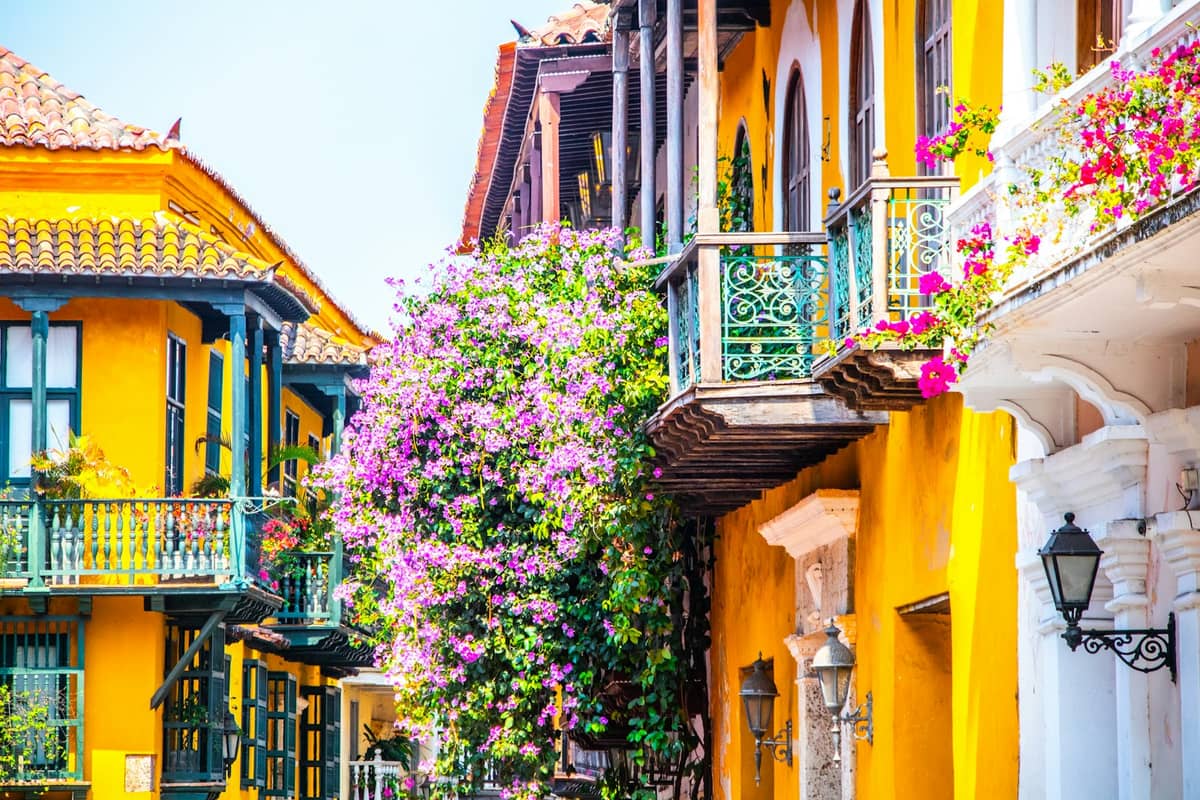
The Centro Histórico is a UNESCO World Heritage site and the clearest reason Cartagena de Indias belongs on any Caribbean itinerary. The colonial architecture — ochre and turquoise facades, wrought-iron balconies dripping with bougainvillea — is dense and walkable once you are inside the walls. For a day in port, the key is ruthless prioritization.
- Castillo San Felipe de Barajas The most impressive Spanish colonial fortress in the Americas. Budget 1-1.5 hours. It sits just outside the walls, about 1 km from the Torre del Reloj — take a taxi from the historic center rather than walking in the midday heat.
- The City Walls (Las Murallas) Walk a section of the 11-km fortified walls for views over the Caribbean. The stretch near Baluarte de San Francisco Javier is particularly photogenic at any time of day.
- Plaza de Santo Domingo The liveliest square inside the walls, flanked by the Iglesia de Santo Domingo. Good for a cold drink and people-watching — avoid the aggressive jewelry vendors.
- Santuario San Pedro Claver A Jesuit church and convent honoring the 17th-century priest who worked with enslaved Africans. Small entry fee, impressive interior, and far less crowded than you might expect.
- Las Bóvedas A row of 23 dungeons built into the city walls, now converted into craft and souvenir shops. Good for last-minute Colombian gifts — prices are negotiable.
If you have time after the Walled City, the adjacent neighborhood of Getsemaní rewards a 30-minute wander. The street art here is among the most significant in Colombia, and the Iglesia de la Trinidad anchors its central plaza. The neighborhood is far less polished than the Walled City — which is exactly its appeal.
💡 Local tip
Start at Castillo San Felipe de Barajas first thing in the morning when it opens and temperatures are lower. By 10am the fort is noticeably hotter and tour groups begin to arrive in volume. Save the Walled City streets for late morning and early afternoon when shade is easier to find among the narrower calles.
Shore Excursions: Cruise Line vs. Independent Options
Cruise lines sell structured Cartagena excursions that handle all logistics, but they come at a significant premium. A combined land-and-sea city tour through a major cruise operator like Carnival typically runs around US$99.99 per adult and US$89.99 per child. Independent operators offering comparable or superior tours generally come in at US$40-80 per person, depending on group size and inclusions.
For beach and island days, the Islas del Rosario (Rosario Islands) are the standout option: a national park archipelago about 35 km southwest of the city, reachable by speedboat in around 45 minutes. Full-day tours including boat transfer, lunch, and snorkeling gear typically cost US$80-140 per person when booked independently. The Playa Blanca on Isla Barú is often included in these trips and has the clearest water near Cartagena.
A less common but worthwhile alternative is the Volcán de Lodo El Totumo, a small mud volcano about 50 km north of the city where you can bathe in warm volcanic mud. It takes about an hour each way and is best combined with a visit to La Boquilla beach rather than treated as a standalone trip. Half-day tours run around US$25-50 per person through independent operators.
✨ Pro tip
Book independent excursions before you sail, not at the dock. Operators meeting ships at the terminal tend to charge higher prices than those bookable in advance through Viator, GetYourGuide, or Shore Excursions Group. Pre-booking also guarantees your spot on popular Rosario Islands boat tours, which fill quickly when multiple ships are in port simultaneously.
- City walking tour (independent) US$20-50 per person. Covers the Walled City, Castillo San Felipe, and often Getsemaní. 3-4 hours.
- Cruise-line combined city + sea tour Around US$99.99 per adult. Convenient but overpriced for what you get.
- Rosario Islands full day (independent) US$80-140 per person including boat, lunch, and snorkel gear. Book ahead.
- Volcán de Lodo El Totumo + La Boquilla US$25-50 per person for a half-day. Unusual experience, family-friendly.
- Sunset catamaran cruise US$40-70 per person. Best option if your ship departs late afternoon — the Caribbean light on Cartagena's walls from the water is exceptional.
Eating, Shopping, and Practical Money Matters
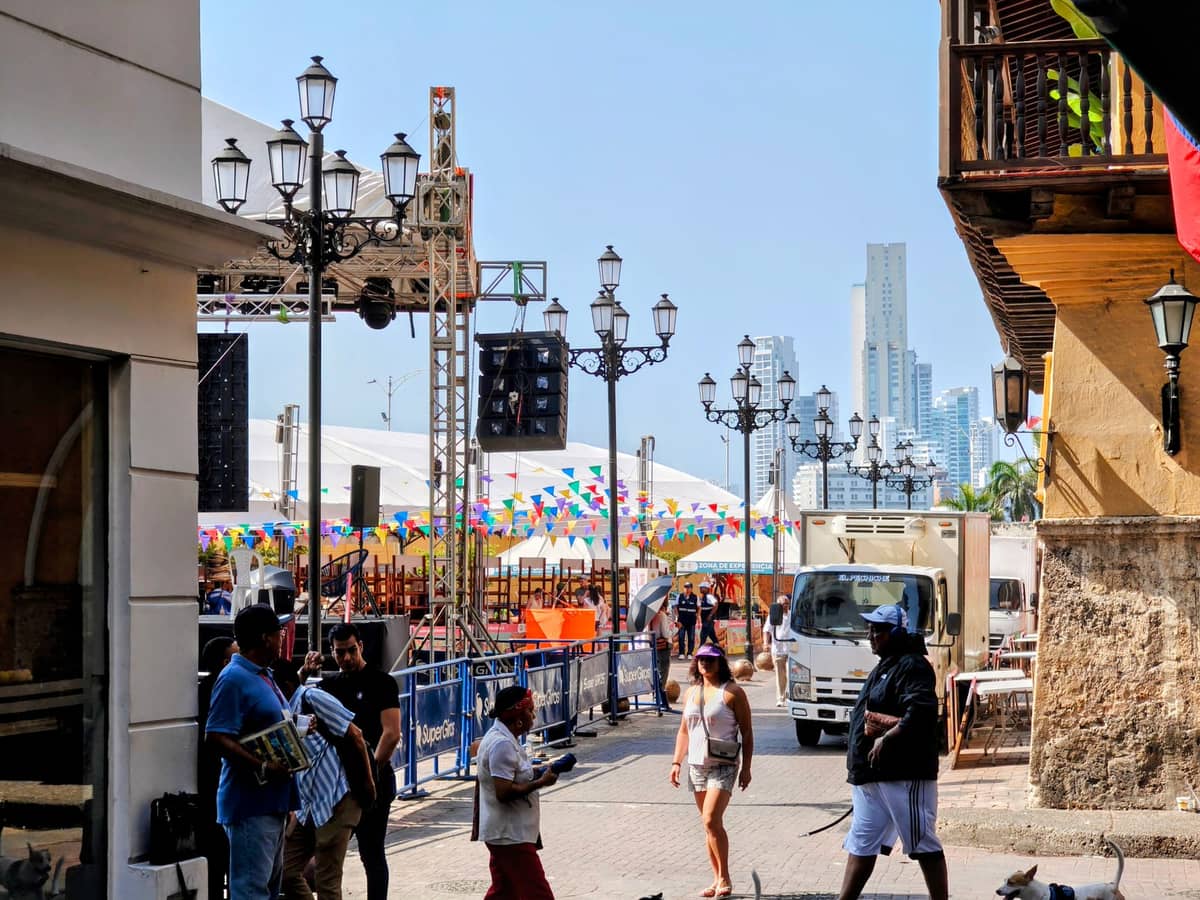
Cartagena's street food scene is worth engaging with even on a short visit. Around the Walled City and Getsemaní, look for arepas de huevo (egg-stuffed fried corn cakes), fresh fruit cups with lime and salt, and coconut rice with fried fish. The Portal de los Dulces near the Torre del Reloj sells traditional Colombian sweets and makes a useful landmark. For a sit-down lunch, restaurants inside the Walled City range from around US$12-25 per person for a full meal with drinks.
Colombia's currency is the Colombian peso (COP). As of recent rates, US$1 exchanges to approximately 3,900-4,100 COP, though this fluctuates. ATMs inside the cruise terminal dispense COP, and there are additional ATMs inside the Walled City. Card payments are accepted at most restaurants and larger shops in the historic center, but street vendors and smaller food stalls operate cash-only. Carry small bills (1,000, 2,000, and 5,000 COP notes) for snacks and incidentals.
For shopping, Las Bóvedas inside the city walls offers the densest concentration of souvenirs in one place — Colombian emeralds, hammocks, ceramics, and coffee. Quality and pricing vary significantly; compare across a few stalls before buying. The emerald market in particular deserves caution: unless you know what you are looking at, stick to a fixed-price shop with clear grading labels rather than negotiating with street vendors.
Timing, Weather, and Getting Back to the Ship on Time
Cartagena sits at sea level on Colombia's Caribbean coast and runs hot year-round, with daytime temperatures consistently around 30-32°C (86-90°F). Humidity is high in all seasons. The dry season runs December through April — these months see the most cruise traffic and the best conditions for outdoor sightseeing. The rainy season (May to November) brings afternoon downpours, particularly in September and October, but rarely disrupts a full day ashore. Check the best time to visit Cartagena guide if you have flexibility in choosing your sailing dates.
Allow significantly more time than you think you need to get back to the ship. Traffic in Cartagena can back up considerably, particularly in the late afternoon when school runs and commuter traffic merge with returning tour groups. If your ship's all-aboard time is 4:30pm, aim to leave the city center by 3:30pm at the latest. Taxis back to the terminal from the Torre del Reloj area are easy to find — drivers near the Walled City know the cruise terminal well and will quote the same COP 32,000-40,000 range for the return.
ℹ️ Good to know
Multiple cruise ships often call at Cartagena on the same day, particularly during the December-April high season. This concentrates hundreds of passengers in the Walled City simultaneously and makes the narrow streets around Plaza de Santo Domingo and the Torre del Reloj noticeably crowded between 10am and 2pm. Arriving early and heading to Castillo San Felipe first sidesteps the worst of it.
FAQ
Can you walk from the Cartagena cruise port to the Old City?
No — and every reliable port guide will tell you the same. The Walled City is 3-4 km from the cruise terminal through an active industrial port zone with heavy truck traffic and no safe pedestrian route. Official taxis at the terminal exit charge around US$8-10 per vehicle and get you there in 10-15 minutes. It is the only sensible option for independent passengers.
How much does a taxi from the Cartagena cruise terminal to the city center cost?
Expect to pay approximately 32,000-40,000 COP (around US$8-10) per vehicle for a taxi from the cruise terminal to the Torre del Reloj or Walled City area. Confirm the fare before you get in. The return journey costs roughly the same — taxis near the historic center are familiar with the cruise terminal route.
What is the best thing to do in Cartagena on a cruise stop?
For most passengers, the combination of Castillo San Felipe de Barajas (visit first, when it is cooler) followed by a walk through the Walled City covers Cartagena's highlights efficiently. If your ship allows enough time, a boat trip to the Rosario Islands or Playa Blanca on Isla Barú offers the best beach experience near the city. Book island tours in advance.
Do I need to book cruise excursions through the cruise line?
No. Independent shore excursions are widely available and typically cost significantly less than cruise-line packages. Operators on platforms like Viator, GetYourGuide, and Shore Excursions Group specialize in cruise passenger itineraries and include port pickup. The main advantage of booking through the cruise line is the guarantee that the ship waits if your excursion runs late — independent operators cannot provide this assurance, so build in extra time.
Is it safe to explore Cartagena independently on a cruise day?
The Walled City (Centro Histórico) and Getsemaní are well-trafficked tourist areas that the vast majority of cruise passengers explore independently without incident. Standard urban precautions apply: keep phones and cameras discreet in crowded spaces, carry only what you need, and use official taxis rather than unmarked vehicles. For updated safety information specific to current conditions, check your government's official travel advisory before departure.