Luxury Cartagena: Best Hotels, Experiences & Fine Dining
Cartagena de Indias delivers a rare combination of UNESCO-listed colonial architecture, Caribbean waterfront, and a genuine luxury infrastructure that rivals any Latin American city. This guide covers where to stay, where to eat, what to do, and when to book to get the most out of a high-end visit to Colombia's crown jewel.
Plan and book this trip
Tools from our partner Travelpayouts help you compare flights and hotels. If you book through them, we may earn a commission at no extra cost to you.
Flights
Hotels map
TL;DR
- Luxury hotels in Cartagena de Indias range from USD 200 to 900+ per night; peak rates apply December through March, with meaningful discounts available in the rainy season (June–September). See the best time to visit Cartagena for full seasonal breakdowns.
- The finest hotels sit inside the Walled City (Centro Histórico) and San Diego, where converted colonial mansions offer the most atmospheric stays. Bocagrande has high-rises with ocean views but less character.
- Top-tier restaurants such as Celele, Carmen, and Alma run tasting menus at USD 90–150 per person; book 2–4 weeks ahead in high season.
- Beyond hotels and restaurants, luxury experiences include private boat charters to Islas del Rosario, helicopter transfers, and curated Afro-Colombian cultural immersions.
- Advance planning is non-negotiable at the top end: the best suites and restaurant tables in Cartagena sell out weeks ahead during the December–March dry season.
Why Cartagena Punches Above Its Weight for Luxury Travel
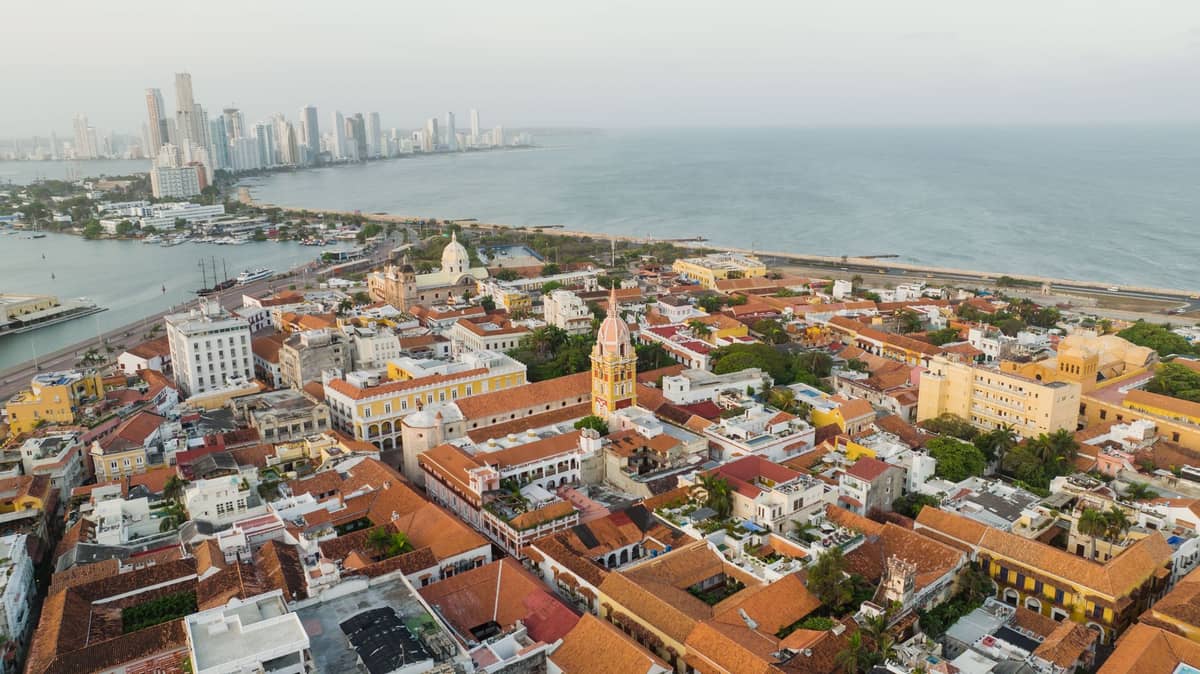
Cartagena de Indias, the capital of Colombia's Bolívar Department on the northern Caribbean coast, is not merely a backdrop for luxury tourism. The city's UNESCO World Heritage-listed Walled City provides a physical setting that money genuinely cannot replicate elsewhere: centuries-old colonial mansions with internal courtyards have been converted into some of the most architecturally distinctive boutique hotels in the Americas. When you add consistent Caribbean warmth (daytime highs of 28–32°C year-round), short flight connections from Bogotá and Panama City, and a dining scene that has accelerated dramatically since the early 2020s, the case for Cartagena as a premium destination is clear.
The city's luxury offering is concentrated in three areas. The Centro Histórico and San Diego neighborhoods offer the converted mansion hotels and the best restaurant cluster. Bocagrande and Castillogrande cater to visitors who want ocean views, pools, and a more resort-style pace. Further afield, private islands and catamaran charters extend the luxury footprint into the Caribbean itself.
ℹ️ Good to know
Cartagena de Indias is sometimes confused with Cartagena, Spain. When searching for flights, hotels, or tours, always include 'Colombia' or use the IATA airport code CTG (Rafael Núñez International Airport) to avoid booking errors.
Luxury Hotels: Where to Stay and What to Pay
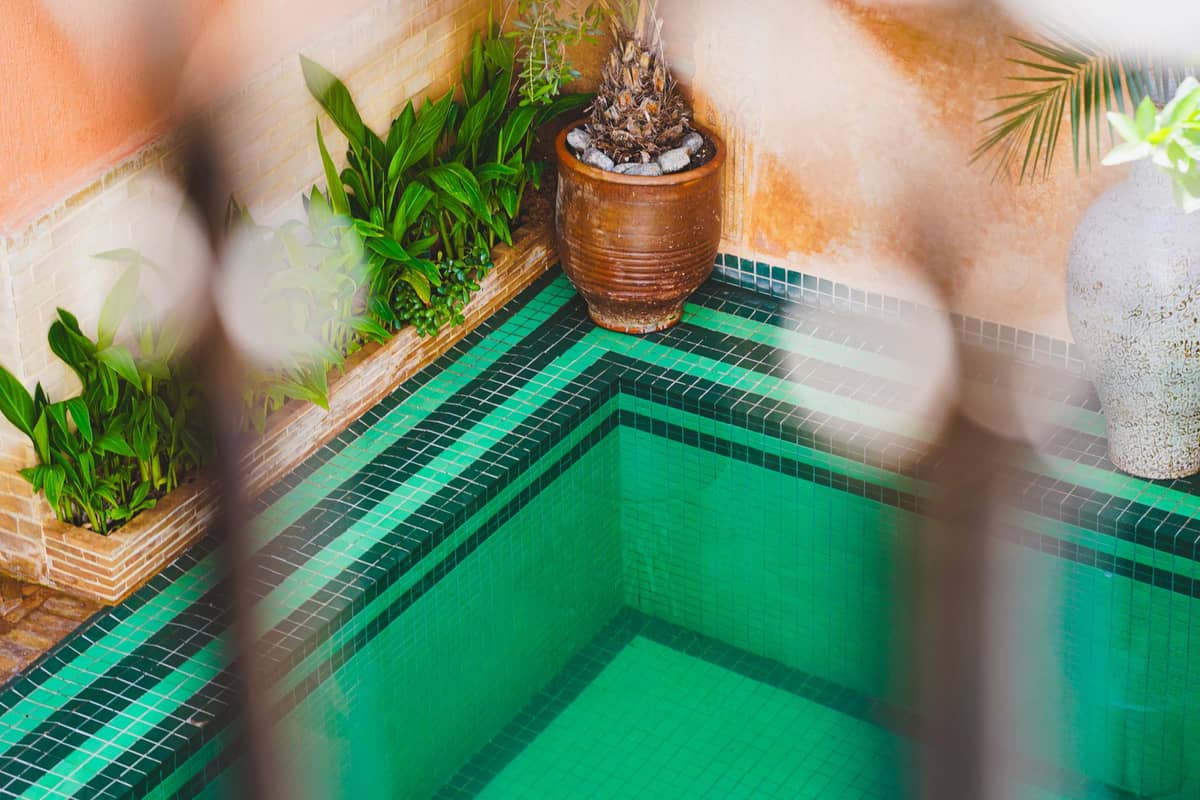
The most sought-after luxury properties in Cartagena are inside the Walled City, where colonial casas have been gutted and rebuilt as boutique hotels with 8–30 rooms, internal pools or plunge pools, rooftop terraces, and restaurant-quality kitchens. Casa Pestagua is one of the most referenced names at the top end, with rack rates typically starting around USD 390–500 per night and climbing significantly for suites. These properties are not large-scale resorts; they are intimate, design-forward hotels where the architecture is the amenity.
For travelers who prioritize ocean access and larger pools, the high-rise hotels along Bocagrande and Castillogrande deliver more conventional luxury resort infrastructure. Rates at these properties tend to be somewhat lower than the historic-center boutiques, often in the USD 200–350 range per night in shoulder season, though they lack the immersive colonial character. The tradeoff is real: you gain a beach within walking distance but lose the sense of sleeping inside living history.
- Peak season (December–March) Rates at top Walled City hotels regularly reach USD 500–900+ per night. Availability at the best properties disappears 6–10 weeks in advance. Book early and consider non-refundable rates only if your dates are certain.
- Shoulder season (April–May, October–November) Rates drop 20–35% at most luxury properties. Crowds thin noticeably, restaurant reservations are easier to secure, and the weather remains warm with manageable rainfall.
- Low season (June–September) The most significant discounts appear here, with luxury rates sometimes falling to USD 150–250 per night. Afternoons bring short rain showers, but mornings are typically sunny and the city is at its most relaxed.
💡 Local tip
Booking through a specialist luxury travel agency (rather than a standard OTA) often unlocks room upgrades, complimentary breakfast, and resort credits at Cartagena's top hotels, with no price premium. Use OTAs to compare rates, then contact the hotel or a specialist directly to request added value.
Fine Dining: Cartagena's Restaurant Scene at the Top End
Cartagena's fine dining cluster sits almost entirely within the Walled City and San Diego, a walkable area where a dozen serious restaurants operate within a few blocks of each other. The cooking draws from Caribbean coastal ingredients — red snapper, shrimp, plantain, cassava, coconut — but the technique at the leading tables is contemporary, informed by both Colombian culinary tradition and international training. Celele, Carmen, and Alma are the three names that appear most consistently at the top of 2026 rankings, each running multi-course tasting menus priced at USD 90–150 per person before drinks.
Below the tasting-menu tier, a solid stratum of restaurants in the Walled City offers à la carte dining with main courses in the range of COP 75,000–140,000 (approximately USD 18–34 at current exchange rates). Most operate dinner-only schedules starting around 6:00 pm, with kitchens typically closing by 11:00 pm. Lunch options at the luxury level are fewer but growing, particularly around the boutique hotels that have opened their restaurant terraces to non-guests.
⚠️ What to skip
Do not assume you can walk into Celele, Carmen, or Alma without a reservation during December–March. These restaurants run at full capacity most nights in peak season and commonly require bookings 2–4 weeks in advance. If you arrive without a reservation, you will very likely be turned away or offered a late table at 9:30 pm.
- Tasting menu tier (USD 90–150 per person) Celele, Carmen, Alma. Book 2–4 weeks ahead in high season. Pairs well with a pre-dinner cocktail on your hotel rooftop to keep the evening pacing right.
- Upscale à la carte (USD 40–80 per person) A strong middle tier exists inside the Walled City for those who want high-quality cooking without the full commitment of a tasting menu. Many boutique hotel restaurants sit in this range.
- Rooftop bars and cocktail culture Cartagena's warm evenings make rooftop bars a genuine luxury experience. Several boutique hotels open their terraces to guests and walk-ins for cocktails from around 6:00 pm, with views over the colonial roofscape toward the bay.
Luxury Experiences Beyond the Hotel Room
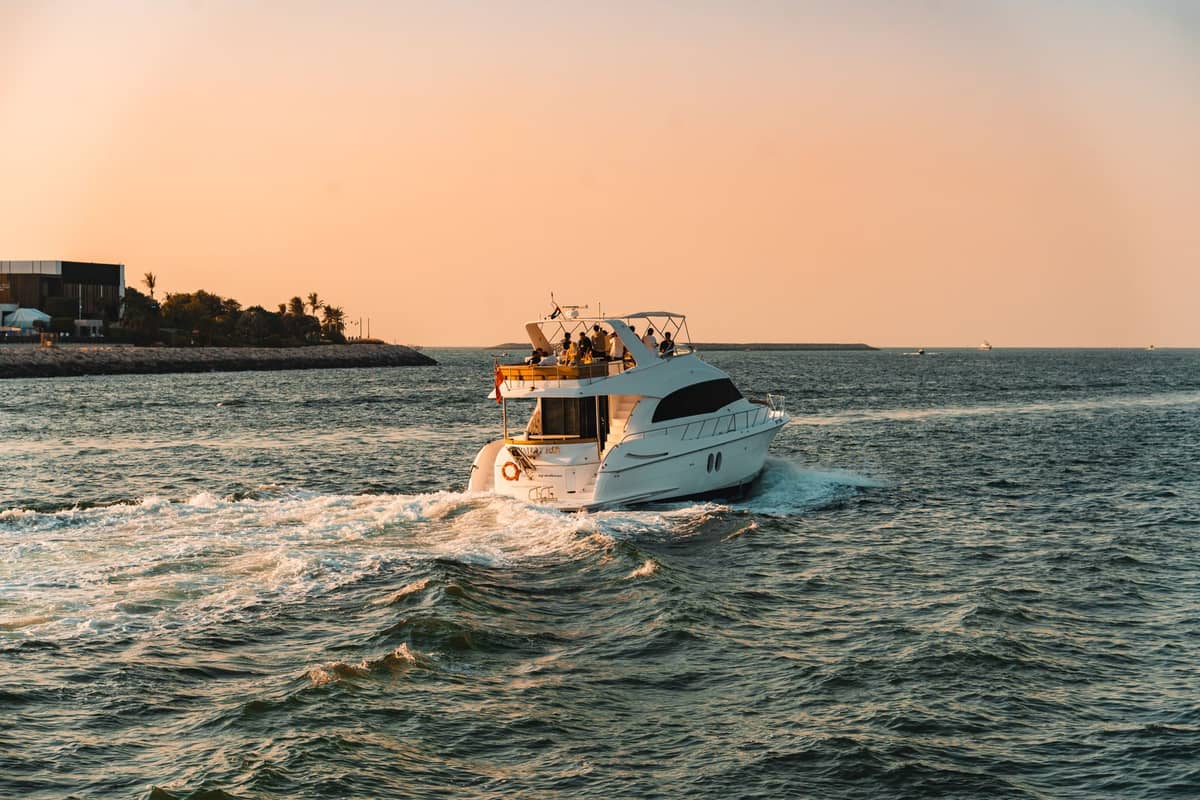
Private boat charters are the signature luxury experience in Cartagena. A day trip to Islas del Rosario on a private catamaran or speedboat — with a packed lunch, snorkeling gear, and a dedicated crew — costs significantly more than the shared tourist boats (which are worth avoiding if budget allows) but delivers a categorically different experience: no crowds, flexible timing, and access to quieter anchorages. Full-day private charters typically run USD 400–900 depending on vessel size and inclusions.
Inside the city, the luxury experience is built around the architecture. Walking the Cartagena city walls at sunset with a private guide, visiting Castillo San Felipe de Barajas before public opening hours, and exploring the Palacio de la Inquisición with an expert historian are experiences that transform what would otherwise be a standard tourist circuit into something genuinely memorable. Several Cartagena-based guides specialize in exactly this kind of private, access-led itinerary.
Cultural immersion at the luxury level increasingly includes excursions to San Basilio de Palenque, a UNESCO-recognized Afro-Colombian village about 70 km southeast of Cartagena where the descendants of freed enslaved people maintained a distinct language and culture. A private day trip here, organized through a reputable agency with a local community guide, offers context and depth that standard tourism in the Walled City cannot. It is worth understanding that Afro-Colombian culture is central to Cartagena's identity, not a side attraction.
Timing Your Luxury Trip: When Rates, Weather, and Crowds Align
Cartagena sits at sea level on Colombia's Caribbean coast and operates on Colombia Time (UTC-5) with no daylight saving adjustment. The climate is tropical wet-and-dry: daytime temperatures sit in the 28–32°C (82–90°F) range year-round, with nighttime temperatures in the mid-20s°C (mid-70s°F). What changes across the year is rainfall and, consequently, hotel pricing.
The dry season runs December through April. January and February are the driest months, with abundant sunshine and reliable sea conditions for boat trips to Isla Barú and the Rosario Islands. This is also when Cartagena is at its most expensive and most crowded. December in Cartagena adds local festival atmosphere, but comes with peak pricing and the need to book everything well ahead.
The most genuinely underrated window for luxury travel is late October through early November and again in late April through May. Rates ease, the city empties of package tourists, and the weather is still warm with intermittent rather than persistent rain. The rainy season peaks in September and October with the heaviest downpours, but even then the pattern is typically short afternoon storms followed by clear evenings, not all-day rain. Luxury travelers who are flexible on timing should seriously consider these shoulder windows: the same suite that costs USD 700 in January might be USD 350 in late October.
Practical Details for Luxury Visitors
Rafael Núñez International Airport (CTG) sits in the Crespo neighborhood, roughly 3–7 km from the Walled City depending on which source you consult, with a drive time of 10–25 minutes in normal traffic. For a luxury trip, the most practical arrival option is a pre-arranged private transfer. Official airport taxis are available and cost approximately 16,000–20,000 COP to the historic center, but for a first arrival with luggage, a confirmed private vehicle waiting at arrivals is worth the modest premium. Ride-hailing apps including Uber and inDrive operate in Cartagena, with rides to the Walled City typically running USD 12–18. All these fares are subject to change and should be verified before travel.
Getting around the Walled City itself is almost entirely on foot once you are inside the walls. The streets are narrow, cobblestoned, and largely closed to through traffic. For excursions, your hotel concierge is the most reliable resource for arranging vetted drivers and guides. If you are planning a multi-day itinerary, the guide to getting around Cartagena covers transport options in detail, including what to budget for day trips to nearby attractions.
Currency is the Colombian peso (COP). While many luxury hotels and restaurants accept major international credit cards, carrying some cash for tipping, street food, and smaller purchases is practical. The official language is Spanish; English is widely spoken in luxury hotel and restaurant settings, but basic Spanish phrases are appreciated and go a long way in any interaction outside the tourism bubble. For safety context, a separate resource covers safety in Cartagena in detail, including neighborhood-by-neighborhood guidance.
✨ Pro tip
If you are combining Cartagena with other Colombian cities, the domestic flight from Bogotá (El Dorado) to Cartagena (CTG) takes around 1 hour and 20 minutes. Several carriers operate this route with multiple daily departures. Flying in rather than overland is the standard choice for luxury itineraries, as it protects time and avoids road fatigue.
FAQ
What is the best area to stay in Cartagena for a luxury experience?
The Walled City (Centro Histórico) and the adjacent San Diego neighborhood offer the most distinctive luxury stays: converted colonial mansions with internal courtyards, plunge pools, and proximity to the best restaurants. Bocagrande suits visitors who prioritize oceanfront pools and a resort atmosphere, but it lacks the historic character of the old city.
How much does a luxury hotel in Cartagena cost per night?
Expect to pay USD 260–500 per night at well-regarded luxury properties in high season (December–March). The very top boutique hotels, including historic casas inside the Walled City, can reach USD 700–900+ for premium suites in peak weeks. Rates drop substantially in shoulder and low seasons, with deals in the USD 150–300 range possible from June through October.
Do I need to book restaurants in advance in Cartagena?
Yes, particularly during the December–March peak season. The top fine dining restaurants — Celele, Carmen, and Alma are the most cited names — operate at or near full capacity most evenings and require reservations 2–4 weeks in advance. Outside peak season, a few days' notice is usually sufficient, but same-night walk-ins at the best tables are rarely possible year-round.
Is Cartagena really worth the cost for a luxury trip compared to other Caribbean destinations?
For travelers who value architecture, history, and distinctive local culture alongside high-end service, Cartagena offers something that generic Caribbean resort islands do not. The Walled City is genuinely world-class as a setting, and the food scene has matured significantly. The flip side: the city's beaches are not Cartagena's strongest suit (the urban beaches are mediocre), so if white-sand beach access is your primary driver, a private catamaran day trip to Playa Blanca or Islas del Rosario needs to be built into the itinerary.
What luxury experiences are available outside the Walled City?
Private boat charters to Islas del Rosario and Isla Barú are the most popular. Day trips to San Basilio de Palenque with a private cultural guide offer genuine depth. Helicopter transfers and private sunset cruises along the bay wall are available through specialist operators. For those interested in the wider region, day trips from Cartagena to nearby natural attractions can be arranged entirely privately.