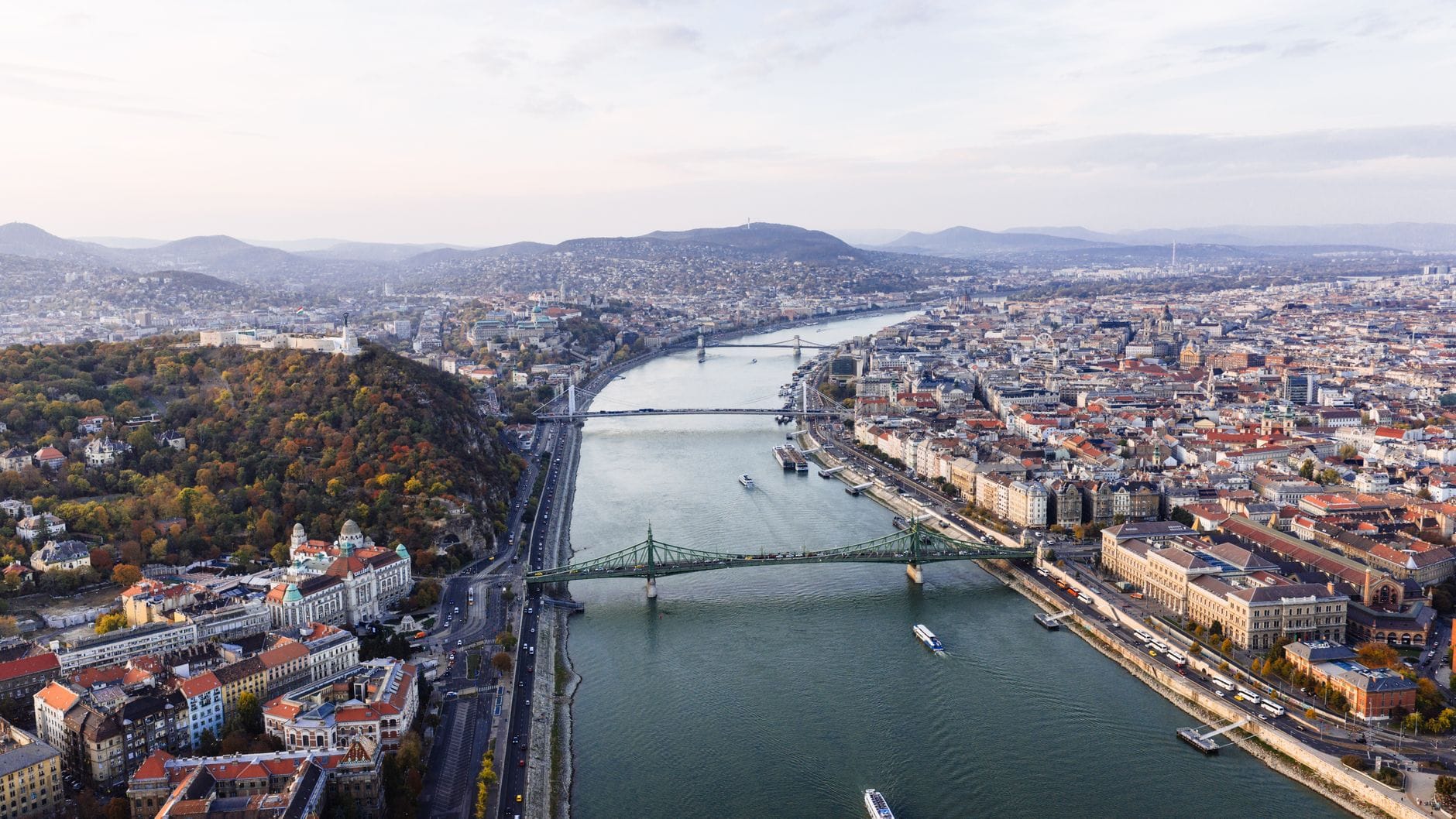
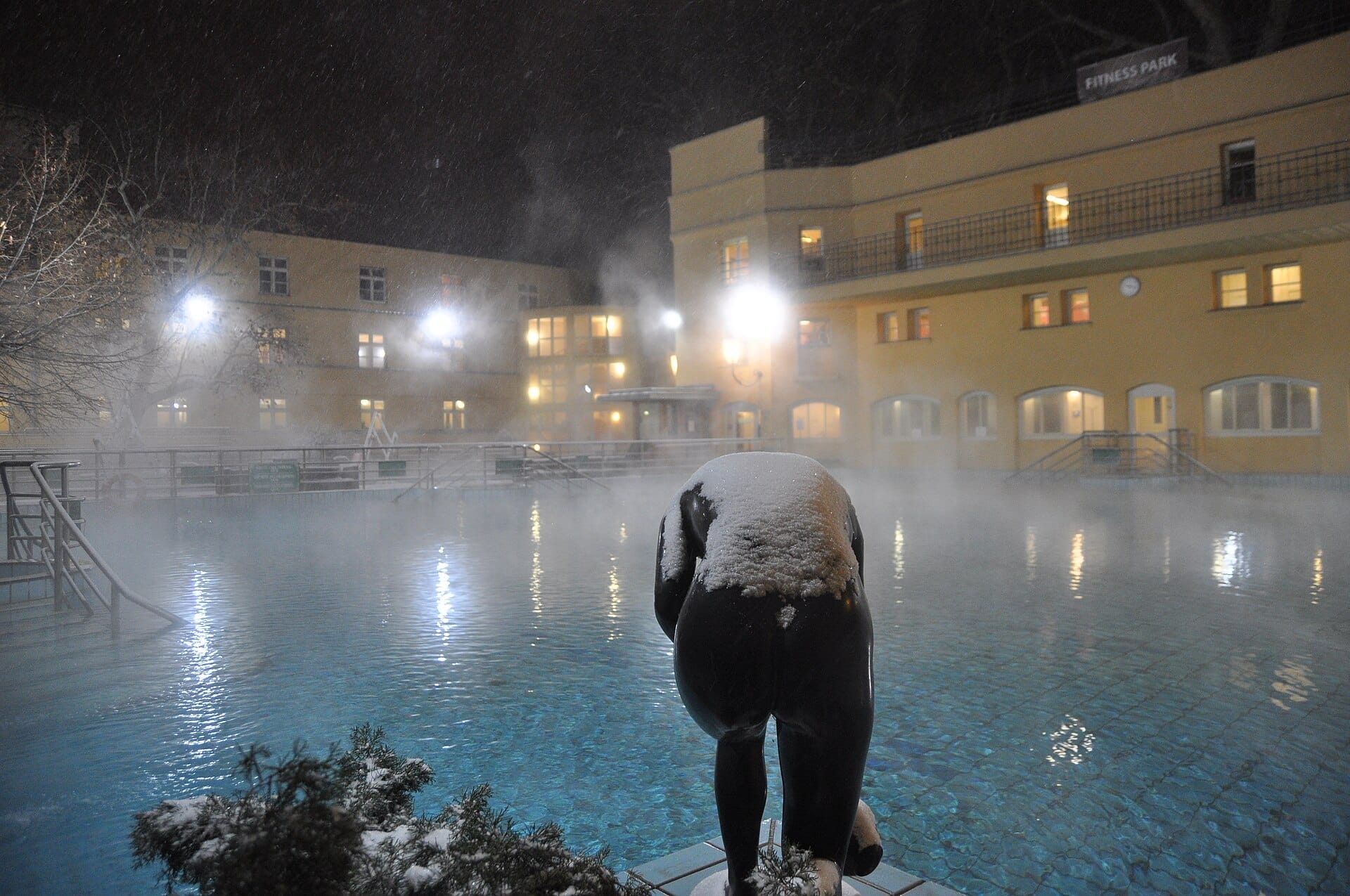
The Buda Waterfront and Gellért Hill stretch along the western bank of the Danube through Districts I and XI, anchored by the iconic Gellért Thermal Bath, the ornate Liberty Bridge, and a 235-metre dolomite hill crowned by the Liberty Statue. Part of Budapest's UNESCO World Heritage ensemble, this area rewards both the casual stroller along the riverside promenade and the committed hiker willing to climb to one of the city's finest viewpoints.
The Buda Waterfront and Gellért Hill represent Budapest at its most cinematic: a curving riverside promenade, an Art Nouveau bathhouse rising straight from the riverbank, and a dramatic hill that lifts you above the entire city in under half an hour on foot. It is the part of the Buda bank where nature, history, and thermal springs all converge at the same address.
Orientation
The Buda Waterfront and Gellért Hill occupy the western bank of the Danube roughly between Elizabeth Bridge to the north and the southern stretch of District XI. The natural focal point is Szent Gellért tér, the broad square at the foot of the hill where the M4 metro, several tram lines, and the Gellért Thermal Bath all converge. From here, the hill rises sharply to the south-west, topping out at 235 metres above sea level at the Citadel and the Liberty Statue.
The hill itself belongs partly to District I on its northern flank, around the old Tabán quarter that once spread across the slopes between the hill and Castle Hill, and partly to District XI to the south and west. The waterfront promenade runs along the Danube's edge, with Liberty Bridge connecting this side of the city directly to the Pest inner-city market district. Walk north along the riverside embankment and you reach Elizabeth Bridge within ten minutes; Castle Hill is another fifteen minutes beyond that.
As a planning reference, this area sits directly south of Castle Hill and directly across the river from the southern end of the Pest city centre, making it a natural complement to either neighbourhood on the same day. The whole stretch forms part of the UNESCO World Heritage Site known as the Banks of the Danube, Buda Castle Quarter, and Andrássy Avenue — one of the most architecturally significant riverfront ensembles in Central Europe.
Character & Atmosphere
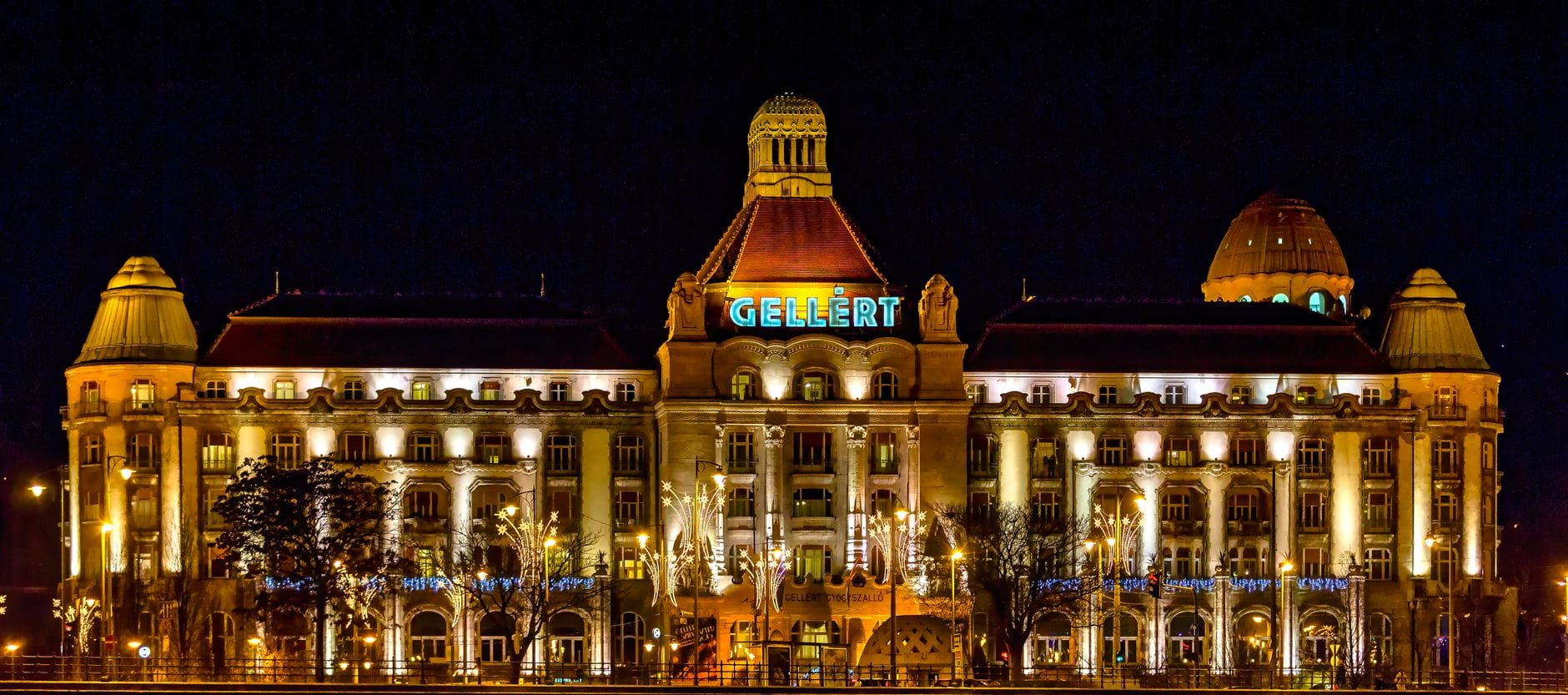
Early morning on the Buda waterfront is remarkably calm for a capital city. The trams begin running before dawn, their bells cutting through the quiet as they curve around Szent Gellért tér, but the embankment itself belongs to joggers and dog-walkers until well past eight. The Gellért Bath's ornate facade catches the first light from the east, its copper-green roof and stone towers reflecting off the Danube below. The air carries a faint mineral quality near the bath's entrance, a reminder that the thermal springs feeding the building rise from beneath the hill itself.
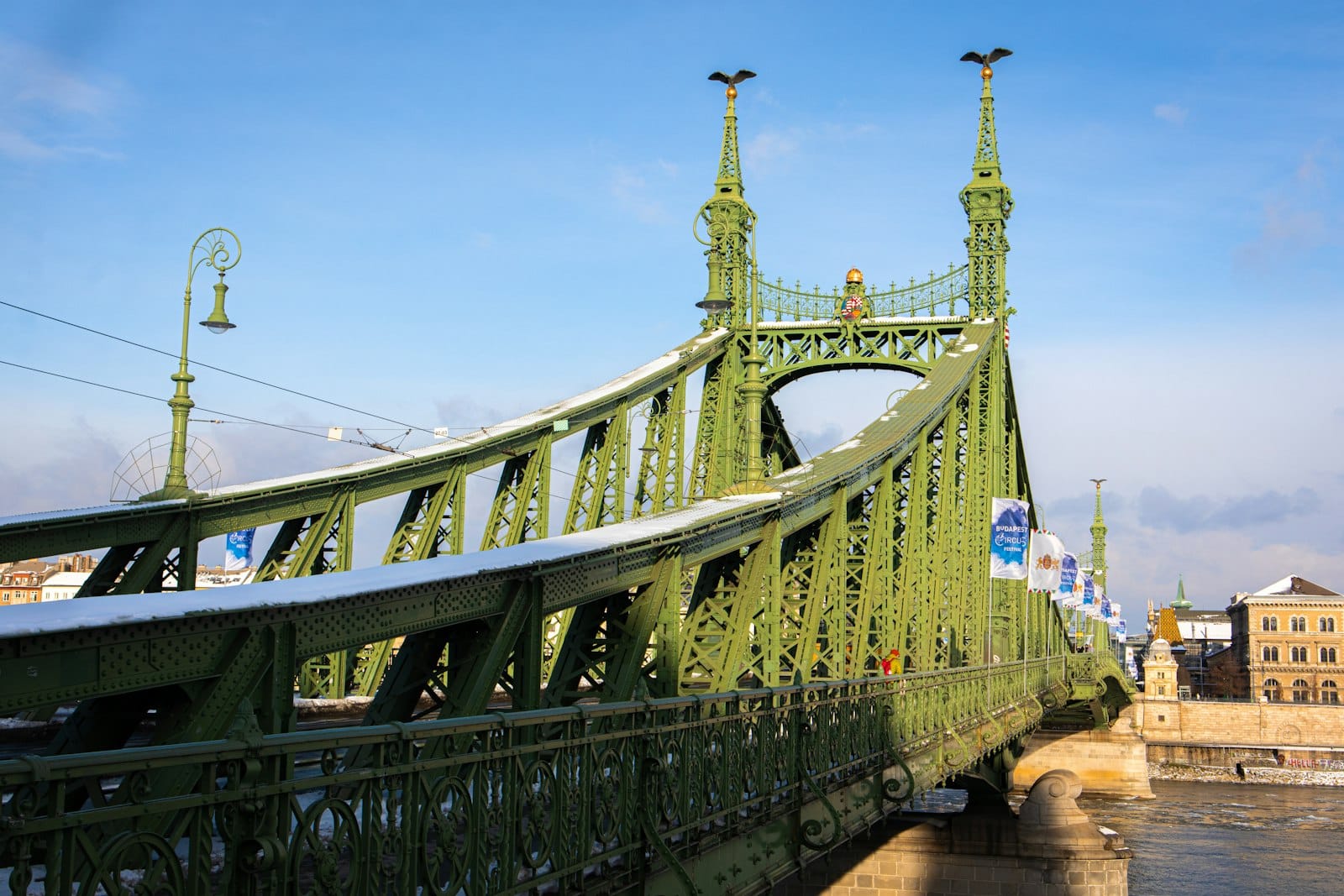
By mid-morning, tourists begin arriving in earnest, particularly around Liberty Bridge and the bath entrance. The bridge itself has become an informal gathering spot: on warm afternoons, locals spread out on its wide green railings to read, eat lunch, and watch the river traffic. It is one of the few spots in Budapest where the social mix feels genuinely cross-generational, with university students alongside elderly residents who have been crossing this bridge for decades.
The hill trails offer a completely different rhythm. Once you leave the main path leading up from Szirtes út or take the stairways from the riverside, the city noise drops away quickly. The slopes are designated as part of the Danube-Ipoly National Park, and the vegetation shifts from manicured green to genuine scrubland and dolomite outcrops. On weekday afternoons you may have stretches of the path entirely to yourself. By early evening the summit viewpoints fill again, this time with people timing their arrival for golden-hour light over the Parliament building and the Chain Bridge to the north.
After dark the waterfront takes on a more relaxed, local character. The ruin-bar crowds are concentrated across the river in District VII; here, things are quieter. The Liberty Bridge is lit up in warm yellow light and the hill's monuments are floodlit from below, creating a silhouette visible from much of Pest. This is not a neighbourhood for late-night entertainment, which is precisely its appeal for visitors who want proximity to the centre without the noise.
ℹ️ Good to know
The Buda Waterfront and Gellért Hill area forms part of Budapest's UNESCO World Heritage Site, recognised for the Banks of the Danube, Buda Castle Quarter, and Andrássy Avenue. The Gellért Bath and the Liberty Bridge are both included in the protected ensemble.
What to See & Do
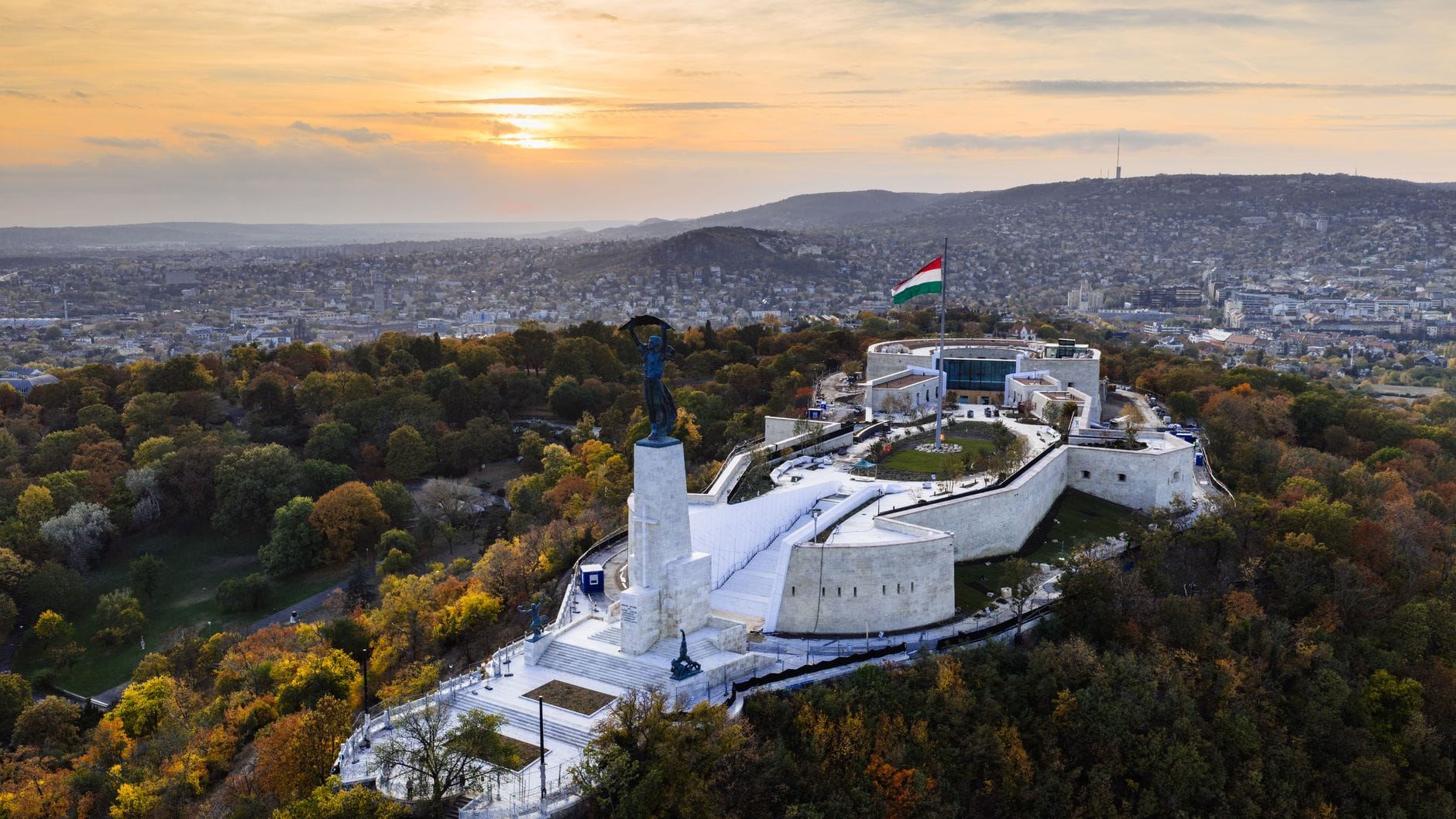
The Citadella on the hilltop is the area's most-visited landmark, a 19th-century Habsburg fortress that has gone through several phases of restoration and partial renovation. The views from the ramparts extend across the entire city: on a clear day you can see far beyond the Parliament to the north and the Buda Hills to the west. The fortification's military history, covering both Habsburg-era construction and its role in the Second World War, adds context to what might otherwise just be a panoramic terrace.
Just below the summit, the Liberty Statue (Szabadság-szobor) stands at 14 metres tall on a 26-metre pedestal, making it visible from much of the city. Erected in 1947, it has carried different political meanings across the decades, and understanding that layered history gives the monument considerably more weight than its postcard presence might suggest.
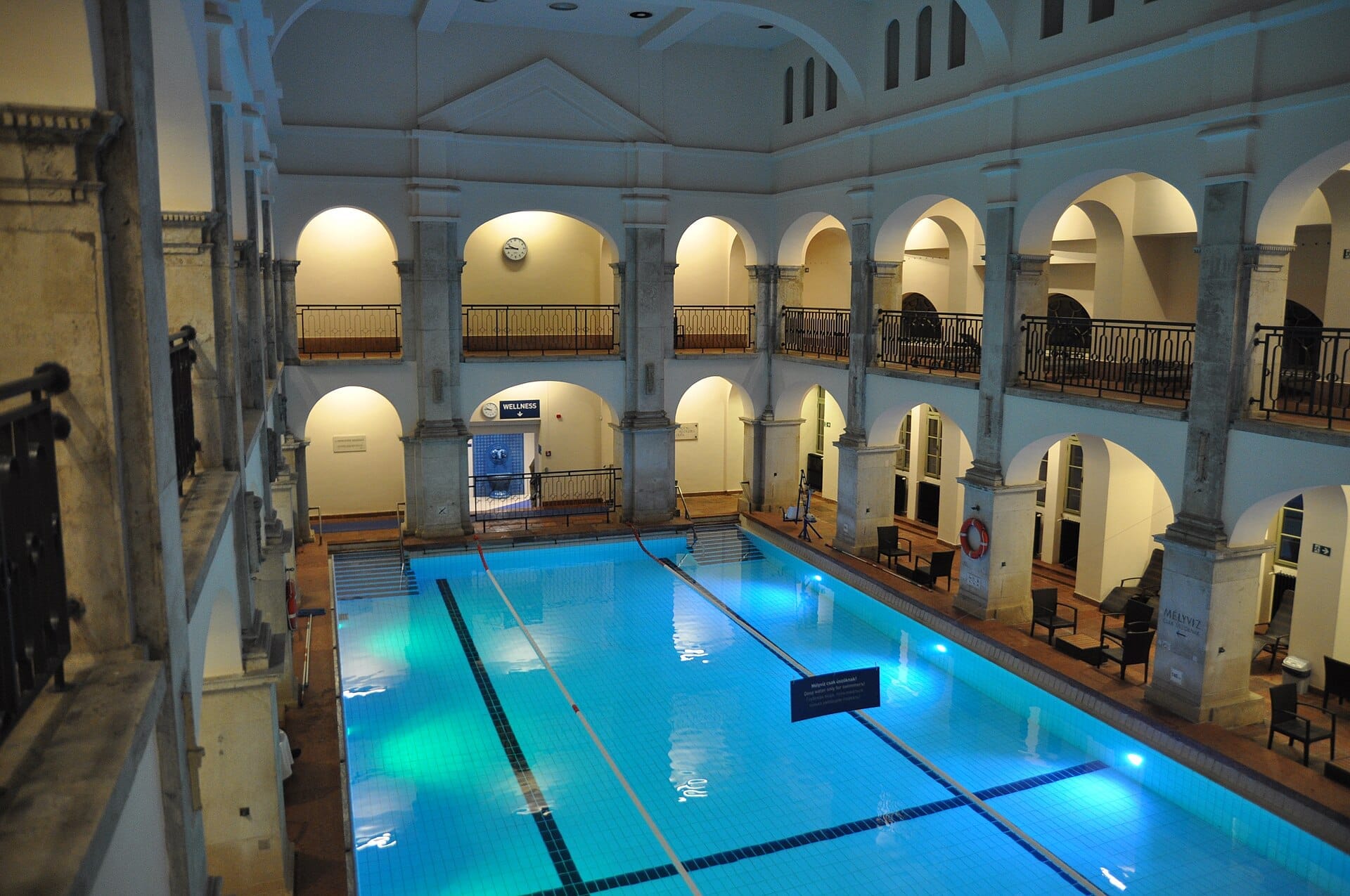
At the foot of the hill, the Gellért Thermal Bath is one of Budapest's most architecturally impressive bathhouses. Opened in 1918, the building is a full expression of Hungarian Art Nouveau, with mosaic floors, carved stone columns, and a main pool hall lit from above through a vaulted glass ceiling. Unlike some of Budapest's thermal baths, which have a more utilitarian feel, the Gellért is genuinely beautiful as a building. Book in advance, particularly on weekends.
The Liberty Bridge is worth crossing simply as a walk. At 333 metres, it is the shortest of Budapest's main river bridges and also one of the most elegant, painted in its original blue-green iron-lattice style. The bridge connects the Gellért area directly to Fővám tér on the Pest side, where the Central Market Hall stands just a few steps from the eastern bridgehead.
Climb the hill via the stepped path from Szirtes út for the most direct route to the Citadel (allow 30-40 minutes at a moderate pace)
Walk the riverside embankment north toward Elizabeth Bridge for views back toward the hill
Explore the Cave Church (Sziklatemplom) built into the hillside near the Gellért Bath, open to visitors
Take bus 27 from Móricz Zsigmond körtér up to the Búsuló Juhász stop if the climb is not practical
Cross Liberty Bridge on foot to reach the Central Market Hall on the Pest side
⚠️ What to skip
The paths on Gellért Hill involve steep climbs and uneven stone stairways. Some sections pass dolomite outcrops where the surface can be slippery after rain. Visitors with limited mobility should use bus 27 from Móricz Zsigmond körtér rather than attempting the hillside paths.
Eating & Drinking
The eating and drinking scene here is more selective than in the Pest centre, which is part of what keeps the neighbourhood from feeling overwhelmed by tourism. Around Szent Gellért tér you will find cafés that serve the morning bath crowd alongside the usual student trade from the nearby technical university campus. The square itself has a handful of terraces that are pleasant in summer, with trams passing at regular intervals in the background.
The residential streets climbing the hill's western and southern flanks, particularly around Bartók Béla út, offer a more authentic cross-section of Budapest's neighbourhood restaurant scene. This broad avenue, running south-west from Gellért tér, is a practical local high street with bakeries, sit-down restaurants, and wine bars that are priced for people who live here rather than tourists passing through. Prices are noticeably lower than comparable venues across the river.
The Gellért Hotel's own café terrace is worth knowing about for the setting rather than particular value, with its view over the Danube and the ornate hotel entrance. For a pre-hike coffee, the cafés immediately around the metro exit at Szent Gellért tér are perfectly adequate. There are no food vendors on the hill itself, so carry water, particularly in summer when temperatures on the exposed southern slopes can be significantly hotter than the riverside.
💡 Local tip
If you are visiting the Gellért Bath and want a meal afterward, cross Liberty Bridge on foot (10 minutes) to reach the Central Market Hall on the Pest side. The upper floor has traditional Hungarian food stalls at reasonable prices, and it is a logical extension of the same riverside walk.
Getting There & Around
The main gateway to this area is Szent Gellért tér, served by the M4 metro line with direct underground access from Keleti railway station and from Kelenföld in south Buda. The square is also one of the busiest tram interchanges on the Buda side, with lines 19, 41, 47, 48, 49, 56, and 56A all stopping here. Trams 47 and 49 connect directly across the Danube to Deák Ferenc tér in central Pest. For a broader understanding of how to move around the city, the getting around Budapest guide covers all transit options in detail.
For the hilltop, bus 27 departs from Móricz Zsigmond körtér, a tram and bus interchange about 600 metres south-west of Gellért tér along Bartók Béla út, and runs up to stops near the Citadel viewpoints. This is the practical option if you want to reach the summit without the climb, or if you want to descend by foot after taking the bus up. The Búsuló Juhász stop near the top is the one to aim for.
Public river boats on lines D11 and D12 also stop near Szent Gellért tér on the Danube, offering a scenic approach from other riverside stops. This is a practical option if you are combining the area with a visit to the Parliament or the northern embankment in the same day. Fares use the standard BKK ticketing system: verify current prices via BKK's official channels before travel, as fares are subject to change.
On foot from the Pest inner city: Liberty Bridge is a ten-minute walk from the Central Market Hall on the Pest side. Crossing the bridge brings you directly to Gellért tér and the bath entrance. Walking north along the Buda embankment from here to Elizabeth Bridge takes around twelve minutes; continuing to the Chain Bridge takes another fifteen.
Where to Stay
The Buda Waterfront and Gellért Hill area is not a dense hotel district, but it suits a specific type of traveller well. Staying here means being within a short tram or metro ride of both the Pest centre and Castle Hill, without the noise levels of District V or District VII. For a broader overview of where to base yourself across the city, the where to stay in Budapest guide covers all the main neighbourhoods.
The Danubius Hotel Gellért, attached directly to the thermal bath at Szent Gellért tér, is the area's landmark accommodation. It is a large, historic property with an Art Nouveau interior that matches the bath building, and staying here gives guests access to the baths that many visitors pay significant entry fees for. The trade-off is that the hotel's age shows in some areas, and it is not a boutique or minimalist experience.
The residential streets around Bartók Béla út and further into District XI offer apartments and smaller guesthouses at lower price points than the Pest centre, with good tram connections back to the river. This suits independent travellers who prefer a quieter base and do not mind being ten to fifteen minutes from the main tourist concentrations. The neighbourhood around Móricz Zsigmond körtér is particularly well-connected by public transport and has local shops, markets, and cafés within easy walking distance.
Connecting to the Rest of Budapest
The Buda Waterfront pairs naturally with Castle Hill to the north, which you can reach on foot along the Buda embankment in under twenty minutes from Gellért tér, or by tram 19 or 41. The Buda Castle complex and Fisherman's Bastion are both on that hill, making a logical full-day combination: start with the bath in the morning, walk the Buda embankment north through the Tabán area, and spend the afternoon on Castle Hill before crossing the Chain Bridge into Pest for the evening.
Across Liberty Bridge, the Pest city centre is immediately accessible, with the Central Market Hall as your landing point. From there, Váci Street and the Inner City are a short walk north. For those interested in Budapest's broader thermal bath culture, the Budapest thermal baths guide sets the Gellért Bath in context alongside Széchenyi, Rudas, and Lukács.
To the south, the Rudas Thermal Bath sits on the Buda embankment about 1.5 kilometres north of Gellért tér, making it walkable along the riverside. Rudas has a different character from Gellért, with a 16th-century Ottoman dome over its main pool and a rooftop wellness pool added in recent years, making the two baths worth comparing if thermal bathing is a priority.
TL;DR
Best suited to travellers who want scenic walks, thermal bathing, and panoramic city views without staying in the tourist-heaviest part of Pest.
Gellért Thermal Bath is one of Budapest's most architecturally significant buildings and worth visiting even if you only spend an hour inside.
The hilltop Citadel and Liberty Statue offer arguably the best all-round view of Budapest, particularly at dusk when the city lights up.
Getting here is straightforward via the M4 metro to Szent Gellért tér, or by tram from anywhere along the Buda or Pest riverside.
Not the right base for nightlife: the area is quiet after dark, which is a plus for light sleepers but means the ruin bars and late-night scene of District VII require a tram or metro ride.
Budapest punches well above its weight as a museum city. From a world-class collection of Old Masters to underground WWII hospitals and open-air Communist statues, these are the museums that make Budapest worth dedicating serious time to.
Budapest rewards visitors in every season, but the timing of your trip shapes everything from what you pay to how crowded the sights are. This guide breaks down every month so you can match your priorities, whether that's mild weather, low prices, major festivals, or the city's legendary Christmas markets.
Budapest is one of Europe's great Art Nouveau cities, with a distinct national style that sets it apart from Vienna or Paris. This guide covers the key buildings, the architects behind them, how to explore the city's Szecesszió heritage on foot, and what to watch out for along the way.
The Budapest Card bundles unlimited public transport with free museum entry, one free thermal bath visit at Lukács, and a free Danube river cruise into one pass. But at up to €129, it only pays off under specific conditions. Here's a clear breakdown of who should buy it, who should skip it, and how to activate it correctly.
Budapest food is hearty, affordable, and deeply underrated. This guide covers the essential dishes to try, where to find them, what things actually cost in 2026, and how to avoid the tourist traps that pass off mediocre goulash stew as the real thing.
Budapest rewards those who look beyond the Parliament and Chain Bridge. From ancient Roman ruins in Óbuda to a Cold War bunker beneath Castle Hill, this guide points you toward the city's most overlooked and underrated experiences.
Budapest carries more than 2,000 years of history across its two riverbanks. This guide traces the city's major eras, from Roman legions to Habsburg grandeur and Cold War upheaval, and shows you exactly where to see that history in person.
December transforms Budapest into one of Europe's most atmospheric winter destinations, with free Christmas markets, steaming thermal baths, and far fewer crowds than summer. This guide covers weather realities, the two flagship markets, pricing, crowd patterns, and practical tips for getting the most from a winter visit.
Three days is exactly enough time to get a serious handle on Budapest. This itinerary splits the city logically across both banks of the Danube, covers the unmissable sights without rushing, and leaves room for the thermal baths, Jewish Quarter, and a proper evening out.
Budapest punches well above its weight in the luxury travel market. Five-star hotels cost 40-60% less than comparable properties in Vienna or Paris, the thermal spa culture is unmatched in Europe, and the fine dining scene has quietly matured into something genuinely world-class. This guide covers where to stay, where to soak, and where to eat at the top end of the market.
Budapest after dark is one of Europe's most distinct nightlife scenes, built around crumbling courtyards, thermal bath parties, and riverfront venues that keep going until sunrise. This guide covers the key districts, best venues, realistic drink prices, and how to navigate the city's nights without the common tourist mistakes.
Budapest's ruin bars are unlike anything else in Europe: abandoned buildings transformed into labyrinthine bars, galleries, and gardens. This guide covers the best venues, realistic prices, transport logistics, and seasonal tips to help you experience them properly.
Budapest is one of Central Europe's safer capitals, but petty crime, taxi overcharging, and bar bill scams catch many visitors off guard. This guide breaks down exactly what to watch for, where the risks concentrate, and how to handle each situation confidently.
Budapest rewards shoppers across every budget, from paprika and Tokaji wine at the Great Market Hall to luxury boutiques on Andrássy Avenue and Soviet-era curiosities at Ecseri flea market. This guide covers where to go, what to buy, and how to avoid overpaying on Váci Street.
Budapest sits on top of nearly 130 natural hot springs, and its thermal baths are among the most atmospheric in Europe. This guide cuts through the hype: which baths are actually open in 2026, what you'll realistically pay, how to avoid peak crowds, and which options suit your budget and travel style.
Everything you need to plan the Budapest to Prague journey, whether you want the comfort of a direct train, the cheapest bus fare, or the fastest flight. Includes prices, schedules, booking tips, and what to expect on each route.
Budapest is one of Europe's most photogenic cities, and knowing where to look changes everything. This guide covers the best panoramic viewpoints, hilltop terraces, and elevated bars where the city reveals itself in full.
Budapest rewards families with an impressive range of kid-friendly experiences: a century-old zoo, a narrow-gauge railway run by children, interactive science centers, and a car-free island with playgrounds and bike rentals. This guide covers the best family activities in Budapest, with practical advice on what works for different ages, what to skip, and how to plan your days efficiently.
Budapest sits at the center of one of Central Europe's best rail networks, putting medieval towns, thermal lake resorts, and even Vienna within easy reach. This guide covers the top day trips from Budapest with exact transport options, realistic fares, and clear assessments of what each destination is actually worth your time.
Budapest rewards budget travelers generously. From sweeping hilltop panoramas to centuries-old bridges and grand market halls, some of the city's most memorable experiences cost absolutely nothing. This guide covers the best free things to do in Budapest, organized so you can plan a full day without opening your wallet.
Budapest has one of Central Europe's most comprehensive public transport networks, run by BKK. This guide covers every mode of transport, ticket types with current prices, how to avoid fines, and the best ways to get from the airport to the city center.
Budapest is one of Central Europe's most rewarding cities, but it's not for everyone. This guide breaks down exactly what you get: the UNESCO-listed landmarks, thermal baths, food scene, and nightlife, alongside the real drawbacks, seasonal trade-offs, and practical logistics you need to know before booking.
Budapest is one of Europe's most atmospheric cities for couples, combining grand architecture, thermal spa culture, candlelit river cruises, and sweeping hilltop views. This guide covers the best romantic experiences in Budapest, from free sunset walks to splurge-worthy dinner cruises, with practical advice on timing, cost, and what to skip.
Budapest rewards visitors with an unusually rich mix of history, architecture, and culture packed into a compact, walkable city. This guide covers the best things to do in Budapest — from iconic landmarks and thermal baths to underrated neighborhoods — with practical advice on what is worth your time and what is not.
Budapest divides naturally into distinct neighborhoods, each with its own character, price range, and practical trade-offs. This guide breaks down the best areas to stay based on what you actually want from your trip, from walkable sightseeing bases to quieter hillside retreats.