Where to Stay in Budapest: Best Neighborhoods & Hotels
Budapest divides naturally into distinct neighborhoods, each with its own character, price range, and practical trade-offs. This guide breaks down the best areas to stay based on what you actually want from your trip, from walkable sightseeing bases to quieter hillside retreats.
Tickets & tours
Live prices and dates from our booking partner. If you book, we may earn a commission at no extra cost to you.
TL;DR
- District V (Inner City) is the best all-around base: central, walkable, and close to the Parliament and Danube riverfront.
- District VII (Jewish Quarter) is the go-to for budget stays and nightlife, but expect noise on weekends.
- District VI along Andrássy Avenue suits mid-range travelers who want elegance without peak-season chaos.
- The Buda Castle District is quieter and more photogenic, but requires a bridge or funicular to reach most Pest-side sights.
- Book 2-3 months ahead for May-September stays; shoulder season (March-April, October-November) offers significantly better rates.
How Budapest Is Organized for Visitors
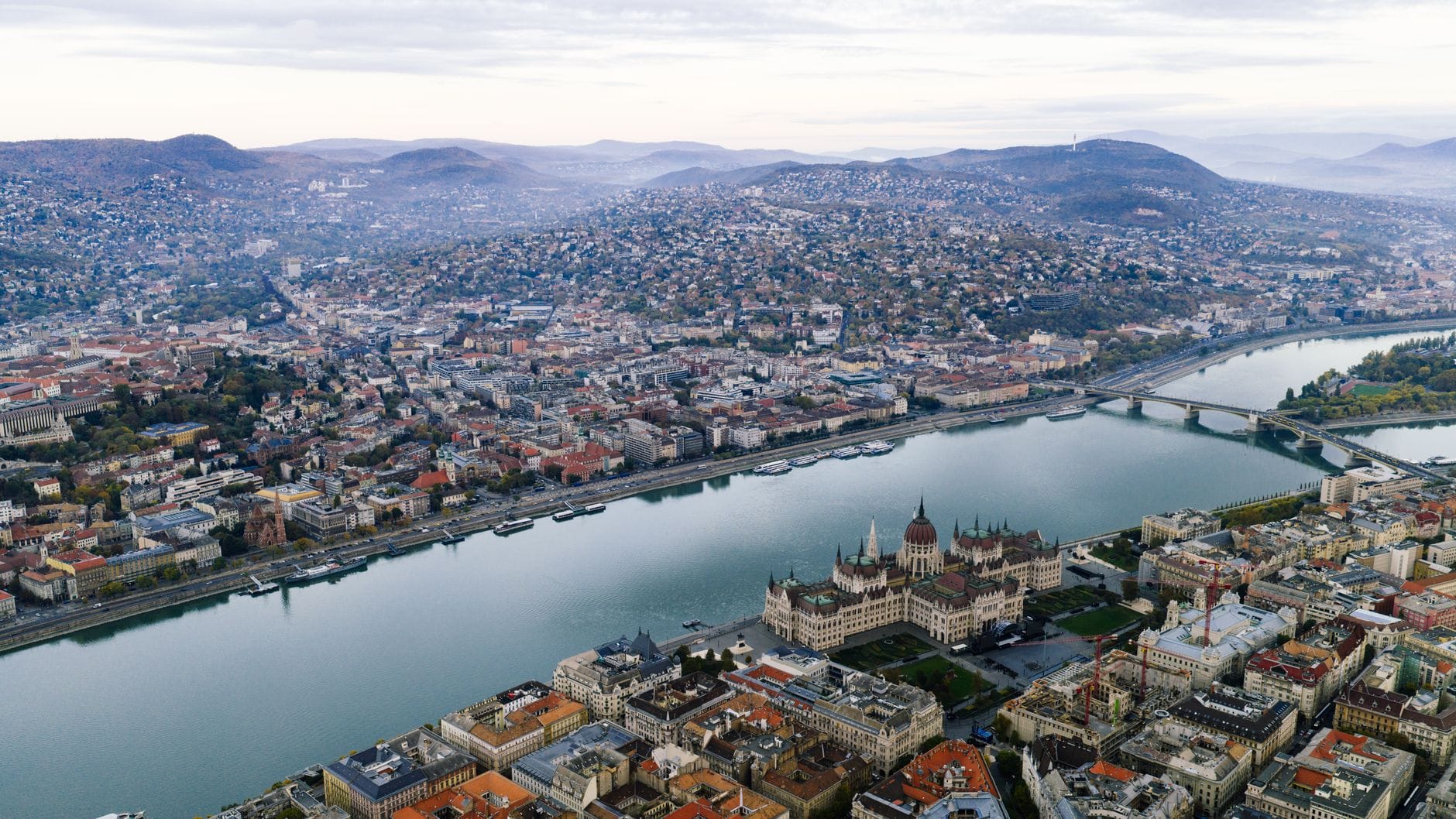
Budapest is split by the Danube River into two halves: Buda to the west (hilly, quieter, historic) and Pest to the east (flat, dense, commercial). The city is divided into 23 numbered districts called kerületek. Most visitors stay in Districts I, V, VI, or VII, all of which sit within a roughly 3-4 km radius of each other. That compact geography is one of Budapest's biggest advantages: a hotel in any of these districts puts you within a 20-30 minute walk or one metro stop of most major attractions.
Public transport is run by BKK (Budapesti Közlekedési Központ) and covers the city thoroughly via four metro lines, trams, and buses. The most useful lines for visitors are Metro M2 and M3 on the Pest side, and trams 2, 4, and 6. If you plan to use public transport daily, the Budapest Card bundles unlimited transport with museum discounts and is worth comparing against single-day tickets depending on your itinerary length.
ℹ️ Good to know
Budapest Liszt Ferenc International Airport (IATA: BUD) is about 16 km southeast of the city center. The 100E Airport Express bus connects directly to Kálvin tér and Astoria in the city center. Taxis from licensed stands are regulated, but confirm the fare before departure. Verify current BKK fares at bkk.hu before traveling, as prices change periodically.
District V: The Inner City (Best Overall Base)
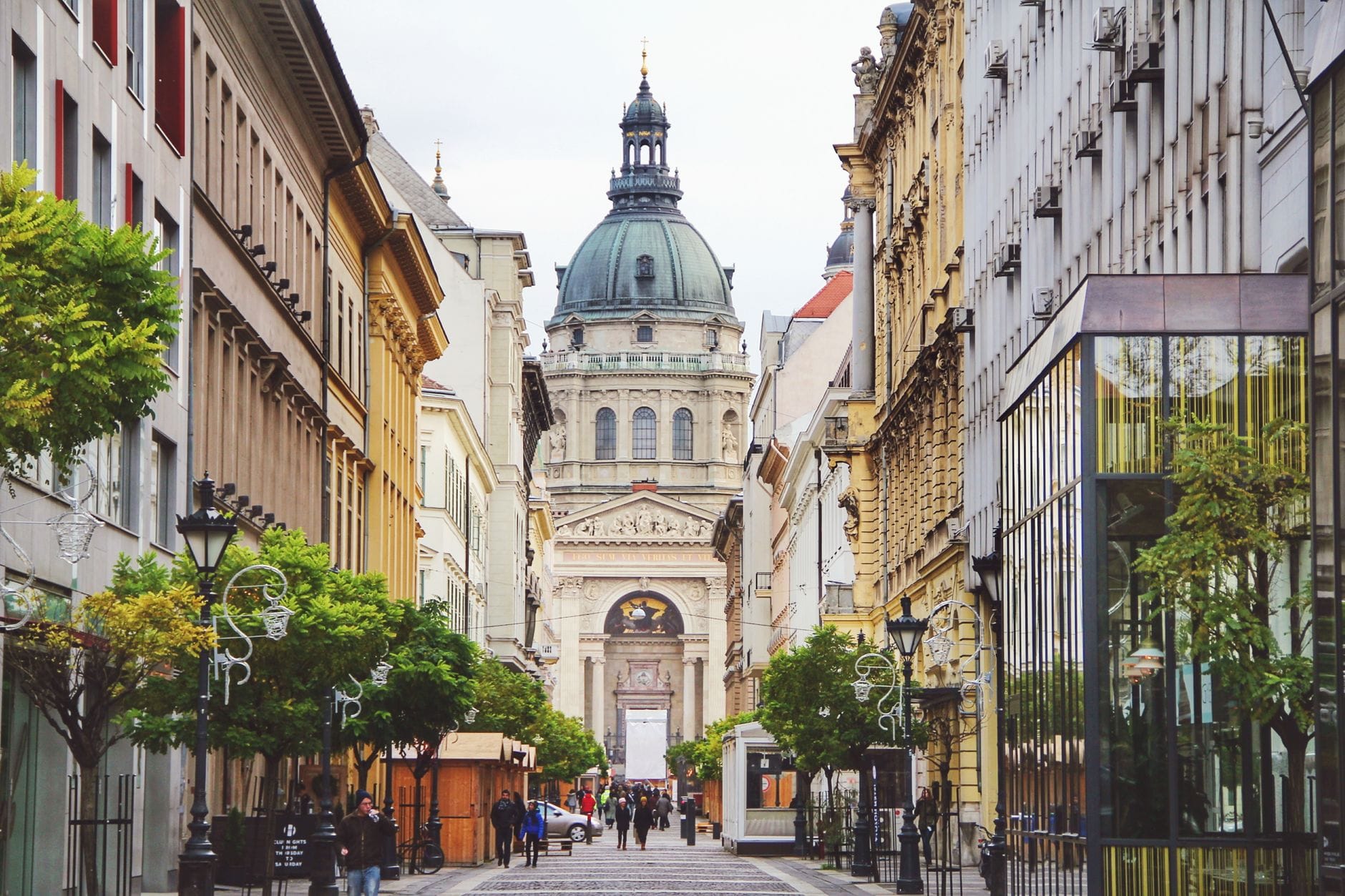
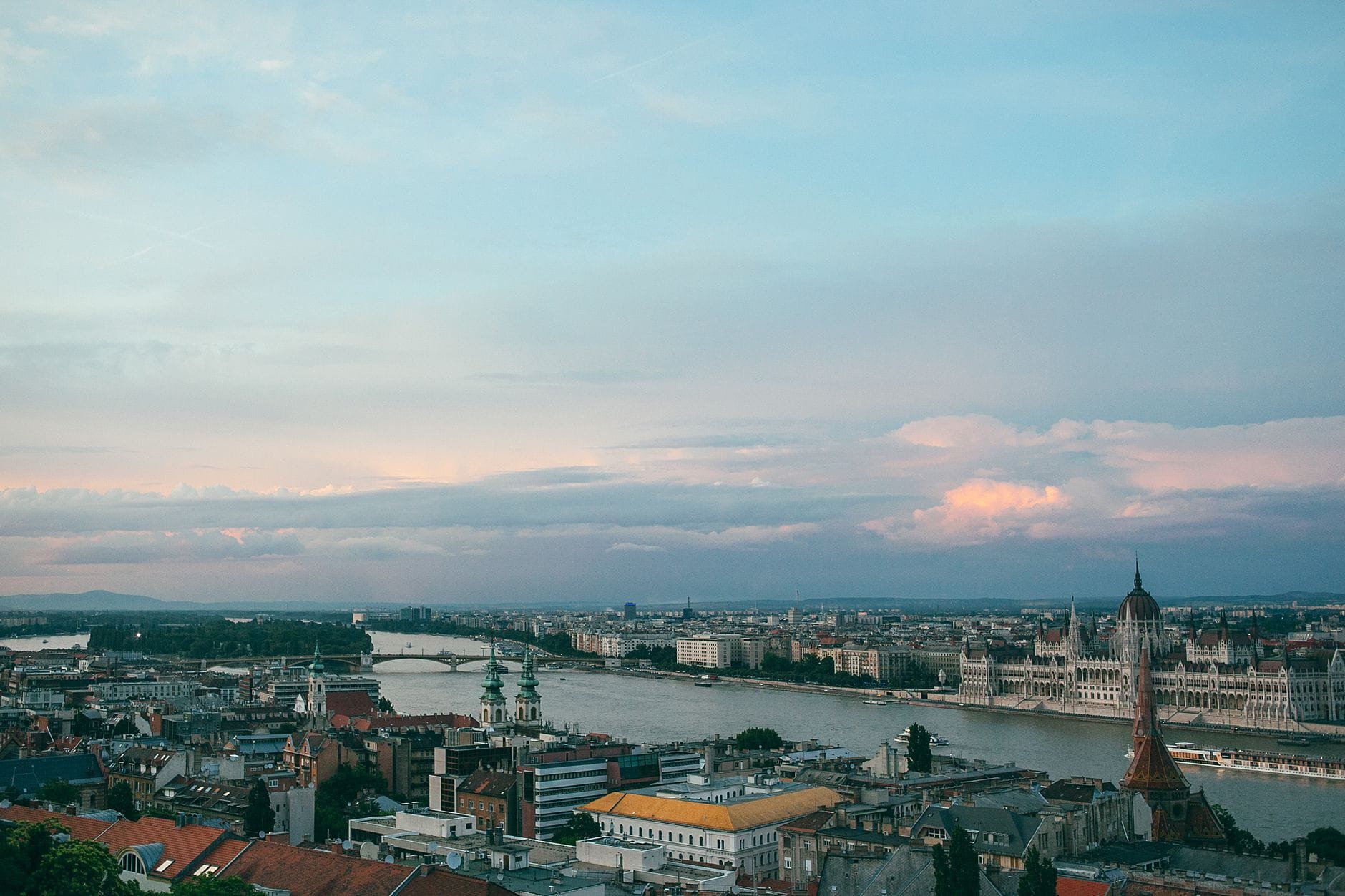
Belváros-Lipótváros (District V) is where most first-time visitors should book. It sits on the Pest riverfront and contains an unusually high concentration of landmarks within walking distance: the Hungarian Parliament Building, St. Stephen's Basilica, the Chain Bridge, and Váci Street shopping zone are all accessible on foot.
The trade-off is price. District V commands the highest hotel rates in the city. Central 3-star hotels typically start around €80-120 per night in peak season (May-September), while 4-star riverfront properties can reach €200 and above. In low season (November to March, excluding Christmas), those same 3-star options often drop to €50-80. The luxury segment along the Danube promenade, including flagship properties from major international chains, rarely dips below €150 even in winter.
💡 Local tip
Avoid booking directly on Váci Street (Vaci utca) if value matters to you. Hotels on this pedestrian strip charge a premium for the address. Walk two blocks east and rates drop noticeably for equivalent quality.
District VII: The Jewish Quarter (Best for Budget & Nightlife)
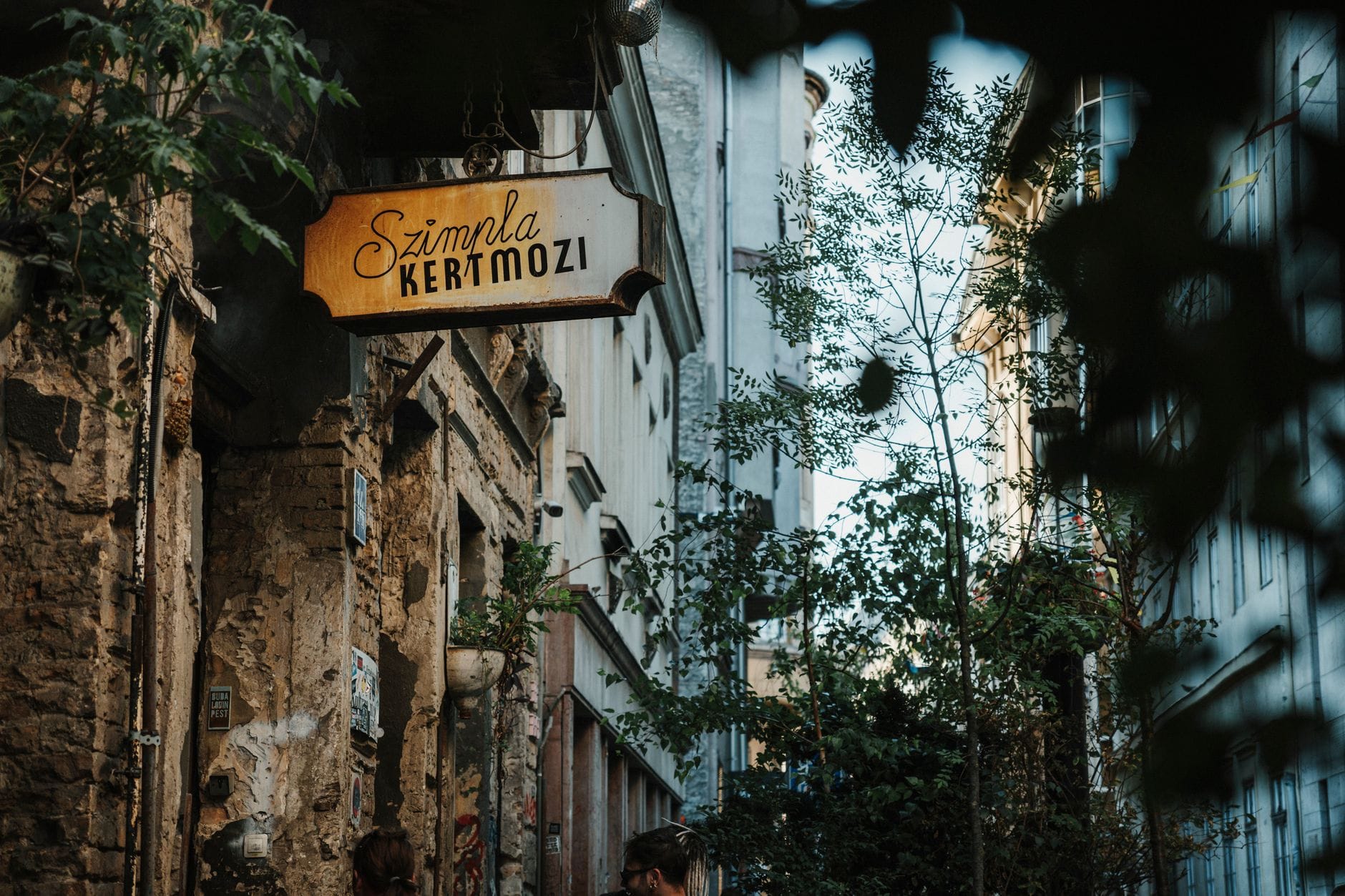
Erzsébetváros is Budapest's most talked-about neighborhood and the home of the city's ruin bar scene. The Great Synagogue on Dohány Street anchors the historic Jewish Quarter, while the streets around Kazinczy utca and Király utca fill up with bars, street food stalls, and hostels. This is where Budapest hostels cluster most densely, and the quality range is wide: from well-run party hostels with rooftop bars to quieter boutique guesthouses on side streets.
Budget hotels and hostels in District VII typically run €15-35 per night for dormitory beds and €45-80 for private rooms in a 2-3 star property. The area has genuine character and good restaurants, but it's not the right base if early nights matter to you. Friday and Saturday nights in particular get loud until 4-5 AM near the main ruin bar streets. If you want to be close to the nightlife without sleeping above it, look for accommodation on the eastern edge of District VII, closer to Keleti train station.
- Best for Solo travelers, groups, budget-conscious visitors, anyone prioritizing nightlife access
- Avoid if You need quiet evenings, are traveling with young children, or are sensitive to noise
- Price range Hostels from ~€15/night; budget hotels from ~€45; mid-range from ~€70
- Key transport Metro M2 (Astoria), Metro M1/M2/M3 (Deák Ferenc tér), tram 4/6
District VI: Andrássy Avenue (Best for Mid-Range Elegance)
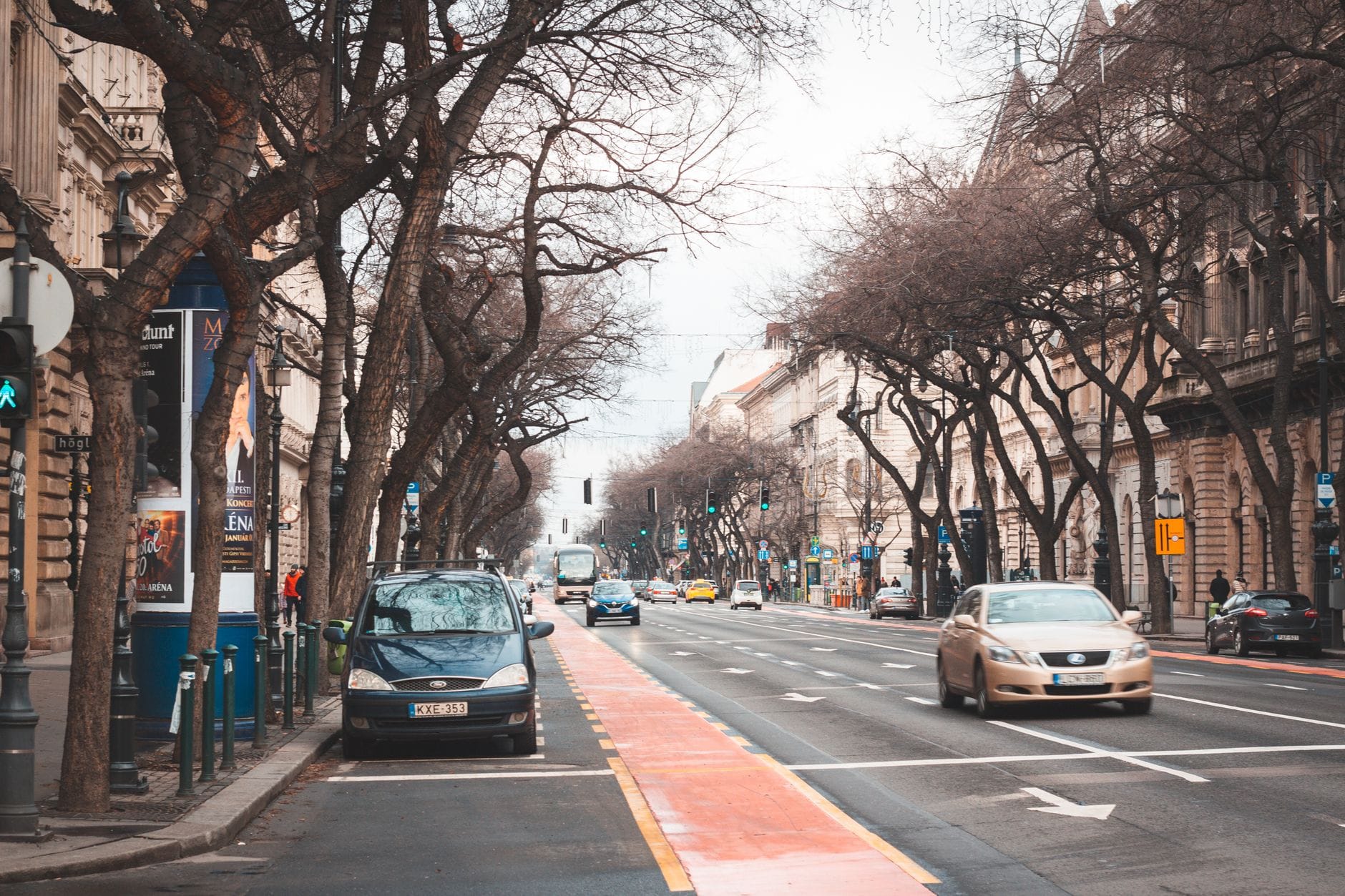
Terézváros (District VI) is built around Andrássy út, a grand UNESCO-listed boulevard that runs from the city center to Heroes' Square. The street is lined with late-19th-century apartment buildings, boutique hotels, the Hungarian State Opera House, and upscale restaurants. Staying here puts you between the Inner City and City Park, with Metro M1 (one of Europe's oldest underground railways) running directly beneath Andrássy.
Mid-range hotels in this district typically price between €80-150 per night, with some boutique properties in renovated Art Nouveau buildings reaching €180-250. It's a calmer alternative to District V with arguably more architectural character, and the M1 metro makes it genuinely practical. The one drawback: you're a 10-15 minute walk from the Danube riverfront, which matters if sunset views over the water are high on your list.
District I: The Castle District (Best for History & Atmosphere)
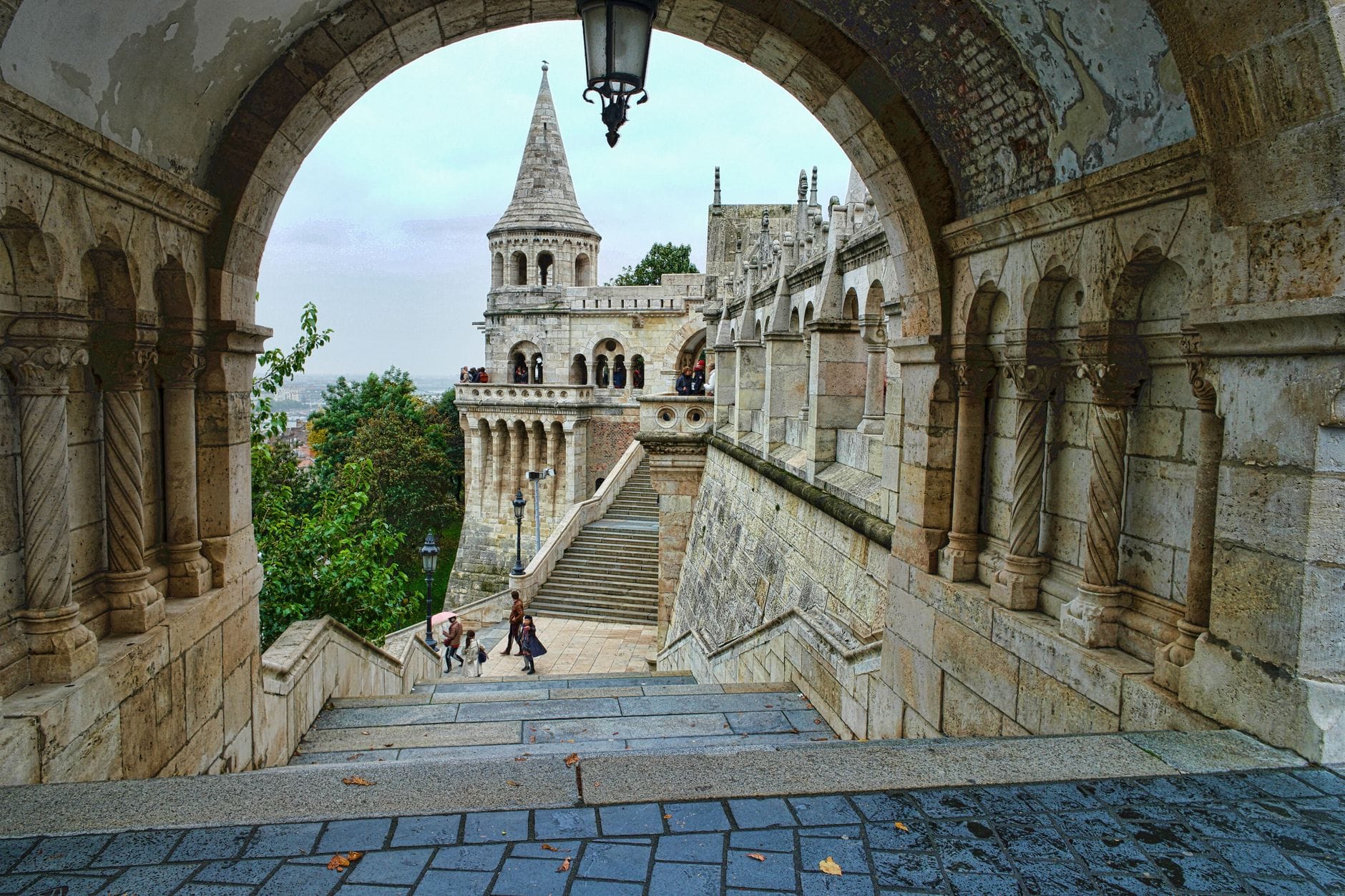
The Buda side is a different proposition. District I sits on a limestone plateau above the Danube, centered on Buda Castle and Fisherman's Bastion. The streets here are cobbled, medieval in layout, and largely free of chain restaurants and souvenir saturation after 7 PM when day-trippers leave. Hotels in the Castle District are almost uniformly upscale, with many properties in historic buildings that charge €150-300 or more per night.
The practical limitation is access. Getting to Pest-side restaurants, metro lines, or the Jewish Quarter requires crossing a bridge or taking the Castle Hill Funicular down to the Buda waterfront, then a tram or bus across the Danube. That round-trip adds 20-30 minutes to every evening out. For families or couples who plan to base themselves at the sights and aren't interested in late-night Pest, that's a reasonable trade. For anyone who wants to move around the city freely, it adds friction.
⚠️ What to skip
Tourist infrastructure on Castle Hill is thin after dark. Most restaurants near Fisherman's Bastion cater exclusively to tourists and are overpriced relative to quality. If you stay in District I, plan to commute to Pest for dinner rather than eating on the hill every night.
Other Areas Worth Knowing About
District XIII (Angyalföld-Újlipótváros) along the northern Pest riverfront has developed into a legitimate alternative base for longer stays. It's 10-15 minutes by tram to the center, apartment rates are 20-30% lower than District V, and the local food scene around Pozsonyi út is genuinely good. It won't suit a 2-3 day first visit, but for a week-long trip it offers real value. For thermal bath access specifically, Széchenyi Thermal Bath is easiest to reach from Districts VI or XIV (City Park area), while Gellért Thermal Bath is directly accessible from Districts I, XI, or the southern end of District V.
District IX (Ferencváros) borders the Danube south of the center and has undergone substantial investment around the Palace of Arts (Müpa) and the National Theatre. Hotel options are growing here, prices are more moderate than District V, and tram 2 runs along the riverfront directly into the heart of the city. It's worth considering if you're attending events at the cultural center or want riverfront views without paying District V rates.
- District V: Best overall, highest prices, most walkable to sights
- District VII: Budget and party-friendly, noisy on weekends, dense with hostels
- District VI: Mid-range sweet spot, architectural character, convenient M1 metro
- District I: Quietest, most atmospheric, higher prices, less practical for nighttime access to Pest
- District XIII: Best value for longer stays, local neighborhood feel, 10-15 min from center
- District IX: Up-and-coming, riverfront access, good for cultural events
Booking Tips, Pricing, and Seasonal Patterns
Budapest hotel prices follow a clear seasonal pattern. Peak season runs roughly May through September, with a secondary spike over Christmas and New Year. During these periods, central properties in Districts V and VI sell out weeks in advance, and prices for 3-star hotels can double compared to November or February. If your dates are flexible, late March through April and October offer a favorable combination of moderate weather, lower prices, and manageable crowd levels.
Budapest luxury hotels are concentrated in Districts V and VI, with several international brands occupying renovated palaces along the Danube and Andrássy. If that segment interests you, see the dedicated Budapest luxury guide for a more detailed breakdown. For practical guidance on getting around once you've chosen a base, the getting around Budapest guide covers metro lines, tram routes, and the airport transfer options in detail.
✨ Pro tip
Budapest imposes a local tourism tax (IFA) charged per person per night on top of advertised room rates. The amount is set by the city and applied at checkout. Always check whether the nightly rate shown includes this tax or adds it separately, particularly on booking platforms that show pre-tax prices by default.
One underrated factor in choosing a base is thermal bath proximity. Budapest has several major baths spread across different districts, and walking to the wrong one from your hotel can mean a 40-minute journey each way. If thermal bathing is a priority on your trip, read the Budapest thermal baths guide before finalizing your neighborhood choice. Széchenyi is in City Park (District XIV), Gellért is on the Buda riverfront (District XI border), Lukács is in District II, and Rudas sits at the foot of Gellért Hill in District I.
FAQ
What is the best area to stay in Budapest for first-time visitors?
District V (Belváros-Lipótváros) is the most practical choice for a first visit. It sits on the Danube riverfront with the Parliament, St. Stephen's Basilica, Chain Bridge, and the main shopping streets all within walking distance. It's also the best-connected district for reaching the rest of the city by public transport.
Are Budapest hotels expensive compared to other European capitals?
Budapest is generally more affordable than Western European capitals. A central 3-star hotel in peak season typically runs €80-120 per night; a well-located 4-star property might cost €150-220. Those same categories in Paris or Amsterdam would cost 50-80% more. Budget options (hostels, guesthouses) are available from around €15-45.
Is it better to stay on the Buda or Pest side?
For most visitors, Pest is more practical. The majority of restaurants, bars, markets, and metro lines are on the Pest side. Buda (specifically the Castle District) is quieter and more atmospheric, but requires crossing the Danube to access most nightlife and dining. If peace and historic scenery are your priority over convenience, Buda works well, especially for 4+ night stays.
Is District VII safe to stay in?
District VII is generally safe for tourists, including solo travelers. It has a lively street scene and is well-lit and populated at night. The main issue is noise, not safety: ruin bar streets can be very loud until the early hours on weekends. Pick accommodation on a quieter side street if you need to sleep before midnight.
How far in advance should I book a Budapest hotel?
For peak season (May-September) and the Christmas-New Year period, booking 2-3 months ahead is advisable for central properties, especially in District V and VI. For shoulder season (March-April, October-November), 3-4 weeks is usually sufficient. December 26 to January 1 is a surprise bottleneck that catches many visitors off-guard, so book early for those dates regardless of category.
Tickets & tours
Live prices and dates from our booking partner. If you book, we may earn a commission at no extra cost to you.
Planning a trip? Discover personalized activities with the Nomado app.