Budapest Card 2026: Is It Worth Buying and How to Use It
The Budapest Card bundles unlimited public transport with free museum entry, one free thermal bath visit at Lukács, and a free Danube river cruise into one pass. But at up to €129, it only pays off under specific conditions. Here's a clear breakdown of who should buy it, who should skip it, and how to activate it correctly.

Tickets & tours
Live prices and dates from our booking partner. If you book, we may earn a commission at no extra cost to you.
TL;DR
- The Budapest Card covers unlimited BKK public transport, free entry to 30+ museums, one free Danube river cruise, and one thermal bath visit at Lukács, plus 10–50% discounts at 50+ more venues.
- 2026 prices run from €53 (24 hours) to €129 (120 hours); always verify against the official site before purchasing.
- The card pays off if you visit 2–3 paid museums per day and use public transport regularly — check the best museums in Budapest to plan your itinerary.
- One card covers one adult plus one child under 6 only — groups or couples each need their own card.
- Buy online in advance, but note that digital vouchers must be exchanged for a physical card at the airport or designated city-centre points before use.
What the Budapest Card Actually Includes
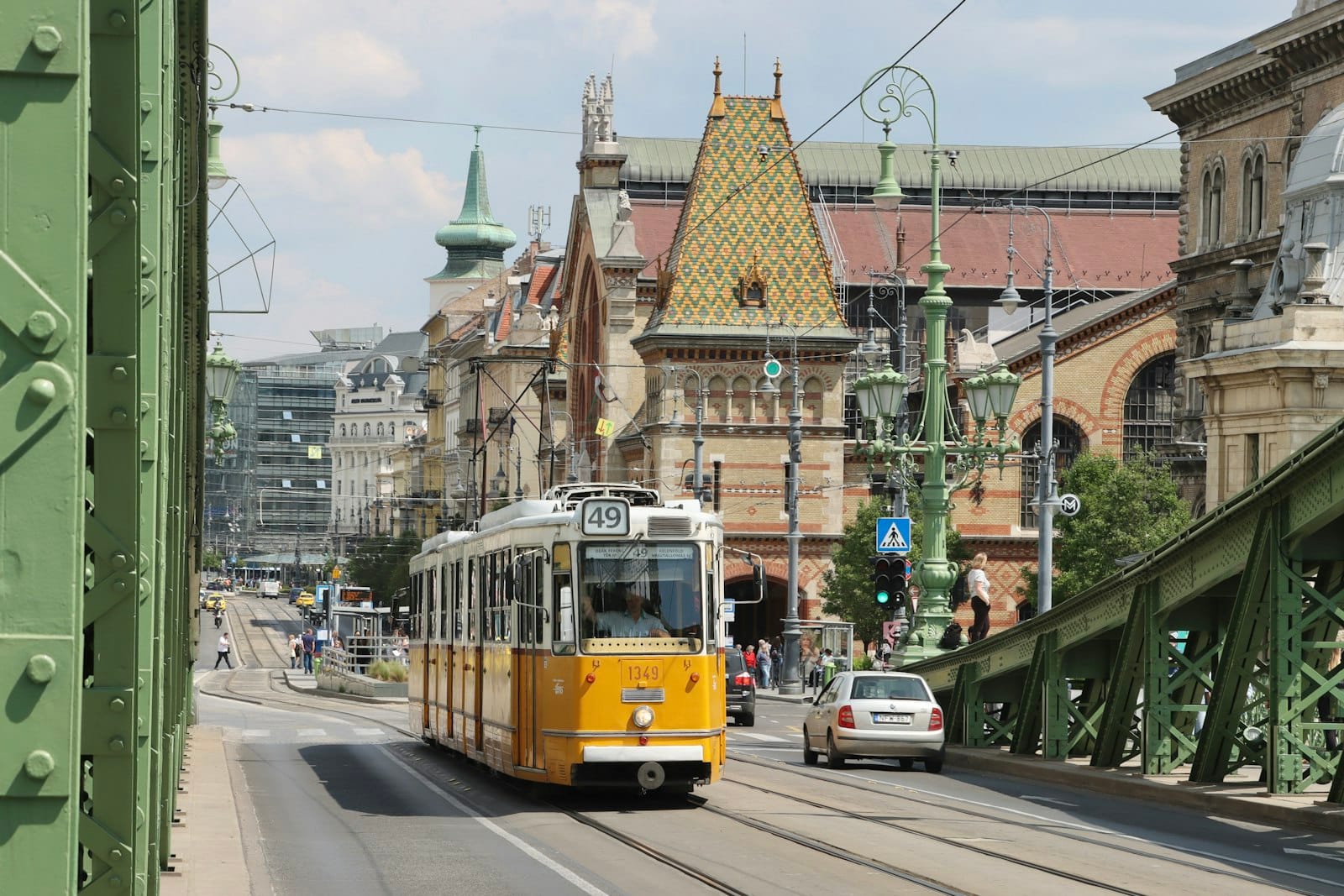
The Budapest Card is the official city pass for Hungary's capital, issued in partnership with BKK (Budapesti Közlekedési Központ), the city's transport authority. It is available in five durations: 24, 48, 72, 96, and 120 hours, all timed from the moment you first use it, not from midnight or a fixed calendar date.
The headline benefit is unlimited travel on BKK's entire network within the city: metro lines M1 through M4, trams, buses, trolleybuses, and suburban HÉV rail lines within Budapest's fare zones. You do not need to validate a separate ticket — you show the card during inspection. This alone saves a meaningful amount if you are making four or more journeys per day.
- Free thermal bath entry One visit to Lukács Thermal Bath (Szent Lukács Gyógyfürdő) is included. This is a single-use benefit — you cannot re-enter on the same card.
- 30+ free museums and attractions Includes the Museum of Fine Arts (Szépművészeti Múzeum), the Hungarian National Gallery, the Hungarian National Museum, and others. Entry is free for one visit per site.
- Discounts at 70+ venues 10–50% reductions at Széchenyi thermal bath (Gellért is closed for renovation until around 2028, so any listed Gellért discount is not usable), Danube river cruises, St. Stephen's Basilica tower, the Great Synagogue, select restaurants, and city walking tours. Always verify the current partner list on the official Budapest Card site.
- Free Zugliget Chairlift ride One complimentary ride on the Zugliget Chairlift (Zugligeti Libegő) in the Buda Hills — a seasonal bonus most visitors overlook.
- Heritage tram discounts (seasonal) Discounted rides on heritage trams along the Danube embankment, available May through October only.
⚠️ What to skip
The Budapest Card does NOT include the Castle Hill Funicular (Budavári Sikló). That requires a separate ticket. Also note that free entry to each attraction is one-time only per card — revisits are not covered.
2026 Prices and How to Buy
Official 2026 adult prices, valid until 30 April 2027, are as follows: 24 hours costs €53, 48 hours €69, 72 hours €85, 96 hours €112, and 120 hours €129. These are the standard adult rates. You will find lower figures cited on older blog posts or third-party resellers — treat anything below these numbers with caution unless you can verify a current promotional price directly on the official Budapest Card site. Prices are commonly listed in euros on the official site; forint equivalents vary with the exchange rate, so treat euro figures as a guide and confirm the live total before paying.
ℹ️ Good to know
Each card is valid for one adult and one child under 6 traveling together. It does not cover two adults. Couples and groups each need a separate card, which significantly affects the value calculation.
You can buy the card online at the official Budapest Card website, through 300+ BKK ticket machines across the city, or at points of sale at Budapest Liszt Ferenc International Airport (IATA: BUD), located around 16 km southeast of the city centre. If you purchase online, you receive a digital voucher that must be exchanged for a physical card at an official Budapest Card pick-up point before you can use it. You cannot simply show a PDF on your phone during a metro inspection.
💡 Local tip
Activate the card at the airport when you land if you plan to use public transport immediately. The 100E Airport Express bus to Deák Ferenc tér requires a separate airport shuttle ticket unless you choose the included standard route with bus 200E plus metro — so timing your first use right saves money from the start.
Honest Value Analysis: When It Pays Off
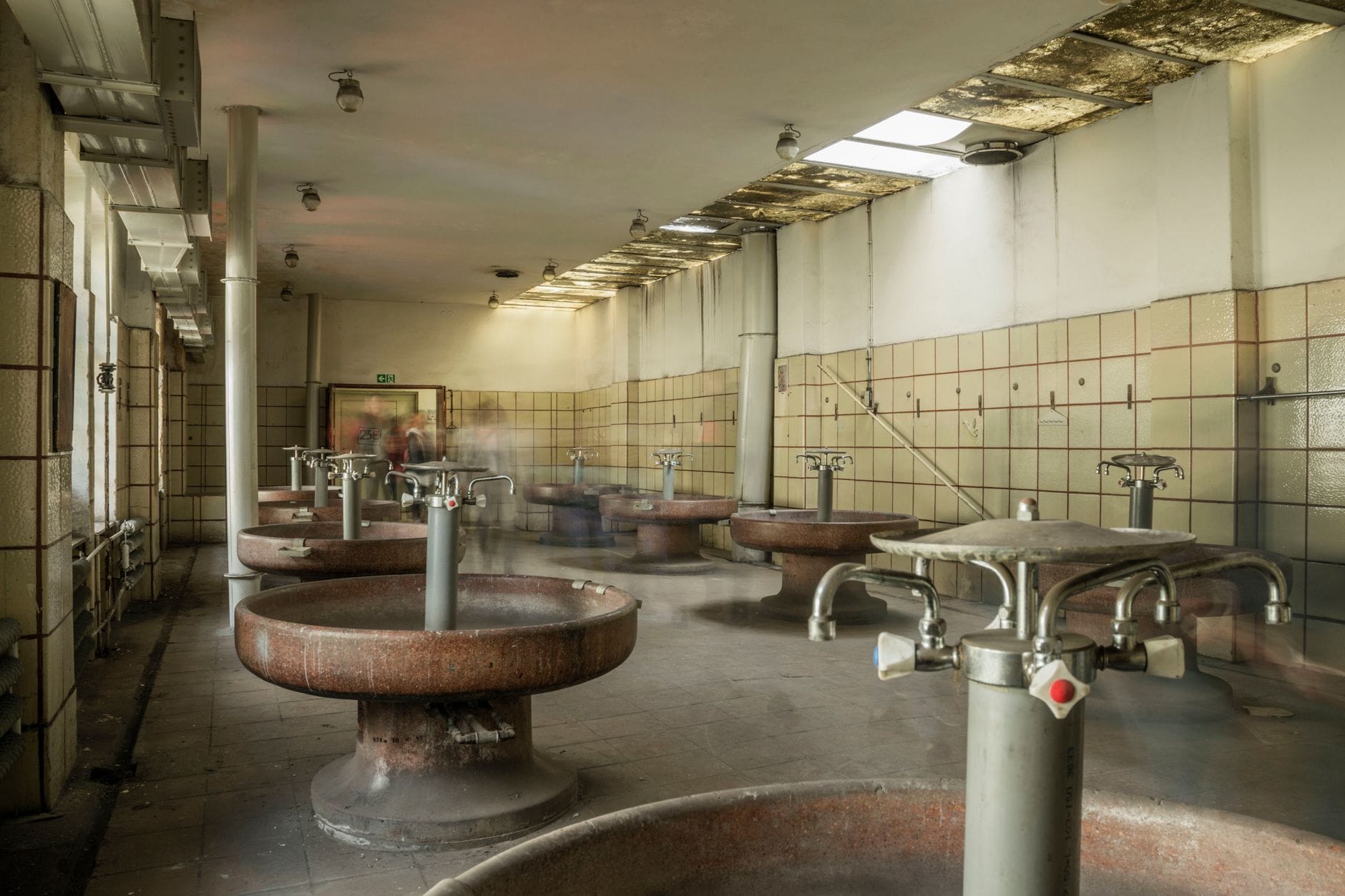
The Budapest Card is not a universal bargain. To assess whether it is worth buying, add up the individual costs of the experiences you actually plan to do. The free thermal bath entry at Lukács is worth around 4,000–6,000 HUF depending on day and time. Museum admissions — such as the Museum of Fine Arts or the Hungarian National Museum — each cost roughly 2,000–4,000 HUF individually. If you are visiting two or three paid museums per day plus using public transport four to six times daily, the 72-hour card at €85 typically breaks even or comes out ahead.
The card makes the most sense for first-time visitors on a packed 2–3 day itinerary covering multiple major attractions. If you are following something like the classic 3-day Budapest itinerary, the 72-hour card is the natural match. Visitors staying longer who plan rest days, leisurely café mornings, or day trips out of the city will see diminishing returns from the higher-duration cards.
The card is less compelling if your priorities are thermal baths above all else. Széchenyi is discount-only under the card (not free), Gellért is closed for renovation until around 2028, and Lukács — which is free — is a more workaday local bath rather than the grand experience many visitors are picturing. If a full thermal bath day is your main goal, compare the single-entry price against the card cost directly.
- Worth buying: First-time visitors, 2–4 day stays, museum-focused itineraries, heavy public transport users
- Borderline: 5-day visits with planned rest days or day trips outside Budapest
- Skip it: Visitors focused primarily on baths (discounts only at main baths), those spending most time in one neighborhood on foot, repeat visitors who know the city
What the Card Does Not Cover (Read Before Buying)

Several of Budapest's most-visited attractions either sit outside the card's free tier or are excluded entirely. The Castle Hill Funicular requires a separate fare. Entry to the viewing areas of the Hungarian Parliament Building is not covered — guided tours there need to be booked independently. The Széchenyi Thermal Bath and Gellért Thermal Bath offer only a discount, not free entry — and Gellért is closed for renovation until around 2028, so that discount is not usable while the baths are shut.
Also worth noting: airport transport on the 100E Airport Express bus is not included. The 100E Airport Express bus requires its own ticket on top of the card. If you are arriving in Budapest and want to use the 100E from the airport, you need to buy a separate airport bus ticket or instead use the card on the regular 200E bus to Kőbánya-Kispest metro station, then transfer to the metro into the centre. For a full breakdown of airport connections, see the guide to getting around Budapest.
✨ Pro tip
The BKK also sells a standalone 72-hour Budapest travelcard that covers public transport only, at a significantly lower price than the Budapest Card’s 72-hour version. If museums are not on your agenda and you just want to move around the city freely, the travelcard is the smarter buy.
How to Use the Budapest Card Efficiently
The card activates the moment you first use it — whether that is tapping into a metro station or presenting it at an attraction. From that moment, the clock runs continuously, including overnight. A 72-hour card activated at 2pm on Monday expires at 2pm on Thursday, not at midnight. Plan your activation accordingly: if you arrive late in the evening, consider waiting until the next morning to use it for the first time unless you have a specific evening attraction lined up.
Front-load your itinerary with free-entry attractions. The Hungarian National Gallery inside Buda Castle and the Museum of Fine Arts near Heroes' Square are both free with the card and represent full-day visit potential on their own. Pair them with the Lukács Bath on your first full day and you have already covered the card's face value.
Keep the physical card accessible rather than buried in your bag. Metro inspectors check frequently on busy lines, particularly M2 (the red line) and M3 (the blue line). Fumbling for the card at the barrier slows you down and can cause issues at turnstile-gated stations. On trams and buses, inspectors board at stops without warning — have the card in a front pocket or jacket pocket.
Seasonal Factors That Affect the Card's Value
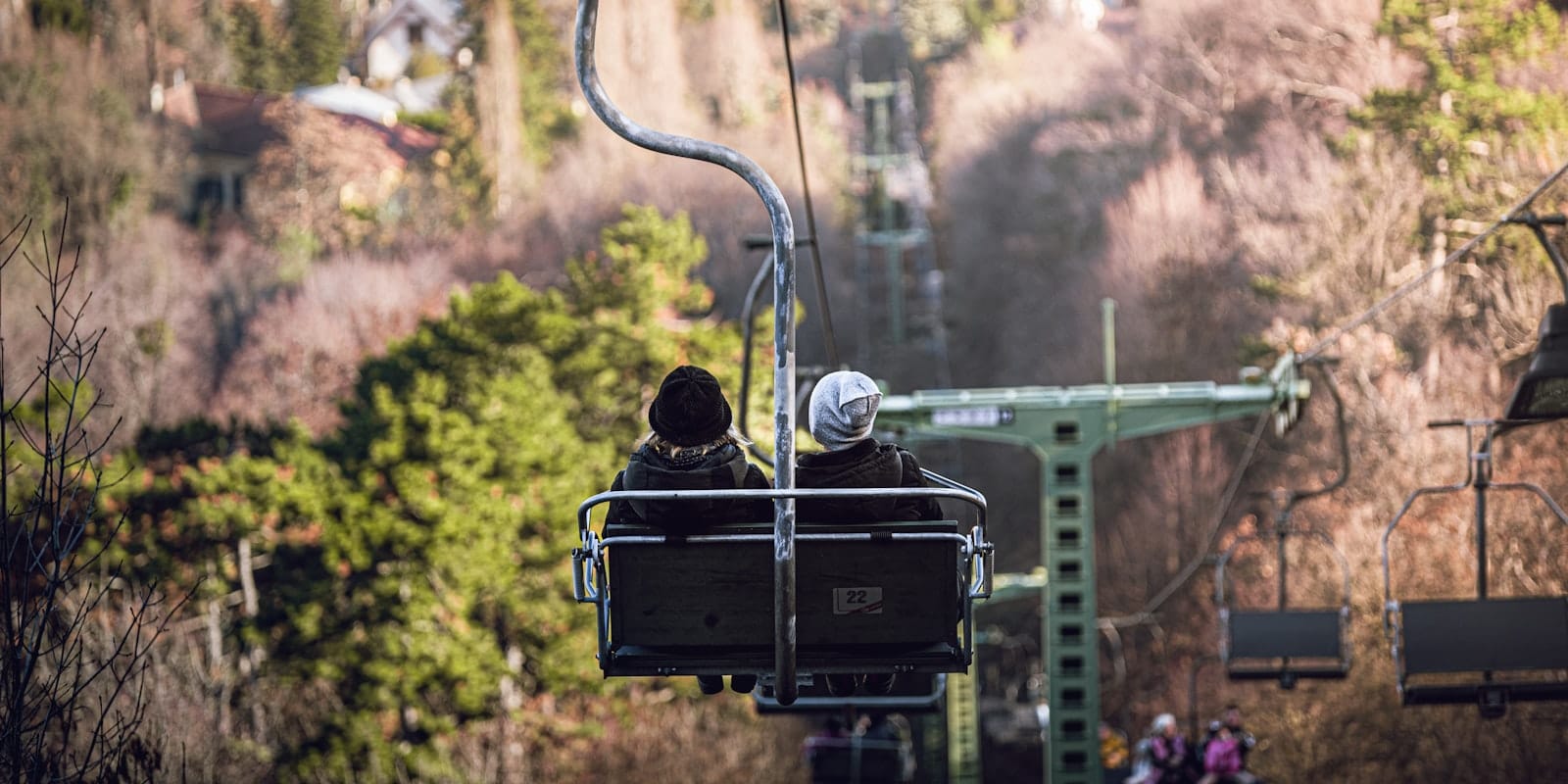
Some Budapest Card benefits are seasonal. Heritage trams running along the Danube embankment — a discounted ride with the card — operate only from May through October. The Zugliget Chairlift (Zugligeti Libegő), which gives access to the Buda Hills trails, also has reduced winter operations. If you are visiting in December or the colder months, a couple of the outdoor bonuses included in the card become irrelevant.
Summer visitors (June through August) get the most out of the card in terms of outdoor extras, but also encounter longer queues at major free-entry museums and attractions. If you are visiting in peak season, budget extra time at each site. Spring (late April through May) and early autumn (September through October) offer the best balance of usable benefits and manageable crowds — this lines up with the best time to visit Budapest for most travellers.
FAQ
Is the Budapest Card worth it for a 2-day trip?
Yes, for most first-time visitors on a 2-day trip. The 48-hour card at €69 covers unlimited transport plus free entry to Lukács Bath and multiple museums. If you visit two paid museums and use the metro 4+ times daily, you will typically recover the cost. If your plans are light on museums or you prefer staying in one area on foot, the value diminishes.
Does the Budapest Card include the Széchenyi thermal bath?
No, Széchenyi Bath is not included for free. The card provides a discount (typically around 20%) on entry. Only Lukács Thermal Bath is included as a free one-time visit. Check the official Budapest Card partner list before your trip as discounts are updated seasonally.
Can I use the Budapest Card for the airport bus?
No. The 100E Airport Express bus requires its own ticket even if you hold a Budapest Card. The card covers standard BKK city transport, but the airport express line has a separate fare structure. You can use the card on the regular 200E bus to Kőbánya-Kispest metro station, then transfer to the metro into the centre.
Where can I buy the Budapest Card?
Online at the official Budapest Card website, at Budapest Liszt Ferenc International Airport, at 300+ BKK ticket machines across the city, and at select tourist information points. Online purchases generate a voucher that must be exchanged for a physical card before use — you cannot use a digital voucher directly during ticket inspections.
Does the Budapest Card cover children?
Each adult Budapest Card covers one accompanying child up to the age of 6 for free. Children aged 6 and over are not covered and require their own card or separate ticket, as there is no reduced child fare for the Budapest Card itself.
Tickets & tours
Live prices and dates from our booking partner. If you book, we may earn a commission at no extra cost to you.
Planning a trip? Discover personalized activities with the Nomado app.