3 Days in Budapest: The Perfect Itinerary
Three days is exactly enough time to get a serious handle on Budapest. This itinerary splits the city logically across both banks of the Danube, covers the unmissable sights without rushing, and leaves room for the thermal baths, Jewish Quarter, and a proper evening out.
Plan and book this trip
Tools from our partner Travelpayouts help you compare flights and hotels. If you book through them, we may earn a commission at no extra cost to you.
Flights
Hotels map
TL;DR
- Structure your Budapest itinerary as one day in Pest, one in Buda, and one for baths, markets, and City Park to cover the city without backtracking.
- Book Hungarian Parliament tours in advance online — same-day tickets regularly sell out in peak season (May–September). See our best time to visit Budapest guide for seasonal crowd patterns.
- Thermal baths are cultural landmarks, not just spa options — Széchenyi deserves a dedicated half-day (Gellért is closed for renovation until around 2028; Rudas or Lukács are strong alternatives).
- Public transport (metro, tram, bus) handles almost every route in this itinerary. A Budapest Card covers unlimited transit plus free or discounted entry to major attractions.
- Three full days is enough for a solid overview of Budapest — but only if you stay focused and keep the two sides of the Danube separate.
Before You Arrive: Logistics That Actually Matter
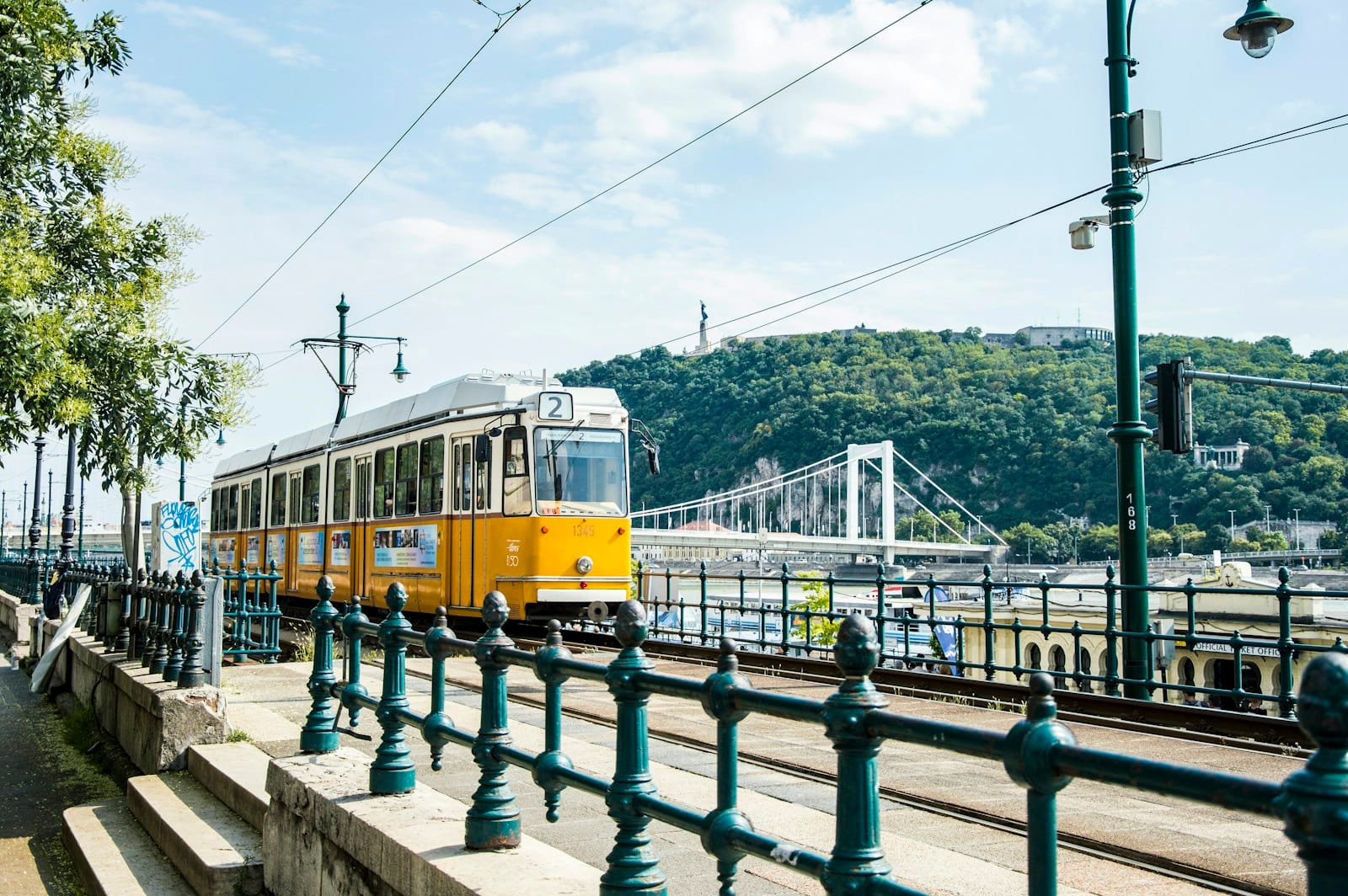
Budapest is served by an efficient public transport network operated by BKK (Budapesti Közlekedési Központ), covering four metro lines, trams, buses, and suburban rail (HÉV). For a 3-day visit, you will not need taxis for most journeys. Buy a 72-hour travel pass from any metro station or BKK app on arrival — it covers unlimited rides and pays for itself within the first few hours.
Budapest Liszt Ferenc International Airport (IATA: BUD) sits roughly 16 km southeast of the city centre. The 100E Airport Express bus runs directly to Deák Ferenc tér in central Pest and requires a separate airport bus ticket. The slower but cheaper option is bus 200E to Kőbánya-Kispest, then Metro M3 into the centre. Licensed taxis from the airport use regulated per-kilometre rates — only use vehicles from official stands and avoid anyone approaching you in the arrivals hall. Verify current fares and ticket prices on the BKK website before travel, as these change periodically.
⚠️ What to skip
Uber ceased operations in Hungary in 2016. Ride-hailing options are limited to local taxi apps. Your hotel can recommend a reliable company — do not hail random street taxis in tourist areas, where overcharging is a documented problem.
Hungary uses the Hungarian forint (HUF). While many central Budapest restaurants and shops accept cards, smaller places, market stalls, and public baths sometimes prefer cash. Withdraw forints from bank ATMs rather than currency exchange booths in tourist corridors, where rates are often punishing. Budapest is part of the Schengen Area, so EU/EEA citizens and many other nationalities can enter visa-free for short stays — check the Hungarian government's official portal for your nationality before booking.
Day 1: Pest — Parliaments, Markets, and the Jewish Quarter
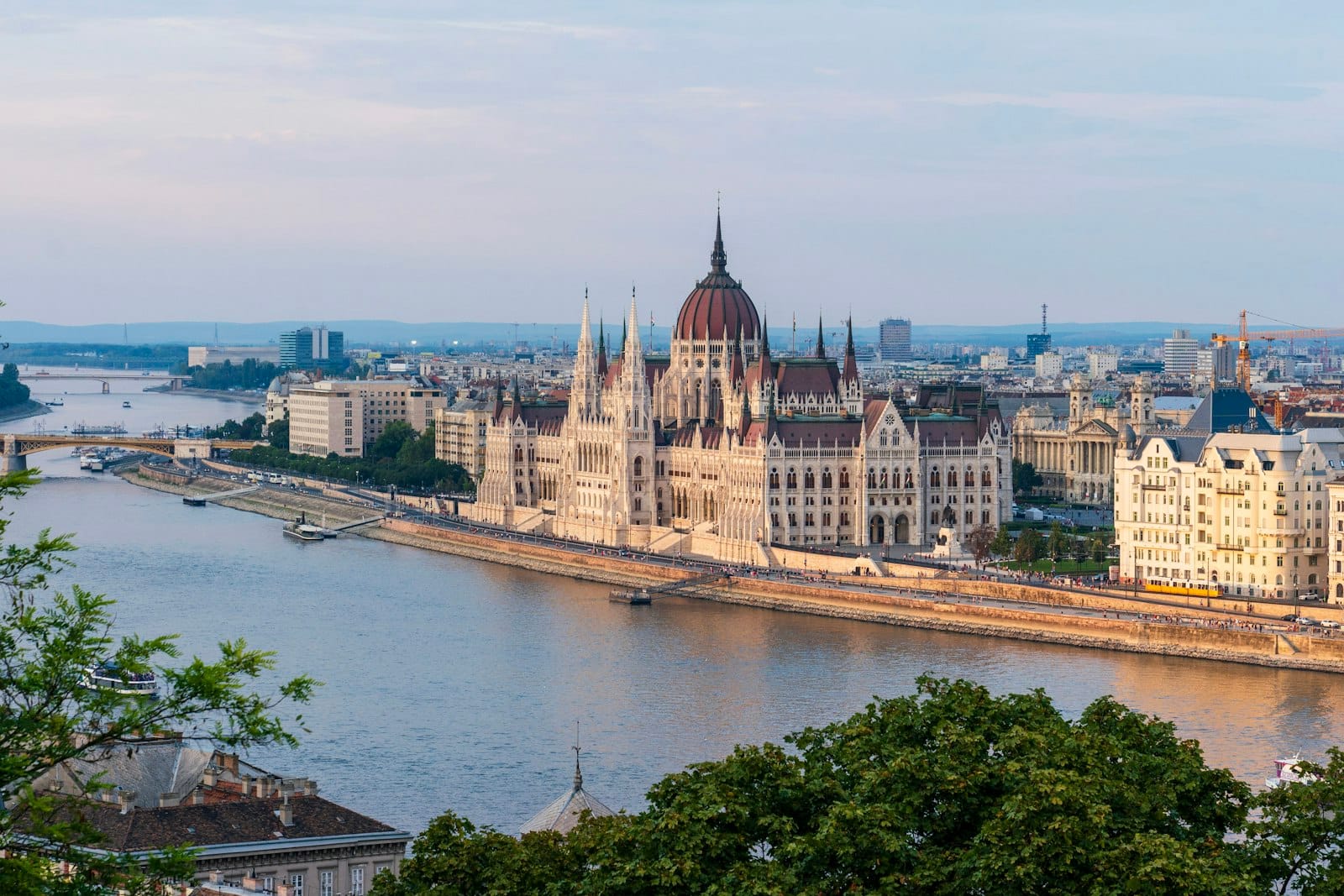
Start your first morning at the Hungarian Parliament Building on the Pest riverbank. Tours typically begin from around 8:00 and run every 30 to 60 minutes depending on the season and language. The visit takes roughly 45 minutes and covers the main staircase, the Dome Hall housing the Holy Crown of Hungary, and the National Assembly chamber. Book online through the official Országház website — in peak season (June through August), morning slots regularly sell out by mid-week.
After the Parliament, walk south along the Danube embankment to the Shoes on the Danube memorial, then continue to St. Stephen's Basilica in District V. The Basilica's dome offers one of the better elevated views over central Pest — the climb up is worth it if you are not saving your viewpoint budget for the Fisherman's Bastion the next day.
Spend the afternoon in District VII, the historic Jewish Quarter. The Great Synagogue on Dohány Street is the largest in Europe and merits at least an hour, including the adjacent cemetery and Holocaust memorial. The surrounding streets of Erzsébetváros contain some of the city's most compelling architectural layering — ornate pre-war facades sitting alongside post-communist decay and recent renovation.
End the evening in the Jewish Quarter's ruin bar district. The original and most famous is Szimpla Kert on Kazinczy Street — a converted factory courtyard filled with mismatched furniture, local art, and a genuinely diverse crowd of residents and visitors. It opens in the early afternoon and peaks around 10pm. Arrive before 9pm on weekends to avoid the longest queues.
💡 Local tip
Szimpla Kert also hosts a Sunday farmers' market in the mornings. If your itinerary falls over a weekend, this is worth restructuring your Day 1 start around — it is far more local in character than the Central Market Hall and far less crowded.
Day 2: Buda — The Castle District, Gellért Hill, and the Chain Bridge
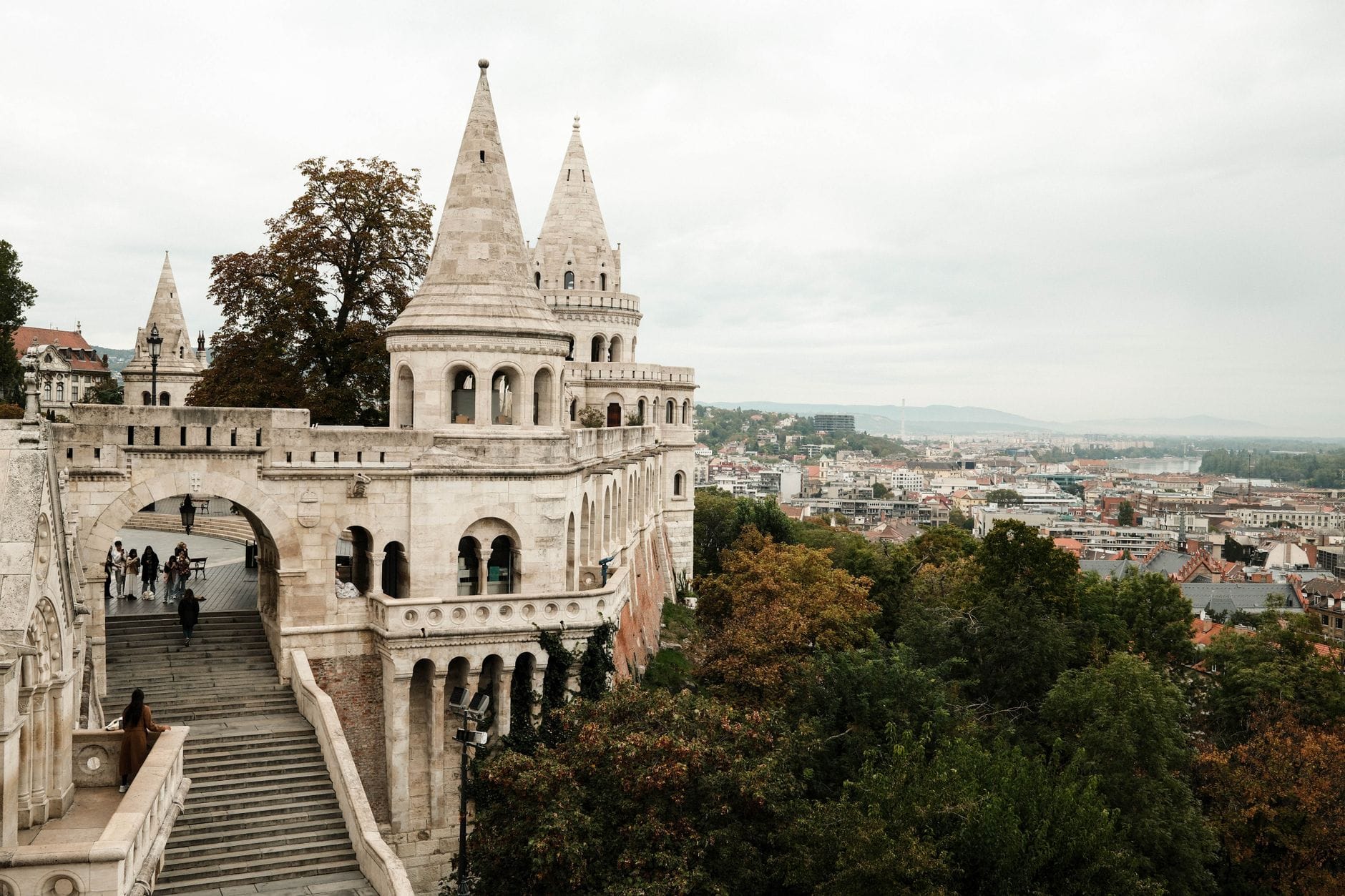
Cross to the Buda side early, before coach tour groups arrive around 10am. The Castle Hill Funicular runs from the Chain Bridge up to the Castle District and is an efficient way to start the climb, though the cobblestone path from the south takes about 15 minutes on foot if you prefer it. The Fisherman's Bastion terrace is free to walk around (a small fee applies for the upper towers); the views over the Parliament and the Danube bridges are the best in the city and best experienced before 9:30am.
From the Bastion, the Matthias Church is directly adjacent. Its interior tilework is genuinely unusual — the geometric patterns reflect Hungarian Art Nouveau influence layered over a medieval Gothic structure. Entry requires a ticket. Immediately downhill, the Buda Castle complex houses the Hungarian National Gallery and the Budapest History Museum. Both are worth time if you have it, but for a 3-day trip, the Gallery's permanent collection of Hungarian painting from the 19th and 20th centuries is the stronger pick.
In the afternoon, descend to the riverbank and walk south across the Liberty Bridge toward Gellért Hill. The hill tops out at 235 metres above the river and the walk up takes 20 to 30 minutes depending on your route. The Citadella at the summit is currently under renovation, but the views from the terraces below it remain fully accessible. On the way down, the Gellért Thermal Bath sits at the hill's base — an Art Nouveau building from 1918 whose exterior is still worth a look, though the baths are closed for renovation until around 2028 (soak at Széchenyi on Day 3, or Rudas nearby).
✨ Pro tip
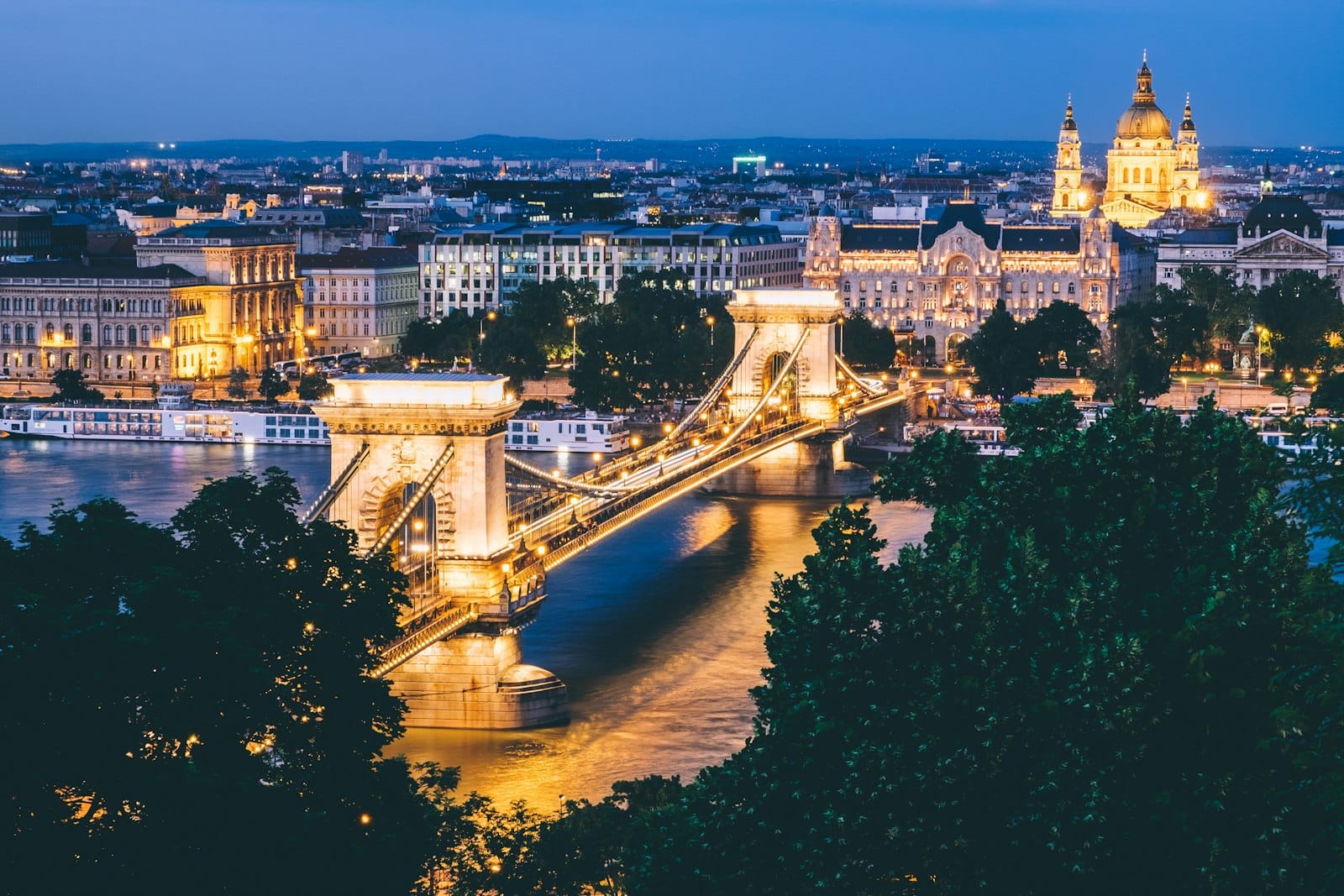
The Chain Bridge is Budapest's most photographed crossing, but Tram 2 running along the Pest embankment gives a comparable river view from a moving vantage point and is practically free with a transit pass. Take it at dusk on Day 1 or Day 2 for the Parliament lit up against the water.
Day 3: Baths, Markets, and City Park
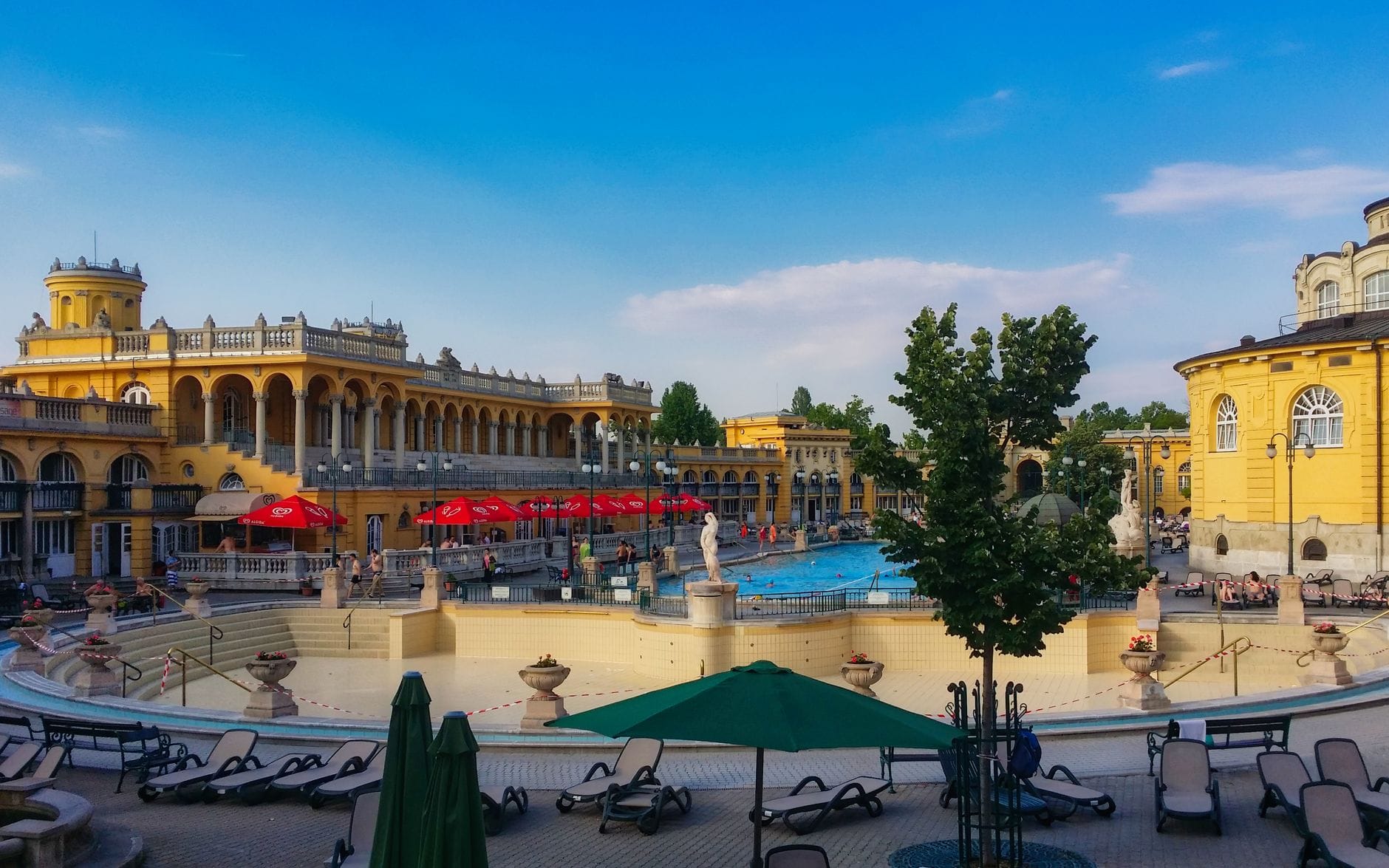
Reserve Day 3 morning for the Széchenyi Thermal Bath in City Park. This is Budapest's largest bath complex and the most architecturally impressive, with outdoor pools, multiple indoor pools at varying temperatures, and steam rooms. Budget two to three hours. Arrive when it opens to claim a locker and avoid midday crowding in summer. The outdoor pools operate year-round — seeing steam rise off the water in cooler months is one of those experiences that is hard to describe adequately and genuinely worth planning around.
After the baths, Heroes' Square is a two-minute walk. The Millennium Monument at its centre lists the seven Magyar chieftains who led the Hungarian conquest of the Carpathian Basin in 895 — it is one of those civic spaces that rewards five minutes of reading the context rather than just photographing it. Directly behind the square, Vajdahunyad Castle in City Park was originally built as a temporary exhibition structure in 1896 and then made permanent due to popular demand. The lake in front of it is an ice rink in winter.
Return to central Pest in the early afternoon for the Central Market Hall on Fővám tér (just north of the Liberty Bridge on the Pest side). The ground floor is the practical level — fresh produce, butchers, pick up paprika and Hungarian salami if you are buying food to take home. The upper gallery sells tourist goods at tourist prices; the food stalls there are overpriced compared to what you will find one street back from the market in any direction. It is worth knowing before you queue for a lángos.
Practical Notes: What to Know Before You Go
- Best time to visit May to June and September to early October offer the best combination of mild temperatures (roughly 15–22°C), manageable crowds, and outdoor comfort. July and August are hot (highs around 28–32°C), very crowded, and when summer festival season runs — loud and energetic, but not the most comfortable for long walks.
- Pre-booking requirements Parliament tours: book online in advance, especially April through September. Thermal baths: check opening hours and any timed-entry changes on official sites before arrival. Széchenyi has its own booking portal; Gellért is closed for renovation until around 2028.
- English fluency In central tourist areas, English is widely spoken in hotels, restaurants, and at major attractions. Away from the main circuits — particularly in local markets, local transport, and residential neighbourhoods — Hungarian only is common. Download a basic offline translator.
- Tipping customs Tipping 10–15% is standard at sit-down restaurants where service is not already included in the bill. Check the receipt — some venues add a service charge automatically. Rounding up is acceptable at bars and cafés. Taxi drivers also expect a tip or rounding to the nearest reasonable amount.
- Tap water Tap water in Budapest meets EU drinking water standards and is safe to drink. There is no need to buy bottled water unless you prefer it.
How to Adjust This Itinerary
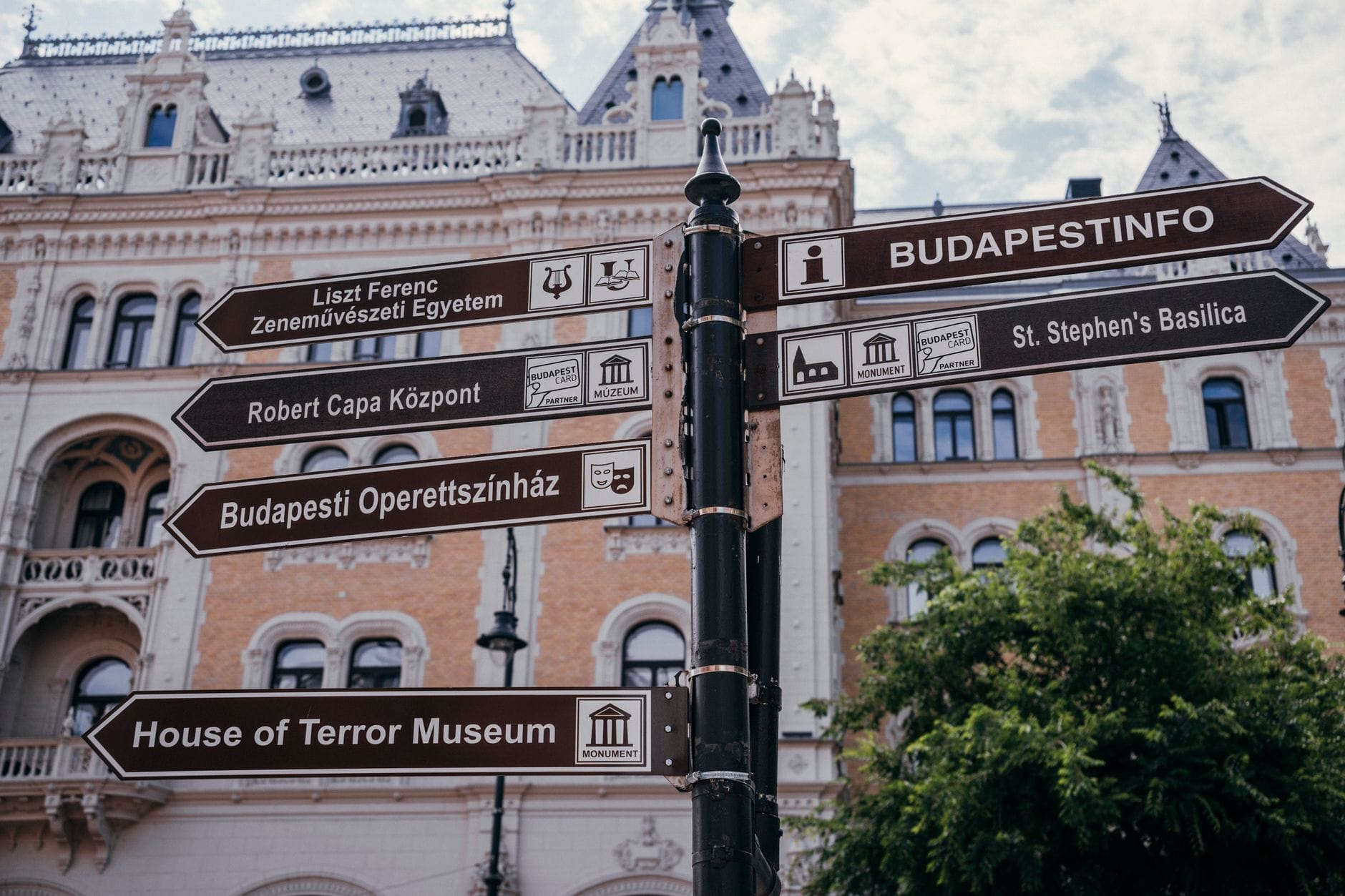
If you have a particular interest in Budapest's 20th-century history, replace part of Day 1 with the Terror Háza (House of Terror) on Andrássy Avenue. It is a museum of the Hungarian experience under both Nazi and Soviet occupation, housed in the former secret police headquarters. It is confronting and detailed, and not a casual afternoon stop. Plan two hours minimum. The building's exterior — with its perforated metal frame and the word TERROR cut into it — is itself a statement visible from the street.
Travelling with children changes the calculus considerably. The Budapest Zoo and Margaret Island are both in or near City Park and work well as alternatives to the baths on Day 3. Margaret Island has a running track, thermal pools of its own, and open green space — good for families who need a slower pace. See our dedicated guide on Budapest with kids for a fully restructured version of this itinerary.
- Short on time: If you only have 2 days, cut City Park and the market from Day 3 and fold Széchenyi into Day 1 as an evening soak after the Jewish Quarter.
- More time: A fourth day works well for a day trip to Szentendre (45 minutes by HÉV suburban rail) or the Buda Hills, which offer forest trails and the Széchenyi Children's Railway.
- Night owls: Budapest's nightlife centres on the Jewish Quarter ruin bars and the club district around Akácfa Street. Most venues peak between 11pm and 3am Thursday through Saturday.
- Architecture focus: Andrássy Avenue from the Opera House to Heroes' Square is a UNESCO World Heritage corridor — walk its full 2.5 km length on Day 3 morning before heading to City Park.
ℹ️ Good to know
Budapest is divided into 23 districts (kerületek). Most tourist sites sit in Districts I (Buda Castle), V (Parliament, Inner City), VI (Andrássy Avenue), VII (Jewish Quarter), and XIV (City Park). When using Google Maps or transit apps, district numbers are a reliable way to confirm you are heading to the right part of the city.
FAQ
Is 3 days enough for Budapest?
Yes — three full days is sufficient to cover Budapest's major sights on both sides of the Danube, spend meaningful time in a thermal bath, and get a feel for the city's food and nightlife. The key is keeping Buda and Pest separate across your days rather than crossing the river constantly. You will not exhaust the city in three days, but you will leave with a solid, coherent picture of it.
Do I need to book Budapest attractions in advance?
The Hungarian Parliament requires advance booking, especially from April through September when tours sell out multiple days ahead. Thermal baths generally do not require pre-booking for general entry, but checking the official sites for any timed-entry requirements before arriving is sensible. The Great Synagogue can have queues in peak summer; booking online saves 30–45 minutes of waiting.
What is the best area to stay in Budapest for a 3-day visit?
For this itinerary, staying in central Pest — Districts V, VI, or VII — puts you within walking distance of the Parliament, Jewish Quarter, market, and direct metro access to City Park. Buda is quieter and more scenic, but requires crossing the river every time you head to Pest-side attractions. First-time visitors are generally better served by a central Pest base.
Which thermal bath should I visit: Széchenyi or Rudas?
For 2026 travel, choose Széchenyi: it is larger, more social, and has the famous outdoor pools. Gellért is closed for major renovation (October 2025 until around 2028), so it is not an option for soaking right now. If you want a more contained, atmospheric alternative to Széchenyi, Rudas (rooftop pool, Ottoman core) is the better open pick.
Is Budapest safe for tourists?
Budapest is generally considered safe for tourists by European standards. Petty theft — pickpocketing in crowded transit hubs, tourist markets, and busy attractions — is the main concern, as in any major European city. The greater practical risk for visitors is taxi overcharging: use only licensed taxi companies (your hotel can recommend one) and avoid anyone offering rides informally near the airport or tourist sites.