Best Time to Visit Budapest: A Month-by-Month Guide
Budapest rewards visitors in every season, but the timing of your trip shapes everything from what you pay to how crowded the sights are. This guide breaks down every month so you can match your priorities, whether that's mild weather, low prices, major festivals, or the city's legendary Christmas markets.
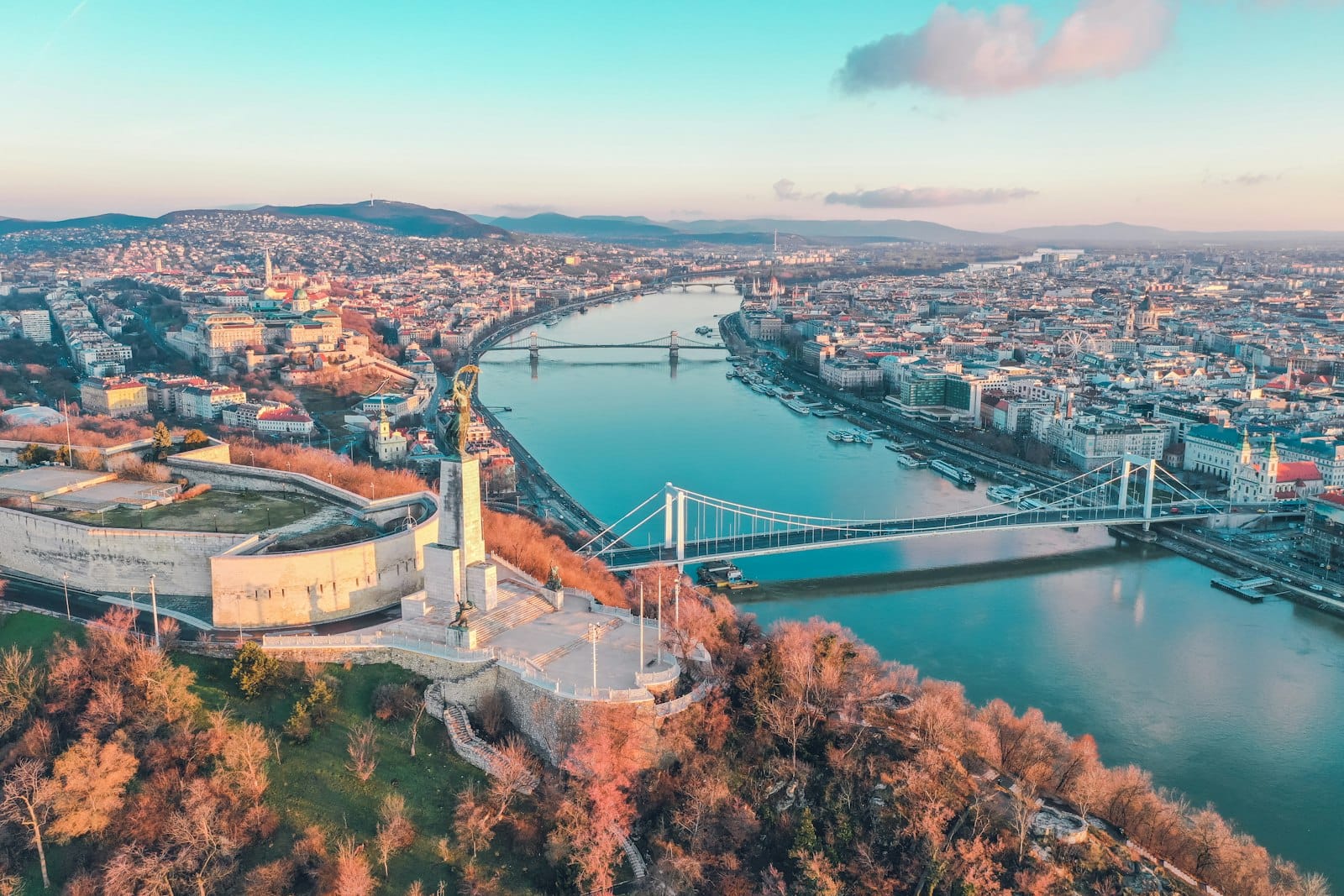
Plan and book this trip
Tools from our partner Travelpayouts help you compare flights and hotels. If you book through them, we may earn a commission at no extra cost to you.
Flights
Hotels map
TL;DR
- Best overall months: May and September offer mild temperatures (15–22°C), manageable crowds, and solid value on accommodation.
- Peak season runs June through August: expect highs above 30°C, higher hotel rates, and queues at top Budapest attractions.
- Budget travellers should target January and February: prices drop significantly and Budapest's thermal baths are at their atmospheric best.
- December is worth considering for the Christmas markets, despite the cold.
- Budapest is not a seasonal city: every month has a genuine reason to visit.
Budapest's Climate at a Glance
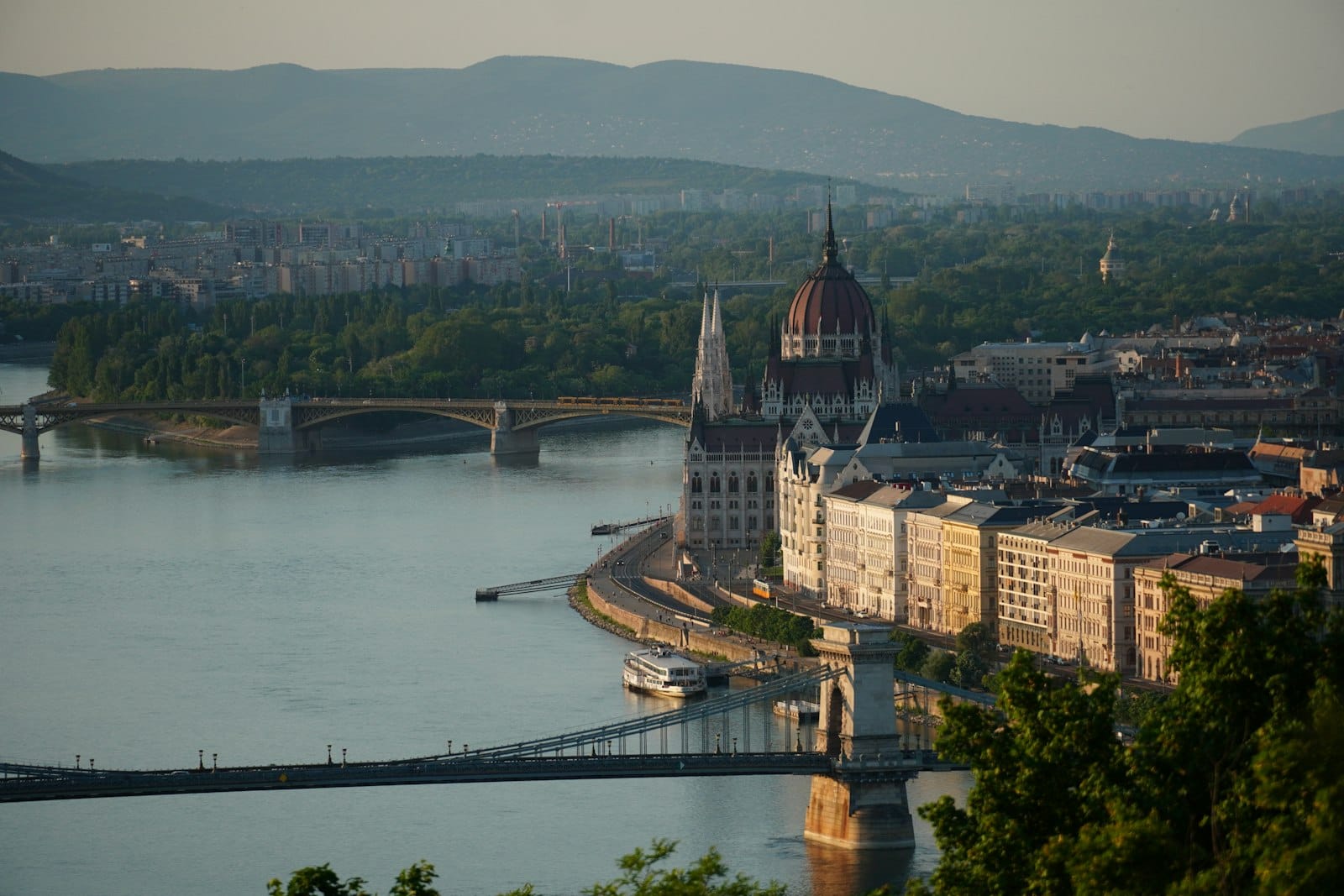
Budapest has a continental climate: cold winters, warm to hot summers, and two distinct shoulder seasons in spring and autumn. The Danube divides the city between hilly Buda on the west bank and flat Pest on the east, and that geography can make Buda feel a degree or two cooler in winter due to its elevation. Rainfall peaks in May and June, with shorter, heavier showers rather than persistent drizzle. Mid-summer is often the driest stretch of the year, though the heat can be intense.
- Winter (December–February) Average highs around 2–5°C, regular frost, occasional snow. Cold but rarely paralyzing.
- Spring (March–May) Temperatures climb from around 10°C in March to 22°C by late May. Blossom season arrives by April.
- Summer (June–August) Average highs of 27–31°C. July is typically the hottest month. Humidity can make city walking uncomfortable midday.
- Autumn (September–November) September starts warm at around 22°C and cools steadily. November can drop to 5–8°C with grey skies.
ℹ️ Good to know
Budapest operates on Central European Time (CET, UTC+1) in winter and Central European Summer Time (CEST, UTC+2) from late March to late October. Longer daylight hours in May through August mean you get significantly more usable sightseeing time in the evenings.
Spring (March to May): The Best Time for Most Visitors
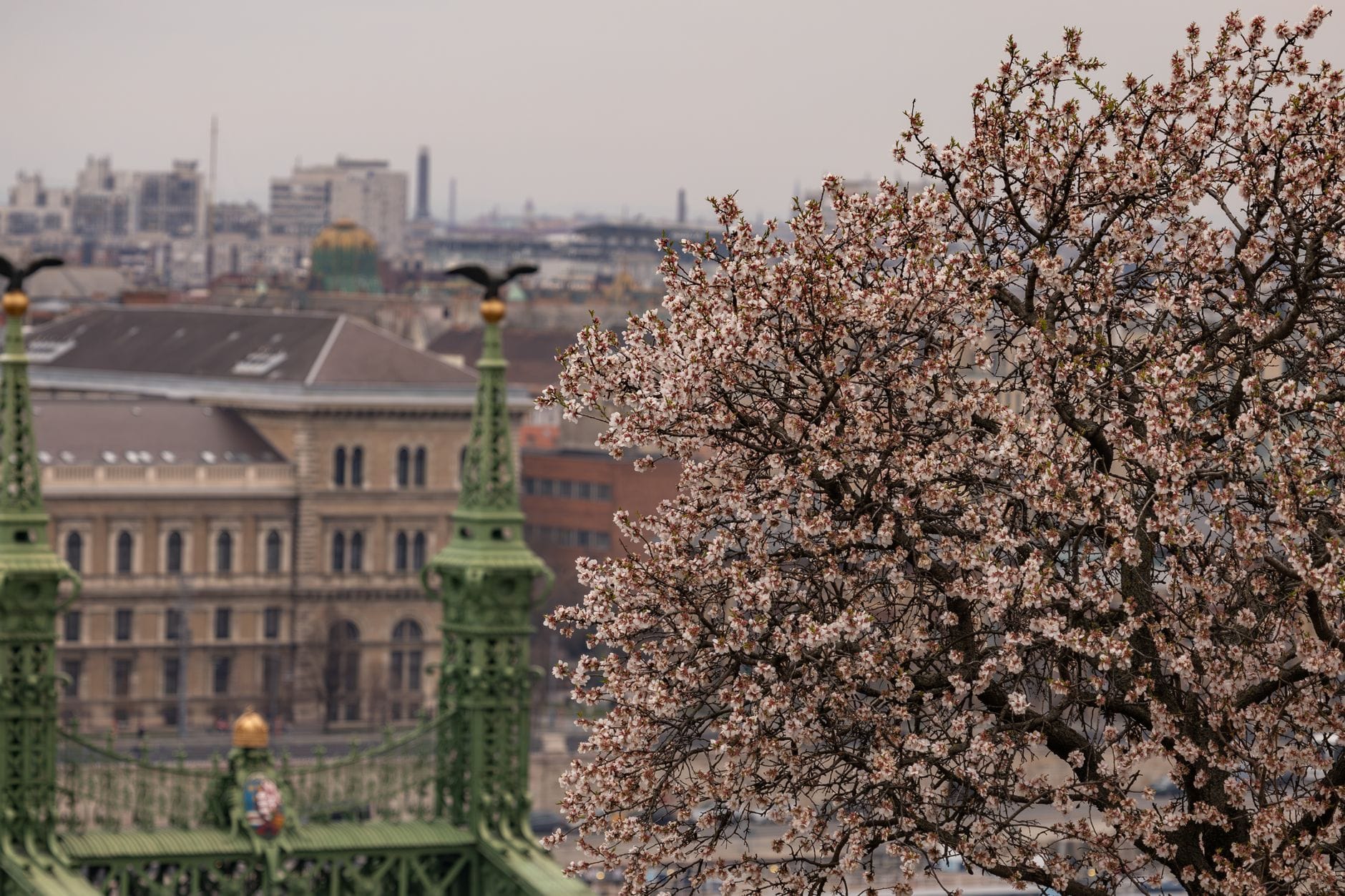
April and May are, by most measures, the peak of quality travel in Budapest. Temperatures are comfortable for walking the hills of Buda or exploring Pest's grand boulevards without overheating. The city's parks and the banks of the Danube come alive with colour, and outdoor terraces start filling up at cafes and restaurants. Crowds are noticeably lower than in July and August, and hotel prices reflect that.
March is a transitional month: mild days are possible but expect cold snaps and rain. By the end of April, most visitors find conditions close to ideal. Budapest has traditionally hosted a Spring Festival bringing classical music, opera, and cultural events across the city, but formats and dates change, so check current listings before planning around it. If you are planning to visit Fisherman's Bastion or Buda Castle without navigating large tour groups, an early May morning is about as good as it gets.
May does carry a higher chance of rain showers, particularly in the afternoons. They pass quickly and rarely last all day. Packing a light rain jacket is sensible rather than optional. Accommodation prices in May are moderate: higher than January but noticeably lower than July and August.
✨ Pro tip
If you visit in late April or early May, book thermal bath visits on weekday mornings. Széchenyi and other major baths start drawing weekend crowds from spring onwards, but weekday mornings are generally more manageable than afternoons and weekends throughout the warmer months.
Summer (June to August): Festivals, Heat, and High Season
Summer is Budapest's busiest season without question. The city fills with international visitors, prices rise, and queues appear at the most popular attractions. That said, summer has a genuine case for itself: the outdoor festival programme is exceptional, the Danube riverbanks become social hubs, and the long evenings are made for rooftop bars and open-air venues.
Sziget Festival, one of Europe's largest music events, runs for a week in August on an island in the Danube. Open-air cinema screenings and numerous street food events fill the calendar from June onwards, especially around central districts and the Danube. The Budapest nightlife scene peaks in summer, with the city's famous ruin bars operating extended outdoor hours.
The practical downsides are real. July temperatures regularly exceed 30°C, and hitting iconic outdoor spots like Heroes' Square or the Castle District at midday is genuinely unpleasant. Early mornings and evenings are when the city rewards you in summer. Book accommodation well in advance, particularly for August, when Sziget alone pulls over 500,000 visitors across its run.
⚠️ What to skip
Avoid visiting the Parliament building, Fisherman's Bastion, or the Chain Bridge at midday in July and August. Without shade and with temperatures above 30°C, these open-air spots become uncomfortable, and the crowds are at their thickest. Go before 9am or after 6pm for a completely different experience.
Autumn (September to November): Underrated and Often Overlooked
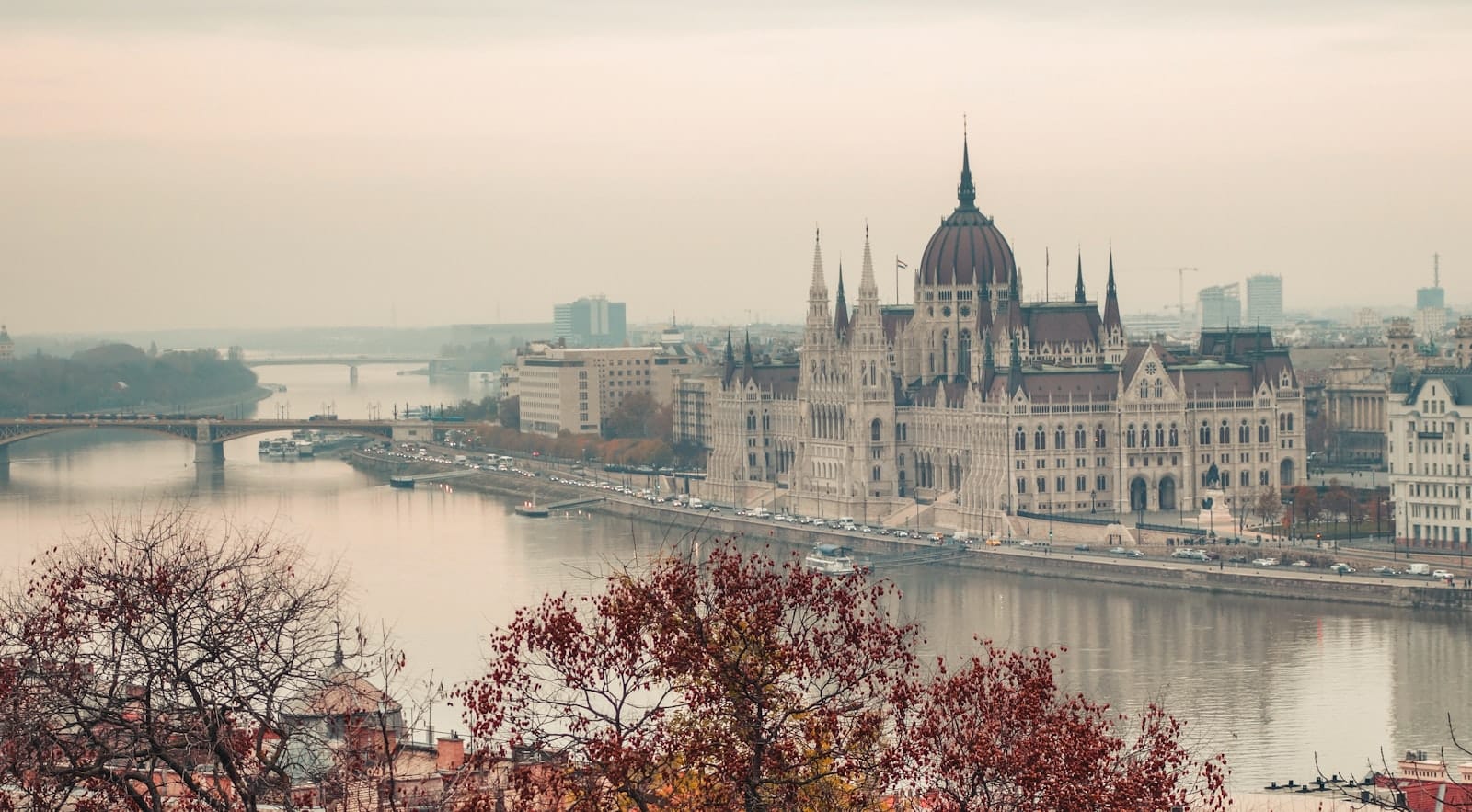
September is arguably the most underestimated month in Budapest. The summer rush has faded, temperatures drop to a comfortable 18–22°C, and the city's trees begin turning in the parks and along the Danube. Restaurant bookings are easier to secure, hotel prices soften, and you can walk through most attractions without navigating crowds.
The Budapest International Wine Festival in September draws food and drink enthusiasts to the Castle District. Autumn is also prime time for day trips from Budapest into the Hungarian countryside, particularly to the Tokaj wine region or the Danube Bend, before the weather closes in. October remains pleasant in its first half but turns grey and wet by late in the month.
November is the month most travel guides quietly skip over, and that is not entirely unfair. Temperatures drop to 5–10°C, daylight hours shorten, and the city can feel quiet in a way that suits some travellers and frustrates others. If you appreciate uncrowded museums and cheap hotels, November has real value. The Budapest Christmas markets typically open in mid-to-late November, which adds a concrete reason to visit towards the end of the month.
Winter (December to February): Cold, Cheap, and Surprisingly Rewarding
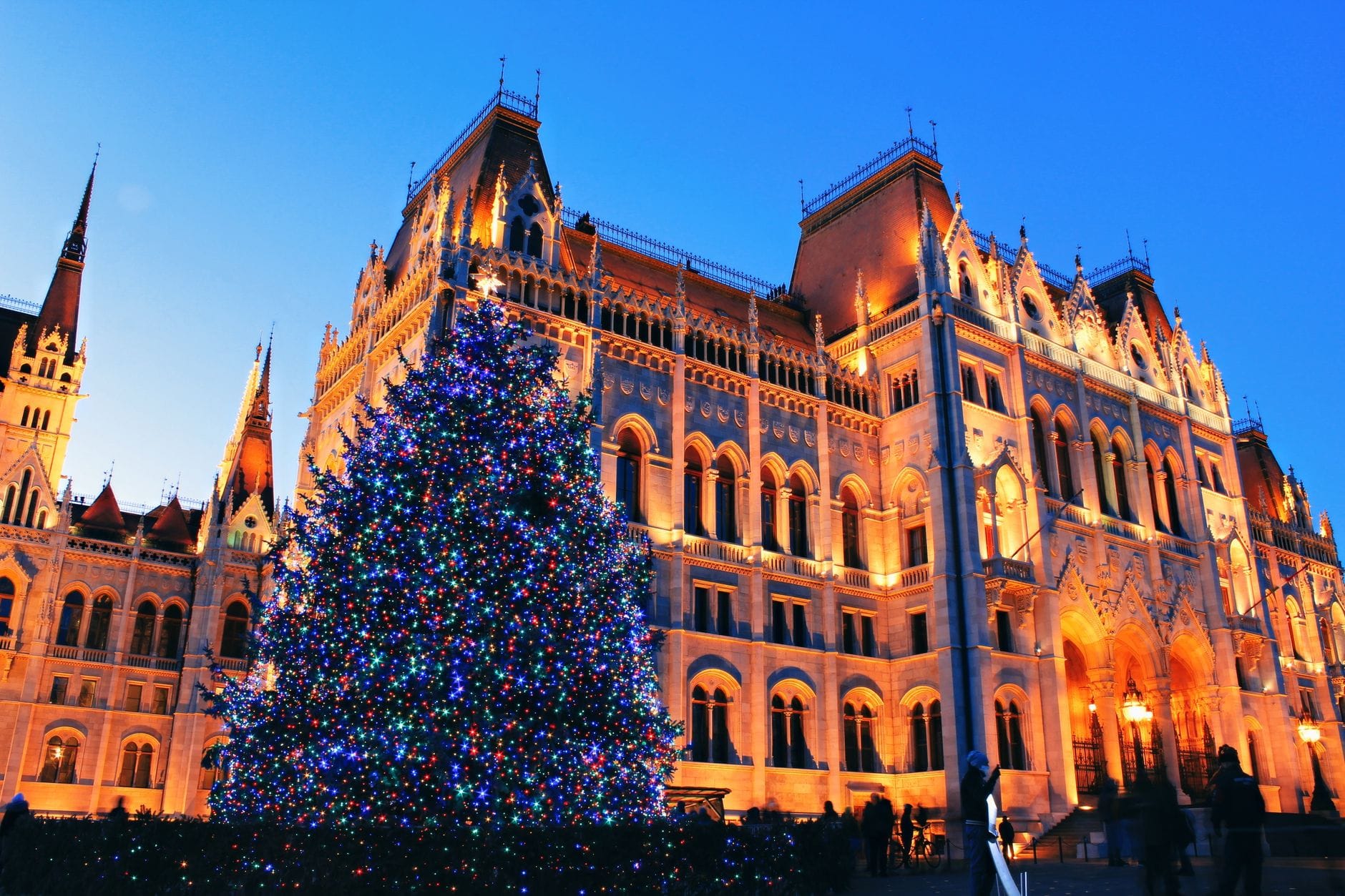
Winter is the season Budapest's reputation least prepares you for, and that gap works in your favour. December brings the city's best Christmas markets to Vörösmarty Square and St. Stephen's Basilica, both usually running from late November into the holiday period around Christmas and New Year. The market at St. Stephen's Basilica is widely considered the more atmospheric of the two, with an ice rink and stalls selling lángos, kürtőskalács, and mulled wine (forralt bor).
January and February are the quietest and cheapest months to visit Budapest. Accommodation prices can drop by up to 30–50% compared to summer peak rates. The thermal baths genuinely come into their own in winter: slipping into the outdoor pools at Széchenyi while snow falls around you is one of those experiences that has earned Budapest its reputation for year-round appeal. Indoor attractions including the city's excellent museums, the Opera House, and the Great Synagogue are easily accessible without pre-booking in most cases.
The tradeoff is real: temperatures can drop well below freezing, and some outdoor attractions feel stripped of their character in January. The Buda hills and Castle Hill can be icy underfoot. Wear proper footwear, check forecasts for cold snaps, and build your itinerary around a mix of outdoor essentials in the morning and indoor cultural sites in the afternoon.
Month-by-Month Summary: When to Visit Based on Your Priorities
Every traveller has different priorities. The table below cuts through the seasonal generalisations and maps each month to what it actually delivers.
- January / February Lowest prices, fewest tourists, best time for thermal baths and museum visits. Dress warmly and book indoor evenings.
- March Weather improves but remains unpredictable. Good value, low crowds, but pack layers.
- April Spring arrives reliably. Budapest Spring Festival adds cultural events. Near-ideal for sightseeing without summer crowds.
- May Arguably the single best month for a first-time visit. Warm, green, moderate prices, and everything is open.
- June School holidays begin in many countries, so crowds build from mid-month. Still pleasant temperatures in early June.
- July / August Peak season. Highest prices, most crowded, hottest weather. Best for festivals including Sziget (August). Book everything in advance.
- September The other contender for best month. Summer crowds drop sharply after the first week. Wine festival, comfortable temperatures.
- October Good in the first half, variable in the second. Golden foliage in City Park and along the Danube.
- November Quiet and cheap. Christmas markets open mid-month. Not the most inspiring weather but very low tourist numbers.
- December Christmas markets and festive atmosphere make this the most distinctive winter month. Prices rise around the holiday period.
If you are building a complete itinerary around your visit, a 3-day Budapest itinerary works well in any season, though the specific order of sites should shift: outdoor and hilltop attractions in the morning during summer heat, thermal baths at any time in winter.
💡 Local tip
The Budapest Card gives unlimited public transport and free or discounted entry to many attractions. It can offer particularly good value in shoulder seasons when you are likely visiting more museums and indoor sites, but always check the current card tiers and included benefits before your trip, as options and partner attractions vary by duration.
For a deeper look at what each season means for specific experiences, the Budapest thermal baths guide covers which baths suit each season, and the Budapest food guide highlights seasonal dishes and market events worth timing your trip around.
FAQ
What is the best time to visit Budapest for good weather?
May and September offer the most reliably comfortable weather for sightseeing, with average highs around 20–22°C and relatively low rainfall. Late April is also excellent if temperatures have warmed. June is pleasant but summer heat builds quickly from mid-month.
Is Budapest worth visiting in winter?
Yes, for the right type of traveller. January and February are the cheapest months, queues at major attractions essentially disappear, and the thermal baths are exceptional in cold weather. December is the most atmospheric winter month thanks to the Christmas markets, though prices rise around the holiday period.
When is Budapest at its most crowded?
July and August are the busiest months by a significant margin. August is the peak of peak season, partly driven by Sziget Festival which draws hundreds of thousands of visitors. If you visit in summer, arrive at major outdoor attractions early in the morning to avoid both heat and crowds.
What month is cheapest to visit Budapest?
January and February can offer the lowest accommodation prices, sometimes up to 30–50% cheaper than summer peak rates. November is also relatively cheap outside the Christmas market opening period. Prices spike in July and August and again in December around Christmas and New Year.
Are the thermal baths open year-round in Budapest?
Yes. Budapest's thermal baths including Széchenyi, Rudas, and Lukács operate year-round. Many have both indoor and outdoor pools. In winter, the outdoor pools are heated and create a memorable experience when temperatures are freezing, though weekends can still get busy regardless of season. Always check the current status of individual baths such as Gellért, as some may be closed for renovation.