Budapest Thermal Baths: Complete Guide & Honest Comparison
Budapest sits on top of nearly 130 natural hot springs, and its thermal baths are among the most atmospheric in Europe. This guide cuts through the hype: which baths are actually open in 2026, what you'll realistically pay, how to avoid peak crowds, and which options suit your budget and travel style.
Plan and book this trip
Tools from our partner Travelpayouts help you compare flights and hotels. If you book through them, we may earn a commission at no extra cost to you.
Flights
Hotels map
TL;DR
- Széchenyi and Rudas are the top picks for most visitors; Gellért is closed for renovation until around 2028 and Király is closed indefinitely.
- Expect to pay 13,200–14,800 HUF for a standard adult day ticket at the major tourist baths; budget options start around 3,500 HUF at local municipal pools.
- As of August 2025, children under 14 are prohibited from using Budapest thermal pools above 33°C under Hungarian health regulations, but may still access cooler pools in some complexes.
- Weekday mornings before 10:00 are the quietest; weekends after noon are the most crowded. See our best time to visit Budapest guide for broader seasonal advice.
- Book tickets online in advance for Széchenyi, especially on weekends, to skip the entry queue.
Why Budapest Has Thermal Baths at All
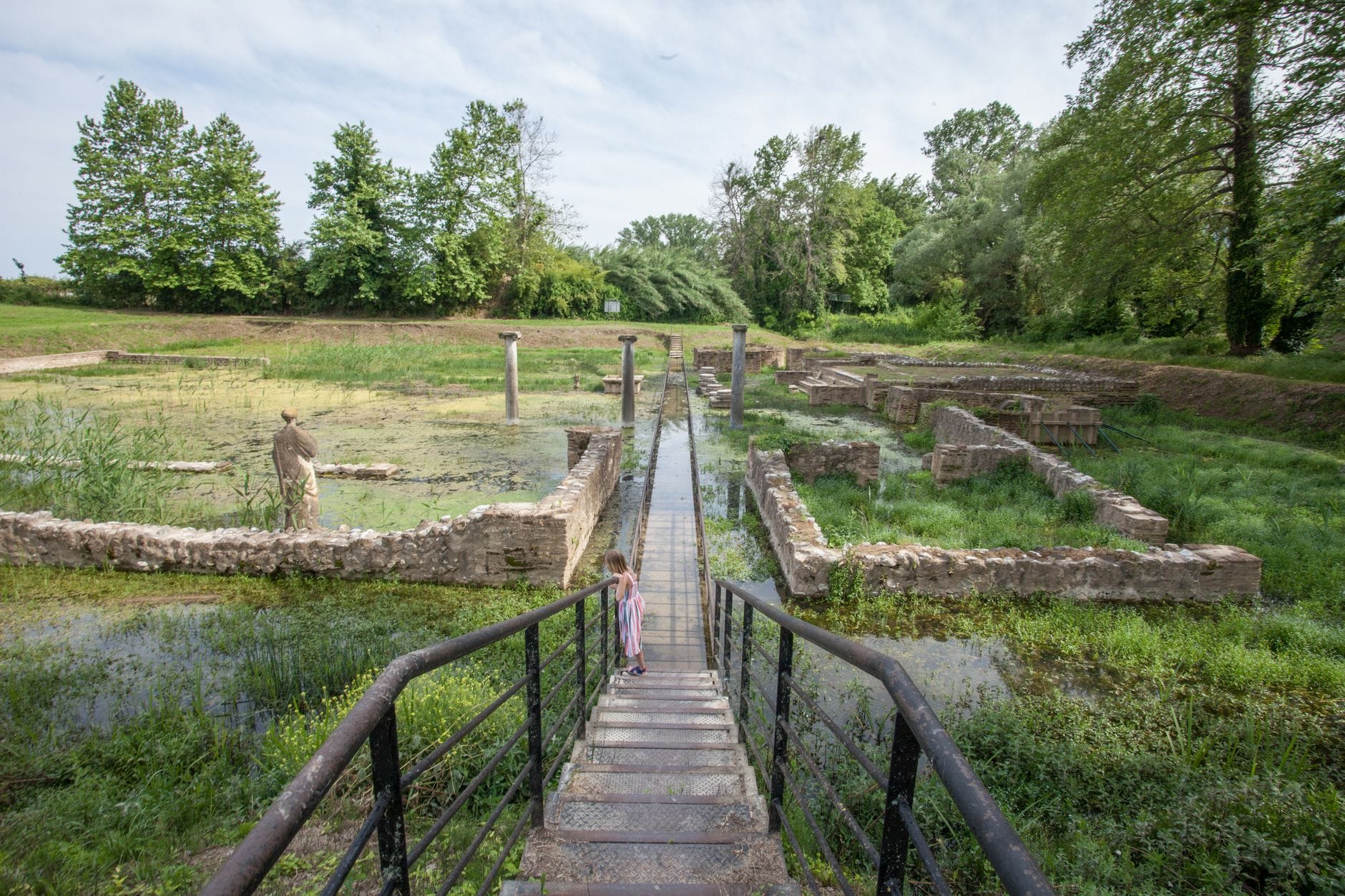
Budapest sits directly above a geological fault line where the Buda hills meet the Pannonian Basin, and roughly 130 hot springs push naturally heated water to the surface across the city. The Romans recognized this during their occupation of Aquincum, the settlement that is now Óbuda, and built bathhouses along the west bank of the Danube. Ottoman rulers expanded the bathing culture significantly during the 16th and 17th centuries, commissioning several of the domed Turkish baths that still operate today. The habit never left. Budapest now has more thermal and medicinal baths than any other capital city in the world, and the baths function as genuine social institutions, not just tourist attractions.
The water temperatures vary by source but generally range from around 20°C to over 70°C at the spring head, cooled to 28–38°C in the pools for bathing. Several baths hold official medicinal certification from Hungarian health authorities, meaning the water has documented therapeutic mineral content. For historical context on the Roman origins and the Ottoman legacy, the Budapest history guide covers both eras in depth.
Which Baths Are Open in 2026: The Current Reality
⚠️ What to skip
Two of the most frequently searched baths are currently unavailable. Gellért Thermal Bath closed for major renovation on 1 October 2025, with reopening projected after a multi-year renovation period (around 2028). Király Bath is closed indefinitely. Do not rely on older travel articles or booking platforms that still list these as options.
The practical shortlist for 2026 is shorter than many guides suggest. Széchenyi, Rudas, and Lukács are the three main options for visitors seeking a proper thermal bath experience. Below is an honest breakdown of each.
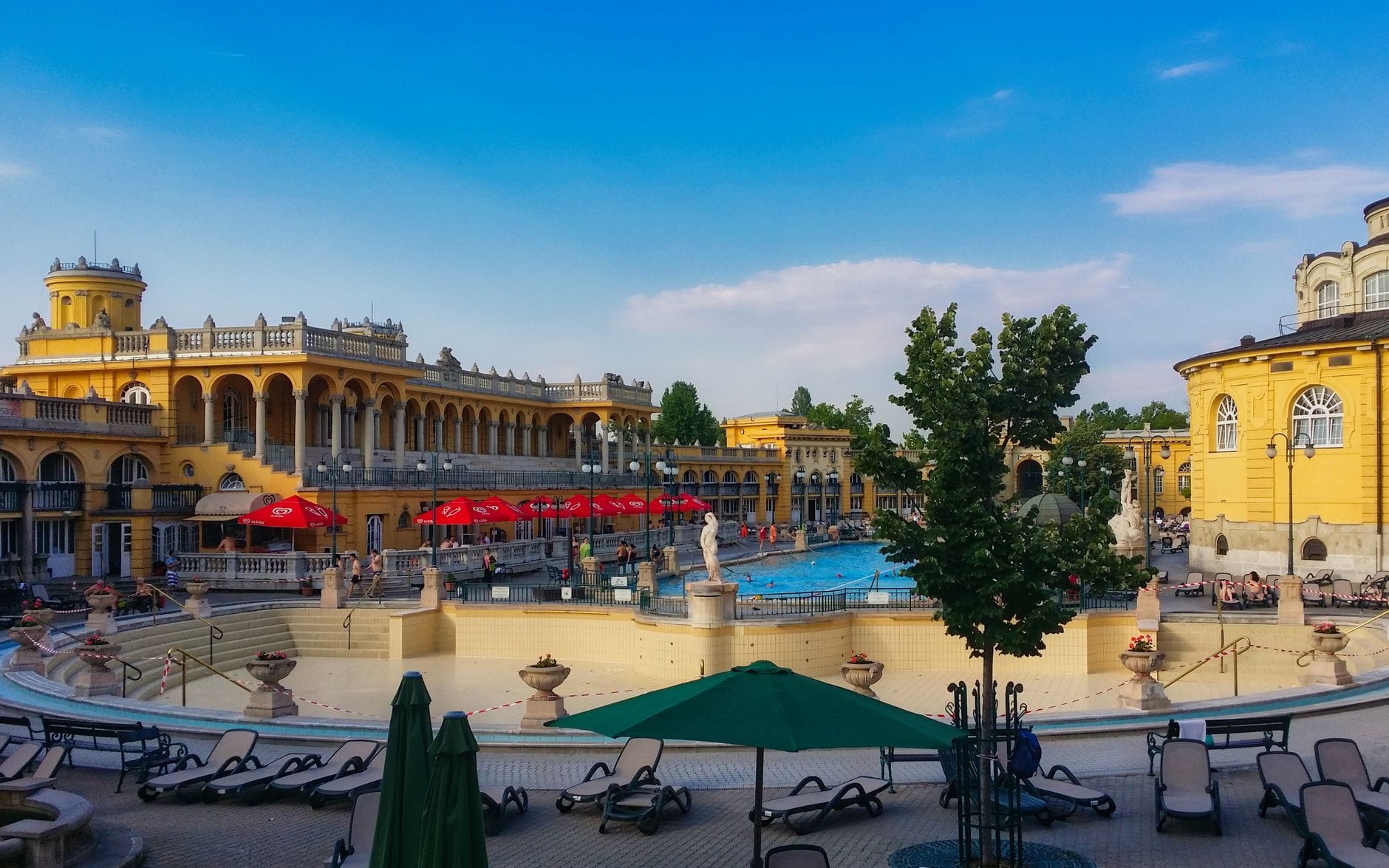
- Széchenyi Thermal Bath (District XIV, City Park) The largest and most photographed bath in Budapest. Three outdoor pools plus 15 indoor pools in a 1913 neo-baroque building. Day tickets with locker run roughly 9,900–13,900 HUF depending on weekday, weekend, or peak season. Hours are approximately 07:00–20:00 weekdays, 08:00–20:00 weekends, with Friday evening sessions until 22:00. Book online at szechenyibath.hu to avoid the entry queue.
- Rudas Thermal Bath (Buda, near Elisabeth Bridge) The most atmospheric bath in the city, set in a 16th-century Ottoman dome on the Buda bank. Its traditional Turkish pools are genuinely ancient and architecturally stunning. Standard all-zone tickets run 9,800–13,800 HUF; peak holiday dates in 2026 can reach 16,000 HUF. Night bathing sessions run Friday and Saturday 22:00–03:00. Gender schedules apply to the historic Turkish section: check the timetable before visiting. Address: Döbrentei tér 9.
- Lukács Thermal Bath (Buda, District II) The best-value option among the main tourist baths. Weekday entry with locker costs around 7,000 HUF in 2026, making it noticeably cheaper than Széchenyi or Rudas. Less crowded and more authentic in atmosphere. Budapest Card holders get free entry here, plus 20% discounts at Széchenyi, Rudas, and Palatinus.
- Municipal baths (Dandár, Palatinus, and others) Several local baths serve Budapest residents with weekday entry from around 3,500–3,600 HUF. These are no-frills, pool-focused facilities without the grand architecture. Palatinus on Margaret Island is popular in summer for its outdoor lido. Not the right choice if you want the full thermal bath experience, but excellent value.
Széchenyi vs. Rudas: Which One Should You Choose?
This is the most common dilemma for first-time visitors and the answer depends on what you actually want from the experience. Széchenyi is social, enormous, and endlessly photogenic. The outdoor pools in the yellow neo-baroque courtyard are what most people picture when they think of Budapest baths. In winter, steam rising from the hot pools while people play chess on floating boards is a genuine spectacle. It handles crowds reasonably well given its size, but weekend afternoons can feel overwhelming.
Rudas is the more serious, more historically significant bath. The main chamber, a 16th-century Ottoman dome with a star-shaped skylight filtering light onto a central octagonal pool, is architecturally unlike anything else in the city. It is smaller, darker, and quieter than Széchenyi by default. The gender-separated Turkish pool schedule is not a gimmick: it reflects the bath's actual Ottoman-era operating tradition. If you want atmosphere and history over social spectacle, Rudas wins. If you want outdoor pools, Instagram-worthy grandeur, and a lively crowd, choose Széchenyi.
✨ Pro tip
Rudas on a Tuesday or Thursday morning in the men-only Turkish section offers roughly the same hot spring water as Széchenyi at about 1,000 HUF cheaper per ticket, with a fraction of the tourists. The rooftop pool overlooking the Danube and Buda Castle is only available with an all-zone ticket, and it is worth the upgrade.
Pricing, Tickets, and What the Entry Fee Actually Covers
Ticket pricing at Budapest's thermal baths is more complex than it first appears. The base entry fee at major baths like Széchenyi and Rudas typically covers access to pools and use of a locker. A private cabin costs roughly an additional 1,000 HUF. Wellness zones, saunas, and specific treatment areas often require a higher-tier 'all-zone' ticket. Read the ticket categories carefully before purchasing, because arriving at the door and upgrading in person is both slower and sometimes more expensive.
- Széchenyi weekday (locker): approximately 13,200 HUF
- Széchenyi weekend (locker): approximately 14,800 HUF (higher on some peak/holiday dates)
- Rudas all-zone weekday: approximately 9,800 HUF
- Rudas all-zone weekend/peak: approximately 13,800–16,000 HUF
- Lukács weekday with locker: approximately 7,000 HUF
- Municipal baths (Dandár, Palatinus): from approximately 3,500 HUF weekdays
- Cabin upgrade (all major baths): typically several thousand HUF extra (check current rates at each bath)
The Budapest Card covers free entry to Lukács and offers 20% discounts at the larger baths, which can make it worthwhile if you plan to visit multiple times or combine bath visits with museum entries. Check our Budapest Card guide to calculate whether it saves you money based on your itinerary. Prices listed here reflect 2026 snapshots; verify current rates directly at each bath's official website before visiting, as prices adjust seasonally and for public holidays.
💡 Local tip
Buy tickets online before arrival, especially for Széchenyi on weekends. The entry queue for walk-in visitors can stretch 30–45 minutes. Online ticket holders use a separate, faster lane. Széchenyi's official booking is at szechenyibath.hu. Be cautious of third-party resellers charging significant markups for the same ticket.
Critical Rules, Misconceptions, and What to Know Before You Go
Several pieces of widely circulated advice about Budapest's thermal baths are either outdated or simply wrong. Getting these wrong can cost you a wasted trip.
- Children under 14 are banned As of 1 August 2025, Hungarian health regulations prohibit children under 14 from entering Budapest thermal baths. This applies to all major baths including Széchenyi and Rudas. If you are travelling with younger children, you need to plan around this.
- Rudas gender rules are real and enforced The historic Turkish section at Rudas operates on a strict schedule of men-only days, women-only days, and mixed (swimwear required) days. These are not just preferences; entry is denied if you arrive on the wrong day. Check the current schedule at rudas.hu before booking.
- Gellért is closed until approximately 2028 Gellért Thermal Bath is one of the most beautiful art nouveau buildings in Budapest and one of the most searched baths online. It is completely closed for renovation and cannot be visited. Any booking platform still selling Gellért tickets is selling something that does not exist.
- Your ticket does not automatically cover everything Standard entry covers pools and a locker. Saunas, wellness areas, and private cabins each require either a higher-tier ticket or an add-on payment. The all-zone ticket at Rudas, for example, adds the rooftop pool, which is one of the best viewpoints in the city.
- Swimwear is mandatory on mixed-gender days and in outdoor pools At Széchenyi all visitors wear swimwear at all times. At Rudas on men-only or women-only traditional days, swimwear is not required in the Turkish section, but it is required in the modern pool areas and always on mixed days. Bring your own or rent on site.
Timing Your Visit to Avoid the Crowds
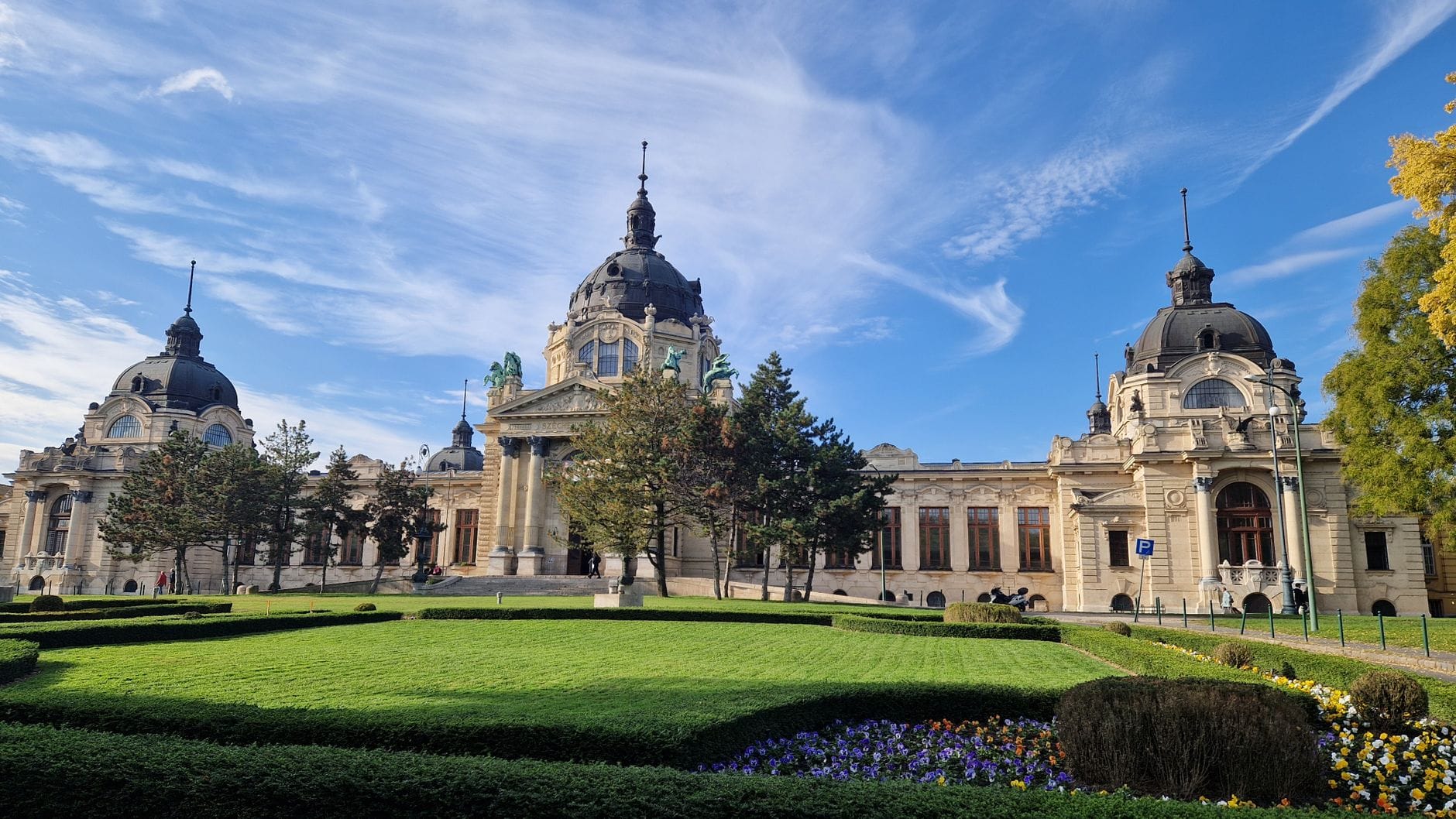
Crowd patterns at Budapest's thermal baths follow a predictable rhythm. Weekday mornings before 10:00 are consistently the quietest across all major baths. From midday onwards, particularly at Széchenyi, visitor numbers climb sharply. Weekend afternoons from about 13:00 to 17:00 are peak hours, and the main outdoor pool at Széchenyi can feel uncomfortably full. If your schedule allows only a weekend visit, aim to arrive when the doors open.
Seasonal patterns matter too. Budapest's thermal baths are open year-round, and the outdoor pools at Széchenyi and Rudas remain open even in January. Winter visits, particularly November through February, see significantly lower tourist numbers overall, while the spectacle of steam rising from hot pools in cold air is genuinely striking. Summer brings the largest crowds, particularly July and August. Spring and autumn offer a middle ground: reasonable weather, manageable visitor numbers, and lower prices at accommodation.
Hungarian public holidays see elevated pricing at several baths and can bring domestic visitors who would otherwise be at work. Rudas publishes specific holiday-period prices; check their schedule if your visit falls around Easter, 15 March (National Day), 20 August (St. Stephen's Day), or 23 October. For a broader picture of when to time your trip, see our best time to visit Budapest overview.
Getting to the Baths: Transport Logistics
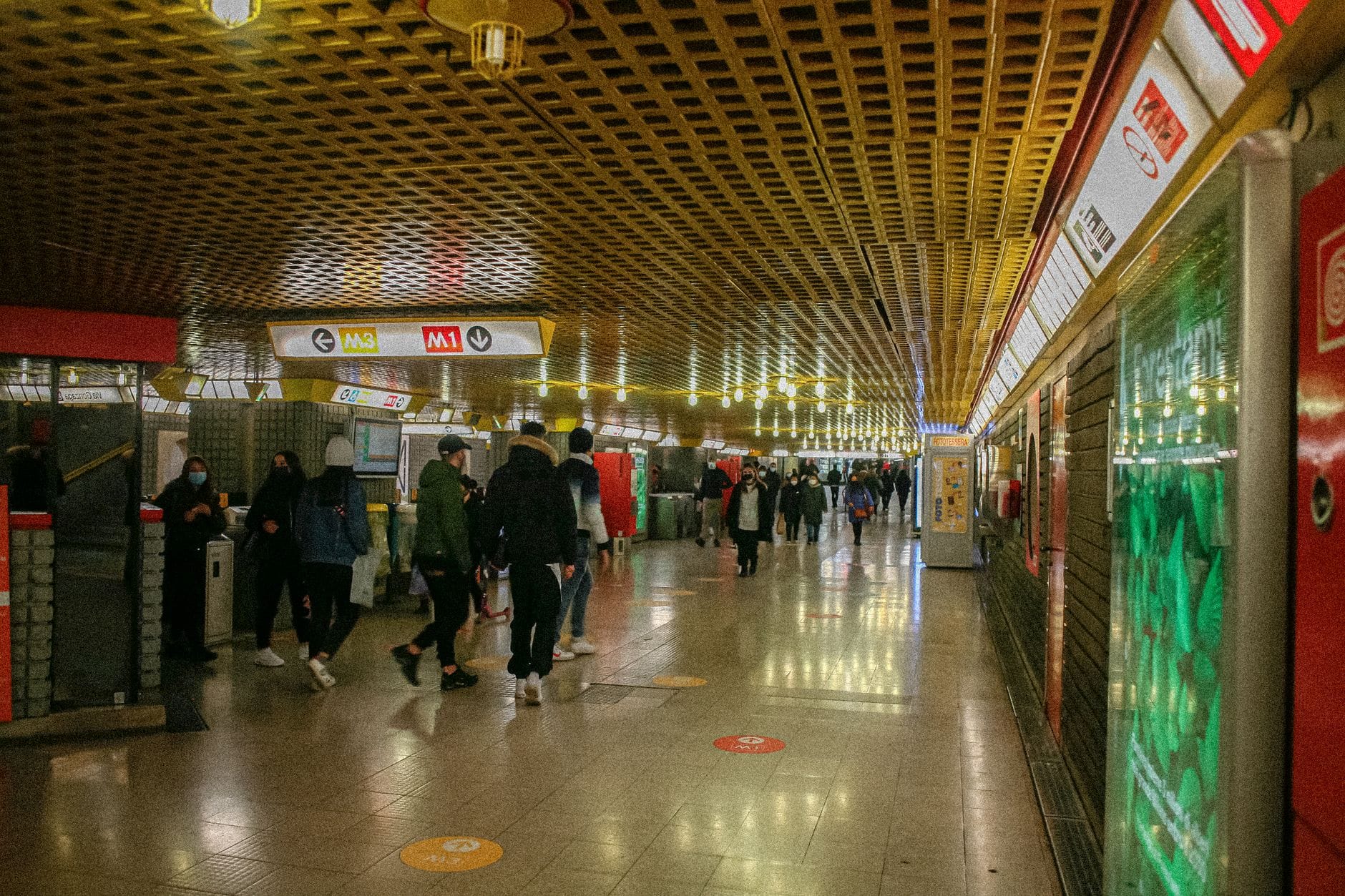
Budapest's public transport network covers all major baths well. Széchenyi is in City Park and is served by metro line M1 (Széchenyi fürdő stop), one of the oldest underground railways in continental Europe. The walk from the metro exit to the bath entrance takes about two minutes. For Rudas, trams 18, 19, and 41 serve Döbrentei tér, and buses 7, 86, 173, 907, and 973 stop near Szent Gellért tér, a short walk away. Lukács Thermal Bath in District II is reachable by tram 17 or bus 86 from the Buda bank.
Taxis and ride-hailing are options for door-to-door convenience, though Uber no longer operates in Hungary. Licensed local taxi services and their apps are the standard alternative. Budapest's public transport is efficient enough that for most bath visits, the metro and tram network is the faster and cheaper option. See the getting around Budapest guide for tickets, passes, and route advice.
Beyond the Big Three: Baths Worth Knowing About
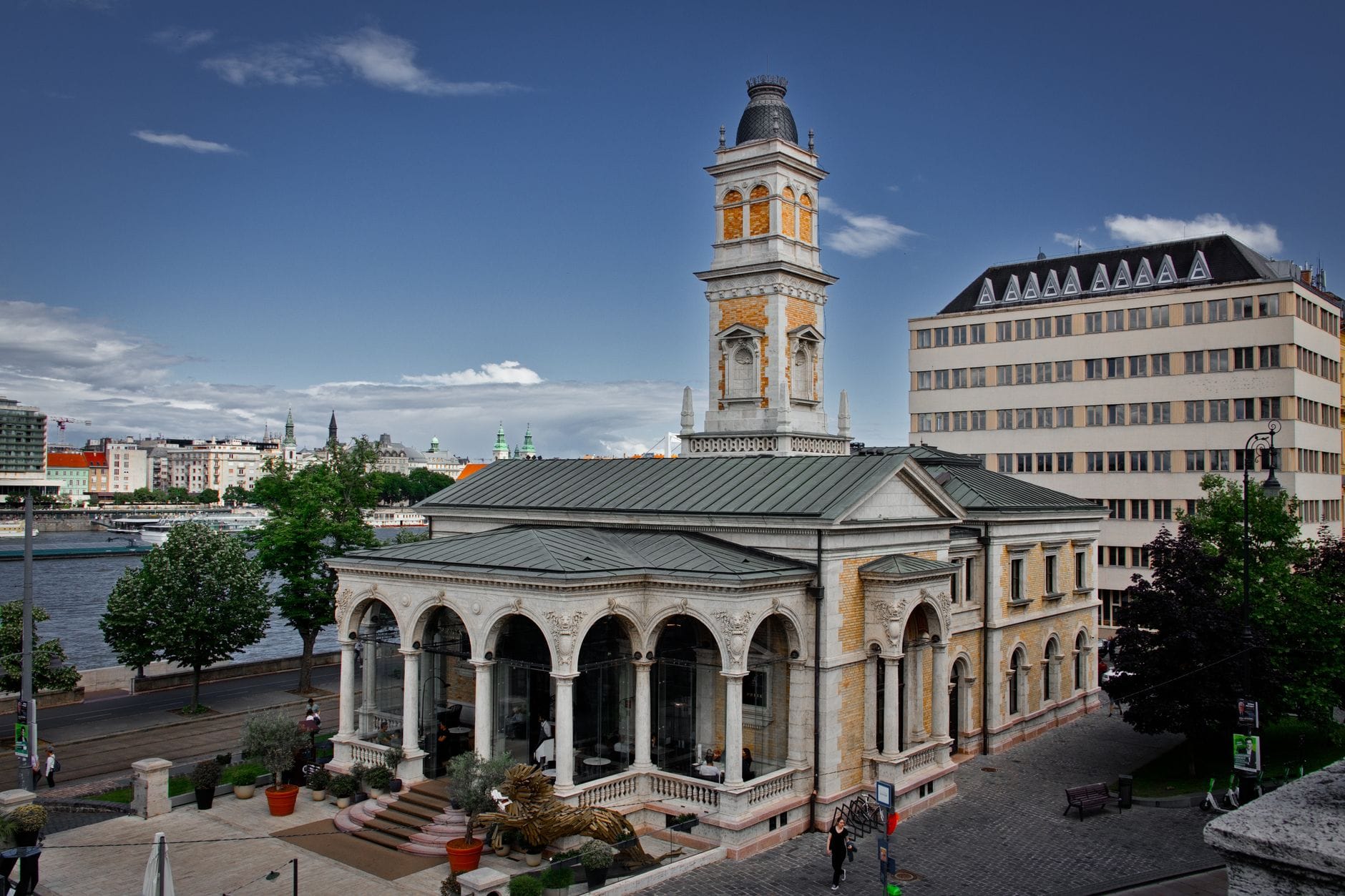
For visitors interested in a less touristy experience, Lukács Thermal Bath is the most accessible step down from the main attractions. It is a working bath used by locals, centrally located in Buda, and noticeably cheaper than Széchenyi. The atmosphere is relaxed and the outdoor pools are pleasant without being spectacular. It is a good choice for a second visit or for those who found Széchenyi too hectic.
Dandár Bath in District IX is a local municipal pool rather than a heritage thermal bath, but it is clean, affordable, and almost entirely tourist-free. Palatinus on Margaret Island operates primarily as an outdoor lido in summer and is best treated as a beach-day destination rather than a thermal spa experience. Neither offers the architectural or historical interest of Széchenyi or Rudas, but both deliver genuine immersion in how Budapest residents actually use their hot springs.
If you are combining a bath visit with wider sightseeing, Rudas sits at the foot of Gellért Hill, meaning you can walk to the Citadella or cross the nearby Liberty Bridge on foot afterward. Széchenyi in City Park puts you within easy walking distance of Heroes' Square and Vajdahunyad Castle.
FAQ
Is Gellért Thermal Bath open in 2026?
No. Gellért Thermal Bath closed on 1 October 2025 for major renovation work. The projected reopening is around 2028. Do not purchase tickets for Gellért from any platform; the bath is not accepting visitors.
Can children visit Budapest thermal baths?
As of 1 August 2025, children under 14 are prohibited from using Budapest thermal pools above 33°C under Hungarian health regulations. This rule applies to all major baths including Széchenyi and Rudas; teenagers 14 and over can visit with a valid ticket.
What should I bring to a Budapest thermal bath?
A swimsuit is required at all mixed-gender sessions and at Széchenyi at all times. Flip-flops or sandals are strongly recommended for changing areas and pool surrounds. Towels can be rented on site but bringing your own avoids the extra cost. A waterproof bag for your phone and a small amount of cash or a card for lockers, upgrades, and refreshments inside is useful. Cabin upgrades of approximately 1,000 HUF give you a private changing room rather than a shared locker.
Is it worth buying a Budapest Card for the thermal baths?
The Budapest Card includes free entry to Lukács Thermal Bath and 20% discounts at Széchenyi, Rudas, and Palatinus. If you plan to visit Lukács plus one of the larger baths, and also intend to use the card for museums and public transport, it can represent solid value. If you are only visiting one bath and not using other card benefits, calculate the savings before purchasing.
What is the best time of day to visit Széchenyi to avoid crowds?
Weekday mornings before 10:00 are consistently the least crowded. Weekends between 10:00 and 17:00 are peak hours with the longest queues and fullest pools. If you must visit on a weekend, aim to arrive at opening time (08:00). Buying tickets online in advance lets you use the faster entry lane regardless of when you arrive.