Budapest History: A Traveler's Guide to the City's Past
Budapest carries more than 2,000 years of history across its two riverbanks. This guide traces the city's major eras, from Roman legions to Habsburg grandeur and Cold War upheaval, and shows you exactly where to see that history in person.
Tickets & tours
Live prices and dates from our booking partner. If you book, we may earn a commission at no extra cost to you.
TL;DR
- Budapest only became a single city on 17 November 1873, when Buda, Pest, and Óbuda were officially merged.
- Roman history is best explored at the Aquincum Museum, the remains of a legionary city founded around AD 89–100.
- The Metro Line M1, which runs beneath Andrássy Avenue, opened in 1896 and is the first underground railway on the European continent.
- The 20th century left deep marks: Budapest was devastated in the 1945 siege and then revolted against Soviet rule in 1956.
- Spring and autumn are the best seasons for exploring outdoor historical sites; see the best time to visit Budapest guide for full seasonal detail.
Layers of History: How Budapest Was Built
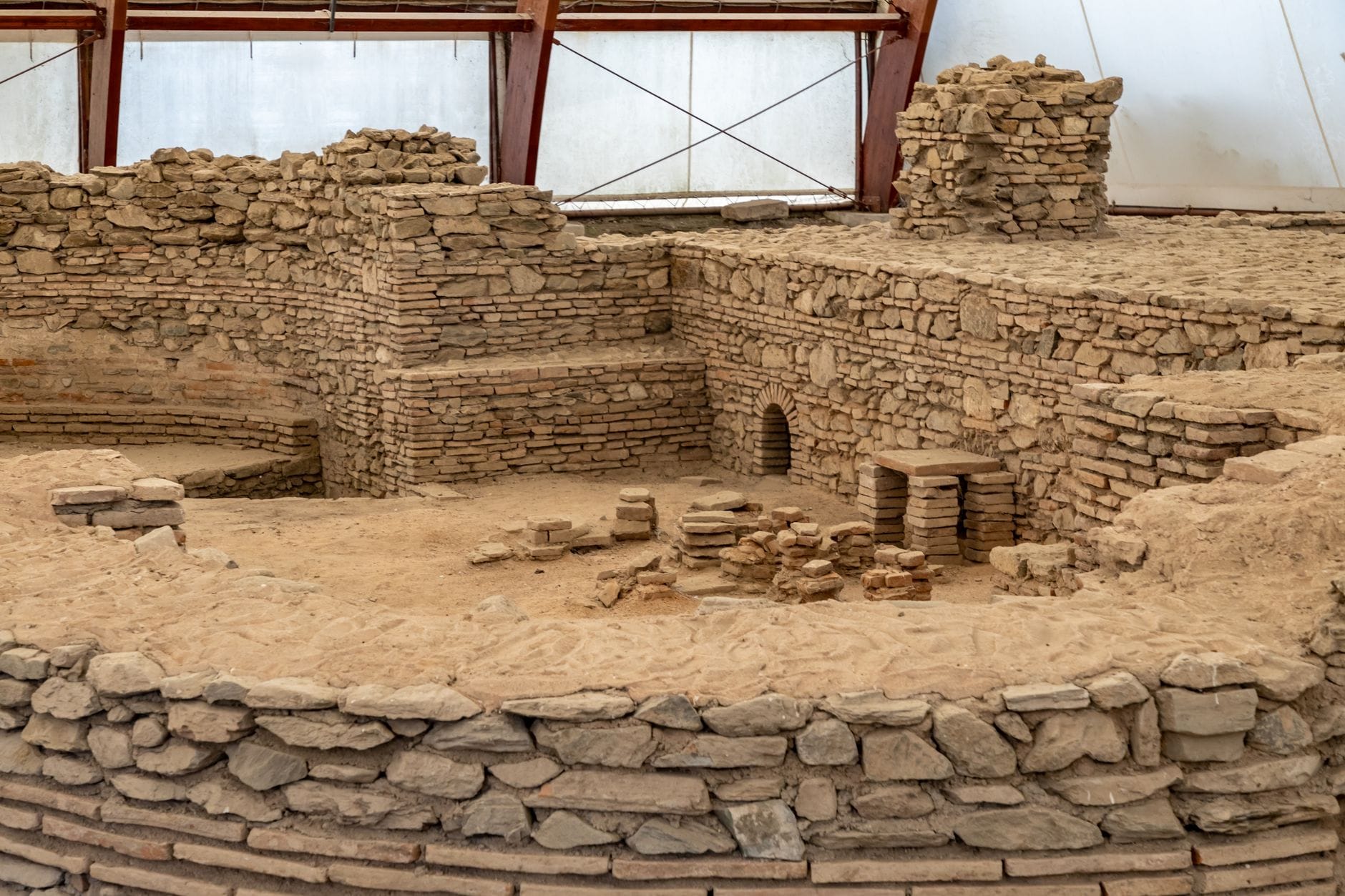
Budapest history does not begin in the Middle Ages. Celts settled the west bank of the Danube as early as the 4th century BC, and by around AD 89–100 the Romans had established Aquincum as the administrative capital of the province of Pannonia Inferior. At its peak the city held a population of around 30,000–40,000 people, complete with amphitheatres, a forum, baths, and a sophisticated aqueduct system. The ruins survived underground for centuries and are now one of the most accessible Roman archaeological sites in Central Europe.
The Magyar conquest of 896 AD is the founding event of the Hungarian state. Seven tribal confederations led by Árpád crossed the Carpathian passes and settled the Pannonian plain. This moment is commemorated visually and boldly at Heroes' Square, where the Millennium Monument, built for the 1896 thousandth anniversary of the conquest, depicts Árpád and his chieftains in bronze. The year 896 is embedded in the national identity, which is why Budapest's millennium celebrations in 1896 produced so much of the architecture you see today.
Medieval Buda grew into a significant European capital under the Árpád dynasty and later the Angevins. King Matthias Corvinus, who ruled from 1458 to 1490, turned Buda into one of the foremost Renaissance courts north of the Alps, importing Italian artists and filling the royal library with illuminated manuscripts. That era ended abruptly when the Ottoman forces of Suleiman the Magnificent captured Buda in 1541. For 145 years the city was an Ottoman administrative centre, a period visible today in the thermal bath culture that remains one of Budapest's defining characteristics.
ℹ️ Good to know
A common misconception: Budapest has not existed as a single city since ancient times. The unified capital was legally created on 17 November 1873 by merging the three distinct cities of Buda, Pest, and Óbuda. Before that date, they were administered separately and had quite different characters.
The Habsburg Era and the 1873 Unification
The Habsburg reconquest of Buda in 1686 freed the city from Ottoman rule but left it badly depopulated. The Habsburgs repopulated it largely with German settlers, which is why German was the dominant language in Pest well into the 19th century. The slow Magyarization of the city accelerated through the reform era of the 1820s–1840s, driven by figures like Count István Széchenyi, whose most visible legacy is the Chain Bridge.
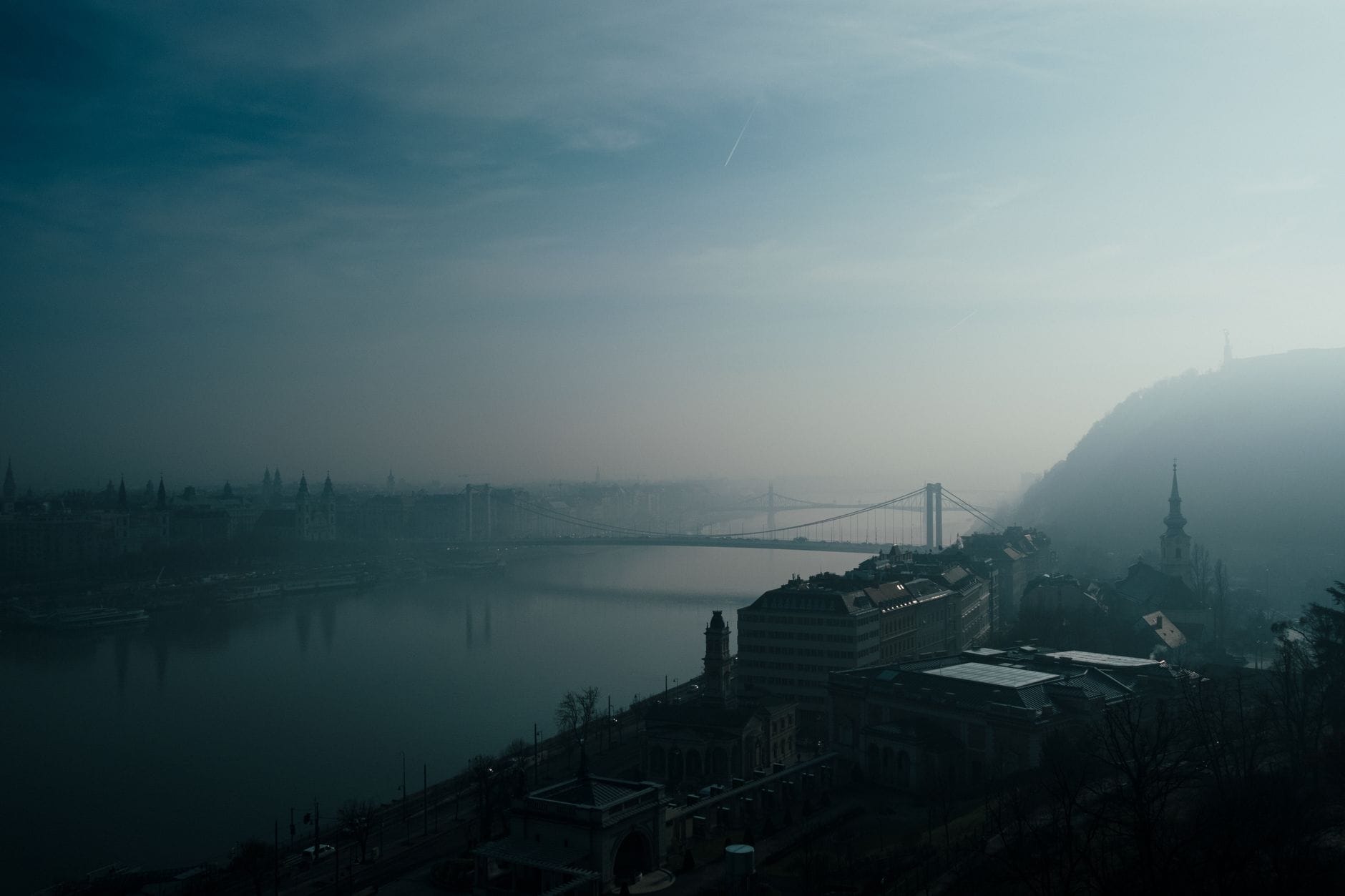
The Chain Bridge, completed in 1849, was the first permanent crossing between Buda and Pest and a physical statement that the two cities shared a future. It was designed by English engineer William Tierney Clark and built under the supervision of Scottish engineer Adam Clark, whose name now graces the square at its Buda end. The 1867 Compromise (Ausgleich) with Austria created the Austro-Hungarian Dual Monarchy and unlocked enormous investment. Budapest grew faster between 1867 and 1914 than almost any other European city, adding grand boulevards, neo-Gothic and neo-Baroque public buildings, and the continent's first underground metro line.
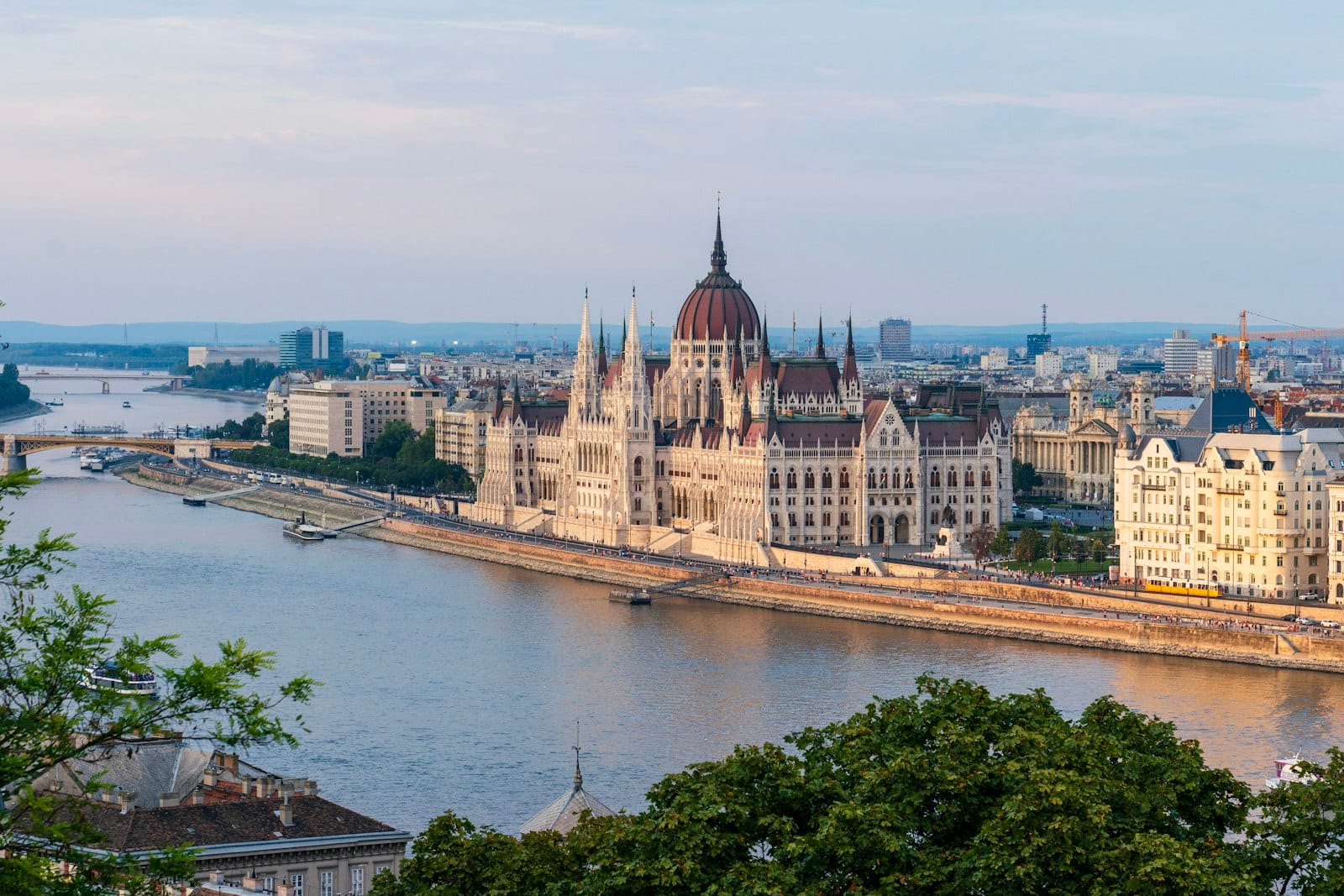
The architectural output of this golden age is still the dominant visual character of the city. The Hungarian Parliament Building, completed in 1904, was one of the largest parliament buildings in the world at the time of its construction. The Hungarian State Opera House on Andrássy Avenue opened in 1884 and is considered one of the finest opera houses in Europe acoustically. The entire Andrássy Avenue corridor, including the M1 metro beneath it, is a UNESCO World Heritage Site, recognized in 2002 alongside the Buda Castle Quarter and Andrássy Avenue ensemble.
✨ Pro tip
The M1 metro (the yellow line) is itself a heritage monument. Ride it between Vörösmarty tér and Hősök tere (Heroes' Square) to travel in original 19th-century carriages and step out at stations that look almost unchanged from 1896. Standard BKK transport tickets apply.
The 20th Century: War, Revolution, and Division
The first half of the 20th century dismantled the Budapest that the Austro-Hungarian era built. The collapse of the Dual Monarchy after World War I, and the 1920 Treaty of Trianon, which reduced Hungary's territory by two-thirds, sent a profound shock through the city's identity. Budapest remained the capital of a much-reduced state and absorbed hundreds of thousands of ethnic Hungarians displaced from the lost territories.
World War II brought the most catastrophic physical destruction in the city's modern history. The siege of Budapest, which lasted from late December 1944 until February 1945, leveled much of the city. All seven Danube bridges were destroyed, the Castle District was gutted, and significant portions of the Jewish population, who had numbered around 200,000 before the war, were deported or killed in the final months of the German occupation. The Great Synagogue on Dohány Street, the largest synagogue in Europe, contains a memorial garden where thousands of victims are buried.
The 1956 Hungarian Revolution is the defining moment of postwar Budapest. In October of that year, students and workers rose against the Soviet-backed government, briefly taking control of the city before Soviet tanks returned in force in November. An estimated 2,500 Hungarians were killed and around 200,000 fled the country. The Terror Háza (House of Terror) museum on Andrássy Avenue documents both the fascist Arrow Cross and the subsequent communist secret police, the ÁVH, who used the same building. It is one of the most powerful history museums in Europe, though its political framing is not without controversy.
- Terror Háza (House of Terror) Andrássy út 60. Covers both the Arrow Cross and Soviet-era repression. Emotionally intense; budget at least 90 minutes.
- Hospital in the Rock (Sziklakórház) A Cold War-era nuclear bunker beneath Castle Hill, operational during the 1956 Revolution and after. Guided tours only; book in advance.
- Memento Park Open-air sculpture museum on the city's outskirts housing statues removed after communism fell. Around 10 km from the centre; best reached by dedicated shuttle bus.
- Shoes on the Danube Bank A memorial of 60 cast-iron shoes commemorating Jews shot into the Danube in 1944–45. Between Chain Bridge and Parliament, on the Pest embankment.
Where to See Budapest's History in Person
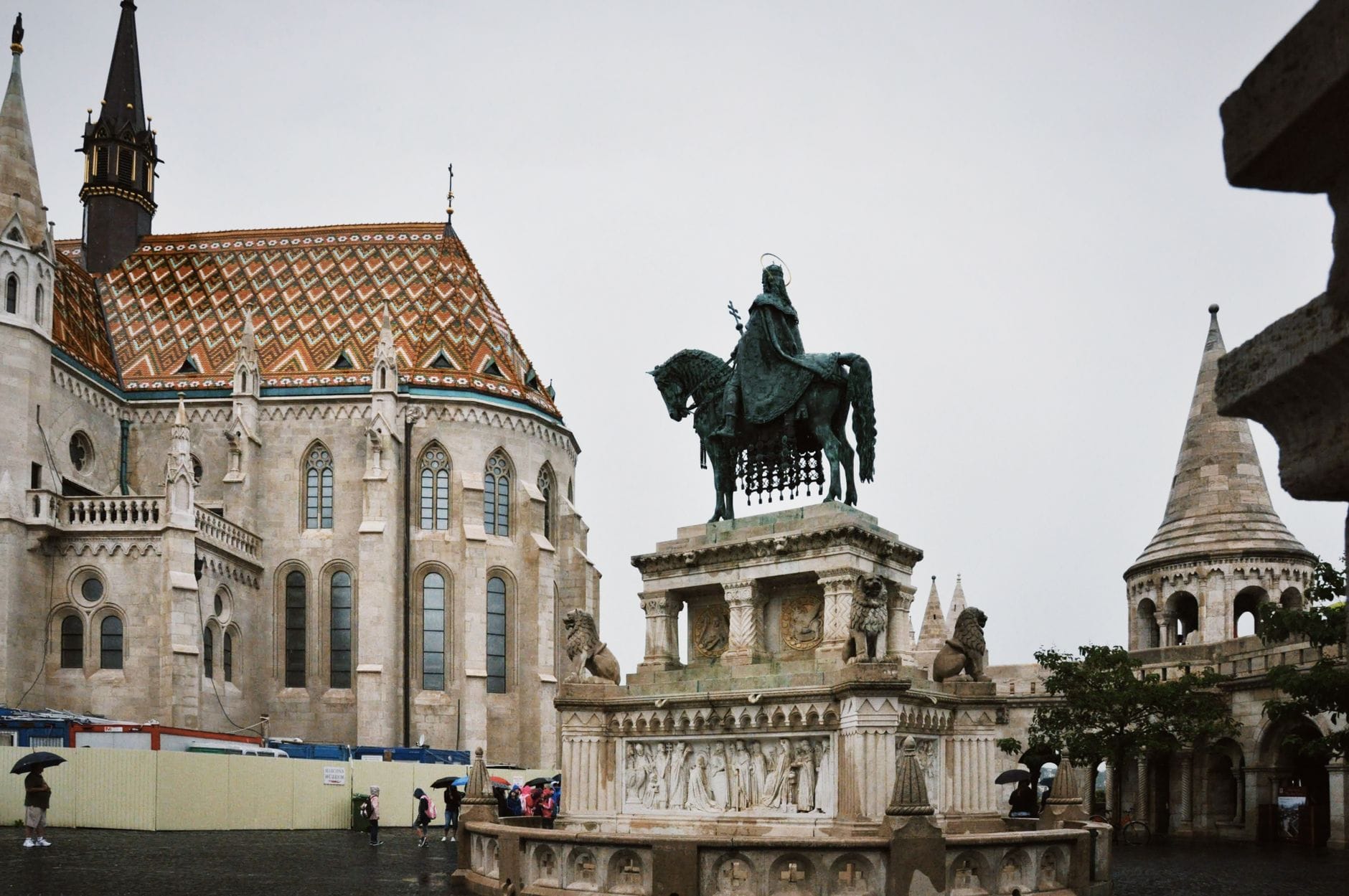
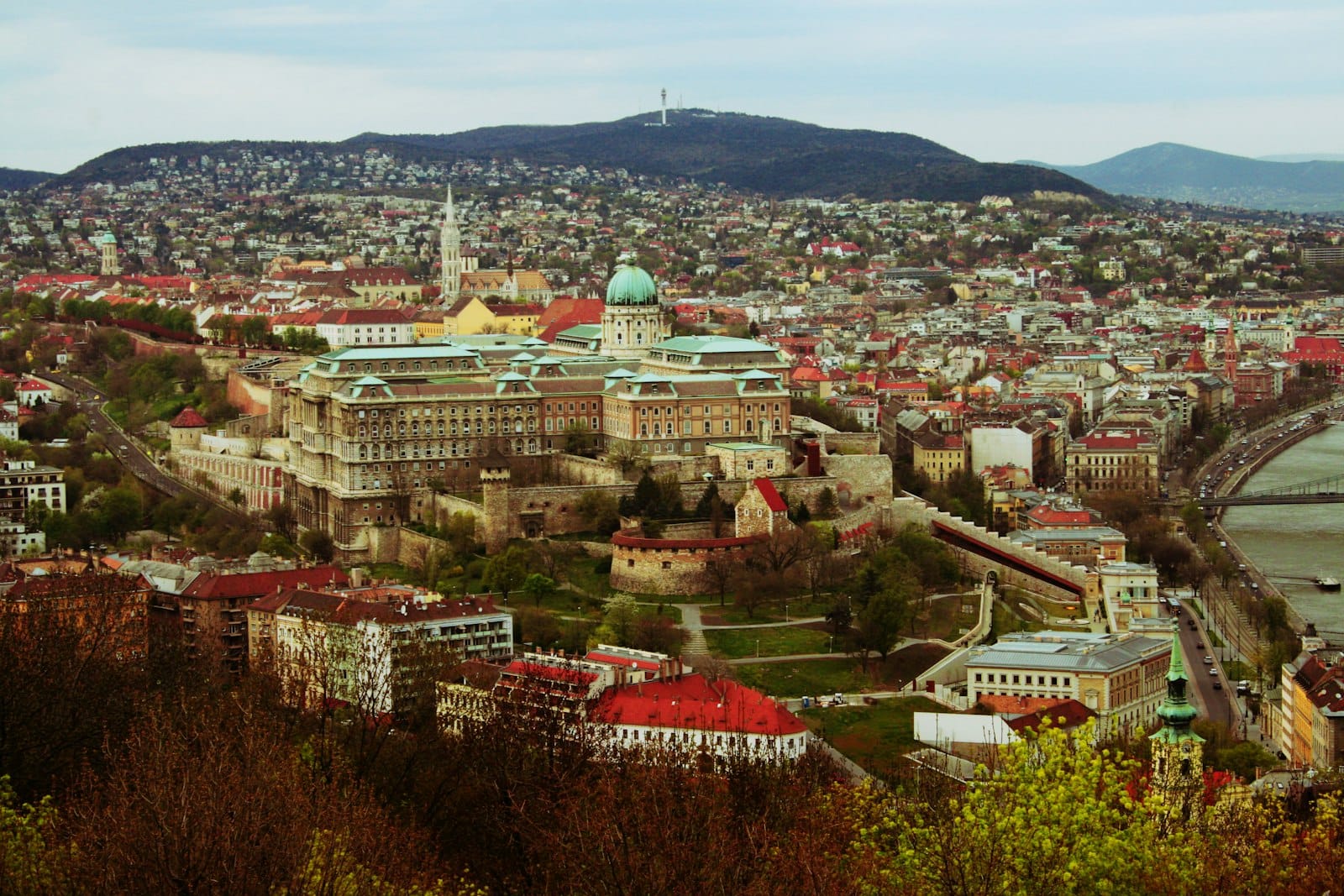
The most historically dense area of the city is Castle Hill, where you can walk through medieval street patterns, visit the Budapest History Museum inside Buda Castle, and enter Matthias Church, which has been a royal coronation church, a mosque, and a Baroque Catholic church in successive eras. The hill is compact enough to cover on foot in half a day, though the Budapest History Museum alone deserves two to three hours.
For Roman history specifically, the Aquincum Museum in the Óbuda district contains the most substantial remains: a civilian town, an amphitheatre, and a well-preserved museum building housing mosaics, the world's only surviving Roman water organ, and daily life artefacts. Óbuda also preserves the ruins of a military amphitheatre, once larger than the Colosseum in Rome, accessible by a short walk from the HÉV suburban rail stop at Aquincum. Check current opening hours on the museum's official website before visiting, as seasonal hours apply.
The Jewish Quarter in District VII holds the Great Synagogue on Dohány Street, the largest synagogue in Europe with a capacity of around 3,000. The complex includes the Jewish Museum and the Raoul Wallenberg Memorial Garden. Plan at least 90 minutes for the full complex. Entry fees apply; verify current prices at the official Dohány Street Synagogue site.
⚠️ What to skip
Hungarian national holidays tied to major historical events (15 March for the 1848 revolution, 23 October for the 1956 revolution, 20 August for St Stephen's Day) can affect transport and museum opening hours. Street closures around Parliament, Heroes' Square, and the Castle District are common. Check official city portals before planning your visit around these dates.
Reading the Architecture: A Street-Level History Lesson
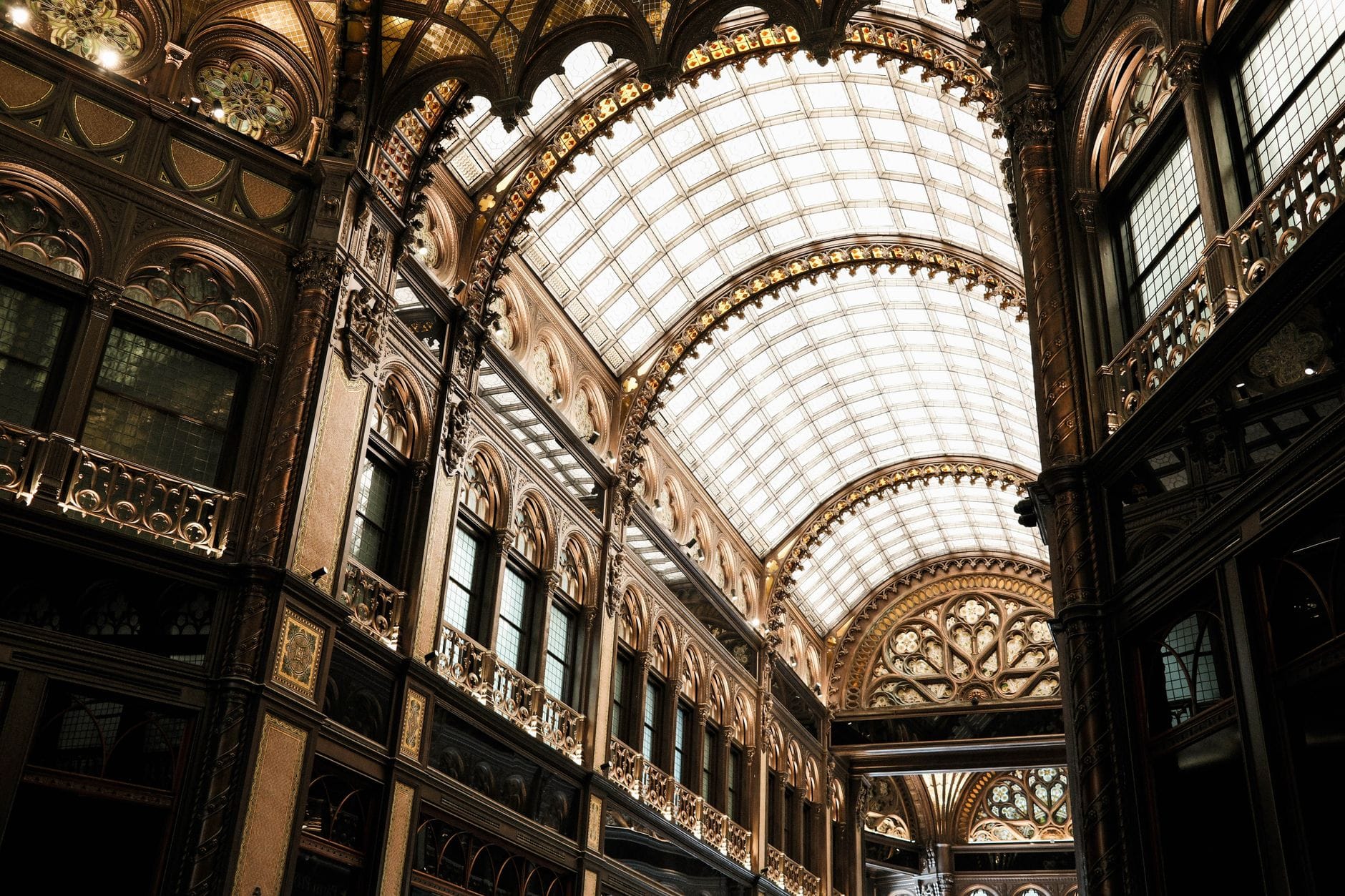
Budapest is unusually readable as a city because so many architectural eras survived intact or were restored after 1989. The Art Nouveau buildings concentrated on the Pest side date from the 1890s–1910s and represent the height of the golden age. The New York Café, opened in 1894, is the most photographed example of this era's interior design, though at its current prices it functions more as a spectacle than a coffee stop. The Central Market Hall, completed in 1897, is a more grounded choice: a functioning market with a neo-Gothic iron-frame structure that tells you exactly how seriously the city took its commercial ambitions in the 1890s.
Socialist-era architecture is less celebrated but equally informative. The brutal concrete housing blocks of the outer districts date from the 1960s–80s and housed the urban working class under the Kádár regime. Closer to the centre, the functional public buildings of the same era sit alongside Habsburg-period structures in ways that make the political transitions of the 20th century legible at street level. If you want to understand the texture of the city rather than just the monument trail, spend time walking in Districts VIII and IX on the Pest side, where all these layers overlap.
- Castle Hill: Medieval street plan, royal palace, Matthias Church, and Fisherman's Bastion in one compact area.
- Andrássy Avenue and the M1 metro: The spine of the 1896 golden age, from the Opera House to Heroes' Square.
- Dohány Street Synagogue complex: The centre of pre-war Jewish Budapest, with memorial garden and museum.
- Aquincum and Óbuda: Roman civilian city and military amphitheatre, best combined in a half-day trip.
- Terror Háza: The most direct confrontation with 20th-century political violence in the city.
- Memento Park: Socialist-era monumental sculpture removed after 1989, now preserved as an open-air museum.
Practical Tips for History-Focused Visitors
History tourism in Budapest rewards planning. A three-day Budapest itinerary can cover the major historical layers without feeling rushed, but only if you resist the temptation to cram in too many sites in a single day. The Castle Hill museums, Aquincum, Terror Háza, and the Dohány Street Synagogue each deserve at least two hours. Trying to do all four in one day means absorbing very little of what makes each significant.
The Budapest Card covers entry to several city-owned museums including the Budapest History Museum and the Hungarian National Museum, as well as unlimited public transport. It is worth calculating against your planned itinerary before buying, since privately operated sites like the Great Synagogue and Terror Háza are not included. English-language audio guides are available at most major sites; the quality is generally high at the Budapest History Museum and Aquincum, where the interpretive material matches international standards.
Seasonal timing matters for outdoor sites. The Roman ruins at Aquincum are more atmospheric and easier to interpret in the lower light of spring and autumn than in the harsh midday glare of July and August. Castle Hill is accessible year-round, though the combination of summer crowds, tour groups, and heat on the exposed plateau can make the experience unpleasant between late June and late August. Early morning visits before 9am, or late afternoon after 4pm, reduce both the crowds and the temperature significantly.
FAQ
When did Budapest become a unified city?
Budapest was officially created on 17 November 1873 by merging three previously separate cities: Buda and Óbuda on the west bank of the Danube, and Pest on the east bank. Before that date they had distinct administrations, populations, and characters. Pest was the more commercial and rapidly growing city; Buda was the historic royal capital.
What was Aquincum and why is it significant?
Aquincum was a Roman city founded around AD 89–100 as the capital of the province of Pannonia Inferior. At its peak it held a civilian population of around 30,000–40,000 and was a major military and administrative centre. Its ruins, located in the modern Óbuda district, include a civilian town, a military amphitheatre, bathhouses, and a museum containing the world's only surviving Roman water organ (a hydraulis). It is the most substantial Roman archaeological site in Hungary.
What happened in Budapest in 1956?
In October 1956, a popular uprising against the Soviet-backed communist government briefly took control of the city. Students, workers, and military units joined the revolt. Soviet forces intervened in force in November, crushing the revolution. Around 2,500 Hungarians were killed and approximately 200,000 fled the country as refugees. The event is commemorated on 23 October, a Hungarian national holiday, and is covered in depth at the Terror Háza museum on Andrássy Avenue.
What is the best museum for Budapest's history?
For the full sweep of the city's history from prehistoric times to the 20th century, the Budapest History Museum inside Buda Castle is the most comprehensive option. For Roman history specifically, the Aquincum Museum is unmatched. For 20th-century political history, Terror Háza is the most immersive and direct, though its framing is intentionally polemical. The Hungarian National Museum covers the broader sweep of Hungarian history from the Magyar conquest onward.
Is the Budapest Metro really the oldest in continental Europe?
Yes. The M1 line (the yellow line), originally called the Millennial Underground, opened on 2 May 1896, making it the first underground railway on the European continent. Only the London Underground, which opened in 1863, is older in Europe as a whole. The M1 was built to celebrate the thousandth anniversary of the Magyar conquest of 896 and runs beneath Andrássy Avenue. It is now part of a UNESCO World Heritage Site ensemble and operates with replica carriages that evoke the original design.
Tickets & tours
Live prices and dates from our booking partner. If you book, we may earn a commission at no extra cost to you.
Planning a trip? Discover personalized activities with the Nomado app.