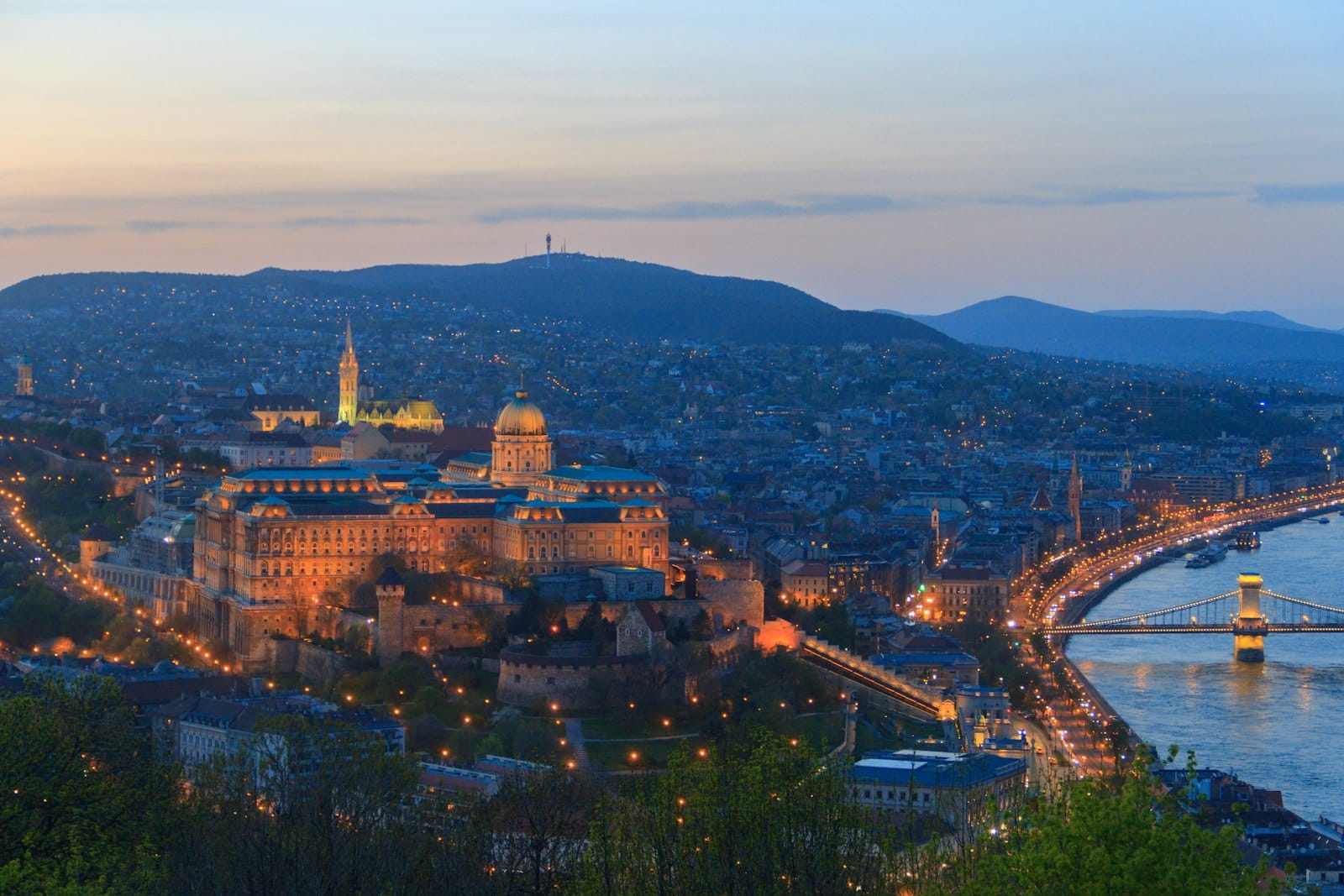
Castle Hill (Várhegy) rises about 70 meters above the Danube on Budapest's Buda side, forming the historic core of District I. Home to royal palaces, Gothic churches, and baroque townhouses, this UNESCO World Heritage plateau is the most architecturally concentrated area in the city — and one of its most visited.
Castle Hill is Budapest's elevated old town: a narrow limestone plateau on the Buda bank of the Danube where medieval streets, royal palaces, and sweeping river panoramas coexist within a few walkable blocks. It carries more history per square meter than almost anywhere else in Hungary, and the views across to the Pest skyline are among the best in Central Europe.
Orientation
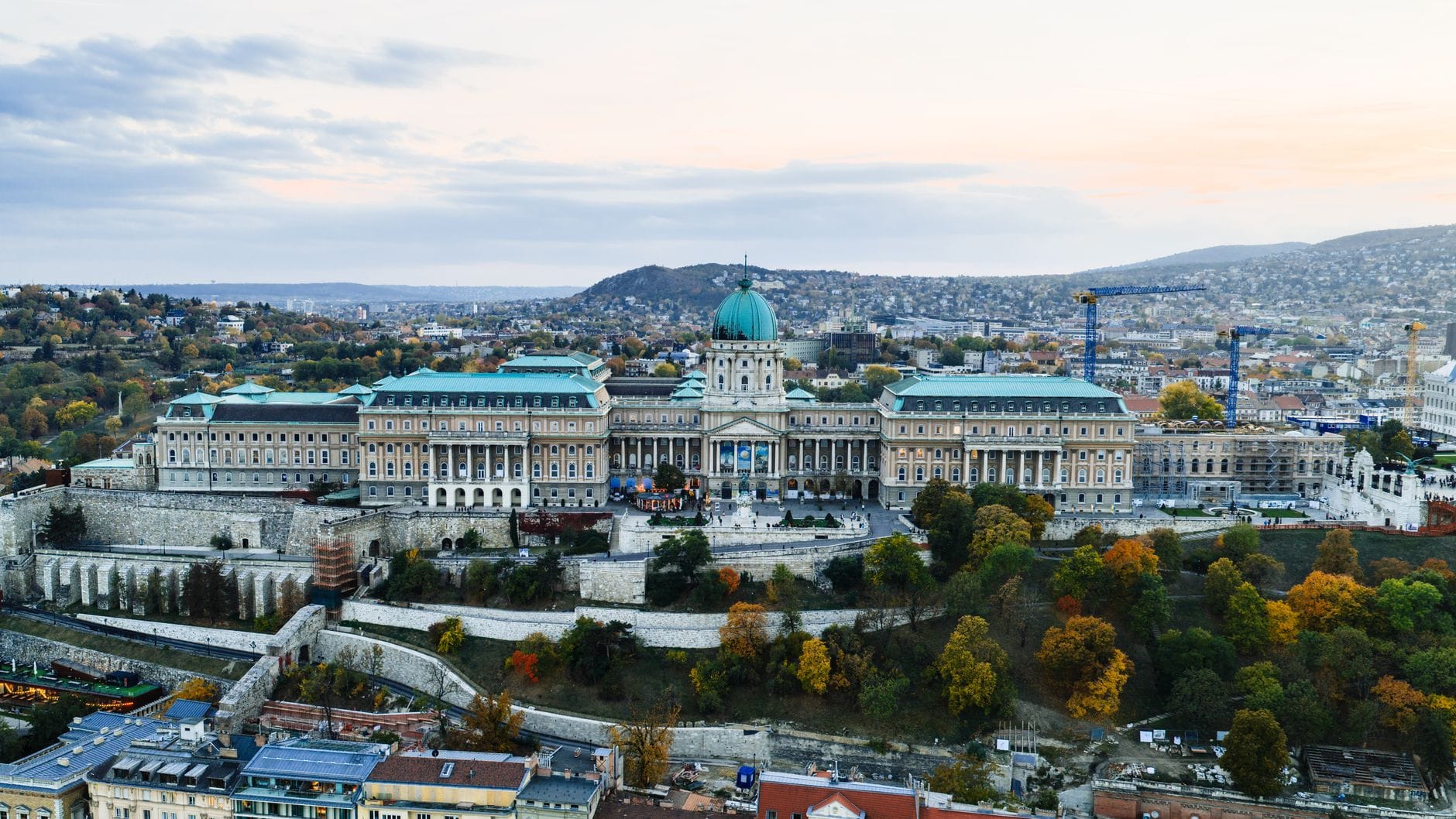
Castle Hill occupies the western bank of the Danube in Budapest's 1st District (Budavár), sitting roughly 70 meters above river level. The plateau runs north to south: Buda Castle and the Royal Palace anchor the southern end, while the medieval Old Town quarter — with Matthias Church, Fisherman's Bastion, and the residential backstreets — extends northward. The whole hilltop is compact enough to walk end to end in around 20 minutes.
The hill is bounded on the east by the Danube embankment and the Chain Bridge landing at Clark Ádám tér. To the west, the plateau drops toward Krisztinaváros and the residential streets leading down to Széll Kálmán tér. The neighborhoods directly below Castle Hill — Víziváros (Watertown) to the north and east, and the quieter Tabán area to the south — feel like entirely different worlds: lower in elevation, lived-in, and far less visited.
Castle Hill officially forms part of the "Budapest, including the Banks of the Danube, the Buda Castle Quarter and Andrássy Avenue" UNESCO World Heritage Site, recognized alongside the banks of the Danube and Andrássy Avenue. To get your bearings across the city, the where to stay in Budapest guide explains how Castle Hill compares to other neighborhoods for accommodation, and the broader Budapest history guide fills in the centuries of context that make this plateau make sense.
Character & Atmosphere
Early morning is the best time to experience Castle Hill as it actually is. By 7am the cobblestone lanes of Úri utca and Országház utca are nearly empty, the stone facades catching low golden light from the east, the air carrying almost no sound beyond footsteps and birds. The medieval street grid — narrow, slightly irregular, lined with baroque and Gothic townhouses in soft yellows and pale ochres — gives the impression of a city that stopped changing sometime in the 18th century, even though much of what you see was rebuilt after World War II.
By mid-morning, tour groups arrive in force. The area around Fisherman's Bastion becomes genuinely difficult to navigate between roughly 10am and 4pm in high season (May through September). The viewing terraces fill up, the souvenir stalls along Fortuna utca and Szentháromság tér do brisk business, and the sense of quiet discovery evaporates. This is not a neighborhood that hides its popularity. If you're sensitive to crowds and noise, plan your visit to the main sights either very early or in the early evening.
After 5pm the character shifts again. Day-trippers filter out, the afternoon light softens across the rooftops, and the views from the castle ramparts toward the Hungarian Parliament Building on the Pest side take on a cinematic quality. By evening, Castle Hill becomes almost peaceful: a handful of restaurants fill up, but the streets themselves are quiet. Almost no one actually lives here in significant numbers — the hill is too tourist-oriented and too expensive for ordinary Budapest residents — so the night atmosphere is calm rather than lively.
💡 Local tip
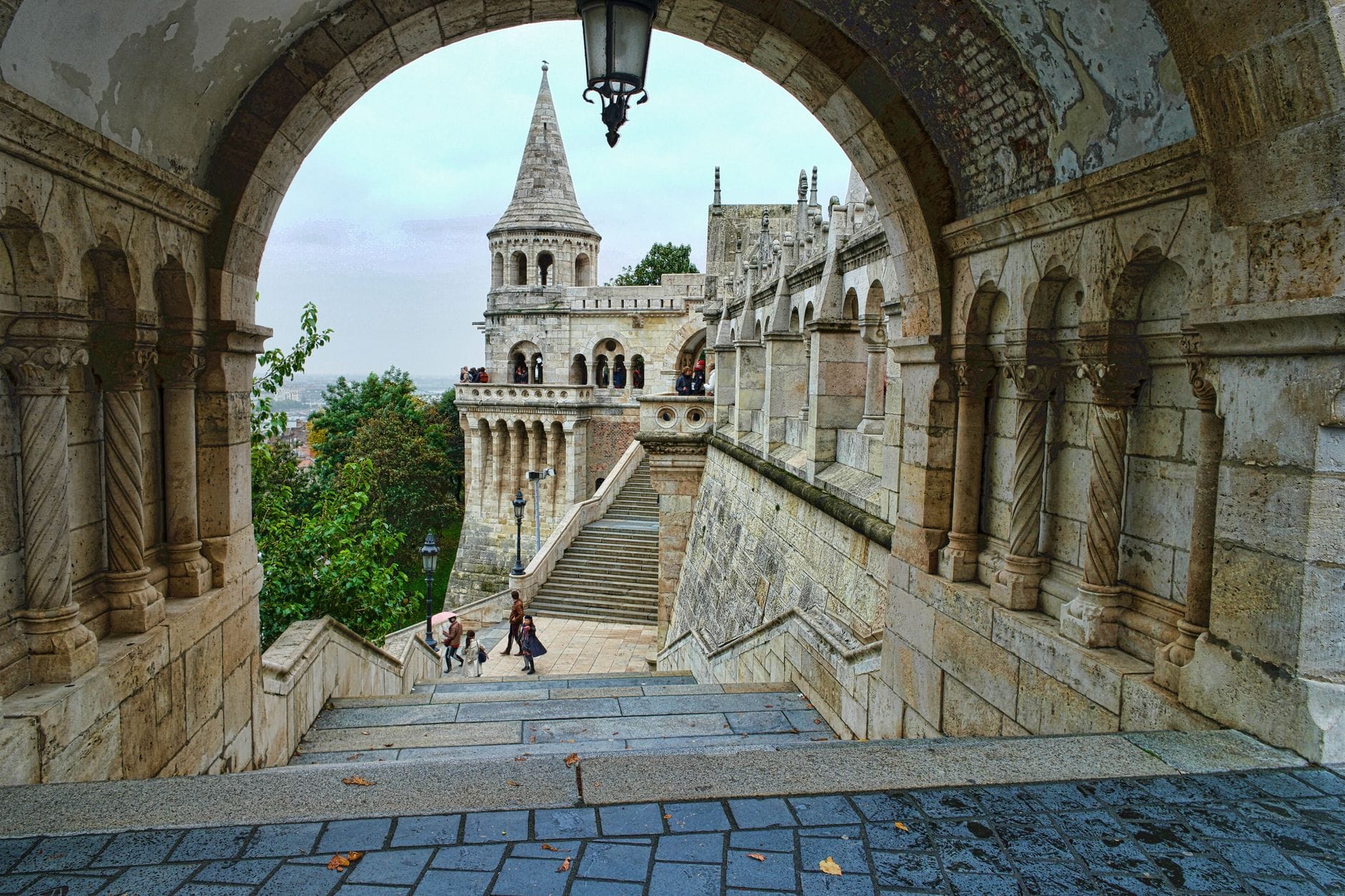
Arrive at Fisherman's Bastion before 9am if you want photographs without crowds. The gates to the lower terrace are free during early hours, and the light from the east falls directly on the neo-Romanesque towers — ideal conditions that disappear once the tour buses start arriving.
What to See & Do
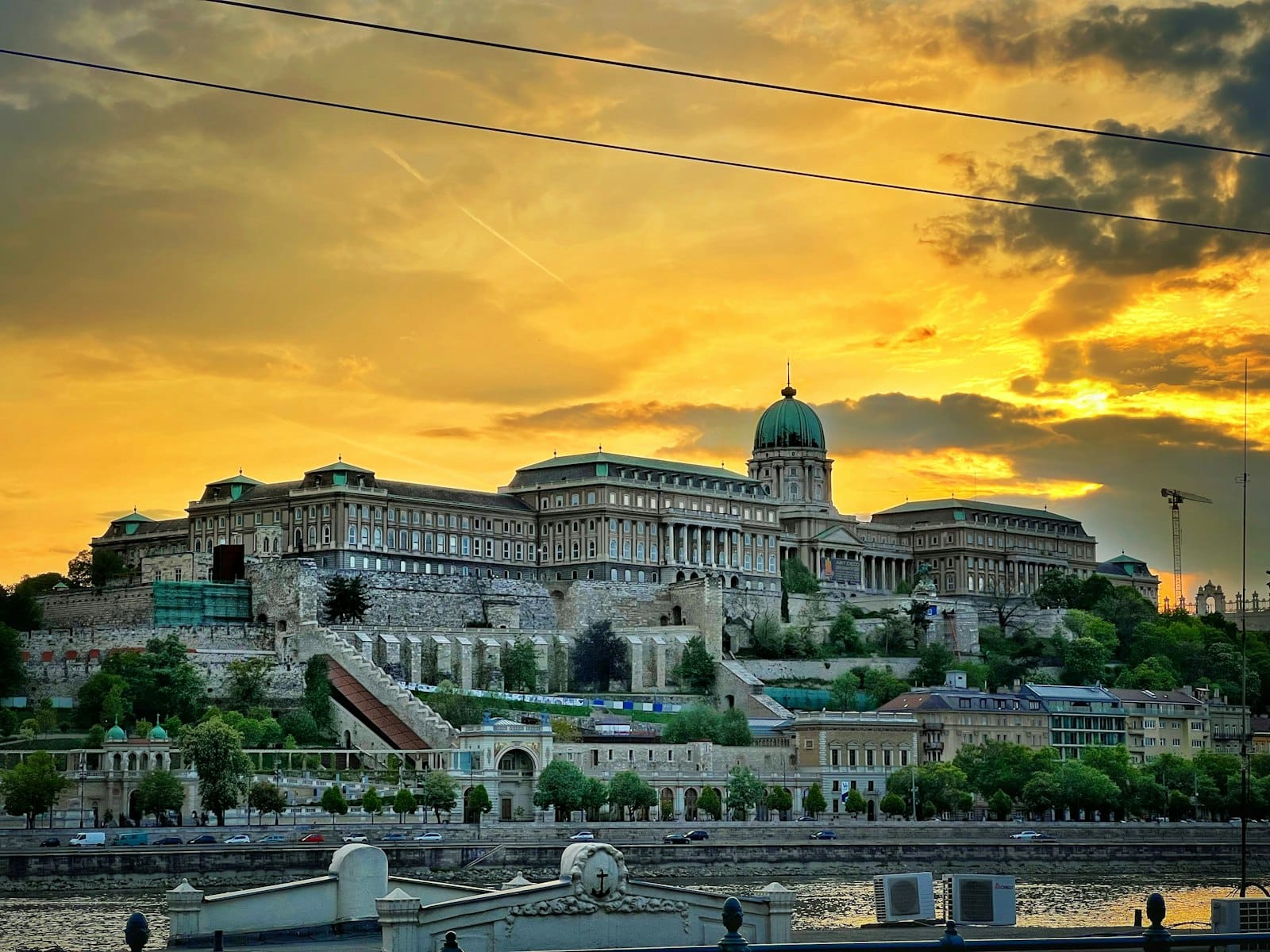
The most significant landmark on the hill is Buda Castle, the vast royal palace complex at the southern tip of the plateau. The palace as it stands today is largely a 20th-century reconstruction — the building was destroyed in World War II and rebuilt in a simplified baroque style — but the scale is still impressive, and the interior houses three major institutions: the Hungarian National Gallery, the Budapest History Museum, and the National Széchényi Library.
The Hungarian National Gallery is worth dedicated time if you have any interest in Hungarian painting and sculpture from the medieval period through the 20th century. The permanent collection covers Gothic altarpieces, 19th-century realist painting, and early modernism — all within a palace setting that adds its own layer of context. Plan for at least two hours, more if you want to explore thoroughly.
Fisherman's Bastion is the neo-Romanesque terrace structure that has become Budapest's most photographed viewpoint. Built between 1895 and 1902 to designs by Frigyes Schulek, it was never a defensive fortification in any practical sense — the name references the guild of fishermen who historically defended this section of the city walls. The views across to the Parliament are genuinely spectacular, especially at dawn or dusk.
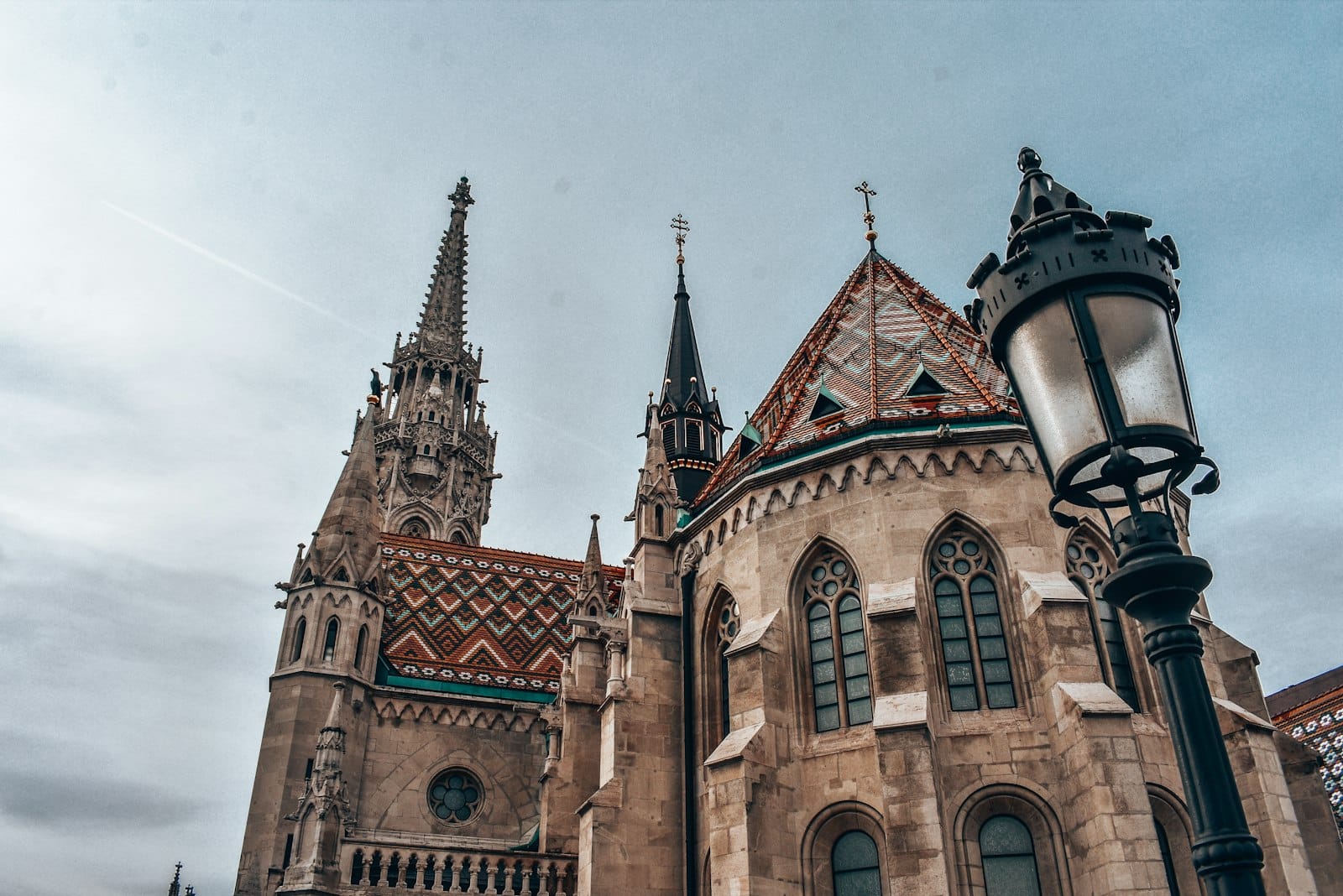
Directly adjacent to Fisherman's Bastion stands Matthias Church (Mátyás-templom), one of the most layered buildings in Budapest. The core of the structure dates to the 14th century, but it was significantly altered during the Ottoman occupation (when it served as a mosque), then rebuilt in neo-Gothic style in the late 19th century. The interior tilework, geometric ceiling patterns, and carved stone details reward close attention.
Buda Castle and the Royal Palace complex (southern plateau)
Hungarian National Gallery — major collection of Hungarian art across centuries
Fisherman's Bastion — the best panoramic viewpoint on the Buda side
Matthias Church — 14th-century origins, heavily decorated interior
Sándor Palace — presidential residence, changing of the guard worth watching
Hospital in the Rock — underground WWII hospital and Cold War nuclear bunker
Military History Institute and Museum — arms and uniforms, less visited than the main sights
Church of Mary Magdalene — ruined medieval church tower, peaceful courtyard
Labyrinth of Buda Castle — underground cave network beneath the hill (check current opening status before visiting)
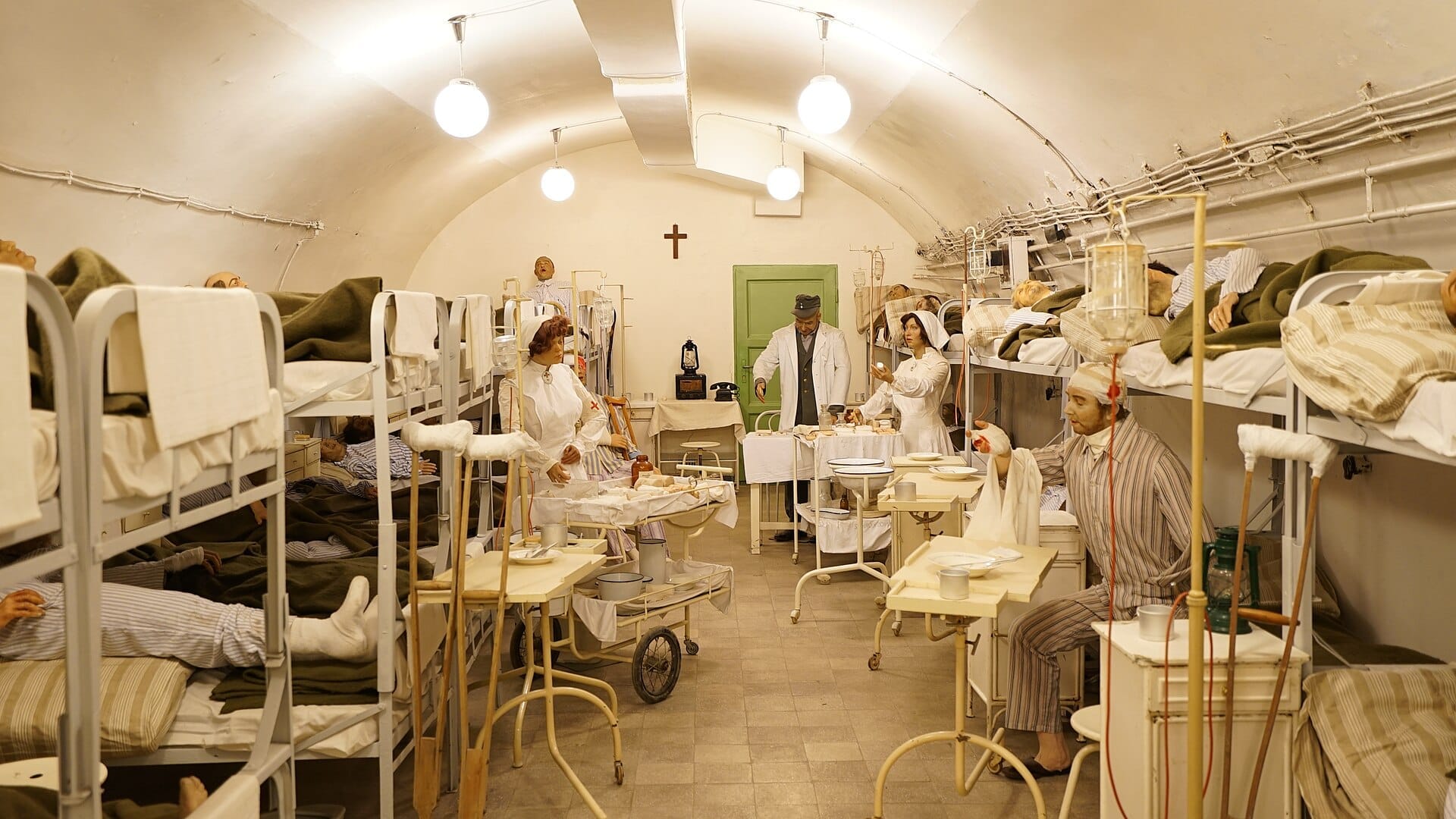
One attraction that consistently surprises visitors is the Hospital in the Rock, a network of tunnels and chambers carved beneath the hill that served as a wartime hospital during World War II and later as a nuclear bunker during the Cold War. The guided tour is detailed and genuinely affecting — it covers a side of Budapest's 20th-century history that the palace and church don't address.
ℹ️ Good to know
The Budapest Card covers free or discounted entry to several Castle Hill attractions, including the Hungarian National Gallery. If you're planning more than two or three museum visits during your stay, it's worth calculating whether the card pays off. See the Budapest Card guide for a breakdown.
Eating & Drinking
Honesty first: Castle Hill is not where Budapest eats well at reasonable prices. The concentration of tourists and the limited competition on a plateau with no residential base has produced a food scene that skews toward high prices, average quality, and tourist-facing menus. Most restaurants around Szentháromság tér and along the main pedestrian streets charge significantly more than equivalent places in Pest and deliver less.
That said, there are exceptions. A handful of restaurants attached to the castle complex and along the quieter sections of Úri utca serve Hungarian cuisine at a level that justifies the premium, particularly for traditional dishes like gulyás (goulash), töltött káposzta (stuffed cabbage), and various preparations of freshwater fish. For coffee and pastries, the cafés near Fisherman's Bastion are convenient but overpriced — if you can wait until you descend to Víziváros or cross to Pest, your forint will go further.
The best practical approach is to treat Castle Hill as a sightseeing area and eat elsewhere. Have breakfast in Víziváros or near Batthyány tér before ascending, explore the hill through midday, and descend for lunch or dinner in a neighborhood with actual competition driving quality up and prices down. The central market in Pest, the streets around Raday utca in Ferencváros, or the ruin bar district in the Jewish Quarter all offer far better value.
⚠️ What to skip
Watch for restaurants near Fisherman's Bastion that display menus without prices, add mandatory 'service charges' not mentioned upfront, or present the bill in euros rather than forints. These practices are not universal, but they do occur in high-traffic tourist zones. Always confirm prices before ordering and check your bill carefully.
Getting There & Around
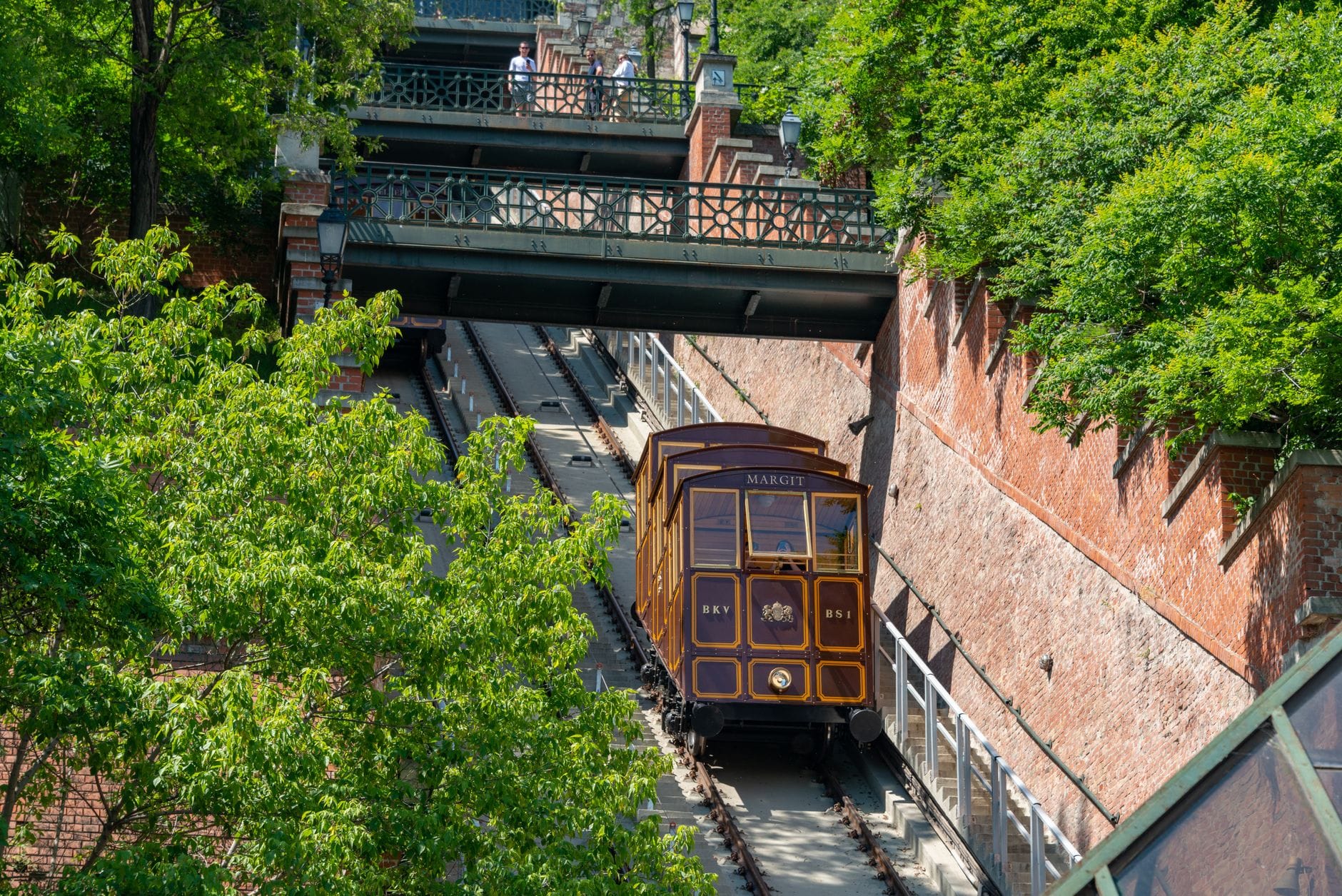
The most atmospheric way to reach Castle Hill is via the Castle Hill Funicular (Budavári sikló), which departs from Clark Ádám tér at the Buda end of the Chain Bridge. The ride takes roughly 90 seconds and delivers you to the southern end of the castle complex. It runs from early morning until late evening, but the queue can be long during peak hours — the funicular carries a limited number of passengers per run, so morning waits of 20 to 30 minutes are not unusual in summer. A separate ticket is required; prices should be verified directly with the operator before publishing, as they change periodically.
Bus routes 16, 116 and 216 (the Várbusz services) serve Castle Hill directly, with route 16 running between Deák Ferenc tér and Széll Kálmán tér in Buda. Széll Kálmán tér is a major transport hub: Metro Line M2 (the red line) stops here, and tram lines 4 and 6 pass through on the Nagy körút (Grand Boulevard). The bus connects central Pest with Széll Kálmán tér via the Chain Bridge and Castle Hill, dropping you near the northern end of the plateau, close to Matthias Church and Fisherman's Bastion — useful if you want to approach from that end rather than via the funicular.
On foot, Castle Hill is reachable via several steep stairways climbing from the Danube embankment and Víziváros. The most direct pedestrian route from Clark Ádám tér follows a winding path uphill alongside the funicular track. From the Pest side, cross the Chain Bridge on foot (around 10 minutes from Vörösmarty tér), then either take the funicular or walk up. The cobblestone surfaces on the hill itself are manageable for most people but can be slippery when wet — wear shoes with grip, especially in winter.
For broader transit logistics across the city, the getting around Budapest guide covers the full BKK network, ticketing options, and how to navigate between Buda and Pest efficiently.
Where to Stay
Accommodation on Castle Hill itself is limited and tends to sit at the higher end of the price range. A small number of boutique hotels and guesthouses operate within the castle district, offering the obvious appeal of being steps from the main sights. For travelers whose priority is waking up inside a UNESCO World Heritage site and walking to Fisherman's Bastion in minutes, this trade-off can make sense.
The practical drawbacks are real, however. Getting in and out of Castle Hill for anything beyond sightseeing — grocery shopping, casual dining, evening drinks in the ruin bar district — requires descending and ascending the hill each time, which becomes tedious over several days. The neighborhood has almost no nightlife, limited restaurant variety, and a quiet-to-dead atmosphere after 8pm. Most travelers who stay on the hill report that the novelty wears off by the second day.
A more practical base for visiting Castle Hill is the Víziváros area directly below (closer to Batthyány tér and the M2 metro), or central Pest districts close to the Chain Bridge. Both options put Castle Hill within 15 to 20 minutes on foot or transit, while keeping you connected to the rest of the city. The where to stay in Budapest guide covers all the main neighborhoods with an honest assessment of who each one suits.
Practical Tips Before You Go
Castle Hill works best as a full half-day excursion rather than a base for exploring the city. Pair it with a walk across the Chain Bridge and a visit to the Pest riverfront for a balanced day. If you're building a multi-day itinerary, the 3-day Budapest itinerary integrates Castle Hill logically with the city's other major areas.
Cobblestone streets and uneven surfaces mean the hill is genuinely difficult for wheelchair users and strollers in many sections. The funicular is accessible, but the plateau itself presents challenges. In winter, ice on the cobblestones is a real hazard — traction footwear is not optional.
Castle Hill can feel overwhelming if you try to do everything at once. Prioritize based on your interests: architectural history and panoramas favor Fisherman's Bastion and the castle ramparts; art and collections favor the Hungarian National Gallery; 20th-century history favors the Hospital in the Rock. For a wider view of what the city offers beyond Castle Hill, the things to do in Budapest guide provides a comprehensive overview across all districts.
TL;DR
Castle Hill (Várhegy) is Budapest's most historically dense district: a compact limestone plateau above the Danube with royal palaces, medieval churches, and panoramic views that no other part of the city matches.
Best visited in the early morning or early evening to avoid peak-hour crowds, especially around Fisherman's Bastion and Matthias Church from May through September.
The food scene on the hill is tourist-oriented and overpriced by Budapest standards — eat before ascending or after descending.
Access is easy via the Castle Hill Funicular from Clark Ádám tér, or by Várbusz (routes 16/16A) from Széll Kálmán tér on the M2 metro line.
Staying on Castle Hill suits travelers who prioritize atmosphere over convenience; most visitors will find a base in Víziváros or central Pest more practical for exploring the whole city.
Budapest punches well above its weight as a museum city. From a world-class collection of Old Masters to underground WWII hospitals and open-air Communist statues, these are the museums that make Budapest worth dedicating serious time to.
Budapest rewards visitors in every season, but the timing of your trip shapes everything from what you pay to how crowded the sights are. This guide breaks down every month so you can match your priorities, whether that's mild weather, low prices, major festivals, or the city's legendary Christmas markets.
Budapest is one of Europe's great Art Nouveau cities, with a distinct national style that sets it apart from Vienna or Paris. This guide covers the key buildings, the architects behind them, how to explore the city's Szecesszió heritage on foot, and what to watch out for along the way.
The Budapest Card bundles unlimited public transport with free museum entry, one free thermal bath visit at Lukács, and a free Danube river cruise into one pass. But at up to €129, it only pays off under specific conditions. Here's a clear breakdown of who should buy it, who should skip it, and how to activate it correctly.
Budapest food is hearty, affordable, and deeply underrated. This guide covers the essential dishes to try, where to find them, what things actually cost in 2026, and how to avoid the tourist traps that pass off mediocre goulash stew as the real thing.
Budapest rewards those who look beyond the Parliament and Chain Bridge. From ancient Roman ruins in Óbuda to a Cold War bunker beneath Castle Hill, this guide points you toward the city's most overlooked and underrated experiences.
Budapest carries more than 2,000 years of history across its two riverbanks. This guide traces the city's major eras, from Roman legions to Habsburg grandeur and Cold War upheaval, and shows you exactly where to see that history in person.
December transforms Budapest into one of Europe's most atmospheric winter destinations, with free Christmas markets, steaming thermal baths, and far fewer crowds than summer. This guide covers weather realities, the two flagship markets, pricing, crowd patterns, and practical tips for getting the most from a winter visit.
Three days is exactly enough time to get a serious handle on Budapest. This itinerary splits the city logically across both banks of the Danube, covers the unmissable sights without rushing, and leaves room for the thermal baths, Jewish Quarter, and a proper evening out.
Budapest punches well above its weight in the luxury travel market. Five-star hotels cost 40-60% less than comparable properties in Vienna or Paris, the thermal spa culture is unmatched in Europe, and the fine dining scene has quietly matured into something genuinely world-class. This guide covers where to stay, where to soak, and where to eat at the top end of the market.
Budapest after dark is one of Europe's most distinct nightlife scenes, built around crumbling courtyards, thermal bath parties, and riverfront venues that keep going until sunrise. This guide covers the key districts, best venues, realistic drink prices, and how to navigate the city's nights without the common tourist mistakes.
Budapest's ruin bars are unlike anything else in Europe: abandoned buildings transformed into labyrinthine bars, galleries, and gardens. This guide covers the best venues, realistic prices, transport logistics, and seasonal tips to help you experience them properly.
Budapest is one of Central Europe's safer capitals, but petty crime, taxi overcharging, and bar bill scams catch many visitors off guard. This guide breaks down exactly what to watch for, where the risks concentrate, and how to handle each situation confidently.
Budapest rewards shoppers across every budget, from paprika and Tokaji wine at the Great Market Hall to luxury boutiques on Andrássy Avenue and Soviet-era curiosities at Ecseri flea market. This guide covers where to go, what to buy, and how to avoid overpaying on Váci Street.
Budapest sits on top of nearly 130 natural hot springs, and its thermal baths are among the most atmospheric in Europe. This guide cuts through the hype: which baths are actually open in 2026, what you'll realistically pay, how to avoid peak crowds, and which options suit your budget and travel style.
Everything you need to plan the Budapest to Prague journey, whether you want the comfort of a direct train, the cheapest bus fare, or the fastest flight. Includes prices, schedules, booking tips, and what to expect on each route.
Budapest is one of Europe's most photogenic cities, and knowing where to look changes everything. This guide covers the best panoramic viewpoints, hilltop terraces, and elevated bars where the city reveals itself in full.
Budapest rewards families with an impressive range of kid-friendly experiences: a century-old zoo, a narrow-gauge railway run by children, interactive science centers, and a car-free island with playgrounds and bike rentals. This guide covers the best family activities in Budapest, with practical advice on what works for different ages, what to skip, and how to plan your days efficiently.
Budapest sits at the center of one of Central Europe's best rail networks, putting medieval towns, thermal lake resorts, and even Vienna within easy reach. This guide covers the top day trips from Budapest with exact transport options, realistic fares, and clear assessments of what each destination is actually worth your time.
Budapest rewards budget travelers generously. From sweeping hilltop panoramas to centuries-old bridges and grand market halls, some of the city's most memorable experiences cost absolutely nothing. This guide covers the best free things to do in Budapest, organized so you can plan a full day without opening your wallet.
Budapest has one of Central Europe's most comprehensive public transport networks, run by BKK. This guide covers every mode of transport, ticket types with current prices, how to avoid fines, and the best ways to get from the airport to the city center.
Budapest is one of Central Europe's most rewarding cities, but it's not for everyone. This guide breaks down exactly what you get: the UNESCO-listed landmarks, thermal baths, food scene, and nightlife, alongside the real drawbacks, seasonal trade-offs, and practical logistics you need to know before booking.
Budapest is one of Europe's most atmospheric cities for couples, combining grand architecture, thermal spa culture, candlelit river cruises, and sweeping hilltop views. This guide covers the best romantic experiences in Budapest, from free sunset walks to splurge-worthy dinner cruises, with practical advice on timing, cost, and what to skip.
Budapest rewards visitors with an unusually rich mix of history, architecture, and culture packed into a compact, walkable city. This guide covers the best things to do in Budapest — from iconic landmarks and thermal baths to underrated neighborhoods — with practical advice on what is worth your time and what is not.
Budapest divides naturally into distinct neighborhoods, each with its own character, price range, and practical trade-offs. This guide breaks down the best areas to stay based on what you actually want from your trip, from walkable sightseeing bases to quieter hillside retreats.