Is Budapest Worth Visiting? Here's the Honest Answer
Budapest is one of Central Europe's most rewarding cities, but it's not for everyone. This guide breaks down exactly what you get: the UNESCO-listed landmarks, thermal baths, food scene, and nightlife, alongside the real drawbacks, seasonal trade-offs, and practical logistics you need to know before booking.
Plan and book this trip
Tools from our partner Travelpayouts help you compare flights and hotels. If you book through them, we may earn a commission at no extra cost to you.
Flights
Hotels map
TL;DR
- Budapest is Hungary's capital, straddling the Danube with hilly Buda on the west bank and flat Pest on the east, unified in 1873.
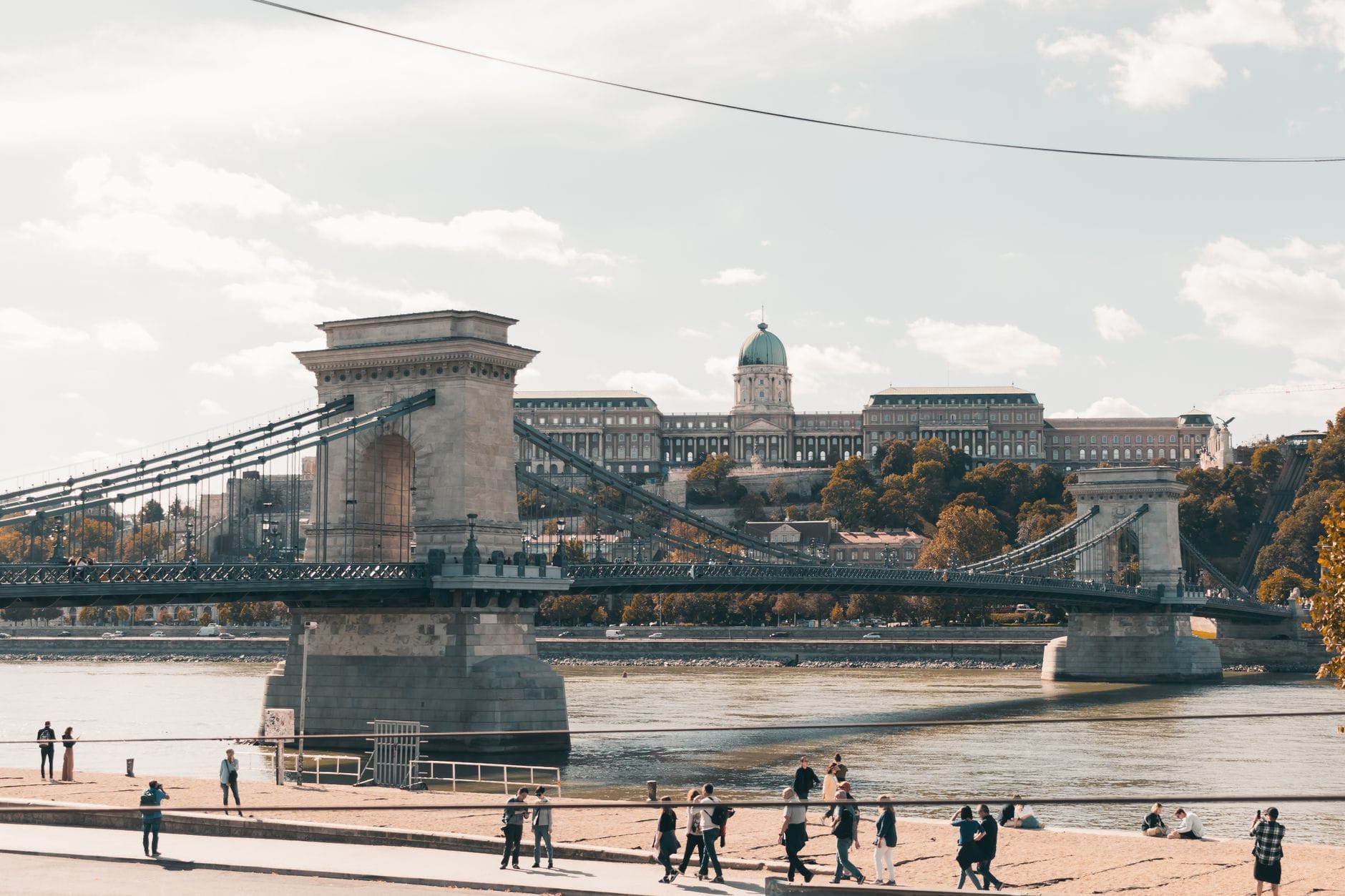
- Its historic center is a UNESCO World Heritage Site, including Buda Castle and the Danube Banks (inscribed in 1987), with Andrássy Avenue added as an extension in 2002.
- The city earns its title as Europe's spa capital with over 100 geothermal springs. The thermal bath scene alone justifies the trip for many visitors.
- Shoulder seasons (April-May and September-October) offer the best balance of pleasant weather and manageable crowds.
- Budapest is genuinely affordable by Western European standards, with good public transport, walkable districts, and a food scene that goes far beyond goulash.
What Budapest Actually Is (And Why It's Unique)
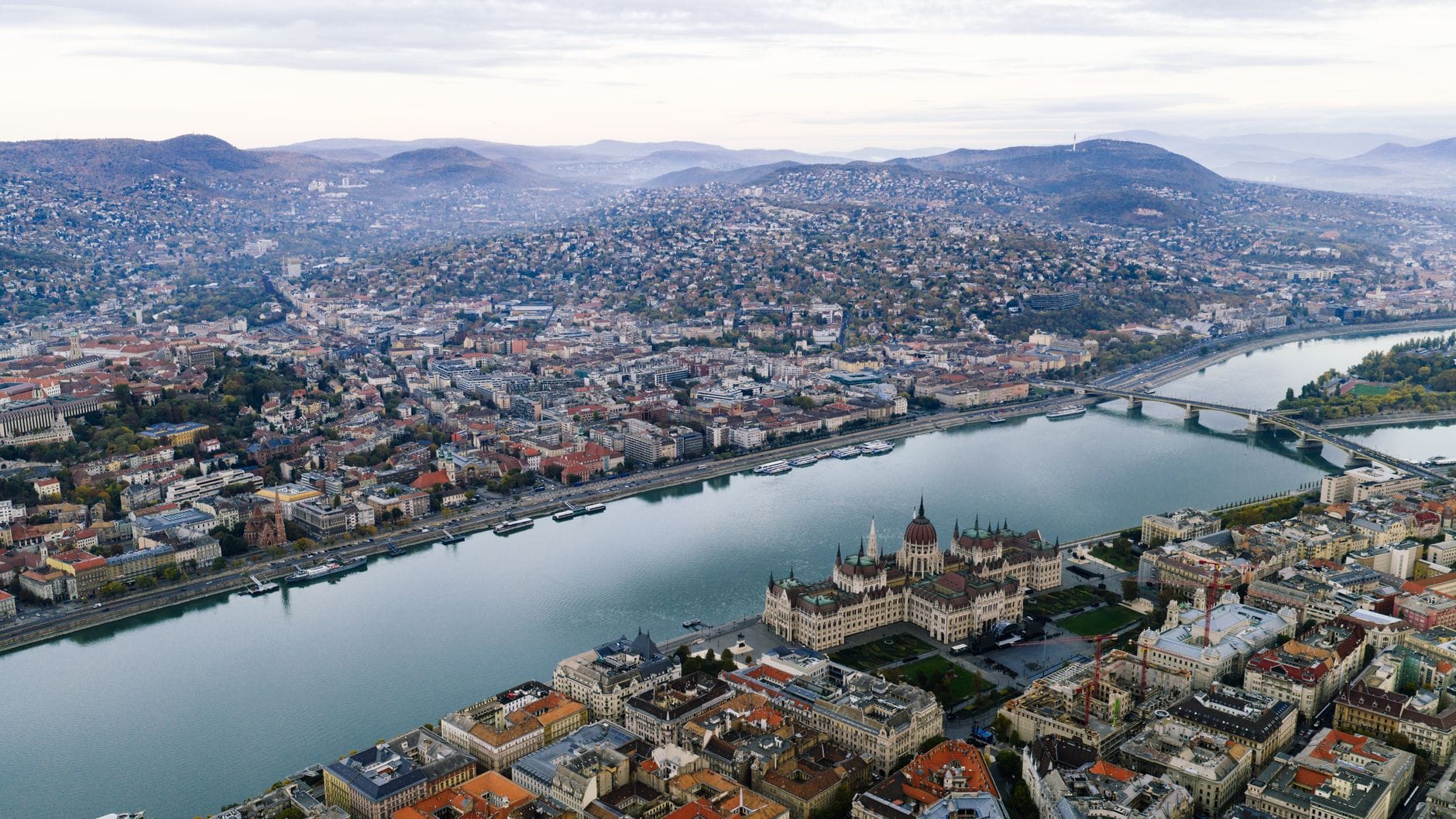
Budapest is the capital and largest city of Hungary, home to around 1.75 million people within city limits and roughly 2.5–2.8 million in the wider metropolitan area. It sits at latitude 47°N in Central Europe, and its continental climate means real winters and warm summers, not the temperate drizzle of Western European capitals. The city's personality comes directly from its geography: the Danube splits it into two very different halves, and that split shapes everything from architecture to neighborhood character.
Buda, on the hilly western bank, contains the medieval castle district, Fisherman's Bastion, and some of the city's quietest residential streets. Pest, the flat eastern bank, is where the majority of the population lives, where commerce concentrates, and where most of the nightlife, restaurants, and museums are found. The two sides feel noticeably different in character, which is one reason Budapest holds attention across multiple days in a way that more homogeneous cities don't.
The city's origins trace back over 2,000 years to a Roman settlement called Aquincum in what is now the Óbuda district. The three historically distinct towns of Buda, Pest, and Óbuda were unified into a single municipality in 1873, giving Budapest its current form. That layered history is legible in the architecture: Roman ruins, Ottoman-era bathhouses, grand Austro-Hungarian boulevards, Art Nouveau coffee houses, and Soviet-era housing blocks all coexist within a few kilometers of each other.
The Case For Visiting: What Budapest Does Best
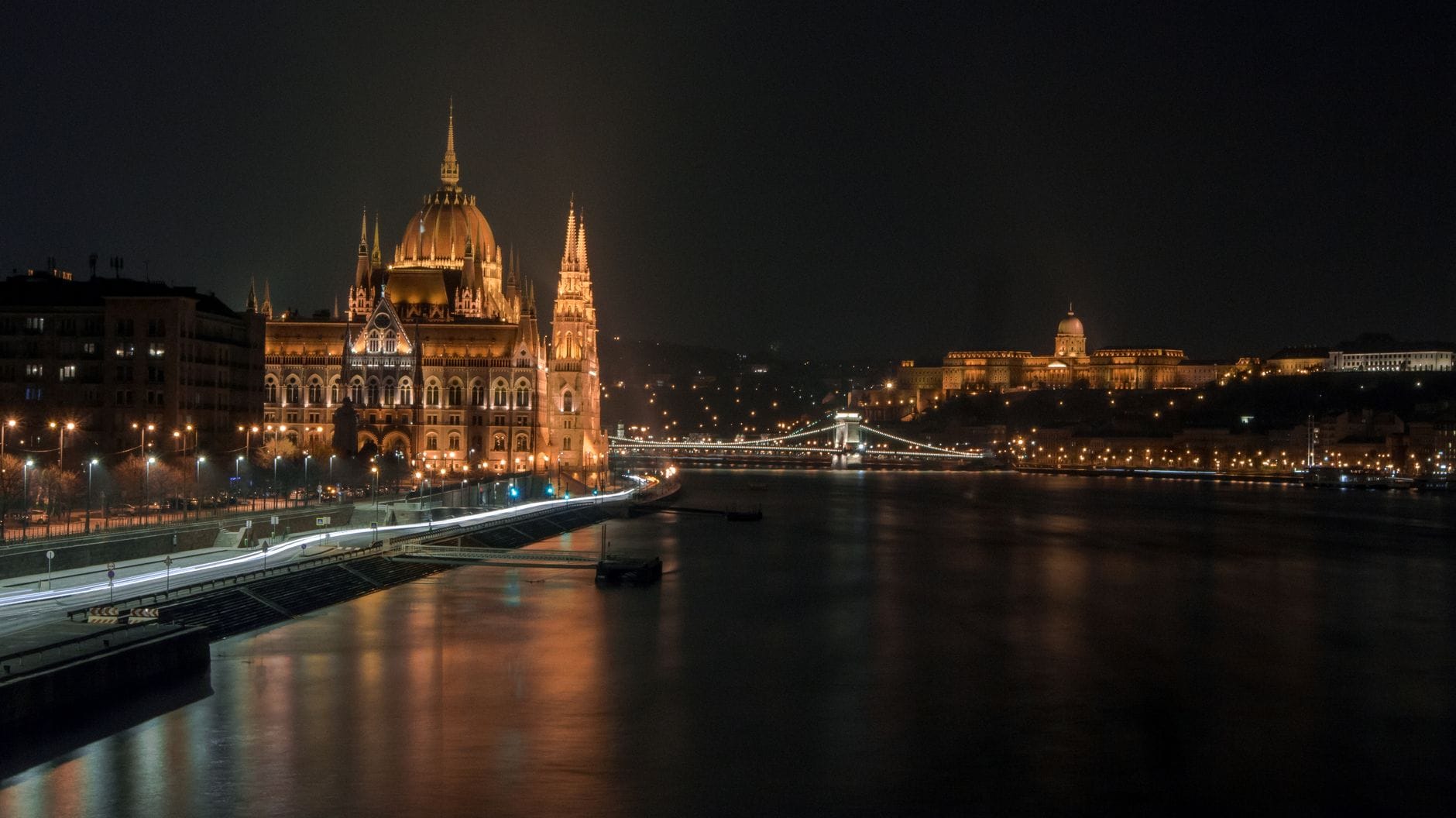
The UNESCO designation covers the Banks of the Danube and the Buda Castle Quarter (inscribed in 1987), with Andrássy Avenue added in a 2002 extension. This is not just a rubber stamp on old buildings. Standing on the Chain Bridge at dusk with the Parliament building lit up on one side and Buda Castle illuminated on the other is a genuinely striking experience. The Parliament building itself is one of the largest national parliament buildings in the world and one of the most photographed in Europe for good reason.
The thermal bath culture is the city's most distinctive offering. Budapest sits on more than 100 geothermal springs, and bathing culture has been embedded here since the Ottoman occupation in the 16th century. The Széchenyi Thermal Bath in City Park is the most famous, an enormous Neo-Baroque complex with outdoor pools where you can soak at 38°C while chess players play on floating boards in the water. Gellért Thermal Bath has more architectural grandeur, with Art Nouveau interiors and stained glass ceilings, but is closed for renovation until around 2028 — admire the building from outside and bathe elsewhere for now. Rudas is more atmospheric and local-feeling, with a 16th-century Ottoman dome over the central pool.
✨ Pro tip
Széchenyi is the most accessible bath for first-timers, but it gets crowded on weekends. Arrive before 10am on a weekday or book online to avoid long queues at the entrance. Rudas is worth considering if you want a less tourist-heavy experience.
The food scene is another strong argument. Hungarian cuisine is more sophisticated than its international reputation suggests, and Budapest has a restaurant culture that spans everything from market canteens to serious fine dining. The Central Market Hall on the Pest riverfront is worth visiting for produce and lángos, a fried dough topped with sour cream and cheese. Beyond traditional food, the city has developed a strong cafe culture and a growing number of restaurants doing modern takes on Central European ingredients.
- Architecture UNESCO World Heritage Site, with Austro-Hungarian grandeur, Art Nouveau details, and medieval remains all within walking distance.
- Thermal baths Over 100 geothermal springs feed a bath culture with no equivalent in Europe. Operational year-round, including in winter.
- Cultural depth The Hungarian National Museum, Museum of Fine Arts, and Terror Háza all offer serious collections that reward a full afternoon.
- Affordability Budget travelers can eat, drink, and stay well here at significantly lower prices than in Vienna, Prague, or Berlin.
- Nightlife and ruin bars District VII's ruin bars, starting with Szimpla Kert, created a whole genre of nightlife venue that has been widely imitated but never quite replicated.
Honest Drawbacks: What Budapest Gets Wrong
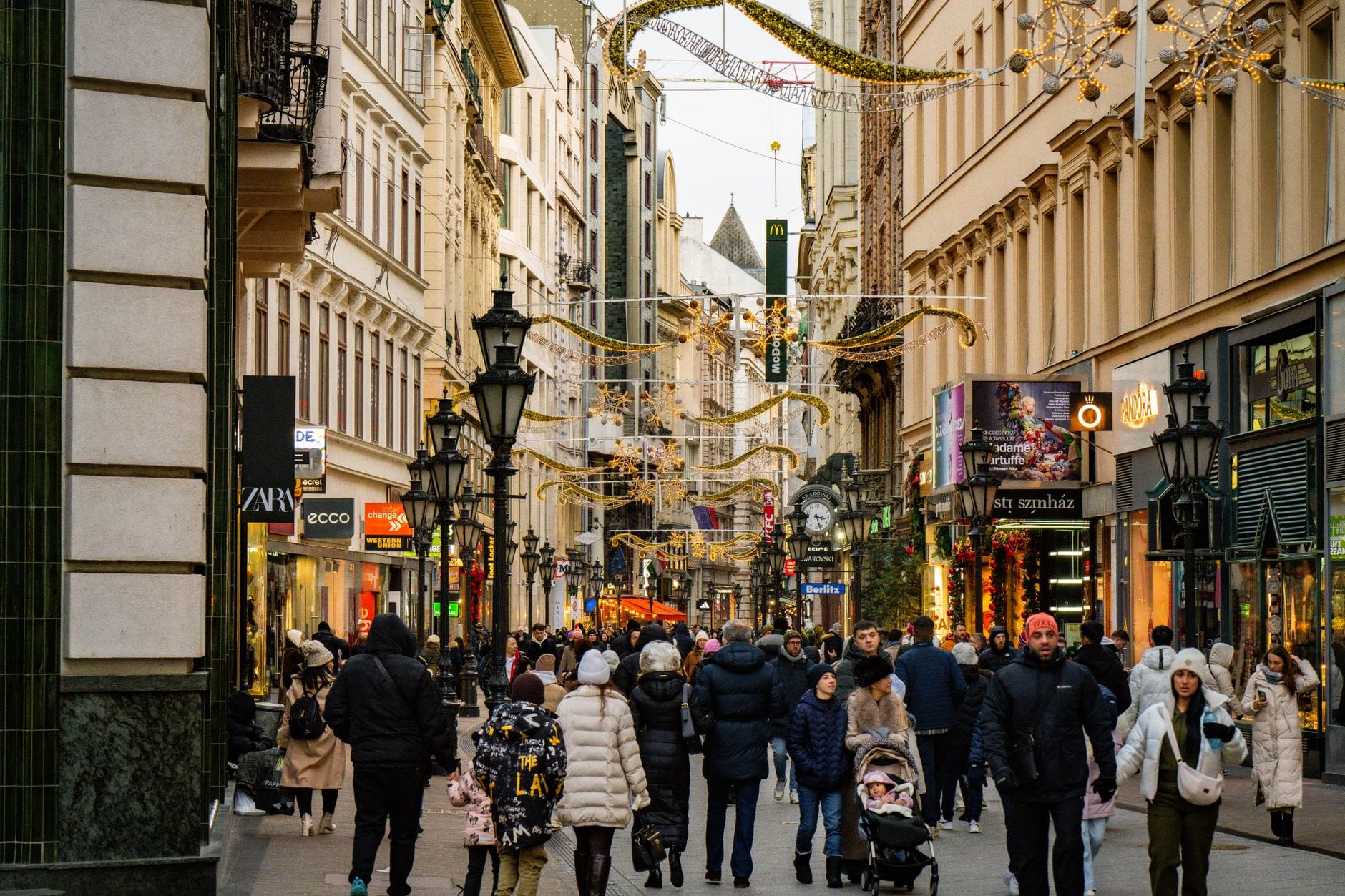
Budapest is not a flawless destination, and glossing over the problems does no one any favors. The most common complaint from first-time visitors is uneven service quality in the tourist core. Váci Street, the main pedestrian shopping street in Pest, is an overpriced tourist trap lined with souvenir shops and restaurants that rely on foot traffic rather than quality. Avoid eating on Váci Street itself and walk one block in either direction for better and cheaper options.
Taxi scams are a documented issue, though less prevalent than they were a decade ago. Unlicensed or overcharging taxis still operate near major tourist sites. Use Bolt or Uber (both operate via licensed taxi partners), or confirm the fare before getting in. Official licensed taxis should have a yellow license plate and a metered rate, but the safest approach is to order through an app.
⚠️ What to skip
Avoid restaurants that post laminated menus in five languages outside tourist landmarks. These venues frequently charge significantly above local rates and sometimes add service charges not stated on the menu. Ask for an itemized bill before paying if something looks wrong.
The summer heat can be punishing. August temperatures regularly reach 33-35°C in the city, with limited shade in the historic areas and no sea breeze. The city doesn't shut down in summer the way some Southern European destinations do, but if you're planning a lot of walking, late June through August is the hardest time physically. Combine that with peak tourist volumes, and you'll be sharing the top viewpoints and bath pools with very large crowds.
When to Go: Seasons and Trade-Offs
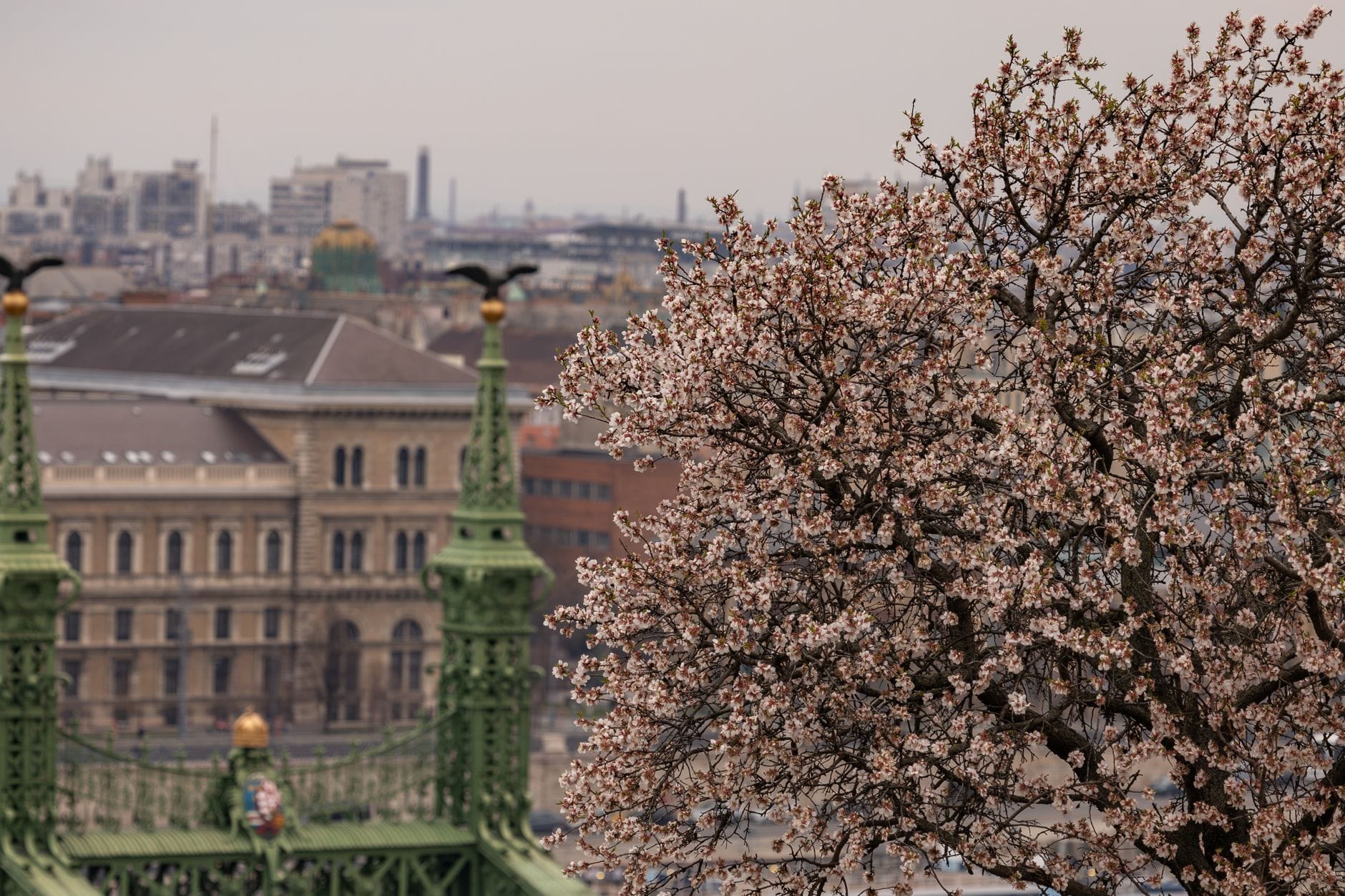
Budapest has a genuine continental climate, with cold winters (frequently below 0°C in December-February) and hot summers (25-30°C average highs in July-August). Spring and autumn offer the most comfortable conditions for sightseeing. April and May bring temperatures around 15-20°C, blooming parks, and fewer visitors than summer. September and October are arguably even better: warm enough to sit outside in the evenings (typically 15-20°C), and the city feels calmer after the summer rush. For a full seasonal breakdown, the best time to visit Budapest guide covers this in detail.
December is increasingly worth considering, particularly if you're interested in Christmas markets. The markets at Vörösmarty Square and St. Stephen's Basilica run from mid-November through late December or the end of the month and are well-organized and genuinely festive, though they attract significant crowds on weekends. Thermal baths are especially appealing in winter, when the contrast between outdoor temperatures and warm pool water creates a memorable experience. The dedicated Budapest in December guide covers the winter visit in full.
- April-May: best for comfortable walking temperatures, fewer crowds, reasonable prices
- June-August: festival season, long daylight hours, most crowded and hottest, book accommodation well in advance
- September-October: warm evenings, post-summer calm, excellent food harvest season
- November-March: lowest prices, fewer tourists, thermal baths come into their own, some outdoor attractions less appealing
Logistics: Getting There, Getting Around, Costs
Budapest Ferenc Liszt International Airport (IATA: BUD) is around 16 km southeast of the city center and well-connected to most major European hubs. The 100E Airport Express bus runs directly to Deák Ferenc tér in the center, requiring a special airport ticket (verify current pricing with BKK before travelling, as fares change). A taxi or Bolt ride from the airport to the center typically costs around 25-30 euros depending on destination and traffic. Allow 30-45 minutes in normal traffic, longer during rush hour.
Within the city, the public transport network operated by BKK is extensive and reliable. Four metro lines cover the main corridors, supplemented by trams (the number 2 tram along the Pest riverside is one of the great scenic urban rides in Europe), buses, and HÉV suburban rail. The M1 Millennium Underground, opened in 1896, is the first metro line in continental Europe and is historically linked with the UNESCO-listed Andrássy Avenue corridor. A 24-hour or 72-hour travel card is usually the most economical option for visitors, available from BKK vending machines. For more detail on moving around the city efficiently, the getting around Budapest guide is the best starting point.
On costs: Budapest remains meaningfully cheaper than most Western European capitals. A sit-down lunch at a non-tourist restaurant will run around 3,000-5,000 HUF (roughly 8-14 euros at mid-2024 exchange rates). A craft beer at a ruin bar costs around 800-1,500 HUF. Bath entry at Széchenyi runs around 10,000–13,000 HUF depending on the ticket type. Budget travellers can live very comfortably here; mid-range visitors will find that money goes noticeably further than in Vienna or Munich. The Hungarian forint is the only accepted currency, so carrying some cash is advisable, though cards are widely accepted in most restaurants, hotels, and larger shops.
ℹ️ Good to know
Hungary is part of the Schengen Area but uses the forint, not the euro. EU and EEA citizens can enter visa-free; many other nationalities also qualify for visa-free short stays under Schengen rules. Check current entry requirements with official Hungarian government or embassy sources before travelling, as rules can change.
Planning Your Visit: How Long and What to Prioritize
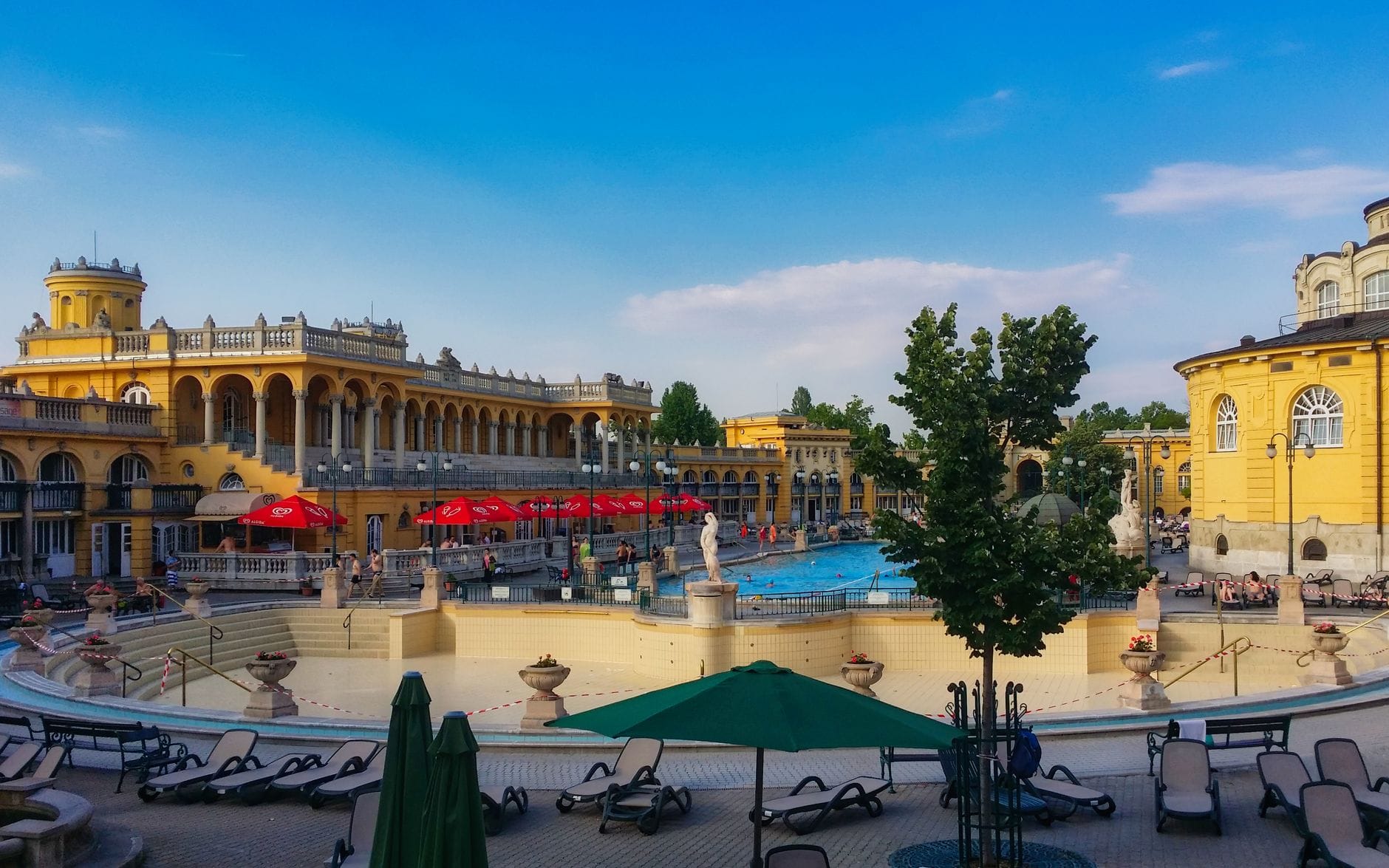
Three days is the practical minimum to cover Budapest's major areas without rushing. A focused 3-day Budapest itinerary would typically include a half-day on Castle Hill, a morning at one of the major thermal baths, an evening in the ruin bar district, and time for the Parliament building, the Jewish Quarter, and the riverfront. Four or five days gives you the breathing room to explore City Park, visit the Museum of Fine Arts, take a day trip, or simply spend more time in the neighborhoods than ticking off sights.
First-time visitors often underestimate how much is on the Buda side. Buda Castle and the Castle District are a half-day minimum. Matthias Church and Fisherman's Bastion are nearby and can be combined efficiently, but the area deserves unhurried exploration. The best viewpoints in Budapest guide is useful for planning the Buda side of your itinerary, where most of the city's panoramic perspectives are found.
FAQ
Is Budapest safe for tourists?
Budapest is generally considered safe by European capital standards. Petty theft and pickpocketing occur in crowded tourist areas, particularly on public transport and at major sights. Taxi scams targeting tourists at the airport and near popular bars have been reported. Use the Bolt app for taxis, keep an eye on bags in crowds, and exercise the same caution you would in any large European city. For a full overview, see the Budapest safety tips guide.
How many days do you need in Budapest?
Three days is a workable minimum to hit the main highlights without feeling rushed. Four to five days is ideal for first-timers who want to explore both Buda and Pest properly, fit in a thermal bath session, and have time for at least one museum or day trip. One or two days is possible but leaves you with the feeling you've only scratched the surface.
Is Budapest expensive compared to other European capitals?
No. Budapest is significantly more affordable than Vienna, Berlin, Prague, or Amsterdam. Mid-range restaurant meals, transport, and accommodation all cost noticeably less than Western European equivalents. The main exception is tourist-facing businesses near top sights, which can charge close to Western European prices. Eating and drinking slightly off the main tourist circuit keeps costs very reasonable.
Do I need to speak Hungarian to visit Budapest?
Not at all. English is widely spoken in hotels, restaurants, tourist attractions, and most shops in the central districts. German is also common given historical ties and the large German-speaking tourist base. Hungarian (Magyar) is the official language and learning a few basic words like köszönöm (thank you) and szia (hello or goodbye) is appreciated by locals, but not necessary for a comfortable trip.
What is Budapest most famous for?
Budapest is best known for its thermal bath culture (over 100 geothermal springs and historic bathhouses), its UNESCO World Heritage-listed Danube banks and Buda Castle district, the Hungarian Parliament building, and the ruin bar scene centered on District VII. It's also recognized for its grand Austro-Hungarian architecture, Art Nouveau buildings, and the Dohány Street Synagogue, widely cited as the largest in Europe and the second-largest synagogue in the world.