Budapest in December: Christmas Markets, Winter Weather & What to Know
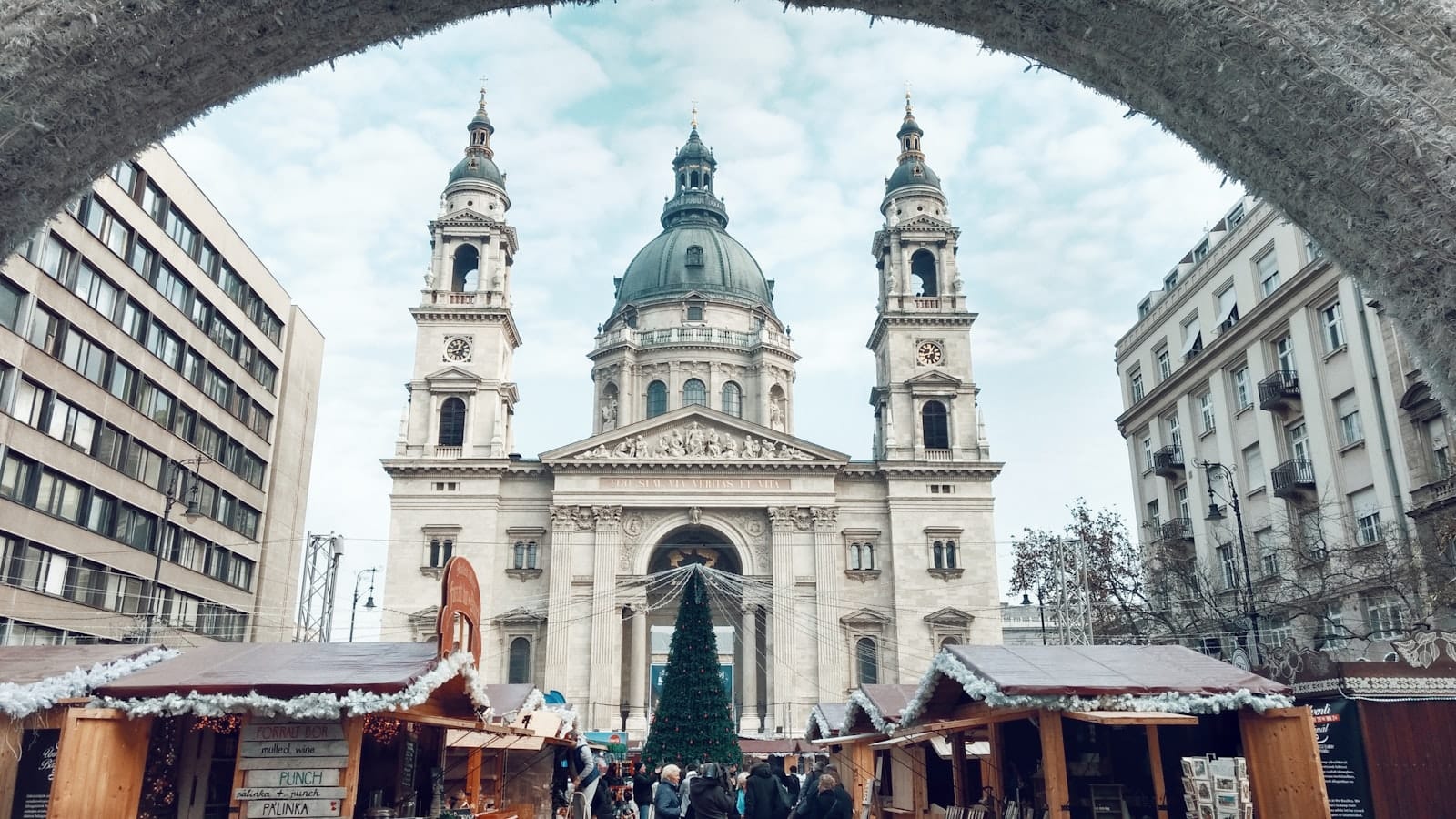
December transforms Budapest into one of Europe's most atmospheric winter destinations, with free Christmas markets, steaming thermal baths, and far fewer crowds than summer. This guide covers weather realities, the two flagship markets, pricing, crowd patterns, and practical tips for getting the most from a winter visit.
Plan and book this trip
Tools from our partner Travelpayouts help you compare flights and hotels. If you book through them, we may earn a commission at no extra cost to you.
Flights
Hotels map
TL;DR
- Budapest in December is cold (around 0–5°C) but rewarding: Christmas markets, thermal baths, and festive atmosphere without the summer crowds.
- The two flagship markets at Vörösmarty Square and St Stephen's Basilica are free to enter and typically run from mid-November through New Year's Day.
- Expect mulled wine for around 2,000–2,500 HUF and market meals at roughly €20–40 per person including drinks.
- Evenings and weekends in mid-December are the busiest; visit weekday mornings for a calmer experience.
- Thermal baths are ideal in winter — see the Budapest thermal baths guide to pick the right one for your trip.
Budapest December Weather: What to Actually Expect
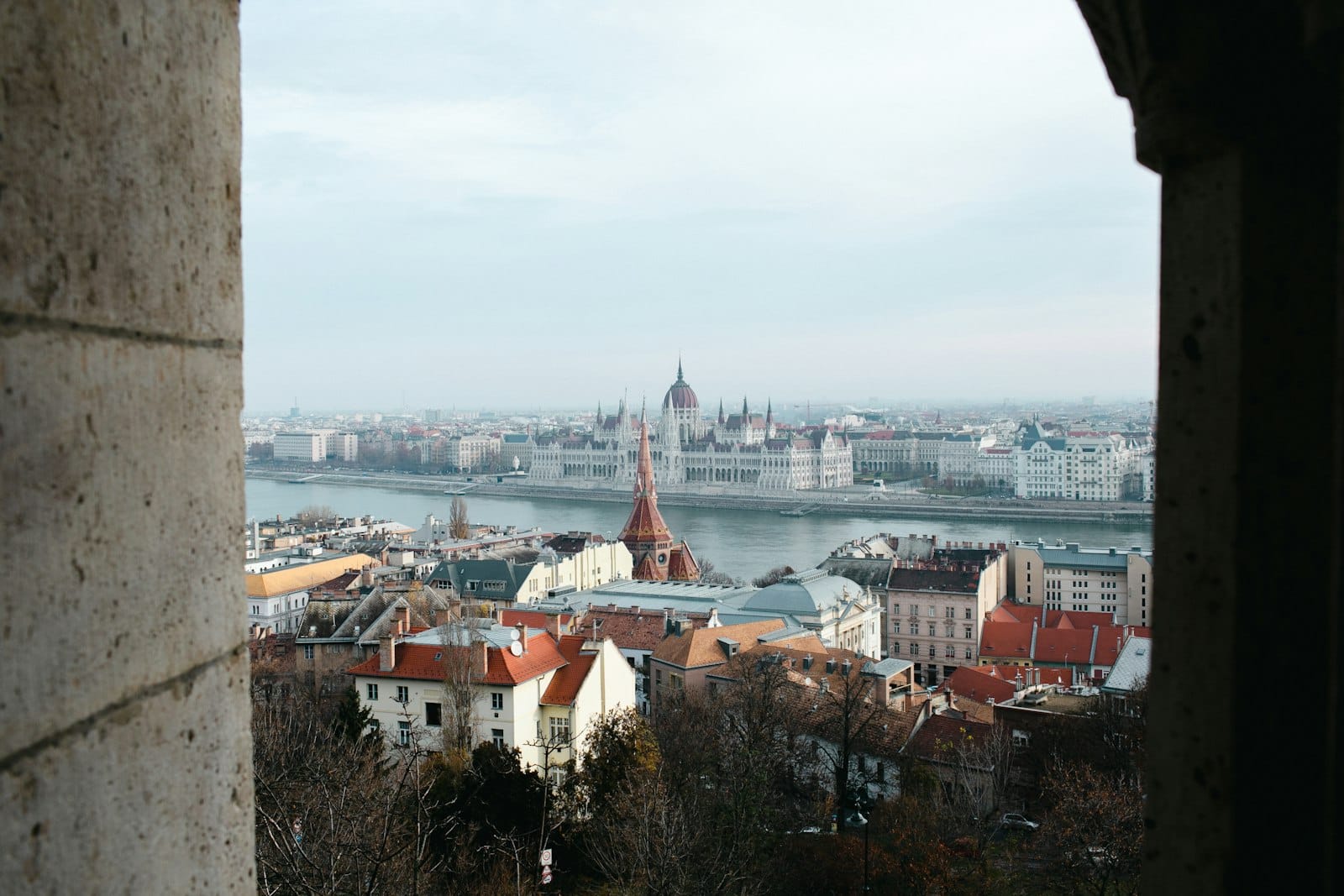
Budapest in December operates on a continental climate, which means genuinely cold winters rather than the mild dampness of, say, London or Amsterdam. Average daytime highs sit around 3–5°C, while nights regularly drop to 0°C or below. Snow is possible and adds genuine charm to the castle district and market squares, but it is not guaranteed — grey skies and drizzle are equally common. Pack a proper winter coat, thermal layers, waterproof boots, and gloves. This is not the destination for a light jacket and optimism.
Daylight is limited, with sunset around 15:50 in early December and not much later by month's end. This actually works in your favour for the Christmas markets, which are far more atmospheric after dark. Plan outdoor sightseeing (castle hill, riverfront walks, bridge views) for the middle of the day and keep evenings for markets and indoor dining.
💡 Local tip
The outdoor Christmas markets operate rain, fog, or snow. Vendors are used to it and stalls stay open regardless of weather. A waterproof outer layer matters more than a heavy coat alone.
The Christmas Markets: Dates, Hours, and How They Differ
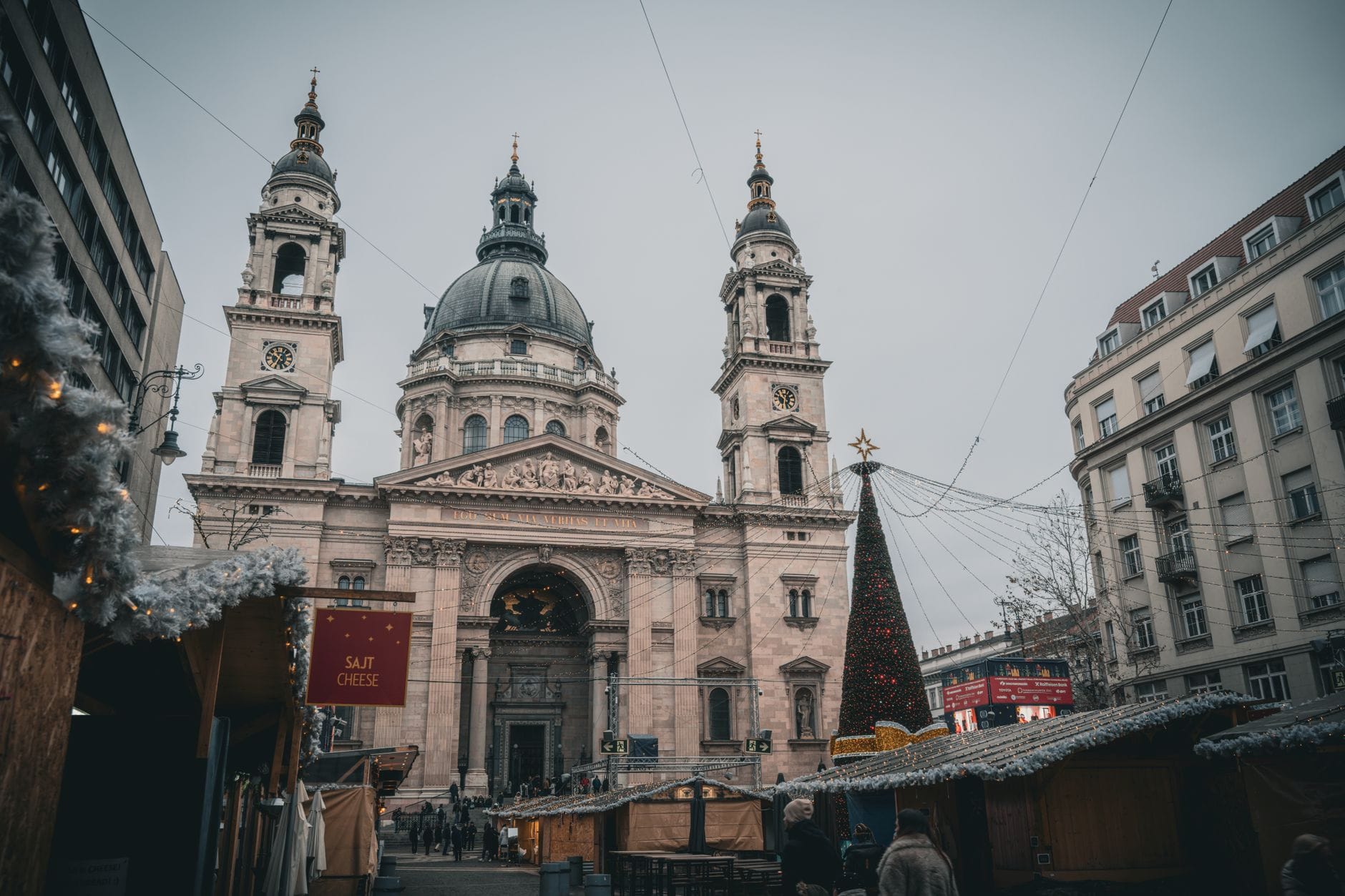
Budapest runs several Christmas markets simultaneously, but two dominate visitor attention. The city centre market at Vörösmarty Square (Vörösmarty tér) is the most established, typically opening around 14 November and running through 31 December. The market at St Stephen's Basilica is the more photogenic of the two, with illuminated stalls framing the neo-Renaissance facade and an ice rink nearby. Both are free to enter — you only spend money if you buy something.
- Vörösmarty Square Market Typical run: 14 Nov – 31 Dec. Hours: Mon–Thu 11:00–21:00, Fri–Sat 11:00–22:00, Sun 11:00–21:00. On 24 Dec: 10:00–14:00 only. On 25–26 Dec: approximately 12:00–18:00. New Year's Eve: open until around 03:00. Entry free.
- St Stephen's Basilica Market Typical run: 14 Nov – 1 Jan. Hours: Mon–Thu 11:00–22:00, Fri–Sat 11:00–23:00, Sun 11:00–22:00. On 25–26 Dec: 11:00–20:00. New Year's Eve: craft stalls close around 22:00, food stalls continue to 03:00. 1 Jan: 11:00–18:00. Entry free.
- Óbuda Market Smaller, more local in character. Typically runs late November to 23 December, closing before Christmas Day. Worth visiting if you want to see a neighbourhood market without the central crowds.
- Town Hall Square (Green Market) Weekday hours usually 14:00–20:00, weekends 10:00–20:00. More of a daytime shopping market than an evening social hub.
⚠️ What to skip
Exact dates and hours shift year to year. Always confirm the current season's schedule via the official Budapest Christmas website (budapestchristmas.com) or the market organiser before you travel. Do not rely solely on last year's programme.
A common misconception is that the markets close on Christmas Day. The flagship markets at Vörösmarty Square and the Basilica both operate on 25 December, typically with reduced hours. Another myth: many visitors assume entry costs money. It does not. You pay only for food, drinks, and crafts. Mulled wine (forralt bor) runs around 2,000–2,500 HUF per cup, which includes a deposit on the souvenir cup. A full market meal with drinks typically comes to €20–40 per person depending on appetite and generosity with the warm drinks.
When to Visit the Markets (and When to Avoid)
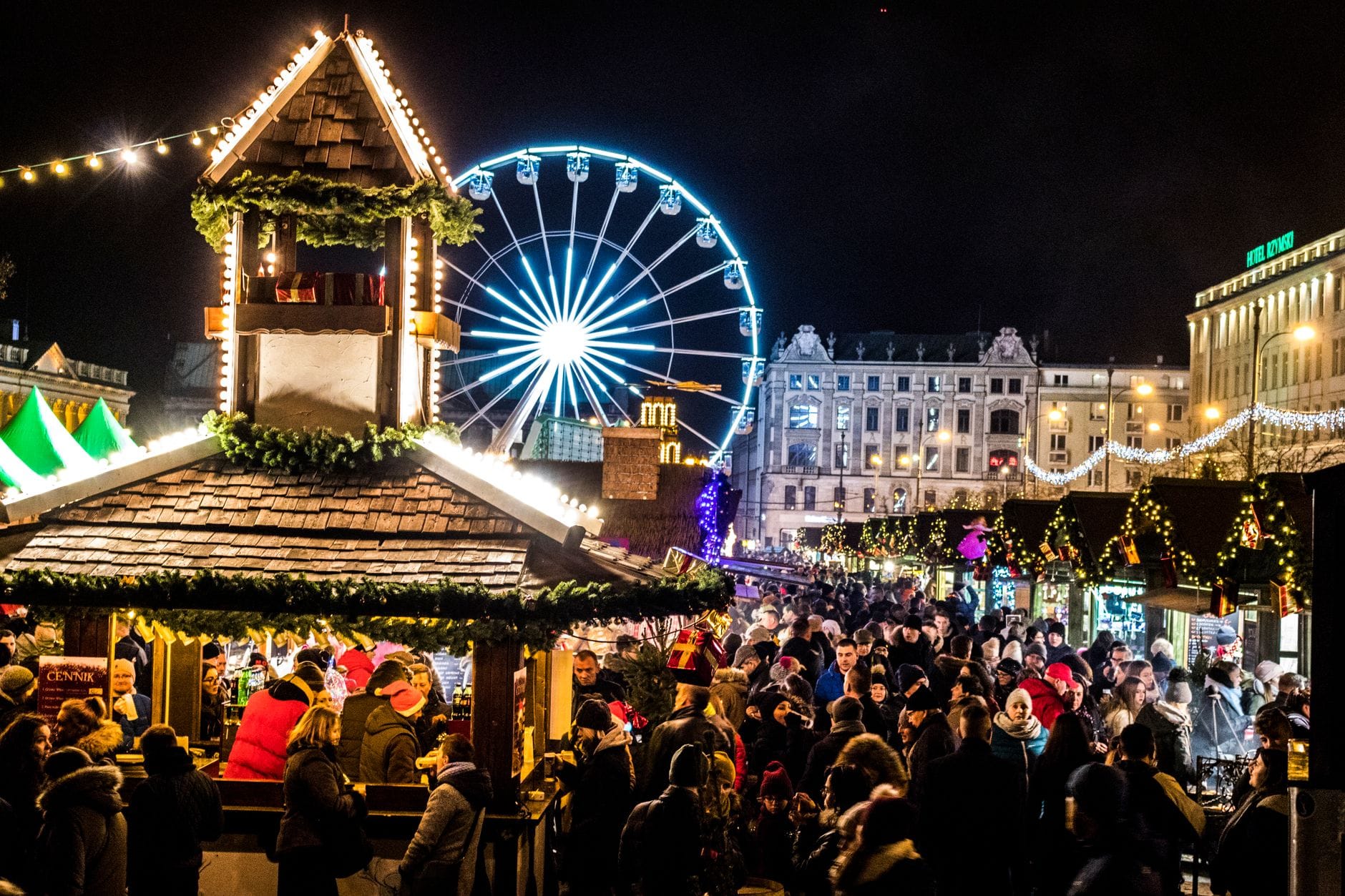
The second and third weeks of December are the peak of Christmas market season. Crowds at Vörösmarty Square on Friday and Saturday evenings can feel genuinely dense — not unpleasant, but slow-moving. If your priority is relaxed browsing and decent photos without strangers in every frame, aim for a Tuesday or Wednesday between 11:00 and 14:00. The atmosphere is calmer, vendors are chatty, and the mulled wine queues are short.
The Basilica market is slightly less crowded than Vörösmarty Square on most evenings, partly because it is easier to approach from multiple directions and the square is larger relative to stall density. If you can only do one evening visit, the Basilica is the better choice for atmosphere. The lighting design against the church facade is genuinely impressive after dark.
✨ Pro tip
Visit Vörösmarty Square market on a weekday morning, then walk 10 minutes to the Basilica market in the early afternoon before the crowds build. You cover both without the evening rush, and coffee shops nearby are far less packed for a warm-up break.
Beyond the Markets: Winter Activities Worth Your Time
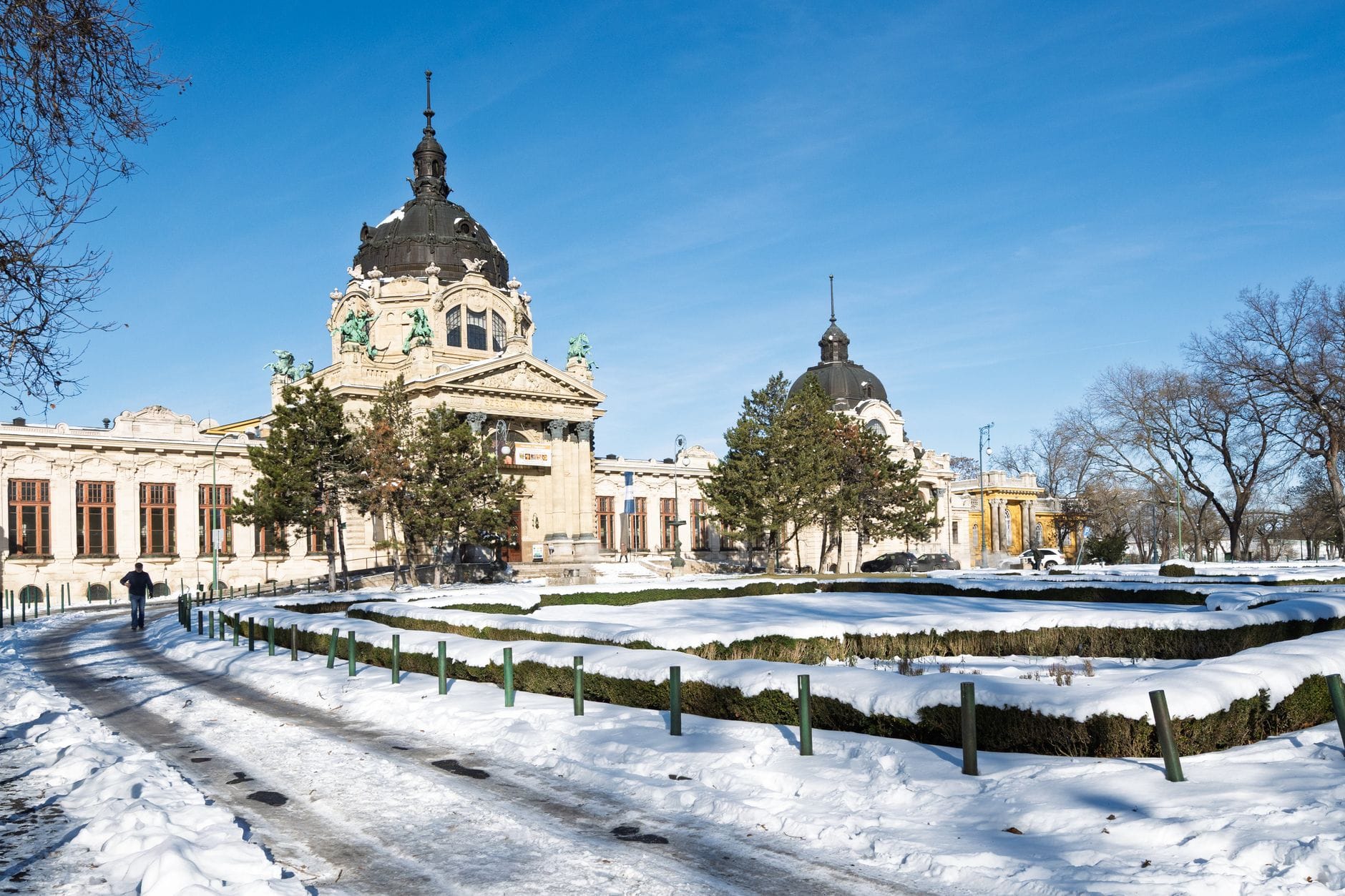
The thermal baths are the single best reason to visit Budapest in winter specifically rather than another month. Soaking in 36–40°C water while snow falls around you is a genuinely memorable experience, and the baths are never going to be cheaper or more atmospheric than in the cold months. The outdoor pools at Széchenyi Thermal Bath in City Park are the most famous for this — the contrast of steam rising from the water against winter air draws visitors for good reason. Gellért Thermal Bath is closed for renovation until around 2028, so for an ornate indoor soak in winter choose Rudas or Lukács instead; both suit the short daylight hours well.
December is an excellent month for Budapest's indoor cultural institutions. The Hungarian State Opera House runs a full winter programme, and tickets are considerably more affordable than equivalent opera houses in Vienna or Paris. The Museum of Fine Arts and Terror Háza both see shorter queues in winter than in peak summer season. If you want a warm, atmospheric cafe break, the New York Café is unapologetically theatrical — overpriced but worth seeing at least once.
- Ice skating at Városliget (City Park) rink near Heroes' Square — one of Europe's larger outdoor rinks, typically open through winter
- Guided walking tours of Castle Hill, which are far less crowded in December than summer
- An evening concert at St Stephen's Basilica — the acoustics are excellent and winter performances are common
- The ruin bars in the Jewish Quarter operate year-round, with indoor heating making them cosy rather than the outdoor sprawl of summer
- New Year's Eve celebrations along the Danube riverfront, with informal gatherings on bridges including the Chain Bridge
Castle Hill deserves particular attention in December. The Fisherman's Bastion and Matthias Church are genuinely less crowded in winter mornings, and the views over the Danube to the Parliament building are unobstructed. The terrace areas at Fisherman's Bastion, which charge an admission fee in peak season for the upper levels, sometimes have revised hours or pricing in December — confirm locally. The Castle Hill Funicular is a quick, scenic way up from the Chain Bridge end.
Practical Logistics: Getting Around and Staying in December
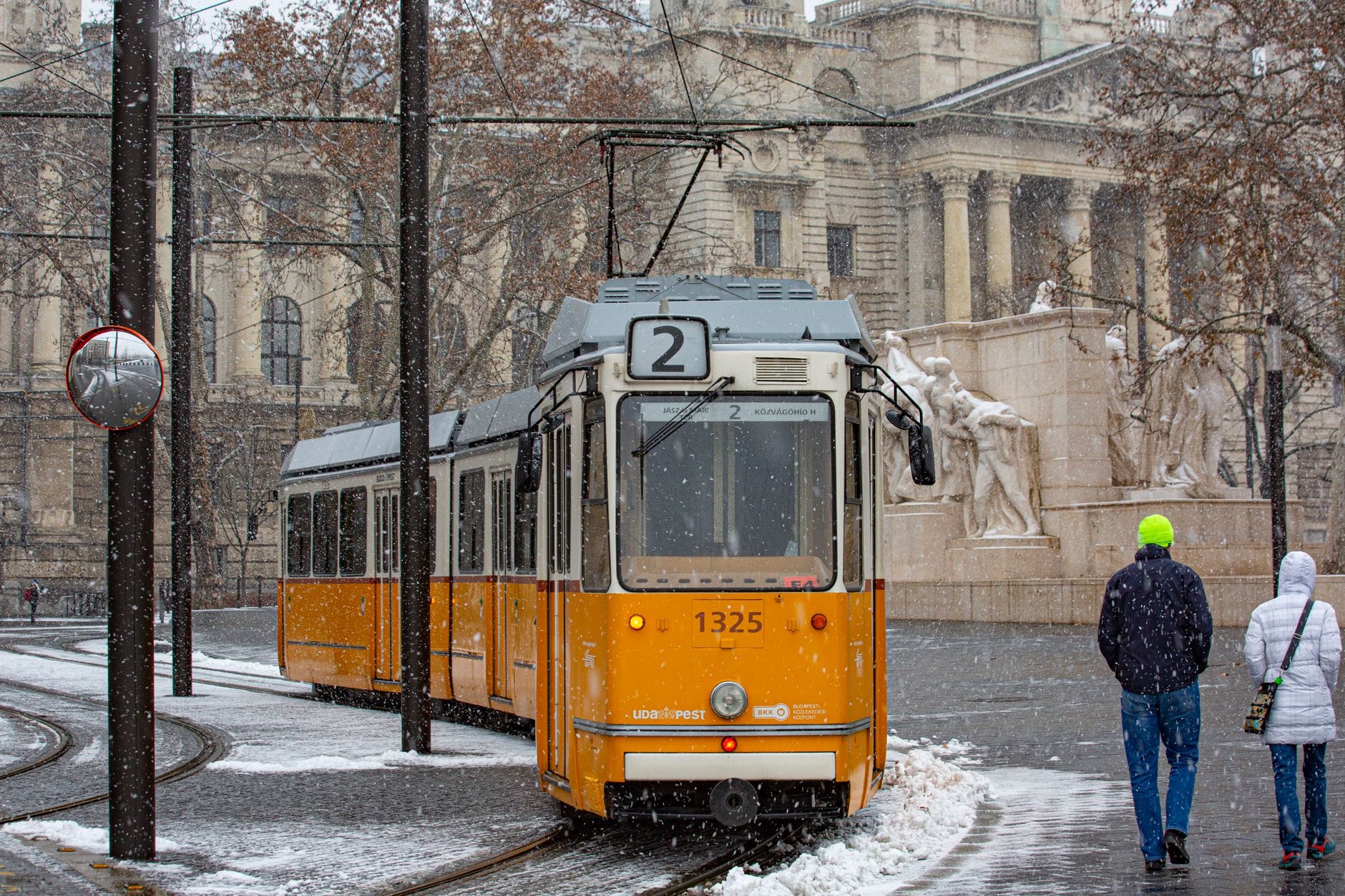
Budapest's public transport network (operated by BKK) runs comprehensively through December, including on Christmas Day and New Year's Eve, though frequencies may be adjusted on public holidays. The metro (4 lines), trams, and buses cover all major tourist areas. For the Christmas markets specifically, both Vörösmarty Square and the Basilica are easily reached on foot from central Pest hotels, and the metro system puts you within a short walk regardless of where you stay.
December is one of Budapest's lower tourism months outside the Christmas market period itself, which means hotel prices are generally lower than in summer. Booking two to four weeks ahead is usually sufficient for good options, though the week of 20–31 December sees a spike as European visitors arrive for the markets and New Year. For area recommendations, the Budapest accommodation guide breaks down the key neighbourhoods — staying in District V or VII puts you within walking distance of both main markets.
Hungary's currency is the forint (HUF). While many tourist-facing businesses accept euros informally, you will get poor exchange rates doing so. Use a bank ATM (avoiding the private currency exchange booths near the markets, which often charge high commissions) and pay in forint. Tipping 10–15% is customary in sit-down restaurants. Emergency services use 112, the standard European number.
ℹ️ Good to know
Hungary is in the Schengen Area, so EU and EEA citizens enter freely. Many other nationalities also enter visa-free for short stays under Schengen rules. Always verify your specific nationality's requirements with the official Hungarian consulate or government website before travelling, as regulations change.
Is December a Good Time to Visit Budapest? Honest Assessment
For the right traveller, Budapest in December is excellent. The best time to visit Budapest depends entirely on what you want from the trip. If your priority is outdoor exploration, long cycling days, or sitting at riverfront terraces, December is the wrong choice. If you want Christmas atmosphere, thermal baths in cold weather, opera, museums, and fewer selfie-stick crowds at major sights, December competes favourably with any other month.
The cold is real and should not be underestimated. Average temperatures hovering around 0–5°C with potential wind chill off the Danube means physical comfort requires planning. But this is manageable cold — Budapest is not Scandinavia in January. The city's infrastructure does not slow down, the restaurants and cafes are warm and excellent, and the thermal baths provide built-in warming stops throughout the day. Visitors who prepared badly for the weather consistently rate their experience lower, while those who came prepared consistently rate December among their favourite travel experiences in Central Europe.
FAQ
What is the weather like in Budapest in December?
Expect cold, continental winter conditions: average daytime highs of 3–5°C and nights around or below 0°C. Snow is possible but not guaranteed — overcast skies and occasional drizzle are equally likely. Sunset is around 15:50 in early December. Pack a heavy coat, waterproof boots, and gloves.
Are the Budapest Christmas markets open on Christmas Day?
Yes, the flagship markets at Vörösmarty Square and St Stephen's Basilica both operate on 25 December, typically with reduced hours of around 12:00–18:00. Smaller markets like Óbuda usually close on or before 24 December. Always confirm hours for the current year before visiting.
Do you need to buy tickets for the Budapest Christmas markets?
No. Entry to all major Budapest Christmas markets is completely free. You only pay for what you consume — food, drinks, or crafts. Mulled wine typically costs around 2,000–2,500 HUF, often with a refundable or keepsake cup deposit included.
Which Budapest thermal bath is best to visit in December?
Széchenyi Thermal Bath in City Park is the most dramatic in winter, with outdoor pools surrounded by steam in cold air. Gellért Thermal Bath is closed for major renovation (from October 2025 until around 2028); for an ornate indoor alternative, consider Rudas or Lukács instead. Confirm Széchenyi hours around the Christmas and New Year holidays.
How crowded is Budapest in December?
Overall tourist numbers are well below the summer peak. However, the Christmas market period — especially the second and third weeks of December on Friday and Saturday evenings — draws significant local and regional visitors. Weekday mornings are noticeably quieter at all major sights and markets.