Budapest Safety Tips: Scams to Avoid and How to Stay Safe
Budapest is one of Central Europe's safer capitals, but petty crime, taxi overcharging, and bar bill scams catch many visitors off guard. This guide breaks down exactly what to watch for, where the risks concentrate, and how to handle each situation confidently.
Plan and book this trip
Tools from our partner Travelpayouts help you compare flights and hotels. If you book through them, we may earn a commission at no extra cost to you.
Flights
Hotels map
TL;DR
- Budapest is generally safe for tourists — violent crime against visitors is rare, but petty theft and financial scams are common.
- The biggest risks are pickpocketing in crowded areas, taxi overcharging, ATM dynamic currency conversion traps, and inflated bar bills.
- Ruin bars and the Jewish Quarter nightlife district see higher rates of theft late at night — stay alert after midnight.
- Always use the official taxi stand or app-booked cabs (Bolt is widely used); never accept rides from drivers who approach you directly.
- Hungary's emergency number is 112; Budapest Tourist Police can be reached at +36 1 438 8080.
How Safe Is Budapest, Really?
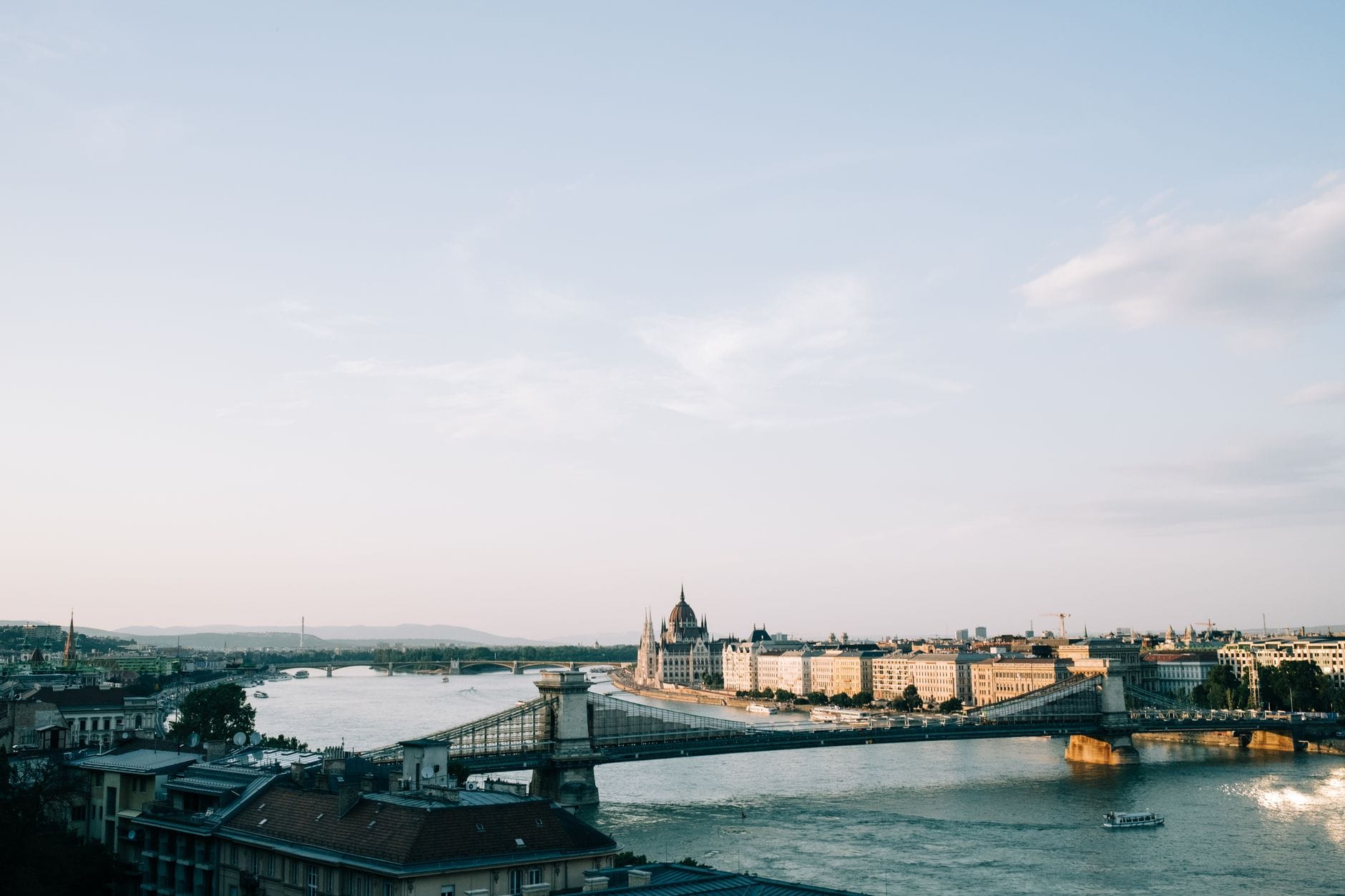
Budapest safety gets talked about in extremes online — either dismissed as perfectly fine or hyped into something approaching a danger zone. The reality sits firmly in the middle. The U.S. State Department rates Hungary at Level 1 (Exercise Normal Precautions), and most European safety assessments place Budapest among the more manageable capitals on the continent. That said, "safe" and "scam-free" are not the same thing. The city's tourist infrastructure — from the Parliament building to the thermal baths to the ruin bars — attracts millions of visitors annually, and wherever tourists concentrate, opportunistic crime follows.
The crimes most commonly reported against foreigners in Budapest are purse snatching, pickpocketing, and financial deception rather than physical violence. Train routes between Budapest, Vienna, and Bratislava can see theft on overnight services. Inside the city, the main flash points are Keleti and Kelenföldi railway stations, the M1/M2/M3 metro lines during rush hour, Váci Street, and the District VII nightlife zone. Knowing where risks concentrate is most of the battle.
ℹ️ Good to know
Budapest uses the Hungarian forint (HUF) as its official currency. Hungary is in the EU and the Schengen Area but has not adopted the euro. Many tourist venues quote prices in euros, but paying in HUF at a fair exchange rate is almost always better value.
The Most Common Scams in Budapest
Most scams in Budapest follow recognizable patterns. Once you know the script, they are straightforward to avoid. The following are the ones that catch the most visitors, roughly in order of how frequently they are reported.
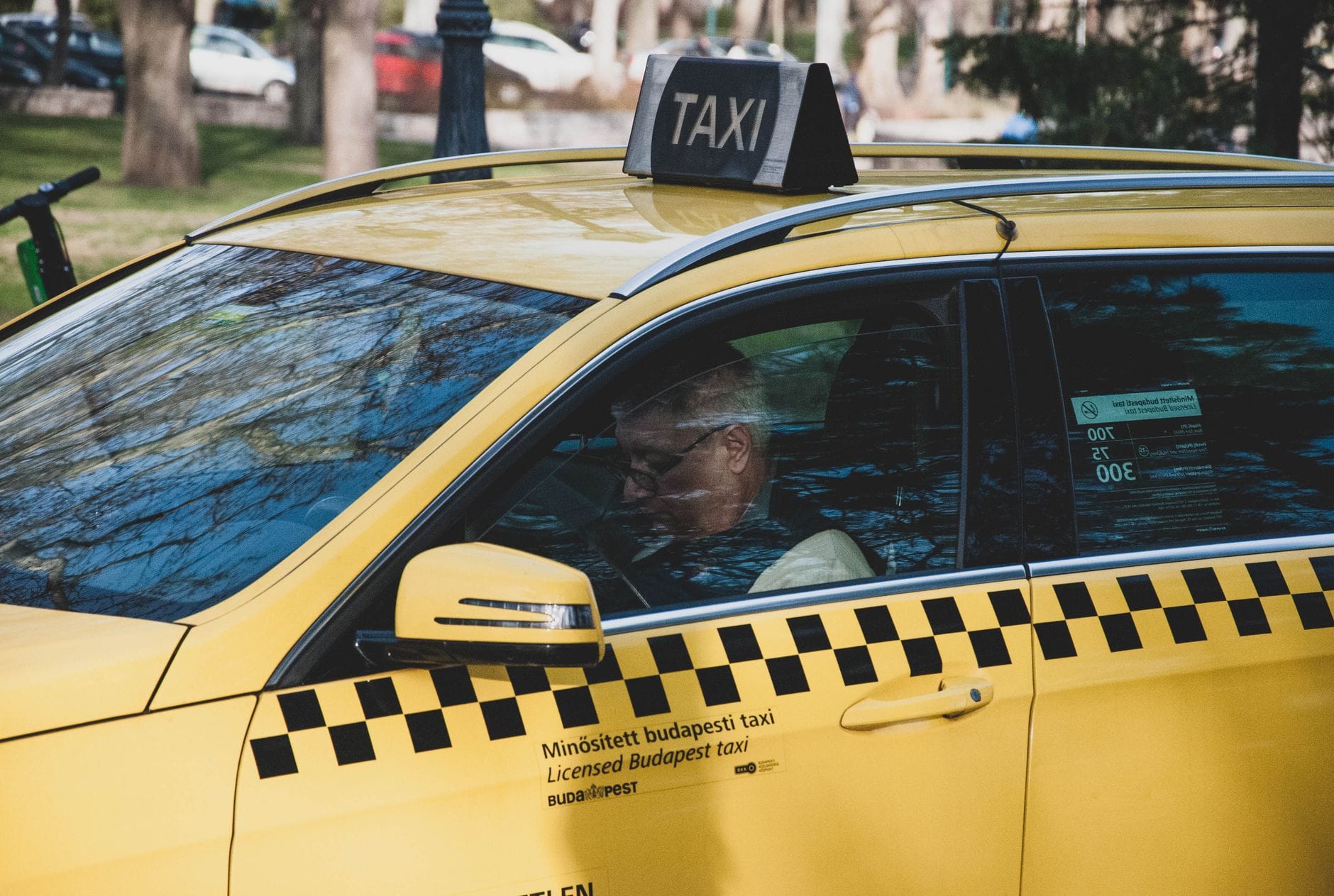
- Taxi overcharging Unlicensed or predatory drivers cluster around Keleti station and the airport arrivals hall. A legitimate fare from Keleti to most city-centre hotels runs around 2,000–3,500 HUF (roughly €5–9). Some scam drivers demand €30–50 for the same journey. Official Budapest taxis must display the company name, logo, phone number, and a working meter. If any of these are missing, don't get in.
- Bar bill inflation (the 'bar girl' scam) A friendly stranger — often an attractive person targeting solo male travellers — steers you toward a specific bar. Drinks arrive at prices 10–20 times normal, and the bill is backed up by security staff who make it clear payment is expected. This scam operates in venues with no posted prices. Always check for a menu with prices before ordering, and only enter bars you have researched or chosen yourself.
- ATM dynamic currency conversion Independent ATMs, especially the orange Euronet machines found throughout the tourist centre, offer to convert your withdrawal into your home currency at the machine. This sounds convenient but applies an exchange rate 5–10% worse than your bank's rate plus additional fees. Always select 'pay in HUF' (the local currency) and decline conversion. Use ATMs attached to major banks such as OTP, K&H, or Raiffeisen for the best rates and lowest fees.
- Street currency exchange Exchanging money with individuals on the street is illegal in Hungary and almost always involves sleight of hand with fake or low-denomination notes. Use bank ATMs or licensed exchange offices (look for the official signage and avoid kiosks offering dramatically better rates than competitors).
- Fake metro ticket inspection Real BKK ticket inspectors carry official photo ID and wear uniforms. Occasionally, individuals impersonate inspectors and demand cash fines on the spot. Real fines are issued as written notices, not collected as cash. If in doubt, ask to see ID and note that legitimate inspectors will not object.
- Overpriced restaurant menus near Váci Street Some restaurants in the immediate vicinity of Váci Street and the Chain Bridge have menus with prices that are double or triple what you would pay two streets away, with aggressive touts outside. This is not illegal — just poor value. Check Google Maps reviews before sitting down, and be cautious of any restaurant where staff actively try to pull you inside.
⚠️ What to skip
The 'bar girl' scam is the one most likely to escalate into a genuinely uncomfortable or threatening situation. If you find yourself facing an inflated bill with security present, staying calm and attempting to negotiate down is generally safer than refusing outright. Report the incident to tourist police afterward at +36 1 438 8080.
Taxis, Ride Apps, and Getting Around Safely
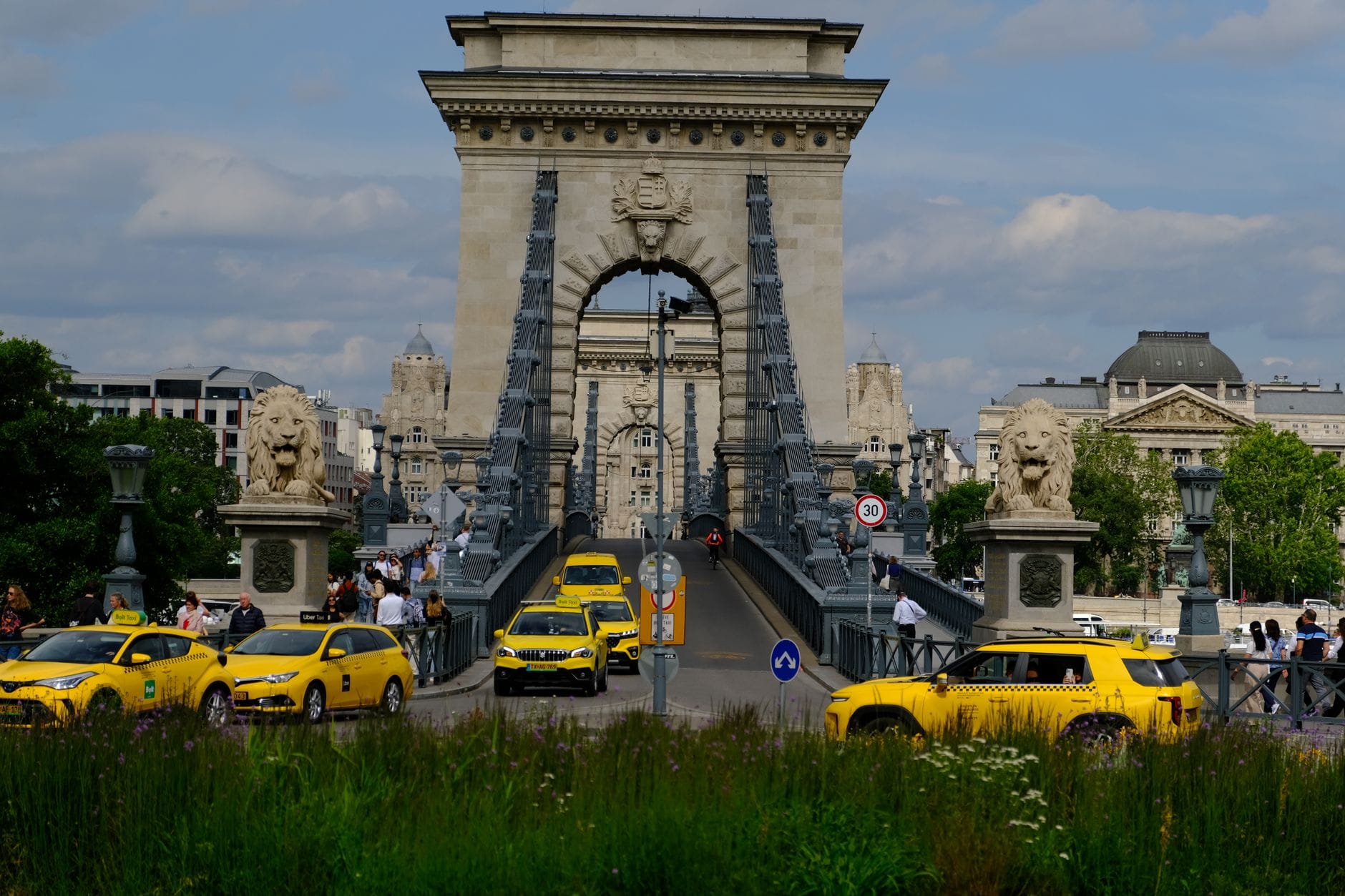
Uber suspended operations in Hungary in 2016 and has not returned. The dominant app-based option is Bolt, which operates legally and reliably in Budapest and effectively eliminates the fare negotiation problem since the price is fixed before you get in. FŐTAXI is the longest-established licensed company and also offers app booking. Both are safe choices.
At Budapest Liszt Ferenc International Airport (about 16 km southeast of the city centre, IATA: BUD), the safest approach is to walk past any drivers who approach you in the arrivals hall and head directly to the official taxi rank outside. Alternatively, book a Bolt before you land. The airport also has the 100E Airport Express bus run by BKK, which goes directly to Deák Ferenc tér in central Pest. Check current fares on the BKK website before travel, as prices are updated periodically. For broader transport options from the airport, see our guide to getting around Budapest.
On the metro, validate your ticket at the machine before passing through the gate — not on the platform. Paper single tickets must be validated each time you board a new line. The M1 (yellow line, the oldest underground railway in continental Europe) requires validation at the top of the stairs since there are no barriers. Tourists who forget this are legitimately fined, not scammed, but the fine can be significant. A 24-hour or 72-hour travel card avoids the issue entirely.
✨ Pro tip
Book taxis through the Bolt app rather than hailing on the street. The fare is calculated automatically, you can see the driver's rating and plate number in advance, and payment can be made by card through the app — eliminating any cash disputes entirely.
Nightlife Safety in the Ruin Bar District
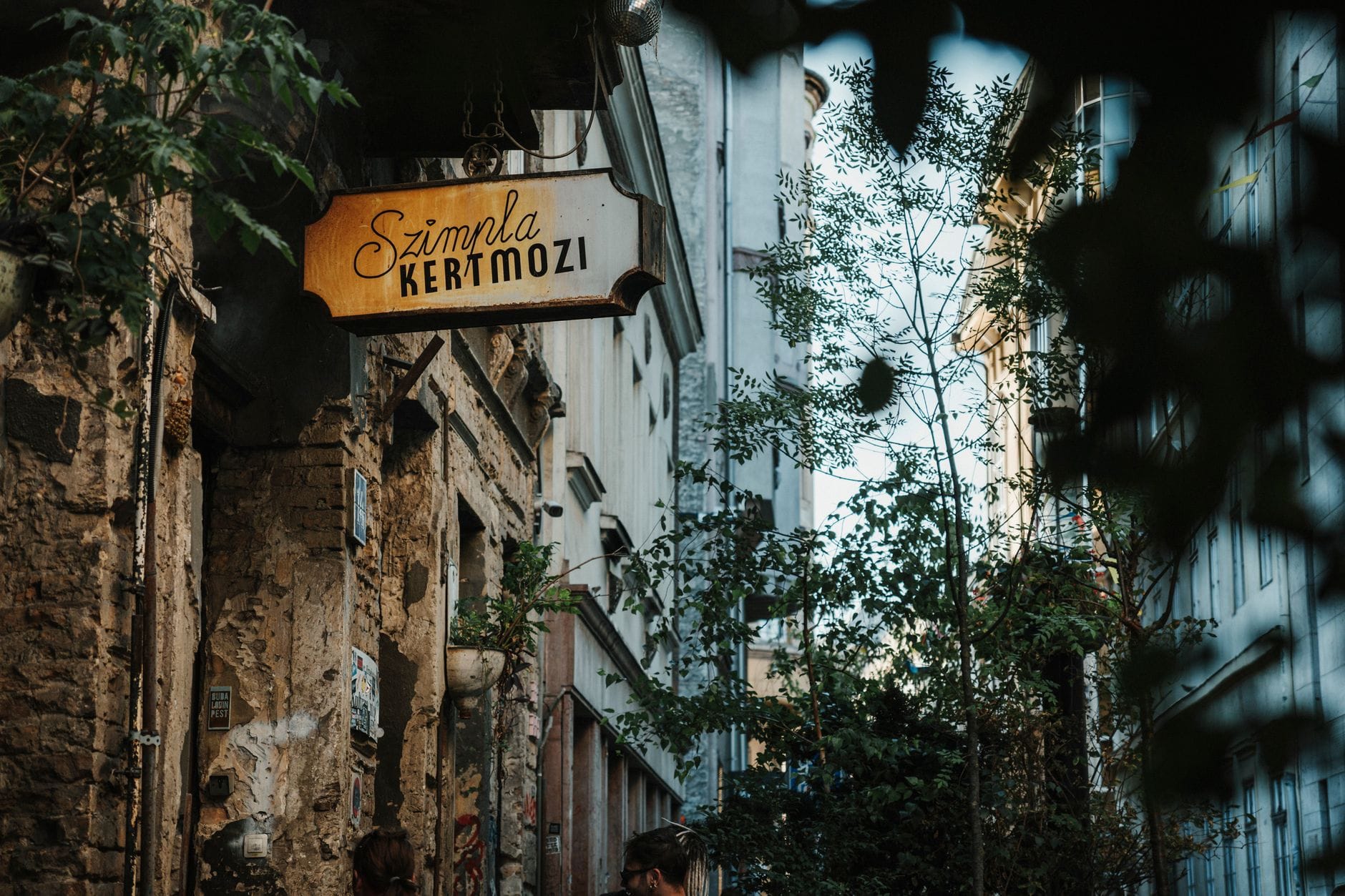
District VII, centred around the ruin bars of the Jewish Quarter, is Budapest's main nightlife zone and sees the highest concentration of tourist-related incidents after dark. Pickpocketing peaks in crowded outdoor areas, especially around Szimpla Kert and the surrounding streets on weekend nights. This is not a reason to avoid the area — ruin bars are one of Budapest's most distinctive experiences — but it does require specific precautions.
- Keep your phone in a front pocket or zipped bag, not on the table or in a back pocket.
- Travel in groups when possible, particularly late at night on streets away from the main venues.
- Pre-research bars before going out — venues with strong recent Google or TripAdvisor reviews are far less likely to present inflated bills.
- If a stranger you just met insists on taking you to a specific bar rather than joining you at one you have chosen, that is a reliable warning sign.
- Check that any bar you enter has a visible menu with prices before ordering anything.
- Drink spiking, while not uniquely common in Budapest, is a documented risk in high-traffic nightlife areas worldwide. Don't leave drinks unattended.
Summer months (June through August) and major festival weekends bring the densest crowds and the highest volume of pickpocketing reports. If you are visiting during peak season, the best time to visit Budapest guide covers the seasonal trade-offs in detail. For a comprehensive look at what the nightlife area actually offers, the Budapest ruin bars guide covers the legitimate venues worth your time.
Pickpocketing Hotspots and Staying Alert
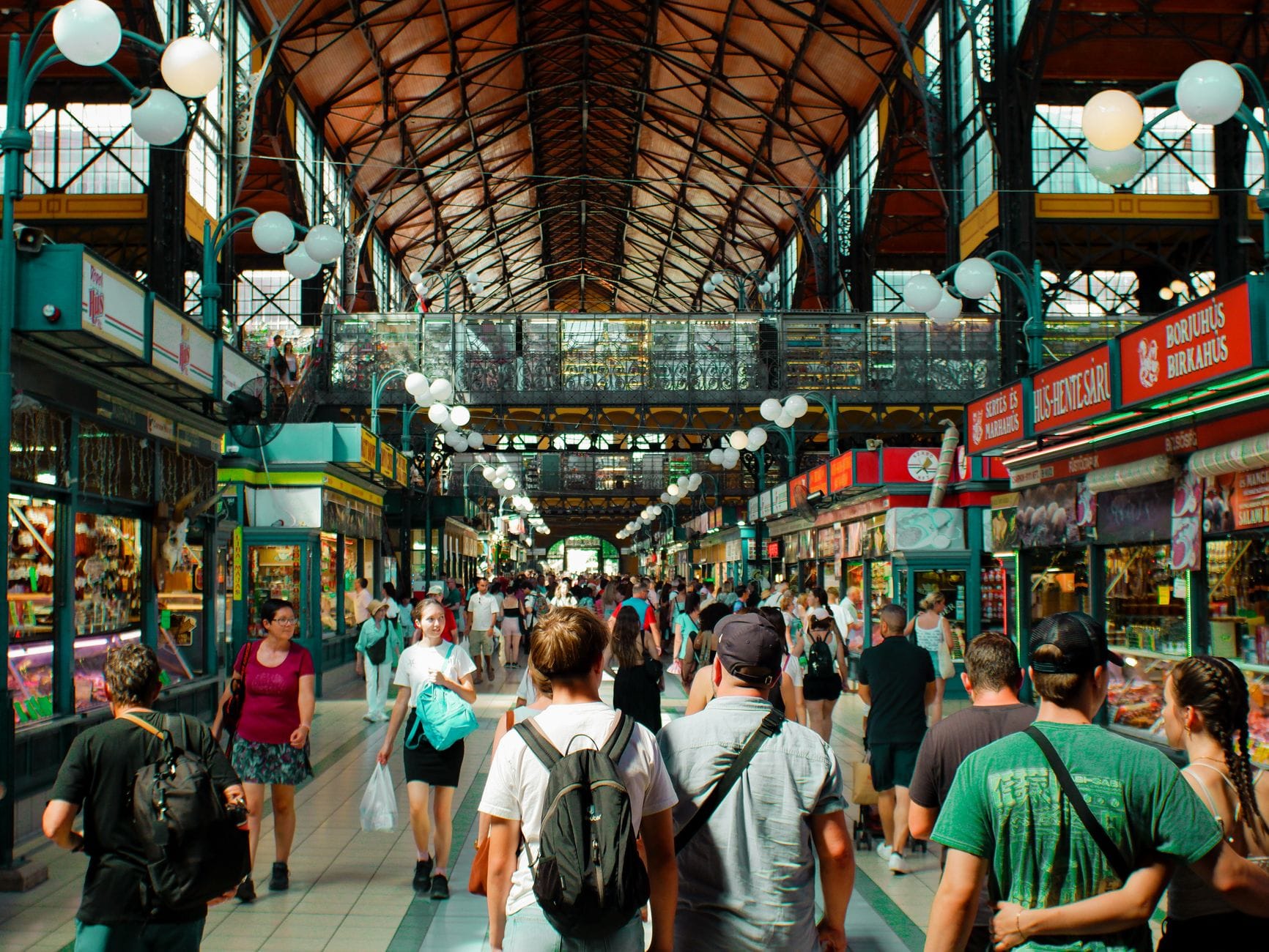
Pickpocketing in Budapest follows predictable geography. The highest-risk locations are: Keleti (Eastern) railway station and its immediate surroundings, the M2 and M3 metro lines during morning and evening rush hours, the Castle Hill funicular queue, the Great Market Hall, Váci Street, and Heroes' Square during summer. The techniques are standard: distraction followed by a fast hand, or simply working a packed carriage.
Practical defense is simple and consistent: carry only the cash you need for the day, keep cards and your passport in a money belt or inside jacket pocket, and use a bag that closes with a zip rather than a clasp or open top. If you are visiting major sights like Fisherman's Bastion or the Central Market Hall, be especially aware when crowds press in around you — this is when wallets and phones move.
Practical Safety Information for Budapest
Hungary uses the European emergency number 112 for police, fire, and ambulance. Budapest also operates a dedicated Tourist Police line at +36 1 438 8080, staffed to handle complaints and incidents involving visitors. The country dialing code is +36. Tap water in Budapest meets EU standards and is safe to drink — you do not need to buy bottled water.
Hungary is part of the Schengen Area, meaning EU and many other nationalities can enter visa-free for short stays. Verify current entry requirements for your nationality through official Hungarian government or embassy channels before travel, as regulations can change. For booking thermal baths, use official bath websites for major baths (note: Gellért is closed for renovation until around 2028); for Parliament tickets, use a reputable official or authorized ticketing channel. Both are significantly safer than unverified third-party resellers, which sometimes sell invalid or inflated-price tickets.
Tipping customs in Budapest: 10–15% is standard in table-service restaurants. Check your bill first, as some venues add a service charge automatically. Rounding up taxi fares is normal. For context on budgeting across the city more broadly, the free things to do in Budapest guide is useful for visitors watching costs.
💡 Local tip
Book thermal bath visits in advance through official channels, especially for Széchenyi (Gellért is closed for renovation until around 2028). Third-party sites sometimes sell time slots at significant markups, and some resellers cannot guarantee entry during peak periods.
FAQ
Is Budapest safe for solo female travellers?
Generally yes. Violent crime against tourists is low, and Budapest is considered manageable for solo female travellers by most European standards. The main precautions are the same as elsewhere: stay aware in nightlife areas after midnight, use app-booked taxis rather than hailing on the street, and avoid isolated areas late at night. The ruin bar district on weekend nights can feel chaotic but is not inherently dangerous if you stay with the crowds and keep your belongings secure.
What should I do if I'm overcharged by a taxi in Budapest?
Ask for a receipt — licensed taxis are required to provide one. Note the taxi number displayed in the vehicle. If you believe you have been scammed, file a report with the Budapest Tourist Police at +36 1 438 8080 or at the nearest police station. You can also report unlicensed taxi operators to the National Transport Authority. For future journeys, booking through the Bolt app eliminates fare disputes entirely since the price is set before the trip begins.
Are there areas of Budapest tourists should avoid?
There are no areas visitors need to categorically avoid. Some parts of Districts VIII and IX have a rougher reputation and see less tourist foot traffic, so wandering there alone late at night warrants more awareness, but they are not no-go zones. The main risk areas are the highest-traffic tourist spots — not the quiet residential districts — simply because that is where opportunistic crime concentrates.
How do I avoid ATM scams in Budapest?
Use ATMs attached to major banks (OTP, K&H, Raiffeisen, Erste) rather than standalone machines in tourist areas — the Euronet brand in particular is widely flagged for high fees and unfavorable conversion rates. When any ATM offers to convert your withdrawal into your home currency, always decline and choose to pay in HUF. Cover the keypad when entering your PIN, and avoid ATMs that appear to have been tampered with (extra attachments on the card slot are a red flag).
Is Budapest safe for LGBTQ+ travellers?
Budapest has an established LGBTQ+ scene, particularly in Districts VI and VII, and most visitors report no significant issues. However, Hungary's political climate on LGBTQ+ rights has been restrictive in recent years, and public displays of affection may attract unwanted attention outside the city's central districts. Staying informed about the current situation through LGBTQ+ travel resources before your trip is worthwhile.