The Best Museums in Budapest: Art, History, and Hidden Histories
Budapest punches well above its weight as a museum city. From a world-class collection of Old Masters to underground WWII hospitals and open-air Communist statues, these are the museums that make Budapest worth dedicating serious time to.
Plan and book this trip
Tools from our partner Travelpayouts help you compare flights and hotels. If you book through them, we may earn a commission at no extra cost to you.
Flights
Hotels map
Budapest's museum scene rewards curious visitors. The city's turbulent history, from Roman occupation to Ottoman rule, Habsburg grandeur, Nazi terror, and Soviet communism, has left behind an unusually rich set of institutions to explore. Whether you have one afternoon or a full week, this guide covers the museums that genuinely deliver. For context on how the city's past shaped what you'll see, the Budapest history guide is worth reading before you go. Most state museums cluster around two hubs: Castle Hill on the Buda side and City Park in Pest, so you can pair several visits in a single day. Note that most public museums close on Mondays and open Tuesday to Sunday, 10:00 to 18:00. Always verify current hours on the museum's own website before visiting.
✨ Pro tip
The Budapest Card gives free or discounted entry to many major museums and includes unlimited public transport. If you're planning 3+ museum visits, it's worth calculating whether it saves you money. See the Budapest Card guide for details.
History & Politics
Budapest's 20th century was defined by extremes: Nazi occupation, the Arrow Cross, Stalinist repression, the 1956 uprising, and decades of Soviet-backed communism. The museums in this section don't flinch from any of it. They're among the most emotionally powerful museum experiences in Central Europe. If you're planning a deeper dive into this period, the Budapest history guide provides essential background.
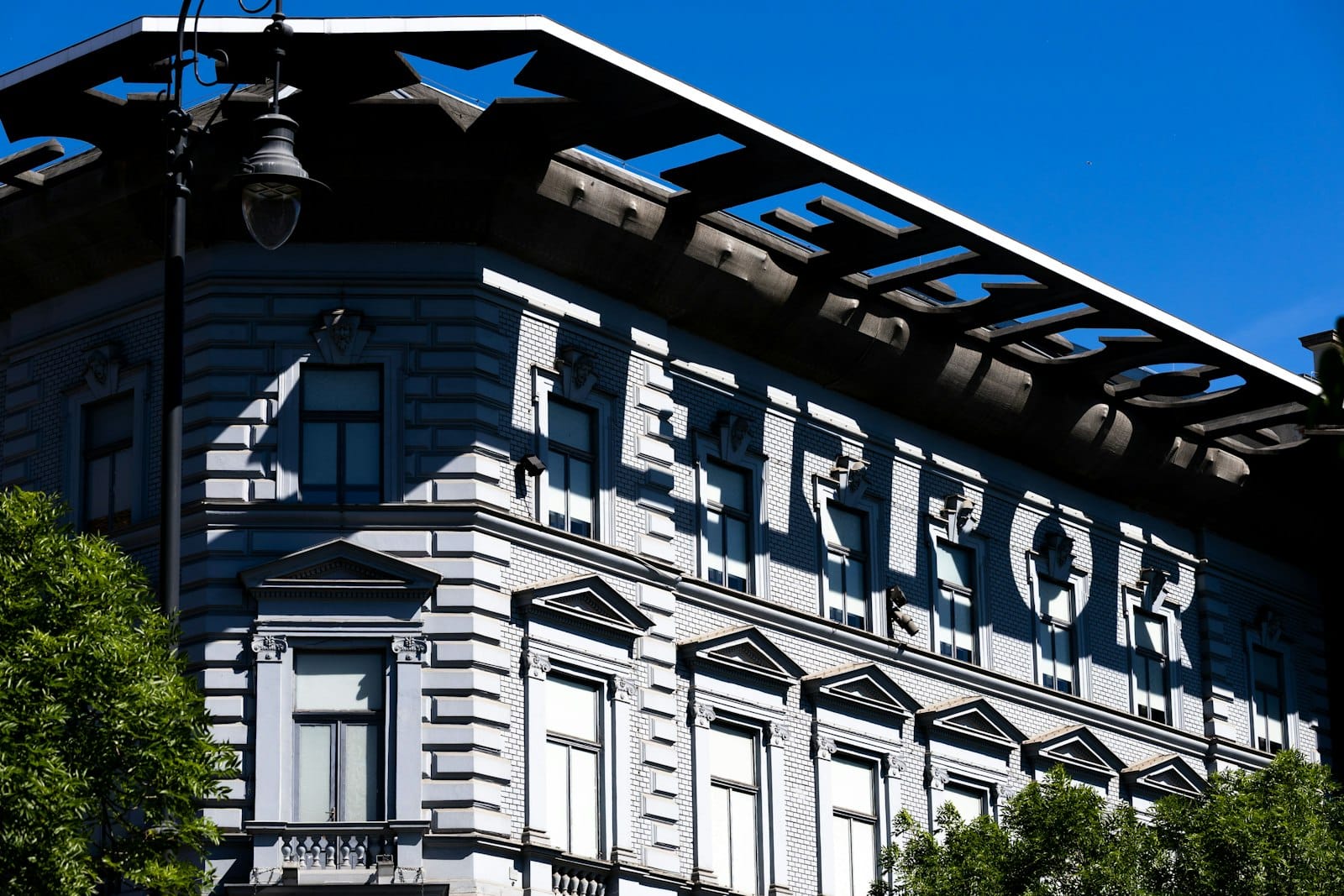
1. Confront Hungary's Darkest Decades at the House of Terror
Housed in the actual building where both the Arrow Cross and Communist secret police tortured prisoners, this museum is relentless and unforgettable. The basement cells are original. Allow 2 to 3 hours. Book tickets in advance at busy periods.
Explore1. Confront Hungary's Darkest Decades at the House of Terror
Housed in the actual building where both the Arrow Cross and Communist secret police tortured prisoners, this museum is relentless and unforgettable. The basement cells are original. Allow 2 to 3 hours. Book tickets in advance at busy periods.
Explore
2. Trace 1,000 Years of Hungarian Identity at the National Museum
From prehistoric tools to the Crown of Saint Stephen, this neoclassical institution on Múzeum körút covers Hungarian history with real depth. The 1848 revolution proclamation was read from its steps. Adult tickets around 3,500 HUF; open Tuesday to Sunday.
Explore2. Trace 1,000 Years of Hungarian Identity at the National Museum
From prehistoric tools to the Crown of Saint Stephen, this neoclassical institution on Múzeum körút covers Hungarian history with real depth. The 1848 revolution proclamation was read from its steps. Adult tickets around 3,500 HUF; open Tuesday to Sunday.
Explore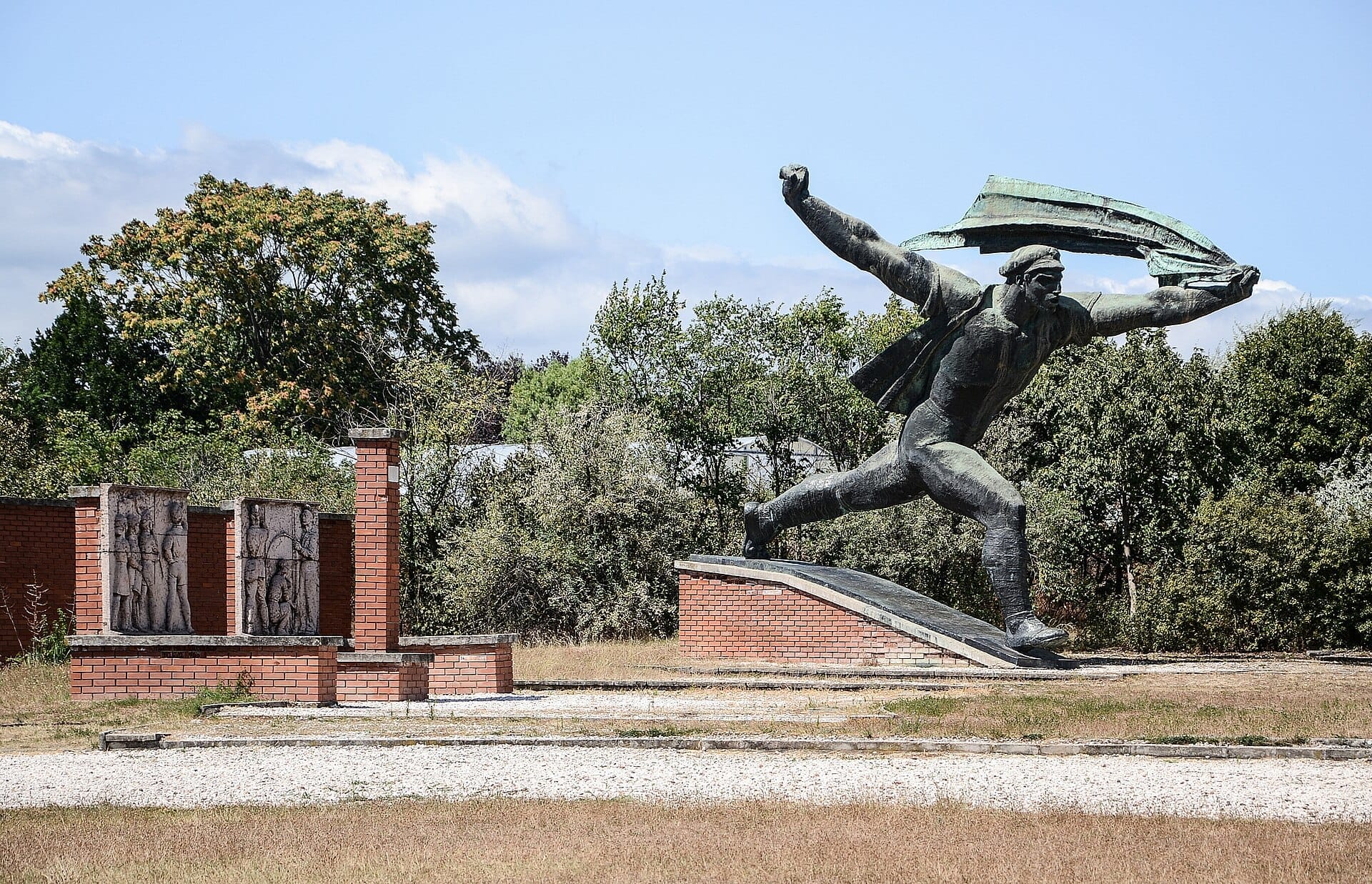
3. See the Giant Soviet Statues at Memento Park
After 1989, Budapest didn't destroy its Communist monuments. It shipped them to this open-air park on the city's outskirts. Lenin, Marx, and Hungarian Soviet heroes stand together in surreal company. The Cold War exhibition adds serious context to the absurdity.
Explore3. See the Giant Soviet Statues at Memento Park
After 1989, Budapest didn't destroy its Communist monuments. It shipped them to this open-air park on the city's outskirts. Lenin, Marx, and Hungarian Soviet heroes stand together in surreal company. The Cold War exhibition adds serious context to the absurdity.
Explore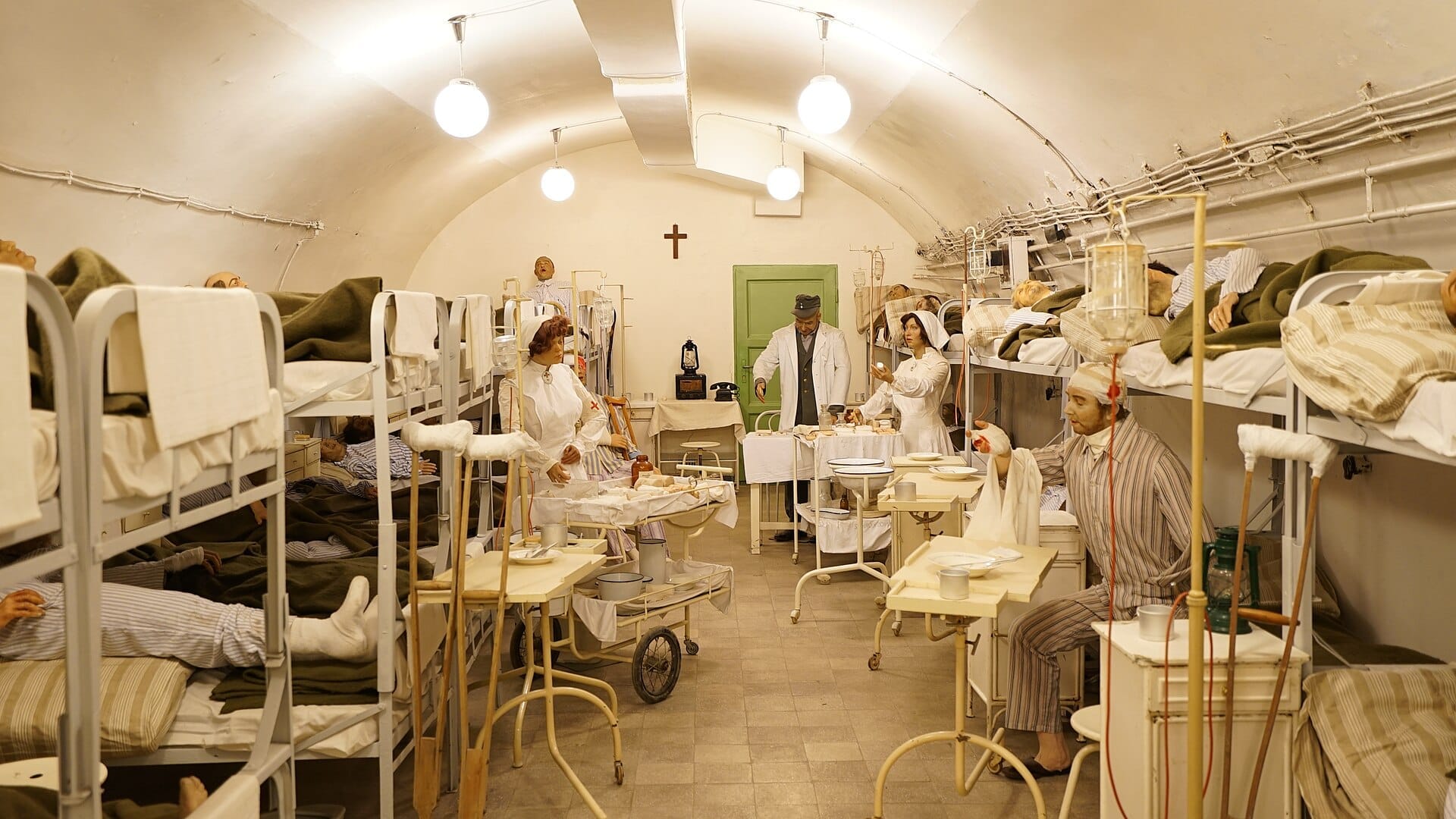
4. Go Underground at the Hospital in the Rock
Carved into the caves beneath Castle Hill, this WWII-era hospital and nuclear bunker is now a museum with wax figures and original equipment in place. Guided tours only, running regularly. A genuinely eerie and informative 70-minute experience.
Explore4. Go Underground at the Hospital in the Rock
Carved into the caves beneath Castle Hill, this WWII-era hospital and nuclear bunker is now a museum with wax figures and original equipment in place. Guided tours only, running regularly. A genuinely eerie and informative 70-minute experience.
ExploreArt Museums
Budapest's art institutions span centuries and styles, from medieval altarpieces to 19th-century Romantic masterpieces and European Old Masters. The city's Art Nouveau heritage adds another layer worth exploring separately: the Budapest Art Nouveau guide covers the decorative arts and architecture angle. For the fine art collections, these are the places to go.
5. See El Greco and Rembrandt at the Museum of Fine Arts
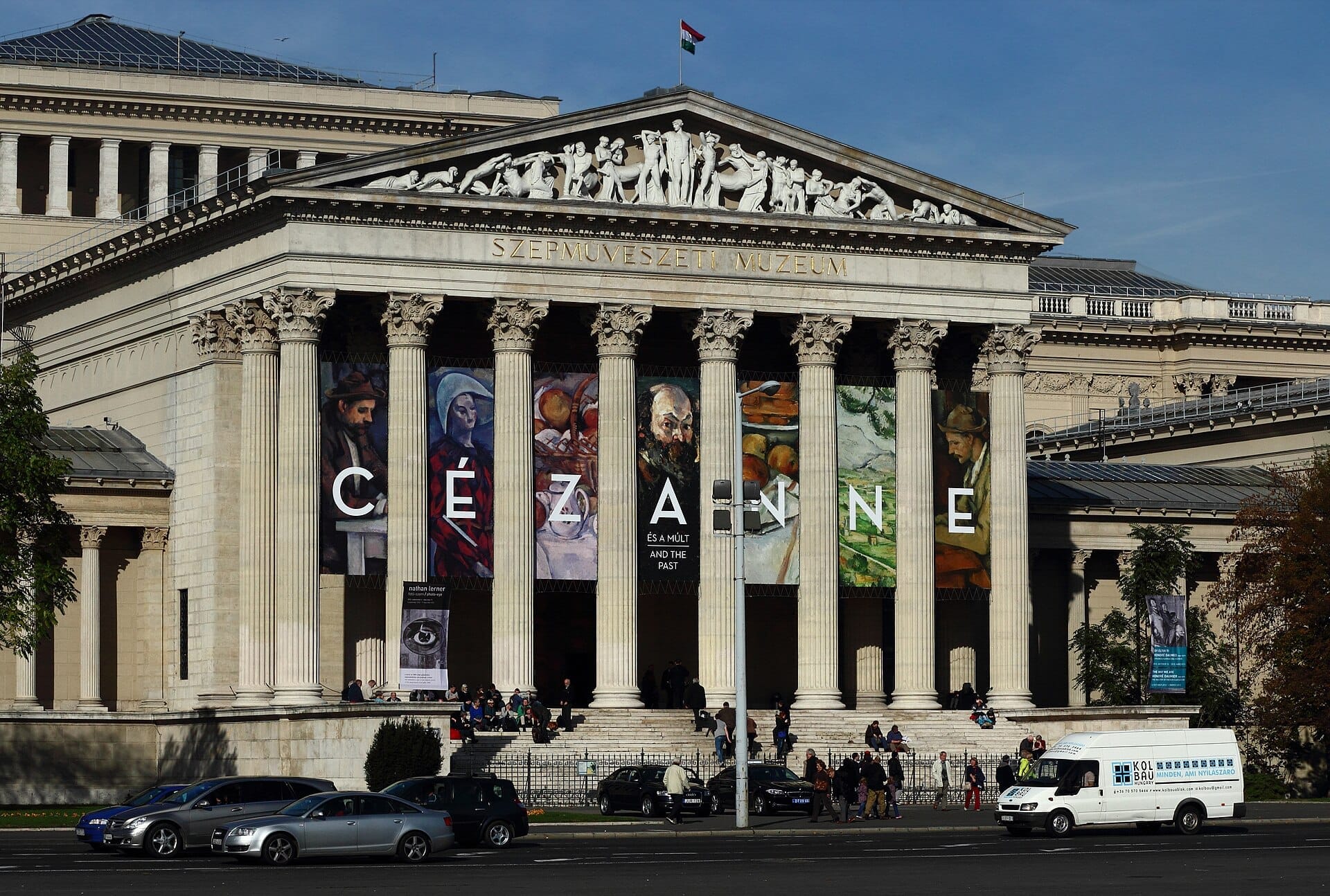
Hungary's finest collection of European art sits in a grand neoclassical building on Heroes' Square. The Old Masters collection includes major works by El Greco, Raphael, Goya, and Rembrandt. Permanent collection plus rotating temporary exhibitions; allow 2 to 3 hours.
Explore5. See El Greco and Rembrandt at the Museum of Fine Arts
Hungary's finest collection of European art sits in a grand neoclassical building on Heroes' Square. The Old Masters collection includes major works by El Greco, Raphael, Goya, and Rembrandt. Permanent collection plus rotating temporary exhibitions; allow 2 to 3 hours.
Explore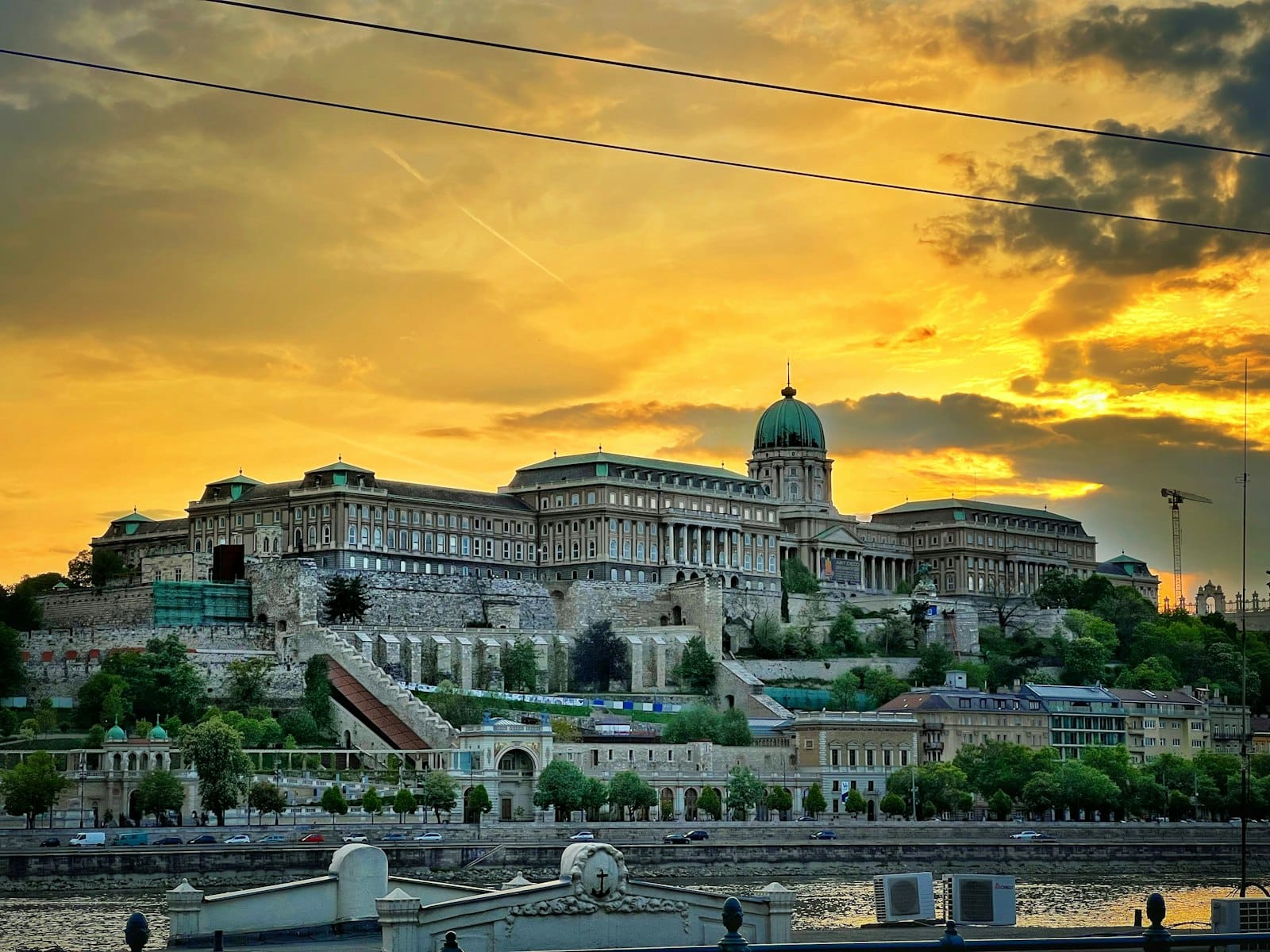
6. Discover Hungarian Masters at the National Gallery
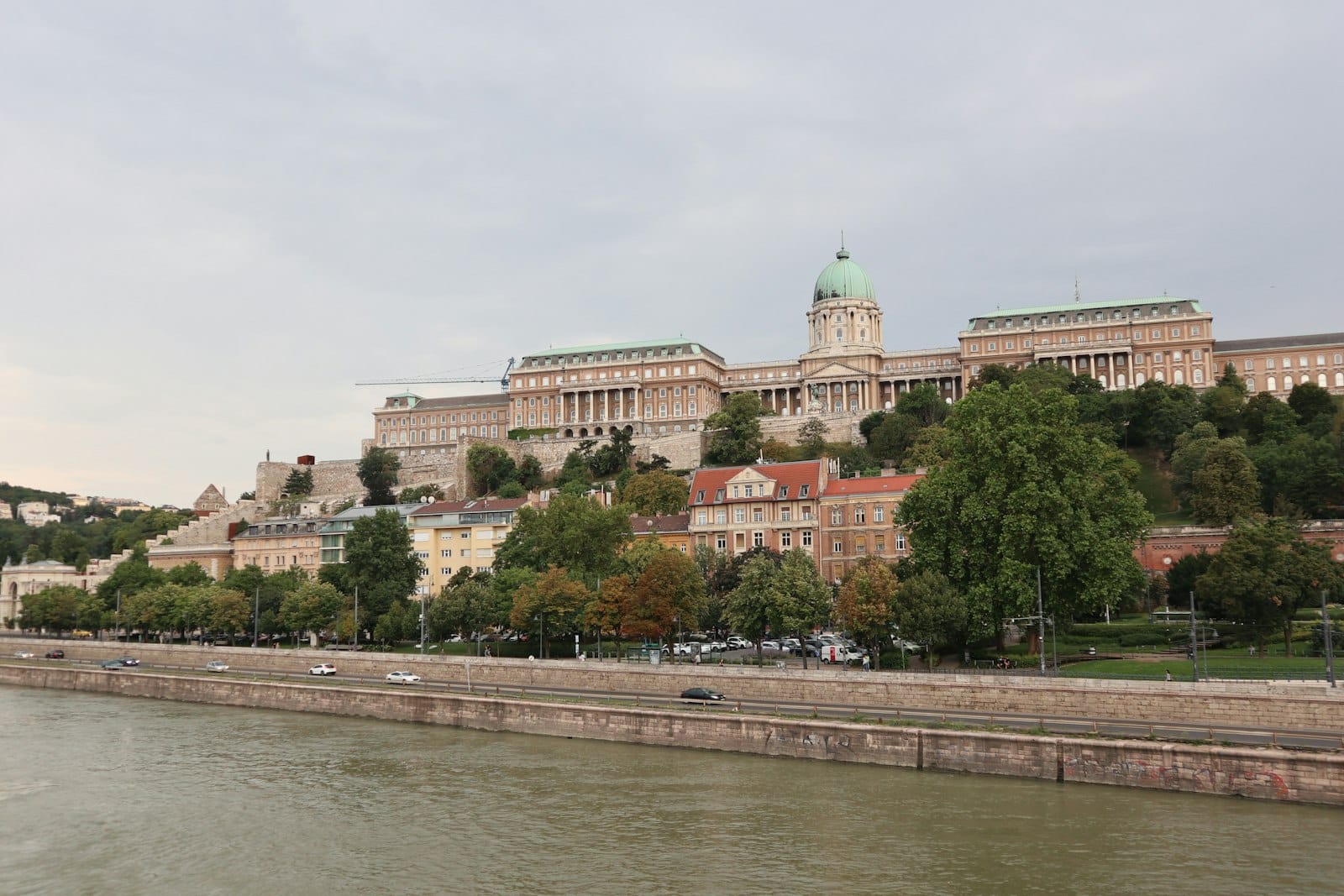
Housed inside Buda Castle, this is the definitive collection of Hungarian fine art, from medieval Gothic altarpieces to Mihály Munkácsy's monumental 19th-century canvases. Admission around 5,800 HUF for adults; Budapest Card holders enter free. Open Tuesday to Sunday.
Explore6. Discover Hungarian Masters at the National Gallery
Housed inside Buda Castle, this is the definitive collection of Hungarian fine art, from medieval Gothic altarpieces to Mihály Munkácsy's monumental 19th-century canvases. Admission around 5,800 HUF for adults; Budapest Card holders enter free. Open Tuesday to Sunday.
ExploreCultural & Ethnographic Museums
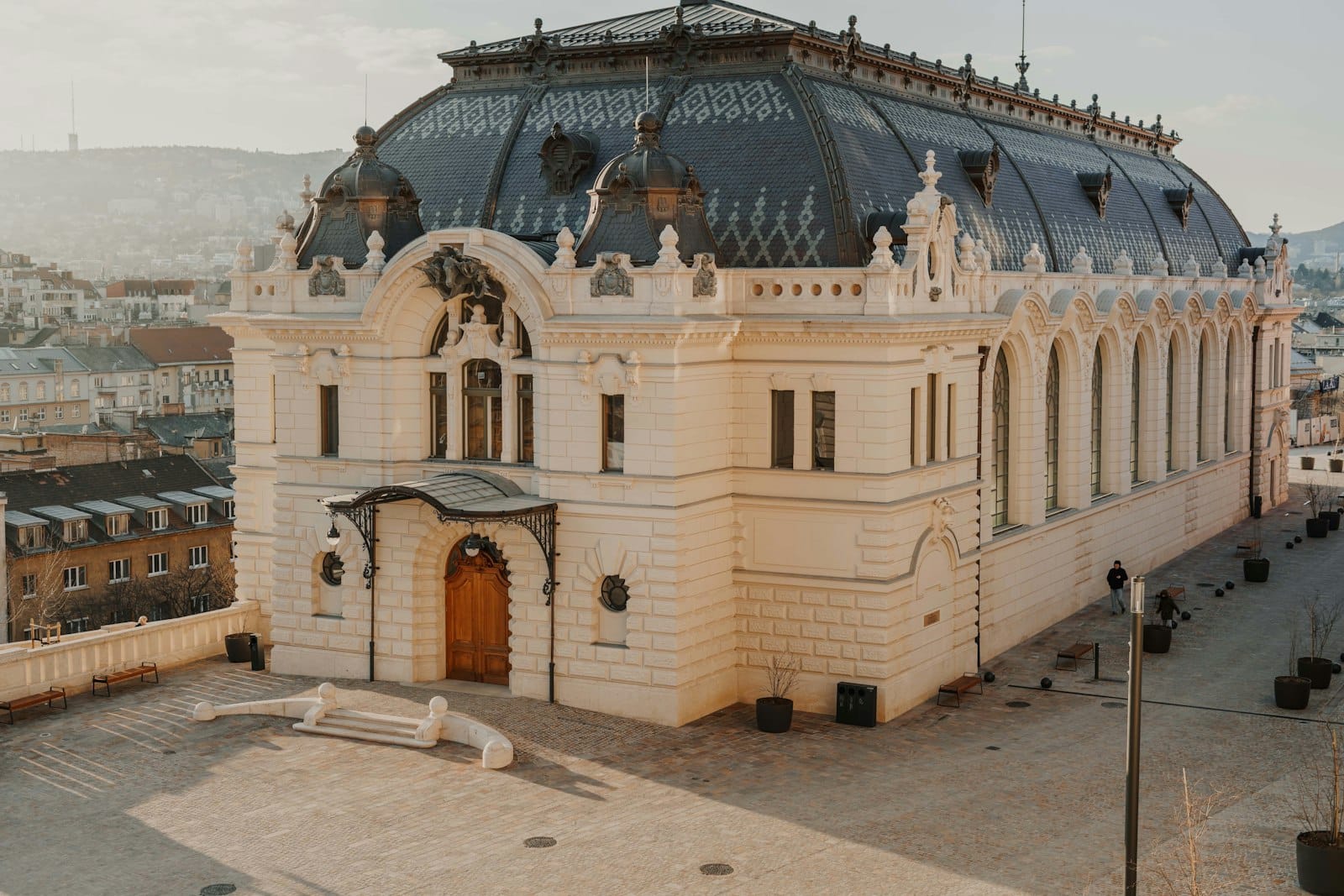
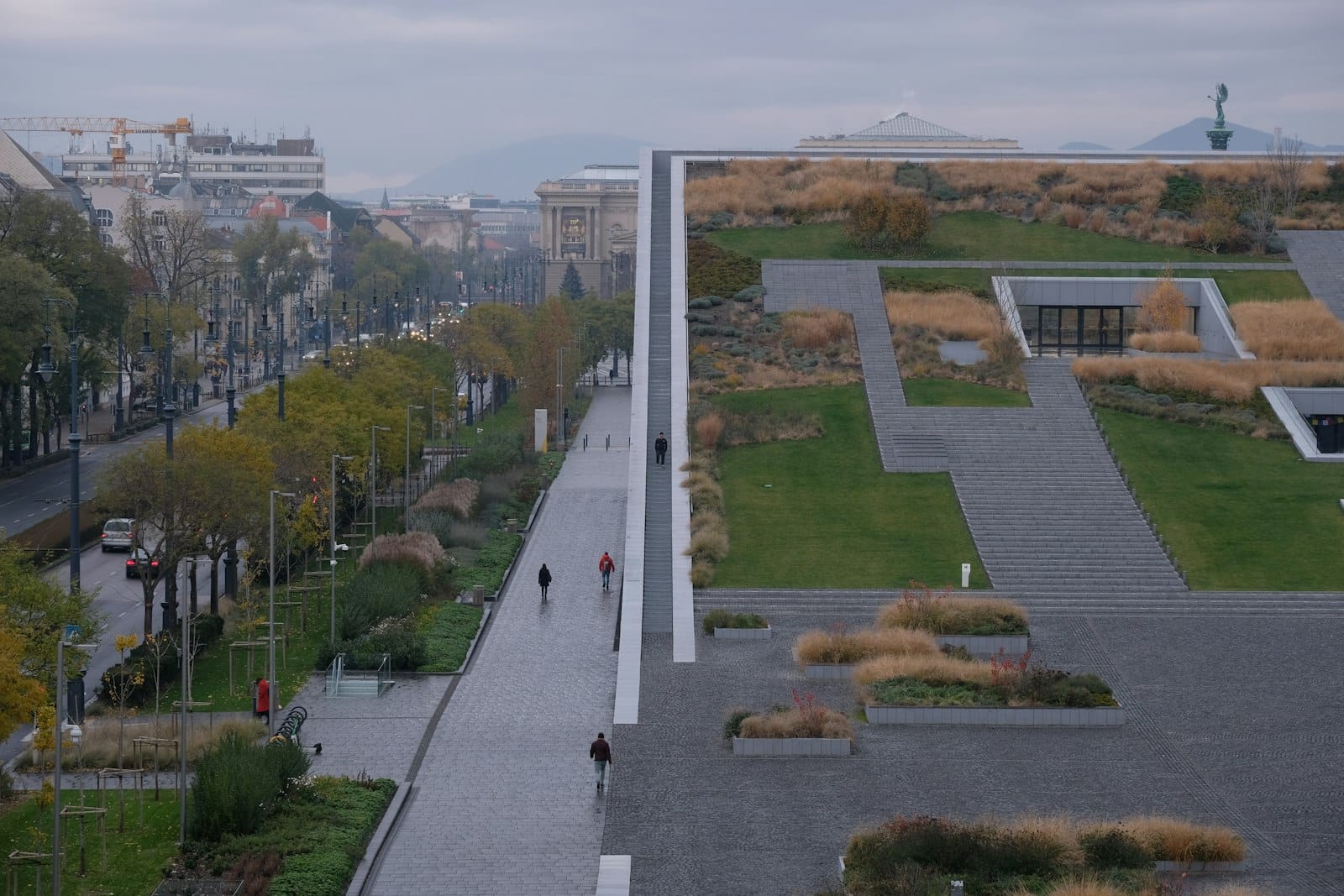
Beyond fine art and political history, Budapest has institutions that dig into everyday life, folk traditions, and the city's layered identity. These museums reward visitors who want to understand Hungarian culture beyond its monuments. The City Park area has become a genuine museum district since the Museum of Ethnography opened its striking new building there in 2022.
7. Explore Hungarian Folk Culture at the Museum of Ethnography
Relocated to a dramatic new City Park building in 2022, this museum brings Hungarian rural life, traditions, and material culture to life through intelligent, immersive design. One of the best-presented museums in the country. Temporary exhibitions rotate regularly.
Explore7. Explore Hungarian Folk Culture at the Museum of Ethnography
Relocated to a dramatic new City Park building in 2022, this museum brings Hungarian rural life, traditions, and material culture to life through intelligent, immersive design. One of the best-presented museums in the country. Temporary exhibitions rotate regularly.
Explore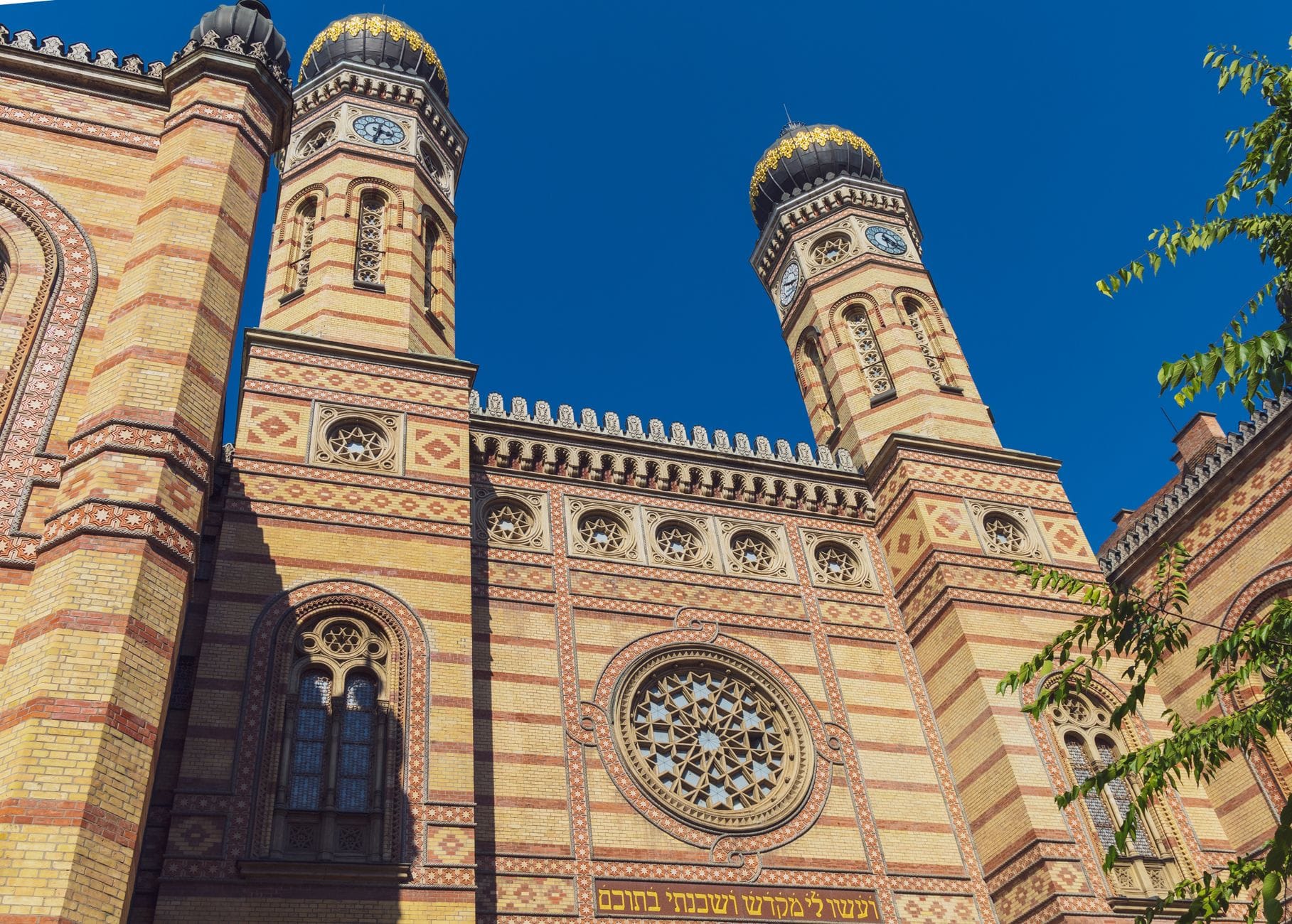
8. Visit the Jewish Museum Inside Europe's Largest Synagogue
The Moorish Revival Dohány Street Synagogue is breathtaking on its own, but the onsite Jewish museum adds essential historical context about Budapest's Jewish community. The memorial garden in the rear courtyard is sobering and beautifully maintained.
Explore8. Visit the Jewish Museum Inside Europe's Largest Synagogue
The Moorish Revival Dohány Street Synagogue is breathtaking on its own, but the onsite Jewish museum adds essential historical context about Budapest's Jewish community. The memorial garden in the rear courtyard is sobering and beautifully maintained.
Explore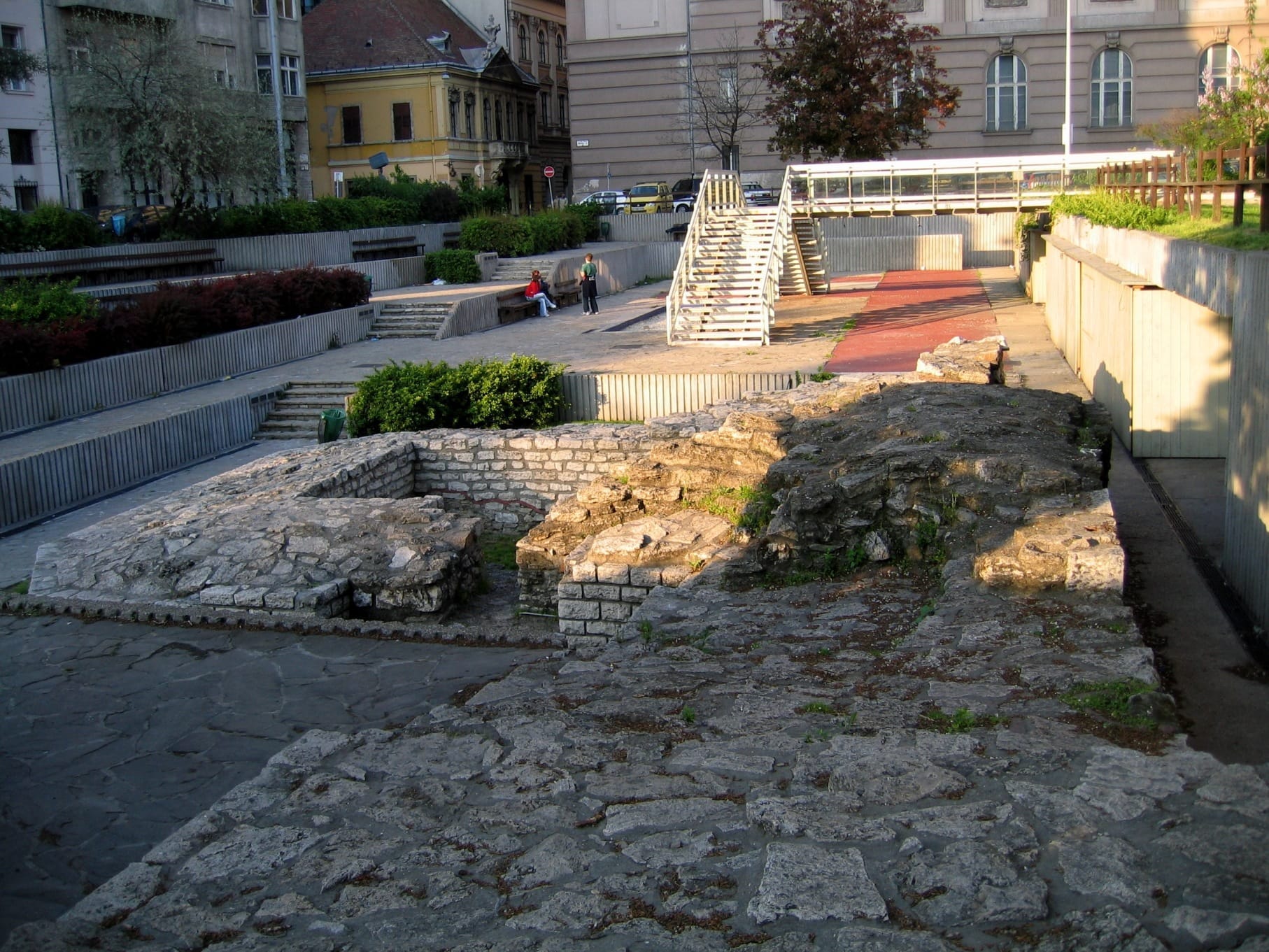
9. Walk Through a Roman City at the Aquincum Museum
Óbuda was once a thriving Roman provincial capital. The Aquincum complex combines an open-air archaeological park with an excellent indoor museum of mosaics, sculptures, and everyday Roman objects from the 2nd to 4th centuries AD. Best visited April to October.
Explore9. Walk Through a Roman City at the Aquincum Museum
Óbuda was once a thriving Roman provincial capital. The Aquincum complex combines an open-air archaeological park with an excellent indoor museum of mosaics, sculptures, and everyday Roman objects from the 2nd to 4th centuries AD. Best visited April to October.
ExploreBudapest's Castle Hill Museum Complex
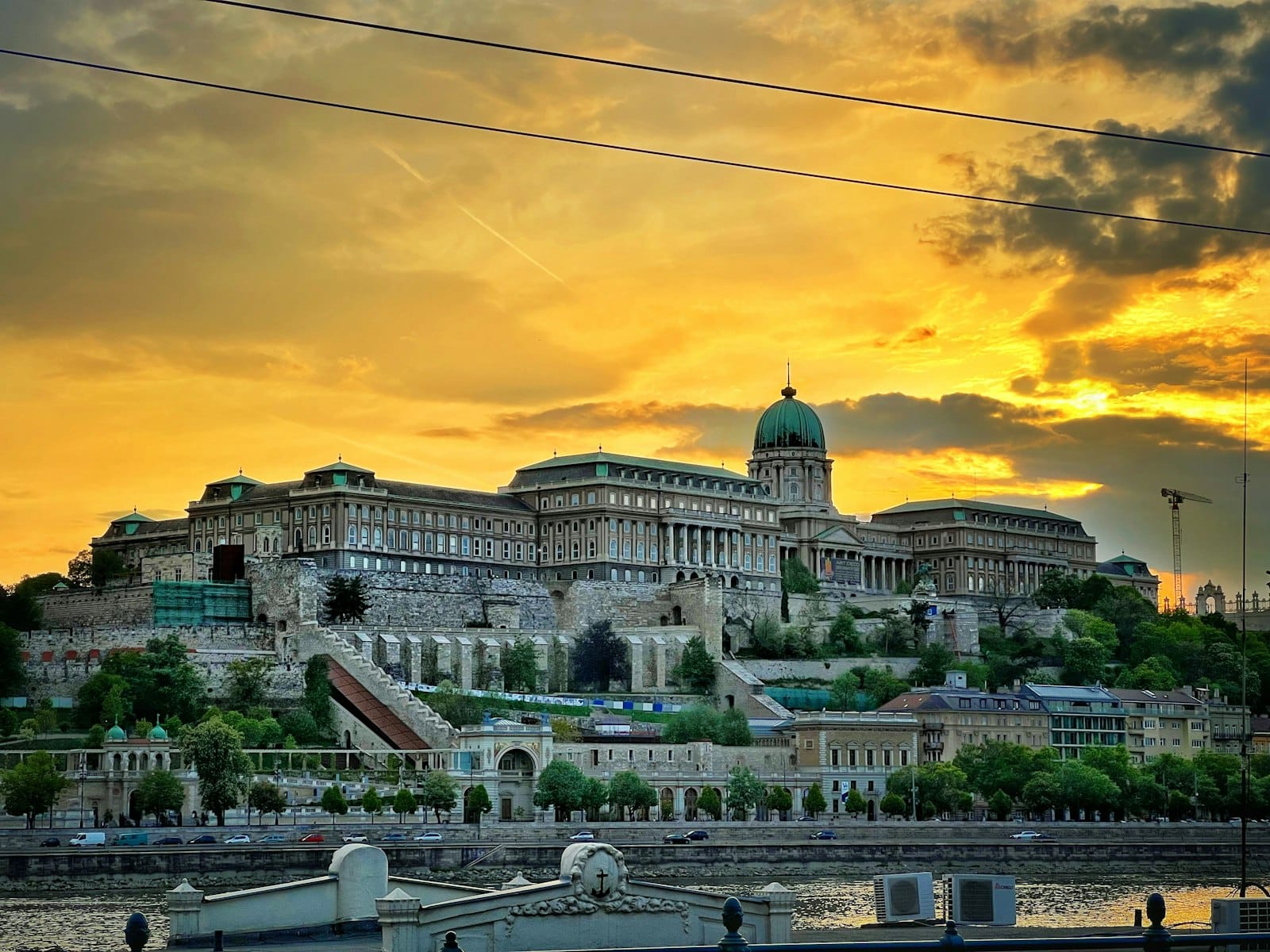
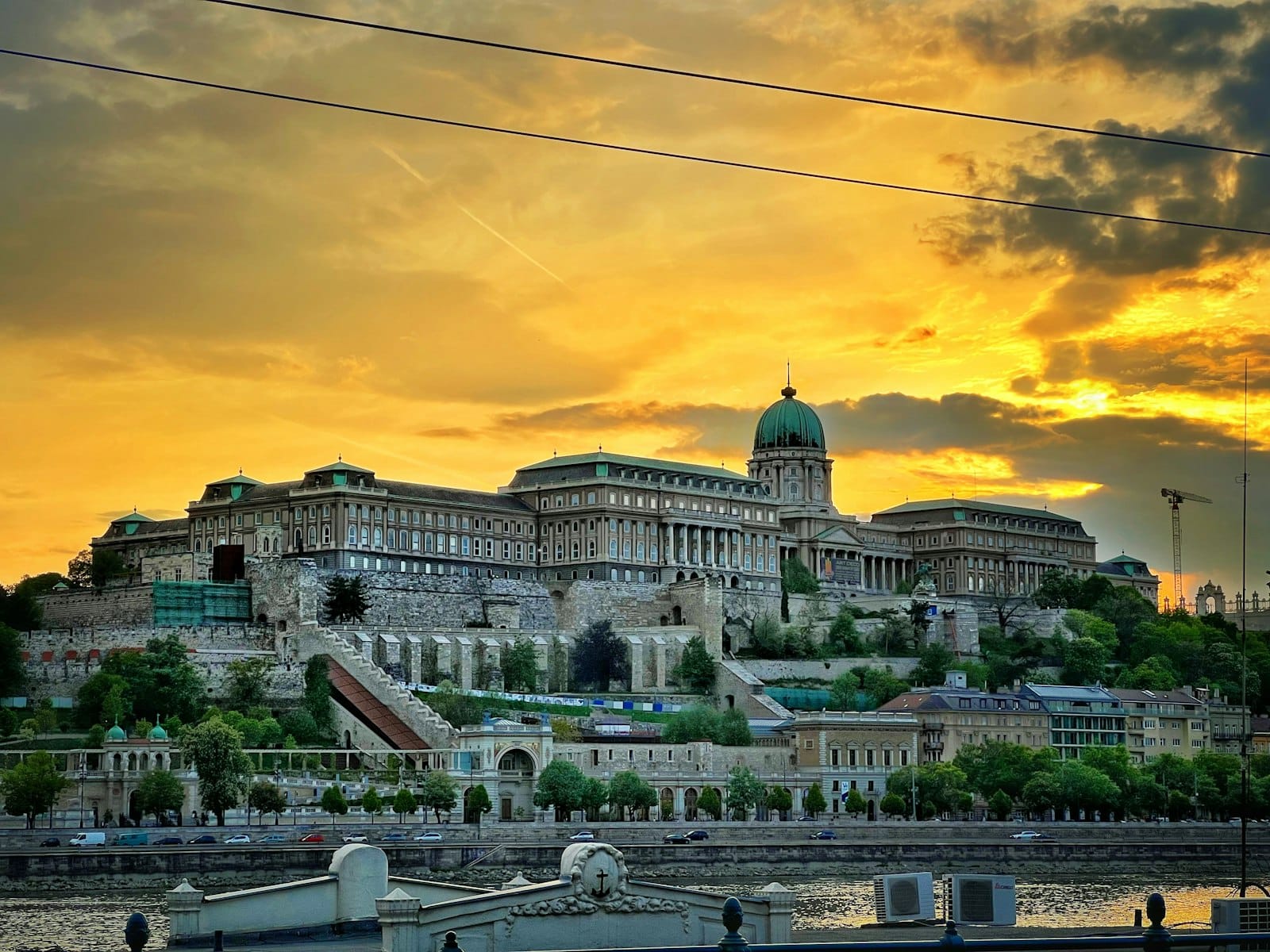
Buda Castle is not just an architectural landmark but a functioning museum complex housing multiple institutions under one roof and one hilltop. A visit to Castle Hill can easily fill a full day if you combine the National Gallery, the Budapest History Museum, and the Hospital in the Rock. Factor in time for the views from Fisherman's Bastion and the courtyard.
10. Combine Two Major Museums Inside Buda Castle
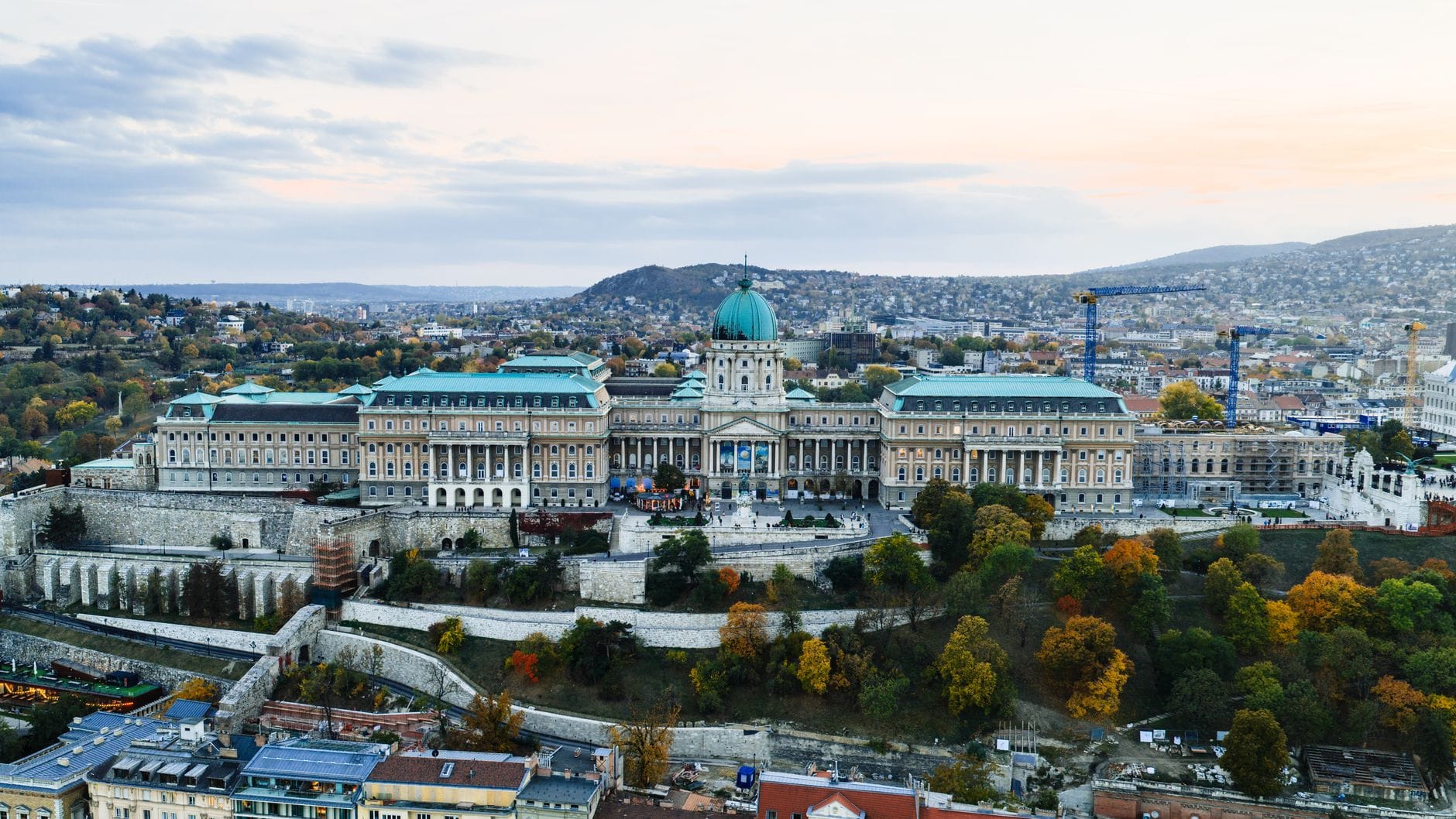
The castle complex houses both the Hungarian National Gallery and the Budapest History Museum, covering 2,000 years of the city's story. The baroque courtyards and Danube panoramas make even the walk between buildings worthwhile. Plan at least half a day.
Explore10. Combine Two Major Museums Inside Buda Castle
The castle complex houses both the Hungarian National Gallery and the Budapest History Museum, covering 2,000 years of the city's story. The baroque courtyards and Danube panoramas make even the walk between buildings worthwhile. Plan at least half a day.
Explore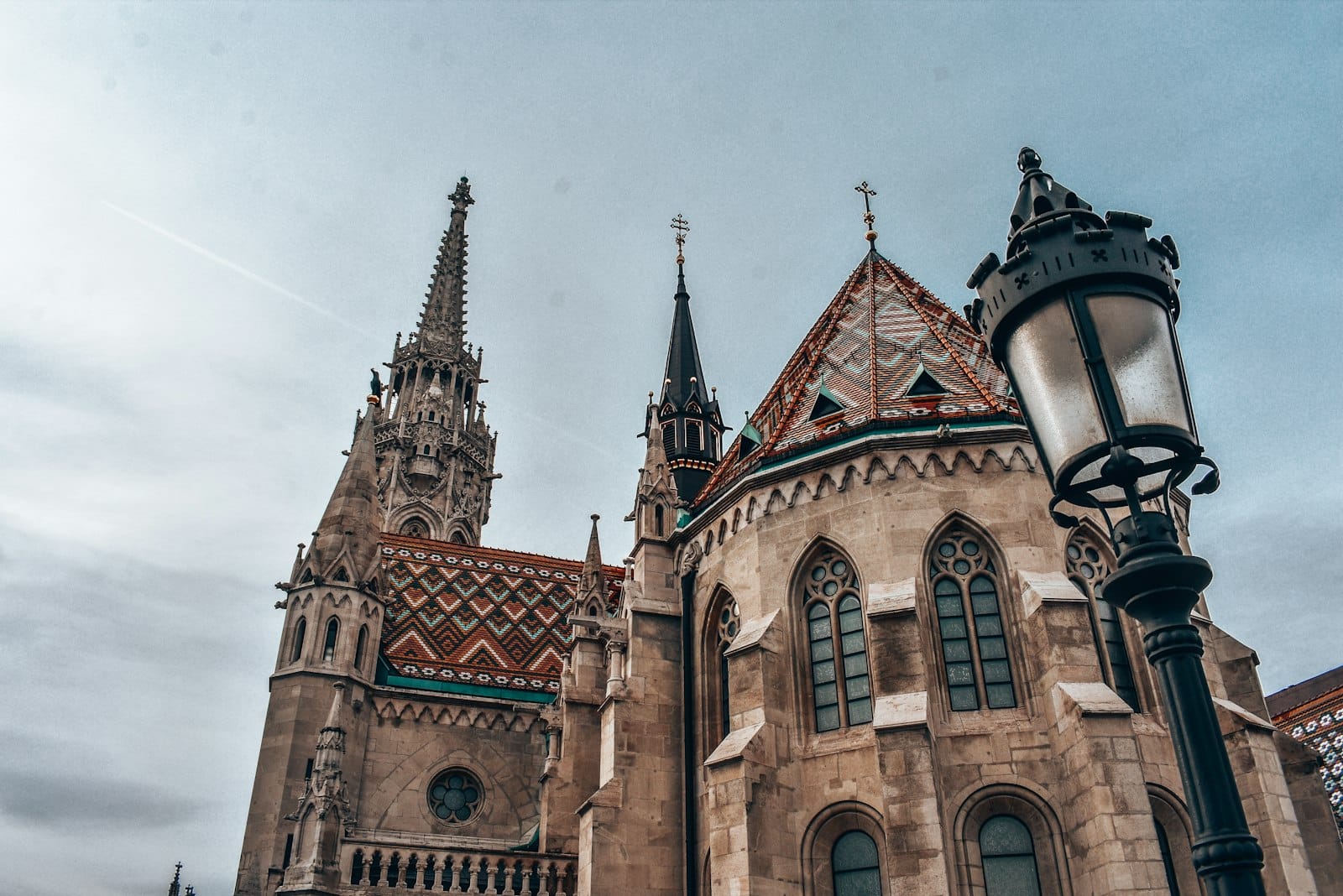
11. Explore the Crypt Museum at Matthias Church
Castle Hill's striking Gothic church, with its diamond-patterned tiled roof, houses a crypt museum with medieval ecclesiastical art, royal regalia replicas, and stone carvings. Coronations of Hungarian kings were held here. Combined ticket covers the full church and museum.
Explore11. Explore the Crypt Museum at Matthias Church
Castle Hill's striking Gothic church, with its diamond-patterned tiled roof, houses a crypt museum with medieval ecclesiastical art, royal regalia replicas, and stone carvings. Coronations of Hungarian kings were held here. Combined ticket covers the full church and museum.
ExploreQuirky & Interactive Museums
Not every museum visit has to be solemn. Budapest has a handful of genuinely fun, interactive institutions that work well for families or visitors wanting a break from art history. These are also good options for rainy days.
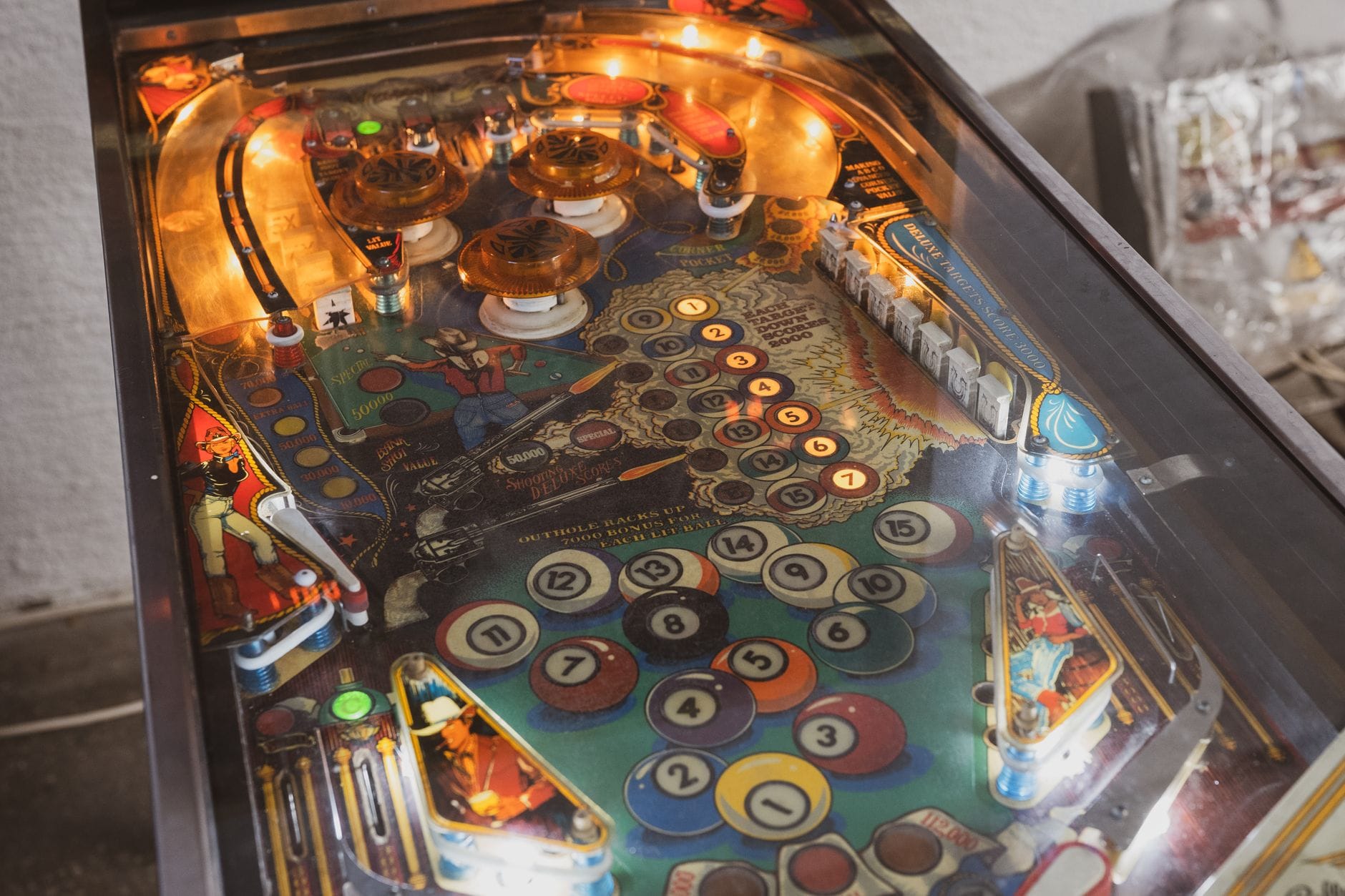
12. Play 130+ Machines at the Budapest Pinball Museum
One flat entry fee lets you play every one of the 130-plus playable pinball machines in this VII. District collection, spanning the 1940s to the present. Genuinely fun for adults and older kids. Evening visits can get busy on weekends; weekday afternoons are quieter.
Explore12. Play 130+ Machines at the Budapest Pinball Museum
One flat entry fee lets you play every one of the 130-plus playable pinball machines in this VII. District collection, spanning the 1940s to the present. Genuinely fun for adults and older kids. Evening visits can get busy on weekends; weekday afternoons are quieter.
Explore💡 Local tip
If you're visiting Budapest with children, the Pinball Museum and the Aquincum open-air ruins both work well for families. The Budapest Zoo in City Park can round out a full day in that area alongside the Museum of Fine Arts and Ethnography Museum.
Memorials Worth Treating as Museums

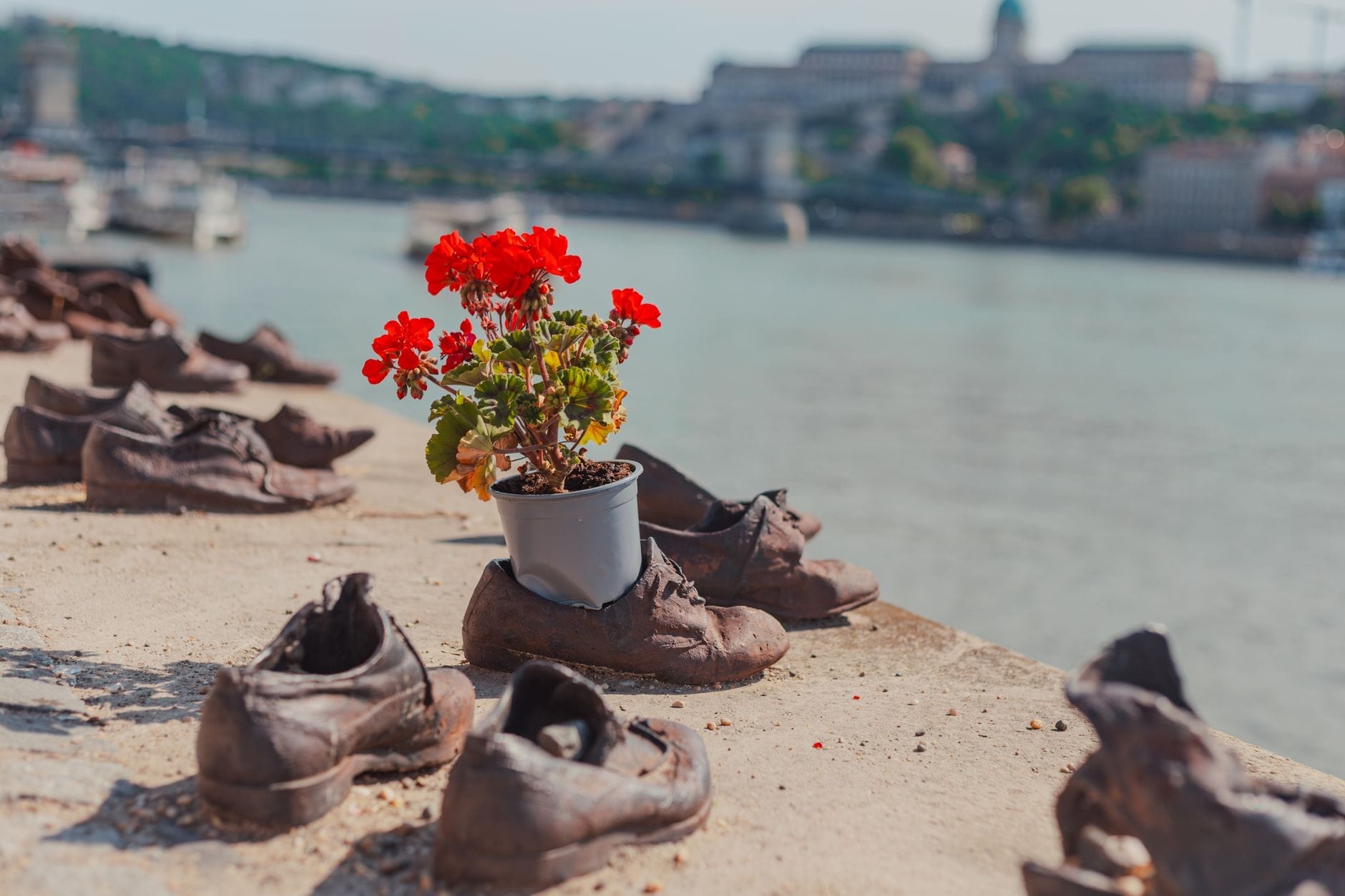
13. Pause at the Shoes on the Danube Memorial
Sixty pairs of iron shoes cast in 1940s styles line the Pest riverbank where Arrow Cross militiamen shot Jewish victims into the Danube in 1944 to 1945. Not a museum in the formal sense, but one of the most affecting sites in Budapest. Free to visit, open always.
Explore13. Pause at the Shoes on the Danube Memorial
Sixty pairs of iron shoes cast in 1940s styles line the Pest riverbank where Arrow Cross militiamen shot Jewish victims into the Danube in 1944 to 1945. Not a museum in the formal sense, but one of the most affecting sites in Budapest. Free to visit, open always.
Explore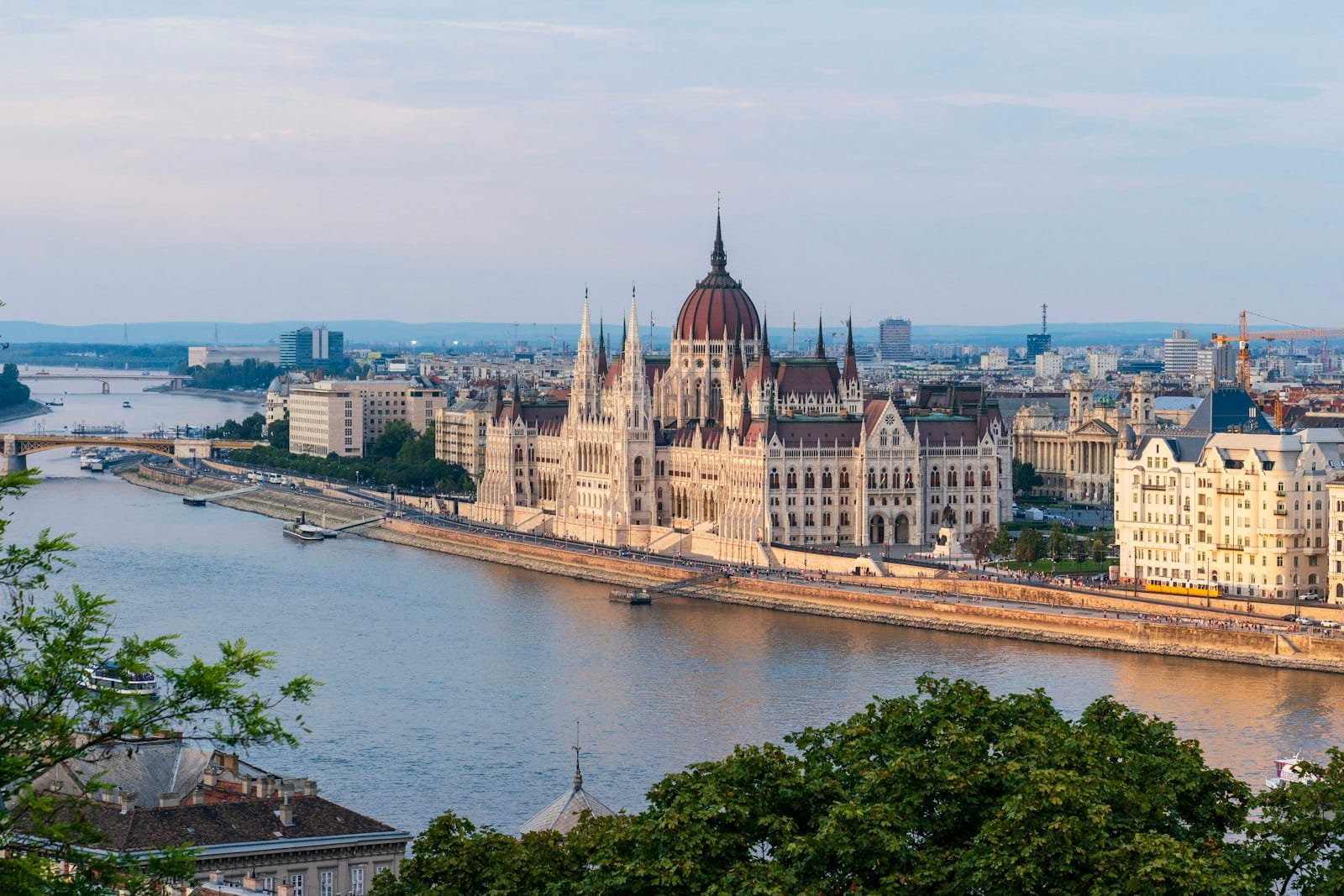
14. Tour the Interior of the Hungarian Parliament
The neo-Gothic Parliament on the Danube is one of Europe's finest buildings, and the guided interior tour earns its ticket price. The Hungarian Crown Jewels are displayed under the central dome. Book tickets well in advance, especially in summer. Tours run in multiple languages.
Explore14. Tour the Interior of the Hungarian Parliament
The neo-Gothic Parliament on the Danube is one of Europe's finest buildings, and the guided interior tour earns its ticket price. The Hungarian Crown Jewels are displayed under the central dome. Book tickets well in advance, especially in summer. Tours run in multiple languages.
ExploreFAQ
What day are Budapest museums closed?
Most state-run museums in Budapest are closed on Mondays. They typically open Tuesday to Sunday, 10:00 to 18:00, with ticket desks closing earlier. Some exceptions apply, including the Budapest History Museum’s Castle Museum in Buda Castle, which is currently reported as open daily. Always check the museum's own website before visiting as hours change seasonally.
Is the Budapest Card worth it for museum visits?
If you plan to visit three or more major museums, the Budapest Card can offer good value since it includes free or discounted entry to several key institutions plus unlimited public transport. However, it depends on which museums you prioritize and which type of card you buy, so calculate your expected ticket costs first against the card price and check the current list of participating museums.
How much time should I allow for the best Budapest museums?
The Museum of Fine Arts and House of Terror each deserve 2 to 3 hours. The Hungarian National Gallery and National Museum can each take 2 hours. Smaller institutions like the Hospital in the Rock run guided tours lasting about 70 minutes. A focused museum day in Budapest can comfortably cover two major institutions.
Which Budapest museum is best for children?
The Budapest Pinball Museum is the most reliably entertaining for older children and teens. The Aquincum open-air Roman ruins appeal to kids who enjoy exploring outdoors. The Museum of Ethnography's new building has well-designed interactive sections. Combine any of these with the Budapest Zoo in City Park for a full family day.
Are there free museums in Budapest?
Several museums offer free entry on Hungary’s three main national holidays: 15 March, 20 August, and 23 October. Some institutions have free permanent collection days on specific weekdays. The Shoes on the Danube memorial and Memento Park grounds are free to walk, though Memento Park charges for its exhibition. Verify current free-entry policies directly with each museum.