Budapest Pinball Museum (Flippermúzeum): The Full Visitor Guide
Tucked into a basement in northern Pest, the Budapest Pinball Museum packs more than 130 fully playable pinball machines into roughly 500 square metres of underground space. Admission covers unlimited play, making it one of the most engaging interactive attractions in the city for adults and older kids alike.
Quick Facts
- Location
- Radnóti Miklós utca 18, 1137 Budapest (Újlipótváros, District XIII)
- Getting There
- Nyugati pályaudvar (M3 metro, trams 4 & 6) — around 6 minutes' walk
- Time Needed
- 1.5 to 3 hours depending on how competitive you get
- Cost
- ~5,500 HUF adult / ~4,000 HUF discount — includes unlimited play. Verify current prices at flippermuzeum.hu
- Best for
- Nostalgia seekers, families with older kids, rainy-day plans, date nights
- Official website
- flippermuzeum.hu/en/main-page
What Is the Budapest Pinball Museum?
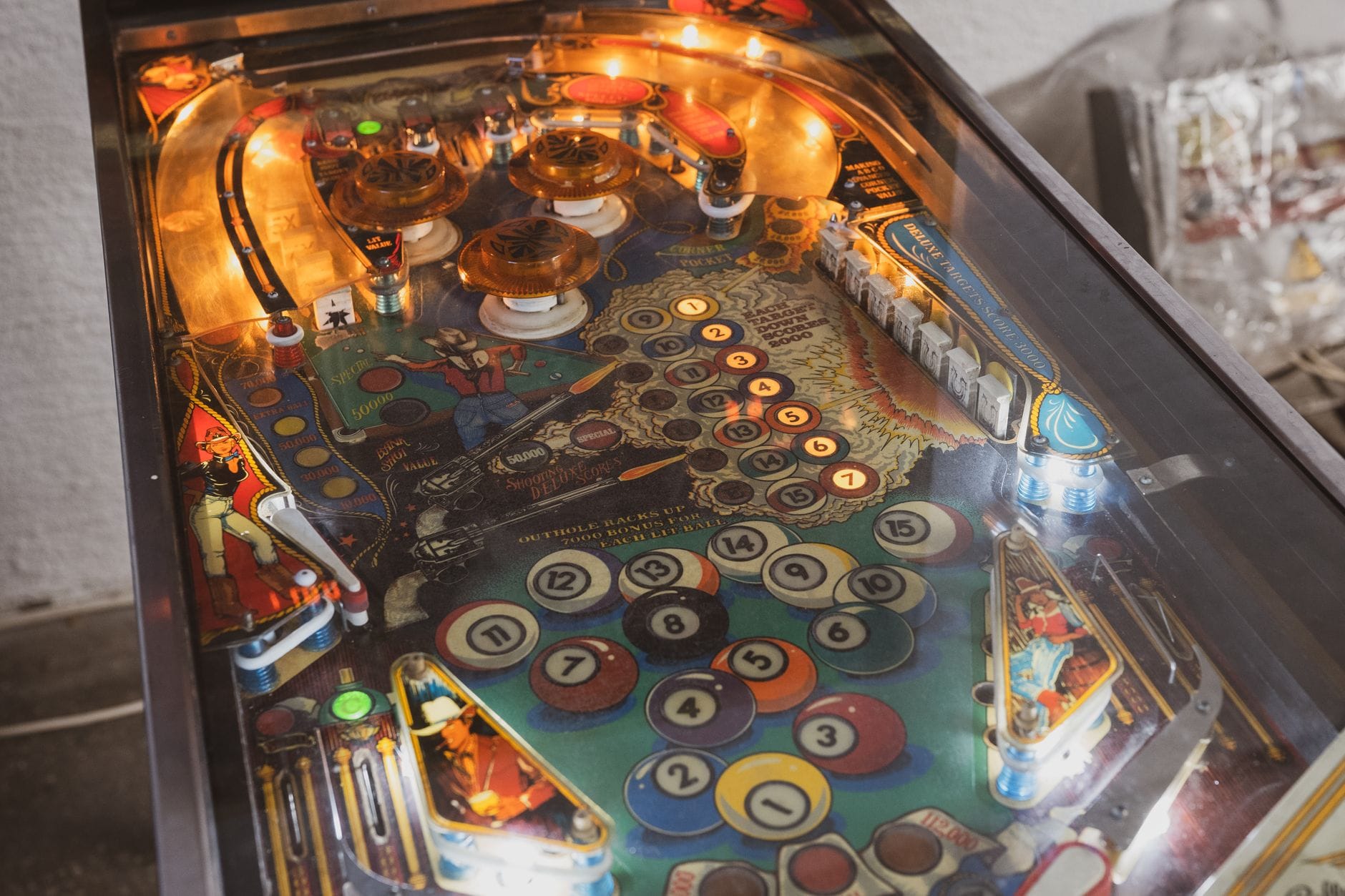
The Budapest Pinball Museum, known locally as the Flippermúzeum (or Magyar Flippermúzeum), opened in April 2014 and has since built a reputation as one of the most distinctive interactive museums in Central Europe. It is not a display-only collection behind glass. Every single machine in the museum — more than 130 pinball machines and classic arcade games spread across approximately 500 square metres of basement space — is switched on, calibrated, and free to play as part of your admission ticket.
That single policy changes the character of the visit entirely. You are not studying pinball history from a distance; you are playing it. The collection spans several decades of machine design, from the simple electromechanical tables of the 1950s and 1960s through to the elaborate multi-level ramps and digital displays of the 1990s, offering a physical timeline of how the game evolved.
ℹ️ Good to know
Admission includes unlimited play of all machines. There are no tokens, no extra costs per game. Budget at least 90 minutes if you want to work through more than a handful of tables.
Finding the Place: Location and Getting There
The museum sits at Radnóti Miklós utca 18, in the Újlipótváros neighbourhood of District XIII, close to the boundary with the Pest city centre. Despite being listed under the Jewish Quarter neighbourhood for guide purposes, it is actually just north of the traditional Jewish Quarter boundary, in a quieter residential pocket near the Danube embankment.
The most practical way to arrive is via Nyugati pályaudvar, served by the M3 (blue) metro line and by trams 4 and 6 running along the Grand Boulevard. From Nyugati, the walk to Radnóti Miklós utca 18 takes around six to eight minutes on foot. If you are arriving from the Jewish Quarter, the walk is manageable but not immediate — allow fifteen minutes or take the tram one stop northward.
The entrance is in the basement of a residential building. Do not expect a shopfront or elaborate signage at street level. Look for the stairs descending from the pavement and the sound of flippers and bells drifting up from below — that is confirmation you have the right address.
⚠️ What to skip
The museum is accessed via a staircase with no elevator. It is not accessible for wheelchair users or for visitors with significant mobility limitations.
Tickets & tours
Live prices and dates from our booking partner. If you book, we may earn a commission at no extra cost to you.
Budapest Guided E-Scooter Tour by Night
From 60 €Instant confirmationFree cancellationHalf-day tour to Princess Sissi's Godollő royal palace from Budapest
From 41 €Instant confirmationFree cancellationHalf-Day Countryside Wine Tour from Budapest
From 95 €Instant confirmationFree cancellationWalking tour of Pest
From 10 €Instant confirmationFree cancellation
The Collection: What You Will Actually Find Inside
The first thing that hits you when you reach the basement level is sound. Dozens of machines run simultaneously, each producing its own soundtrack of bells, buzzers, voice clips, and mechanical thumps. The combined noise is not unpleasant, but it is immersive in a way that photos cannot prepare you for. The lighting is deliberately low, punctuated by the neon and backlit artwork of each table's playfield.
The machines are arranged in rough chronological order, which means early-era tables from the 1950s sit nearest the entrance. These older machines feel noticeably different under your hands: the flippers are stiffer, the ball moves faster and less predictably, and the scoring is purely mechanical. Progressing deeper into the space, the machines grow more complex, with multiball modes, ramps, magnets, and elaborate theme licences from films and television shows that were dominant in the 1980s and 1990s.
Among the more than 130 machines, you will find classic Bally and Williams tables that are widely considered the high point of the art form, as well as some rarer European models. Staff keep the machines in working order, and most visitors find the majority of tables in playable condition on any given visit. A small number may be under maintenance at any time, which is unavoidable with a collection of this age and scale.
💡 Local tip
Arrive with some patience for the older electromechanical machines. They reward slower, more deliberate play and behave very differently from modern digital tables. Start with a 1970s or 1980s table to calibrate your expectations before moving forward or backward in the timeline.
Opening Hours and the Best Time to Visit
The museum is closed on Mondays and Tuesdays. Wednesday through Friday it opens at 16:00 and runs until midnight. Saturday hours run from 13:00 to midnight, and Sundays from 11:00 through to 22:00. These are published hours; verify directly at flippermuzeum.hu before you visit, as schedules can shift for holidays and private events.
Saturday afternoons tend to be the busiest window, particularly from around 15:00 to 19:00. If the space fills up, you may find yourself waiting for a turn on the most popular tables. Weekday evenings, particularly Wednesday and Thursday, draw a smaller crowd and allow more relaxed access to every machine. Sunday mornings, from opening until early afternoon, offer a noticeably quieter experience and are worth considering if you want the space nearly to yourself.
Weather has essentially no bearing on the experience here. The museum is underground and climate-controlled, making it an especially good option on rainy or very hot summer days when outdoor sightseeing loses its appeal. If you are planning a visit during a Budapest summer heatwave, the Flippermúzeum is one of the few genuinely cool places you can spend a few comfortable hours.
Practical Notes for Your Visit
Admission at the time of writing is approximately 5,500 HUF for adults and 4,000 HUF for students and other eligible discount categories. This covers unlimited play for the duration of your visit. Confirm current pricing directly on the official website before you go, as forint prices can shift and third-party listings are not always current.
There is no requirement to book in advance for individual visitors, though groups may wish to contact the museum directly. The space can feel crowded on busy evenings, and the narrow basement layout means that peak-hour visits involve a degree of corridor-sharing with other players.
Photography is generally permitted for personal use, and the backlit machine artwork makes for compelling close-up shots. The low ambient lighting can challenge smartphone cameras; dedicated cameras with good low-light performance will produce better results. If you are touring the area, the Great Synagogue and other Jewish Quarter landmarks are within walking or transit distance, making a combined half-day itinerary feasible.
💡 Local tip
Wear comfortable shoes. You will be standing throughout, often leaning into machines. The basement floor is hard concrete, and two or three hours of play is more physically engaging than it sounds.
Cultural Context: Why Budapest Has This Museum
Pinball had a complicated relationship with legal authority through much of the twentieth century. In the United States, machines were banned in New York City from 1942 until 1976, classified alongside gambling devices. In Hungary under state socialism, Western arcade culture occupied a similarly grey zone. The machines that survived in Hungary often did so through informal channels, privately maintained by enthusiasts who recognised the mechanical ingenuity in each table.
The Flippermúzeum grew directly from that collecting tradition. It represents years of acquisition, restoration, and maintenance by people who treated pinball machines as cultural artefacts worth preserving rather than discarding. In that sense, visiting the museum is not entirely different from visiting any other kind of design or industrial history collection. The machines document changing tastes in popular culture, manufacturing technology, and public entertainment across five decades.
Budapest has an appetite for this kind of unconventional institution. The city also hosts the Memento Park, an open-air museum preserving Soviet-era statues that were removed from public spaces after 1989 — another example of Hungarians choosing preservation over erasure when it comes to their complicated recent past. The Flippermúzeum is a much lighter version of that instinct, but the impulse to keep things rather than throw them away runs through both.
Honest Assessment: Is It Worth Your Time?
If you have a genuine interest in arcade culture, mechanical design, or just want an evening activity that does not involve another thermal bath or rooftop bar, the Budapest Pinball Museum earns its admission price comfortably. The unlimited-play model means you are not watching a clock or rationing coins, and the collection is large enough to keep most visitors occupied well beyond a single hour.
If you have very young children, exercise some caution. The basement is dark, noisy, and not designed for toddlers. Older children and teenagers, particularly those with any interest in gaming, typically enjoy it considerably. The machines are robust enough that enthusiastic play does not feel fragile or precious.
Visitors looking exclusively for grand architecture, thermal bath culture, or the kind of photogenic sightseeing that Budapest is best known for will find the Flippermúzeum peripheral to their itinerary rather than central. If that description fits your trip, focus instead on the Fisherman's Bastion or the Hungarian Parliament Building before considering the pinball museum as an evening add-on.
One genuine limitation: the basement location and concrete floor mean that anyone with back problems, knee issues, or limited stamina may find the visit tiring faster than expected. There is nowhere comfortable to sit inside the collection space itself. Come rested, and do not plan it as the last stop of a long walking day.
Insider Tips
- Arrive on a weekday evening (Wednesday or Thursday) to have real breathing room between machines. Saturday peak hours can make the narrow aisles genuinely difficult to navigate.
- The oldest electromechanical machines near the entrance are often overlooked by visitors making a beeline for 1990s-era themed tables. Spend fifteen minutes with a 1960s table first — the physics and pace are a completely different experience.
- The basement temperature stays relatively constant year-round, cooler than street level in summer. Bring a light layer if you run cold, especially in winter when the contrast with outdoor temperatures is sharp.
- If you are visiting with a group, informal competitions between machines are easy to organise and add a social dimension that makes the time pass even faster. Most tables keep a high-score register, which provides its own motivation.
- Combine the visit with dinner in the surrounding Újlipótváros area, which has a quieter, more residential restaurant scene than the tourist-heavy streets closer to the Jewish Quarter's main drag.
Who Is Budapest Pinball Museum For?
- Adults looking for an unusual evening activity outside the standard Budapest circuit
- Families with children aged 10 and above who enjoy hands-on, interactive experiences
- Rainy or extremely hot days when outdoor options lose their appeal
- Nostalgia-driven travellers interested in 20th-century popular culture and mechanical design
- Date nights that benefit from a bit of playful competition
Nearby Attractions
Other things to see while in Jewish Quarter (VII. District):
- Great Synagogue (Dohány Street Synagogue)
The Great Synagogue on Dohány Street is the largest synagogue in Europe and a defining landmark of Budapest's historic Jewish Quarter. Built between 1854 and 1859 in an ornate Moorish Revival style, it combines a working house of worship with a Jewish museum, a Holocaust memorial garden, and an emotionally resonant cemetery. Allow at least 90 minutes to do it justice.
- Szimpla Kert
Szimpla Kert is the ruin bar that launched a cultural movement. Set inside a crumbling former apartment building on Kazinczy utca in District VII, it draws everyone from curious tourists to loyal locals with its chaotic decor, cheap drinks, Sunday farmers' market, and genuinely unpredictable energy.
Planning a trip? Discover personalized activities with the Nomado app.