Luxury Budapest: The Complete Guide to Five-Star Hotels, Spas & Fine Dining
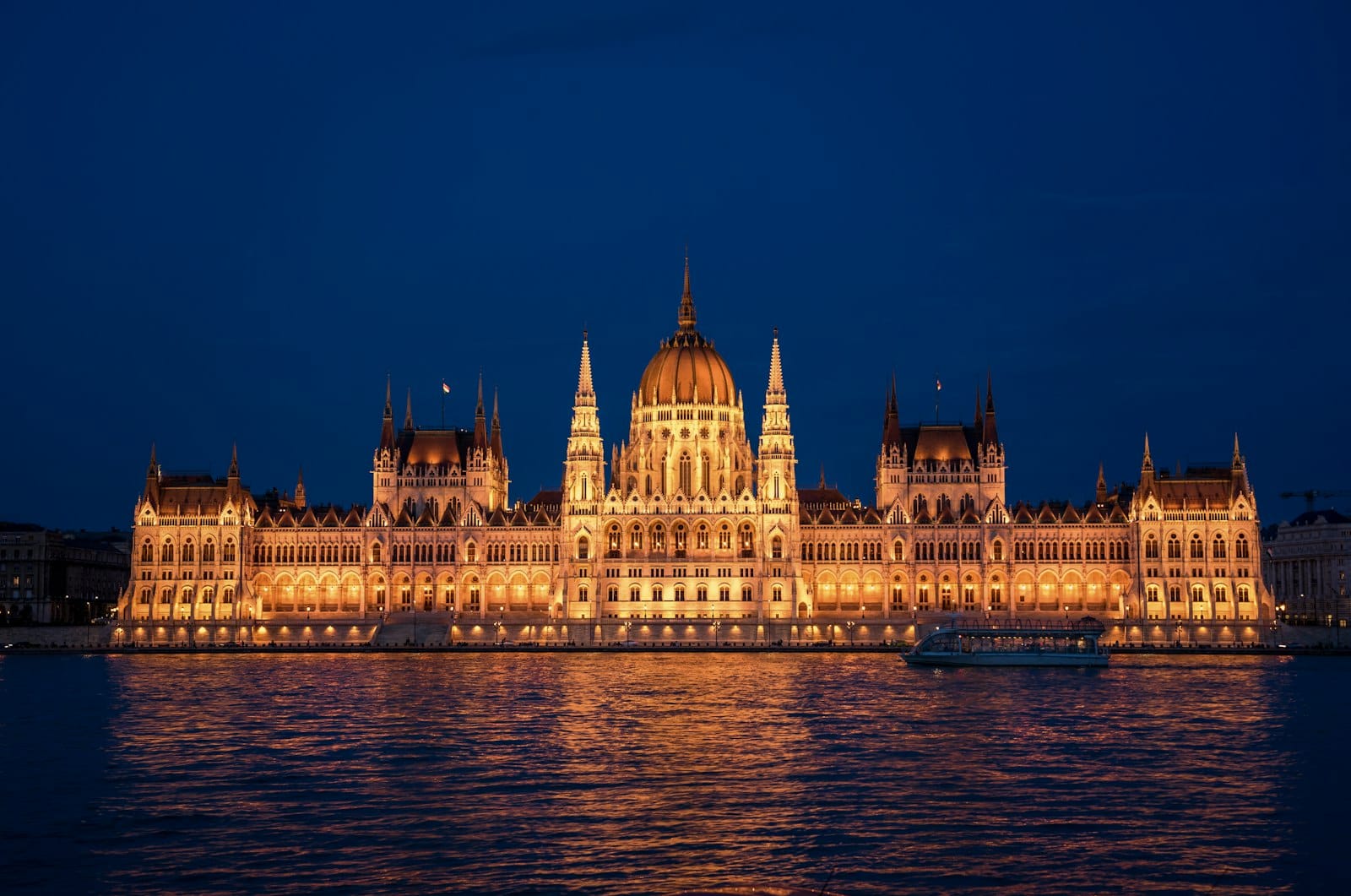
Budapest punches well above its weight in the luxury travel market. Five-star hotels cost 40-60% less than comparable properties in Vienna or Paris, the thermal spa culture is unmatched in Europe, and the fine dining scene has quietly matured into something genuinely world-class. This guide covers where to stay, where to soak, and where to eat at the top end of the market.
Plan and book this trip
Tools from our partner Travelpayouts help you compare flights and hotels. If you book through them, we may earn a commission at no extra cost to you.
Flights
Hotels map
TL;DR
- Five-star Budapest hotels typically run EUR 145-520 per night, roughly 40-60% less than Vienna or Paris equivalents.
- Book 2-3 months ahead for peak season: May through September and the December Christmas market weeks fill fast.
- The Four Seasons Gresham Palace, Anantara New York Palace, and Corinthia Budapest are the headline properties; each has a distinct character covered in detail below.
- Thermal baths are not just tourist attractions: Széchenyi Thermal Bath and Rudas Thermal Bath are integral to any luxury Budapest itinerary (Gellért is closed for renovation until around 2028).
- KAYAK data shows January as the cheapest month for luxury rooms; October is the most expensive. Sunday is the cheapest night to check in.
Why Budapest Makes Sense as a Luxury Destination
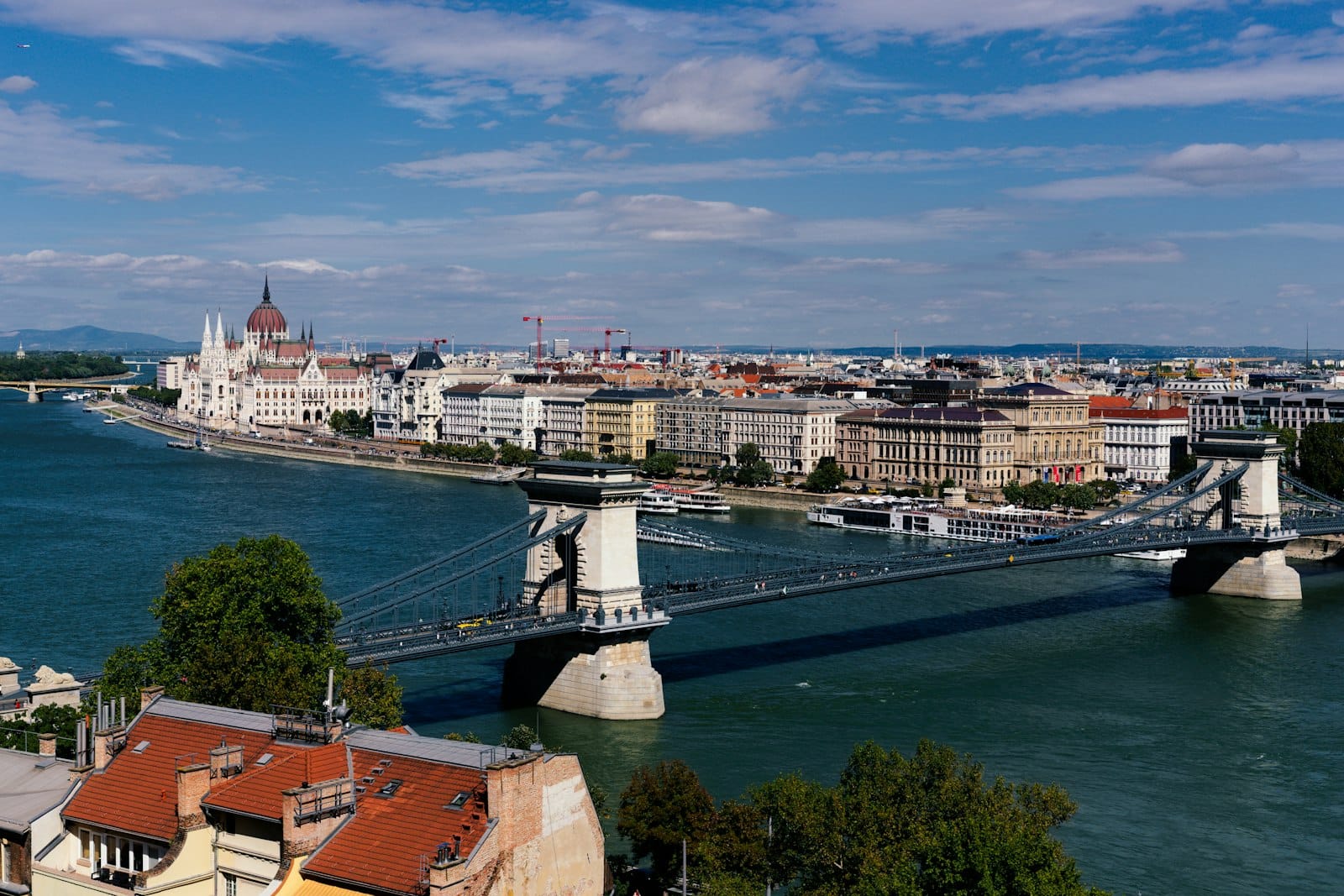
Budapest is Hungary's capital, straddling the Danube with hilly Buda on the west bank and flat Pest on the east. The city of roughly 1.75 million people unified from two separate towns in 1873, and that layered history shows up everywhere in the luxury product: Austro-Hungarian palace hotels, art nouveau interiors, Ottoman-era thermal baths, and a restaurant scene that draws on both Central European tradition and modern technique. The infrastructure for high-end travel, from concierge services to Michelin-recommended restaurants, is well developed and improving year on year.
The currency is the Hungarian forint (HUF), and Hungary is not in the eurozone, which creates a pricing advantage for visitors from euro or dollar-denominated economies. Even at the top end of the market, the value proposition is hard to argue with. For context on what to prioritize across the city, our broader Budapest guide covers the full picture, but this page focuses specifically on the luxury tier.
ℹ️ Good to know
Hungary is part of the Schengen Area, so EU and EEA citizens enter freely. Many other nationalities qualify for visa-free short stays under Schengen rules. Confirm current entry requirements via official Hungarian government or embassy sources before travel, as policies can change.
The Best Luxury Hotels in Budapest
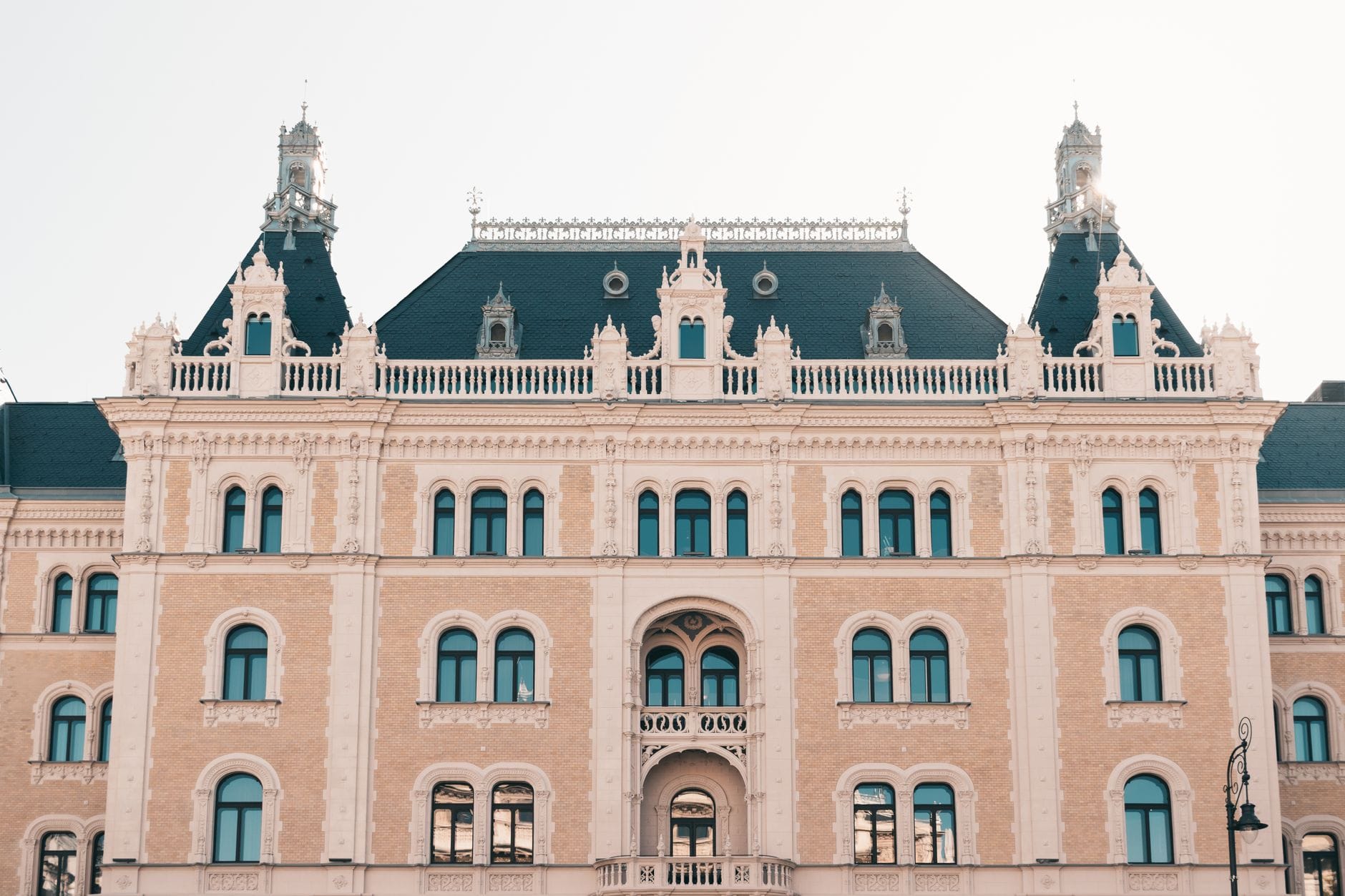
Budapest's five-star hotel market is anchored by a handful of landmark properties, most of them in District V (Belváros-Lipótváros) on the Pest side or within easy reach of the Danube. Standard room rates typically fall in the EUR 145-520 range per night, though suite prices and peak-season surcharges push well beyond that ceiling. May through September is the main peak period; December, specifically the Christmas market weeks, also commands premium rates. January is consistently the cheapest month for five-star availability, and checking in on a Sunday rather than a Monday can save a noticeable amount.
- Four Seasons Hotel Gresham Palace The most architecturally significant hotel in the city, occupying a 1906 art nouveau palace directly facing the Chain Bridge. The restoration is meticulous, and the Danube-facing rooms offer one of the best views in Budapest. This is the benchmark property for first-time luxury visitors.
- Anantara New York Palace Budapest Built in 1894 as the New York Insurance Company headquarters, the building contains the legendary New York Café on the ground floor. The hotel blends Italian Renaissance and baroque detailing with Anantara's Southeast Asian spa philosophy. An unusual combination that works well in practice.
- Corinthia Budapest A Grand Boulevard property with an indoor pool, full-service spa, and hot tub, making it the strongest choice for guests who want a self-contained luxury experience. The Royal Spa is one of the better hotel spa facilities in Central Europe.
- Aria Hotel Budapest A music-themed boutique five-star in District V, steps from St. Stephen's Basilica. Smaller and more intimate than the palace hotels, with a rooftop bar that gets genuinely good views. The service-to-price ratio is frequently praised.
- Kozmo Hotel Suites & Spa A newer entry in the five-star market, oriented toward longer stays with suite-format rooms and a strong wellness offering. Good choice for travelers who want more space and a quieter atmosphere than the landmark palace hotels.
✨ Pro tip
Book 2-3 months ahead for travel between May and September or during December. Rates for the same room at the Four Seasons or Corinthia can vary by 40-50% depending on how far in advance you book. Use KAYAK or Hotels.com to track price trends, but always confirm directly with the hotel for best-rate guarantees and room upgrade requests.
Location matters more in Budapest than in some European capitals because the city splits across the Danube. The luxury hotel cluster in District V keeps you close to the Hungarian Parliament Building, the Chain Bridge, and the main shopping and restaurant streets. Staying on the Buda side is quieter and closer to Buda Castle, but the luxury hotel supply there is thinner. Most guests find the Pest-side concentration more convenient.
Thermal Spa Culture: The Luxury Angle
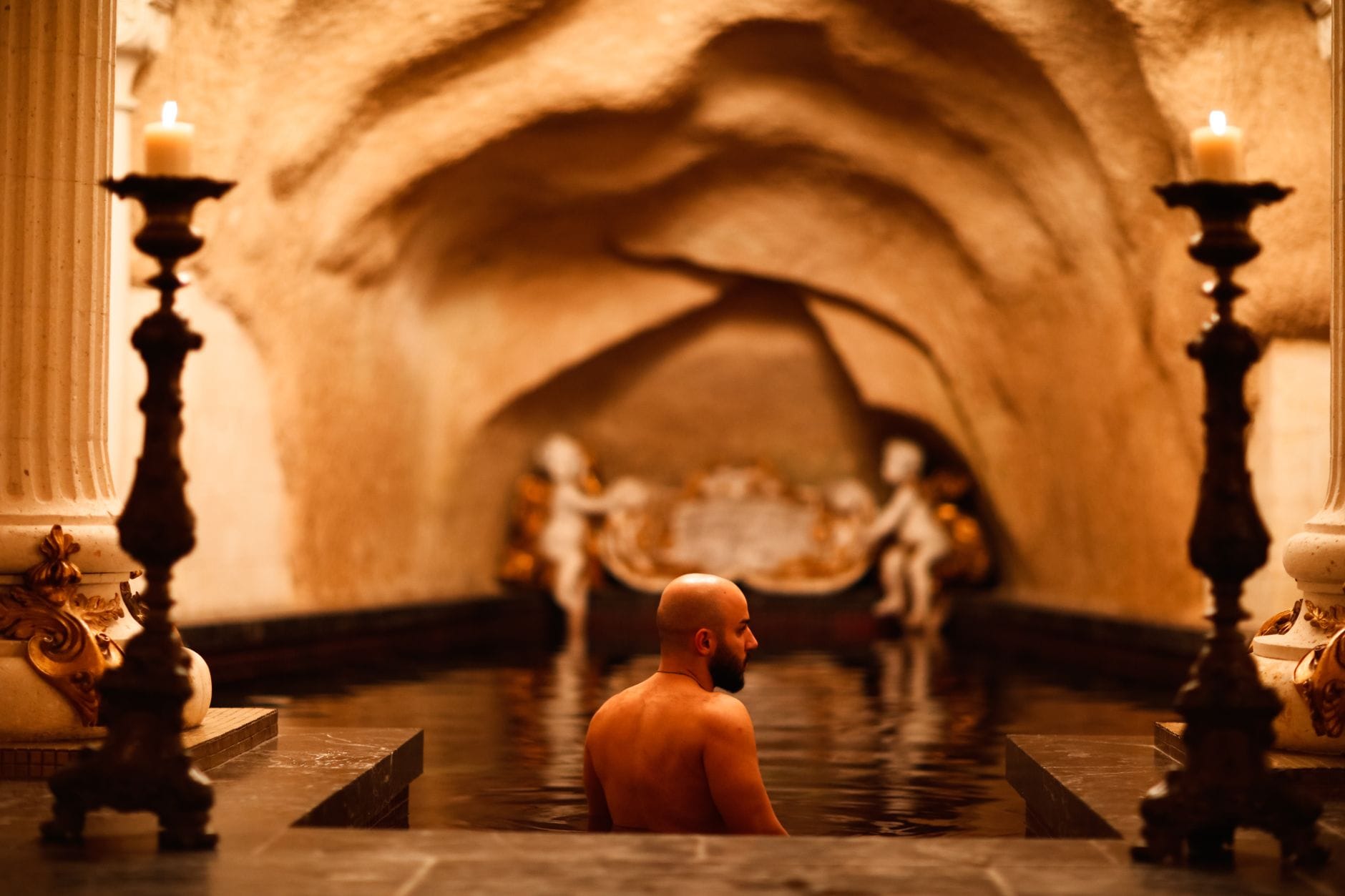
Budapest sits on more than 100 thermal springs, and the bathing culture stretches back to the Ottoman occupation of the 16th and 17th centuries. For a luxury traveler, the spa experience here is not a hotel amenity add-on: it is a standalone attraction with genuine historical depth. The key is knowing which baths suit a high-end visit and which are primarily local public facilities.
The Gellért Thermal Bath inside the Gellért Hotel is the most ornate historic option — a 1918 art nouveau complex with mosaic tiles, marble columns, and vaulted ceilings — but the baths are closed for renovation from October 2025 until around 2028. Admire the exterior from Szent Gellért tér, then soak at the Széchenyi Thermal Bath in City Park, the largest medicinal bath complex in Europe, with outdoor pools that operate year-round. Seeing steam rise from the yellow baroque buildings in winter is one of Budapest's most distinctive images. Rudas is another strong open alternative with a rooftop pool.
For a less crowded alternative, the Lukács Thermal Bath in District II is a favorite among residents who want to avoid tourist traffic. The Rudas Thermal Bath on the Buda bank, dating to the 16th century, has a rooftop wellness pool with Danube views and operates Friday and Saturday nights as an adults-only experience. It is among the most atmospheric spa visits in the city. Our Budapest thermal baths guide has the full breakdown of all major options including current entry procedures.
⚠️ What to skip
Thermal bath entry prices, session structures, and booking requirements change periodically. The main open baths have online booking systems, and pre-booking is strongly recommended for peak weekends. Walk-in availability can be unpredictable at Széchenyi during summer. Gellért is closed for renovation until around 2028 — do not book third-party Gellért tickets.
Fine Dining and Upscale Restaurants
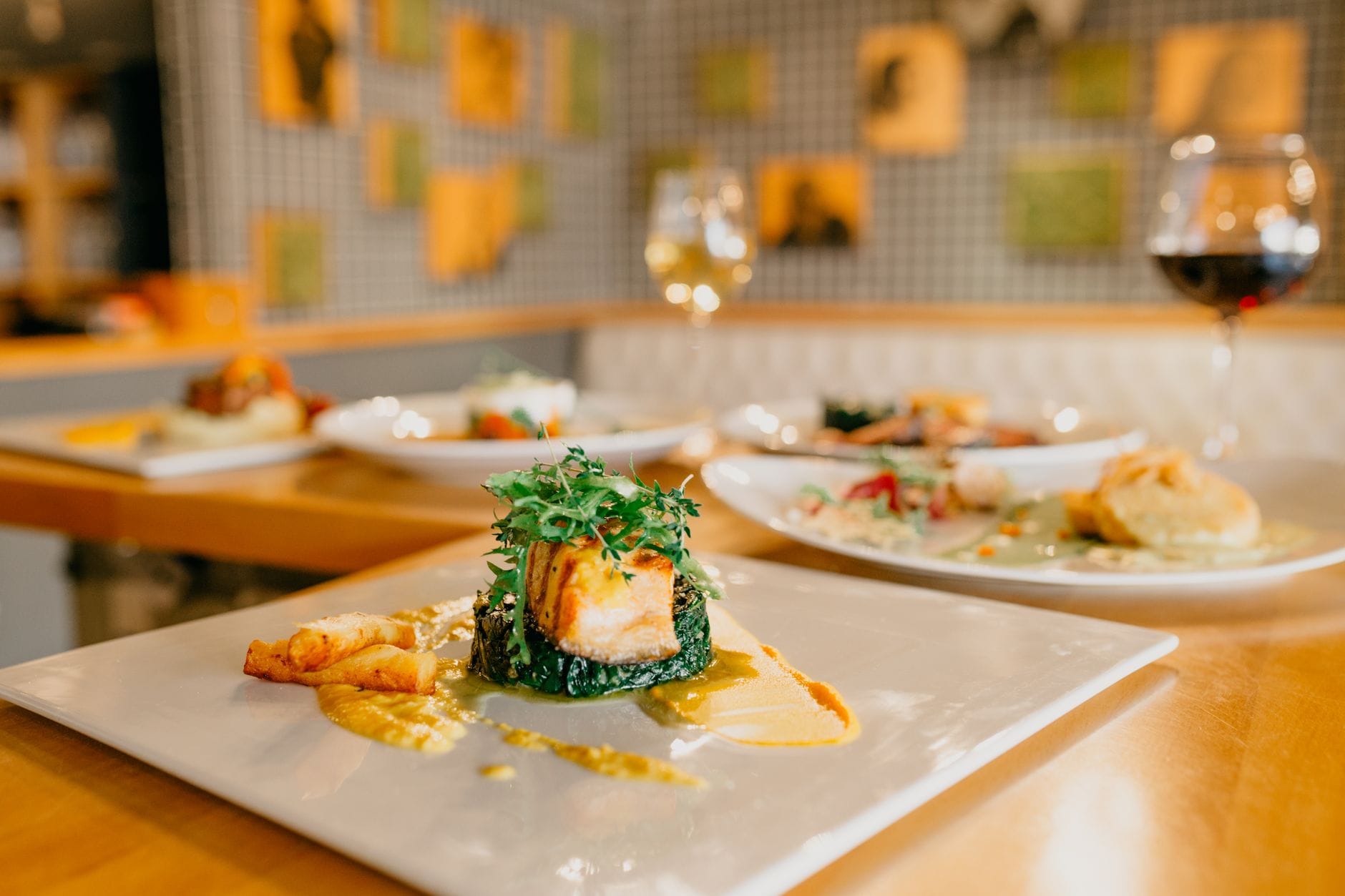
Budapest's restaurant scene has matured significantly over the past decade. The city has Michelin-starred and Michelin-recognized restaurants, a growing number of chef-driven tasting menu formats, and strong representation of modern Hungarian cuisine that takes local ingredients seriously rather than treating them as tourist nostalgia. Tipping customs follow standard Central European practice: 10-15% is customary in table-service restaurants, though some upscale venues add a service charge, so check the bill before adding extra.
The concentration of upscale dining is heaviest in Districts V and VI, with notable options spreading into VII and along Andrássy Avenue. The New York Café inside the Anantara New York Palace is more of a heritage experience than a serious dining destination: the setting is extraordinary but the food plays a secondary role. For actual fine dining, seek out the restaurants specifically built around their kitchens rather than their architecture.
- Tasting menus at top Budapest restaurants typically run in the range of 30,000-70,000 HUF per person before wine, though this should be verified directly with individual restaurants as menus and pricing change seasonally.
- Modern Hungarian cuisine at the top end features ingredients like mangalica pork, foie gras, Tokaji wine reductions, and seasonal freshwater fish from the Danube system.
- Dress codes at upscale Budapest restaurants are generally smart casual to smart; very few enforce formal dress, but arriving in sportswear at a starred restaurant will be noticed.
- Reservations for top tables are essential, especially on Friday and Saturday evenings. Book at least two to three weeks ahead for Michelin-level restaurants, further in advance during peak season.
- The Hungarian State Opera House in District VI anchors an evening-out circuit that pairs well with dinner on Andrássy Avenue before or after a performance.
For a broader context on eating well in Budapest across price points, the Budapest food guide covers markets, street food, and mid-range options alongside the upscale tier. The Central Market Hall is worth a morning visit even for luxury travelers: it is the best place in the city to understand Hungarian produce and pick up high-quality local food products.
Art Nouveau, Architecture, and Luxury Experiences Beyond Hotels
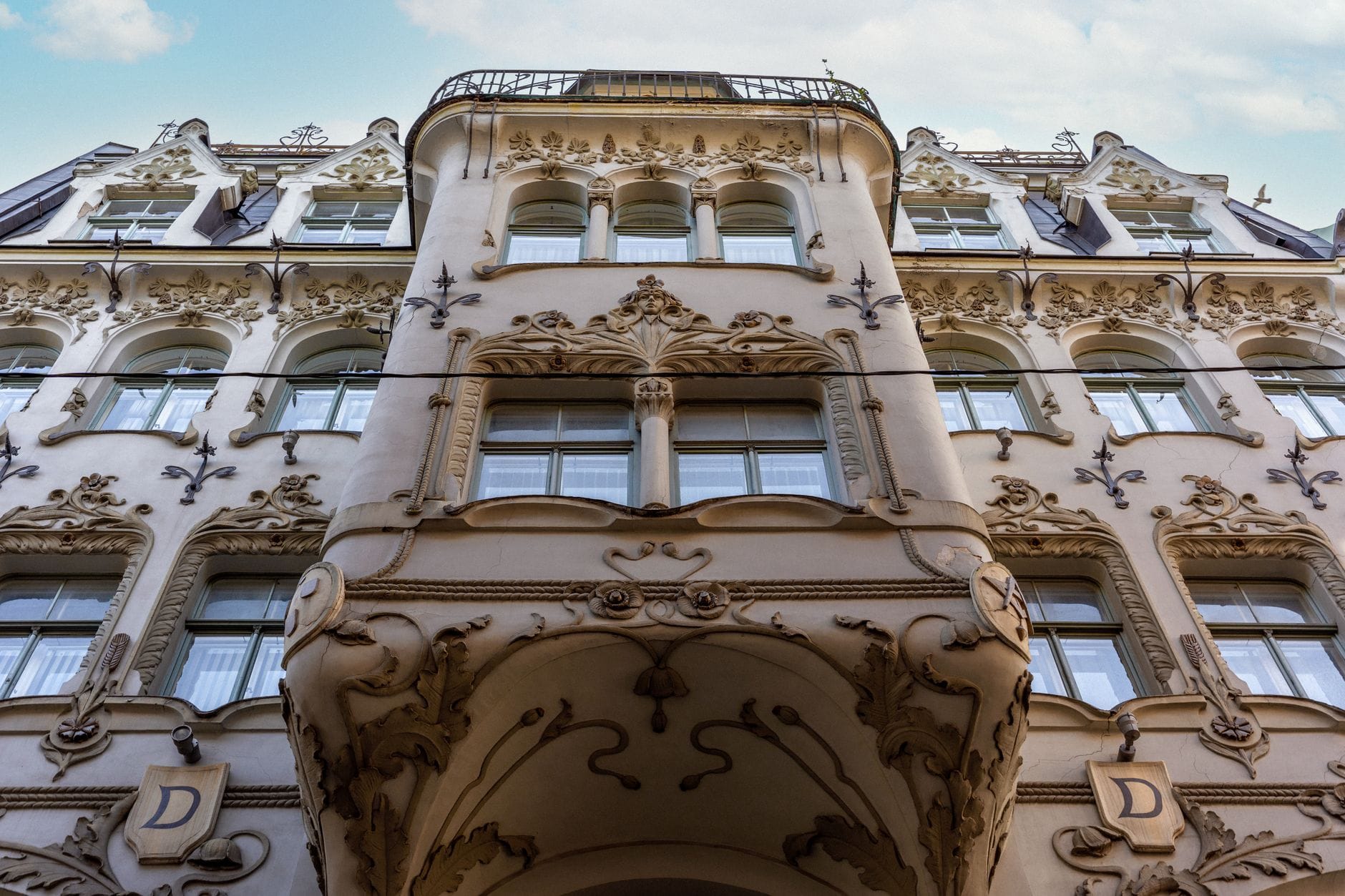
A significant part of Budapest's luxury appeal is the architectural fabric of the city itself. The art nouveau and eclectic historicist buildings that line the ring roads and boulevards of Pest are among the most intact examples in Europe. Budapest's art nouveau heritage extends well beyond hotel lobbies: the Hungarian State Opera House on Andrássy Avenue is among the finest opera venues on the continent, and guided access tickets are available for those not attending performances.
Private guided experiences add a layer that independent sightseeing misses. A private art historian guiding a morning through the Hungarian National Gallery inside Buda Castle, followed by lunch at a Michelin-recognized restaurant and an afternoon spa session at Széchenyi or Rudas (Gellért is closed until around 2028), constitutes a full luxury day without repeating the standard tourist circuit. For couples, this kind of curated itinerary is the difference between a good trip and an exceptional one.
The romantic Budapest guide covers the couples-specific angle in more detail, including Danube dinner cruises, rooftop bars, and evening options. For travelers with children, note that luxury Budapest is also workable: several five-star properties accommodate families well, and the Budapest with kids guide outlines which neighborhoods and attractions are most practical.
Practical Logistics for Luxury Travelers
Budapest Liszt Ferenc International Airport (IATA: BUD) is located about 21 km southeast of the city center. For luxury travel, a pre-booked private transfer is the standard approach: journey time runs 30-60 minutes depending on traffic, and the rate varies by provider and vehicle class. Verify current pricing with your hotel concierge or a transfer service before arrival. The airport express bus (line 100E) to Deák Ferenc tér is a legitimate option if you travel light and want to avoid transfer costs, but it is a different experience from arriving by private car.
Within the city, the major five-star hotels are located close enough to the main attractions that walking covers most of the itinerary. Budapest's tram and metro network is extensive and well-operated, and many luxury travelers use it for specific routes rather than relying entirely on taxis. Licensed taxis operate from designated stands and use regulated metered fares. Note that Uber suspended Hungarian operations in 2016; local taxi apps and licensed services operate in its place. Confirm current options with your hotel before trying to hail a ride.
- Electricity: Hungary uses 230V at 50Hz with Type C and Type F plugs (two round pins). Bring a European adapter if arriving from North America or the UK.
- Language: Hungarian is the official language, but English is widely spoken in five-star hotels, upscale restaurants, and tourist-facing businesses throughout Districts V and VI.
- Tipping: 10-15% is standard in table-service restaurants. Check whether a service charge is already included before adding a tip.
- Emergency services: Dial 112 for police, fire, and ambulance across Hungary.
- Tap water is safe to drink in Budapest and meets EU standards.
For the optimal timing of a luxury visit, the best time to visit Budapest covers seasonal tradeoffs in detail. May-June and September-October offer the best combination of good weather, manageable crowds, and the full range of outdoor experiences. Summer (June-August) brings the highest temperatures, around 25-30°C, and the most festival activity, but also peak hotel rates and tourist volumes. December is expensive and cold, but the Christmas market atmosphere near St. Stephen's Basilica and Vörösmarty Square is a specific draw that justifies the trip for some travelers.
FAQ
How much does a luxury hotel in Budapest cost per night?
Standard five-star rooms in Budapest typically range from EUR 145 to EUR 520 per night, depending on the property, season, and room category. Suite prices and peak-season rates push beyond that ceiling. February is consistently the cheapest month; October and the summer peak (May-September) are the most expensive periods. These are significantly lower than equivalent five-star rates in Vienna or Paris.
Which is the best luxury hotel in Budapest?
The Four Seasons Hotel Gresham Palace is generally considered the flagship property: a 1906 art nouveau palace directly facing the Chain Bridge with the most architecturally significant interior in the city. The Anantara New York Palace and Corinthia Budapest offer strong alternatives with different strengths, specifically heritage atmosphere and a self-contained spa complex respectively. The best choice depends on what matters most to you.
Are Budapest thermal baths worth it for luxury travelers?
Yes, and they are one of the city's strongest differentiators from other European luxury destinations. Gellért Thermal Bath has the most ornate historic setting but is closed for renovation until around 2028; Rudas has a dramatic rooftop pool with Danube views, and Széchenyi remains the grand year-round classic. Hotel spa facilities at the Corinthia are high-quality but separate from the public bath experience. Most luxury visitors still do a public bath plus a hotel spa. Pre-booking is recommended, especially on weekends.
When should I book a luxury hotel in Budapest?
Aim to book 2-3 months ahead for travel between May and September, and for the Christmas market weeks in December. These periods fill early, and early booking gives access to better room selections. For February or March travel, the timeframe is more flexible and rates are lower.
Is Budapest genuinely cheaper than other European luxury destinations?
Yes. Multiple travel sources note that five-star Budapest hotels cost roughly 40-60% less than comparable properties in Vienna or Paris. Hungary uses the Hungarian forint rather than the euro, and the overall cost of luxury services, including fine dining and spa treatments, reflects this differential. The quality at the top end of the market is not proportionally lower.