Romantic Budapest: The Best Things to Do for Couples
Budapest is one of Europe's most atmospheric cities for couples, combining grand architecture, thermal spa culture, candlelit river cruises, and sweeping hilltop views. This guide covers the best romantic experiences in Budapest, from free sunset walks to splurge-worthy dinner cruises, with practical advice on timing, cost, and what to skip.
Plan and book this trip
Tools from our partner Travelpayouts help you compare flights and hotels. If you book through them, we may earn a commission at no extra cost to you.
Flights
Hotels map
TL;DR
- Budapest rewards couples at every budget: some of the most romantic moments here cost nothing at all.
- The three pillars of a romantic Budapest trip are thermal baths, Danube cruises, and hilltop views — start with our 3-day Budapest itinerary to pace them well.
- Timing matters: spring (May–June) and early autumn (September–October) offer the best combination of pleasant weather and fewer crowds than peak summer.
- Many iconic romantic spots — Chain Bridge, Fisherman's Bastion at dusk, the Danube riverbank at night — are free or very low cost.
- Book thermal baths and dinner cruises in advance during high season; demand from couples is especially high on weekends.
Why Budapest Works So Well for Couples
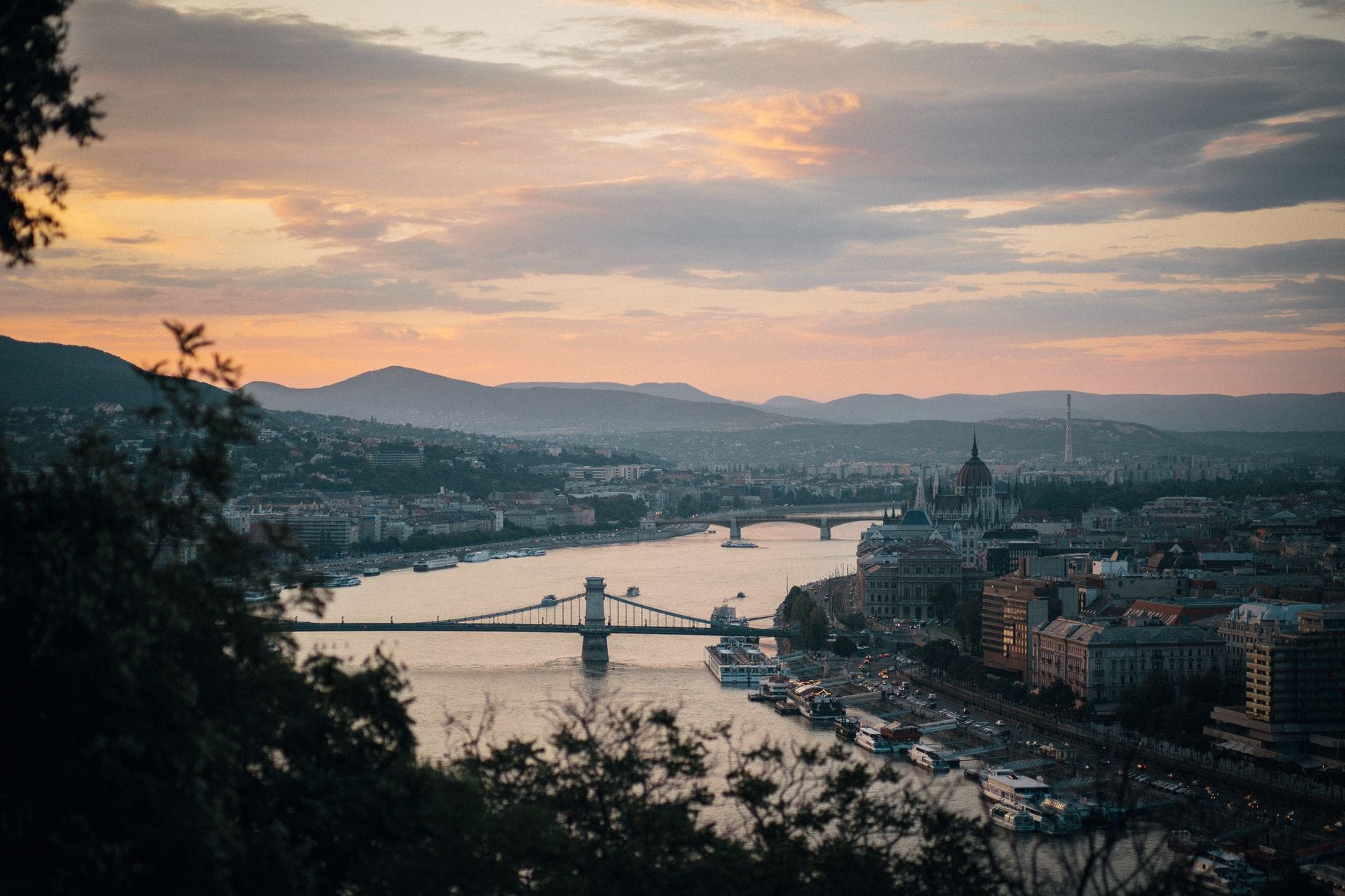
Few European capitals match Budapest's natural drama. The city straddles the Danube, with the hilly, castle-crowned Buda side rising sharply on the west bank and the grand, boulevard-lined Pest spreading flat to the east. That contrast — water, light, elevation, history — produces views that feel genuinely cinematic rather than just scenic.
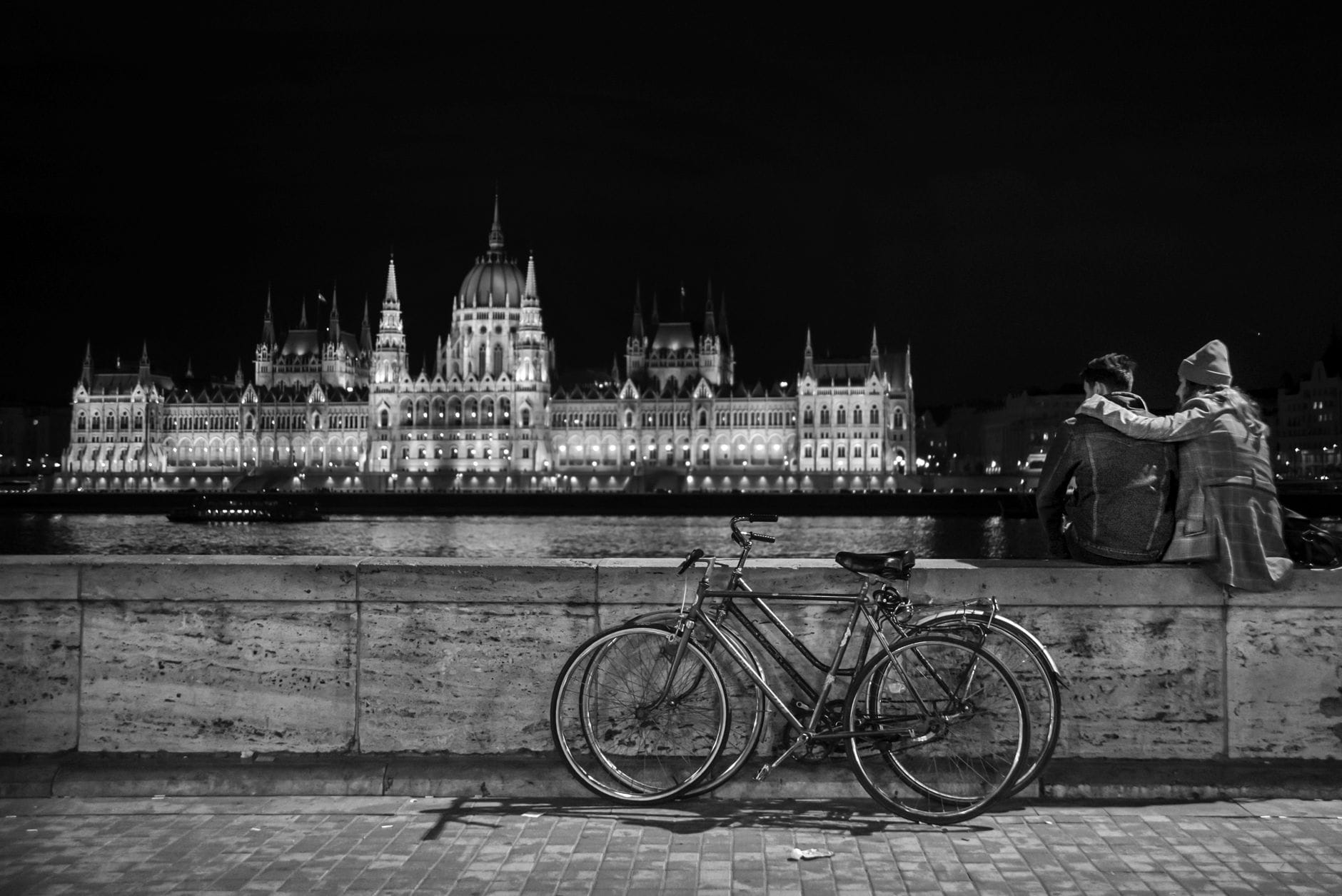
The city also has a layered atmosphere that changes by season and by hour. By day, the Chain Bridge and riverside promenades feel open and accessible. At night, the Hungarian Parliament Building and Buda Castle are floodlit in gold, reflected across the water in a way that doesn't require any effort to appreciate — you simply walk to the bank and look. Budapest is also compact enough that you can move between neighborhoods, moods, and atmospheres within a single afternoon.
One thing worth knowing upfront: Budapest is not expensive by Western European standards. A thermal bath visit, a river cruise, a fine dinner, and a cave tour can all fit comfortably within a two-person daily budget that would cover a single restaurant meal in Paris or Amsterdam. That affordability doesn't compromise quality — it just means you can do more.
Thermal Baths: The Classic Romantic Budapest Experience
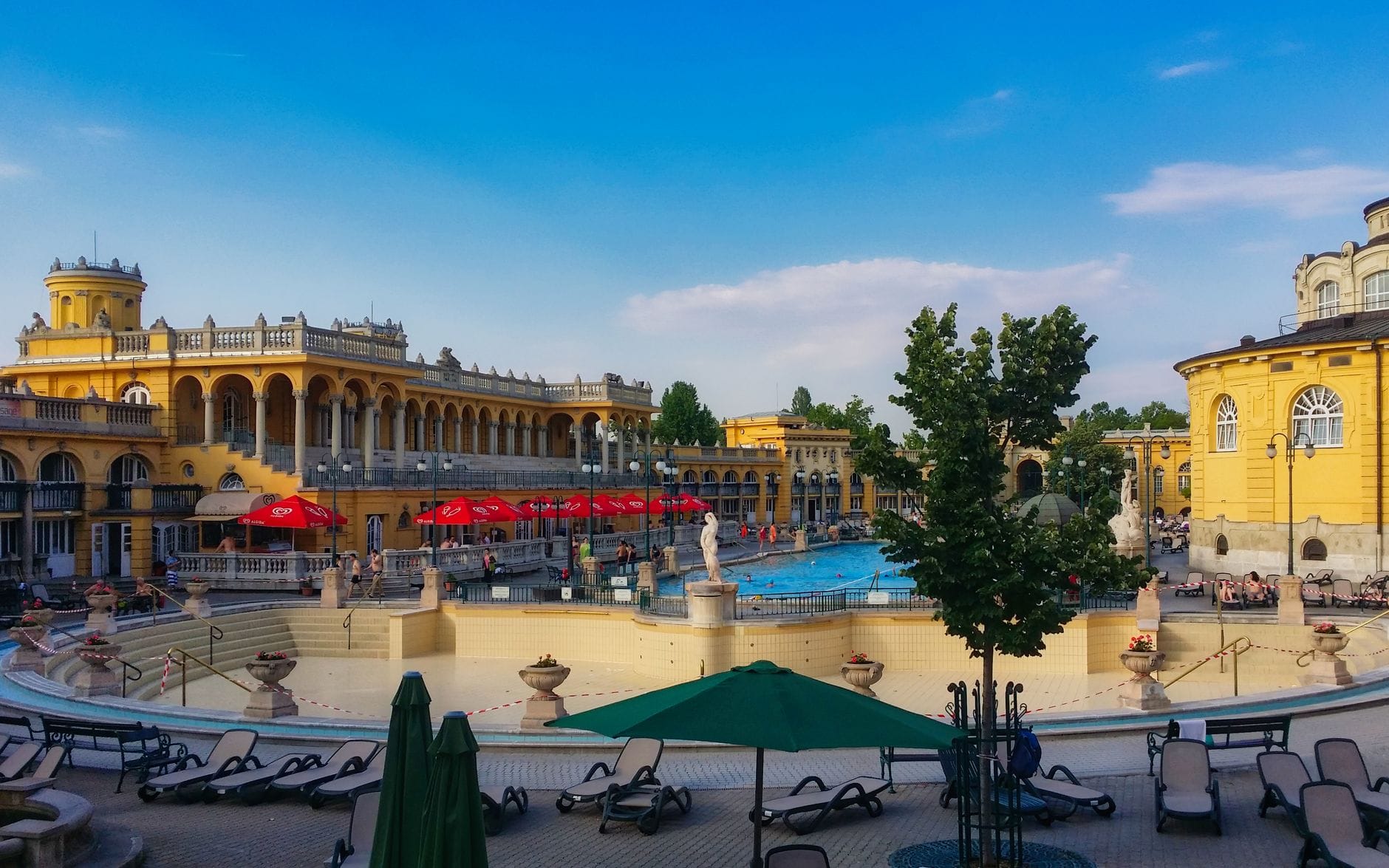
Budapest sits on top of roughly 120 thermal springs, and soaking together in one of the city's historic bath complexes is a genuinely relaxing, genuinely romantic experience — not just a tourist checkbox. The key is choosing the right bath for the right mood.
- Széchenyi Thermal Bath (City Park) The most famous option, set in a grand Neo-Baroque building in City Park. Its outdoor pools are heated year-round, making a winter soak with steam rising around you one of Budapest's most memorable experiences. Busy on weekends — arrive early or book ahead.
- Gellért Thermal Bath (Buda side) Art Nouveau interiors and stained glass made this the most visually stunning of Budapest's baths, but Gellért has been closed for major renovation since October 2025 (reopening projected around 2028). Visit the exterior from the Buda embankment if you are nearby; for couples' soaking, choose Rudas (rooftop pool) or Széchenyi instead. Private cabin options at open baths vary — check current facilities when booking.
- Rudas Thermal Bath (Buda riverfront) The rooftop pool at Rudas offers direct Danube views, which makes it the strongest pick specifically for couples. Friday and Saturday nights feature a 'wellness night' ticket covering the pool facilities after hours. Check the official website for current schedules and pricing.
✨ Pro tip
Rudas's rooftop pool at night, with the illuminated Chain Bridge and Parliament in the distance, is one of the most underrated romantic experiences in Budapest. Arrive at opening time on weekday evenings to avoid weekend crowds. Always verify current opening hours and ticket types on the official Rudas website before visiting, as wellness nights can sell out.
For a deeper guide to navigating tickets, pool types, and what to bring, see our full Budapest thermal baths guide. Prices vary by facility and ticket type but typically range from around 8,000–10,000 HUF per person for a standard day entry (verify current rates before booking).
Danube River Cruises: Dinner, Views, and the City After Dark
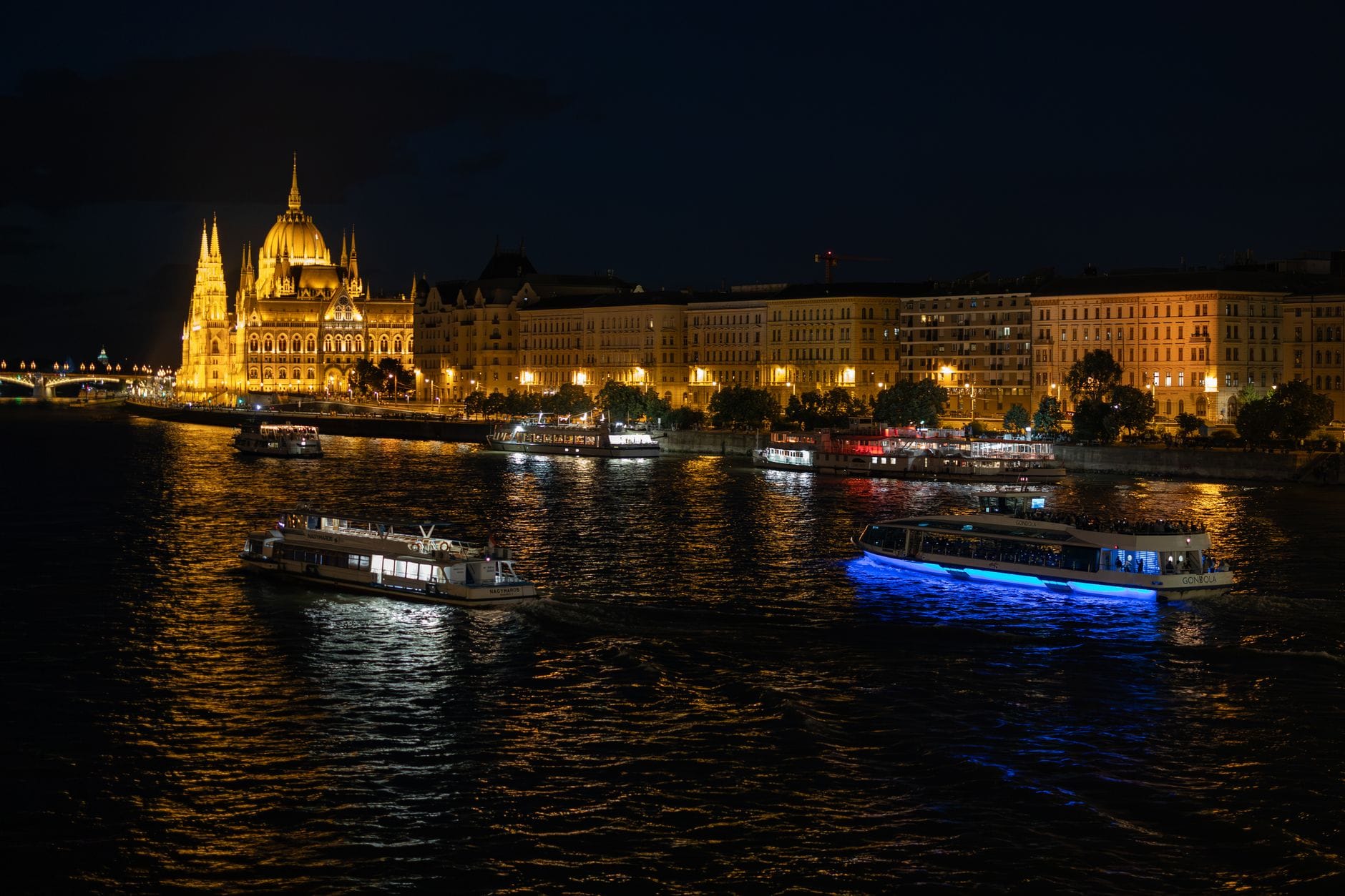
A Danube dinner cruise is the most straightforward way to see Budapest's most famous landmarks from the best possible angle — on the water, at night, with both banks lit up. Most evening cruises run 2–3 hours and pass under several bridges, giving you sustained views of the Parliament, Buda Castle, Matthias Church, and the Chain Bridge. The food quality varies considerably between operators, so read recent reviews rather than booking by price alone.
For couples who prefer a more active format, daytime sightseeing cruises offer the same route with a different quality of light and a more relaxed pace. Shorter cocktail cruises (often 1–1.5 hours) are a good option if you'd rather keep dinner for a restaurant and just want the water experience. Departure points are typically along the Pest embankment near Vigadó tér — a short walk from most central hotels.
⚠️ What to skip
Not all dinner cruises are equal. Budget cruises can feel rushed, with buffet food that doesn't reflect the quality of Budapest's restaurant scene. If this is a special occasion, pay more for a smaller-boat or premium-menu option and check whether drinks are included or charged separately. Always book in advance during spring and summer — popular boats sell out days ahead.
Views, Walks, and Free Romantic Experiences
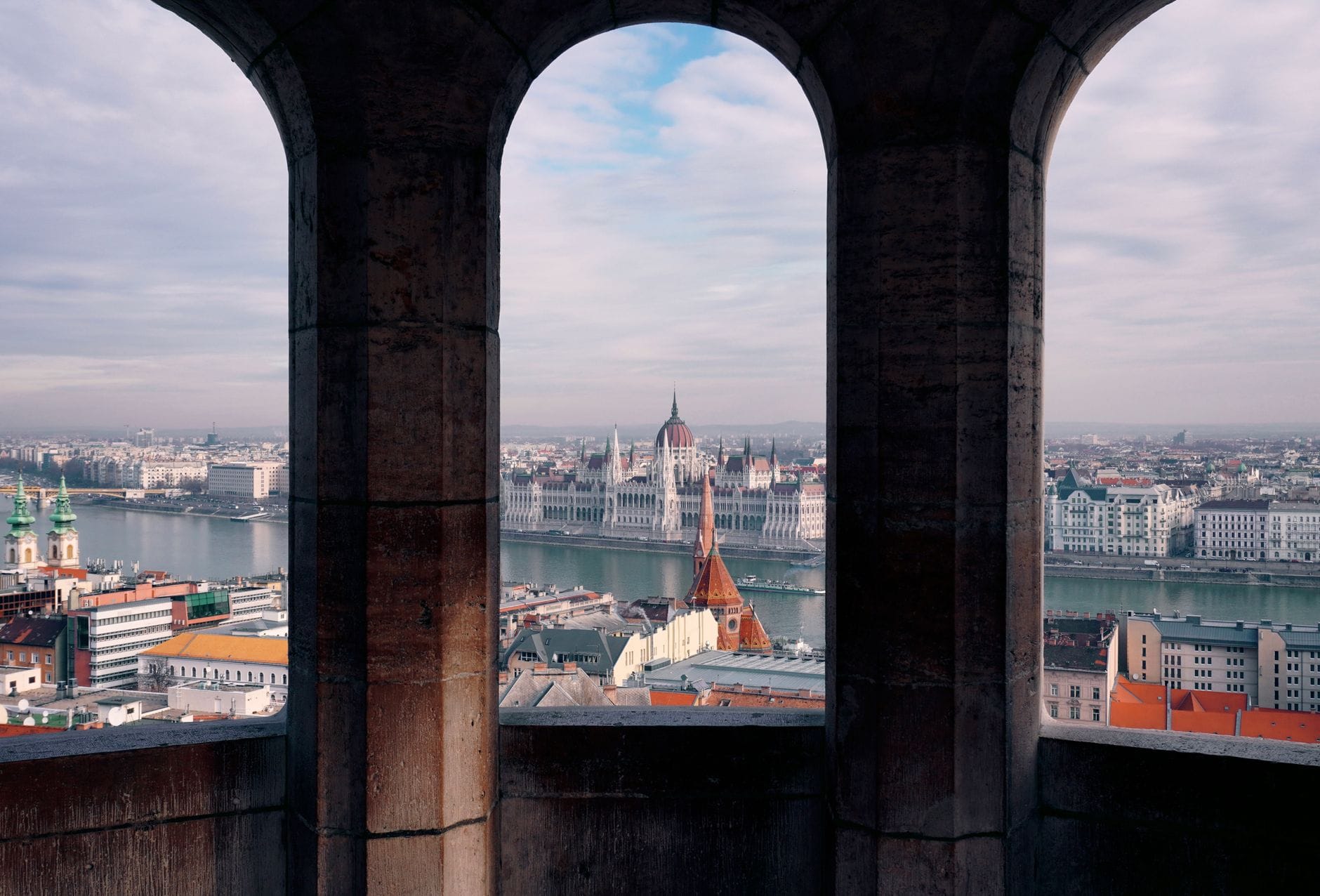
Some of Budapest's most romantic moments are completely free. Fisherman's Bastion on Castle Hill is a Neo-Romanesque terrace with panoramic views across the Danube to Parliament — iconic for a reason. The best time to go is late afternoon, around an hour before sunset, when the light is warm and the crowds are thinner than at midday. Entry to the upper terraces and designated panoramic viewpoint areas carries a small fee; the lower terraces and surrounding walkways are free.
The walk across the Chain Bridge at dusk, with the castle illuminated behind you and the Parliament ahead, is one of those experiences that requires no plan and no budget. From there, the Pest embankment north toward the Shoes on the Danube memorial and south toward Liberty Bridge offers a long, walkable stretch with consistent river views. Liberty Bridge itself is particularly atmospheric — locals sit on the railings watching the sunset, and the green ironwork looks spectacular against a clear evening sky.
- Fisherman's Bastion at golden hour: arrive 45–60 minutes before sunset for the best light and manageable crowds
- Chain Bridge on foot: a roughly 5-minute crossing, free, best experienced at dusk or after dark when the bridge is lit
- Liberty Bridge at sunset: no admission, beloved by locals, accessible from Gellért tér on the Buda side
- Gellért Hill viewpoint near the Citadella: a steep 20-minute walk from the Buda embankment, rewarded with the best panoramic view of the whole city
- Danube riverbank at night: the stretch between Elizabeth Bridge and Chain Bridge on the Pest side is one of Europe's great urban promenades after dark
💡 Local tip
Budapest's winter is genuinely cold (temperatures regularly drop below freezing December through February), and the riverside wind makes it feel colder than the thermometer suggests. If you're planning evening walks or outdoor viewpoints in winter, dress more warmly than you think you need to. That said, the city lit up against a clear winter night, with fewer tourists, is exceptionally beautiful.
Romantic Dining, Cafés, and Evening Culture
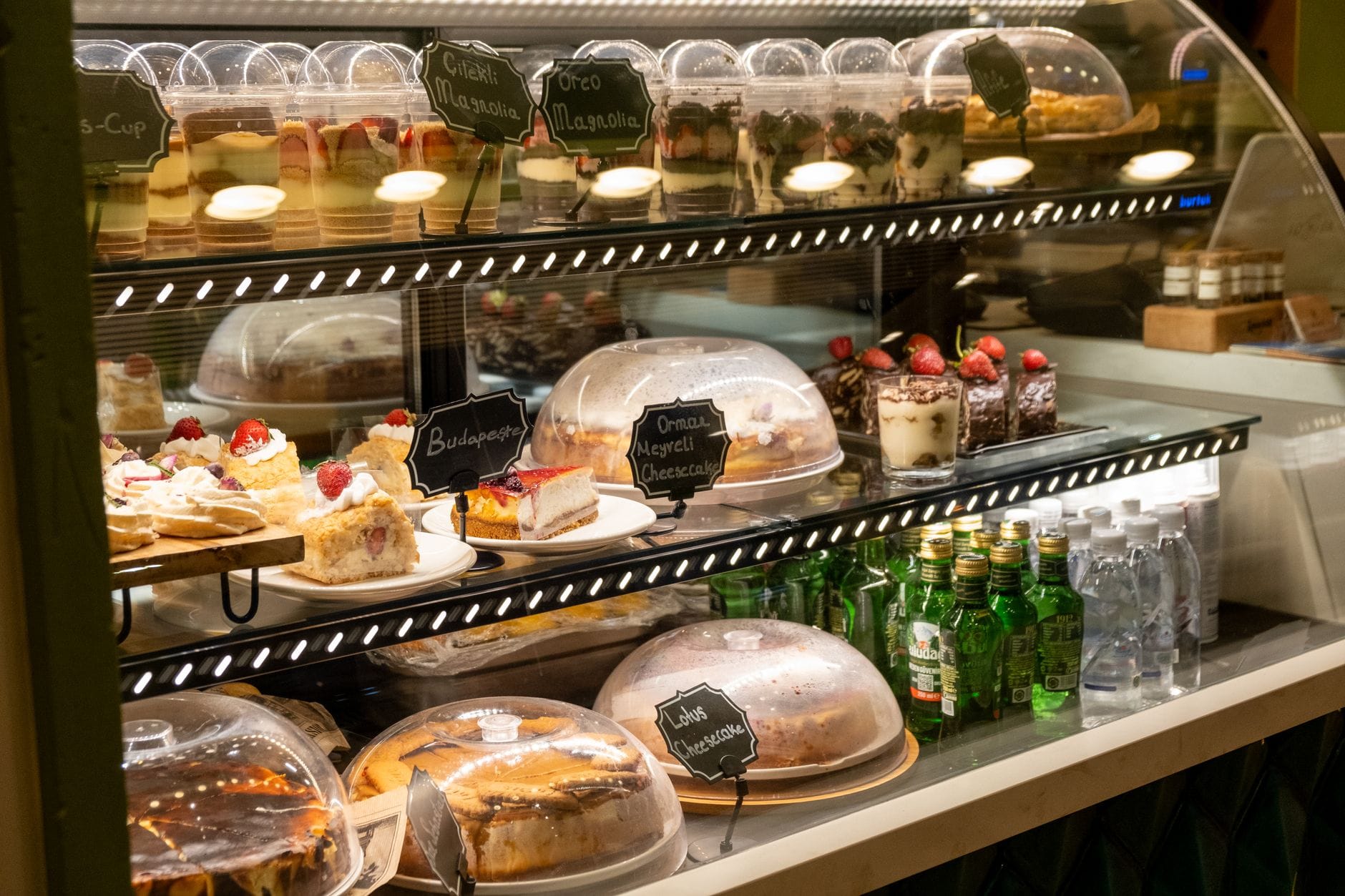
Budapest's café culture is one of the city's most underappreciated pleasures. The New York Café on Erzsébet körút is frequently cited as one of the most beautiful cafés in the world — gilded, frescoed, and genuinely spectacular inside. Coffee and cakes here are expensive by Budapest standards, but the interior alone justifies a visit. Arrive outside peak hours (mid-morning or mid-afternoon on weekdays) to find it less crowded.
For dinner, the area around the Jewish Quarter and Andrássy Avenue offers the widest range of quality restaurants at varying price points. Budapest's fine dining scene has grown substantially in recent years, with several restaurants earning Michelin recognition. If a special dinner is a priority, book two to three weeks in advance for the better-known spots, especially on Friday and Saturday evenings.
A concert at the Hungarian State Opera House on Andrássy Avenue is one of Budapest's most elegant evenings out. The building itself, designed by Miklós Ybl and completed in 1884, is worth seeing regardless of what's playing. Tickets are significantly cheaper than comparable opera houses in Vienna or Paris — good seats for major productions can often be found in approximately the 5,000–15,000 HUF range, though premium seats cost more. Check the official Opera House website for the current season schedule.
Seasonal Timing and Practical Tips for Couples
The best months for a romantic trip to Budapest are May–June and September–early October. Temperatures are comfortable (typically 15–22°C), daylight is long, and the city's outdoor spaces — riverside walks, café terraces, hilltop viewpoints — are at their most usable. High summer (July–August) is hotter and more crowded, though the best time to visit Budapest ultimately depends on your priorities.
December has its own romantic logic: Christmas markets along Vörösmarty tér and in front of St. Stephen's Basilica run from late November through late December, and the thermal baths are at their most atmospheric when steam rises from the outdoor pools in cold air. The city is genuinely beautiful in snow, though the short daylight hours (sunset around 4pm in mid-winter) mean you need to plan outdoor activities earlier in the day.
- Book thermal bath evening sessions and river cruises at least 3–5 days ahead in May–June and September
- The Budapest Card covers unlimited public transport and free or discounted entry to selected attractions — useful if you're moving between neighborhoods daily
- Tipping in Budapest: 10–15% is standard in sit-down restaurants; verify whether a service charge has already been added to the bill before tipping
- Public transport (metro, trams, buses) is the most efficient way to move around; the Metro M1 line along Andrássy Avenue is the oldest underground railway in continental Europe and worth riding for its own sake.
- Hungary uses the Hungarian forint (HUF); most restaurants and hotels in the centre accept cards, but carry some cash for markets and smaller cafés
ℹ️ Good to know
Budapest is compact and highly walkable in the centre. Most of the romantic highlights — the riverfront, Castle Hill, the Jewish Quarter, Andrássy Avenue — are within 2–3km of each other. A comfortable evening might start with a walk across Chain Bridge, continue up to Fisherman's Bastion for the view, and end with dinner back in Pest, all without needing public transport.
FAQ
What is the most romantic thing to do in Budapest?
It depends on what you value. For atmosphere and views, a Danube dinner cruise at night is hard to beat. For relaxation, a thermal bath visit — especially Rudas's rooftop pool at dusk — is uniquely memorable. For something free, watching the city lights from Fisherman's Bastion or Liberty Bridge at sunset costs nothing and impresses nearly everyone.
Is Budapest a good city for a romantic trip?
Yes, genuinely so. Budapest combines grand architecture, thermal spa culture, excellent food and wine, river views, and a lively evening scene in a city that remains more affordable than comparable European capitals. It works well for both short weekend breaks and longer trips.
When is the best time to visit Budapest as a couple?
May–June and September–October offer the most comfortable combination of mild weather, long evenings, and manageable crowds. December is beautiful if you enjoy the Christmas markets and cozy thermal bath atmosphere. July and August are the warmest months but also the busiest — expect more crowds at key viewpoints and attractions.
Are the thermal baths in Budapest suitable for couples?
Yes — Széchenyi and Rudas welcome couples and remain open. Rudas is particularly popular for its rooftop pool with Danube views. Gellért's Art Nouveau architecture is still striking from outside, but the baths are closed for renovation until around 2028. Check each open bath's current schedule before visiting, as opening hours and pool access can vary by day.
How many days do you need in Budapest for a romantic trip?
Three days is a realistic minimum to cover the main experiences at a relaxed pace: one day for the Buda side (Castle Hill, thermal bath), one for Pest (Parliament area, Jewish Quarter, Opera), and one for the river and slower exploration. Four or five days allows for a day trip out of the city or simply more time to enjoy what you've already found.