What to Eat in Budapest: The Essential Hungarian Food Guide
Budapest food is hearty, affordable, and deeply underrated. This guide covers the essential dishes to try, where to find them, what things actually cost in 2026, and how to avoid the tourist traps that pass off mediocre goulash stew as the real thing.
Plan and book this trip
Tools from our partner Travelpayouts help you compare flights and hotels. If you book through them, we may earn a commission at no extra cost to you.
Flights
Hotels map
TL;DR
- Hungarian cuisine centres on paprika, pork, and slow-cooked soups — gulyás, chicken paprikash, and fisherman's soup are the essentials.
- Traditional gulyás is a soup, not a stew. Many tourist restaurants serve a thick stew and call it goulash — that's not the authentic dish.
- Budget meals (étkezde canteens, market stalls) run 1,500–3,000 HUF; mid-range restaurants 3,000–6,000 HUF per main. See our guide to Budapest on a budget for more money-saving tips.
- Check your bill before tipping — many sit-down restaurants automatically add a 12.5–15% service charge.
- The Central Market Hall is the single best place to try multiple Hungarian foods in one stop, including lángos, strudel, and cured meats.
The Dishes Every Visitor Should Try
Budapest food reflects centuries of Central European history, Ottoman influence, and agricultural abundance. The result is a cuisine built around paprika, lard, fresh-water fish, and cuts of meat that reward long, slow cooking. It is filling, flavourful, and almost entirely misrepresented on tourist menus near the major sights.
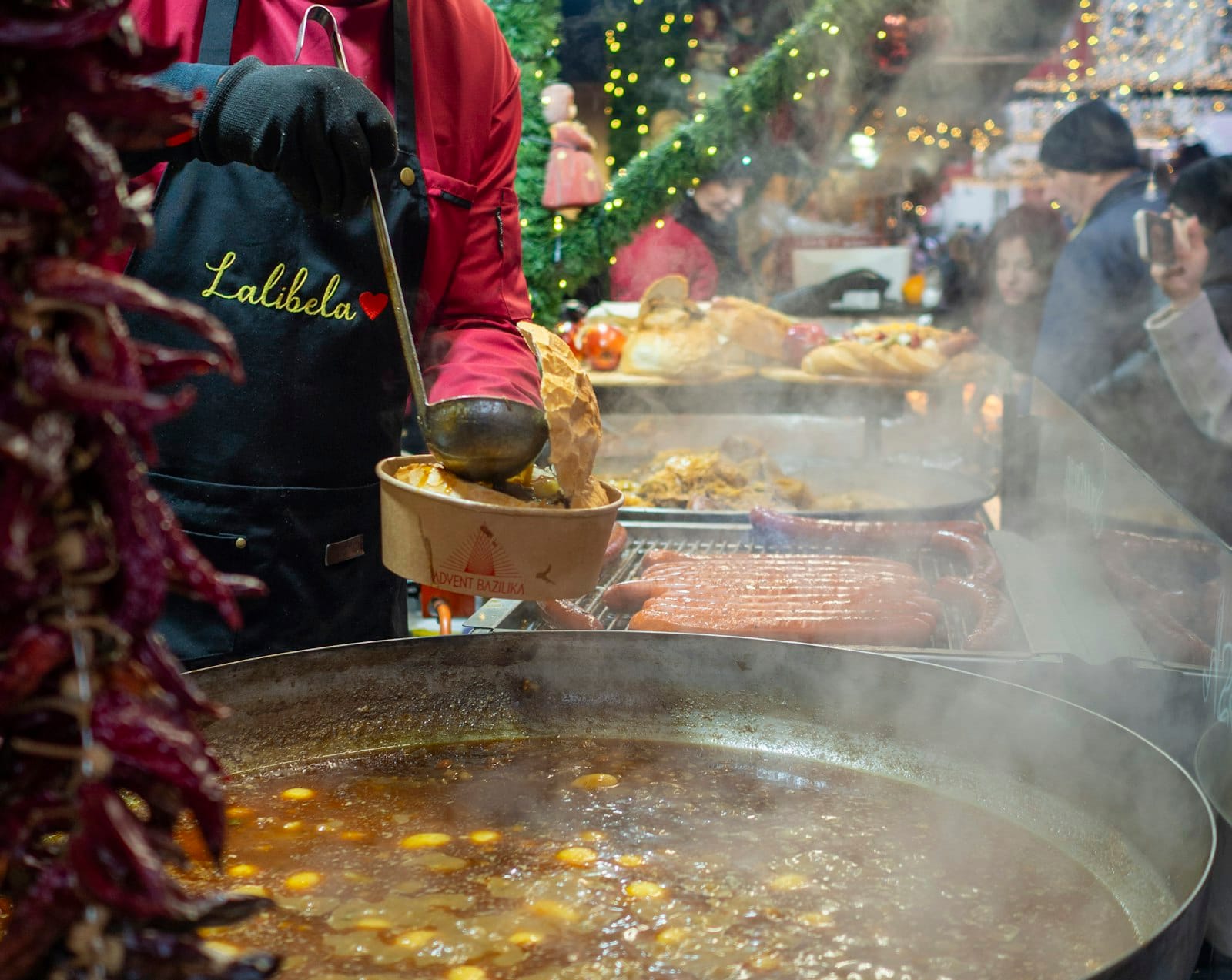
- Gulyás (Goulash Soup) The national dish — but in Hungary, it is a clear, paprika-red broth with beef chunks, potatoes, and caraway seeds. Not a thick stew. If a restaurant serves it as a stew, they are catering to foreign expectations, not Hungarian tradition.
- Chicken Paprikash (Csirkepaprikás) Chicken braised in a rich sauce of onion, sweet paprika, and sour cream, served over egg noodles (nokedli). One of the most comforting dishes in the Hungarian repertoire.
- Fisherman's Soup (Halászlé) A fiery, deeply red fresh-water fish soup made with carp, catfish, or pike-perch (fogas). The Szeged version uses two types of fish and serious amounts of hot paprika. Not for the spice-averse.
- Stuffed Cabbage (Töltött Káposzta) Cabbage leaves filled with minced pork and rice, simmered in tomato and sauerkraut broth. A classic winter dish found at traditional canteens.
- Lángos Deep-fried dough, topped with sour cream and grated cheese as standard — though vendors offer endless variations. The quintessential Budapest street food, sold at markets and street stalls for around 2,000–3,500 HUF.
- Főzelék A thick vegetable stew — made with peas, lentils, green beans, or potatoes — often topped with a fried egg or sausage. Underrated, filling, and very cheap at canteens.
- Kürtőskalács (Chimney Cake) Spit-roasted sweet dough rolled in sugar and walnuts, sold at stalls across the city. Originally Transylvanian, now ubiquitous across Hungarian markets and tourist zones.
- Hortobágyi Palacsinta Savoury pancakes filled with minced veal or pork, rolled and baked in a paprika cream sauce. Not the dessert crêpe tourists expect — this is a proper starter or main.
⚠️ What to skip
Gulyás confusion is widespread in Budapest. If the menu photo shows a thick brown stew in a bread bowl, that is a tourist-oriented version. Authentic gulyás arrives in a deep bowl as a reddish, broth-based soup. Order at a traditional étkezde (canteen) to get the real thing.
Where to Eat: From Canteens to Fine Dining
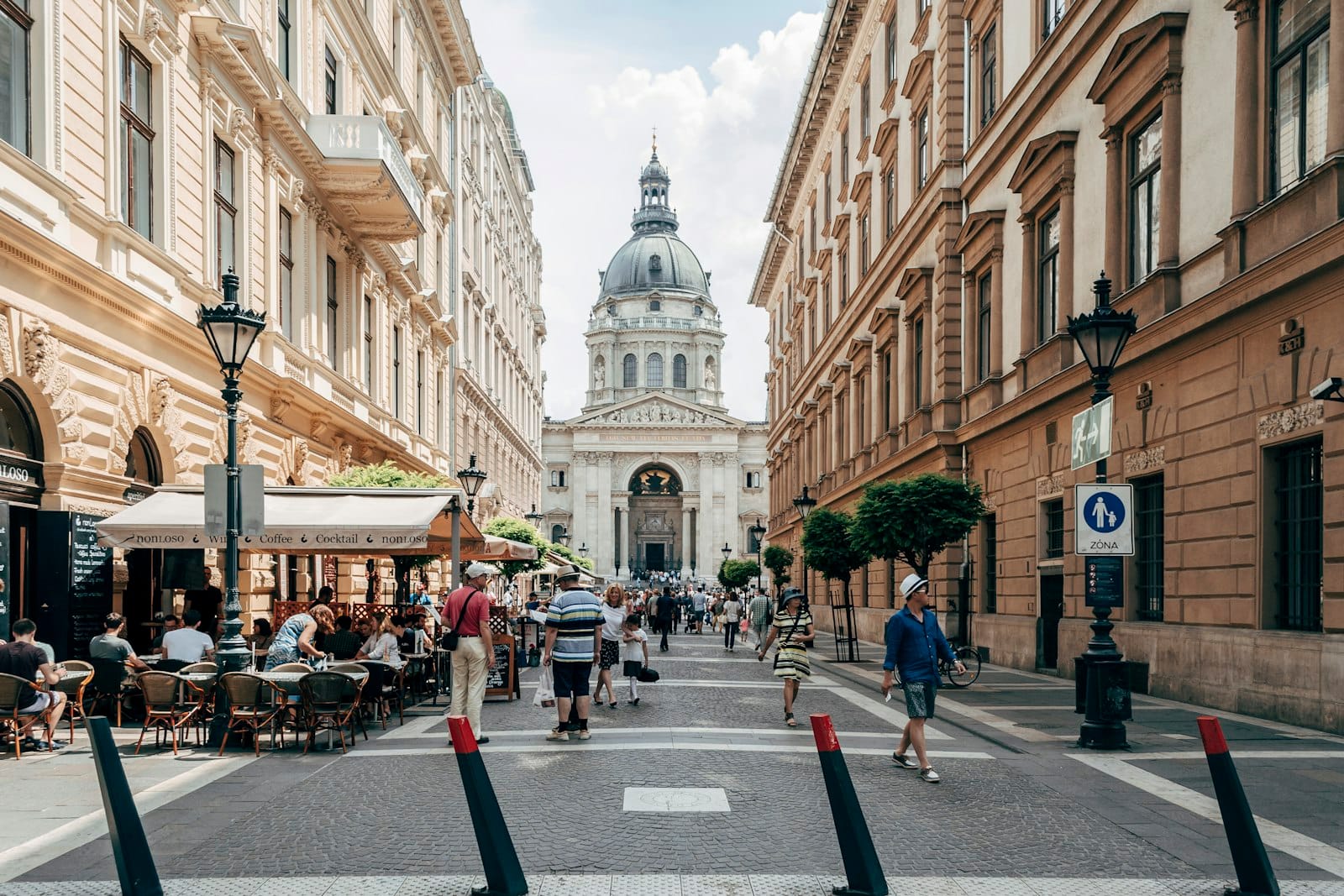
Budapest has a tiered dining culture that visitors rarely navigate well. The cheapest and most authentic meals are found at étkezde canteens — often cash-only, lunch-only, and without English menus. Mid-range restaurants around the Jewish Quarter and central Pest offer good quality without tourist pricing. The Castle District and Váci Street are the areas most likely to disappoint on value.
Kádár Étkezde on Klauzál tér 9 (District VII, near the Jewish Quarter) is the gold standard for traditional canteen food. Gulyás runs around 1,900 HUF, the menu changes daily, and they accept cash only. Hours are approximately 08:30–17:00, Tuesday through Saturday — arrive by noon or expect a queue and limited dish availability.
Hungarikum Bisztró near the Parliament (Steindl Imre utca 13) sits in the mid-range bracket and does the classics properly: veal paprikash, Hortobágyi palacsinta, and gulyás served the right way. Prices are higher than an étkezde — expect 3,500–6,000 HUF for mains — but the quality is consistent and the space is comfortable.
The upper floor of the Central Market Hall (Nagyvásárcsarnok) is where most visitors get their first taste of lángos. It works as a quick food stop, but note that prices here are slightly tourist-inflated compared to local markets in other districts. The ground floor is better value for paprika, salami, and produce to take home.
- Étkezde (canteen) — best for authenticity and price Daily lunch menus (napi menü) typically include soup and a main for 1,500–2,500 HUF. No frills, often no English menu, but the food reflects how Budapestians actually eat.
- Traditional restaurants — best for groups and comfort Expect 3,000–6,000 HUF per main. A soup-plus-main meal for two with drinks runs roughly 12,000–18,000 HUF. Look for places away from the main tourist streets for better value.
- Fine dining and Michelin — best for a special occasion Budapest has several Michelin-starred restaurants offering modern Hungarian cuisine. Tasting menus typically run 30,000–80,000 HUF per person. Costes Downtown is among the most recognised names still operating; check current Michelin listings and book well in advance, as the fine-dining scene changes.
💡 Local tip
The 'napi menü' (daily lunch menu) is the single best value in Budapest dining. Served at most traditional restaurants and all canteens from around 11:30 to 14:30, it typically includes a soup and a main dish for under 2,500 HUF. Some include a soft drink. This is how local office workers eat — and it is significantly cheaper than ordering à la carte.
Budapest Food Prices: What Things Actually Cost
Compared to Western European capitals, Budapest remains genuinely affordable for food. The gap between tourist-zone pricing and local pricing is significant, however. Knowing the difference can cut your daily food spend in half.
- Street food / market stall item (lángos, kürtőskalács): 1,500–3,500 HUF
- Canteen napi menü (soup + main): 1,500–2,500 HUF
- Sit-down restaurant main course (budget): 1,500–3,000 HUF
- Sit-down restaurant main course (mid-range): 3,000–6,000 HUF
- Full meal for two at a traditional restaurant (mains + drinks): 12,000–20,000 HUF
- Fine dining tasting menu per person: 30,000–80,000 HUF
- Espresso at a café: 400–700 HUF
- 0.5L beer at a pub: 800–1,500 HUF
Prices in tourist-heavy areas — the Castle District, Váci Street, and immediately around the Parliament — run 20–40% higher than equivalent food a few streets away. The Jewish Quarter (District VII) and the area around Ráday utca (District IX) offer better restaurant density with more honest pricing. Peak summer (June–August) also brings slightly inflated menus in the most-visited restaurants.
✨ Pro tip
Always check your bill before paying. Many restaurants in Budapest automatically add a 12.5–15% service charge. If it is already included, there is no expectation to tip further — though rounding up is appreciated. If no service charge appears, 10% is the local norm for table service.
Budapest Food Tours and Market Visits
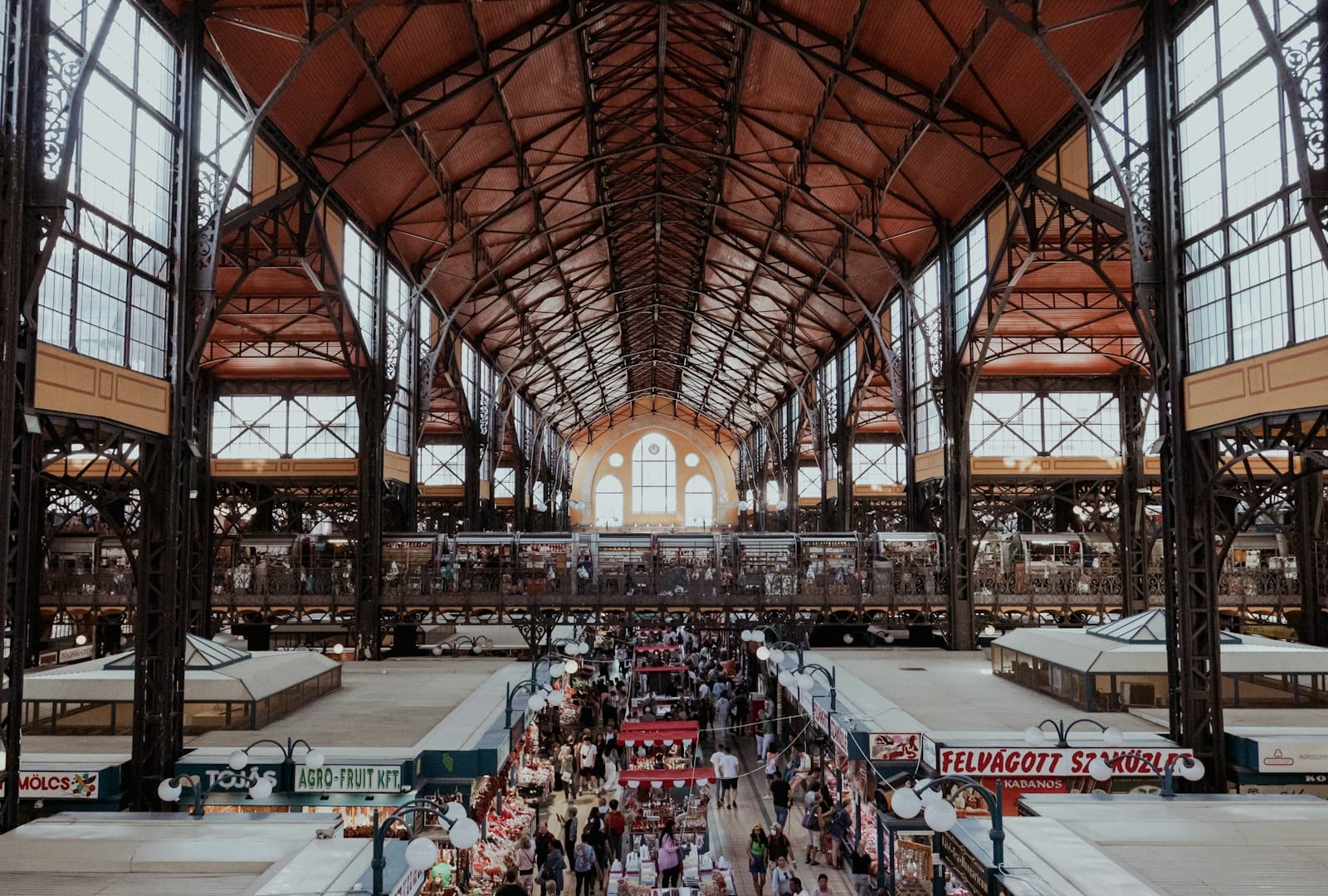
A Budapest food tour is one of the most efficient ways to get oriented quickly. Most half-day tours run 3–4 hours and cover 6–10 tastings across the Jewish Quarter, market halls, and traditional pastry shops. Prices typically range from 15,000–25,000 HUF per person for a guided group tour. The best tours skip Váci Street entirely — a good sign. If you prefer to go independently, combine a visit to the Central Market Hall with a walk through the Jewish Quarter for a broad cross-section of Budapest food culture.
Beyond the Great Market Hall, Fény utca Market in District II (Buda side) is where local families shop. Less photogenic, but genuinely cheaper and less crowded. The Hunyadi tér market in District VI is another good neighbourhood alternative for produce, cheese, and cured meats at realistic prices.
Pastries, Coffee, and the Café Culture
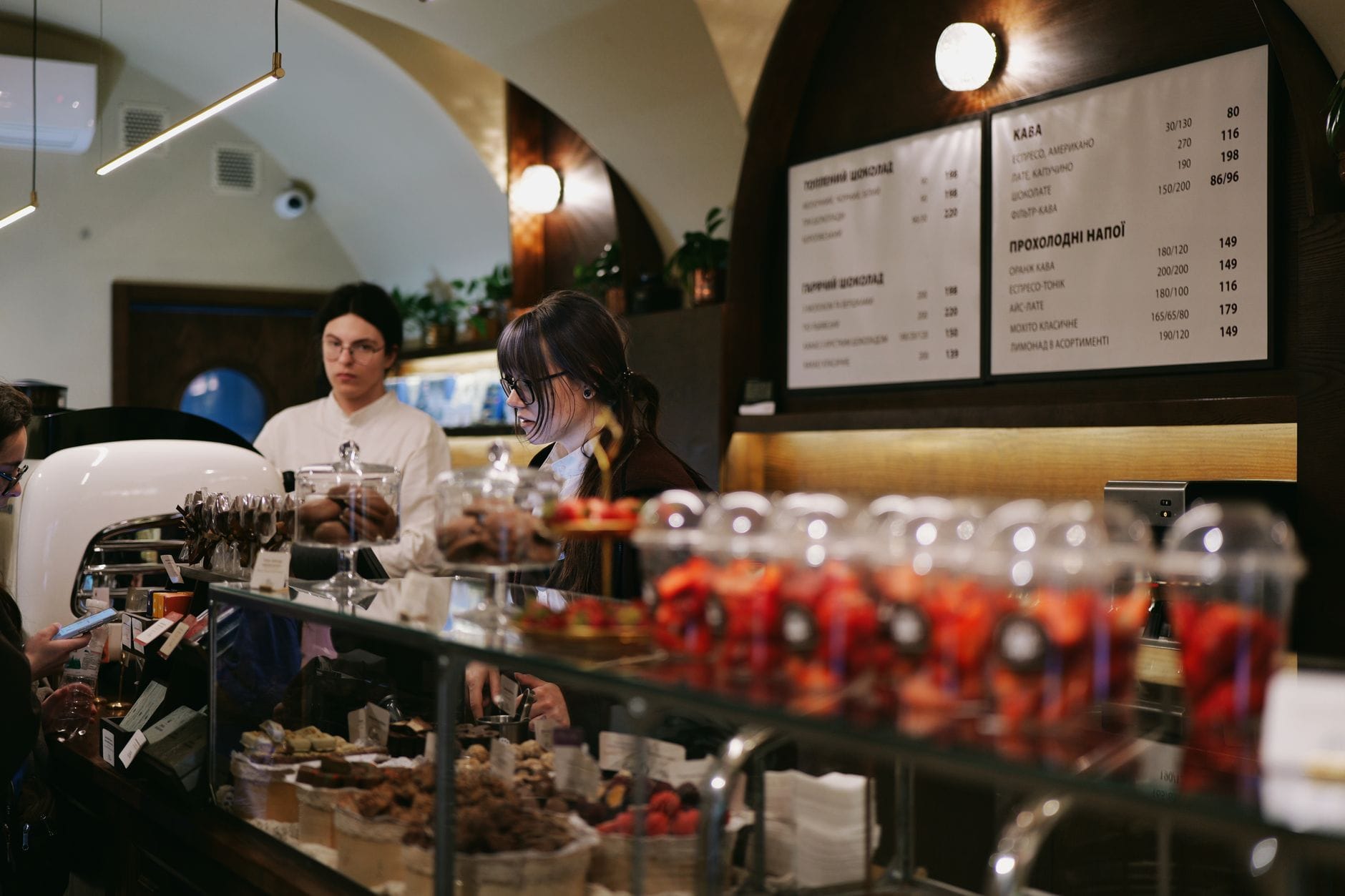
Budapest's grand café tradition is real and worth experiencing. The New York Café on Erzsébet körút is the most famous — an ornate, gilded space dating to 1894 — but it functions more as a tourist attraction than a working café. Coffee and cake here runs 4,000–6,000 HUF. Go once for the architecture, but do not expect a quiet or authentic experience.
For pastries worth the detour: Gerbeaud on Vörösmarty tér is another historic institution, serving Dobos torte (layered sponge cake with chocolate buttercream and caramel top) and Esterházy torte since 1858. Again, prices are tourist-level, but the quality justifies it. For everyday pastry eating, any decent cukrászda (confectionery) in a residential neighbourhood will serve the same classic cakes at half the price.
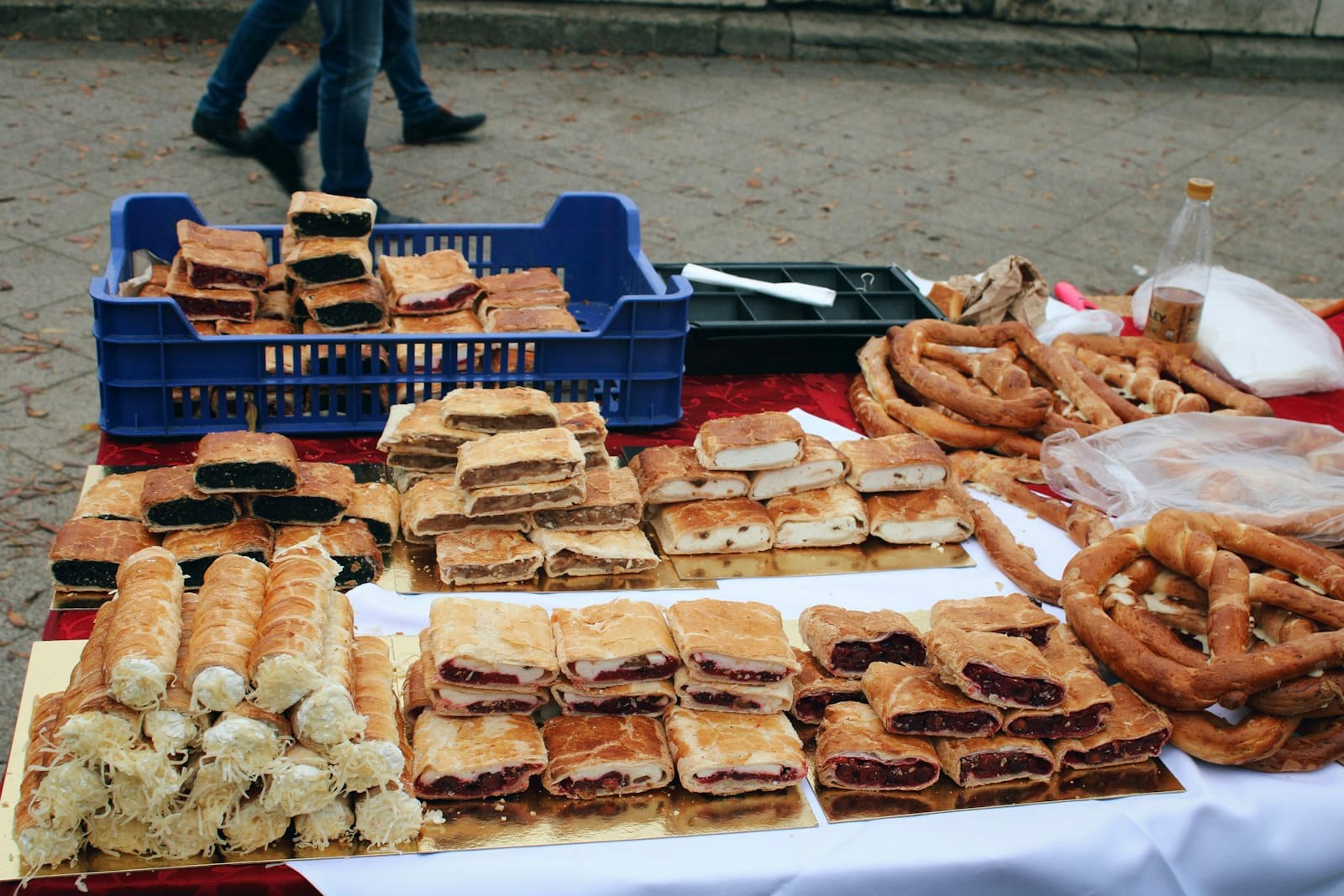
The rétes (strudel) is the most versatile street pastry — filled with apple, sour cherry, poppy seed, or túró (cottage cheese). Pick it up at market halls or from the Strudel House near the Basilica. Hungarian coffee culture leans espresso-based; specialty coffee has arrived in force in Districts V, VI, and VII, with a strong third-wave scene if that is what you are after.
Seasonal and Practical Considerations
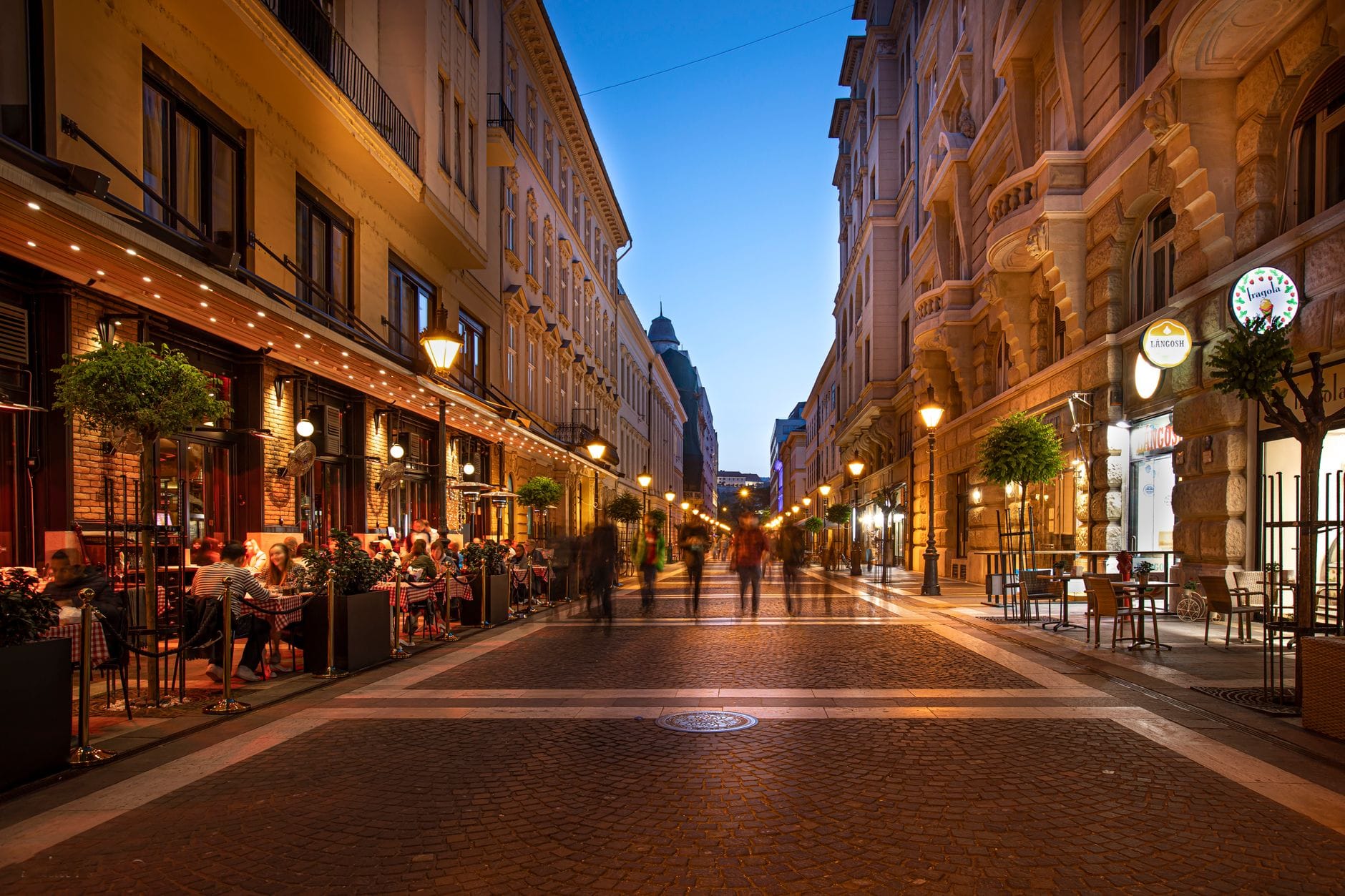
Budapest food changes noticeably with the seasons. Winter menus lean heavily on thick stews, bean soups, and stuffed cabbage. Summer brings lighter fish dishes, cold fruit soups (like meggyleves, a chilled sour cherry soup served as a starter), and more terrace dining. If you are visiting in December, the Christmas markets around Vörösmarty tér and St. Stephen's Basilica are excellent for street food — kürtőskalács, lángos, and mulled wine (forralt bor) are everywhere.
For a broader picture of when to visit based on crowds and weather, see the best time to visit Budapest guide. In practical terms: restaurants in the tourist core are open year-round, but canteens and smaller neighbourhood spots sometimes close for a week or two in August. If a specific place is on your list, check ahead during peak summer.
Dietary restrictions are manageable but require some navigation. Vegetarian options exist at most restaurants, though Hungarian cooking is meat-forward. Főzelék is often naturally meat-free. Vegan options are growing in the younger-skewing Districts VI and VII, where plant-based restaurants have opened in the last few years. Gluten-free is harder — traditional Hungarian cooking relies heavily on flour, and cross-contamination awareness is uneven.
FAQ
What is the most famous Hungarian food?
Gulyás (goulash) is the most internationally recognised Hungarian dish. In Hungary it is served as a paprika-rich beef soup, not the thick stew that appears on tourist menus abroad. Chicken paprikash and lángos are close runners-up in terms of cultural significance.
Is food expensive in Budapest?
No — Budapest is one of the more affordable European capitals for food. A full lunch at a traditional canteen runs 1,500–2,500 HUF (around 4–7 EUR). Mid-range restaurant mains are typically 3,000–6,000 HUF. Even fine dining is cheaper here than in Paris or Vienna. The tourist-zone premium is real, though — step off the main streets and prices drop significantly.
What is lángos and where can I get it?
Lángos is deep-fried dough topped with sour cream and grated cheese. It is Budapest's most popular street food, sold at market halls, street stalls, and fairs. The Central Market Hall is the most convenient spot for tourists. Expect to pay 2,000–3,500 HUF depending on toppings and location.
Are there vegetarian options in Budapest restaurants?
Yes, though Hungarian cuisine is traditionally meat-heavy. Főzelék (thick vegetable stew) is the most reliably vegetarian traditional dish. Most restaurants now have at least a few vegetarian options. Districts VI and VII have the highest concentration of dedicated vegetarian and vegan restaurants.
Should I tip at Budapest restaurants?
Check your bill first. Many Budapest restaurants automatically include a 12.5–15% service charge. If it is already on the bill, no additional tip is expected, though rounding up is appreciated. If no service charge is listed, a 10% tip is the standard for table service.