Hidden Gems in Budapest: Off the Beaten Path
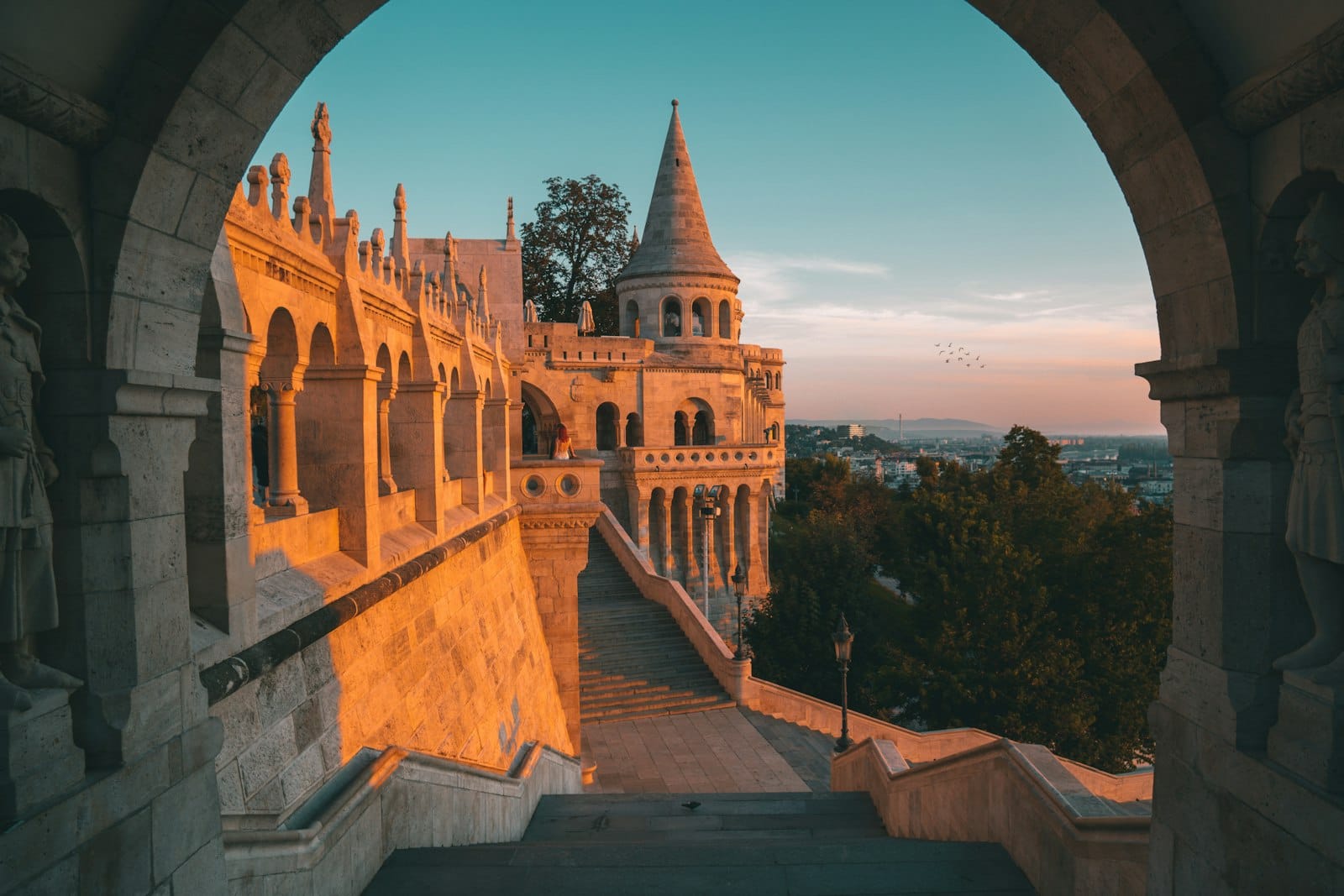
Budapest rewards those who look beyond the Parliament and Chain Bridge. From ancient Roman ruins in Óbuda to a Cold War bunker beneath Castle Hill, this guide points you toward the city's most overlooked and underrated experiences.
Tickets & tours
Live prices and dates from our booking partner. If you book, we may earn a commission at no extra cost to you.
Most visitors to Budapest tick off the thermal baths, the Parliament, and a ruin bar, then leave thinking they've seen the city. They haven't. Budapest has 23 districts, over 200 caves, a Roman civilian city under Óbuda, and an entire forested hill range most tourists never set foot in. This guide cuts past the standard itinerary and into the places locals actually value. For context on what the city offers more broadly, see our full Budapest things to do guide. If you're working out how many days you need to get beyond the obvious, our 3-day Budapest itinerary can help you plan strategically.
Underground & Hidden History
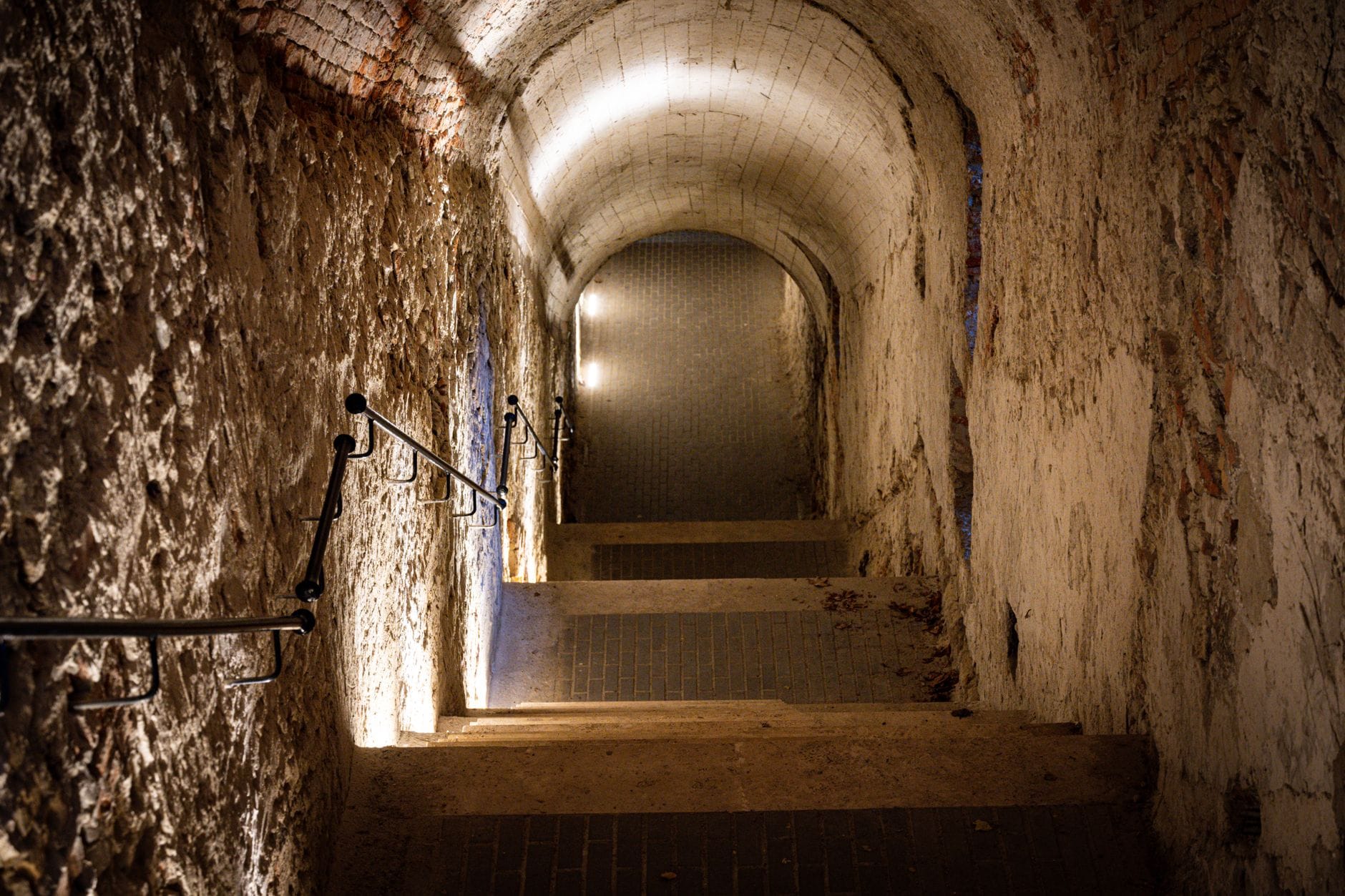
Budapest's most extraordinary history is often buried beneath it. The city sits on a geological web of caves, thermal springs, and wartime tunnels that tell stories the street-level landmarks can't. The Castle Hill district alone conceals a network of passages that served as military hospital and nuclear shelter within living memory.
1. Tour the Secret WWII Hospital Carved into Castle Hill
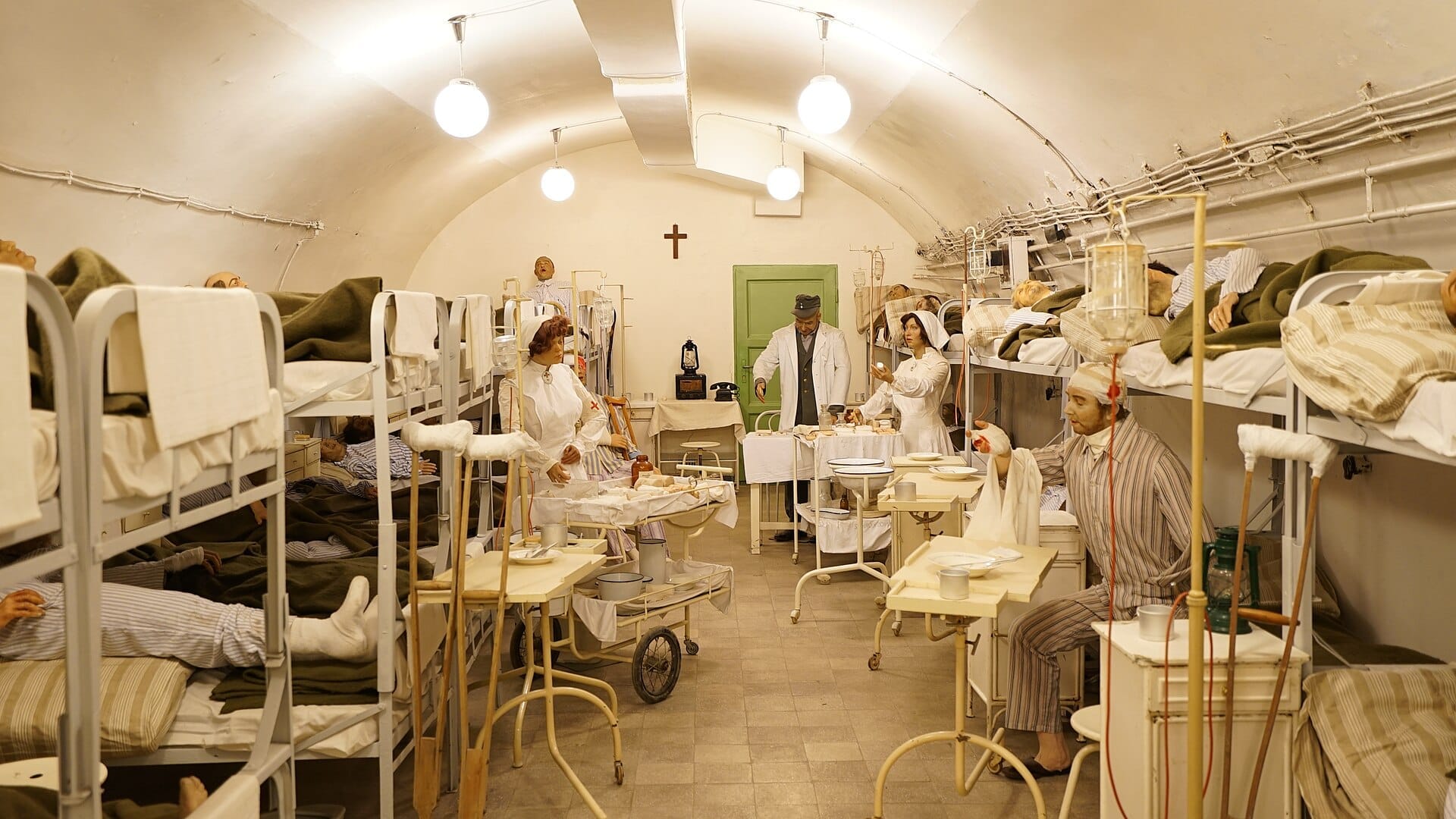
Built into natural caves beneath Buda Castle, this hospital treated thousands during WWII and the 1956 uprising. Hourly guided tours (about 60 minutes) take you past original operating theaters and wax figures. Book tickets online in advance.
Explore1. Tour the Secret WWII Hospital Carved into Castle Hill
Built into natural caves beneath Buda Castle, this hospital treated thousands during WWII and the 1956 uprising. Hourly guided tours (about 60 minutes) take you past original operating theaters and wax figures. Book tickets online in advance.
Explore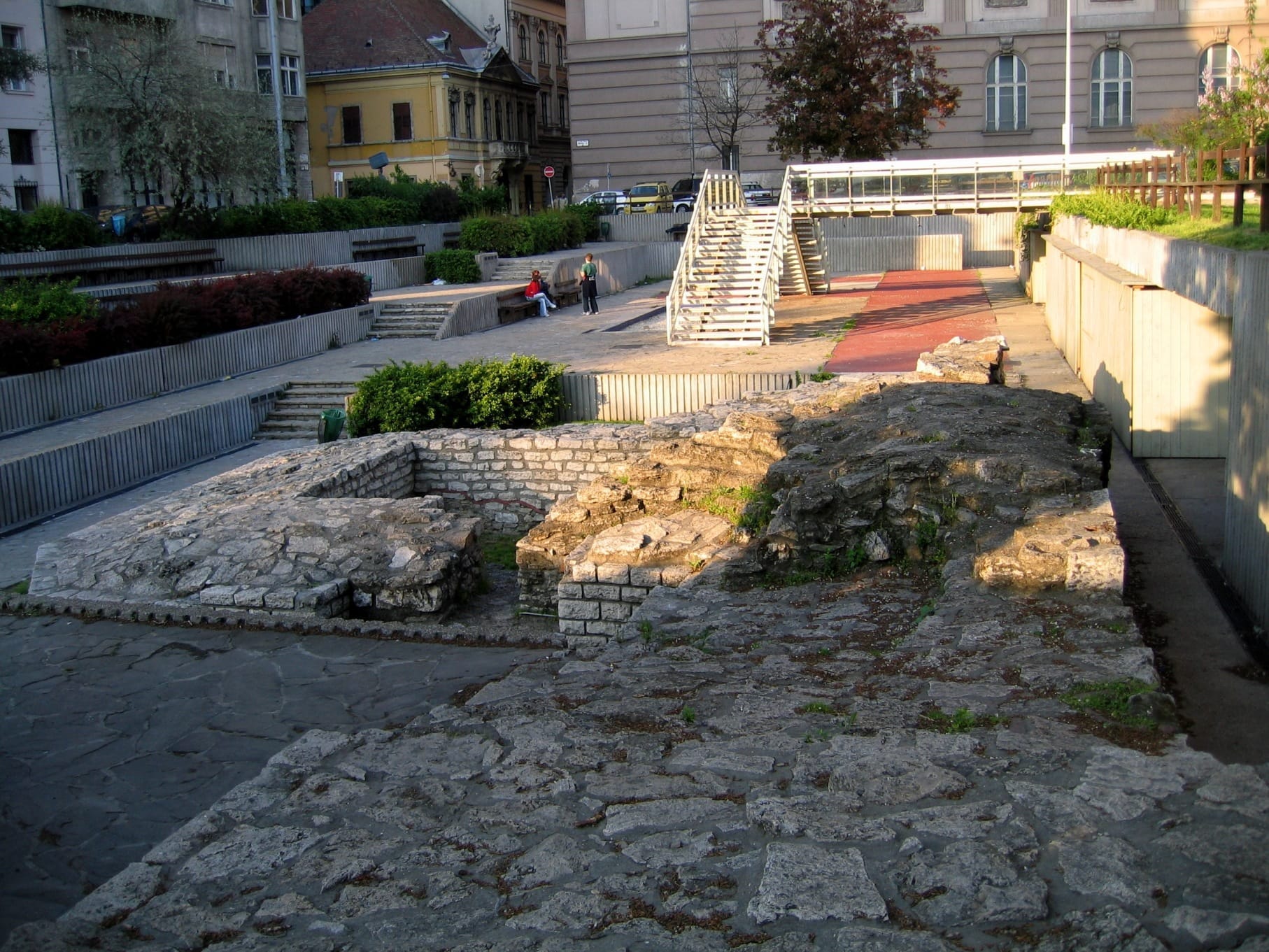
2. Walk Through Budapest's Roman Past at Aquincum
Most visitors never make it to Óbuda's open-air Roman ruins, but the 2nd-century civilian city of Aquincum is one of Central Europe's most intact archaeological sites. Allow 90 minutes for the museum and outdoor park combined.
Explore2. Walk Through Budapest's Roman Past at Aquincum
Most visitors never make it to Óbuda's open-air Roman ruins, but the 2nd-century civilian city of Aquincum is one of Central Europe's most intact archaeological sites. Allow 90 minutes for the museum and outdoor park combined.
Explore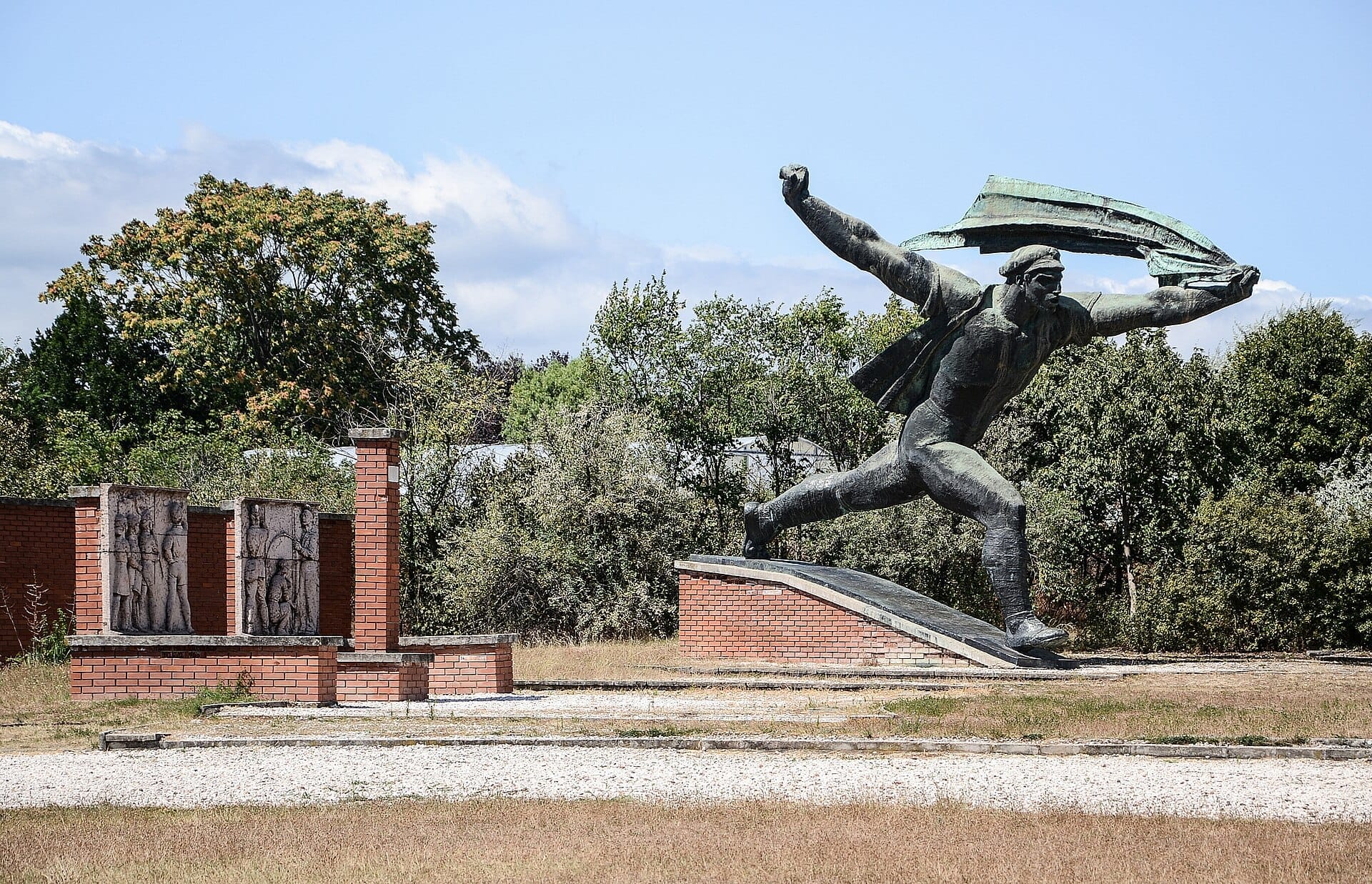
3. See the Communist Statues Banished from Budapest's Streets
After 1989, Budapest relocated its giant Lenin and Soviet hero statues to this open-air museum on the city outskirts. The Cold War exhibition inside adds essential context. It's a 30-minute bus ride from the centre, which keeps crowds thin.
Explore3. See the Communist Statues Banished from Budapest's Streets
After 1989, Budapest relocated its giant Lenin and Soviet hero statues to this open-air museum on the city outskirts. The Cold War exhibition inside adds essential context. It's a 30-minute bus ride from the centre, which keeps crowds thin.
Explore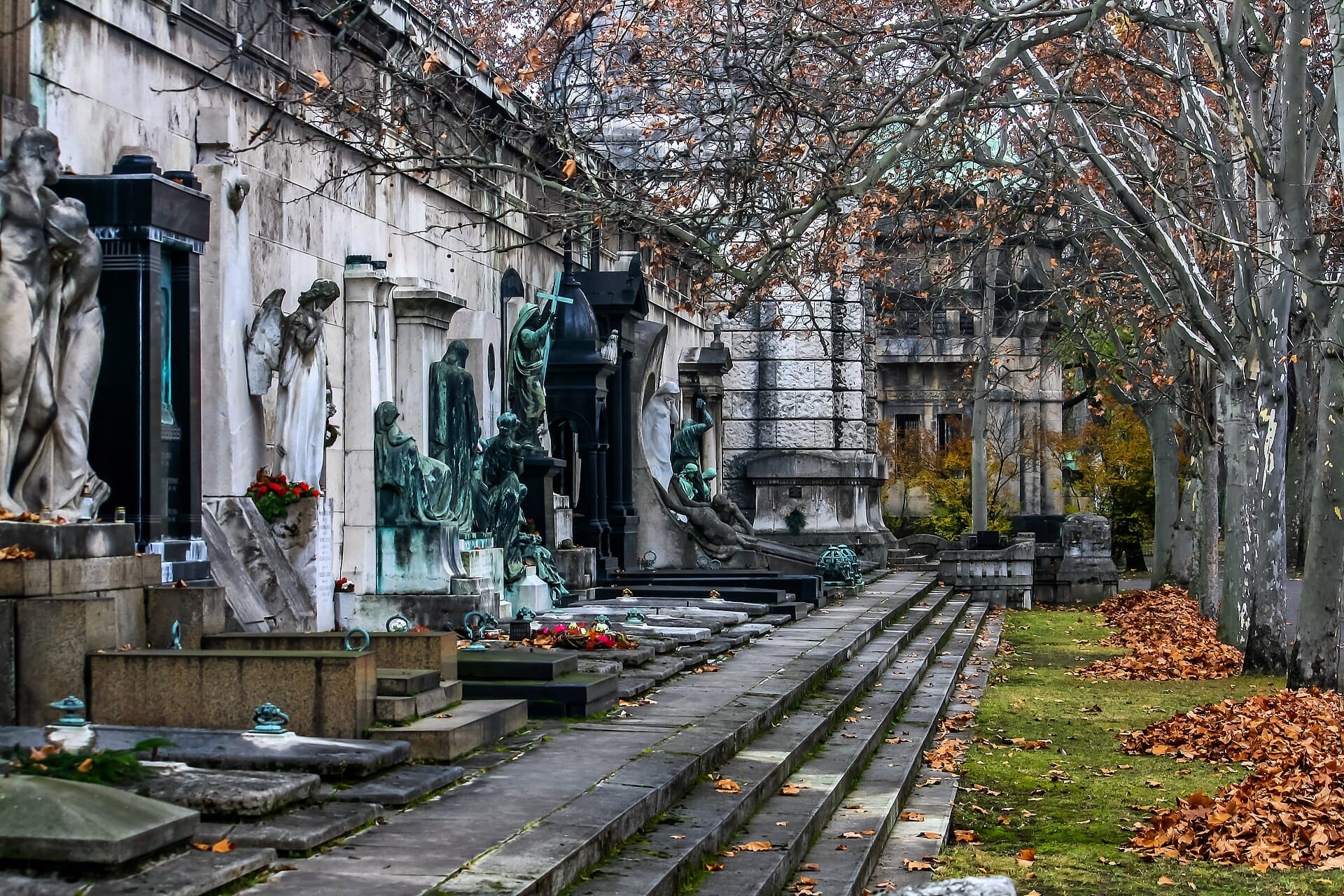
4. Wander the Grand Mausoleums of Kerepesi Cemetery
This 19th-century cemetery is the size of a small park, lined with elaborate Art Nouveau tombs and mausoleums housing Hungary's most celebrated historical figures. Almost no tourists visit, and entry is free. Allow at least an hour to explore properly.
Explore4. Wander the Grand Mausoleums of Kerepesi Cemetery
This 19th-century cemetery is the size of a small park, lined with elaborate Art Nouveau tombs and mausoleums housing Hungary's most celebrated historical figures. Almost no tourists visit, and entry is free. Allow at least an hour to explore properly.
Explore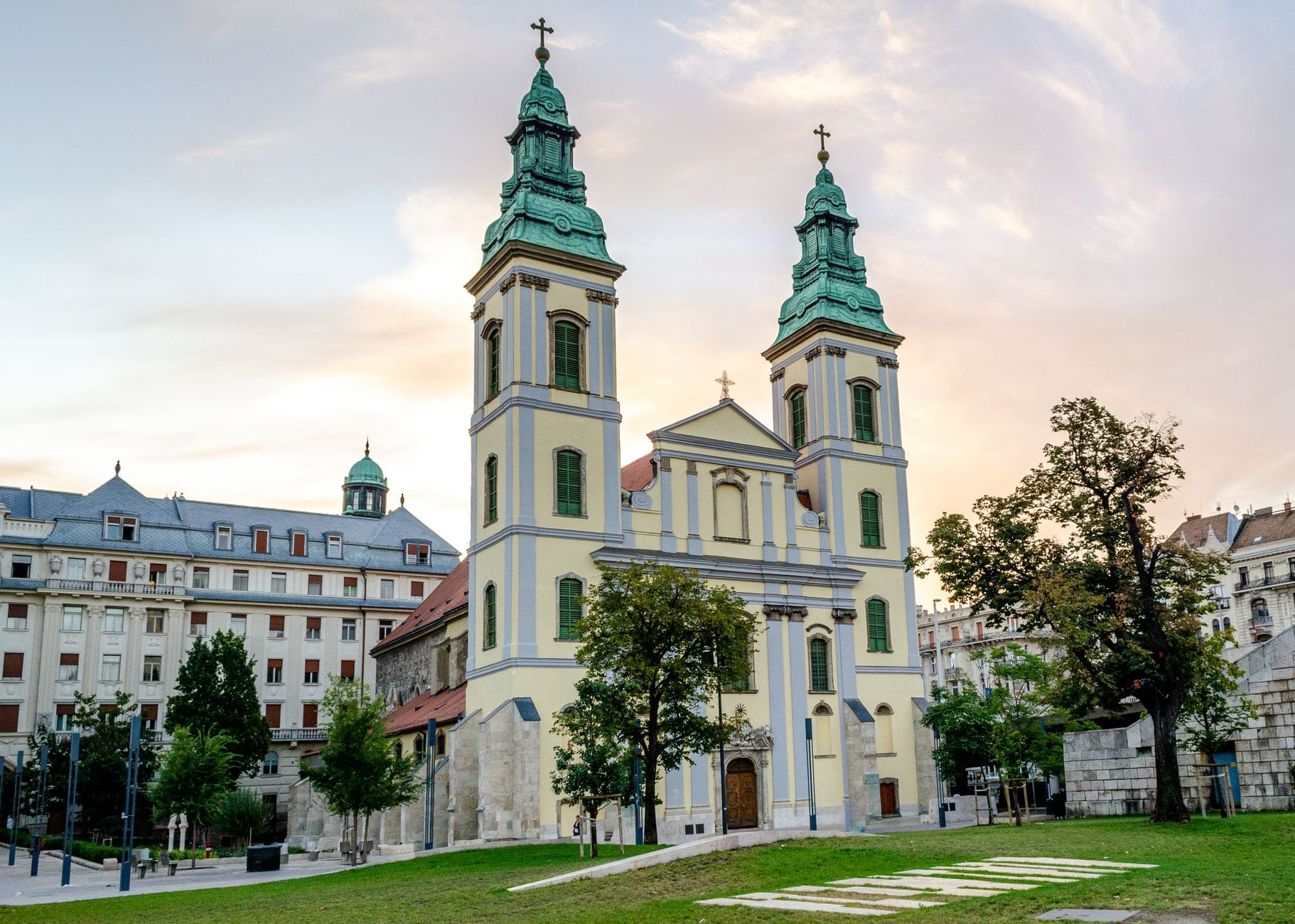
5. Spot the Ottoman Mihrab Inside Budapest's Oldest Church
Tucked beside the Elizabeth Bridge in central Pest, this church is one of Budapest's oldest and contains a mihrab from its time as a mosque under Ottoman rule. Few visitors notice it despite its prime location. Entry is free and visits take 20 minutes.
Explore5. Spot the Ottoman Mihrab Inside Budapest's Oldest Church
Tucked beside the Elizabeth Bridge in central Pest, this church is one of Budapest's oldest and contains a mihrab from its time as a mosque under Ottoman rule. Few visitors notice it despite its prime location. Entry is free and visits take 20 minutes.
ExploreLocal Baths & Nature Escapes
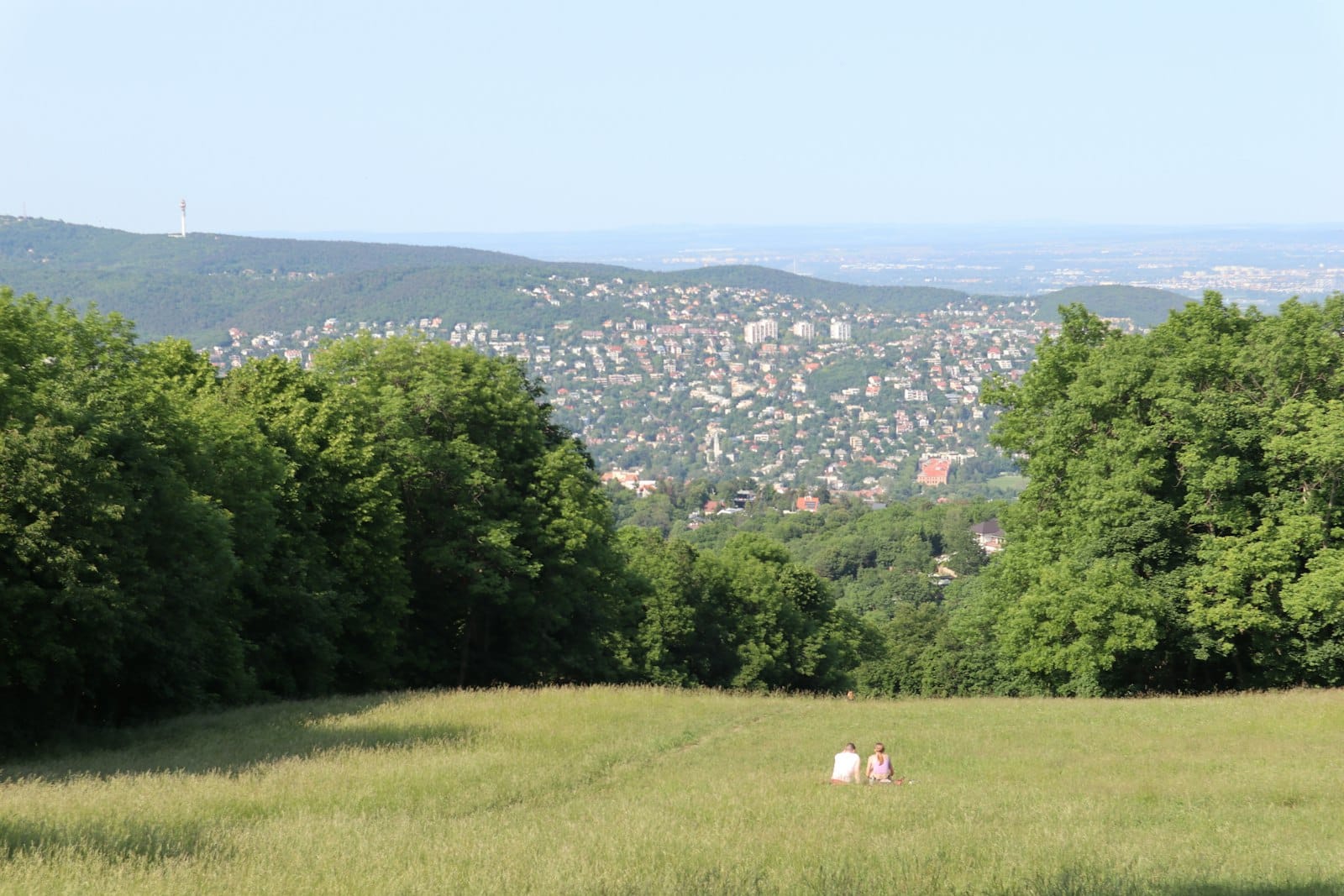
Everyone goes to Széchenyi. Far fewer people discover the baths and green spaces where Budapest residents actually spend their leisure time. The Budapest thermal baths guide covers all the options, but for a genuinely local experience, the places below are where to start. The Buda Hills are equally underused, offering real hiking trails just 20 minutes from the city centre.
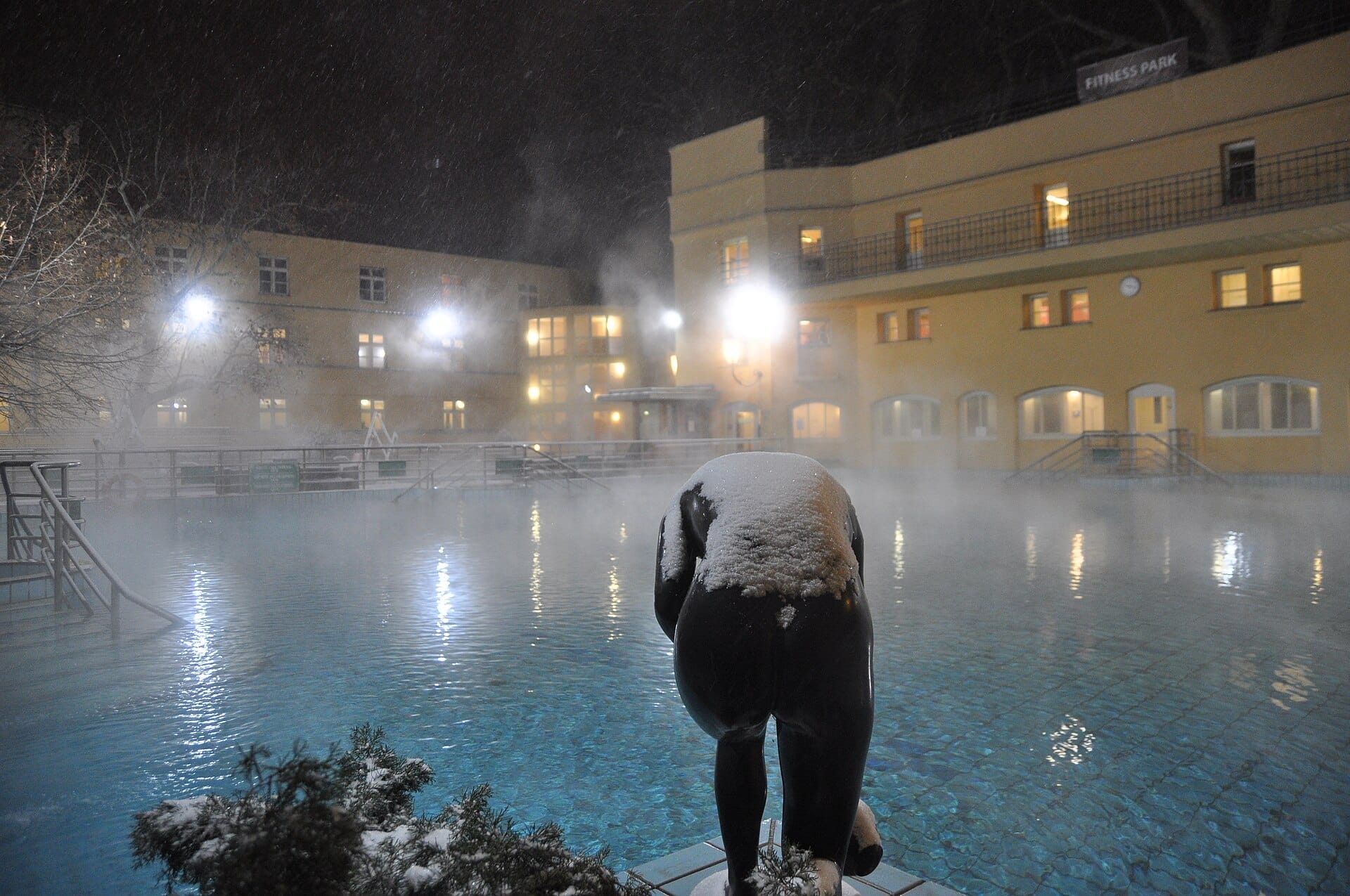
6. Soak Like a Local at Lukács Thermal Bath
Lukács draws a neighborhood crowd rather than tourists, with outdoor courtyard pools, a covered swimming pool, and a genuine spa atmosphere that Széchenyi no longer offers. Plaques on the wall commemorate regulars who've been coming for decades.
Explore6. Soak Like a Local at Lukács Thermal Bath
Lukács draws a neighborhood crowd rather than tourists, with outdoor courtyard pools, a covered swimming pool, and a genuine spa atmosphere that Széchenyi no longer offers. Plaques on the wall commemorate regulars who've been coming for decades.
Explore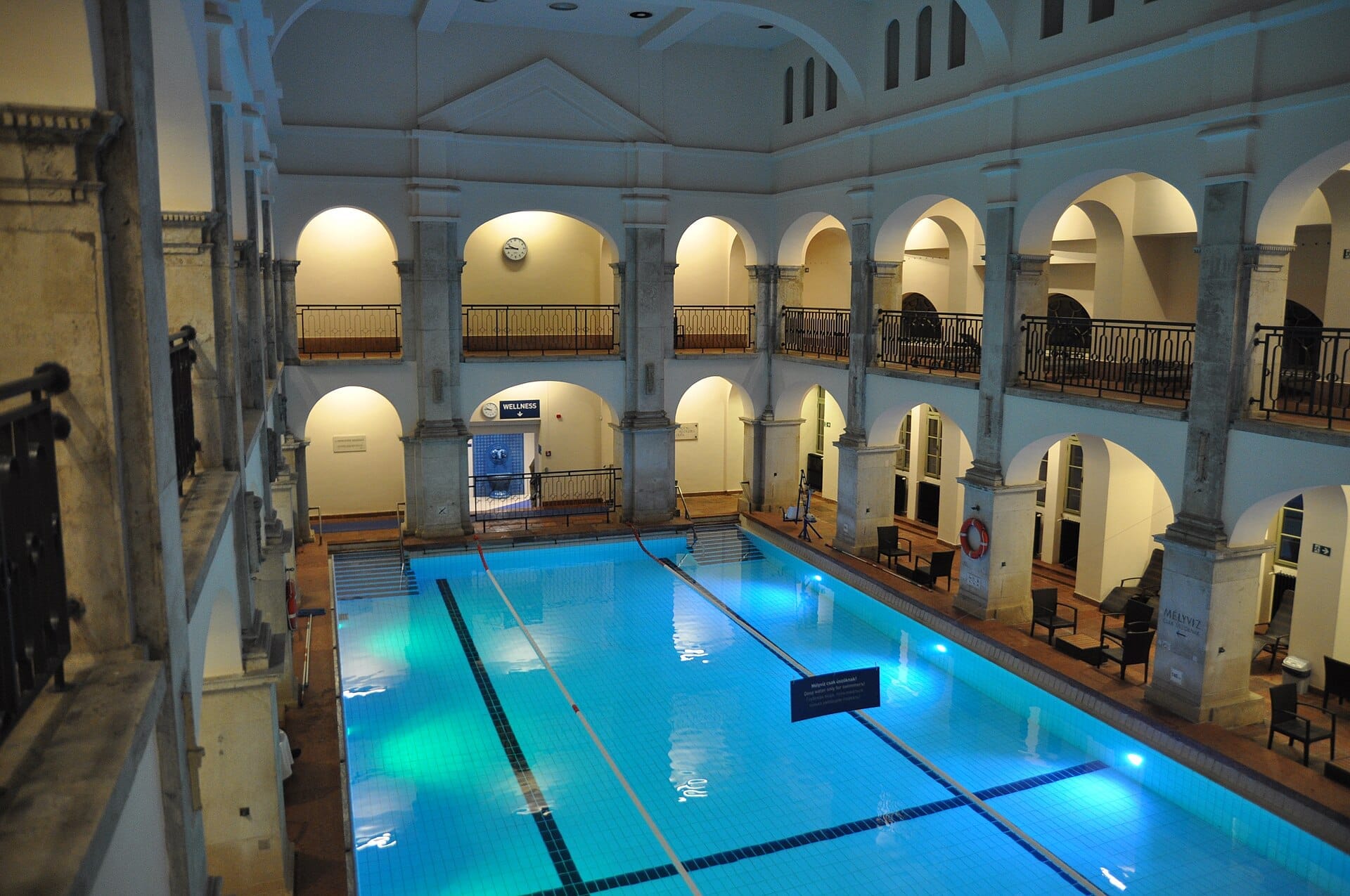
7. Swim Under a 16th-Century Ottoman Dome at Rudas
Rudas has a stunning octagonal Turkish pool under a centuries-old dome with star-shaped skylights. The rooftop pool has panoramic Danube views. Weekend night sessions attract a younger crowd. Far less visited than Széchenyi and architecturally more dramatic.
Explore7. Swim Under a 16th-Century Ottoman Dome at Rudas
Rudas has a stunning octagonal Turkish pool under a centuries-old dome with star-shaped skylights. The rooftop pool has panoramic Danube views. Weekend night sessions attract a younger crowd. Far less visited than Széchenyi and architecturally more dramatic.
Explore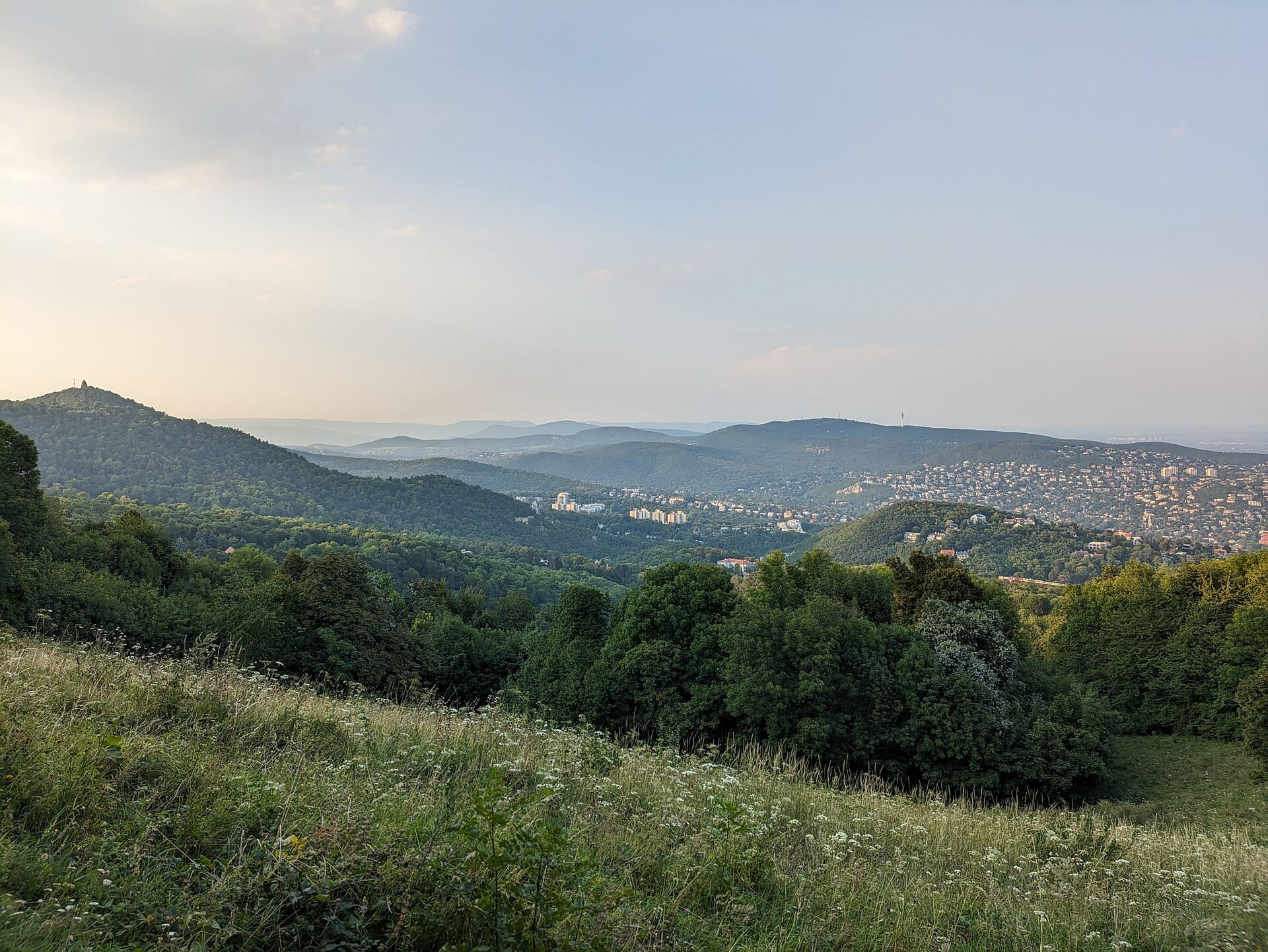
8. Ride the Children's Railway Into the Buda Hills
The forested Buda Hills are a genuine escape most visitors miss entirely. Take the narrow-gauge Children's Railway (operated by children under adult supervision) to Normafa for hiking and picnics. The chairlift descent back to the city is worth the trip alone.
Explore8. Ride the Children's Railway Into the Buda Hills
The forested Buda Hills are a genuine escape most visitors miss entirely. Take the narrow-gauge Children's Railway (operated by children under adult supervision) to Normafa for hiking and picnics. The chairlift descent back to the city is worth the trip alone.
Explore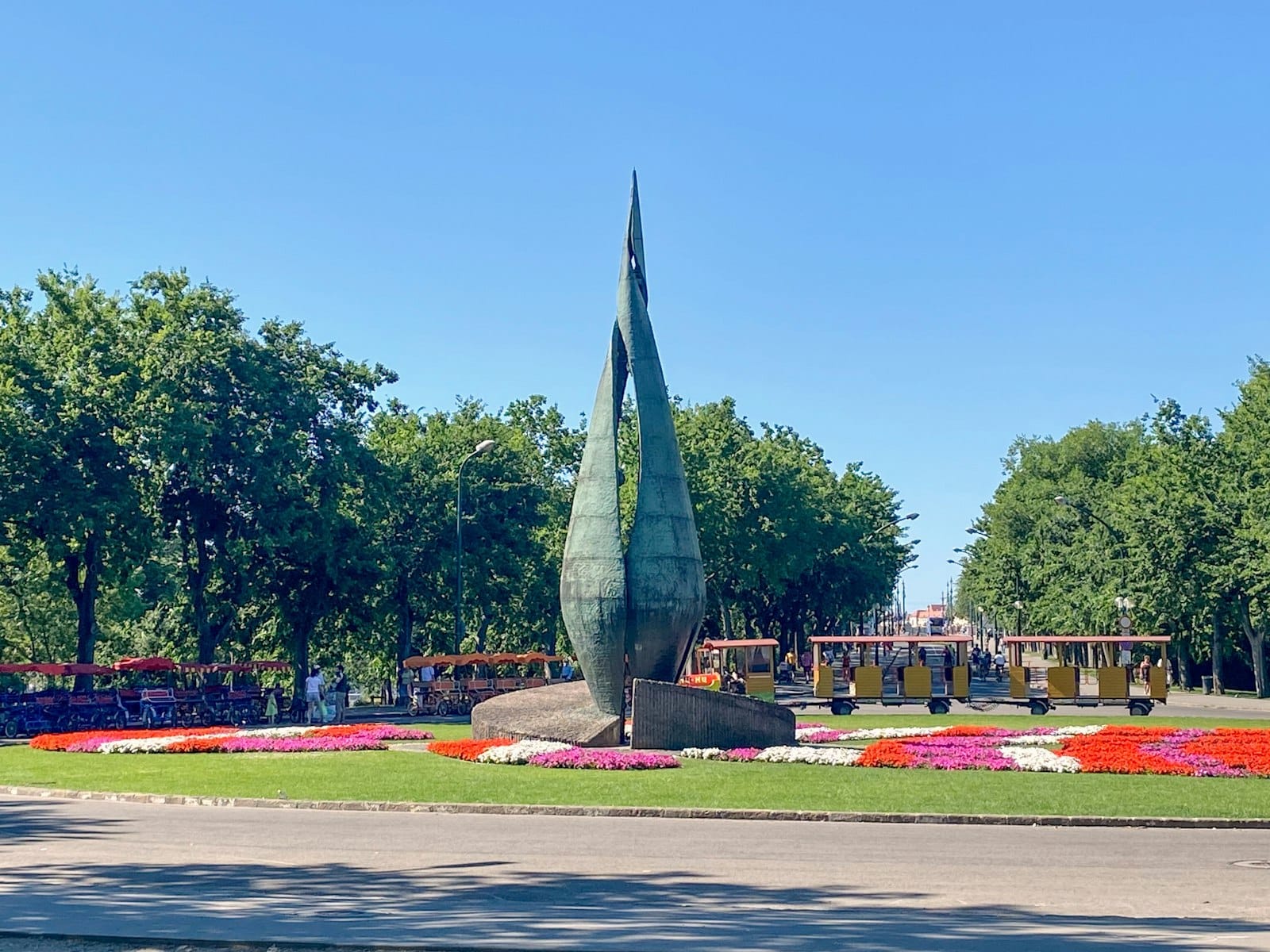
9. Find Quiet Ruins and a Japanese Garden on Margaret Island
This 2.5km car-free Danube island has medieval Dominican convent ruins, a small Japanese garden at its northern tip, and a musical fountain with scheduled shows. Arrive on a weekday morning to find it genuinely peaceful. Cyclists and joggers make it feel like local Budapest.
Explore9. Find Quiet Ruins and a Japanese Garden on Margaret Island
This 2.5km car-free Danube island has medieval Dominican convent ruins, a small Japanese garden at its northern tip, and a musical fountain with scheduled shows. Arrive on a weekday morning to find it genuinely peaceful. Cyclists and joggers make it feel like local Budapest.
ExploreOffbeat Museums & Quirky Attractions
Budapest has an unusually dense concentration of specialist museums that reward curious visitors. The best museums in Budapest guide covers the full range, but the places below sit firmly outside the standard circuit and are better for it. Each one takes roughly 60-90 minutes and can be combined with nearby mainstream sights.
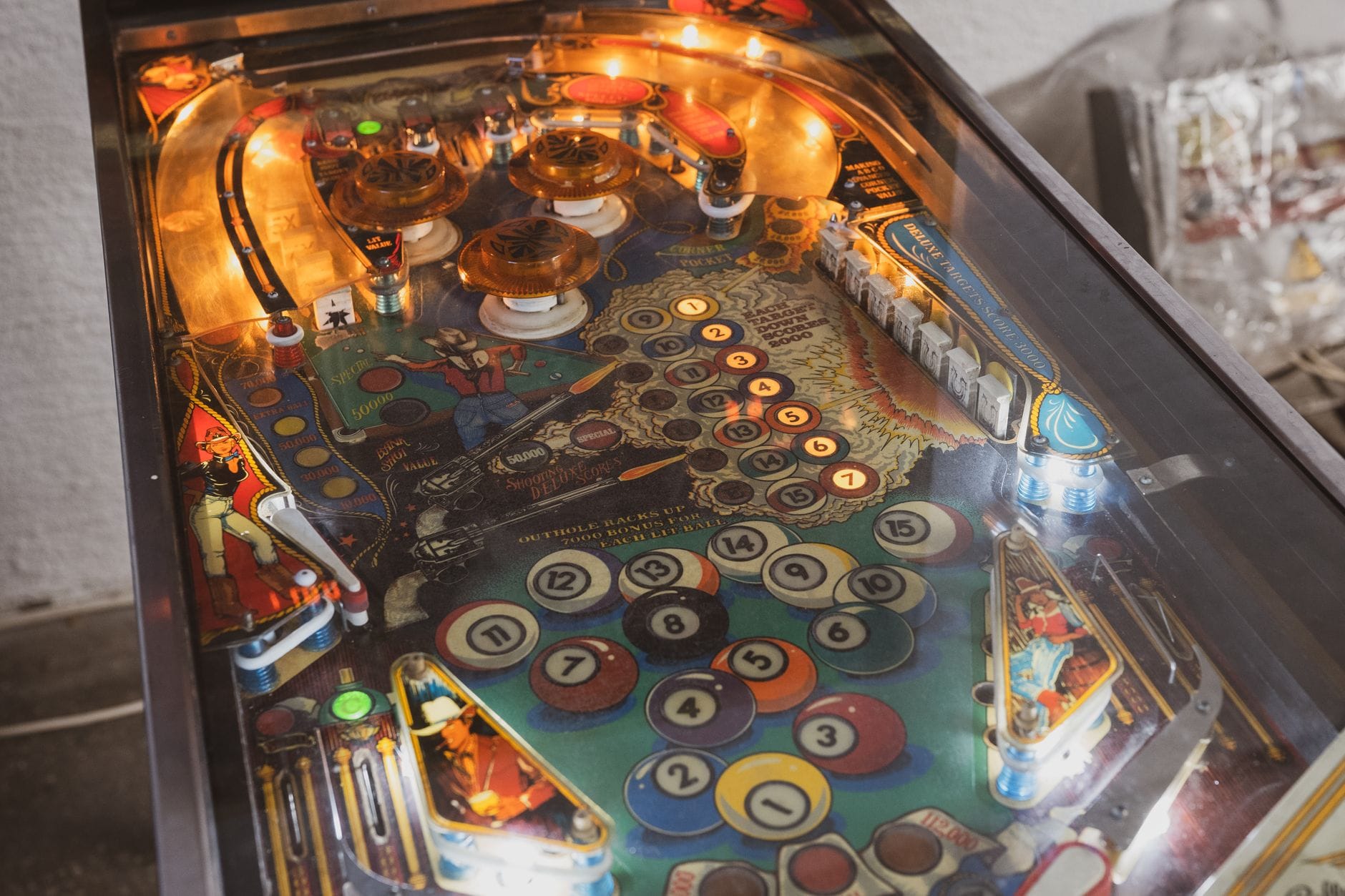
10. Play 130+ Pinball Machines at the Budapest Pinball Museum
Over 130 playable pinball machines from the 1940s to the present fill this VII. District space, and the admission fee covers unlimited play. It's as entertaining for adults as it is for families and is one of the most genuinely fun hours you can spend in the city.
Explore10. Play 130+ Pinball Machines at the Budapest Pinball Museum
Over 130 playable pinball machines from the 1940s to the present fill this VII. District space, and the admission fee covers unlimited play. It's as entertaining for adults as it is for families and is one of the most genuinely fun hours you can spend in the city.
Explore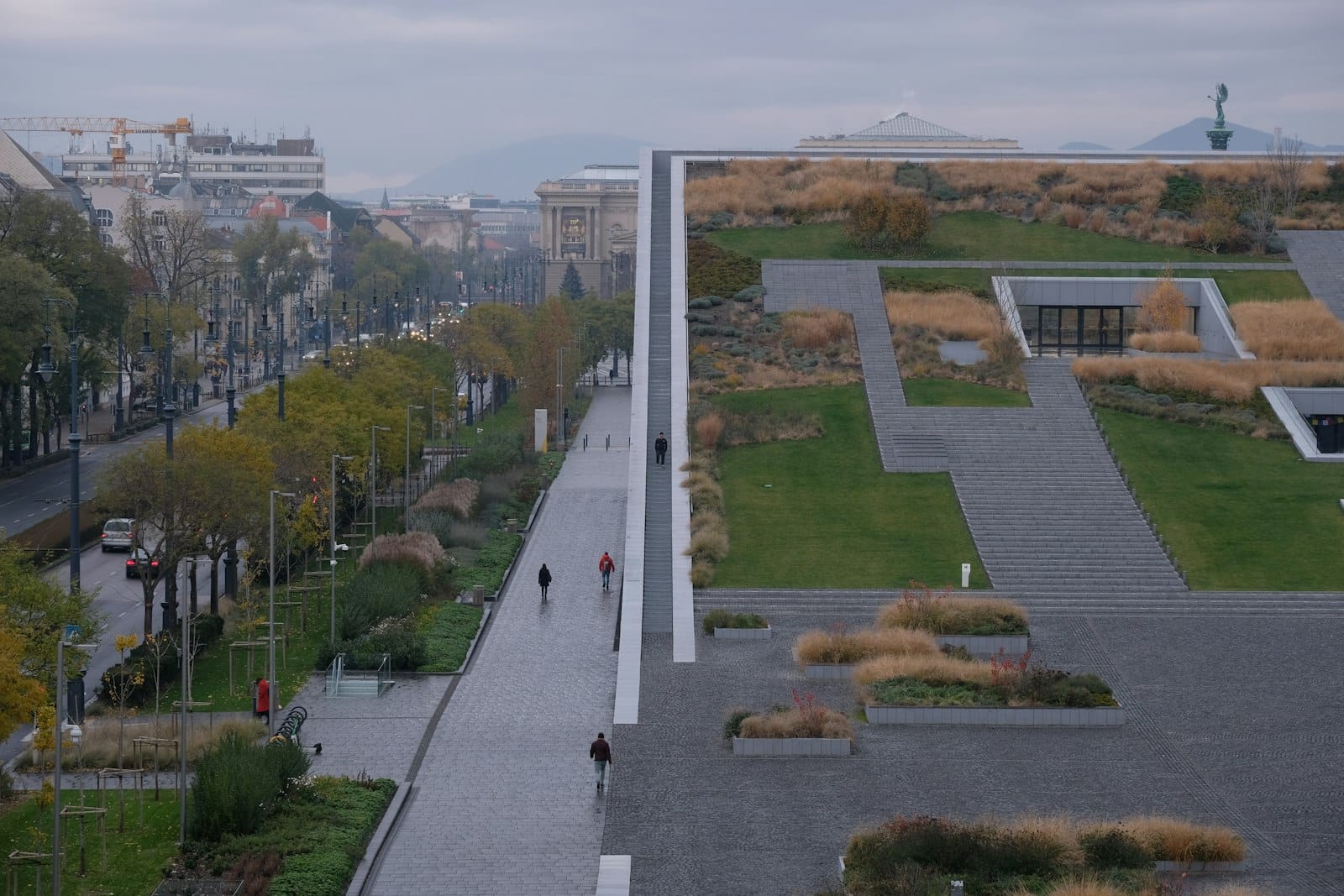
11. Explore Hungarian Folk Culture in a Striking New City Park Building
Relocated in 2022 to a purpose-built modernist building in City Park, this museum presents Hungarian rural life and folk traditions through immersive exhibitions that are far better designed than the old building suggested possible. Rarely crowded even in peak season.
Explore11. Explore Hungarian Folk Culture in a Striking New City Park Building
Relocated in 2022 to a purpose-built modernist building in City Park, this museum presents Hungarian rural life and folk traditions through immersive exhibitions that are far better designed than the old building suggested possible. Rarely crowded even in peak season.
Explore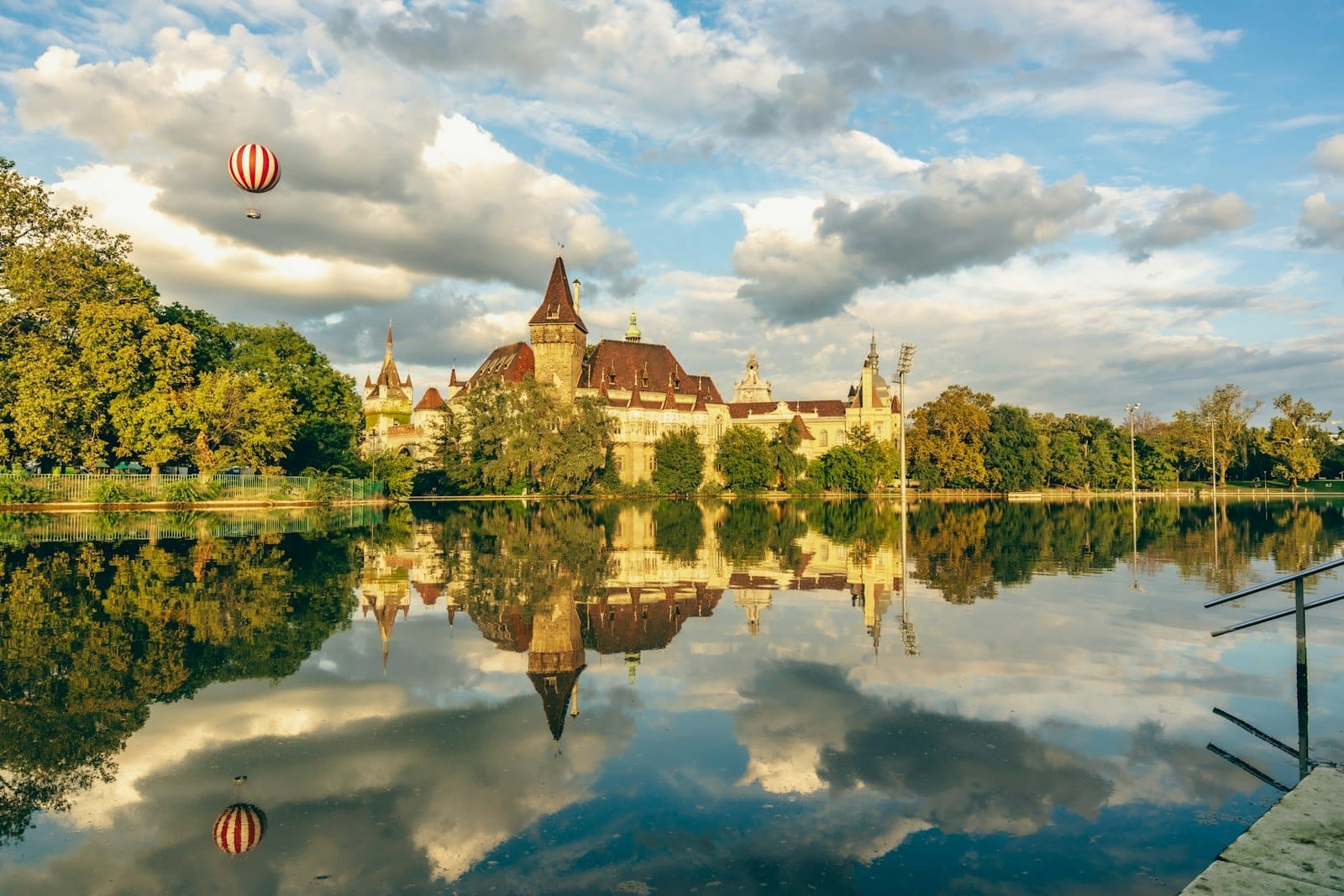
12. Visit the Whimsical Replica Castle Most Tourists Walk Past
Built for the 1896 Millennial Exhibition, this castle blends Romanesque, Gothic, Renaissance, and baroque styles on a single building. It sits beside a moat in City Park and most visitors photograph it from the path without going inside. Entry to the grounds is free.
Explore12. Visit the Whimsical Replica Castle Most Tourists Walk Past
Built for the 1896 Millennial Exhibition, this castle blends Romanesque, Gothic, Renaissance, and baroque styles on a single building. It sits beside a moat in City Park and most visitors photograph it from the path without going inside. Entry to the grounds is free.
Explore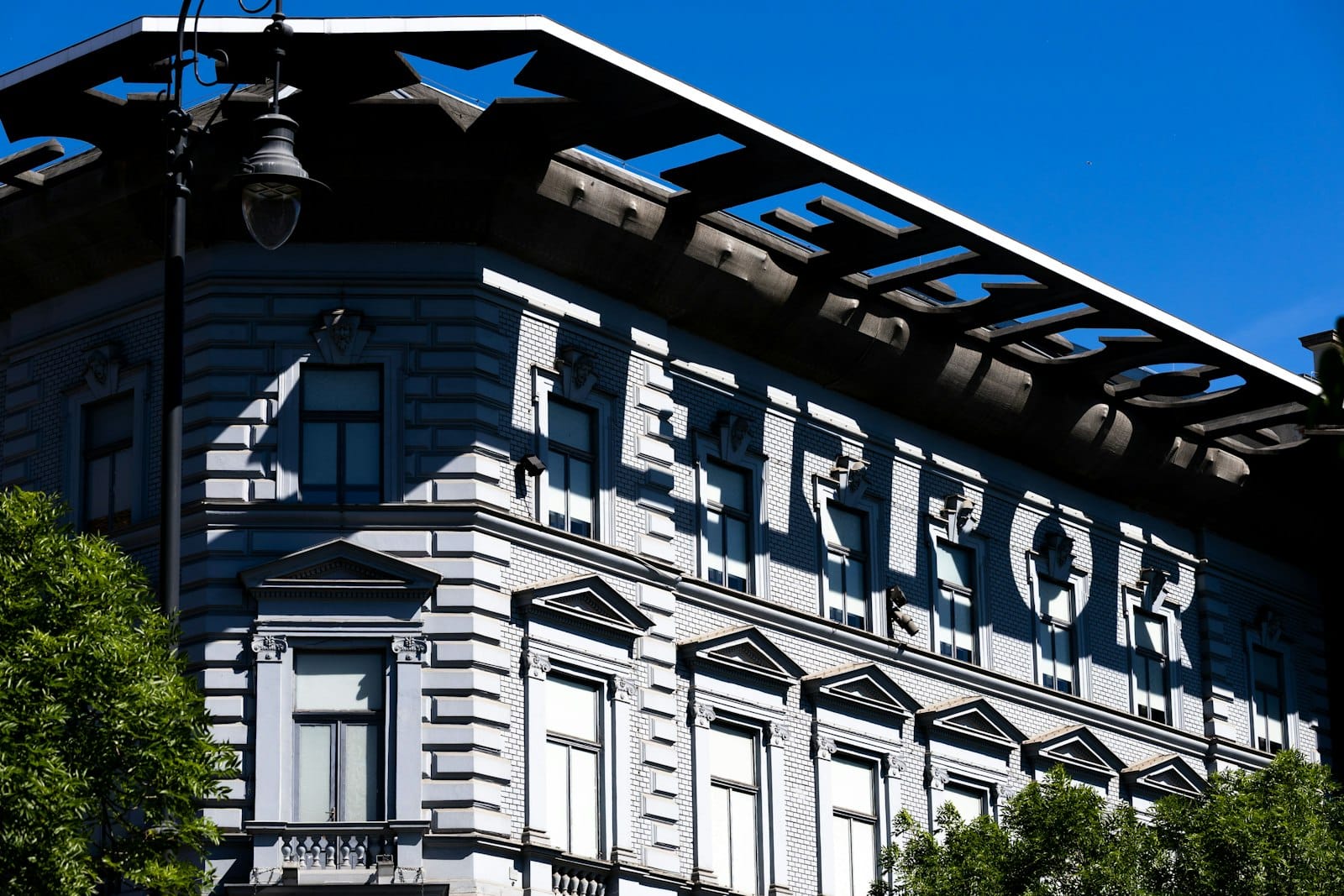
13. Confront Hungary's Darkest Century at the House of Terror
Housed in the actual building where both Nazi and Communist secret police operated, this museum uses architecture and immersive displays to document state terror from the 1940s to 1989. One of Europe's most powerful political museums and still undervisited by international tourists.
Explore13. Confront Hungary's Darkest Century at the House of Terror
Housed in the actual building where both Nazi and Communist secret police operated, this museum uses architecture and immersive displays to document state terror from the 1940s to 1989. One of Europe's most powerful political museums and still undervisited by international tourists.
Explore✨ Pro tip
The Budapest Card gives free or discounted entry to many museums including the House of Terror and Museum of Fine Arts. If you plan to visit 3+ paid attractions in a day, it often pays for itself. Verify current pricing and inclusions before purchasing.
Overlooked Architecture & Streetscapes
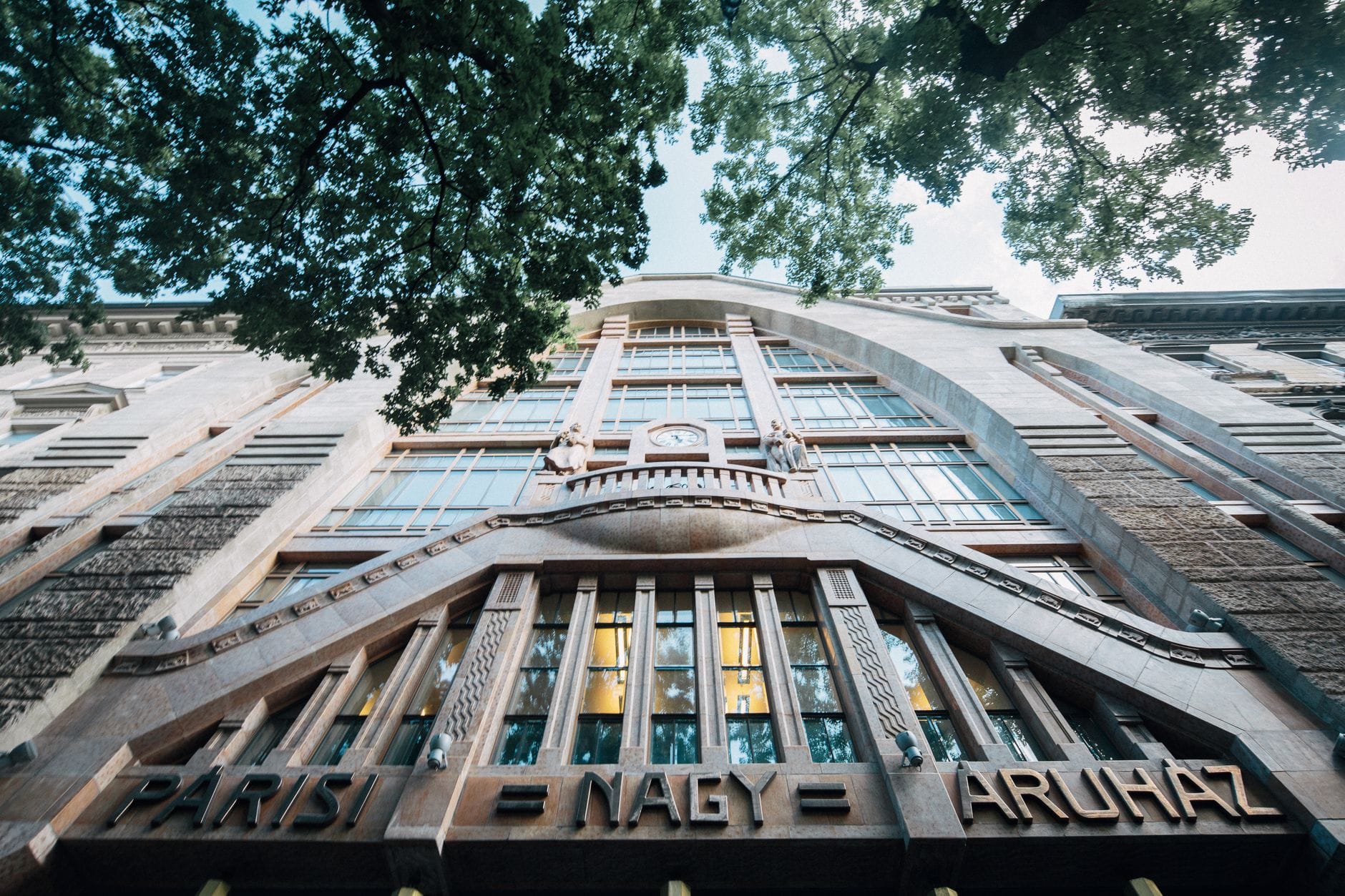
Budapest's architectural heritage extends well beyond the Parliament and Opera House. The city's Art Nouveau and neo-Gothic buildings appear on streets that most tourists never turn down. For a deeper dive into the city's architectural character, the Budapest Art Nouveau guide is essential reading. The Óbuda district in particular rewards slow walking.
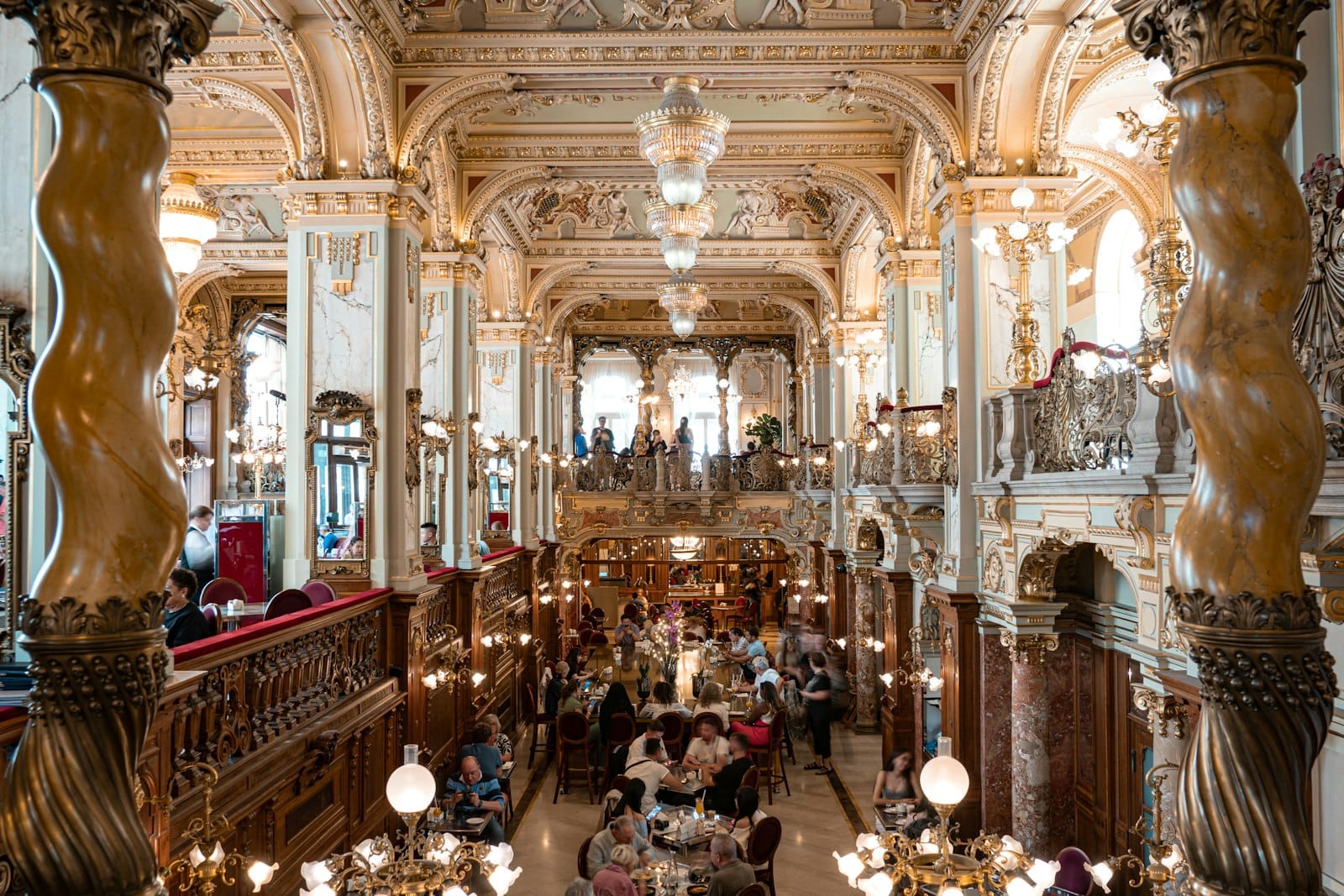
14. Have Coffee in What May Be the World's Most Ornate Café
Opened in 1894, the New York Café has gilded ceilings, frescoes, and marble columns that make it unlike any café in Europe. A coffee costs more than a meal elsewhere, but an hour here is worth the premium for the architecture alone. Go mid-morning to avoid queues.
Explore14. Have Coffee in What May Be the World's Most Ornate Café
Opened in 1894, the New York Café has gilded ceilings, frescoes, and marble columns that make it unlike any café in Europe. A coffee costs more than a meal elsewhere, but an hour here is worth the premium for the architecture alone. Go mid-morning to avoid queues.
Explore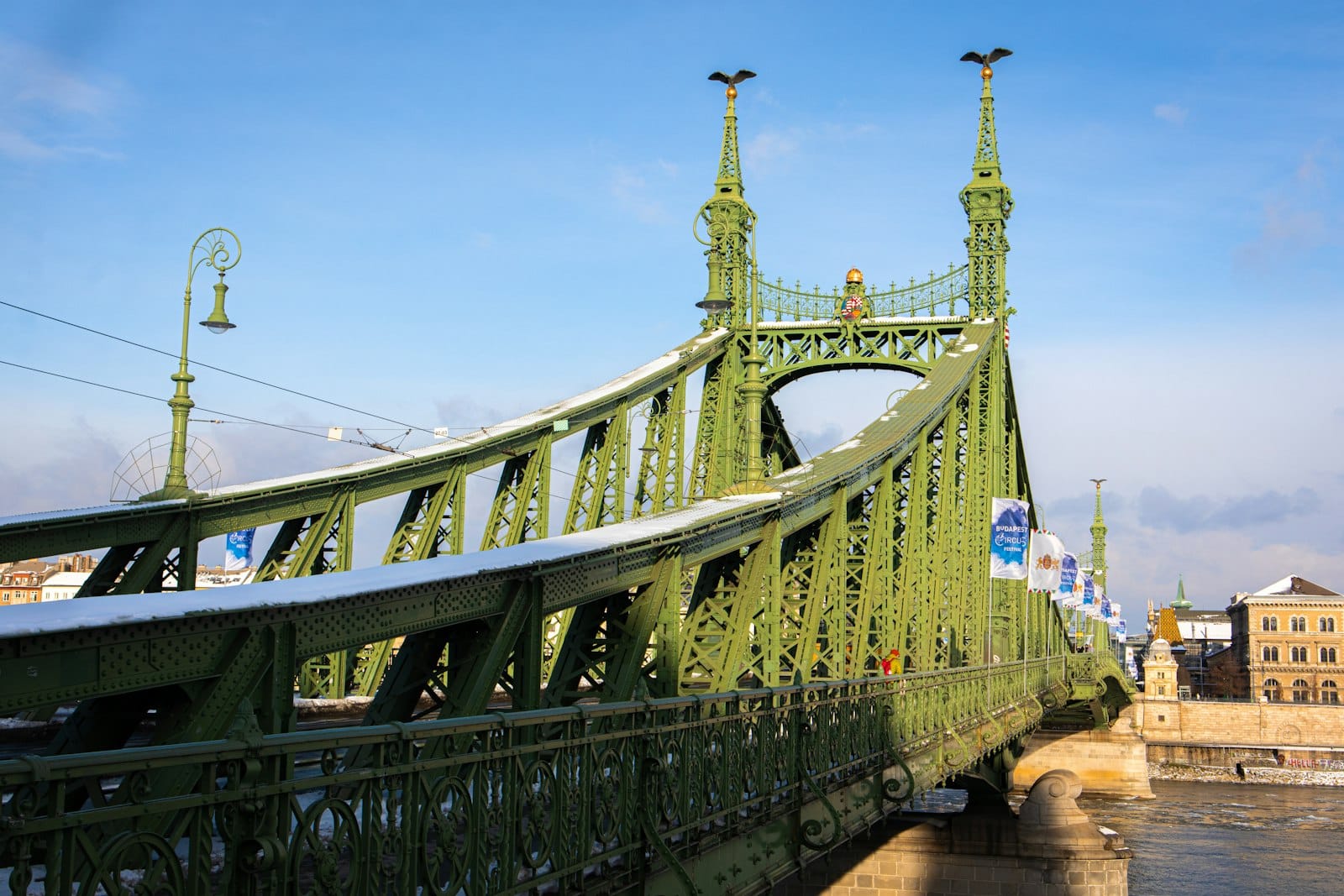
15. Cross the Green Art Nouveau Bridge Where Locals Actually Gather
Locals sit on Liberty Bridge's railings on summer evenings with beer and conversation, making it one of the most authentically local scenes in the city. The green ironwork and Danube views at sunset are as photogenic as the Chain Bridge with a fraction of the visitors.
Explore15. Cross the Green Art Nouveau Bridge Where Locals Actually Gather
Locals sit on Liberty Bridge's railings on summer evenings with beer and conversation, making it one of the most authentically local scenes in the city. The green ironwork and Danube views at sunset are as photogenic as the Chain Bridge with a fraction of the visitors.
Explore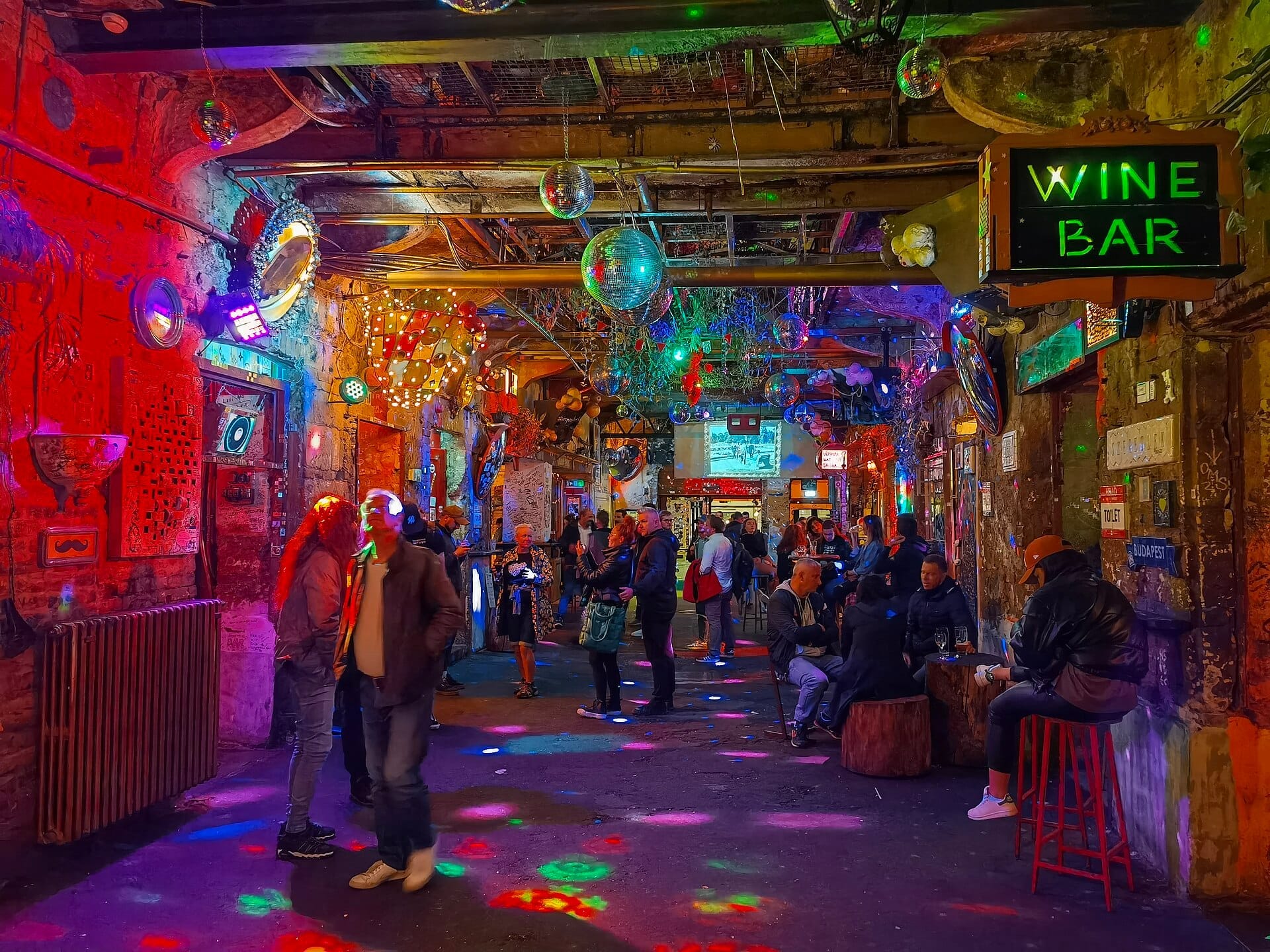
16. Visit Szimpla Kert on a Sunday Morning for the Farmers' Market
Most people know Szimpla Kert as a nightlife venue, but Sunday morning brings a farmers' market with local produce, honey, and street food in its courtyard. It's a completely different atmosphere and one of the most local scenes you can stumble into in the Jewish Quarter.
Explore16. Visit Szimpla Kert on a Sunday Morning for the Farmers' Market
Most people know Szimpla Kert as a nightlife venue, but Sunday morning brings a farmers' market with local produce, honey, and street food in its courtyard. It's a completely different atmosphere and one of the most local scenes you can stumble into in the Jewish Quarter.
Explore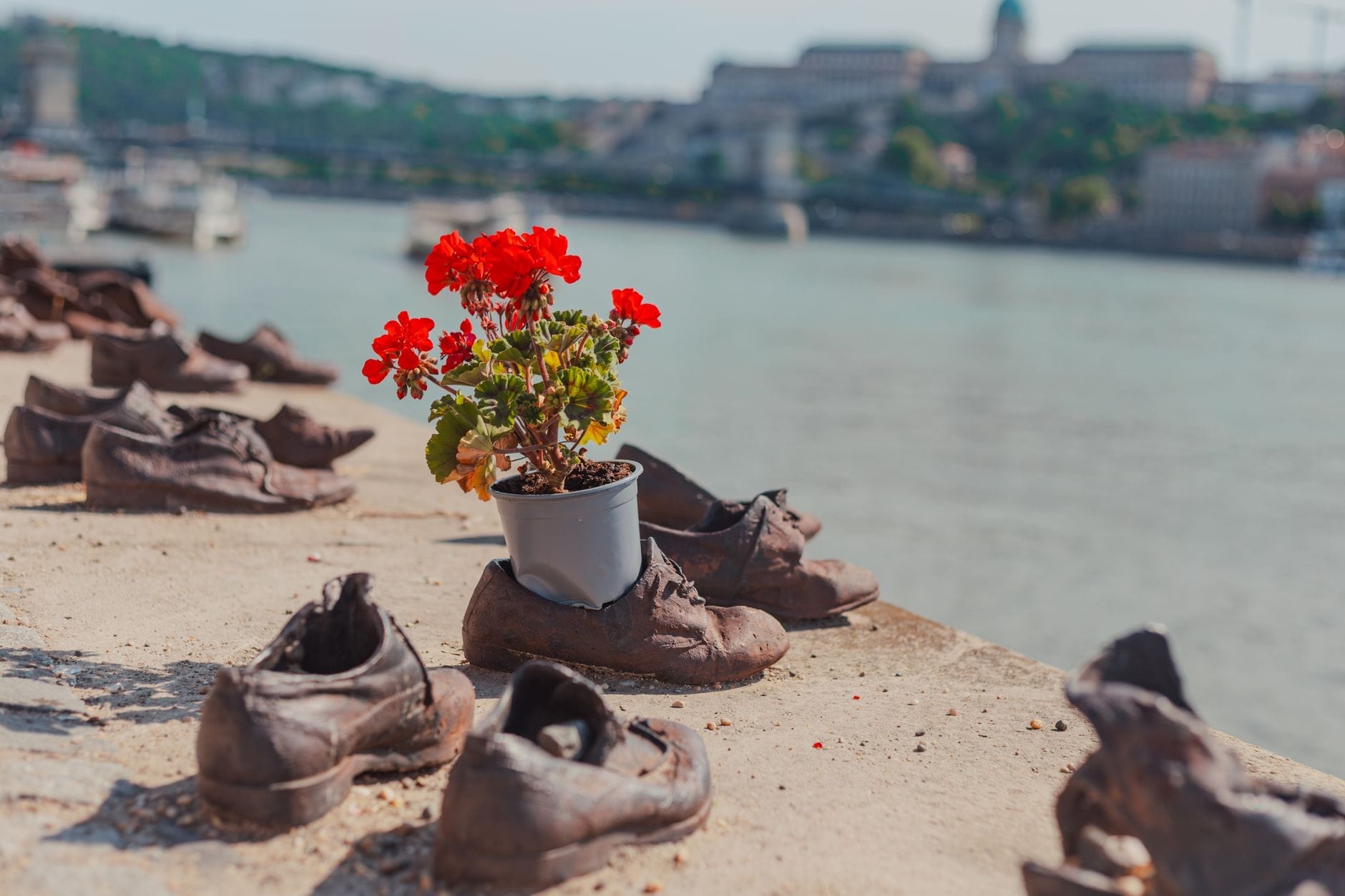
17. Pay Respects at the Iron Shoes Memorial on the Pest Riverbank
Sixty pairs of iron shoes cast in 1940s styles line the Danube embankment, marking where Jews were shot into the river by Arrow Cross militiamen during WWII. It's easy to walk past if you don't know to look. Find it between the Parliament and Chain Bridge on the Pest side.
Explore17. Pay Respects at the Iron Shoes Memorial on the Pest Riverbank
Sixty pairs of iron shoes cast in 1940s styles line the Danube embankment, marking where Jews were shot into the river by Arrow Cross militiamen during WWII. It's easy to walk past if you don't know to look. Find it between the Parliament and Chain Bridge on the Pest side.
Explore💡 Local tip
The best way to find overlooked Budapest streetscapes is to walk one block off any major tourist route. The streets immediately behind Andrássy Avenue and around the Great Market Hall contain some of the city's finest unrenovated Art Nouveau facades.
Local Markets & Neighborhood Life
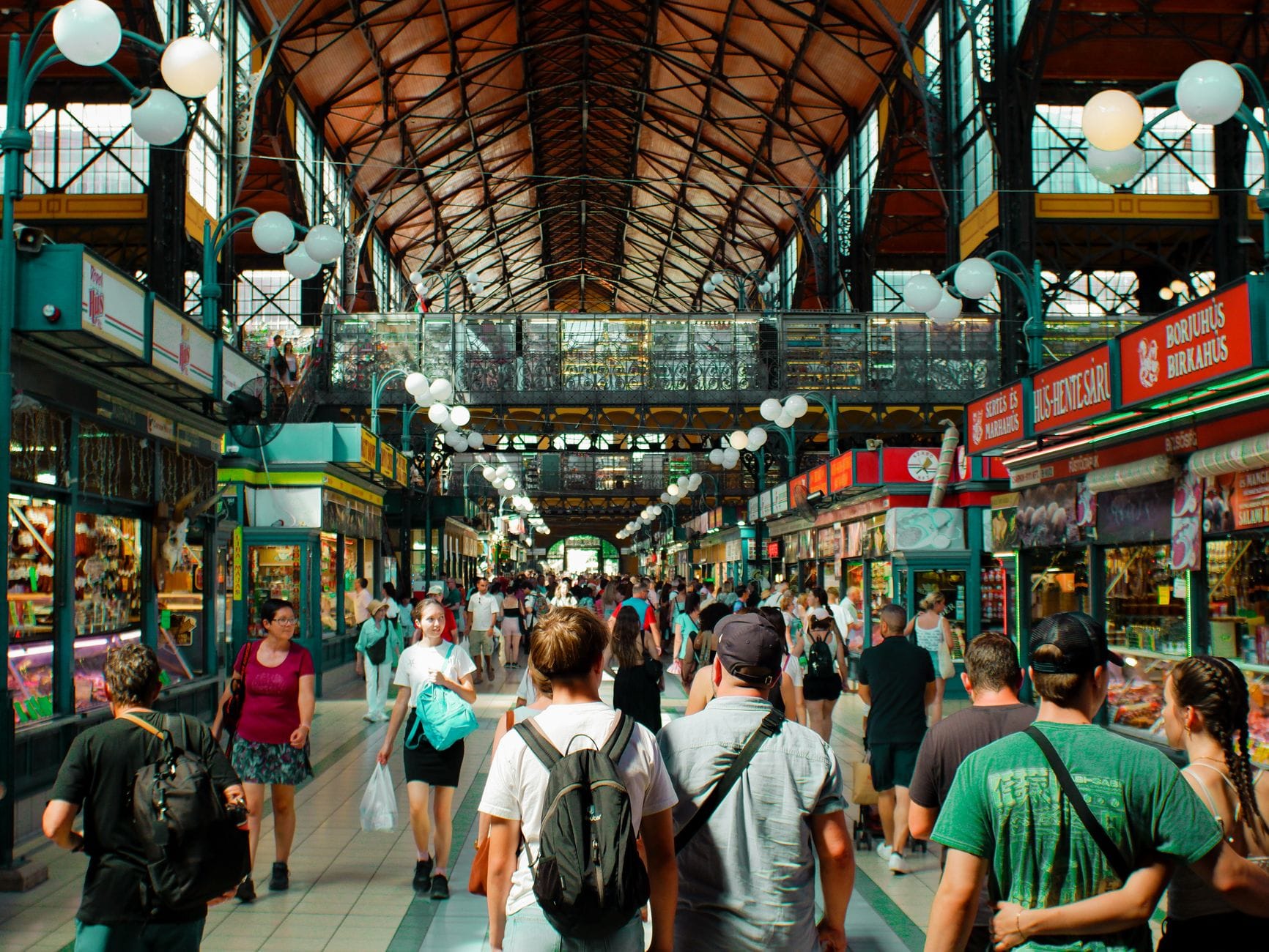
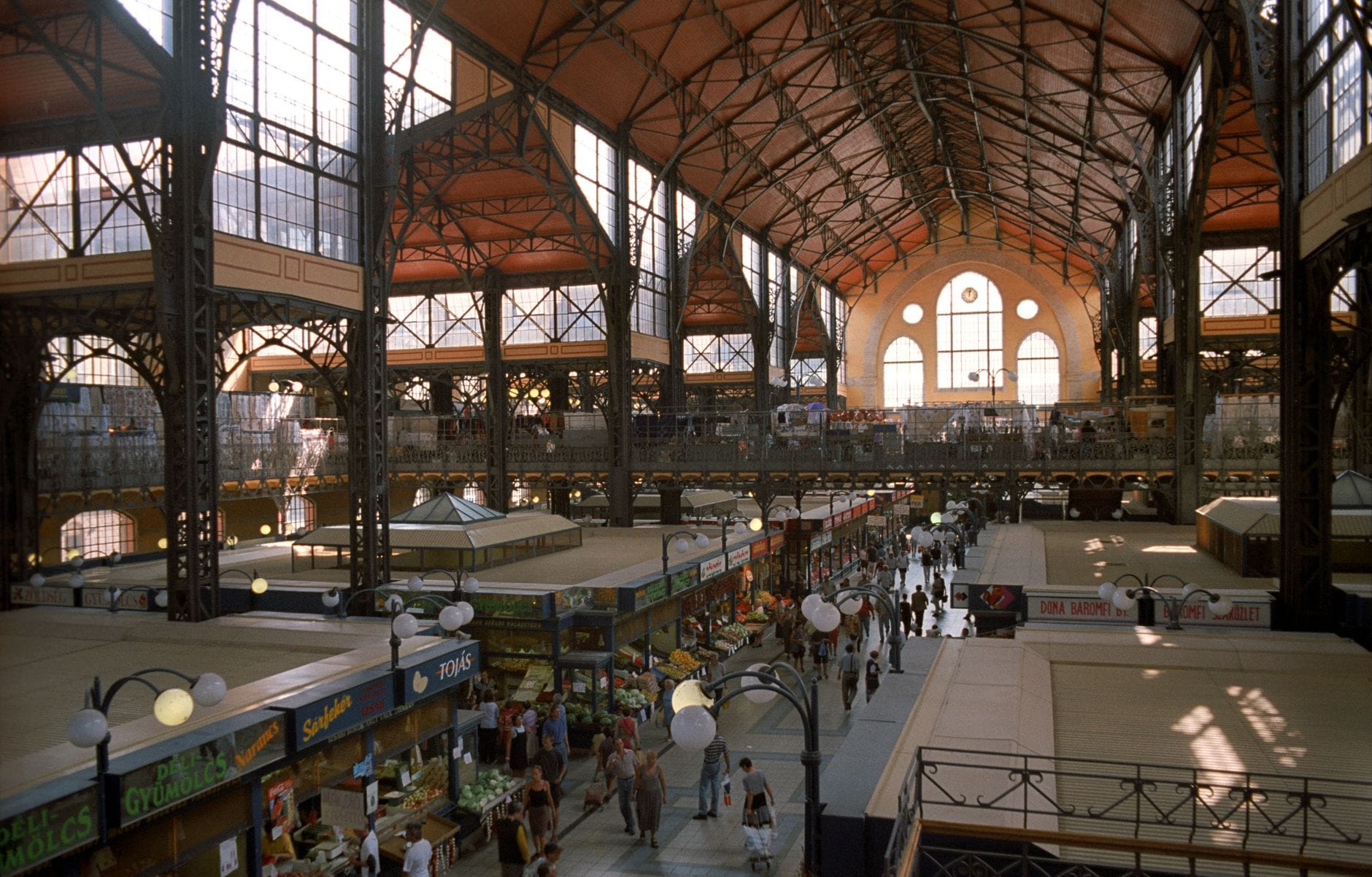
18. Go Early to the Great Market Hall Before the Tour Groups Arrive
The 1897 neo-Gothic iron market hall is the city's most impressive food market, with fresh produce on the ground floor and Hungarian paprika and sausages throughout. Arrive before 9am on a weekday and you'll share it mainly with local shoppers rather than tourists.
Explore18. Go Early to the Great Market Hall Before the Tour Groups Arrive
The 1897 neo-Gothic iron market hall is the city's most impressive food market, with fresh produce on the ground floor and Hungarian paprika and sausages throughout. Arrive before 9am on a weekday and you'll share it mainly with local shoppers rather than tourists.
Explore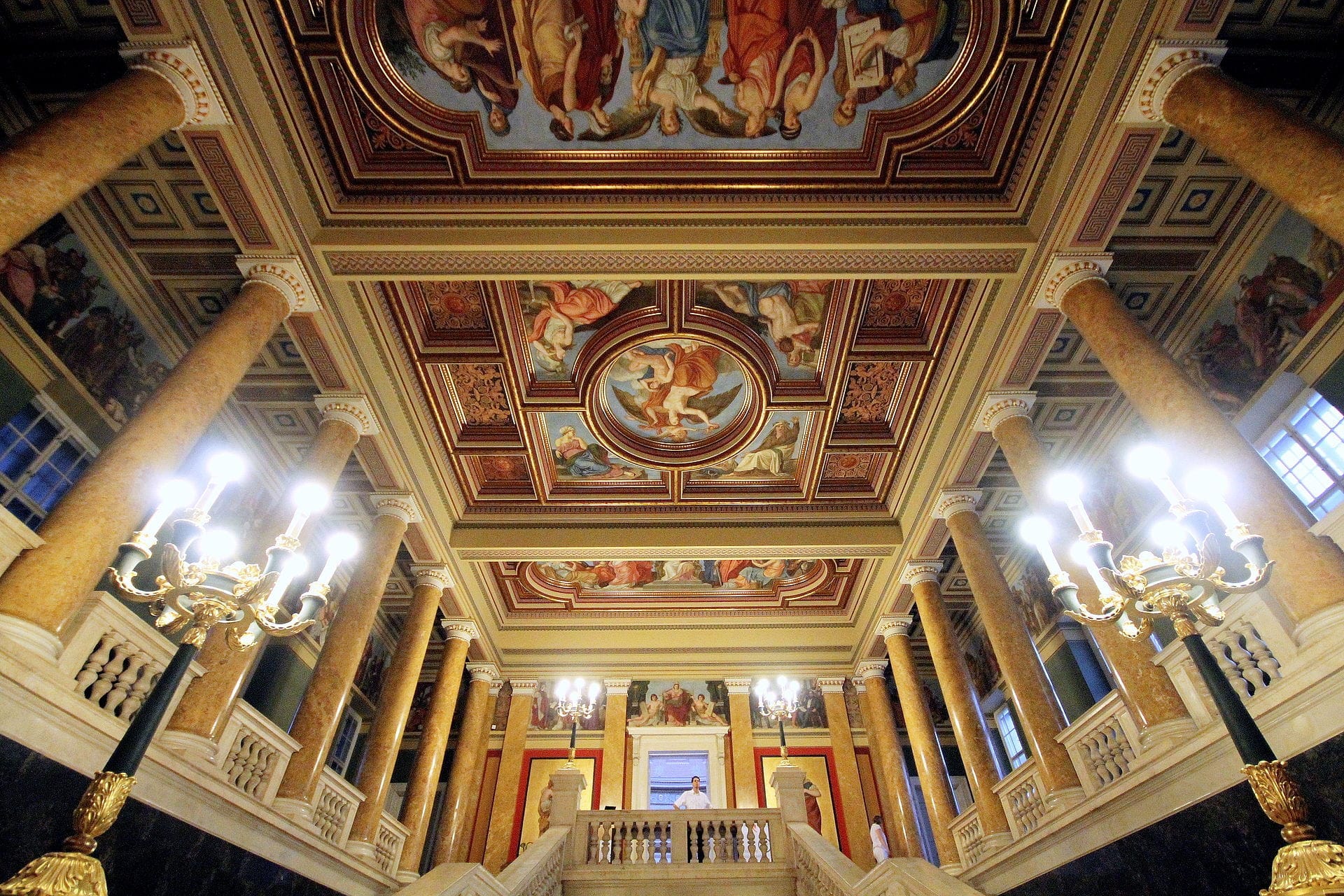
19. Trace 1,000 Years of Hungarian History at This Undervisited Museum
The neoclassical National Museum holds Hungary's largest archaeology and history collection, from prehistoric finds to 20th-century documents. It sits in central Pest but draws far fewer visitors than its quality warrants. Budget two hours and visit on a weekday.
Explore19. Trace 1,000 Years of Hungarian History at This Undervisited Museum
The neoclassical National Museum holds Hungary's largest archaeology and history collection, from prehistoric finds to 20th-century documents. It sits in central Pest but draws far fewer visitors than its quality warrants. Budget two hours and visit on a weekday.
ExploreFAQ
What are the most underrated things to do in Budapest?
The Hospital in the Rock, Aquincum Roman ruins in Óbuda, the Lukács thermal bath, and Kerepesi Cemetery consistently top local recommendations for underrated experiences. Memento Park, the Children's Railway in the Buda Hills, and the Sunday farmers' market at Szimpla Kert are also genuinely off the tourist circuit.
Are Budapest's hidden gems expensive to visit?
Costs vary. Kerepesi Cemetery and Liberty Bridge are free. The Hospital in the Rock, Budapest Pinball Museum, and cave tours charge admission. The Budapest Card covers or discounts many museums. Always verify current ticket prices on official attraction websites before visiting.
How do I get to the more remote attractions like Memento Park or Aquincum?
Memento Park is reached by a dedicated bus from Deák Ferenc tér (around 30 minutes). Aquincum is on HÉV suburban rail line H5 from Batthyány tér, about 20 minutes north. The Buda Hills are reached by the Fogaskerekű cog railway from Városmajor. Check the BKK website for current schedules and fares.
When is the best time to visit Budapest's outdoor hidden gems?
Late April through early October is ideal for Margaret Island, the Buda Hills, and Kerepesi Cemetery. The caves and Hospital in the Rock operate year-round. Outdoor thermal pools at Lukács and Rudas are enjoyable in any season but are especially pleasant in cooler months when steam rises from the water.
Which lesser-known thermal bath is best for avoiding tourists?
Lukács Thermal Bath in Buda is consistently the most local-feeling of Budapest's historic baths, with a neighborhood clientele and no party bath nights. Rudas is also less touristy than Széchenyi but draws a younger crowd for weekend night sessions. Both are significantly calmer than Széchenyi on a summer weekend.
Tickets & tours
Live prices and dates from our booking partner. If you book, we may earn a commission at no extra cost to you.
Planning a trip? Discover personalized activities with the Nomado app.