Best Day Trips from Budapest: Where to Go, How to Get There, and What It Costs
Budapest sits at the center of one of Central Europe's best rail networks, putting medieval towns, thermal lake resorts, and even Vienna within easy reach. This guide covers the top day trips from Budapest with exact transport options, realistic fares, and clear assessments of what each destination is actually worth your time.
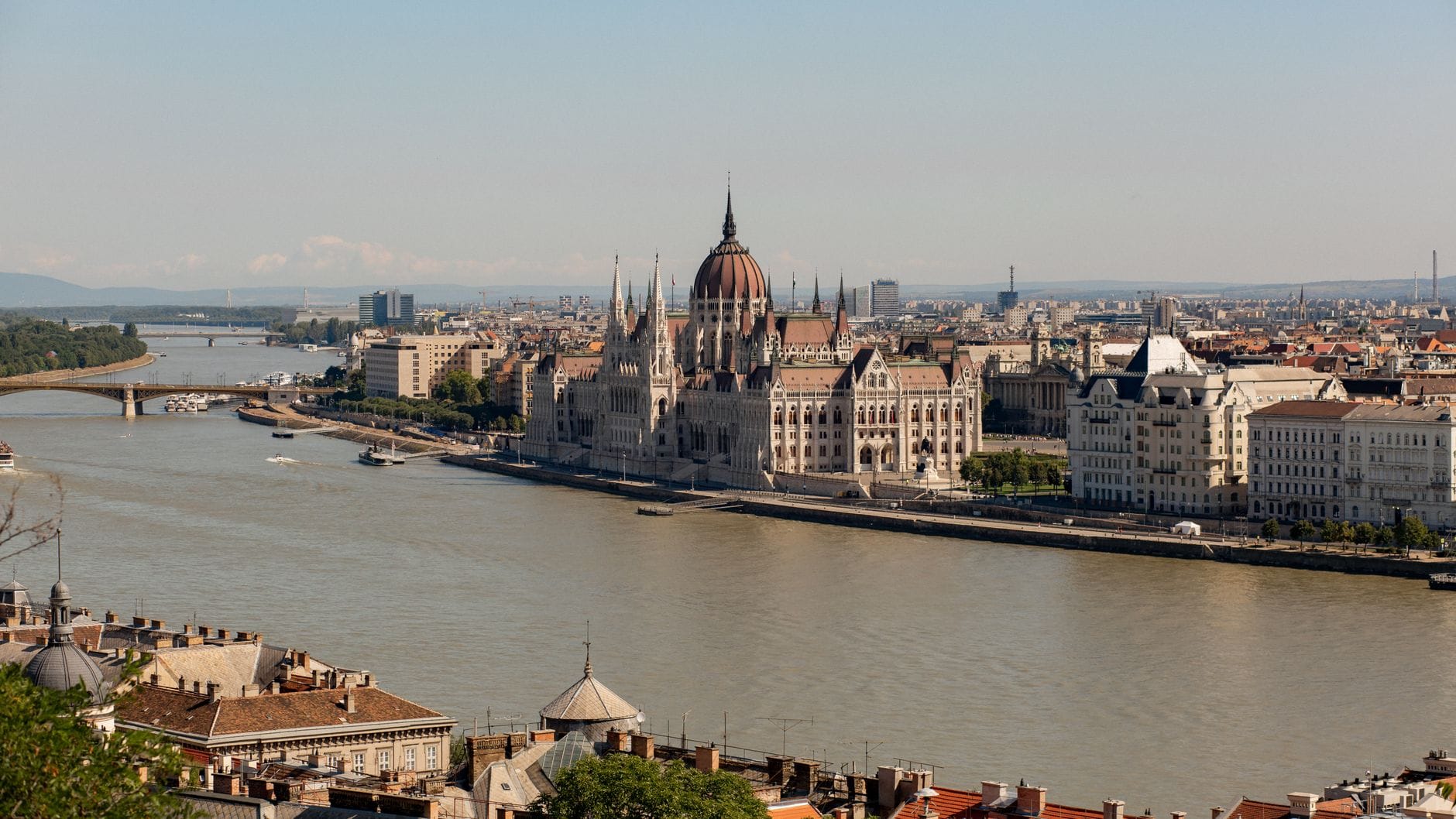
Plan and book this trip
Tools from our partner Travelpayouts help you compare flights and hotels. If you book through them, we may earn a commission at no extra cost to you.
Flights
Hotels map
TL;DR
- Most day trips from Budapest are reachable in under 2 hours by train, with no advance booking required for shorter routes.
- Szentendre is the easiest day trip: 40 minutes on the HÉV suburban rail from Batthyány tér, around €2 each way. See getting around Budapest for transport tips.
- Eger and Lake Balaton require roughly 2 hours each way but reward the journey with wine cellars and Central Europe's largest lake.
- Vienna is a legitimate day trip by Railjet train (2h40), though advance booking is essential to keep costs reasonable.
- DIY travel on Hungarian State Railways (MÁV) is excellent value and more flexible than most guided tour packages.
Why Budapest Is Such a Good Base for Day Trips

Budapest's geography works strongly in your favor. Hungary's rail network radiates outward from the capital, meaning that MÁV trains connect Budapest to virtually every significant town in the country. The city has three main intercity rail terminals: Keleti (east-facing routes), Nyugati (northwest routes), and Déli (southwest toward Balaton). For the Danube Bend, the suburban HÉV rail lines handle the job. This makes planning a Budapest trip with day excursions straightforward, even for first-time visitors.
The majority of worthwhile destinations fall within a 150 km radius of the city center. That translates to journey times of 40 minutes to 2 hours 40 minutes by train, which is genuinely comfortable for a day out. You have enough time to arrive, explore at a reasonable pace, eat lunch, and return before dark for most of the year. The exceptions are Vienna and a full Danube Bend loop, which require earlier starts.
ℹ️ Good to know
Hungary's currency is the forint (HUF). When planning day trips, note that prices in smaller towns like Eger or Szentendre are significantly lower than Budapest. Budgeting around 3,000–5,000 HUF for lunch and 1,000–2,000 HUF per museum entry is a reasonable baseline outside Budapest, though fares and prices change — always verify current figures before traveling.
Szentendre: The Easiest Day Trip from Budapest
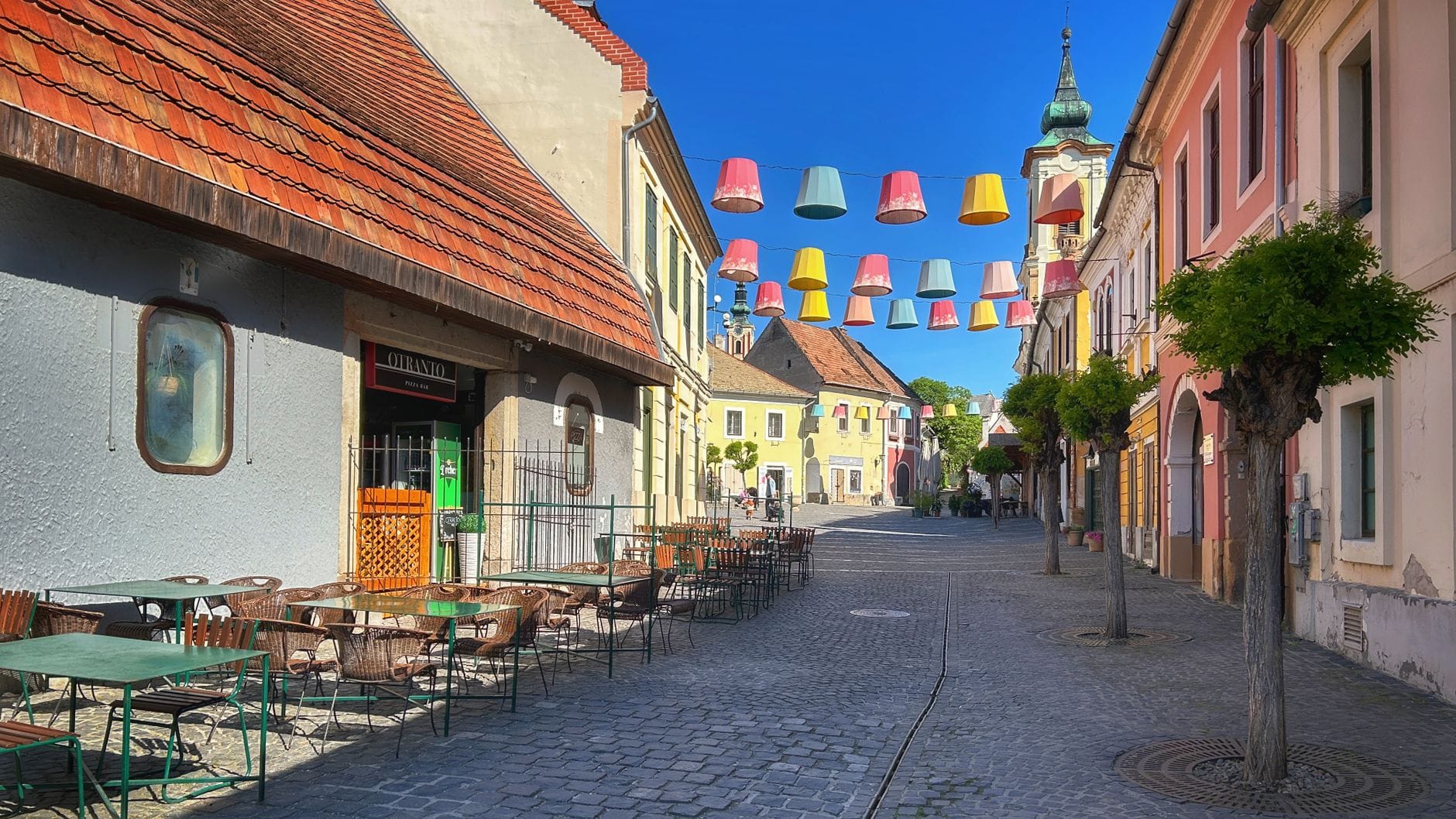
Szentendre is the default first day trip for most visitors, and for good reason. The town sits on the west bank of the Danube roughly 20 km north of Budapest, and getting there requires zero planning: the HÉV H5 suburban rail runs from Batthyány tér station every 10 to 20 minutes throughout the day, takes about 40 minutes, and costs around €2 each way. No seat reservations, no advance tickets. You validate a standard Budapest transport ticket for the section within the city limits or buy an additional ticket for the outer section at the station.
The town itself is compact and walkable from the station. Its appeal is a preserved Baroque town center, Serbian Orthodox churches, and a concentration of small galleries and craft workshops established by an artists' colony in the early 20th century. The Hungarian Open Air Museum (Skanzen) sits on the edge of town and is one of the better ethnographic open-air museums in Central Europe, covering traditional village architecture from different Hungarian regions across a large outdoor site. Plan at least two hours there if heritage architecture interests you.
⚠️ What to skip
Szentendre's main streets get genuinely crowded on summer weekends, particularly between 11am and 3pm. If you visit on a Saturday in July or August, aim to arrive before 10am. The town is noticeably calmer midweek, and the quality of the visit improves significantly. Many of the souvenir shops on Fő tér cater to day-trippers with overpriced marzipan and folk art — the galleries one or two streets back are more interesting and less commercial.
The Danube Bend: Esztergom and Visegrád
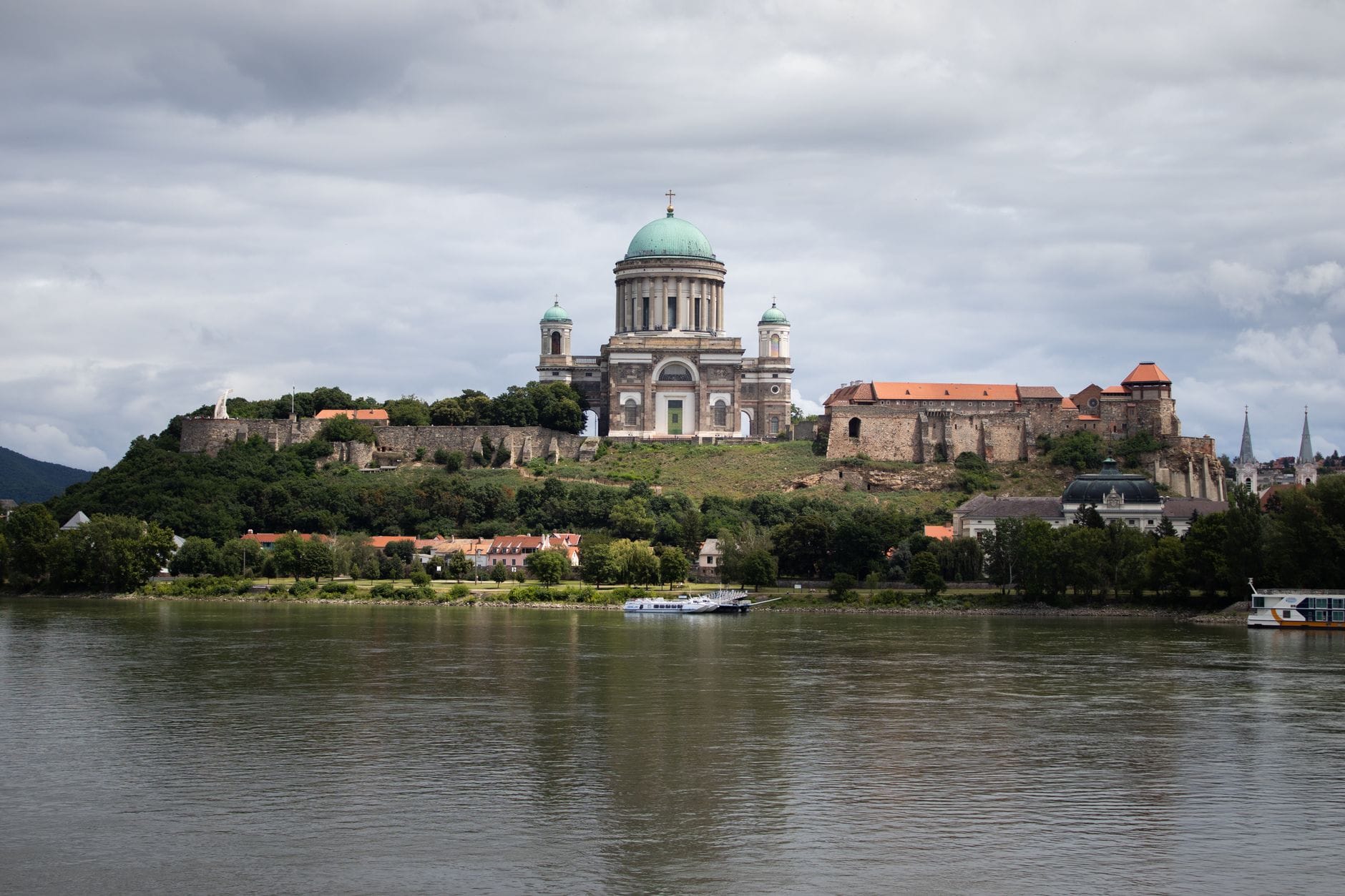
The Danube Bend, where the river carves a dramatic curve through the hills northwest of Budapest, contains two destinations worth combining on a single day: Esztergom and Visegrád. Esztergom, about 70 km from Budapest, was Hungary's first capital and royal seat. Its basilica, the largest church in Hungary, dominates the hill above the town and the river. Visegrád, halfway between Budapest and Esztergom, has a partially restored hilltop citadel with sweeping river views that justify the climb.
The most practical approach for the full Danube Bend loop is to take the train to one town and a river ferry between them. Mahart PassNave operates seasonal boat services along this stretch of the Danube, typically from April through October. A boat-bus combination return from Budapest runs approximately 4,000 to 5,500 HUF depending on the route. Direct trains from Budapest Nyugati to Esztergom take around 1 hour 30 minutes. Note that Visegrád has no direct train connection — you need to take a bus from Esztergom or Nagymaros (reached by train from Nyugati, then a short ferry across the river).
✨ Pro tip
The scenic river approach by boat between Visegrád and Esztergom is genuinely worth the extra logistics. The Danube narrows and the forested hills close in on both sides — it's a different experience from the broader river sections closer to Budapest. Boat schedules are seasonal and can change year to year; confirm current timetables with Mahart PassNave before planning your route.
Eger: Wine, Baroque Architecture, and a Castle Worth Visiting
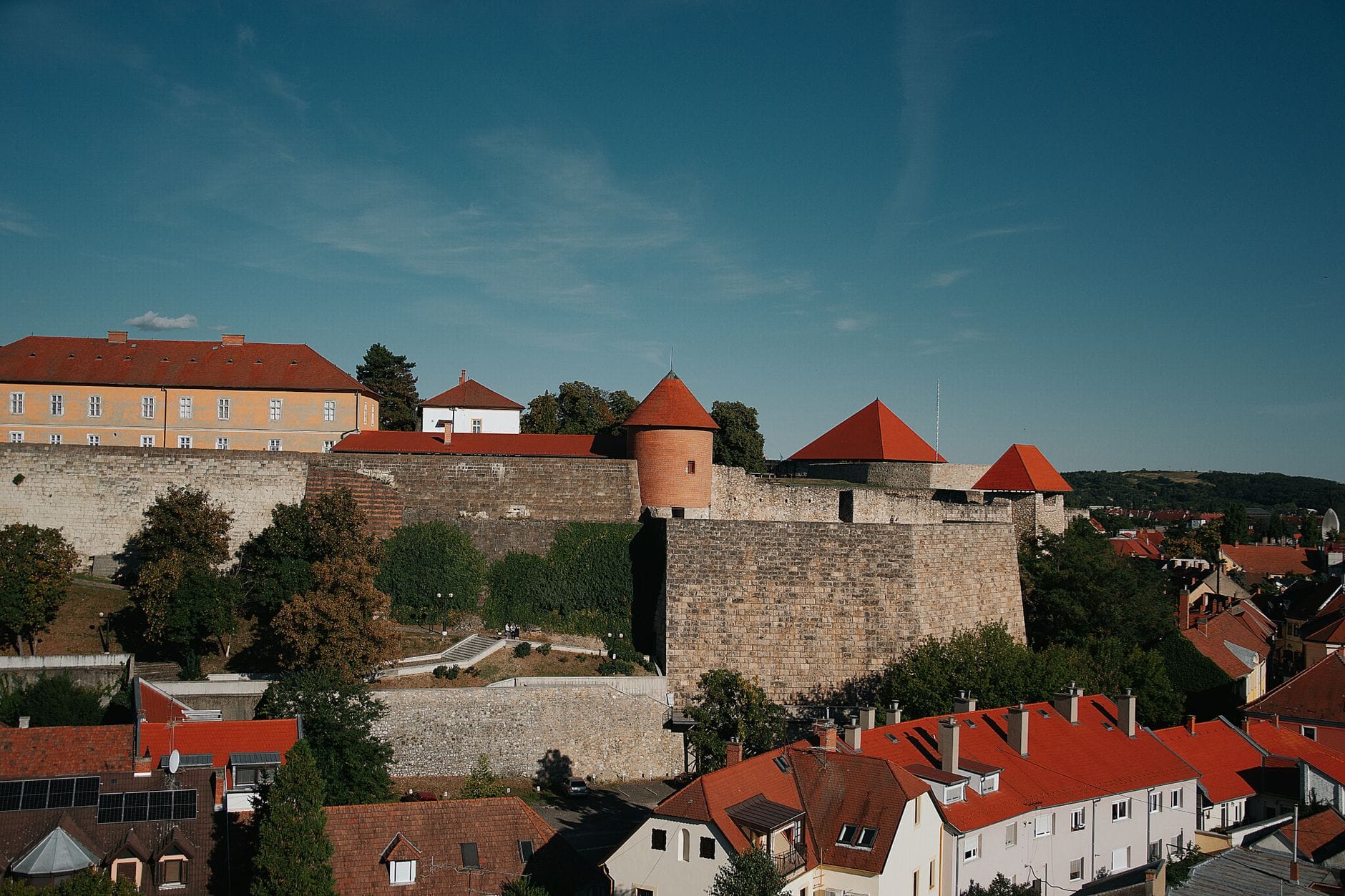
Eger sits in the northern highlands about 130 km east of Budapest and is one of Hungary's most complete historic towns. Getting there takes around 2 hours by direct InterCity train from Budapest Keleti, with return fares typically in the 5,000 to 7,000 HUF range. Booking at least a day ahead via the MÁV website is wise in summer, as InterCity trains require seat reservations and popular Friday and Sunday services fill up.
Eger's main draws are its hilltop castle, the surrounding Baroque old town, and the Valley of the Beautiful Women (Szépasszony-völgy), a cluster of wine cellars carved into the hillside about 1.5 km southwest of the center. The valley's cellars produce and sell Egri Bikavér — Bull's Blood — the region's signature red wine blend. Arrive in the afternoon, after touring the castle, and spend an hour or two sampling directly from producers. This is the kind of experience that rarely comes with a price tag above a few thousand forints. For more on Hungary's food and drink culture, see the Budapest food guide.
Eger is not overrun by international tourism the way Prague's day-trip destinations often are. It has a functioning city center used by locals, which keeps the atmosphere grounded. The castle itself has a reasonable museum and good views over the Baroque roofline below. The minaret near the main square is a visible remnant of Ottoman occupation and one of the northernmost minarets in Europe.
Lake Balaton: Central Europe's Largest Lake
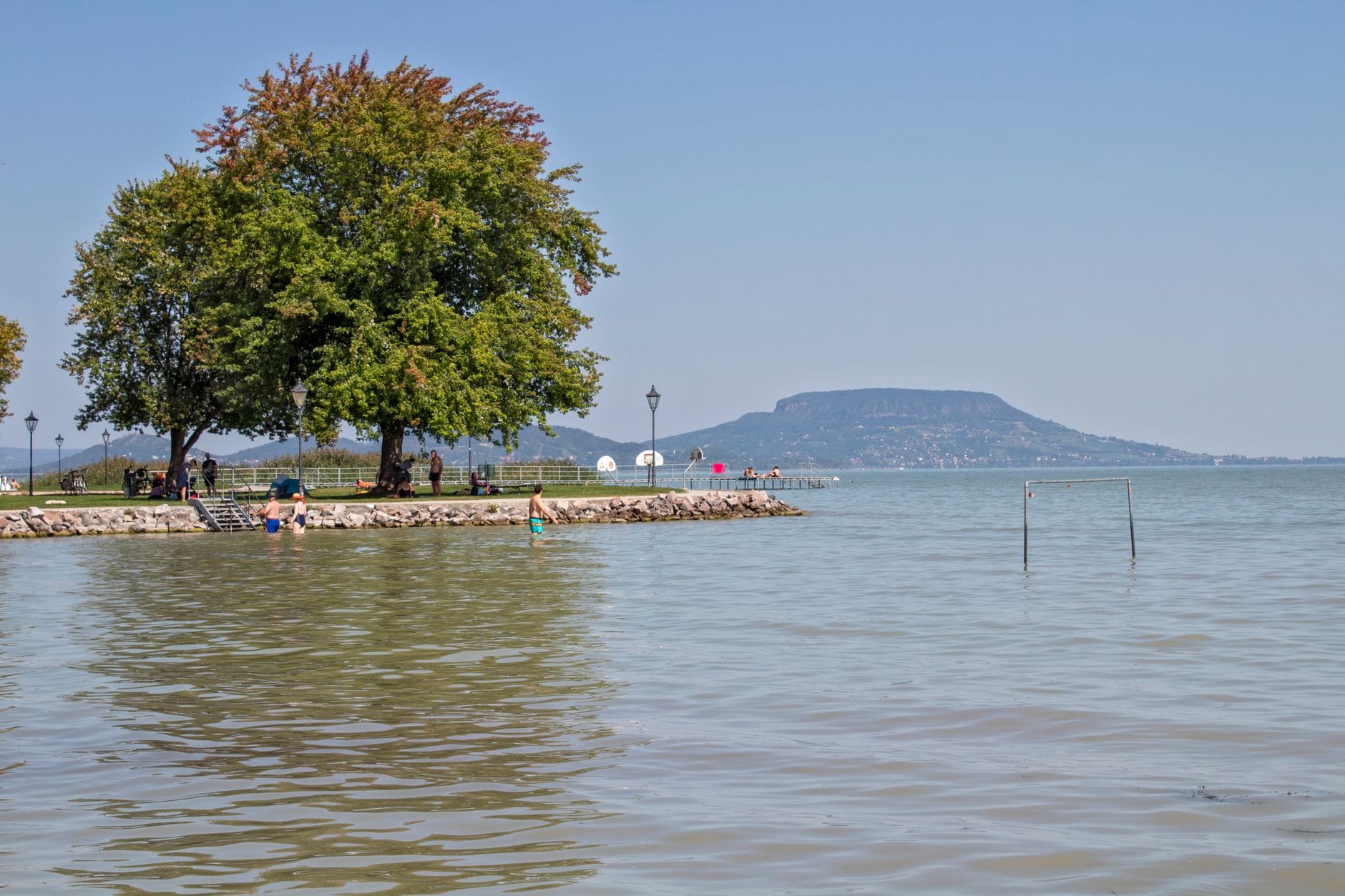
Lake Balaton is the largest lake in Central Europe, stretching roughly 80 km in length with around 180 settlements along its shoreline. The lake is famously shallow on the southern shore — averaging 3 to 4 meters — which means the water warms quickly in summer, reaching 25°C or above by July. The northern shore has slightly cooler, deeper water and a more scenic backdrop of vine-covered hills.
From Budapest Déli station, trains reach Balatonfüred on the northern shore in about 1 hour 45 minutes, and services continue along both shores to other lakeside towns. The swimming and beach season runs reliably from mid-June through the end of August. Outside these months, much of the lake's resort infrastructure closes — visiting in April or October means quieter scenery but limited facilities. Balatonfüred is one of the more pleasant lakeside towns for a day visit, with a historic promenade and good connections back to Budapest.
⚠️ What to skip
A common mistake is assuming Balaton is a quick detour. The fastest train journeys are 1 hour 30 minutes to 2 hours each way depending on your destination on the lake. Factor in at least 5 to 6 hours at the lake to make the travel worthwhile. Peak summer weekends see significantly higher demand on these services — book ahead and expect crowded trains on Friday evenings returning to Budapest.
Vienna: A Day Trip That Requires Honest Expectations
Vienna is technically a viable day trip from Budapest, and plenty of people do it. The Railjet service from Budapest Keleti reaches Wien Hauptbahnhof in about 2 hours 40 minutes, with several departures daily. Advance fares start around €20 each way with ÖBB (Austrian Federal Railways), though booking close to the date can push costs significantly higher. A realistic budget for a DIY day in Vienna — train, two museum entries, lunch, and transport within the city — runs around €80 to €90 per person.
The more important question is whether one day in Vienna is enough to be satisfying. Realistically, you get around 6 to 7 hours in the city after accounting for travel. That's enough for the Kunsthistorisches Museum or Belvedere plus a walk through the Innere Stadt, but it's a rushed experience for a city of Vienna's scale. If your trip already covers multiple days in Budapest and you're curious about Vienna, the day trip works. If Vienna is on your radar as a destination in its own right, consider the Budapest to Prague route as an alternative multi-city option that uses similar rail connections.
- Szentendre Best for: easy half-day or full day, art and architecture, no planning required. HÉV H5 from Batthyány tér, ~40 min, ~€2 each way.
- Esztergom + Visegrád Best for: history, river scenery, and hiking. Train from Nyugati to Esztergom (~1h30), combine with seasonal boat to Visegrád. Around 4,000–5,500 HUF for boat-bus return.
- Eger Best for: wine, castles, and authentic Hungarian town life. IC train from Keleti (~2h), return 5,000–7,000 HUF. Book seats ahead in summer.
- Lake Balaton (Balatonfüred) Best for: swimming, lakeside walks, summer beach season. Train from Déli (~1h45). Beach season mid-June to end of August.
- Vienna Best for: art museums and grand architecture in a single long day. Railjet from Keleti (~2h40), from ~€20 each way in advance. Budget €80–90 all-in per person.
Practical Tips for Planning Day Trips from Budapest
For domestic Hungarian routes, book through the MÁV (Hungarian State Railways) website or app. InterCity services require a seat reservation in addition to a base ticket. For shorter routes like Szentendre, the HÉV system integrates with the Budapest public transport network. For Vienna, book through ÖBB's website — prices rise sharply closer to the travel date. If you plan to use Budapest's transit network extensively during your stay, check whether the Budapest Card makes sense for your itinerary, though note it covers city transport only, not intercity trains.
- For Eger and Balaton IC trains, book at least 2 to 3 days ahead in July and August, especially for Friday outward and Sunday return services.
- The HÉV to Szentendre accepts standard Budapest city transport tickets — no special fare needed for the section within the city limits, but you need a separate ticket for the section beyond.
- Eger and the Danube Bend are viable year-round day trips. Balaton is effectively a summer-only destination for swimming; off-season visits are quiet but many venues close.
- Guided tours for the Danube Bend loop (Szentendre, Visegrád, Esztergom in one day) exist and are popular, but they cover a lot of ground quickly. DIY gives you more time at whichever site interests you most.
- For any day trip, pack water and snacks. Small-town options exist but can be limited outside peak hours.
If you have three or more days in Budapest, building in one day trip makes good sense. The city itself rewards multiple days of exploration, from the Széchenyi thermal baths to the Hungarian Parliament and the ruin bar scene in the Jewish Quarter. Day trips complement rather than replace time in the capital.
For a structured overview of how to allocate your time between Budapest itself and surrounding destinations, the 3-day Budapest itinerary covers a practical schedule that can accommodate one day trip without sacrificing the key city highlights.
FAQ
What is the easiest day trip from Budapest?
Szentendre is the simplest option. The HÉV H5 suburban train runs from Batthyány tér every 10 to 20 minutes, the journey takes about 40 minutes, and fares are around €2 each way. No advance booking is needed. The town center is walkable from the station.
Can you do Vienna as a day trip from Budapest?
Yes, but it requires an early start. The Railjet train takes about 2 hours 40 minutes from Budapest Keleti to Vienna Hauptbahnhof, with several daily departures. Book through ÖBB in advance to secure fares from around €20 each way. You'll have roughly 6 to 7 hours in Vienna before needing to head back — enough for one or two major sights and lunch, but not a deep visit.
How far is Lake Balaton from Budapest?
The closest points of Lake Balaton are around 80 to 90 km from Budapest. By train from Budapest Déli station, Balatonfüred on the northern shore takes about 1 hour 45 minutes. The journey is not as short as many visitors assume — factor in at least 5 to 6 hours at the lake to make the trip worthwhile.
Is it better to take a guided tour or go independently for day trips from Budapest?
For most destinations, going independently on MÁV trains is better value and more flexible. Hungarian rail is reliable and affordable. Guided tours make sense for complex routes like the full Danube Bend loop (Szentendre, Visegrád, and Esztergom in one day), where coordinating public transport between all three towns takes more planning. For single-destination trips like Eger or Szentendre, independent travel is straightforward.
What is the best time of year for day trips from Budapest?
May to June and September to early October offer the best balance of weather, manageable crowds, and open attractions. Summer (July to August) is the only viable window for Lake Balaton swimming. The Danube Bend and Eger work well year-round, though winter days are short and some seasonal boat services don't operate. Vienna is a year-round destination.