Hidden Gems in Malta: Off the Beaten Path
Malta rewards curious travelers who look beyond the postcard highlights. From sheltered limestone inlets and rock-cut swimming holes to ancient temples and baroque palaces lost in the countryside, these are the places where the real Malta reveals itself.
Plan and book this trip
Tools from our partner Travelpayouts help you compare flights and hotels. If you book through them, we may earn a commission at no extra cost to you.
Flights
Hotels map
Most visitors to Malta follow the same well-worn circuit: Valletta, the Blue Lagoon, Mdina, done. And those places are worth your time. But Malta is a small island with a disproportionately deep inventory of history, coastline, and character, and a surprising amount of it sits just off the main tourist trail. This guide is for travelers who want to go further. Whether you have a week or a long weekend, the spots below will show you a side of the archipelago that most people miss entirely. For a broader overview of the island, our complete Malta travel guide is a useful companion, and if you're deciding how long to stay, the 7-day Malta itinerary shows how to work these lesser-known spots into a full trip.
💡 Local tip
Many of Malta's hidden spots are best visited between October and May, when temperatures are cooler, crowds are thin, and the light is softer for photography. Summer works too, but arrive early at coastal spots to claim your space.
Secret & Secluded Beaches
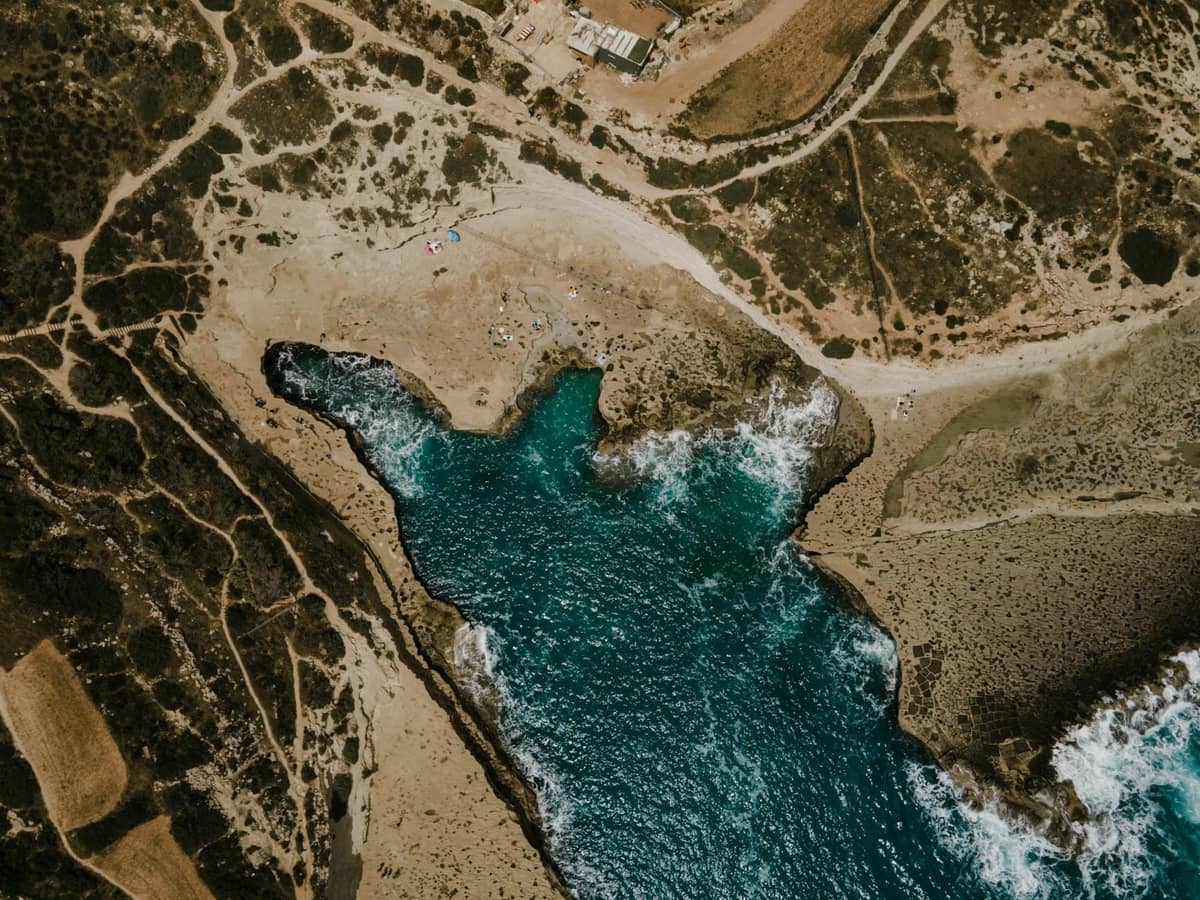
Malta's famous beaches get the crowds they deserve, but the island hides several swimming spots that most tourists never find. The key is getting off the main roads and onto the coastal paths. The best beaches in Malta covers the full spectrum, but these are the ones worth the extra effort.
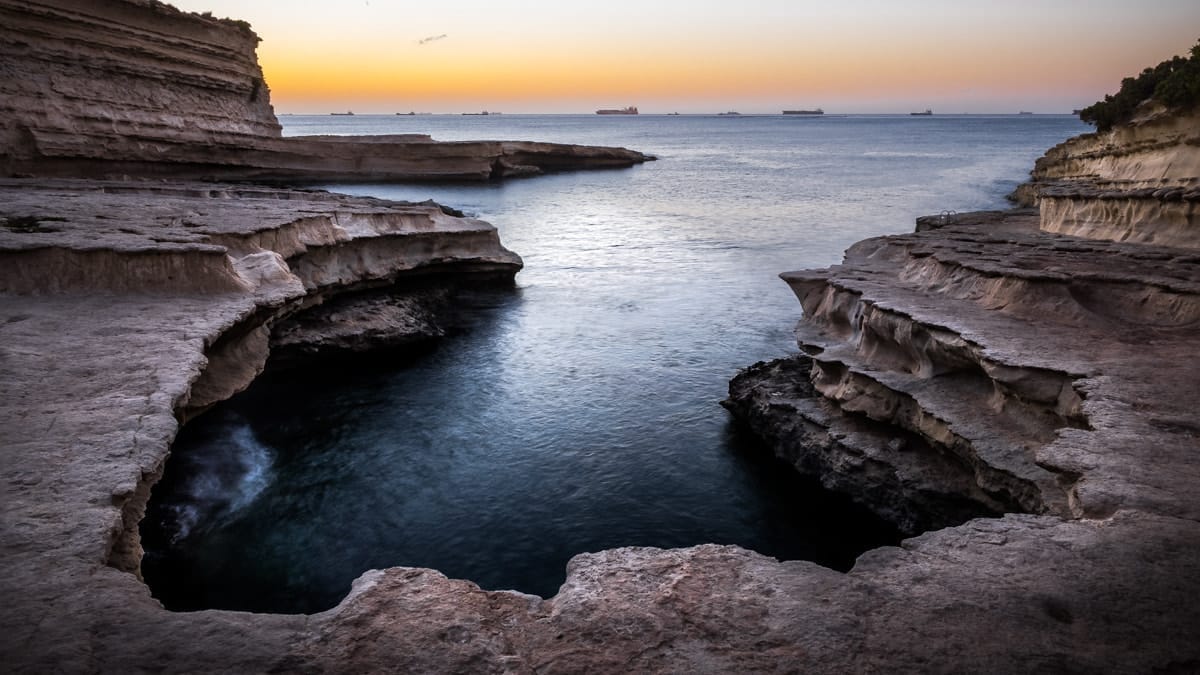
1. Swim at St. Peter's Pool, Malta's Finest Wild Swimming Spot
A natural limestone basin near Marsaxlokk with deep, impossibly clear water and flat platforms for sunbathing. Completely undeveloped, no facilities, and refreshingly local in atmosphere. Best on a weekday morning before it fills up.
Explore1. Swim at St. Peter's Pool, Malta's Finest Wild Swimming Spot
A natural limestone basin near Marsaxlokk with deep, impossibly clear water and flat platforms for sunbathing. Completely undeveloped, no facilities, and refreshingly local in atmosphere. Best on a weekday morning before it fills up.
Explore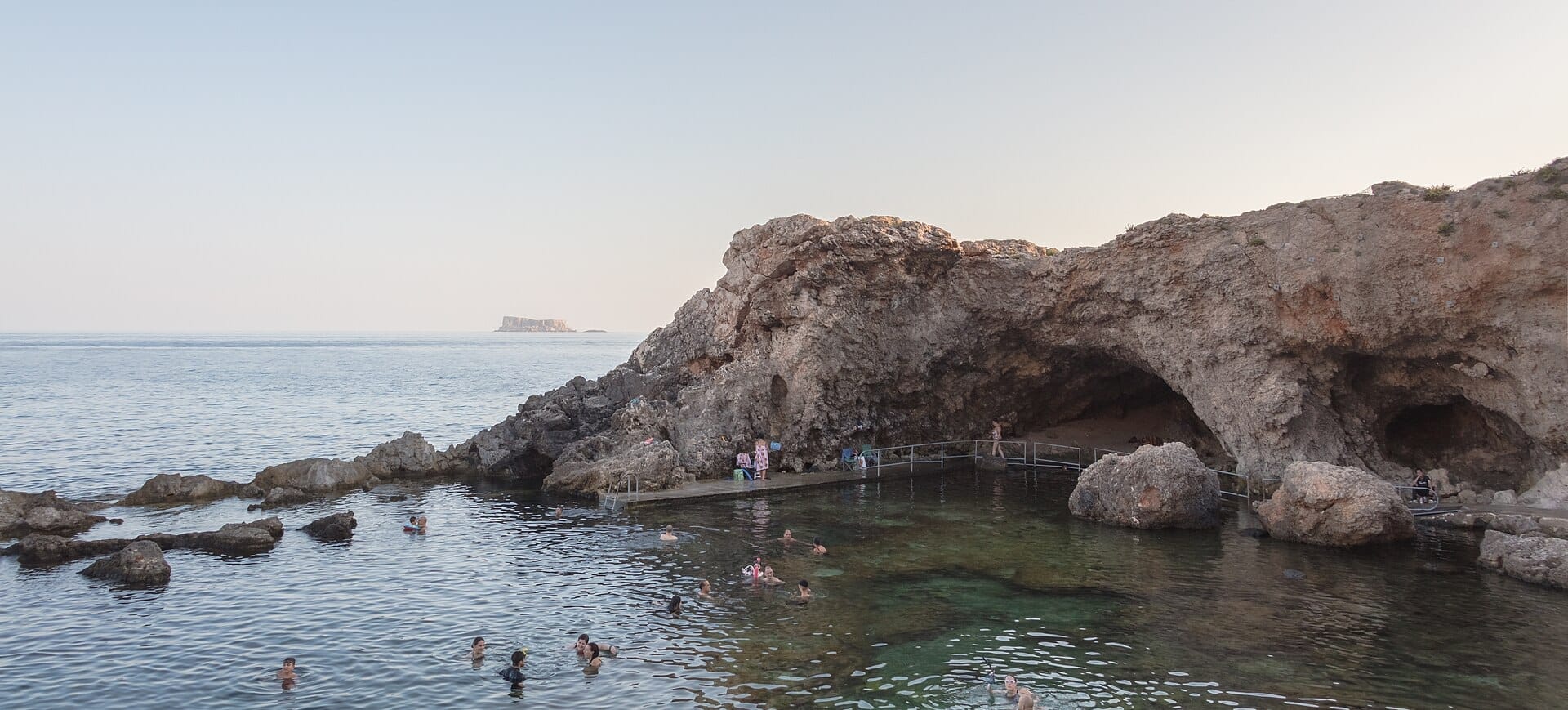
2. Discover Għar Lapsi, a Rock-Sheltered Cove on the Southwest Coast
A rugged, sheltered swimming spot with sea caves, rock ledges, and views toward the uninhabited islet of Filfla. Popular with divers and snorkelers. A small local lido operates here, but the spot stays refreshingly crowd-free year-round.
Explore2. Discover Għar Lapsi, a Rock-Sheltered Cove on the Southwest Coast
A rugged, sheltered swimming spot with sea caves, rock ledges, and views toward the uninhabited islet of Filfla. Popular with divers and snorkelers. A small local lido operates here, but the spot stays refreshingly crowd-free year-round.
Explore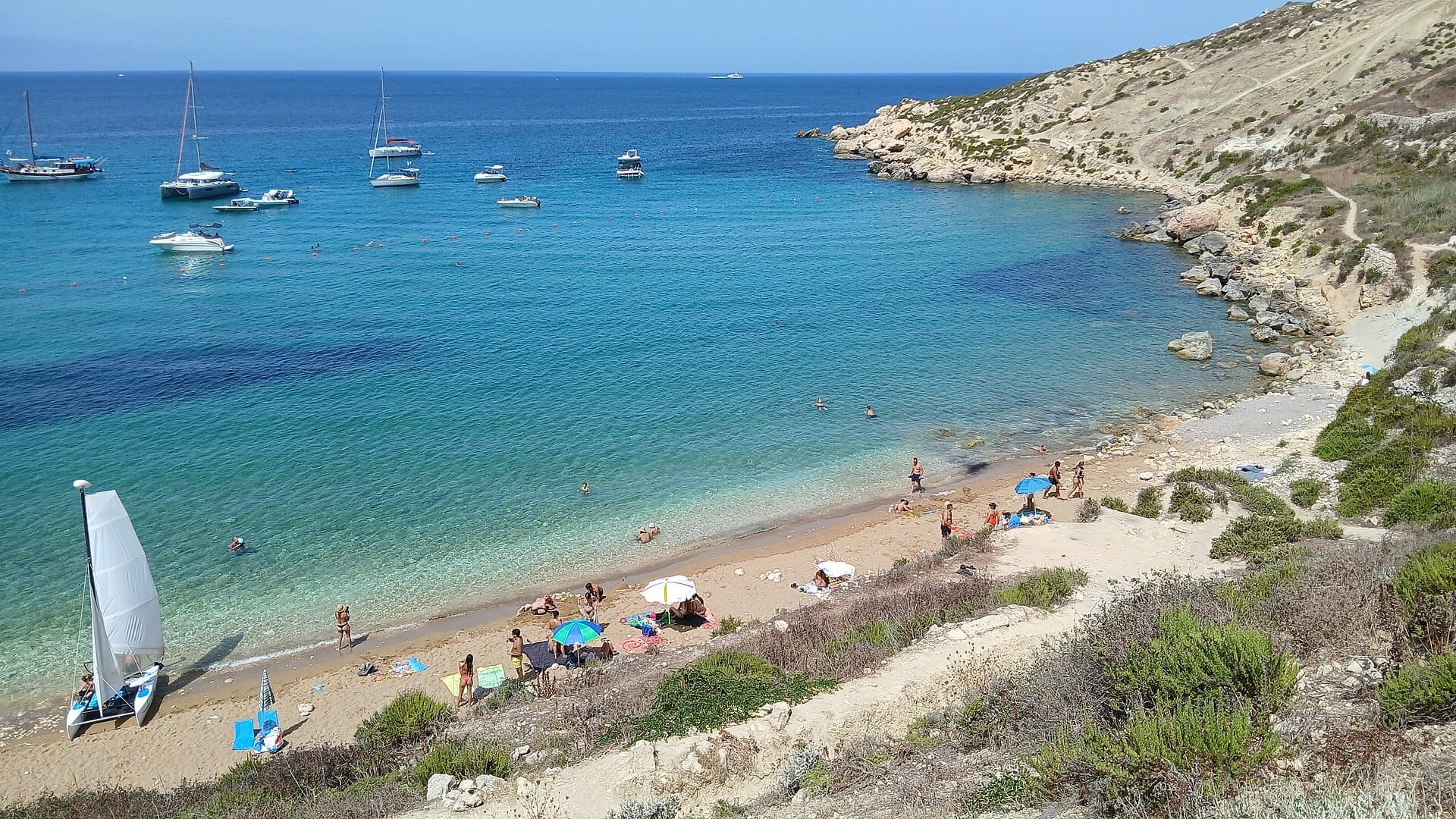
3. Find Imgiebah Bay, a Genuinely Quiet Sandy Cove Near Selmun
Reached by a rough track and short walk through farmland, this sandy bay near Mellieħa sees a fraction of the visitors that neighboring beaches attract. Clear water, no facilities, and total peace. Worth the extra navigation effort.
Explore3. Find Imgiebah Bay, a Genuinely Quiet Sandy Cove Near Selmun
Reached by a rough track and short walk through farmland, this sandy bay near Mellieħa sees a fraction of the visitors that neighboring beaches attract. Clear water, no facilities, and total peace. Worth the extra navigation effort.
Explore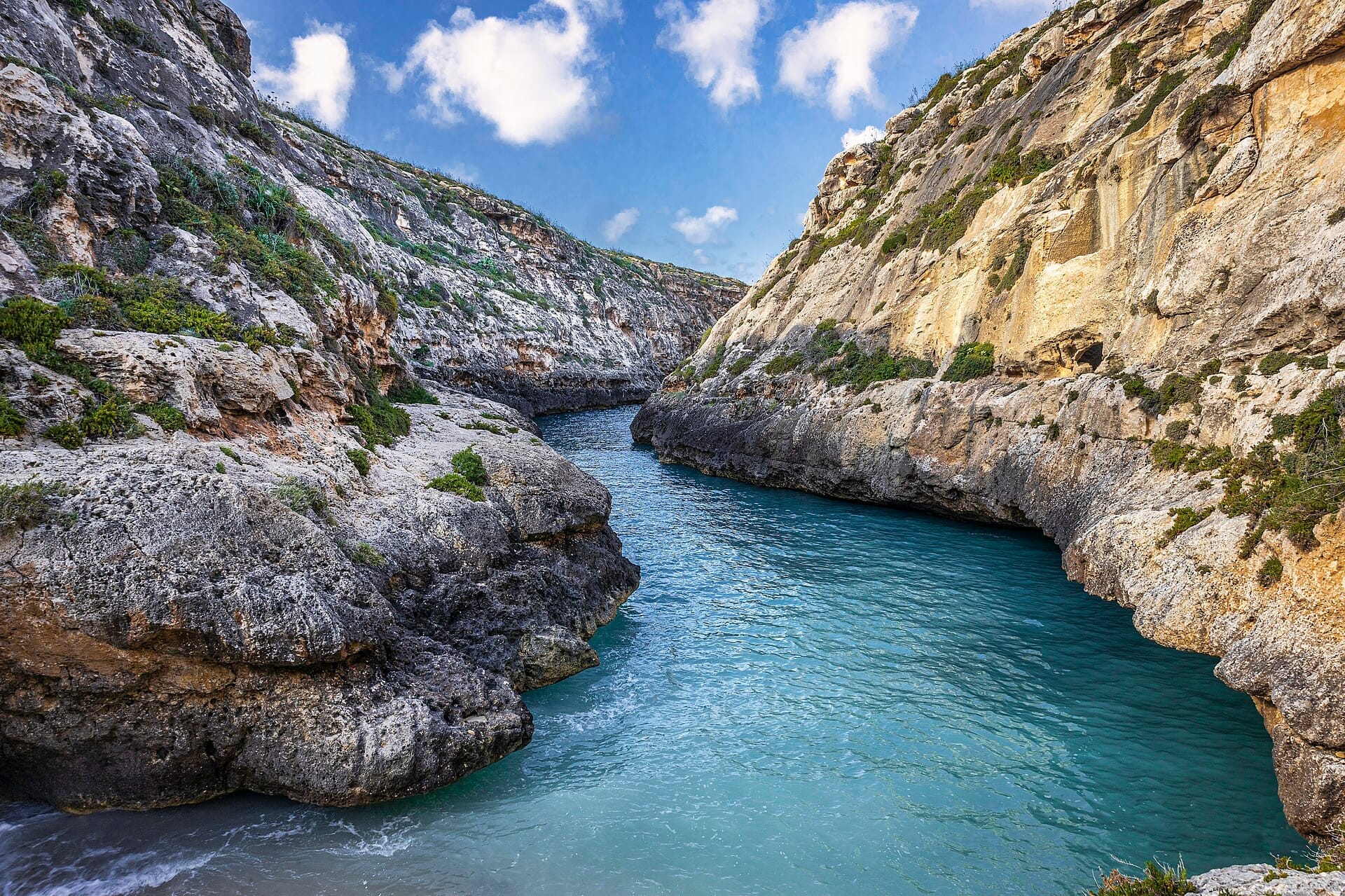
4. Descend into Wied il-Għasri, Gozo's Dramatic Fjord Beach
A narrow inlet carved into Gozo's north coast, ending at a tiny pebble beach hemmed in by towering limestone walls. The steep path down filters out casual visitors entirely. Snorkeling inside the gorge is exceptional on calm days.
Explore4. Descend into Wied il-Għasri, Gozo's Dramatic Fjord Beach
A narrow inlet carved into Gozo's north coast, ending at a tiny pebble beach hemmed in by towering limestone walls. The steep path down filters out casual visitors entirely. Snorkeling inside the gorge is exceptional on calm days.
Explore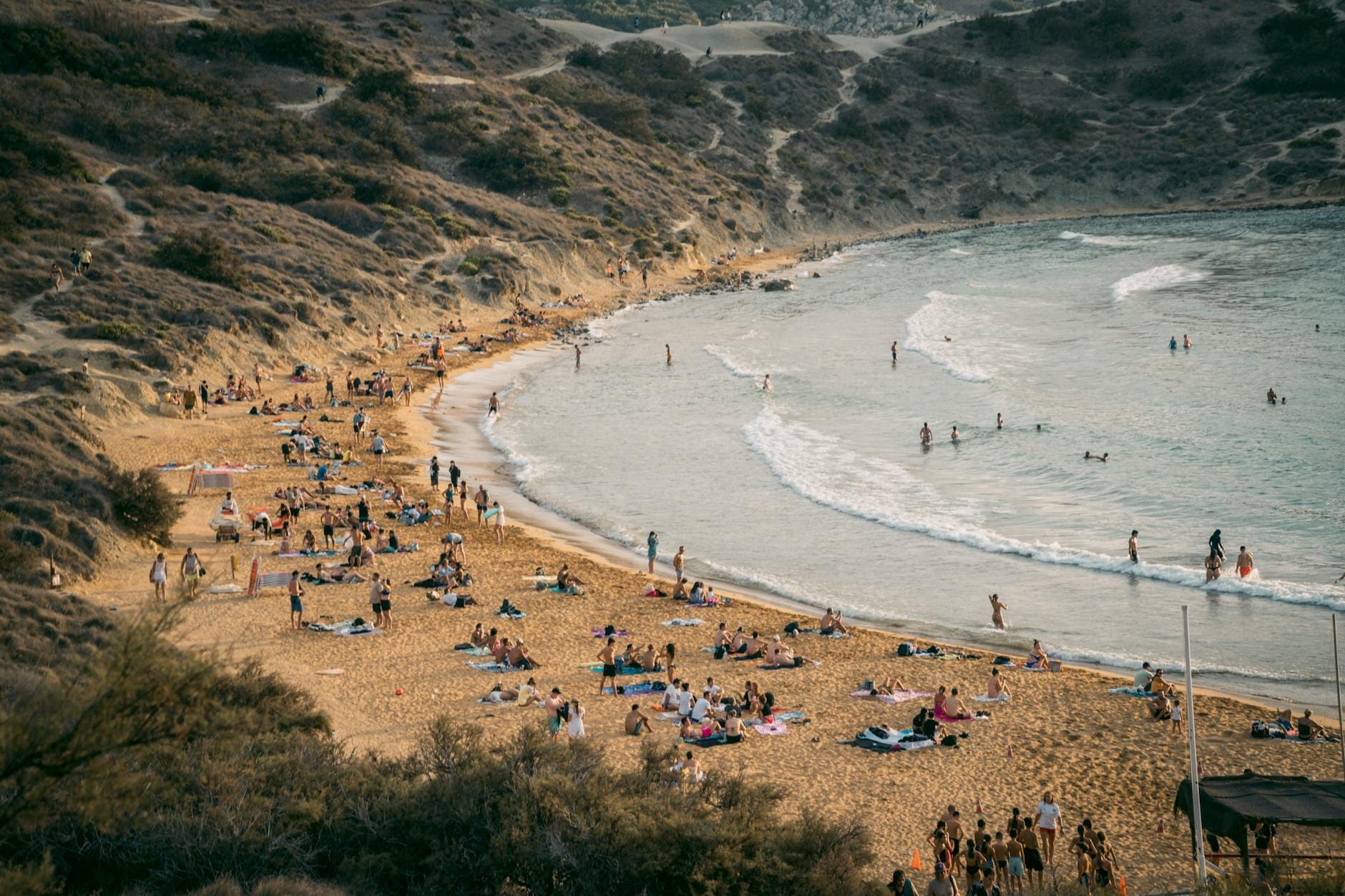
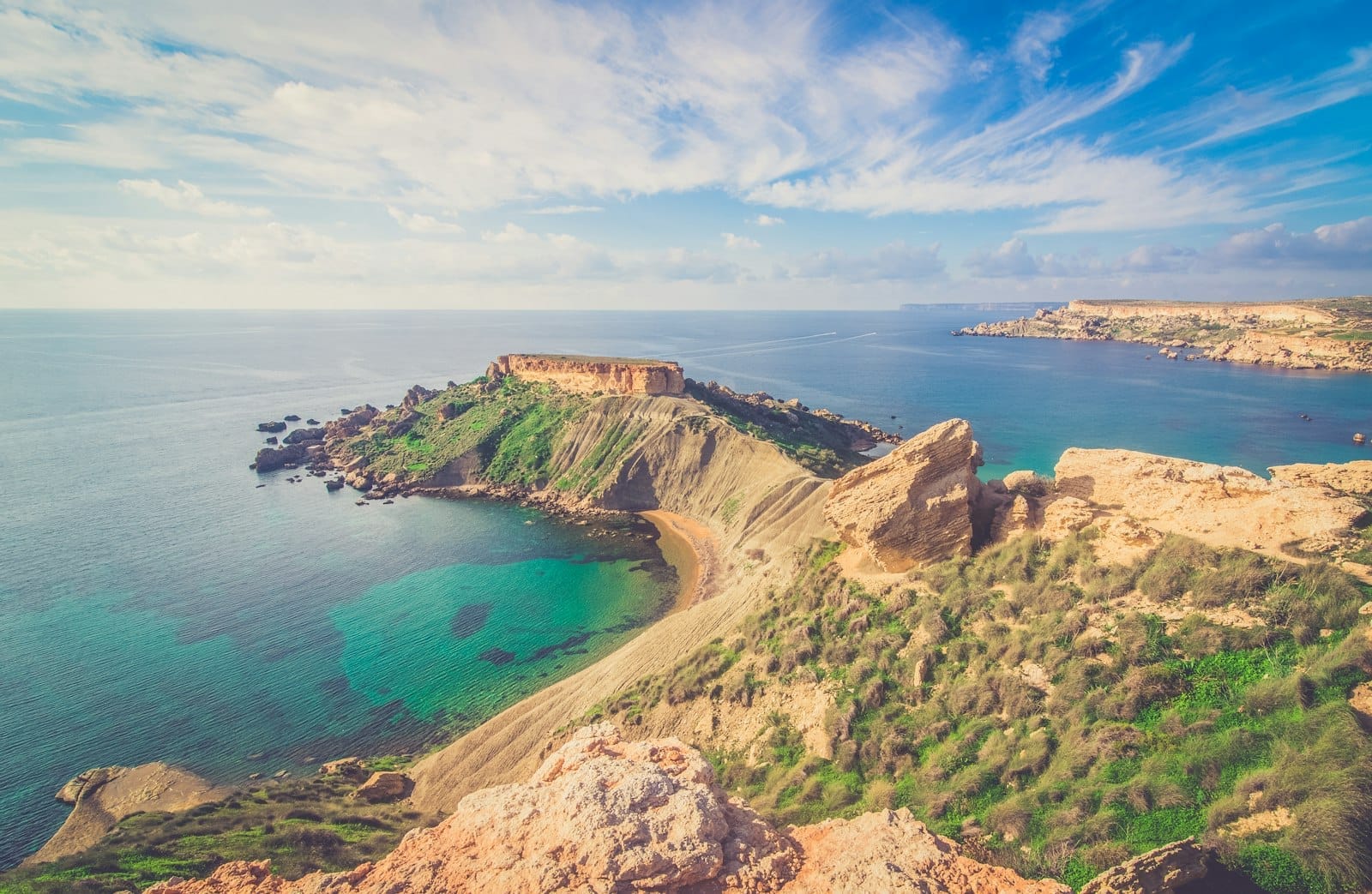
5. Earn the View at Għajn Tuffieħa Bay via the Clay Cliff Staircase
A long staircase cut into dramatic red clay cliffs leads to one of Malta's most beautiful sandy beaches. The descent deters many visitors, keeping it noticeably quieter than neighboring Golden Bay. Sunset from the clifftop above is spectacular.
Explore5. Earn the View at Għajn Tuffieħa Bay via the Clay Cliff Staircase
A long staircase cut into dramatic red clay cliffs leads to one of Malta's most beautiful sandy beaches. The descent deters many visitors, keeping it noticeably quieter than neighboring Golden Bay. Sunset from the clifftop above is spectacular.
Explore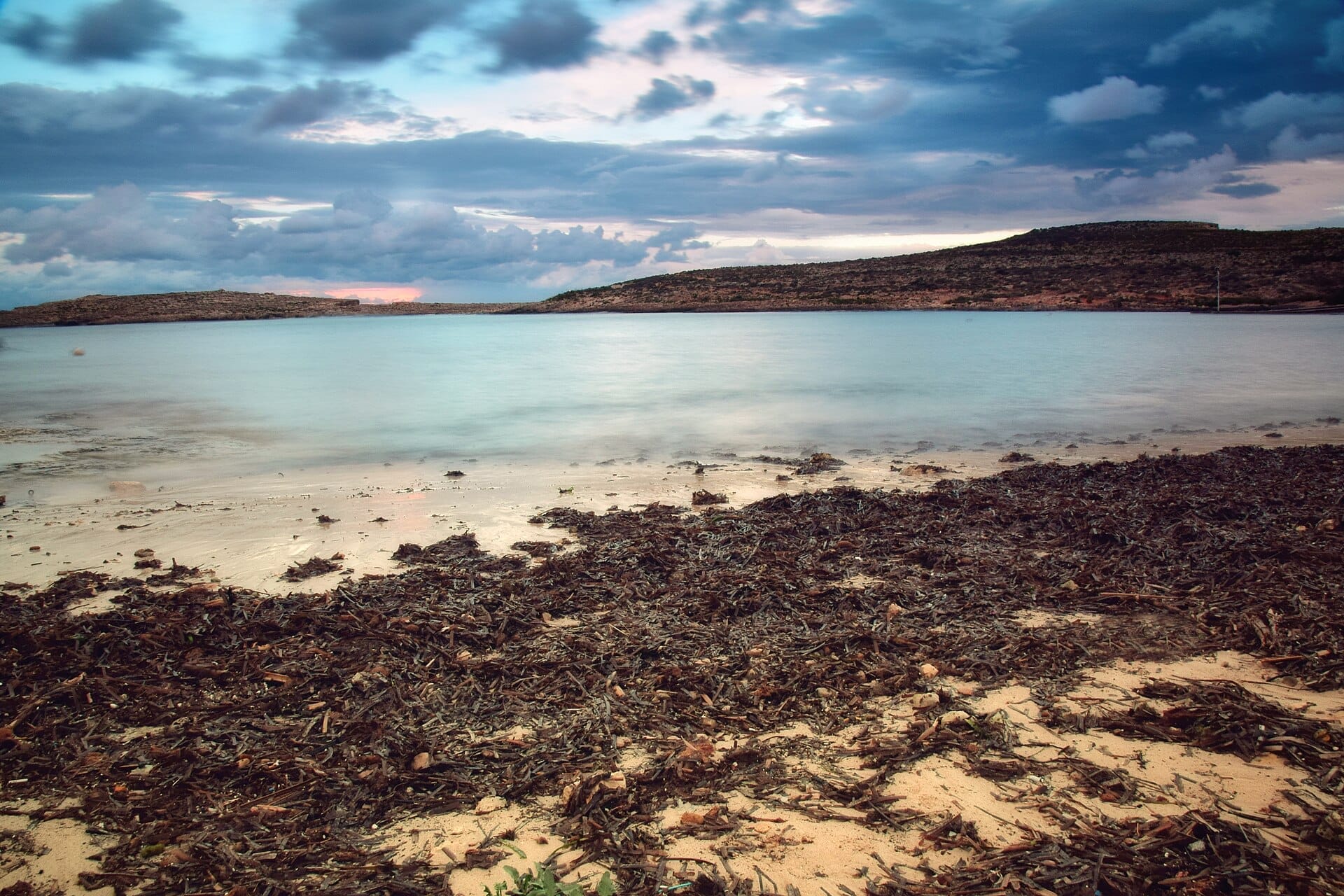
6. Escape the Blue Lagoon Crowds at Santa Marija Bay, Comino
While day-trippers pile onto Comino's Blue Lagoon, Santa Marija Bay on the island's east side offers calm shallow water, a tiny chapel, and genuine tranquility. A short walk from the main dock, it rewards those willing to explore beyond the obvious.
Explore6. Escape the Blue Lagoon Crowds at Santa Marija Bay, Comino
While day-trippers pile onto Comino's Blue Lagoon, Santa Marija Bay on the island's east side offers calm shallow water, a tiny chapel, and genuine tranquility. A short walk from the main dock, it rewards those willing to explore beyond the obvious.
ExploreDramatic Coastline & Nature Walks
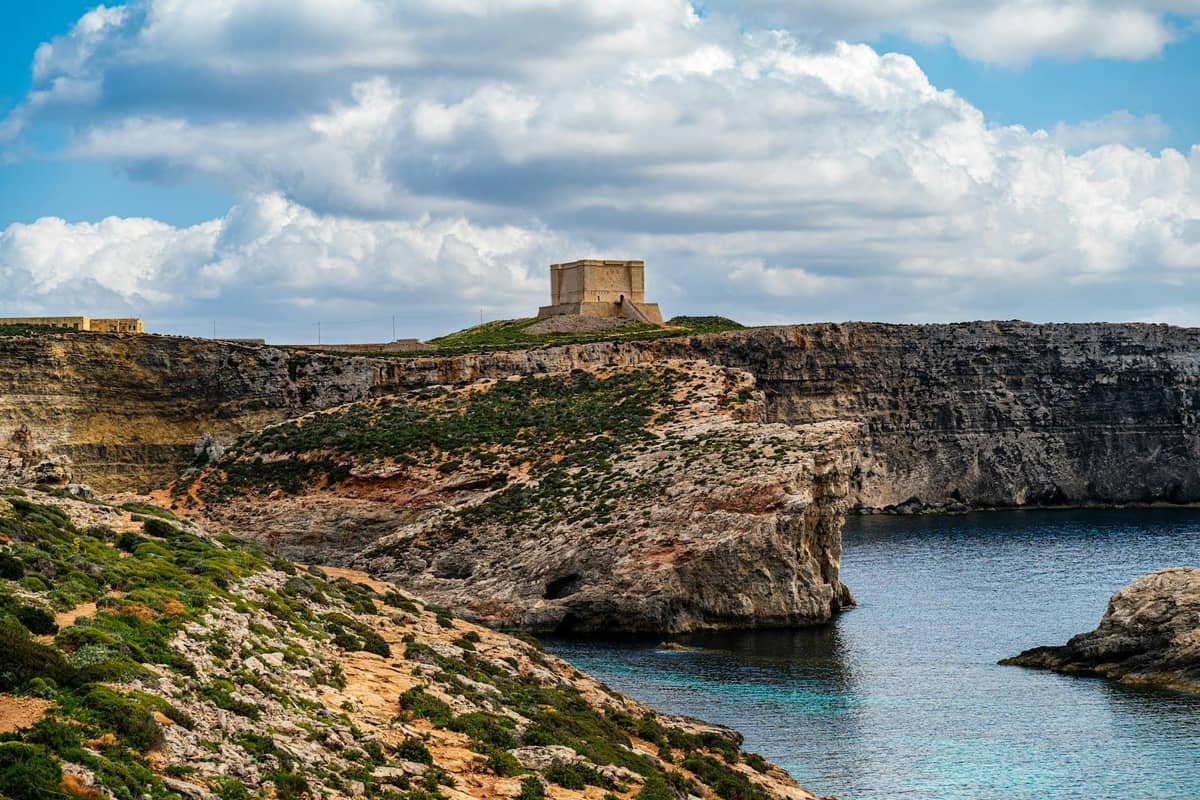
A common misconception about Malta is that it lacks nature. In reality, the islands have some of the Mediterranean's most dramatic cliff scenery, and much of it is walkable. Gozo in particular has surprisingly rewarding coastal walks, with cliffs and inlets that most visitors simply drive past.
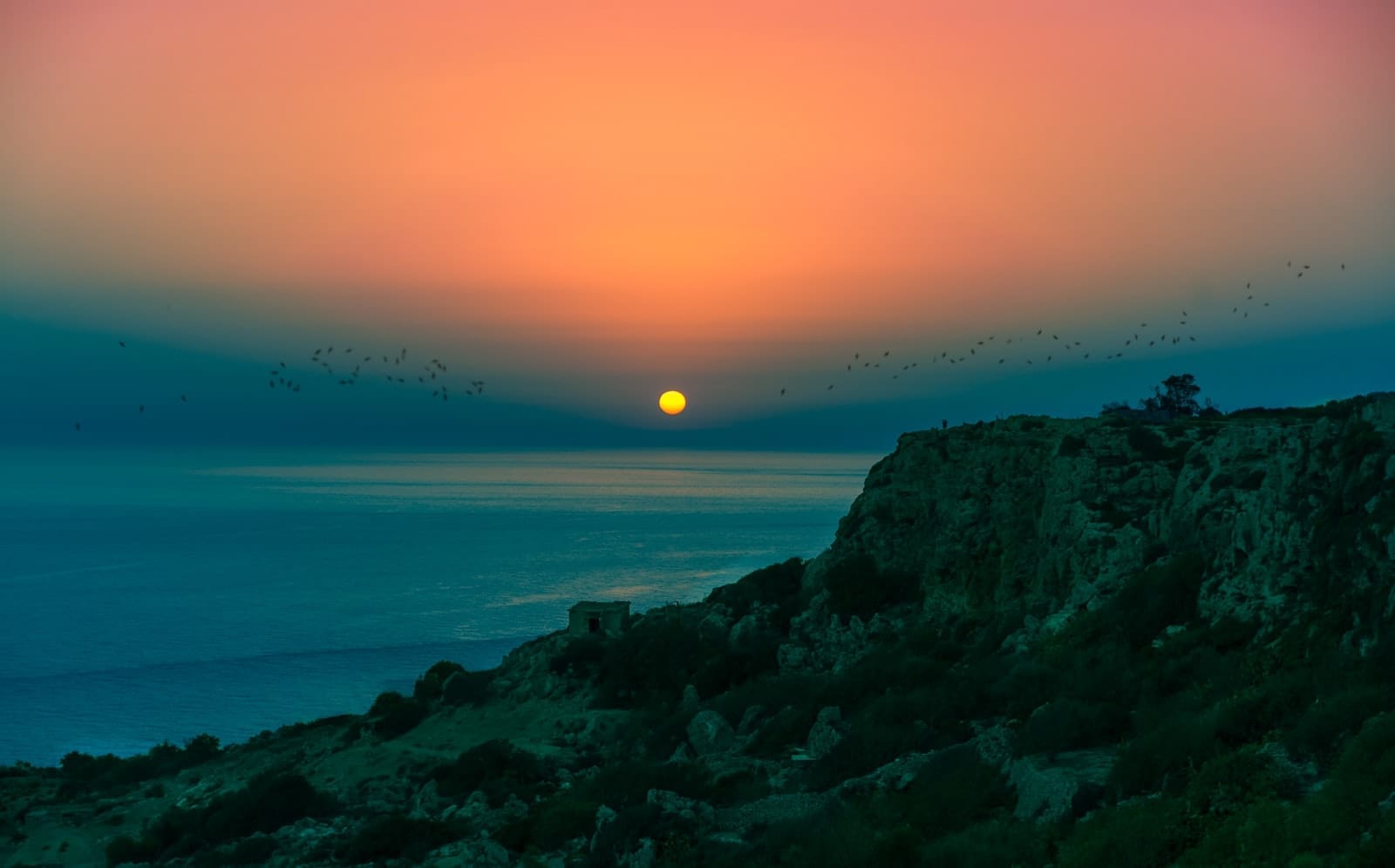
7. Walk the Dingli Cliffs at Sunset, Malta's Highest Point
Limestone cliffs dropping 250 meters to the sea with a coastal trail running along the edge. Almost no tourist infrastructure, just open sky, wild herbs underfoot, and sweeping views to the horizon. Go on a clear evening when the rock turns golden.
Explore7. Walk the Dingli Cliffs at Sunset, Malta's Highest Point
Limestone cliffs dropping 250 meters to the sea with a coastal trail running along the edge. Almost no tourist infrastructure, just open sky, wild herbs underfoot, and sweeping views to the horizon. Go on a clear evening when the rock turns golden.
Explore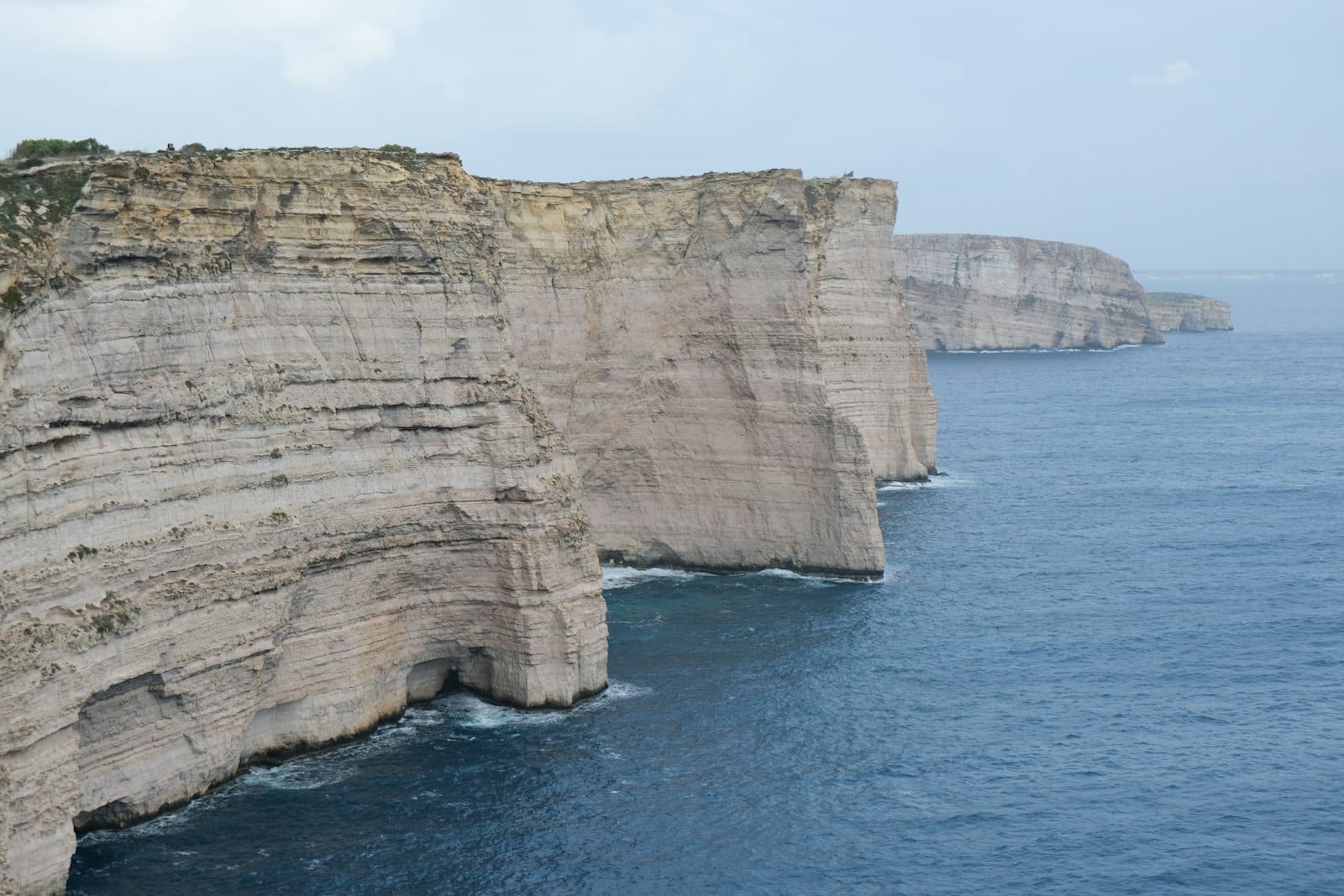
8. Hike Gozo's Sanap Cliffs for Panoramic Sea Views
Gozo's southern coast hides cliff scenery that rivals anything in the Mediterranean. The coastal walk here is quiet and relatively short, leading to sheer drops and wide-open views. Few visitors make it this far south on the island. Sunset is unmissable.
Explore8. Hike Gozo's Sanap Cliffs for Panoramic Sea Views
Gozo's southern coast hides cliff scenery that rivals anything in the Mediterranean. The coastal walk here is quiet and relatively short, leading to sheer drops and wide-open views. Few visitors make it this far south on the island. Sunset is unmissable.
Explore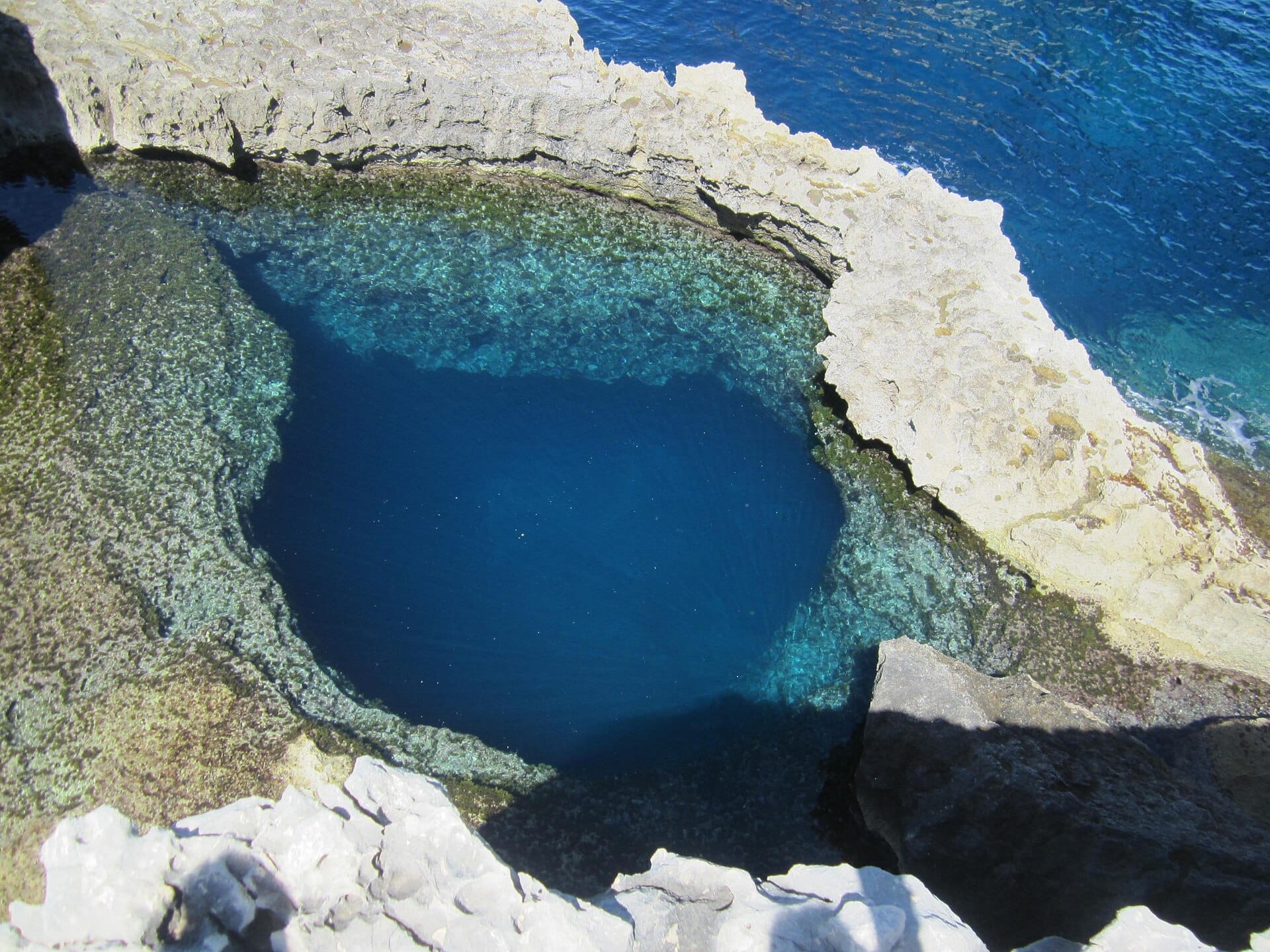
9. Explore the Dwejra Coastline Beyond the Famous Blue Hole
Most visitors come for the dive site, but the wider Dwejra area includes the eerie Inland Sea, looming Fungus Rock, and coastal paths into raw limestone landscape. Arrive early or in shoulder season to experience it without the tour groups.
Explore9. Explore the Dwejra Coastline Beyond the Famous Blue Hole
Most visitors come for the dive site, but the wider Dwejra area includes the eerie Inland Sea, looming Fungus Rock, and coastal paths into raw limestone landscape. Arrive early or in shoulder season to experience it without the tour groups.
Explore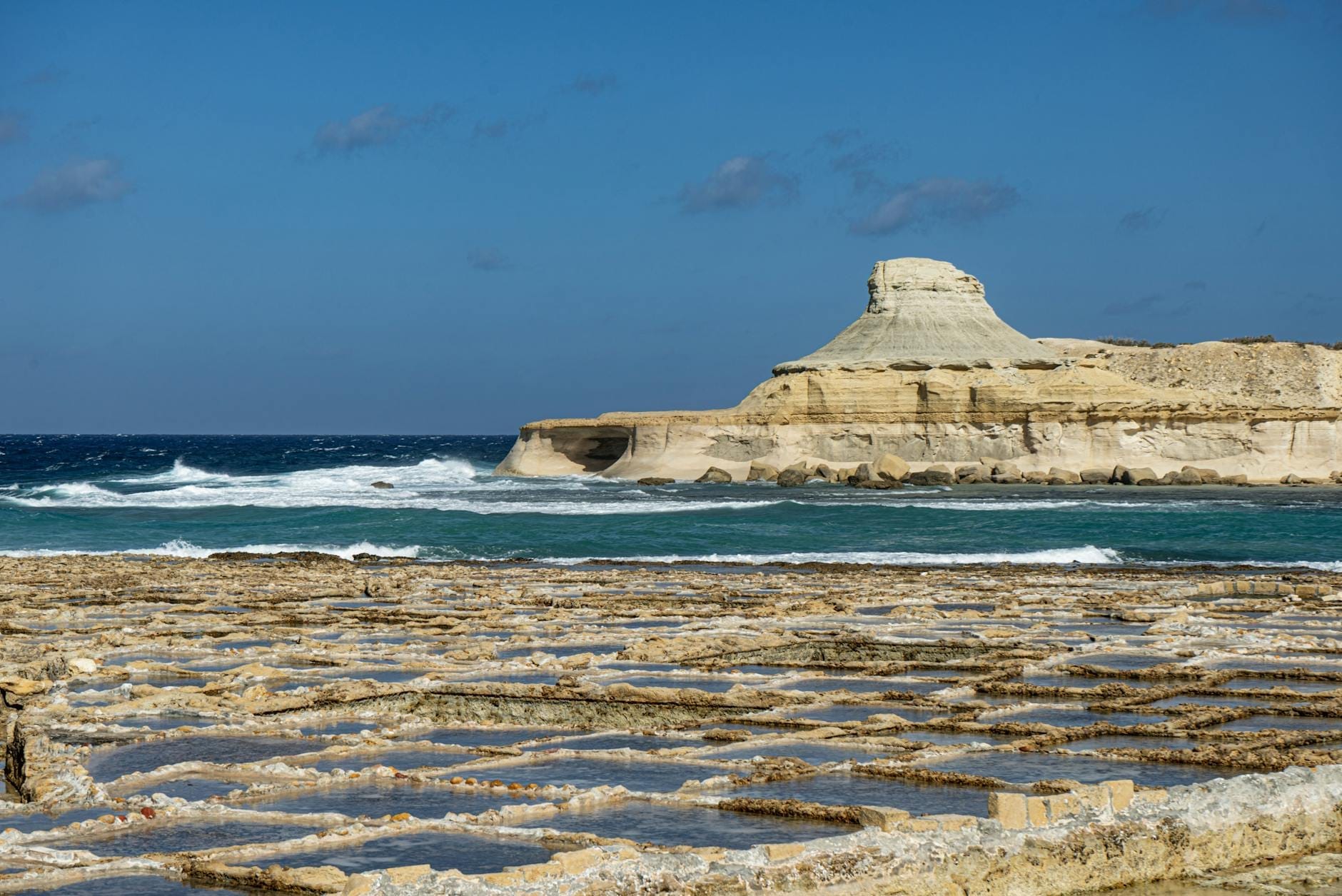
10. See the Ancient Xwejni Salt Pans at Dawn on Gozo's North Coast
Hundreds of rock-cut salt pans stretching along the coast, worked by the same Gozitan families for over 350 years. The geometric patterns carved into the limestone are particularly photogenic at sunrise. You can buy harvested sea salt directly from the salt workers.
Explore10. See the Ancient Xwejni Salt Pans at Dawn on Gozo's North Coast
Hundreds of rock-cut salt pans stretching along the coast, worked by the same Gozitan families for over 350 years. The geometric patterns carved into the limestone are particularly photogenic at sunrise. You can buy harvested sea salt directly from the salt workers.
Explore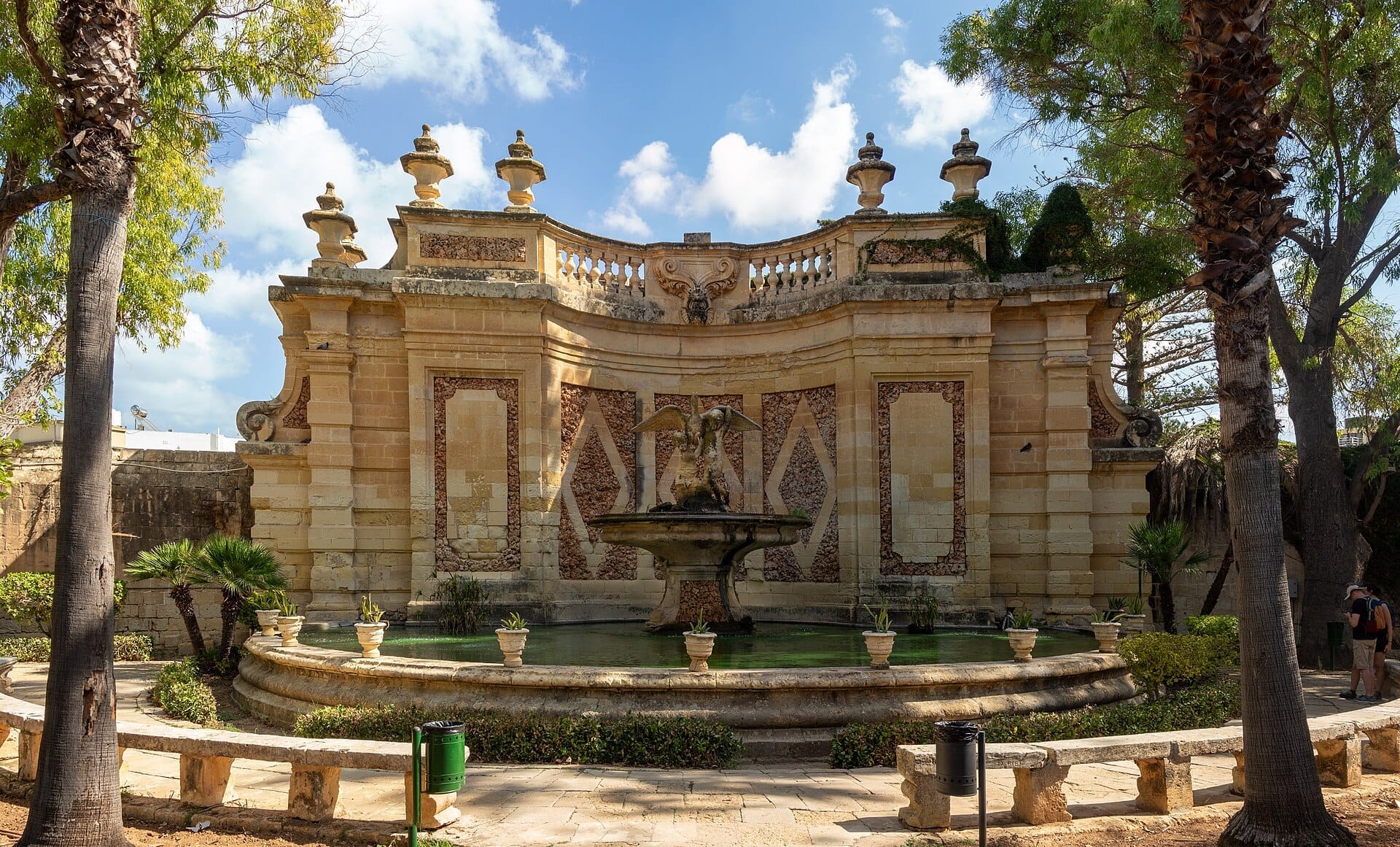
11. Escape to San Anton Gardens, Malta's Most Peaceful Public Park
Shaded walks, old carob trees, free-roaming peacocks, and formal flowerbeds surround the President's Palace in Attard. Completely free to enter, almost completely overlooked by visitors, and genuinely beautiful. Perfect for a slow morning away from the coast.
Explore11. Escape to San Anton Gardens, Malta's Most Peaceful Public Park
Shaded walks, old carob trees, free-roaming peacocks, and formal flowerbeds surround the President's Palace in Attard. Completely free to enter, almost completely overlooked by visitors, and genuinely beautiful. Perfect for a slow morning away from the coast.
ExplorePrehistoric Sites & Underrated History
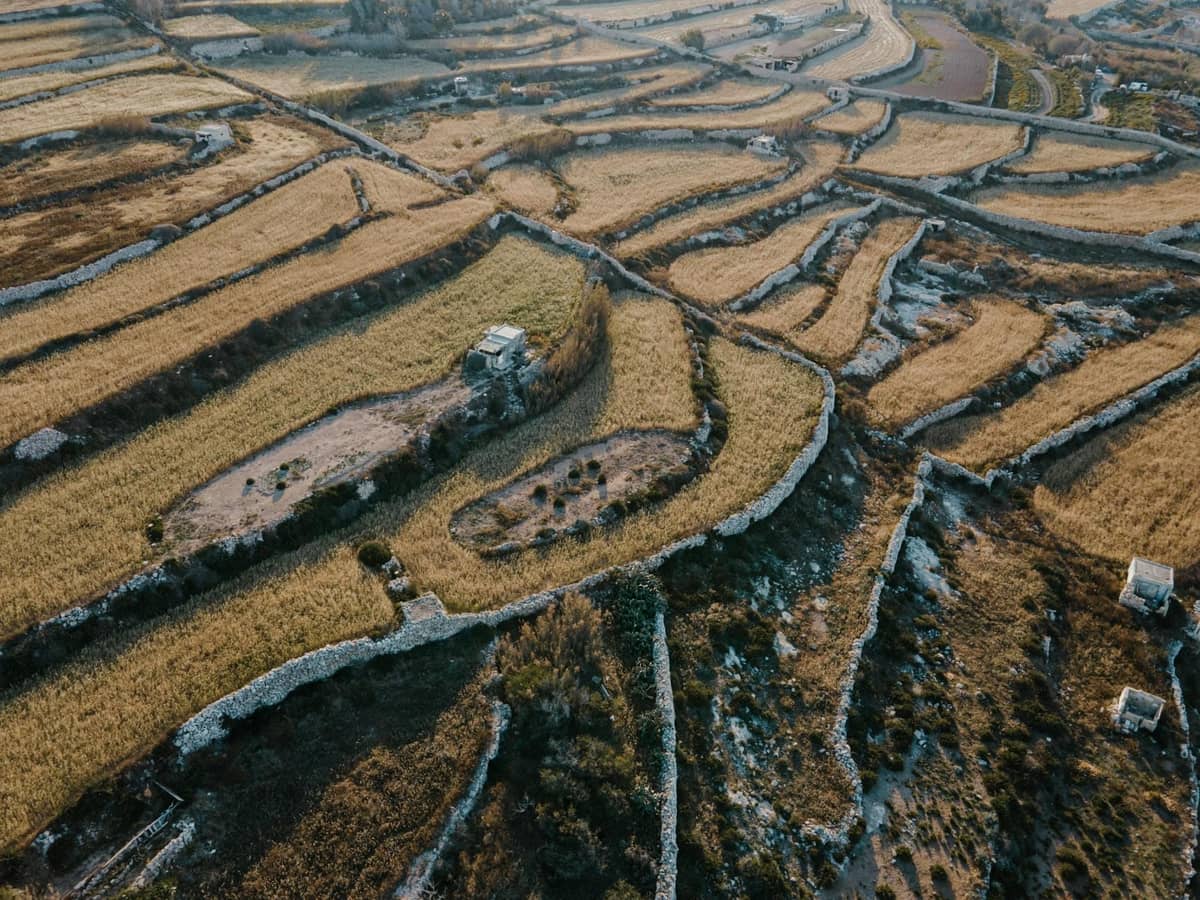
Malta has more UNESCO World Heritage Sites per square kilometer than almost anywhere on earth, yet several of the most significant are quietly tucked away with minimal visitor queues. For deeper context on Malta's ancient past, the ancient temples of Malta guide is essential reading before you visit.
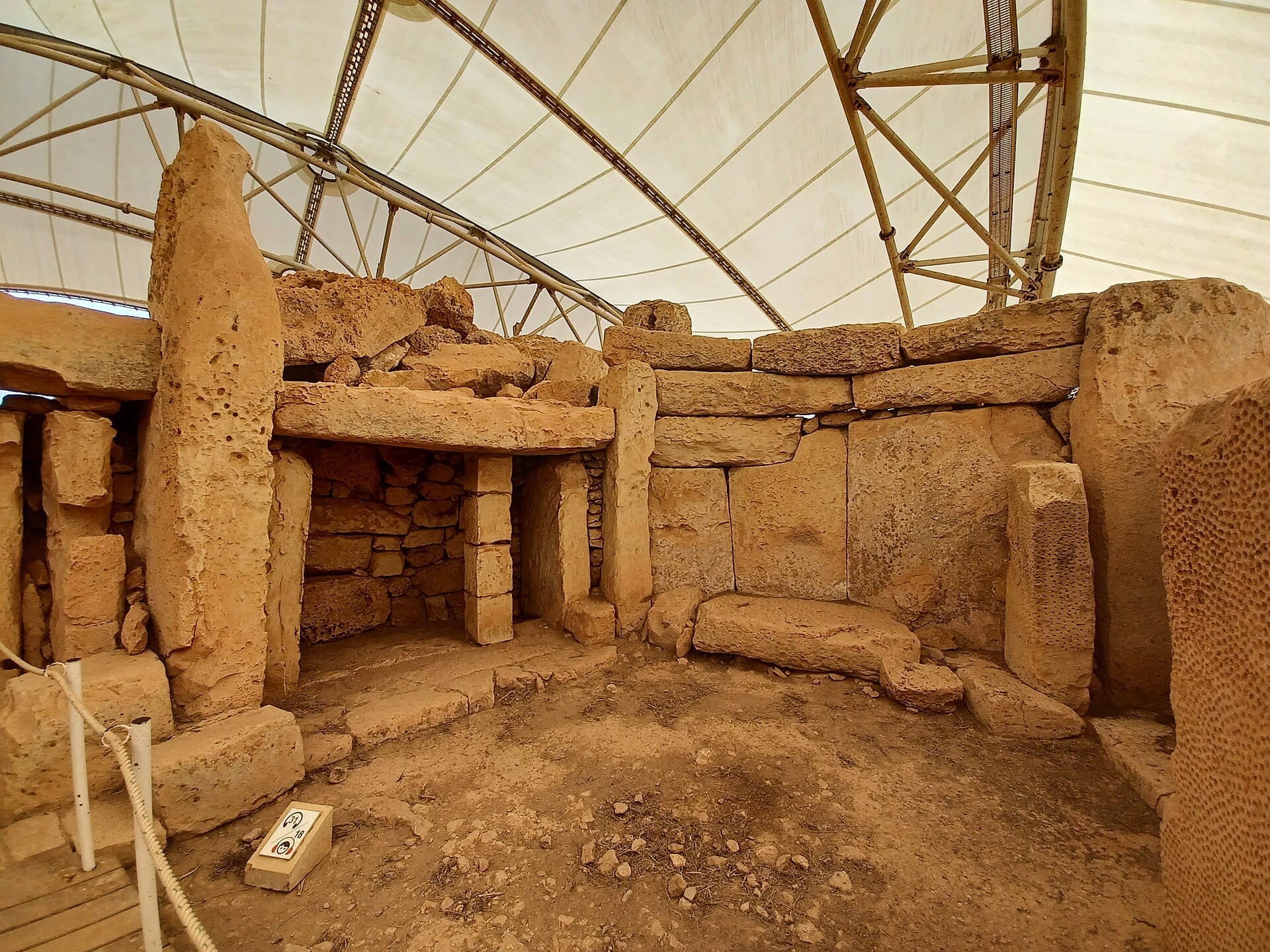
12. Visit Mnajdra Temples at Equinox for a Remarkable Astronomical Alignment
Just downhill from Ħaġar Qim, these temples are oriented so the equinox sunrise illuminates the main altar through the doorway. The clifftop setting with sea views makes this the most atmospheric of all Malta's temple sites. Often quieter than its famous neighbor.
Explore12. Visit Mnajdra Temples at Equinox for a Remarkable Astronomical Alignment
Just downhill from Ħaġar Qim, these temples are oriented so the equinox sunrise illuminates the main altar through the doorway. The clifftop setting with sea views makes this the most atmospheric of all Malta's temple sites. Often quieter than its famous neighbor.
Explore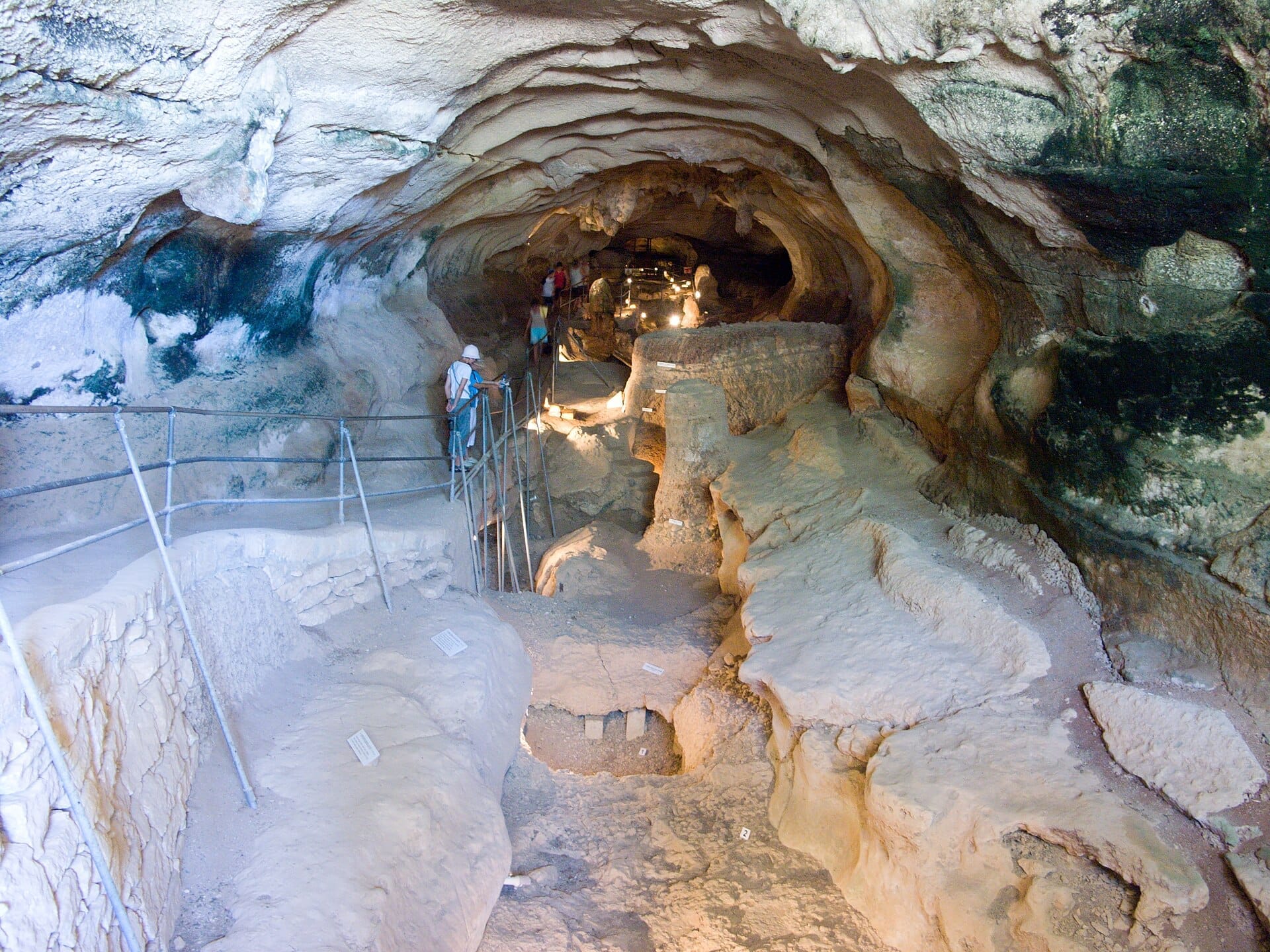
13. Uncover Għar Dalam, the Cave That Rewrote Malta's Prehistoric Timeline
This prehistoric cave in southern Malta contained bones of dwarf elephants, hippos, and early humans, revealing an island history stretching back 500,000 years. The small on-site museum is genuinely excellent. Rarely crowded, never overrated.
Explore13. Uncover Għar Dalam, the Cave That Rewrote Malta's Prehistoric Timeline
This prehistoric cave in southern Malta contained bones of dwarf elephants, hippos, and early humans, revealing an island history stretching back 500,000 years. The small on-site museum is genuinely excellent. Rarely crowded, never overrated.
Explore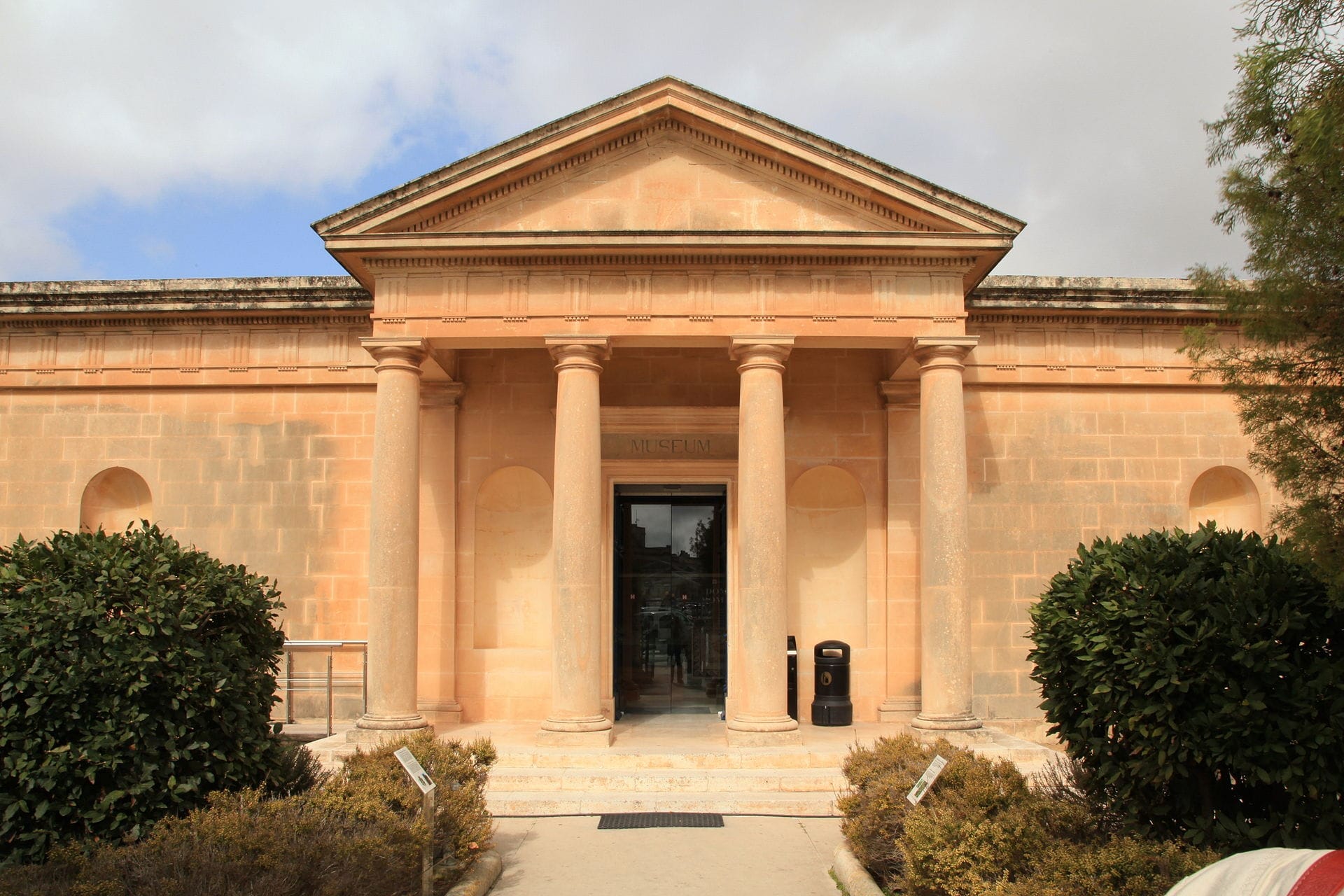
14. See Remarkably Preserved Roman Mosaics at Domus Romana in Rabat
A wealthy Roman townhouse from the 1st century BC with mosaic floors in near-perfect condition, tucked just outside Mdina's city walls. The attached museum holds artifacts found on site. Most visitors walk straight past it on the way into Mdina.
Explore14. See Remarkably Preserved Roman Mosaics at Domus Romana in Rabat
A wealthy Roman townhouse from the 1st century BC with mosaic floors in near-perfect condition, tucked just outside Mdina's city walls. The attached museum holds artifacts found on site. Most visitors walk straight past it on the way into Mdina.
Explore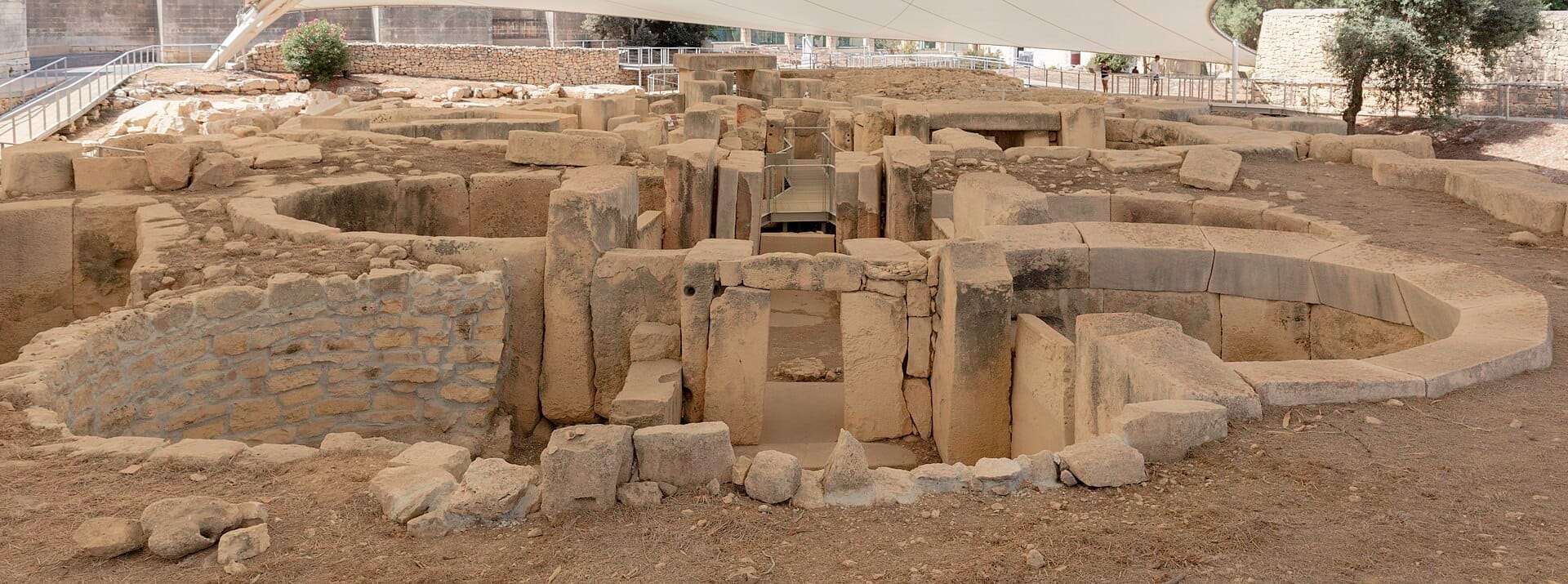
15. Explore the Carved Spirals of Tarxien Temples in a Suburban Backstreet
A UNESCO temple complex dating to 3150 BC, famous for elaborate stone carvings including spiral reliefs and animal friezes. Located in an ordinary residential neighborhood, which only adds to the surprise of what's inside. One of Malta's most important ancient sites.
Explore15. Explore the Carved Spirals of Tarxien Temples in a Suburban Backstreet
A UNESCO temple complex dating to 3150 BC, famous for elaborate stone carvings including spiral reliefs and animal friezes. Located in an ordinary residential neighborhood, which only adds to the surprise of what's inside. One of Malta's most important ancient sites.
Explore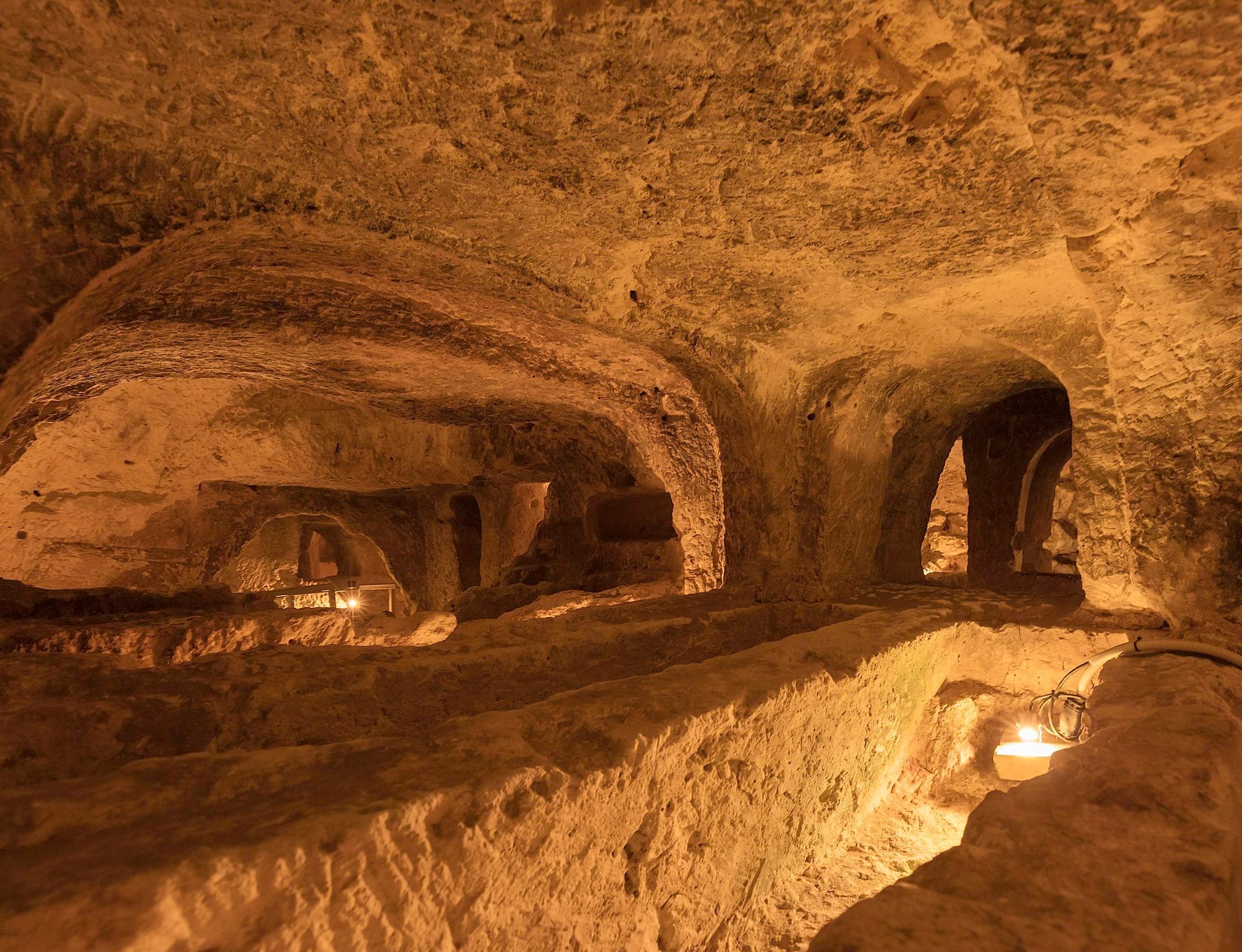
16. Descend into the Roman-Era St. Paul's Catacombs Beneath Rabat
A sprawling network of underground burial chambers from the 3rd century AD, representing some of Malta's earliest evidence of Christianity. The site is extensive, well-lit, and dramatically atmospheric. Far fewer visitors come here than the temples, despite its significance.
Explore16. Descend into the Roman-Era St. Paul's Catacombs Beneath Rabat
A sprawling network of underground burial chambers from the 3rd century AD, representing some of Malta's earliest evidence of Christianity. The site is extensive, well-lit, and dramatically atmospheric. Far fewer visitors come here than the temples, despite its significance.
ExploreHidden Architecture & Forgotten Palaces
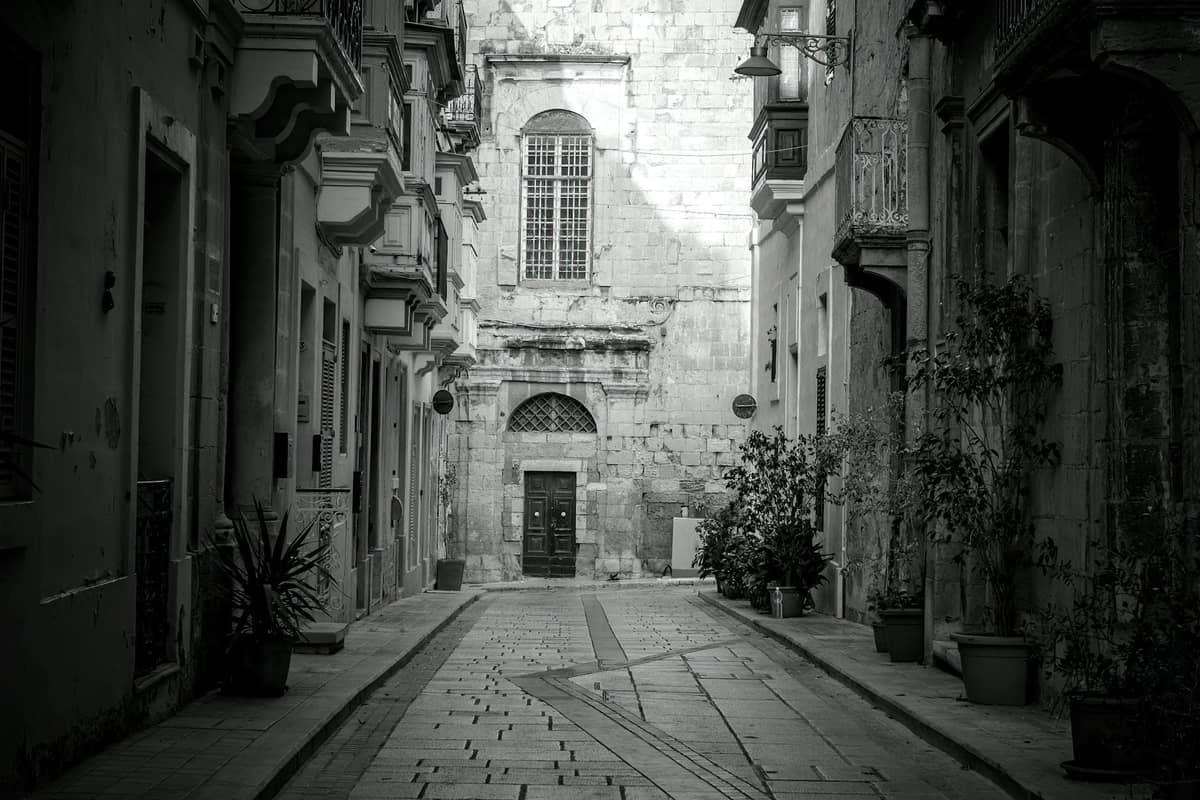
Beyond Valletta's well-trodden streets and the obvious baroque landmarks, Malta is studded with historic buildings that receive a fraction of the attention they deserve. Mdina and its surrounding area of Rabat conceal several of the best. The Knights of Malta history guide provides useful context for understanding the layers of fortification and architecture you'll encounter.
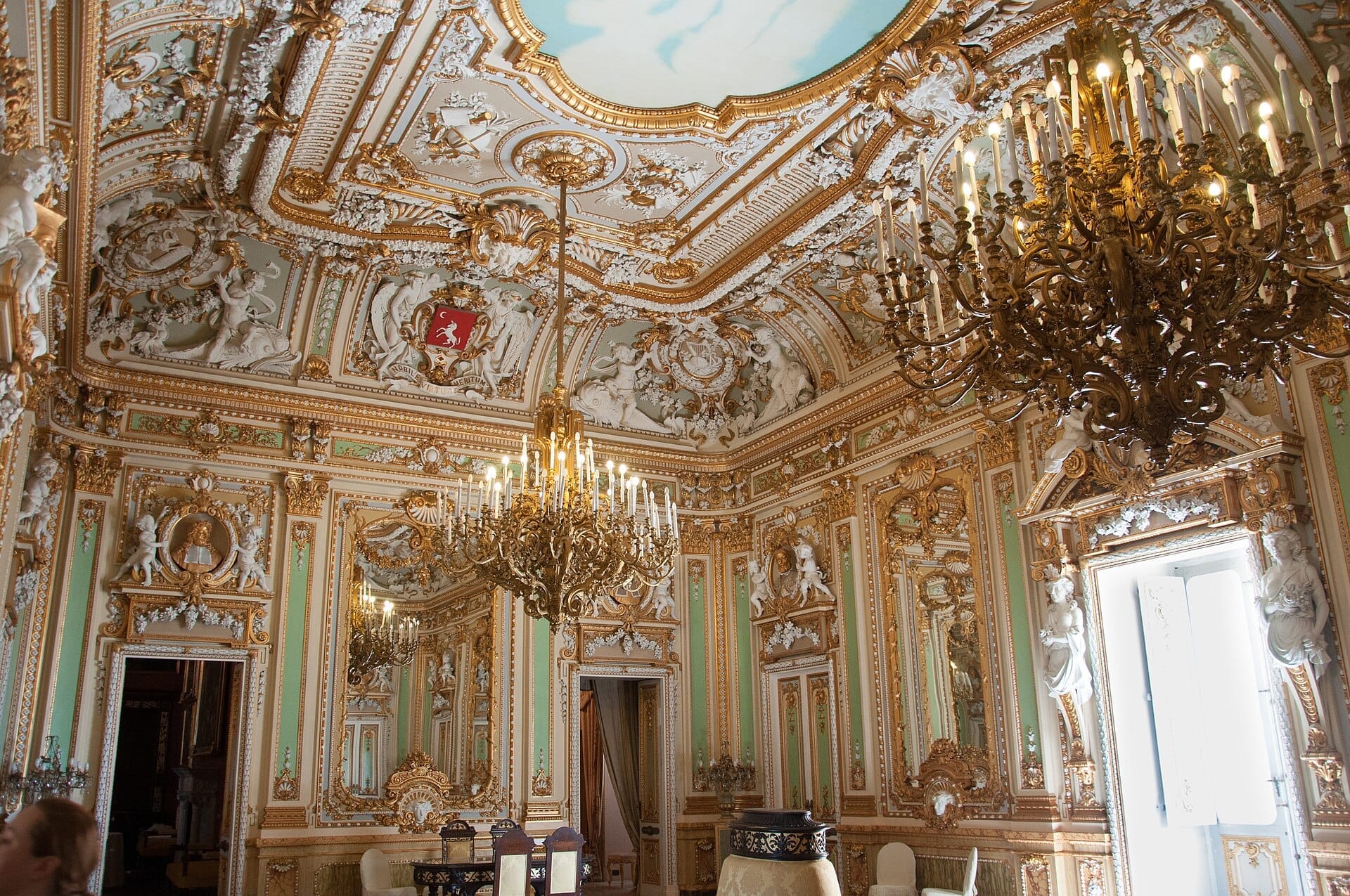
17. Tour the Lavish Palazzo Parisio, Malta's Forgotten Baroque Palace
An 18th-century palace in Naxxar with gilded ballrooms, a formal garden modeled on Versailles, and an elegant garden café. Rarely included in standard itineraries despite being one of Malta's most beautiful interiors. Entry fee is modest; the café makes a fine stop.
Explore17. Tour the Lavish Palazzo Parisio, Malta's Forgotten Baroque Palace
An 18th-century palace in Naxxar with gilded ballrooms, a formal garden modeled on Versailles, and an elegant garden café. Rarely included in standard itineraries despite being one of Malta's most beautiful interiors. Entry fee is modest; the café makes a fine stop.
Explore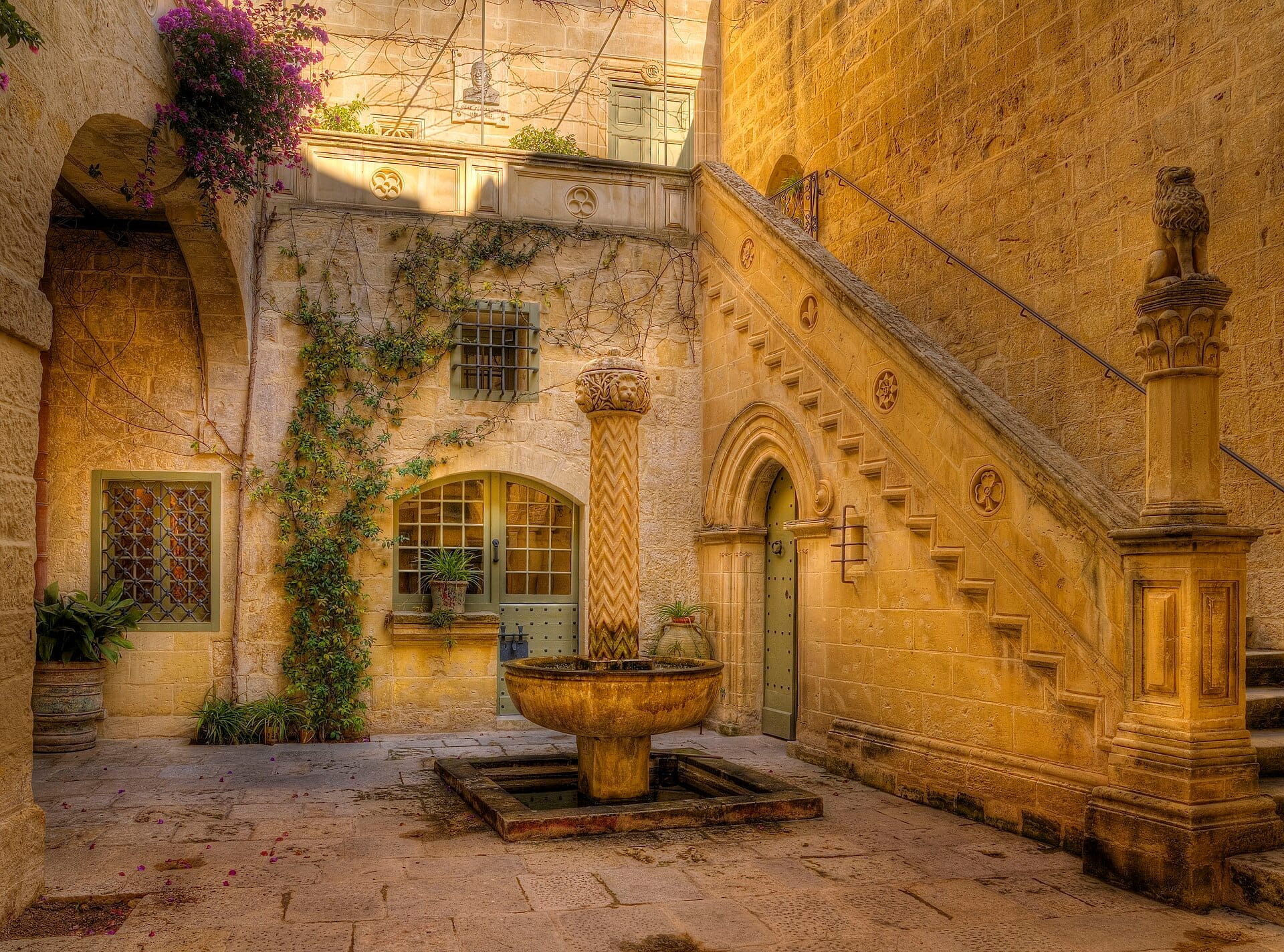
18. Browse the Eclectic Palazzo Falson Collection in the Heart of Mdina
A medieval noble house in Mdina crammed with centuries of accumulated art, silver, maps, and antiques, all left as if the owner just stepped out. The atmosphere is unlike any conventional museum. One of Malta's most rewarding interiors, and seldom busy.
Explore18. Browse the Eclectic Palazzo Falson Collection in the Heart of Mdina
A medieval noble house in Mdina crammed with centuries of accumulated art, silver, maps, and antiques, all left as if the owner just stepped out. The atmosphere is unlike any conventional museum. One of Malta's most rewarding interiors, and seldom busy.
Explore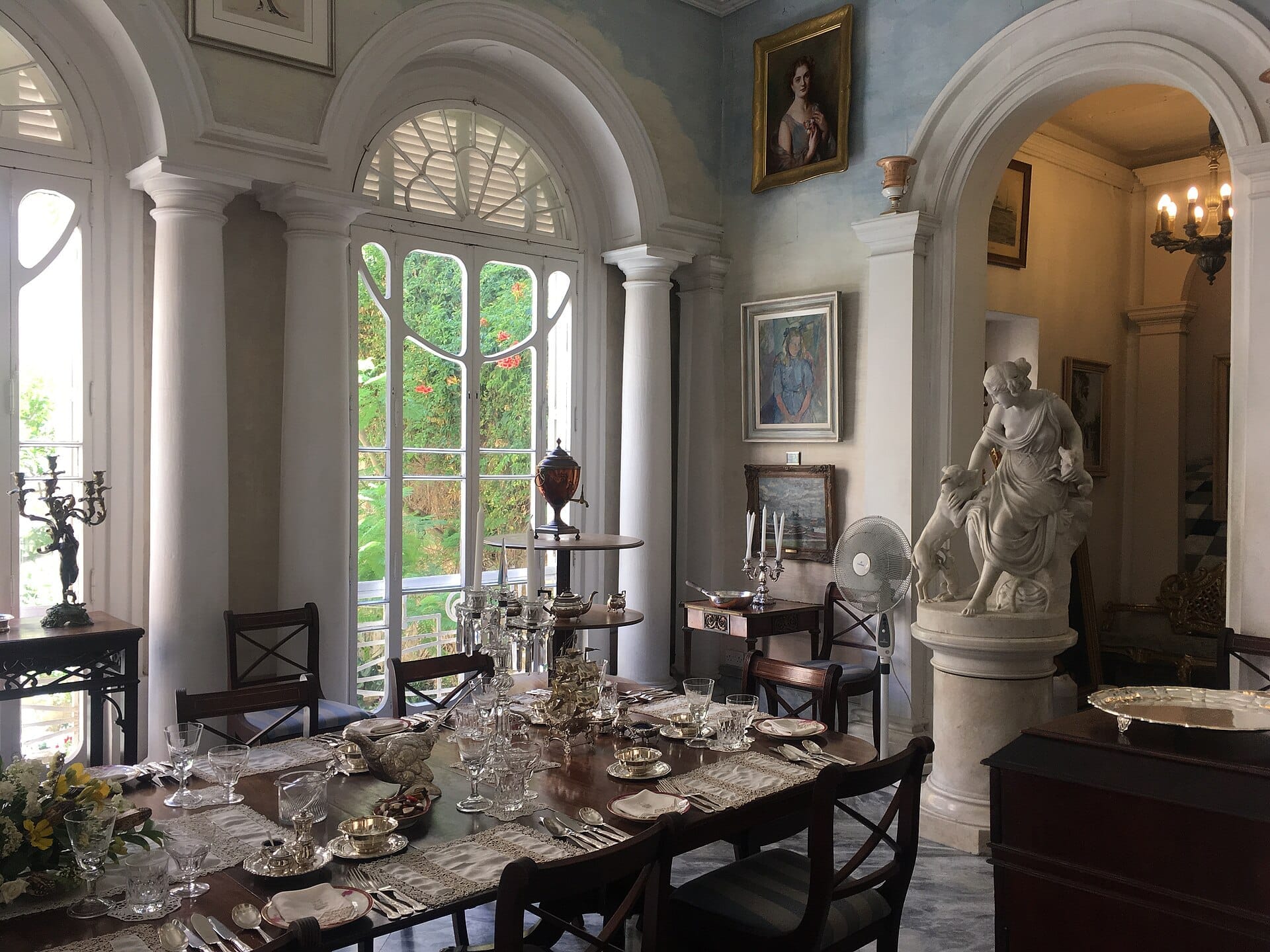
19. Get a Glimpse of Maltese Aristocratic Life at Casa Rocca Piccola
A 16th-century palace in Valletta still occupied by the De Piro family, offering guided tours through period rooms, collections of antiques and paintings, and WWII air raid shelters beneath the building. The living-history angle sets it apart from every other palace in Malta.
Explore19. Get a Glimpse of Maltese Aristocratic Life at Casa Rocca Piccola
A 16th-century palace in Valletta still occupied by the De Piro family, offering guided tours through period rooms, collections of antiques and paintings, and WWII air raid shelters beneath the building. The living-history angle sets it apart from every other palace in Malta.
Explore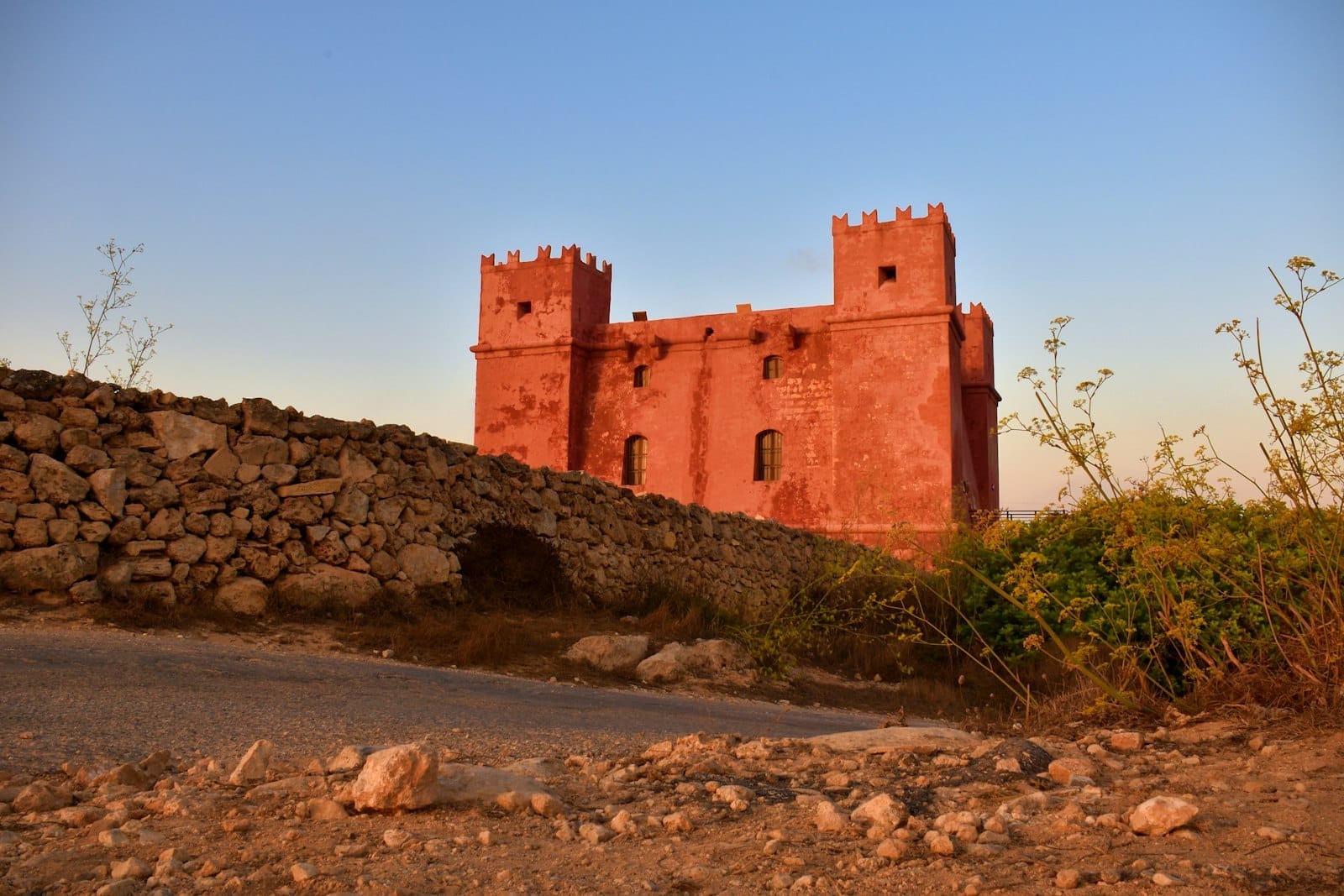
20. Climb the Red Tower for Sweeping Views Over Malta's Far North
A Knights-era watchtower painted in striking red ochre near Mellieħa, with rooftop panoramas taking in Gozo, Comino, and the northern bays. The climb is short and easy. Entry costs a few euros. It's one of the best viewpoints on the island and almost always quiet.
Explore20. Climb the Red Tower for Sweeping Views Over Malta's Far North
A Knights-era watchtower painted in striking red ochre near Mellieħa, with rooftop panoramas taking in Gozo, Comino, and the northern bays. The climb is short and easy. Entry costs a few euros. It's one of the best viewpoints on the island and almost always quiet.
Explore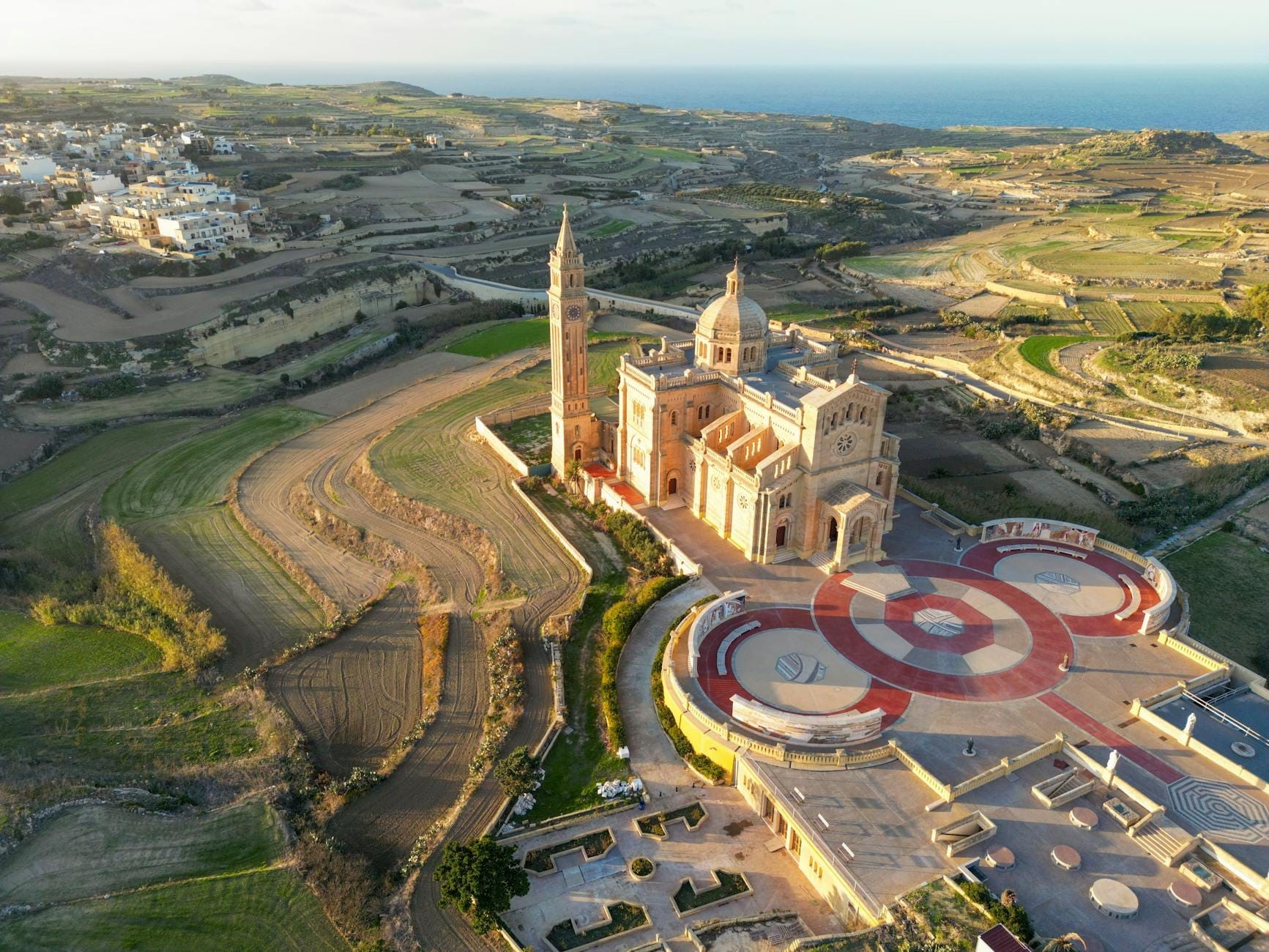
21. Visit Ta' Pinu Basilica, Gozo's Pilgrimage Church in the Open Countryside
A neogothic basilica rising incongruously from flat Gozitan farmland, built after a local woman reportedly heard the voice of the Virgin Mary in 1883. The interior is plastered with ex-voto offerings. The surrounding silence and landscape give it an otherworldly quality.
Explore21. Visit Ta' Pinu Basilica, Gozo's Pilgrimage Church in the Open Countryside
A neogothic basilica rising incongruously from flat Gozitan farmland, built after a local woman reportedly heard the voice of the Virgin Mary in 1883. The interior is plastered with ex-voto offerings. The surrounding silence and landscape give it an otherworldly quality.
ExploreOverlooked Neighbourhoods & Local Viewpoints
Some of the best experiences in Malta are free, and involve nothing more than walking into the right neighborhood at the right time. The Three Cities across the Grand Harbour from Valletta are the obvious example, explored in detail in our Three Cities guide, but there are quieter corners everywhere once you start looking.
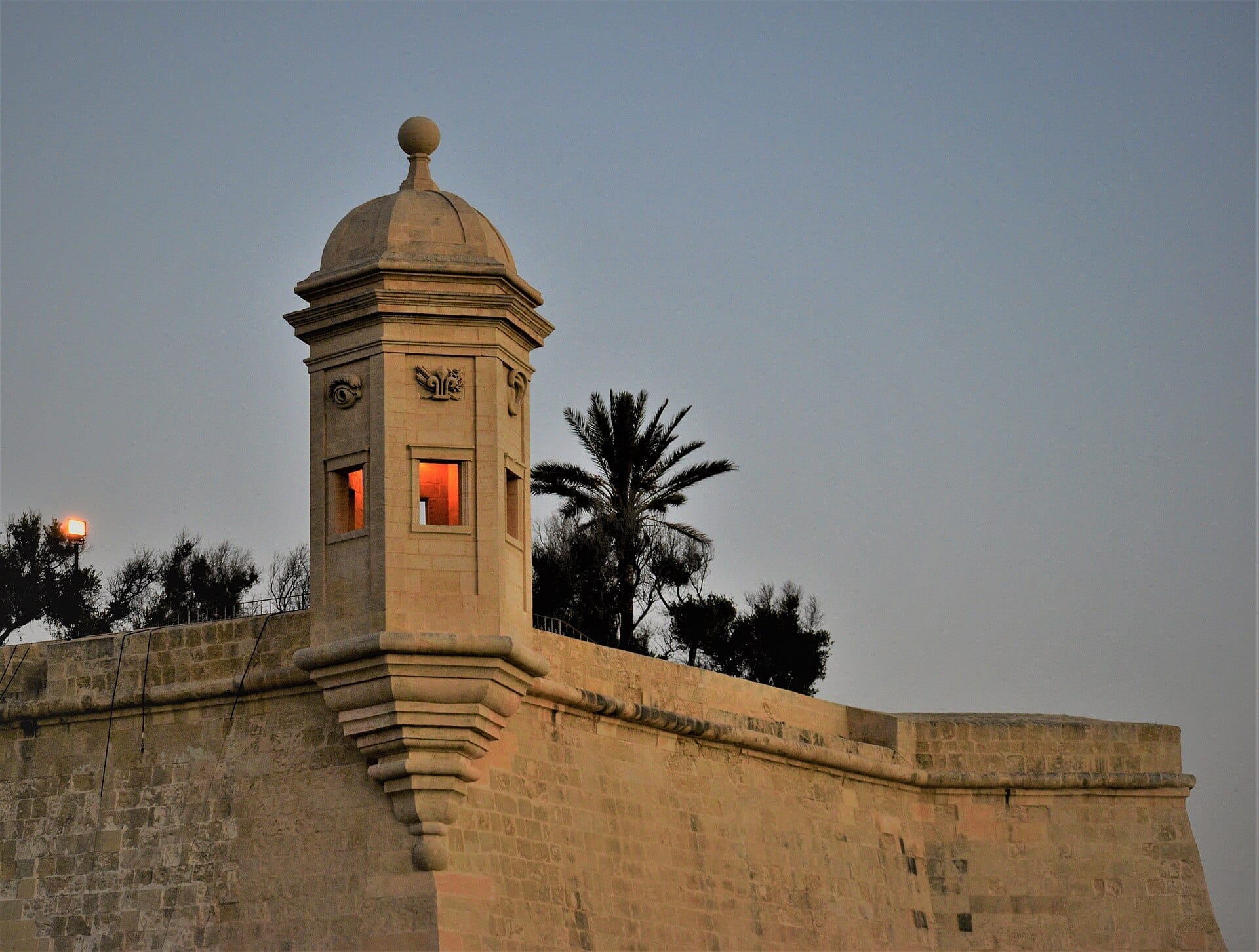
22. Find the Best Grand Harbour Panorama at Gardjola Gardens, Senglea
A tiny garden at the tip of the Senglea peninsula with what many consider the finest view in Malta: Valletta, Fort St. Angelo, and the full sweep of the Grand Harbour. Completely free, rarely crowded, and often overlooked by visitors who stop at Valletta's Upper Barrakka.
Explore22. Find the Best Grand Harbour Panorama at Gardjola Gardens, Senglea
A tiny garden at the tip of the Senglea peninsula with what many consider the finest view in Malta: Valletta, Fort St. Angelo, and the full sweep of the Grand Harbour. Completely free, rarely crowded, and often overlooked by visitors who stop at Valletta's Upper Barrakka.
Explore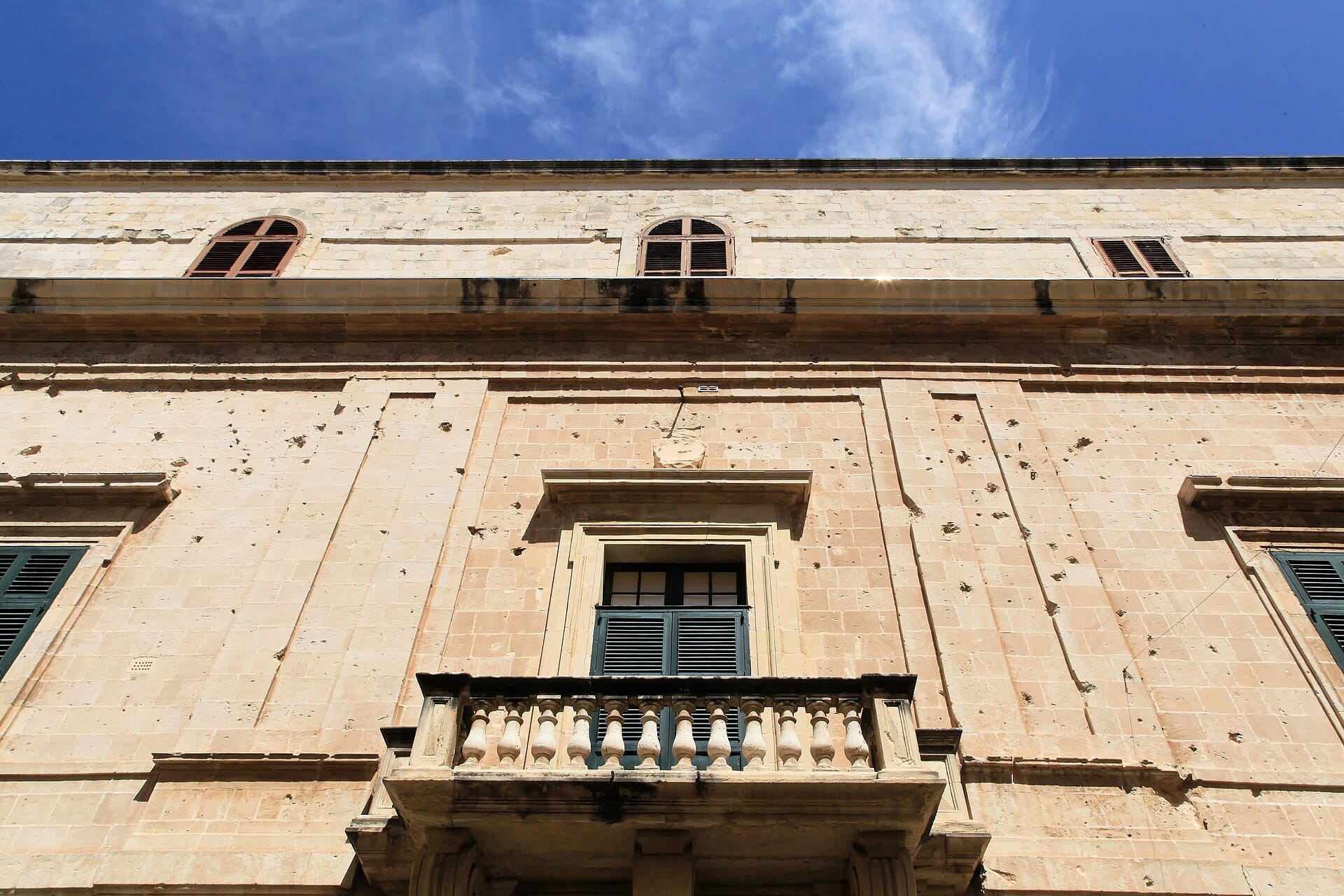
23. Explore the Chilling Inquisitor's Palace in Vittoriosa
One of only a handful of surviving Inquisitor's palaces in the world, with preserved prison cells, a tribunal room, and 400 years of history across its corridors. In the Three Cities but far less visited than Fort St. Angelo. Allow at least 90 minutes inside.
Explore23. Explore the Chilling Inquisitor's Palace in Vittoriosa
One of only a handful of surviving Inquisitor's palaces in the world, with preserved prison cells, a tribunal room, and 400 years of history across its corridors. In the Three Cities but far less visited than Fort St. Angelo. Allow at least 90 minutes inside.
Explore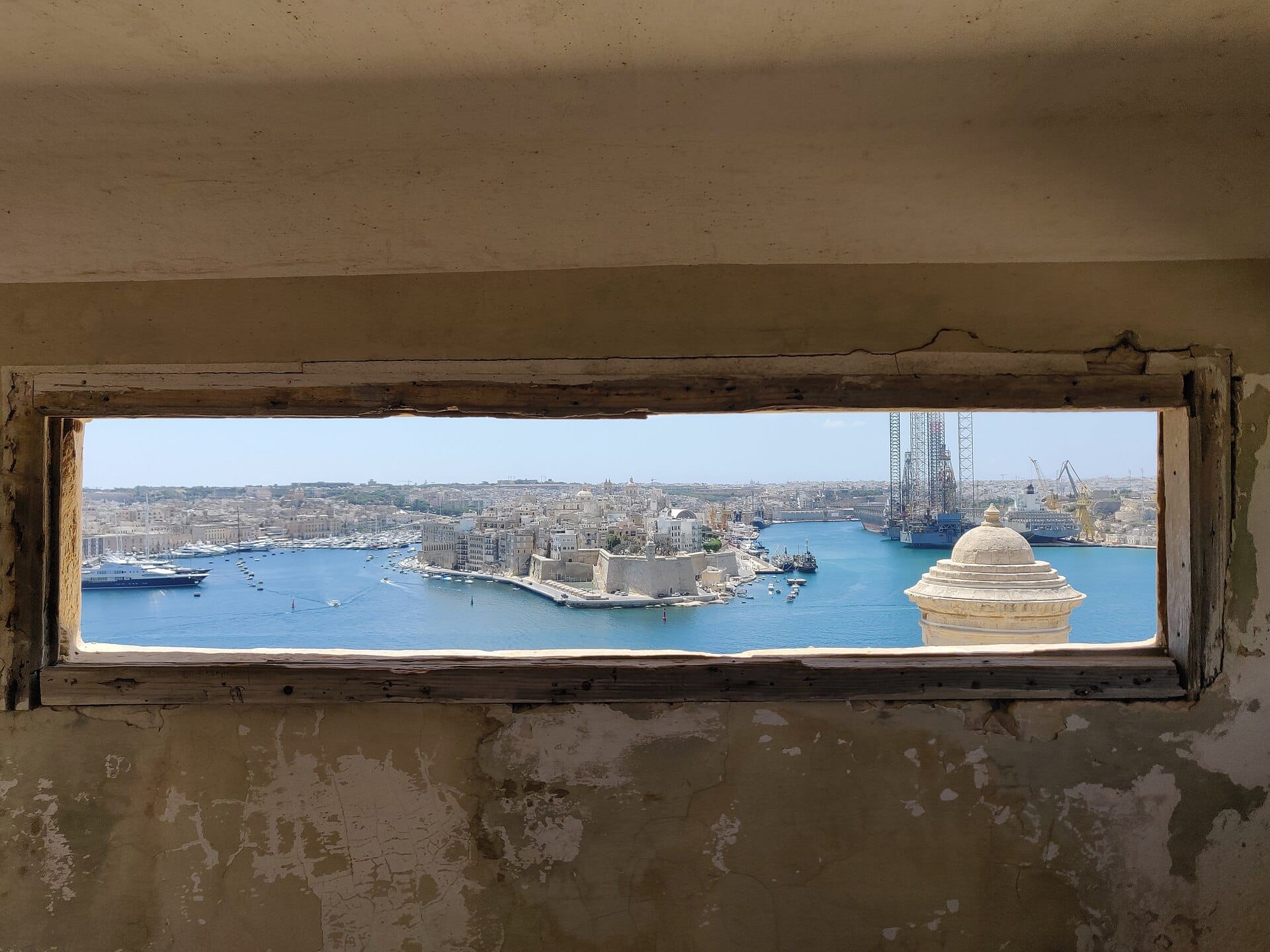
24. Discover the Secret WWII Tunnels of the Lascaris War Rooms
The underground Allied headquarters beneath Valletta from which the invasions of Sicily and Italy were coordinated. Well-presented, atmospheric, and surprisingly unknown given its historical significance. Guided tours bring the wartime operations vividly to life.
Explore24. Discover the Secret WWII Tunnels of the Lascaris War Rooms
The underground Allied headquarters beneath Valletta from which the invasions of Sicily and Italy were coordinated. Well-presented, atmospheric, and surprisingly unknown given its historical significance. Guided tours bring the wartime operations vividly to life.
Explore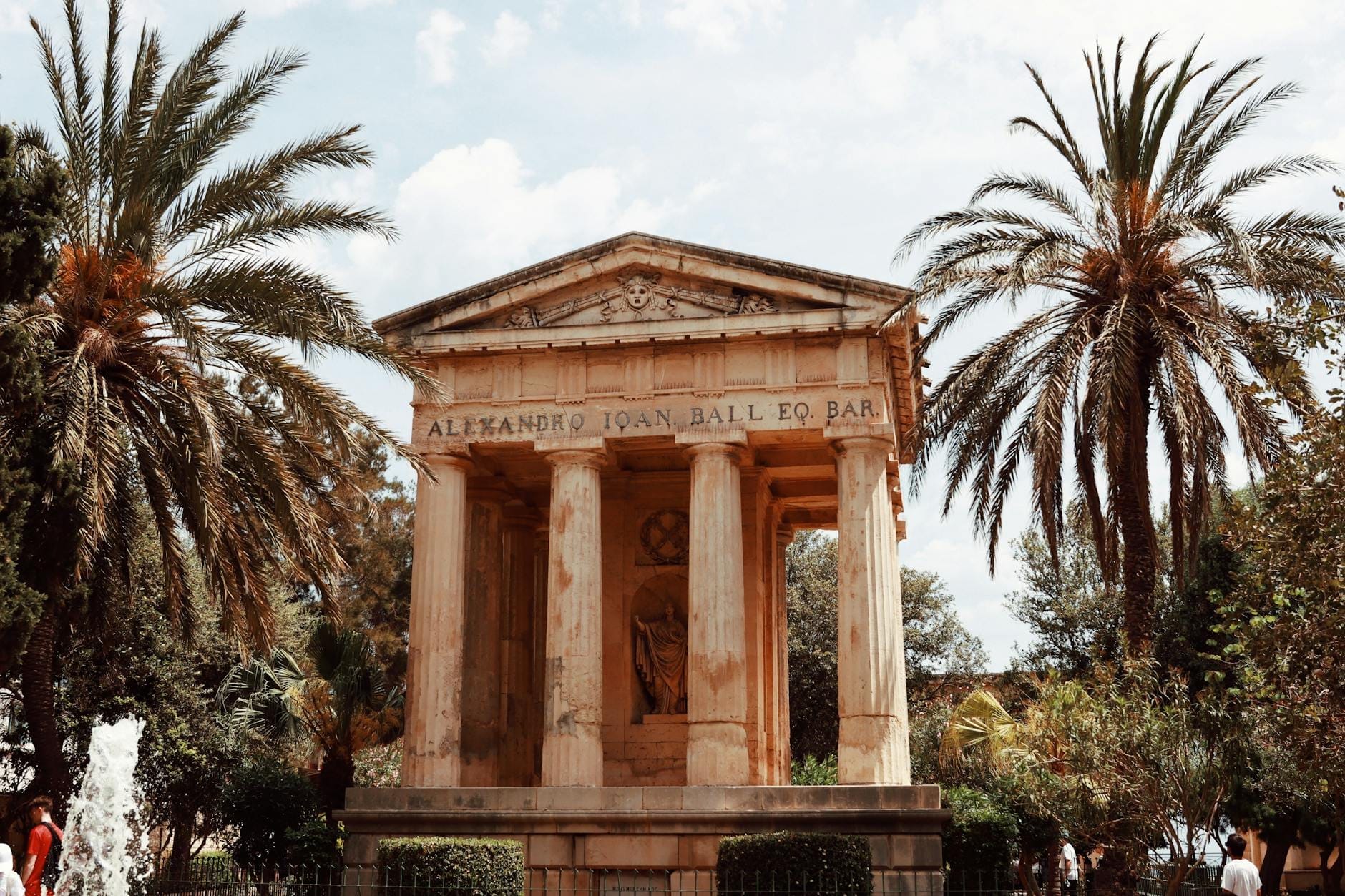
25. Take in the Harbor Entrance Views at the Lower Barrakka Gardens
While tourists queue for Upper Barrakka, the lower gardens sit almost empty just minutes away. The views face east toward Fort Ricasoli and the harbor mouth, framed by a neoclassical temple. The noon cannon firing is visible from here too, with far fewer people around you.
Explore25. Take in the Harbor Entrance Views at the Lower Barrakka Gardens
While tourists queue for Upper Barrakka, the lower gardens sit almost empty just minutes away. The views face east toward Fort Ricasoli and the harbor mouth, framed by a neoclassical temple. The noon cannon firing is visible from here too, with far fewer people around you.
Explore✨ Pro tip
The Three Cities (Vittoriosa, Senglea, and Cospicua) are 10 minutes by ferry from Valletta's waterfront and feel like a different world. Street parking is easy, admission to most streets is free, and the authentic neighborhood atmosphere is completely intact.
FAQ
What are the most underrated places to visit in Malta?
The Xwejni Salt Pans on Gozo, Għar Lapsi on Malta's southwest coast, St. Peter's Pool near Marsaxlokk, and Palazzo Parisio in Naxxar consistently surprise visitors. The Three Cities across from Valletta offer authentic neighborhood life that few tourists explore despite being minutes from the capital.
When is the best time to visit Malta's hidden spots to avoid crowds?
April to June and September to October are ideal: temperatures are comfortable (20-28°C), rainfall is low, and the main tourist crowds are absent. Winter (November to March) works well for inland and historical sites, though some seasonal beach facilities are closed.
Are Malta's off-the-beaten-path sites easy to reach without a car?
Many are accessible by bus, but Malta's public transport is infrequent to rural destinations like Dingli Cliffs, Għar Lapsi, or Mnajdra Temples. Renting a car for one or two days dramatically expands your range and is inexpensive. Bolt and Uber also operate on the island for shorter trips.
Is Gozo worth visiting for hidden gems compared to the main island?
Gozo is arguably more rewarding than Malta for off-the-beaten-path experiences. The Xwejni Salt Pans, Wied il-Għasri gorge, Sanap Cliffs, and Ta' Pinu Basilica are all genuinely uncrowded. The island is small enough to cover its highlights in a day trip, though staying overnight reveals a different, quieter pace entirely.
What prehistoric sites in Malta are less visited than Ħaġar Qim?
Mnajdra Temples, just a 10-minute walk downhill from Ħaġar Qim, are often quieter and arguably more atmospheric thanks to the coastal cliff setting. Tarxien Temples in a residential suburb and the Għar Dalam cave in the south are both significant UNESCO-listed sites that attract a fraction of the visitor numbers.