Best Things to Do in Malta: The Definitive Guide
Malta packs an extraordinary range of experiences into just 316 square kilometres. This guide covers the best things to do across the archipelago, from Valletta's Baroque cathedrals and prehistoric temples to sea caves, clifftop walks, and the famous Blue Lagoon, with practical advice on what's worth your time and what to skip.
Plan and book this trip
Tools from our partner Travelpayouts help you compare flights and hotels. If you book through them, we may earn a commission at no extra cost to you.
Flights
Hotels map
TL;DR
- Malta is far more than beaches: it holds three UNESCO World Heritage Sites, including the Hal Saflieni Hypogeum, some of the world's oldest freestanding temples, and a walled capital built entirely during the 16th century.
- The Blue Lagoon on Comino is genuinely spectacular, but in July and August it receives thousands of visitors daily. Visit on a weekday in May, June, or September for a far better experience.
- Shoulder season (April to June, September to October) offers temperatures of 20–28°C, manageable crowds, and lower hotel rates. See our guide on the best time to visit Malta for a month-by-month breakdown.
- English is an official language, the Euro is the currency, and tap water is safe to drink — logistics here are genuinely straightforward for most international travellers.
- Budget travellers can do Malta well: several world-class sites are free or under €10, and the public bus network covers almost everywhere for €2 per ride.
Valletta and the Three Cities: Malta's Historic Core
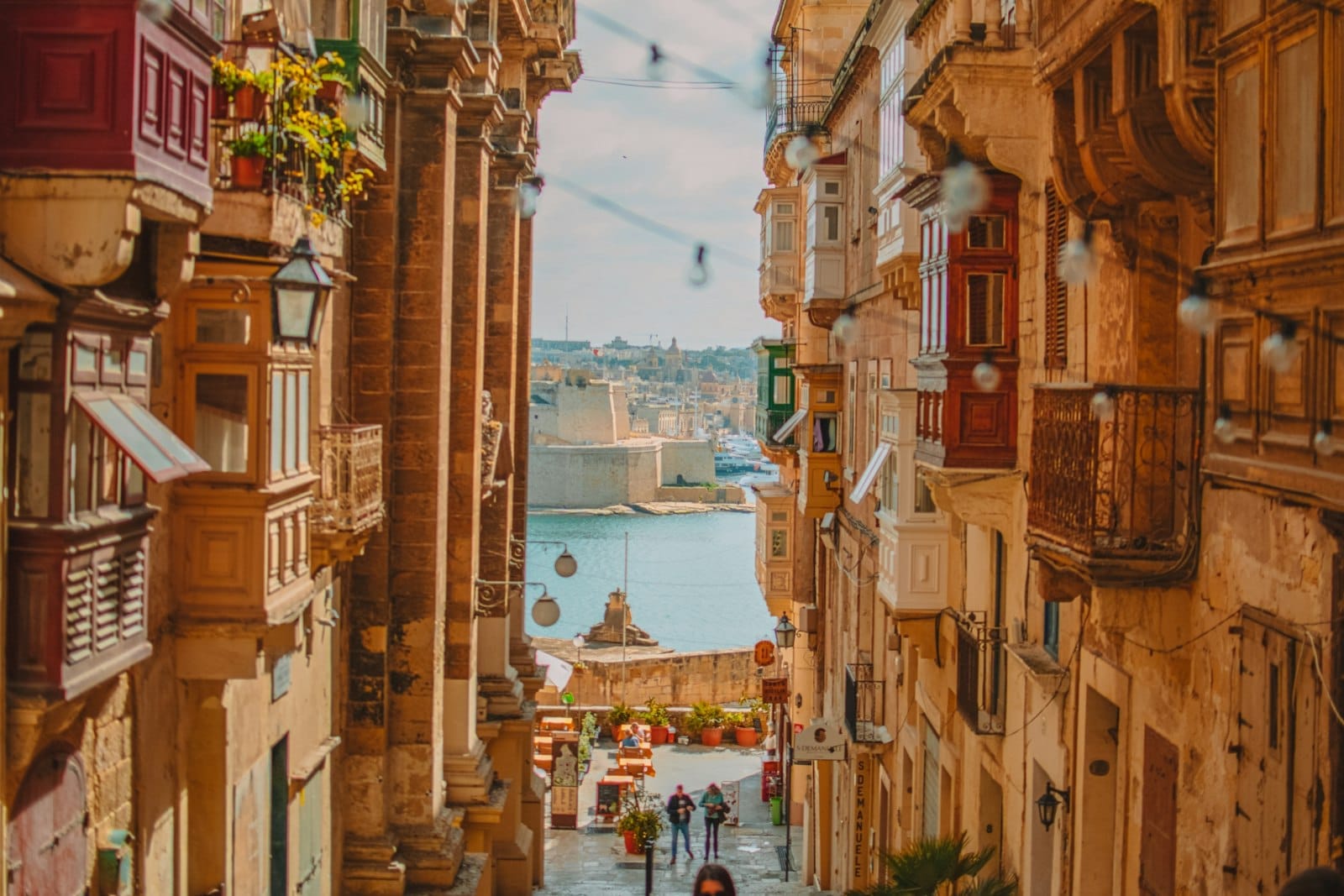
Valletta is the smallest national capital in the European Union by both area and population, yet it holds more UNESCO-listed monuments per square kilometre than almost anywhere on earth. The city was purpose-built by the Knights of St John following the Great Siege of 1565, and its street grid has barely changed. Most of the major sights sit within a 10-minute walk of each other, which makes a full day in Valletta entirely achievable on foot.
St John's Co-Cathedral is the centrepiece. The exterior is deliberately plain — a military order's fortress church — but inside, every inch of the floor and walls is inlaid marble, gilded carving, or oil painting. The Oratory holds two Caravaggio paintings, including the enormous 'Beheading of Saint John the Baptist', his only signed work. Entry costs €15 for adults and includes an audio guide. Dress modestly: shoulders and knees must be covered, and the staff enforce this. For sweeping harbour views without a ticket price, walk to the Upper Barrakka Gardens and time your visit for the Saluting Battery cannon firing, which happens daily at noon and 4pm.
💡 Local tip
The Grandmaster's Palace state rooms are only open when parliament is not in session, typically in summer. Check the Heritage Malta website before visiting to avoid disappointment.
Across the Grand Harbour, the Three Cities (Birgu, Senglea, and Cospicua) are consistently undervisited compared to Valletta. Birgu in particular, also called Vittoriosa, is where the Knights first settled after arriving in Malta in 1530. Fort St Angelo dominates the promontory and is open to visitors with Heritage Malta tickets. The waterfront in Birgu fills with superyachts in summer but retains a genuine neighbourhood feel on weekday mornings.
Prehistoric Malta: Temples and Hypogea Older Than Stonehenge
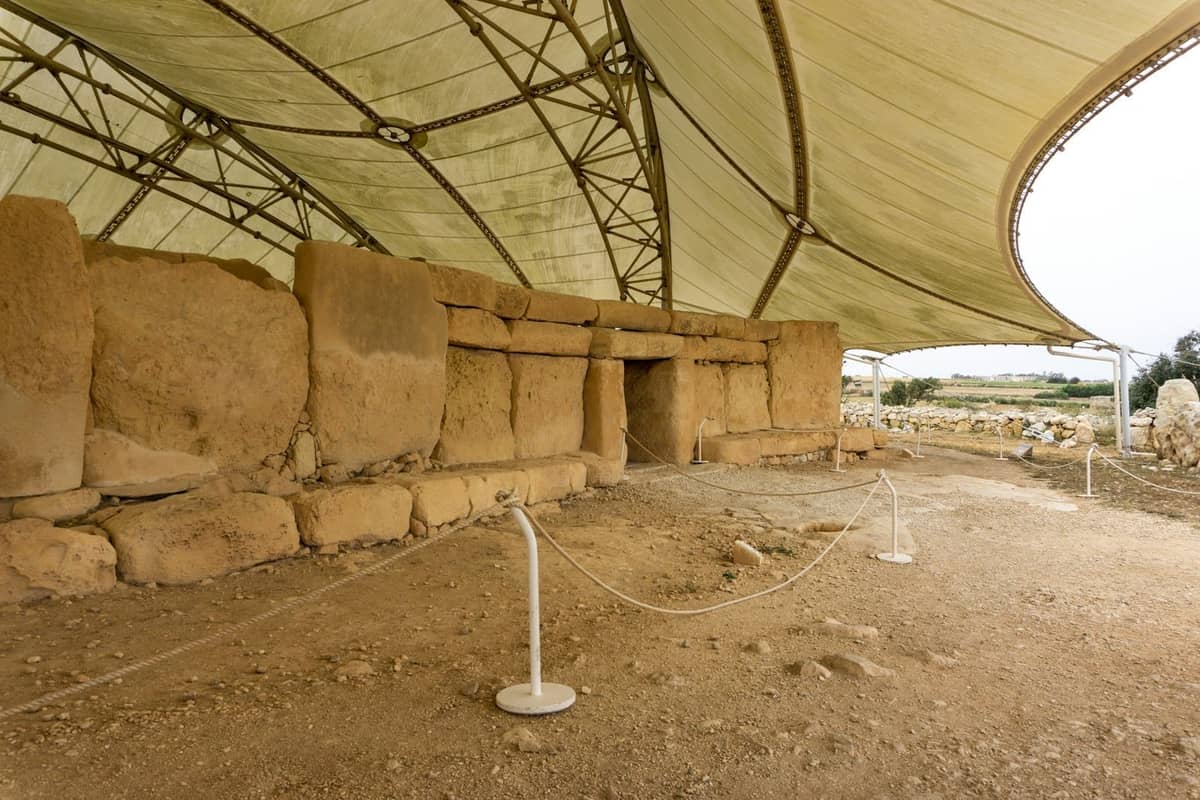
Malta's megalithic temples date from roughly 3600 to 2500 BCE, making them older than both Stonehenge and the Egyptian pyramids. This fact alone surprises most first-time visitors. There are six UNESCO-listed temple sites across Malta and Gozo, and each has a distinct character.
The most accessible on the main island are Hagar Qim and the adjacent Mnajdra temples, set on a clifftop above the sea near Qrendi. Both are now protected under fabric canopies to prevent weathering, which slightly diminishes the drama but does nothing to reduce the scale. A combined ticket costs €10 for adults and includes the small on-site museum. Visit in the morning before tour groups arrive from around 10am.
The Hal Saflieni Hypogeum in Paola is a different category of experience entirely: a subterranean burial complex carved by hand into the rock between 4000 and 2500 BCE. Entry is strictly limited to around 80 visitors per day to protect the site, and tickets frequently sell out weeks in advance through Heritage Malta. Book as early as possible, ideally before you fly. On Gozo, the Ggantija temples are the oldest of the entire complex and are among the best-preserved. If you're planning a day trip to Gozo, this should be on the list.
⚠️ What to skip
Hal Saflieni Hypogeum tickets routinely sell out 3–4 weeks ahead in peak season. If you can't get a slot, the nearby Tarxien Temples offer a comparable (though above-ground) experience and rarely require advance booking.
Beaches, Lagoons, and Sea: Getting the Timing Right
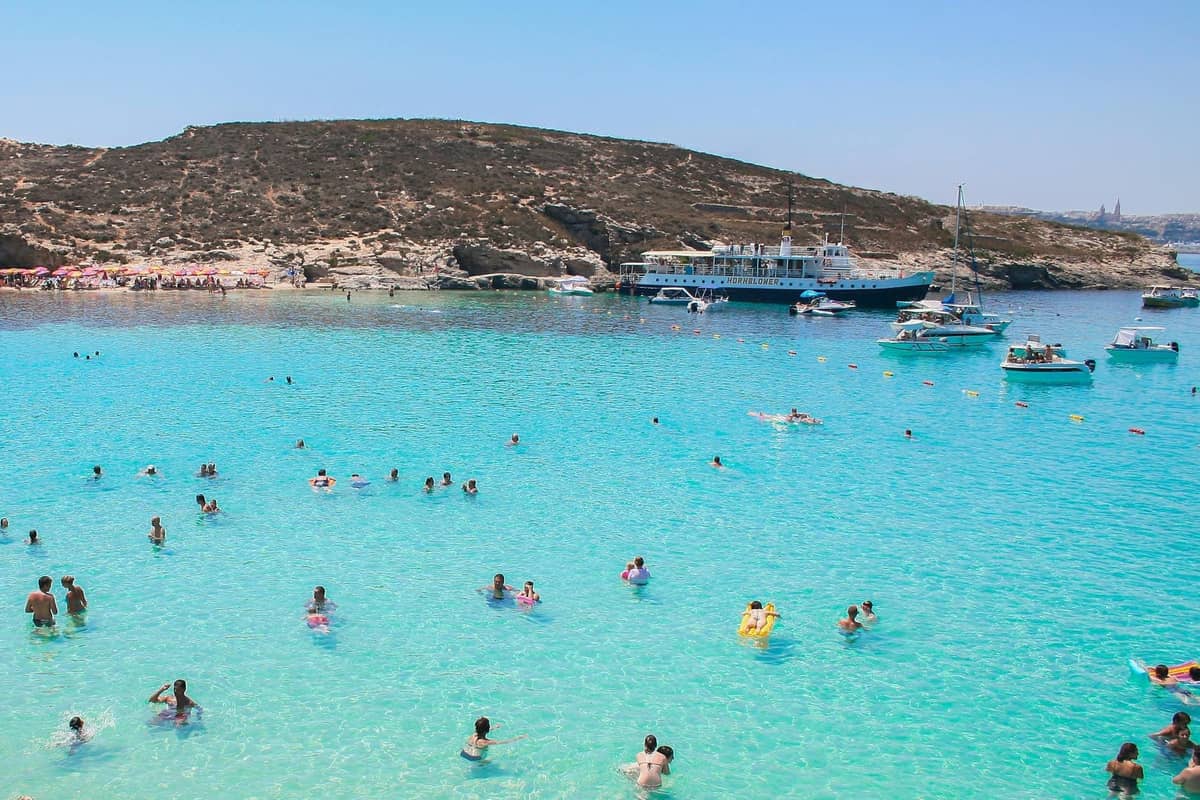
The Blue Lagoon on Comino earns its reputation. The water genuinely is that colour: a shallow, sheltered bay with visibility of several metres, surrounded by white limestone. Ferries run from Valletta, Sliema, and Cirkewwa (northern Malta) from roughly April to October. The problem is scale: in July and August, several thousand people are on or around the lagoon simultaneously. If you visit then, take the earliest ferry possible (around 9am) and leave before noon. In May, early June, or late September, the experience is dramatically more peaceful.
For beach swimming without the crowds, Golden Bay is the most popular sandy beach on the main island and has facilities including sun lounger hire and a beach bar. A better option for those willing to walk is Ghajn Tuffieha Bay, a 10-minute walk down (and back up) 200-plus steps, which keeps the day-trippers away. The water quality at both is excellent. On the south coast, St Peter's Pool near Marsaxlokk is a natural rock swimming area with no facilities but extraordinary clarity.
- Blue Lagoon (Comino) Best for: snorkelling, photography. Go early or in shoulder season. Ferry access only, no overnight accommodation on the island.
- Golden Bay Best for: families, facilities. Sun lounger hire available. Can get crowded on summer weekends but manageable on weekdays.
- Ghajn Tuffieha Bay Best for: those who want fewer people. Steep access steps deter most casual visitors. No facilities on the beach itself.
- Mellieha Bay Best for: shallow water, young children. Malta's largest sandy beach, with a very gradual entry into the sea.
- Ramla Bay (Gozo) Best for: scenery. Gozo's main beach has distinctive orange-red sand and Roman ruins behind it. Only accessible from Gozo.
Mdina, Rabat, and the Interior: The Quiet Side of Malta
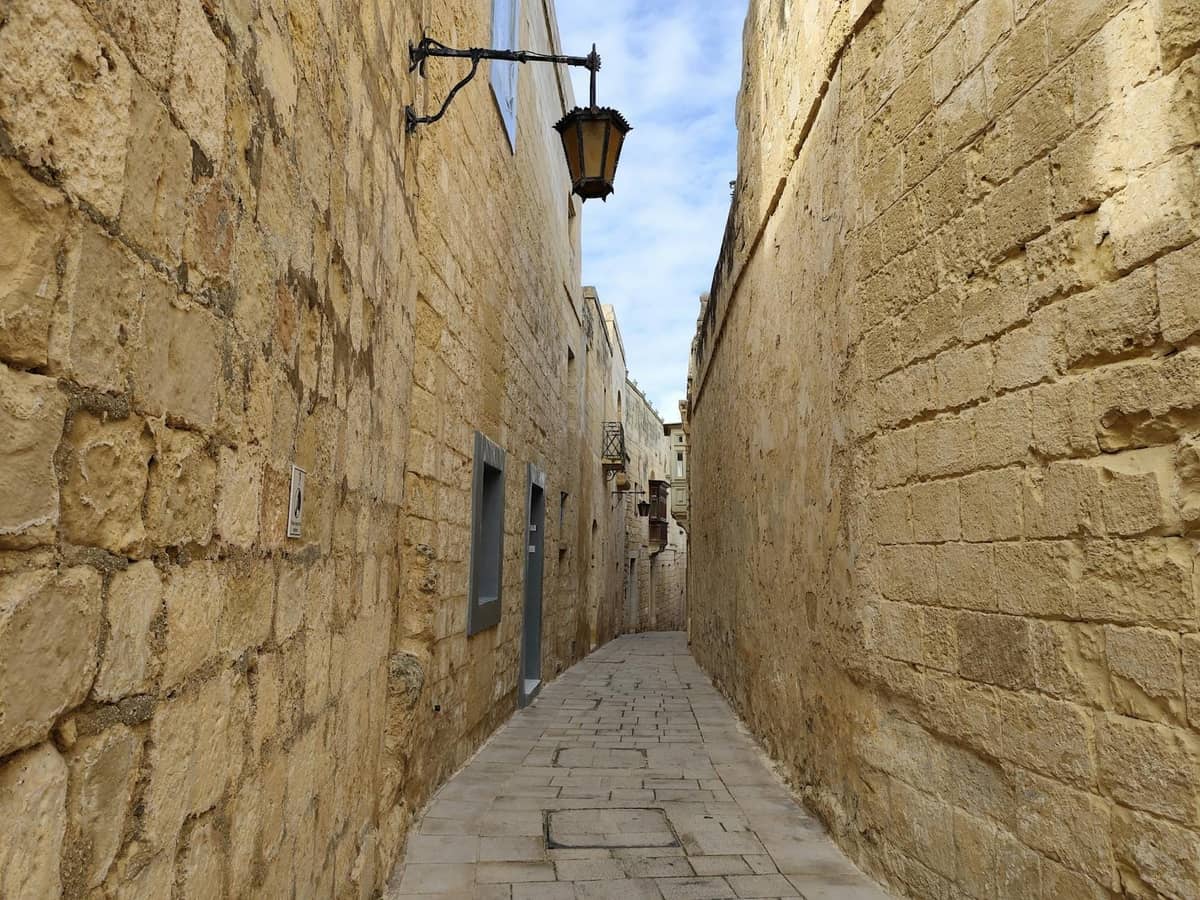
Mdina sits on a hilltop roughly in the centre of the island and served as Malta's capital before the Knights built Valletta. The walled city is genuinely quiet, particularly in the evenings after the day-trip coaches leave around 5pm. The streets are narrow enough that two people can nearly touch both walls simultaneously. There are no cars except for the few residents permitted to drive in. The St Paul's Cathedral in Mdina is worth the entrance fee for the frescoed interior, and the city walls offer views across the entire island to the sea.
Immediately adjacent to Mdina, the town of Rabat is often overlooked. The St Paul's Catacombs here are an extensive early Christian burial network carved beneath the town, with tunnels covering over 2,000 square metres. They're managed by Heritage Malta and can be visited with an entry ticket. The nearby Domus Romana displays Roman mosaic floors found on the site of a 1st-century BCE townhouse.
✨ Pro tip
Stay in or near Mdina for at least one evening. After 6pm, the day-trippers are gone and the narrow limestone streets are almost entirely empty. It's one of the most atmospheric experiences Malta offers, and it costs nothing.
Gozo: More Than a Day Trip
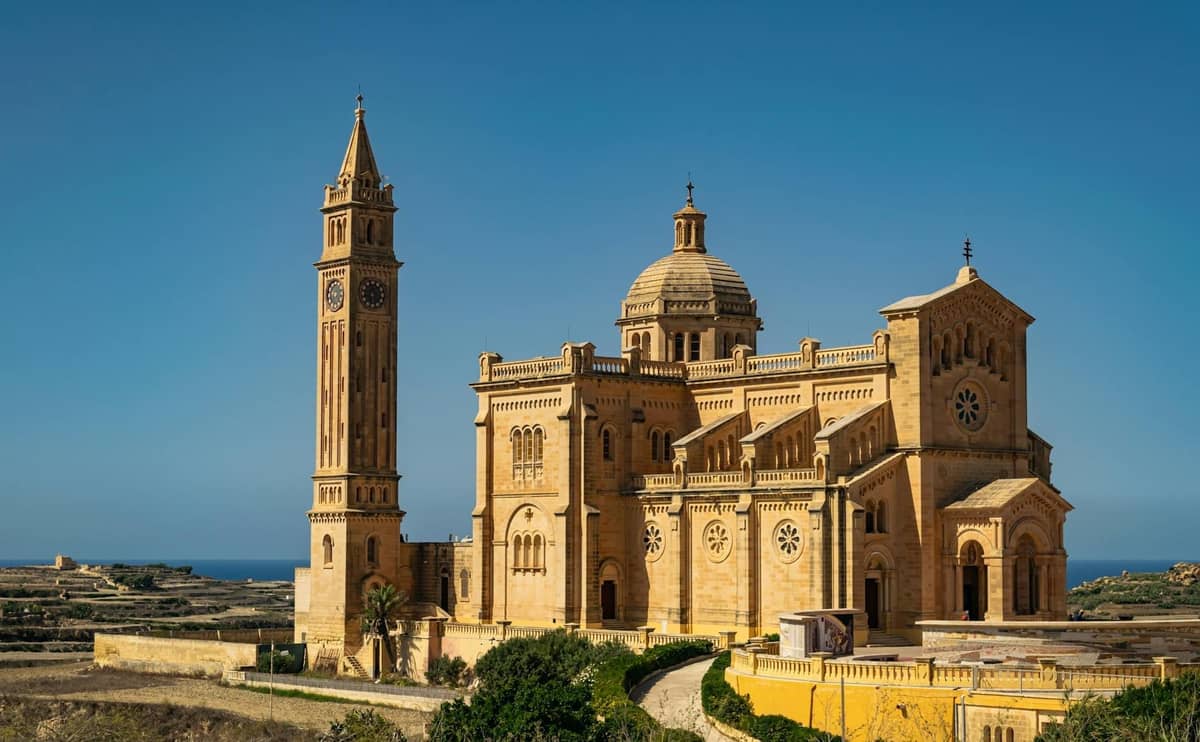
Gozo is a separate island, roughly a 25-minute ferry ride from Cirkewwa in northern Malta. Most visitors do it as a day trip, which works, but spending a night on Gozo gives you access to the island in the early morning before the crowds arrive from Malta. The ferry runs frequently and costs around €5 return. Our full Gozo travel guide covers logistics in detail.
The Citadella in Victoria (Gozo's main town) is the hilltop fortified city that has dominated the island since at least the Roman period. The current fortifications are largely 17th-century and offer free walking access along the ramparts. The Azure Window at Dwejra collapsed in 2017, but the surrounding coastline, including the Inland Sea and the Blue Hole dive site, remains among the most dramatic in the Mediterranean. For divers, this is one of the top sites in Europe.
Practical Malta: Getting Around, Costs, and What to Skip
Getting around Malta without a car is fully achievable. Malta Public Transport operates over 100 bus routes across the island, and the flat fare of €2.50 covers any single journey. The main interchange is at Valletta's City Gate bus terminus. Routes can be slow due to traffic, particularly around Sliema and St Julian's at rush hour. For faster transfers, Bolt and Uber both operate here. For a full breakdown of your options, see our guide to getting around Malta.
- Tipping: 5–10% in restaurants if service charge is not already included. Not compulsory, and rarely expected in casual cafés.
- Dress code: Modest clothing required in all churches and cathedrals. Shoulders and knees must be covered. Disposable shawls are sometimes available at entrances but don't rely on them.
- Electricity: UK-style Type G plugs, 230V. Bring an adapter if you're not travelling from the UK.
- Water: Tap water is officially safe to drink, though many locals prefer bottled water due to the taste from desalination.
- Language: Both Maltese and English are official languages. You will have no difficulty communicating in English anywhere on the island.
- Emergency services: Call 112 for police, fire, or ambulance.
A note on tourist traps: the horse-drawn karozzin (carriage) rides offered near Valletta's City Gate and in Mdina are legal but widely considered an overpriced and uncomfortable experience. A 20-minute ride typically costs €30–40. The streets of both cities are walkable and compact enough that you don't need them. Similarly, the restaurant strip immediately inside the City Gate in Valletta charges significantly more than places two or three streets back. For better food at fairer prices, walk towards the Strait Street area. Our guide to what to eat in Malta will point you toward the right spots.
FAQ
How many days do you need in Malta to see the highlights?
Three to four days covers Valletta, Mdina, the prehistoric temples, and a day trip to either Gozo or Comino. Seven days allows you to do all of the above without rushing and to include the Three Cities, a beach day, and an evening in Gozo. A dedicated Malta 7-day itinerary can help you structure the time effectively.
Is the Blue Lagoon worth visiting in summer?
Yes, but with caveats. In July and August, the lagoon receives several thousand visitors per day and the surrounding rocks are packed by mid-morning. Take the earliest ferry (around 9am), bring your own food and water, and plan to leave before noon. In May, early June, or September, the crowds are far more manageable and the experience is significantly better.
What can I do in Malta for free?
Quite a lot. The Upper and Lower Barrakka Gardens in Valletta, the Sliema waterfront promenade, Mdina's streets and ramparts, the Citadella in Victoria (Gozo), and all beaches are free to access. The Saluting Battery cannon firing in Valletta (noon and 4pm daily) is free to watch from the gardens above. Many village parish churches are free to enter, though donations are welcomed.
Do I need to book attractions in advance?
For Hal Saflieni Hypogeum, yes — book as far in advance as possible through Heritage Malta, as daily entries are capped at around 80 people and slots sell out weeks ahead in peak season. For most other sites (St John's Co-Cathedral, Hagar Qim, the Citadella), booking in advance is useful in high season but walk-in entry is usually possible.
Is Malta suitable for travellers who aren't interested in history?
Possibly, though the island's strongest suit is unquestionably its history. Visitors primarily interested in beaches, water sports, and nightlife will find plenty to do: the Blue Lagoon and north coast beaches are world-class, Malta has a well-developed diving scene around Gozo and the south coast, and St Julian's has a concentrated nightlife area. That said, dismissing the historical sites entirely would mean missing what makes Malta genuinely distinctive.