Getting Around Malta: The Complete Transport Guide (Buses, Ferries & More)
Malta is small — just 316 sq km — but navigating it efficiently takes some planning. This guide covers every transport option available, from the Tallinja bus network to Gozo ferries, ride-hailing apps, and car rental, with straightforward takes on what works and what doesn't.
Plan and book this trip
Tools from our partner Travelpayouts help you compare flights and hotels. If you book through them, we may earn a commission at no extra cost to you.
Flights
Hotels map
TL;DR
- Malta has no metro or trains — buses (Tallinja network) and ferries are the primary public transport options.
- Buses cost around €2 per single journey for tourists; the Tallinja app handles journey planning and mobile ticketing — download it before you arrive.
- The Gozo ferry departs from Ċirkewwa (northern Malta) and runs frequently throughout the day — see our Gozo travel guide for how to plan your crossing.
- Renting a car unlocks rural areas and cliff roads, but summer traffic in Sliema and Valletta is genuinely bad — budget extra time.
- A proposed €2.8 billion metro line was announced in April 2026 as part of the 'Malta in Motion' plan, but construction hasn't started — plan your visit without counting on it.
Getting to Malta First: Airport Arrivals
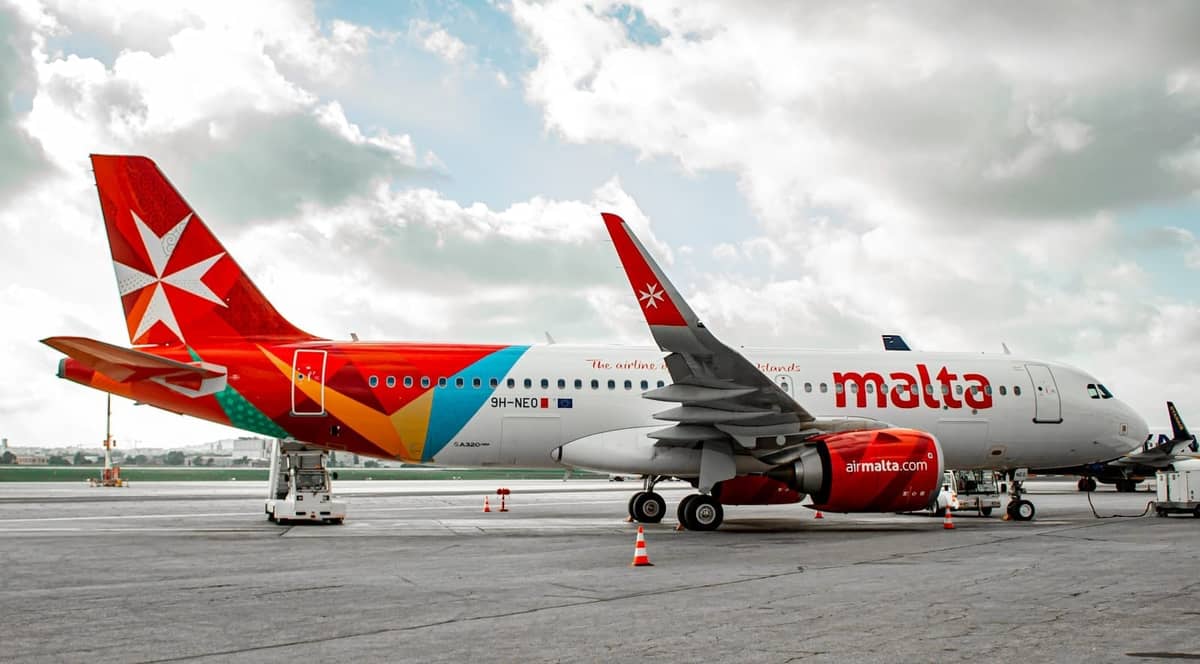
Malta International Airport (IATA: MLA) is the country's only commercial airport, located in Luqa, roughly 8 km south of Valletta by road. Most visitors fly in from European hubs — connections from London, Rome, Amsterdam, and Frankfurt are frequent. From the airport, you have three practical options: bus, taxi, or private shuttle.
- Bus (routes X2/TD3) The cheapest option at around €2 per journey. Services run roughly every 30-60 minutes from 06:20 to 01:20, taking 30-55 minutes to reach Valletta. Buy your ticket via the Tallinja app or at the airport bus terminus.
- Official white taxi Metered taxis at the arrivals hall typically cost €20-30 to Valletta or Sliema, taking 20-30 minutes depending on traffic. Use the licensed white cabs or book via Bolt for a transparent fare upfront.
- Pre-booked shuttle Several operators offer shared airport transfers for €10-15 per person. Slower than a taxi (they stop at multiple hotels) but a fair middle ground if you're traveling with luggage.
⚠️ What to skip
Avoid unofficial taxis or drivers approaching you in arrivals. Malta has licensed white metered cabs at a dedicated rank — always use those or a verified app like Bolt. Unlicensed drivers have no obligation to use a meter.
Malta's Bus Network: The Tallinja System Explained
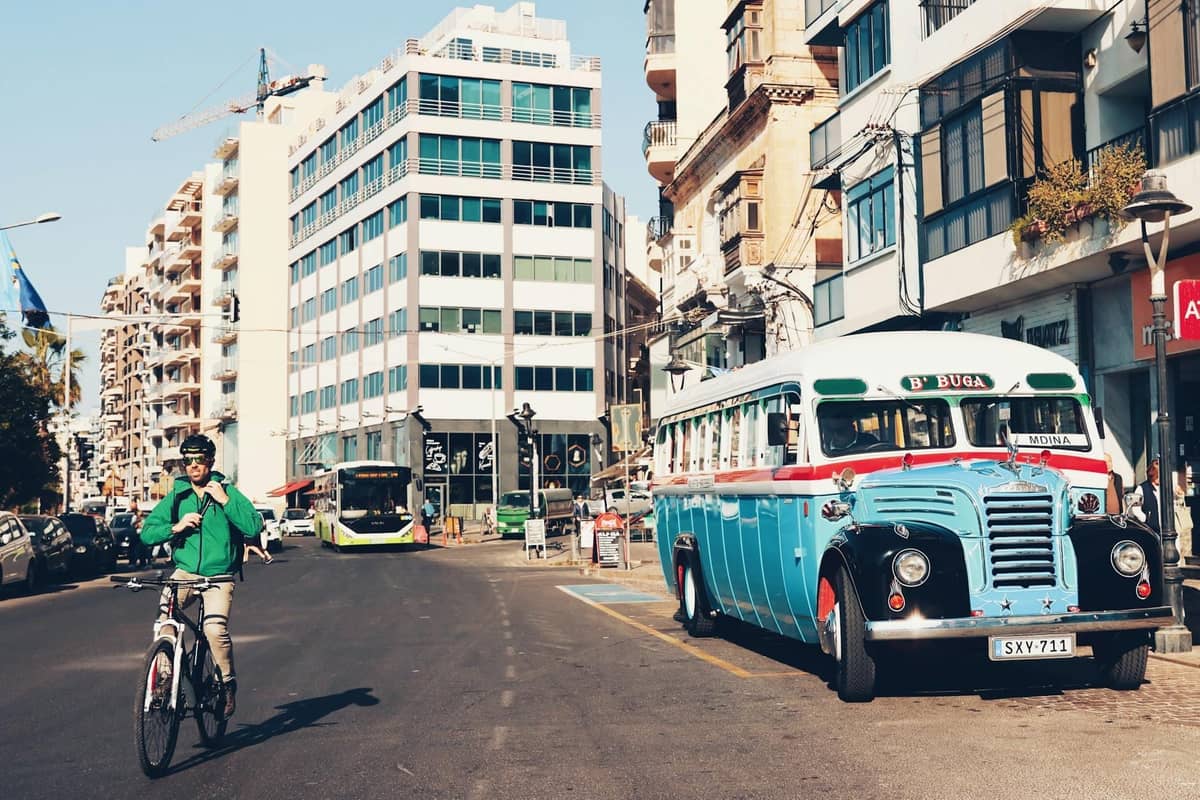
Getting around Malta by bus is entirely feasible and genuinely affordable — if you have patience. Malta Public Transport operates the Tallinja network, covering most of the island with over 80 routes using air-conditioned, increasingly electric buses. A single ticket costs around €2 for tourists (the exact fare is set by Malta Public Transport and subject to review, so check publictransport.com.mt before your trip).
One important clarification upfront: bus travel is free for Maltese residents who have a Tallinja Card — a scheme introduced in October 2022. Tourists do not qualify for free travel. You pay per journey, either in cash on board or via the Tallinja app, which also offers real-time tracking and digital ticketing. Download it before you arrive; it's significantly more reliable than printed timetables, especially during high season when delays stack up. For planning your itinerary around transport options, our Malta 3-day itinerary builds routes around bus-accessible sites.
- Route 222: Sliema to Mellieħa, running every 20 minutes from around 06:25 to 23:25. This is the backbone route for anyone staying in the north.
- Routes X2/TD3: Airport express to Valletta. Roughly hourly from 06:20 to 01:20, 30-55 minutes journey time.
- Night routes (N lines): Operate on weekends until around 02:10. Expanded in April 2026 with four new night routes and two extensions — useful for returning from Paceville or Valletta nightlife.
- Rural and southern routes: Less frequent, often every 30-60 minutes. Buses to Marsaxlokk and Dingli run on reduced Sunday schedules.
💡 Local tip
Most routes operate 05:30-23:00. For the main tourist corridors — Valletta, Sliema, St. Julian's, and Mellieħa — frequency is every 10-20 minutes during the day. For anywhere south or rural, check the app the evening before, because Sunday timetables are noticeably thinner.
The honest trade-off: buses in Malta are cheap and cover most places you'd want to go, but traffic congestion, especially in the Valletta-Sliema corridor during summer and peak hours, means journey times can stretch significantly beyond the timetable. If you're on a tight schedule — catching a ferry, reaching an attraction at opening time — allow 20-30 minutes of buffer on top of the app estimate.
Ferries: Reaching Gozo and Navigating the Harbour
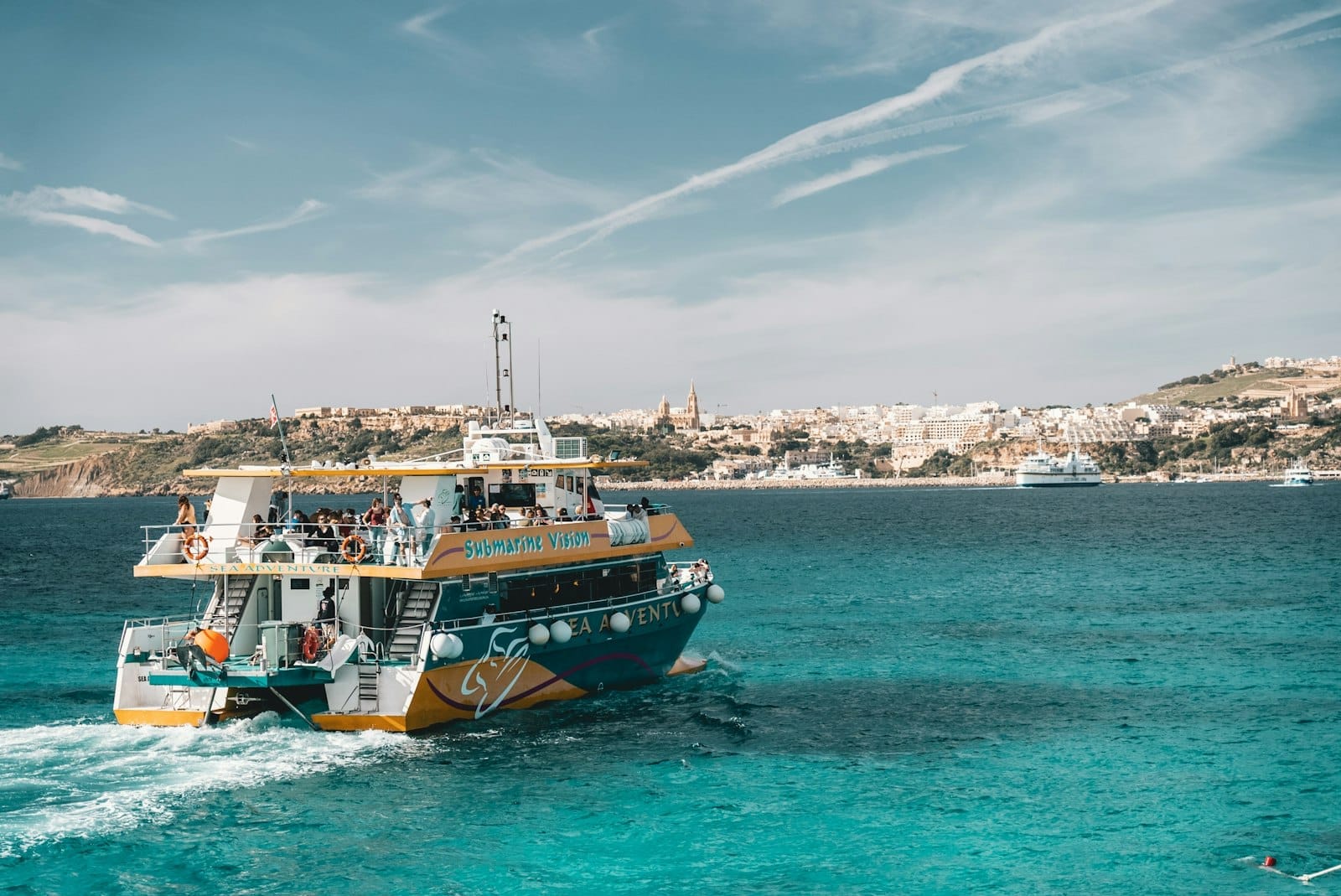
The Gozo Channel ferry is the main inter-island link. It departs from Ċirkewwa in the far northwest of Malta and docks at Mġarr Harbour on Gozo. The crossing takes about 25 minutes and runs frequently throughout the day and into the night — services continue roughly until midnight, with additional night crossings in summer. To get to Ċirkewwa by bus, take route 222 from Sliema or Valletta. Full details on making the most of the island once you cross are in our guide to Gozo.
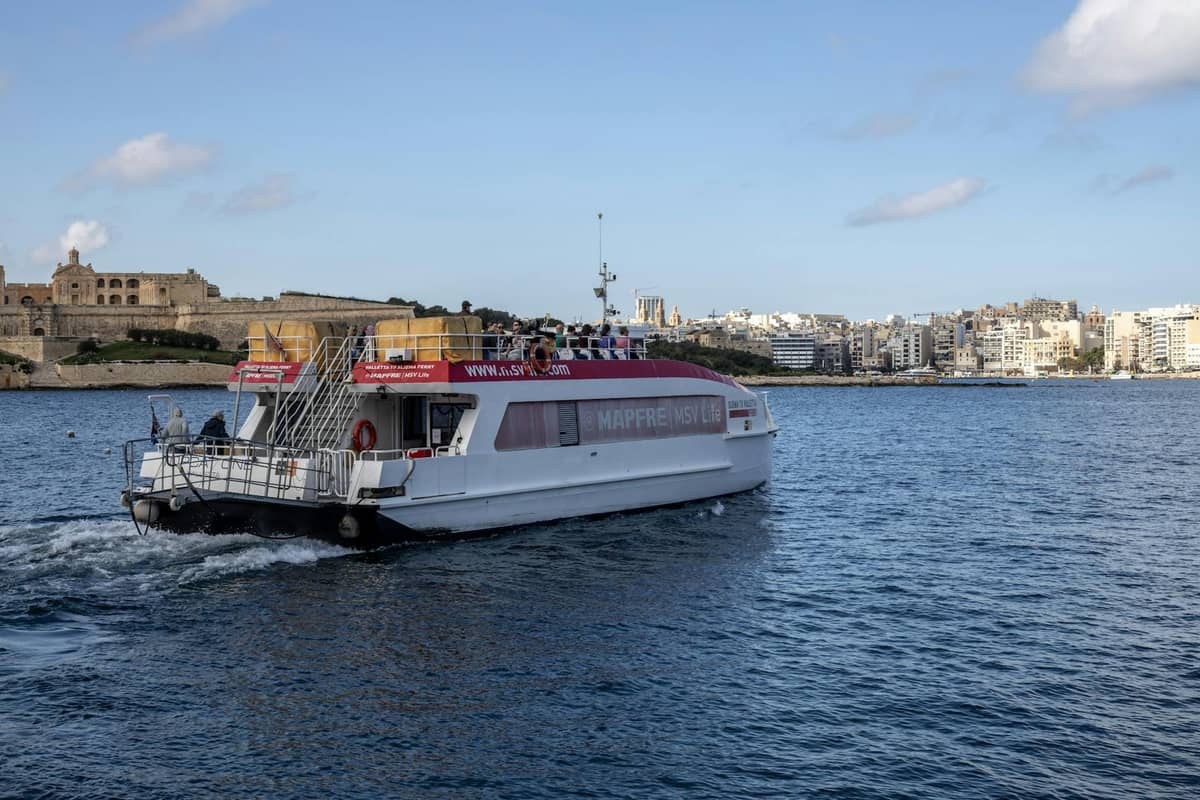
Within Malta's Grand Harbour, the Valletta Ferry Terminal operates passenger ferry services between Valletta and Sliema (Tigné Point), as well as connections to the Three Cities area (Birgu, Cospicua, Senglea). These harbour ferries are fast — the Valletta-Sliema crossing takes around 10 minutes — and are a far smarter option than sitting in a bus or taxi during the middle of the day. They run roughly every 30-45 minutes and cost a couple of euros each way. Fares and timetables are managed by Captain Morgan Cruises and Valletta Ferry Services; check current prices locally as they update seasonally.
✨ Pro tip
The Valletta-to-Sliema ferry is one of the most underused shortcuts in Malta. What takes a bus 20-30 minutes in traffic takes a ferry 10 minutes. If you're based in Sliema and planning a day in Valletta, this is the obvious call — and the views of the Grand Harbour from the water are worth the trip alone.
Taxis, Ride-Hailing, and Private Transfers
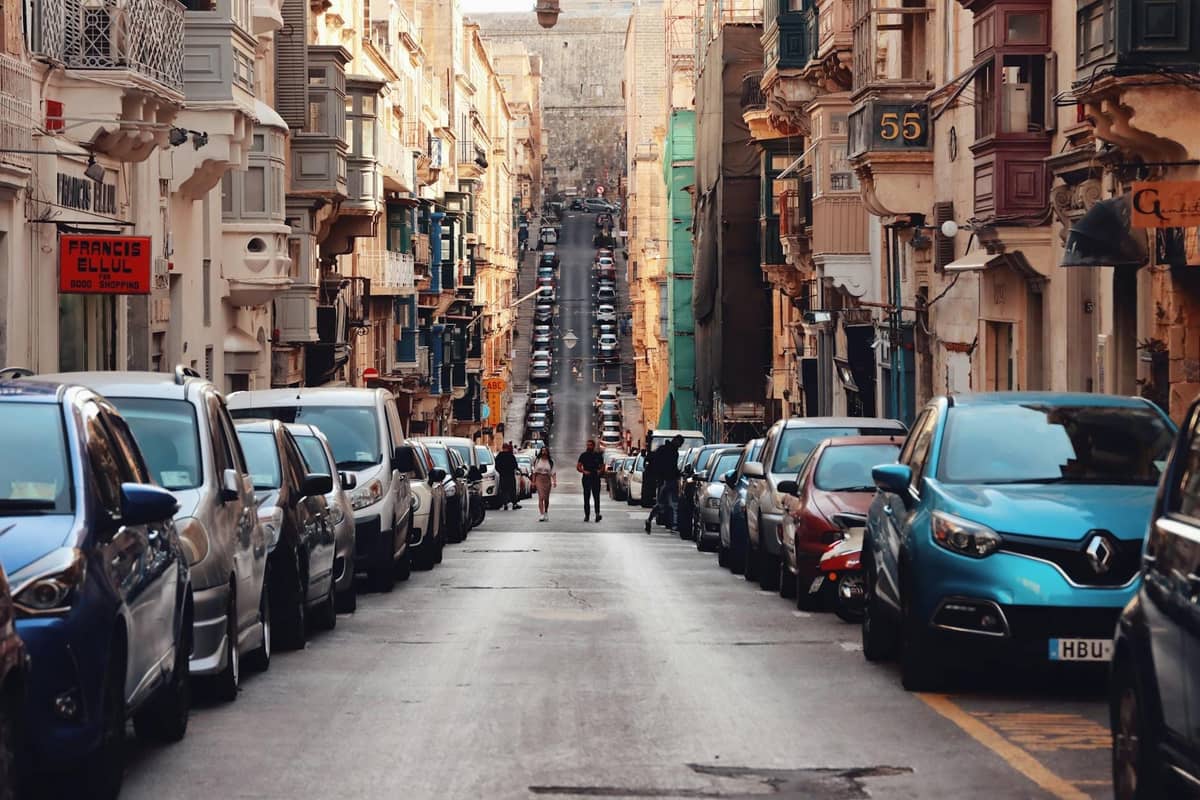
Both Bolt and Uber operate in Malta, and for short trips — especially in Valletta, Sliema, and St. Julian's — they're competitively priced and convenient. A Bolt ride from Sliema to Valletta typically runs €5-9 depending on the time of day. Traditional white metered taxis are also regulated and reliable, though slightly pricier than app-based options. For late nights in Paceville or when buses have stopped running, these are your most practical option.
One note on taxis in tourist areas: drivers near major attractions sometimes quote flat rates before you get in. These are almost always higher than the meter would show. Always insist on the meter, or confirm the Bolt price before you book. For more practical advice on managing costs, see our guide to visiting Malta on a budget.
Renting a Car in Malta: Worth It or Not?
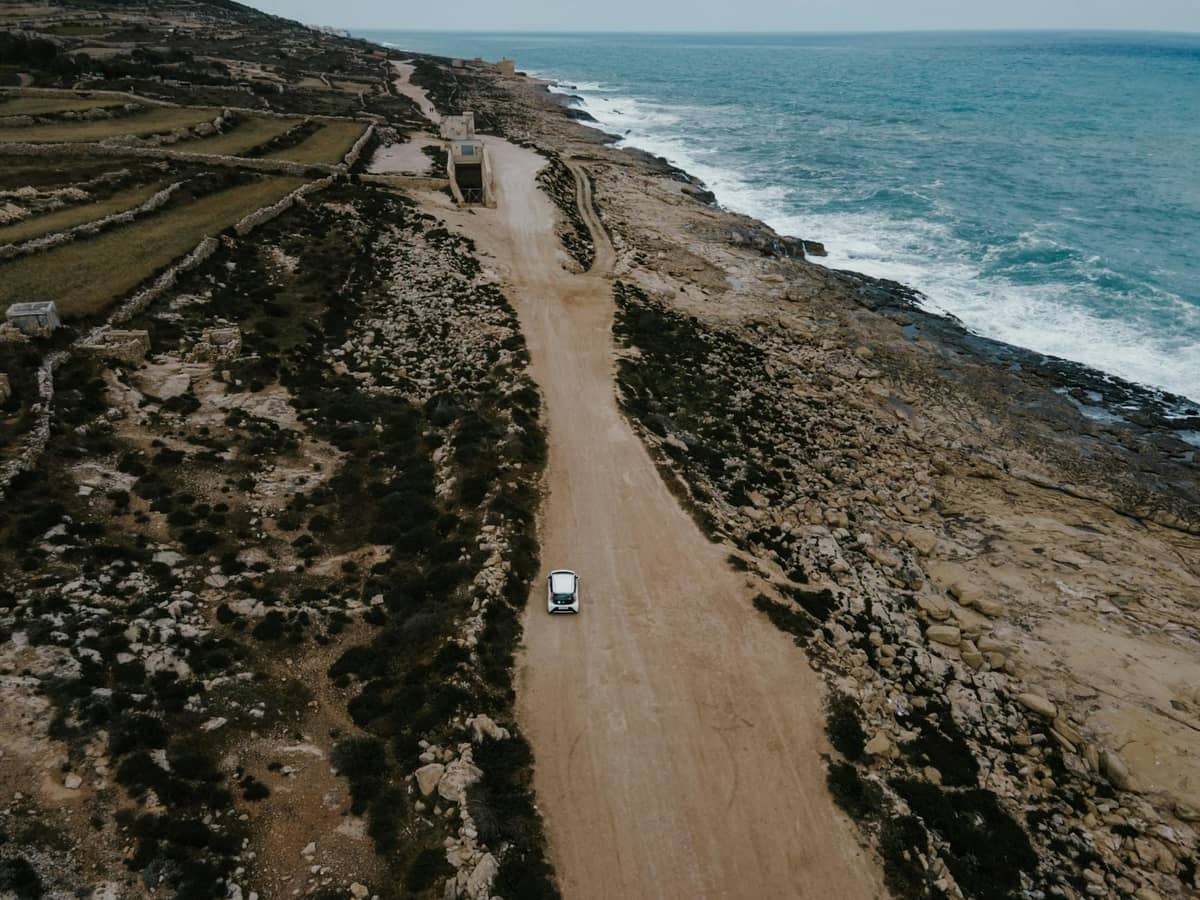
Car rental in Malta is worth considering if you plan to visit multiple areas across several days, particularly if you want to reach the west coast cliffs, the south, or rural villages that buses serve infrequently. Major international rental companies operate at the airport, and local operators in Sliema offer competitive daily rates. Prices vary widely by season — budget car rentals can start around €25-40 per day in shoulder season but climb in July and August.
There are a few things to know before you book. Malta drives on the left — a legacy of British rule. Roads in rural areas and old towns like Mdina are narrow, and some historic centres have restricted access. Parking in Valletta is extremely limited; the city is better explored on foot or by bus. In peak summer, traffic on the main arteries from St. Julian's through Sliema and into Valletta can be stop-start for 40+ minutes. If your itinerary is Valletta-focused, a car will cause more stress than it solves.
ℹ️ Good to know
Malta has no passenger railway and no metro currently in operation. The 'Malta in Motion' national transport plan announced in April 2026 includes a proposed €2.8 billion metro line, but this is a 15-year infrastructure plan with no confirmed construction start date. Do not plan your visit around it.
Practical Tips for Getting Around Malta Efficiently
Malta is small enough that no single destination is truly far — the longest cross-island bus journey (south to north) takes around 90 minutes in normal traffic. But that traffic variable is real, and it affects everything. The key is to plan your days geographically: cluster your Valletta visits on the same day, do the same for the south or the northwest. Backtracking across the island twice in a day eats hours.
- Download the Tallinja app before arriving — it has live tracking, route planning, and mobile ticket purchase.
- For Gozo day trips, aim to catch an early ferry (before 09:00) to beat tour groups and make the most of the island.
- The harbour ferry between Valletta and Sliema/Three Cities is often faster than any land transport at midday.
- Avoid renting a car if you're only staying in Valletta, Sliema, or St. Julian's — parking costs and traffic make it impractical.
- Night buses operate on weekends; on weeknights, budget for a Bolt ride home if you're out past 23:00.
- Senior and student discounts may apply on buses — check Malta Public Transport for current eligibility criteria.
For those planning longer stays and wanting to venture beyond the main tourist corridor, renting a car for one or two days specifically for the west and south makes sense. Spots like the Dingli Cliffs, Għar Lapsi, and the salt pans near Marsaxlokk are technically reachable by bus, but the return journeys are awkward and infrequent. A hire car for those days is a genuine time-saver.
FAQ
How do I get from Malta airport to Valletta?
The cheapest option is bus routes X2 or TD3, which run roughly every 30-60 minutes and cost around €2, taking 30-55 minutes. A licensed white taxi costs €20-30 and takes 20-30 minutes. Pre-booked shared shuttles run €10-15 but make multiple hotel stops, so they're slower.
Is the bus free in Malta for tourists?
No. Free bus travel is a residents-only benefit tied to the Tallinja Card scheme introduced in October 2022. Tourists pay per journey — around €2 per single trip. You can pay cash on board or use the Tallinja app for mobile tickets.
How do you get from Malta to Gozo?
The standard route is the Gozo Channel ferry from Ċirkewwa (northern Malta) to Mġarr Harbour on Gozo. The crossing takes about 25 minutes and runs frequently throughout the day and into the night. Take bus 222 from Sliema or Valletta to reach Ċirkewwa.
Is it worth renting a car in Malta?
It depends on your itinerary. For Valletta, Sliema, and St. Julian's, a car is more hassle than help — parking is scarce and traffic is heavy. For rural areas, the south, and the west coast (Dingli Cliffs, Għar Lapsi), renting for one or two specific days makes sense. Remember Malta drives on the left.
Does Malta have Uber or other ride-hailing apps?
Yes — both Bolt and Uber operate in Malta. They work well in the main tourist areas and are generally cheaper than flagging down a traditional taxi. Bolt in particular has good coverage and upfront pricing, making it the preferred option for most visitors.