Malta on a Budget: How Much It Really Costs (And How to Spend Less)
Malta surprises most travelers: it is an EU country with a UNESCO capital, 7,000 years of history, and genuinely affordable daily costs if you know where to look. This guide breaks down realistic daily budgets, free and cheap attractions, transport costs, food prices, and the seasonal timing that makes the biggest difference.
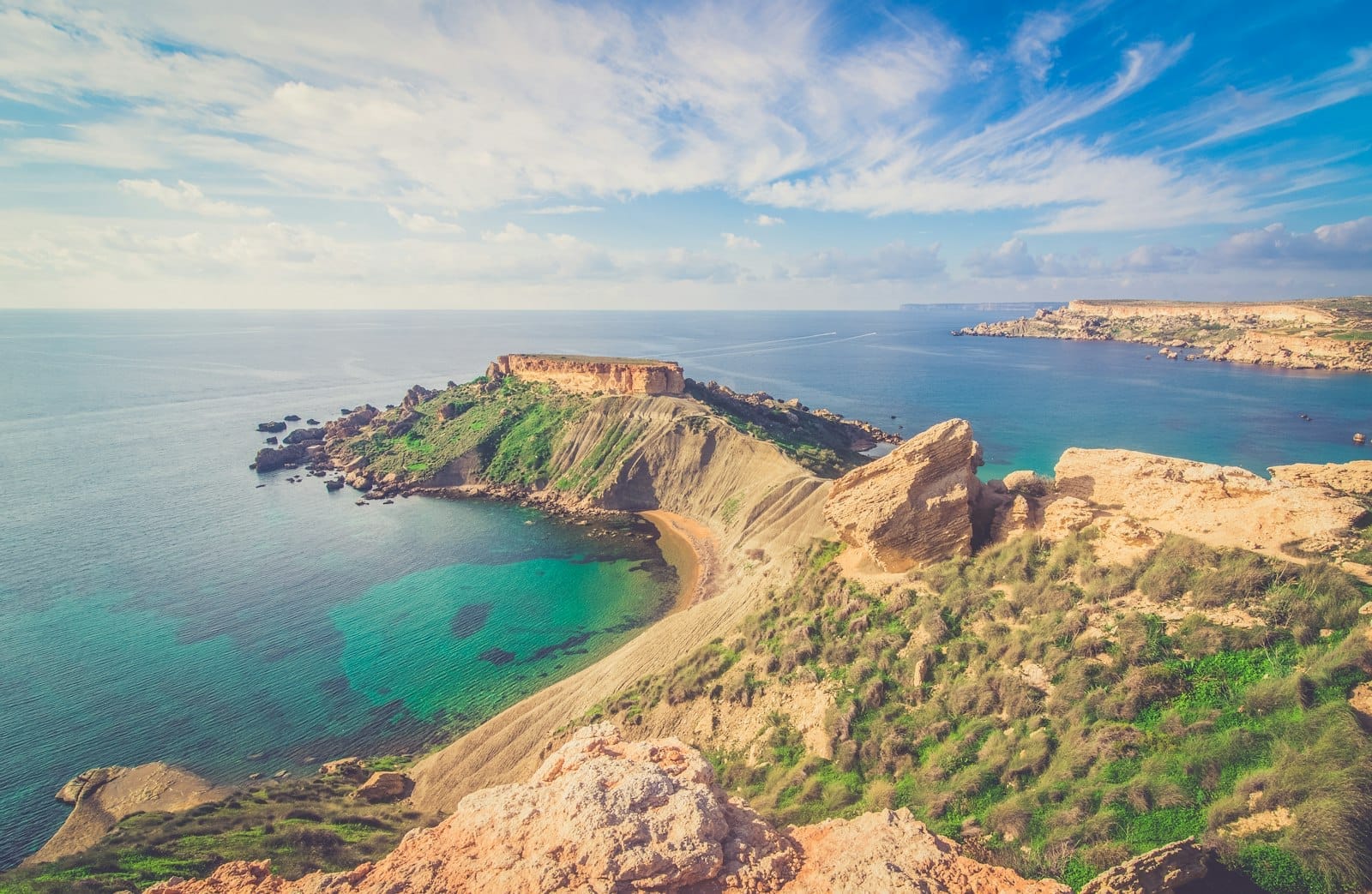
Plan and book this trip
Tools from our partner Travelpayouts help you compare flights and hotels. If you book through them, we may earn a commission at no extra cost to you.
Flights
Hotels map
TL;DR
- Budget travelers can cover Malta on €35-55 per day including accommodation, food, transport, and key sights.
- A single bus ticket costs €2 (€2.50 in summer); a 7-day Explore card is €21. Buses connect virtually every major site.
- Valletta, Mdina, Dingli Cliffs, Marsaxlokk, and all public beaches are free to explore — so is most of the country's best scenery.
- Visit in April-June or September-October to pay 30-50% less for accommodation versus July-August peaks.
- See our full things to do in Malta guide for activity ideas across all price points.
Is Malta Expensive? The Honest Answer
The question of whether Malta is expensive depends almost entirely on how you travel. As an EU member using the euro, Malta is not cheap by Southeast Asian standards. But compared to Western Europe, it is genuinely affordable, particularly on food, transport, and entrance fees. The misconception that Malta is a luxury-only destination likely comes from its marina hotels and high-end Valletta restaurants, which are visible but not representative of what most travelers spend.
A realistic budget for a solo traveler staying in hostel dorms, eating at local bakeries and mid-range restaurants, using buses, and visiting a handful of paid attractions lands between €35-45 per day in the shoulder season. That rises to around €55 per day in summer (June-August) when accommodation prices increase noticeably. Couples sharing a budget hotel room can often do better per person. For 3 days, plan on €300-450 total for a lean but comfortable trip. Ten days comes in around €1,000-1,300 on a budget approach.
ℹ️ Good to know
Malta uses the euro (EUR). English is an official language alongside Maltese, so navigating menus, transport apps, and signs requires zero translation effort — a practical cost-saver that reduces the risk of ordering the wrong thing or taking the wrong bus.
Transport: Buses Beat Everything Else
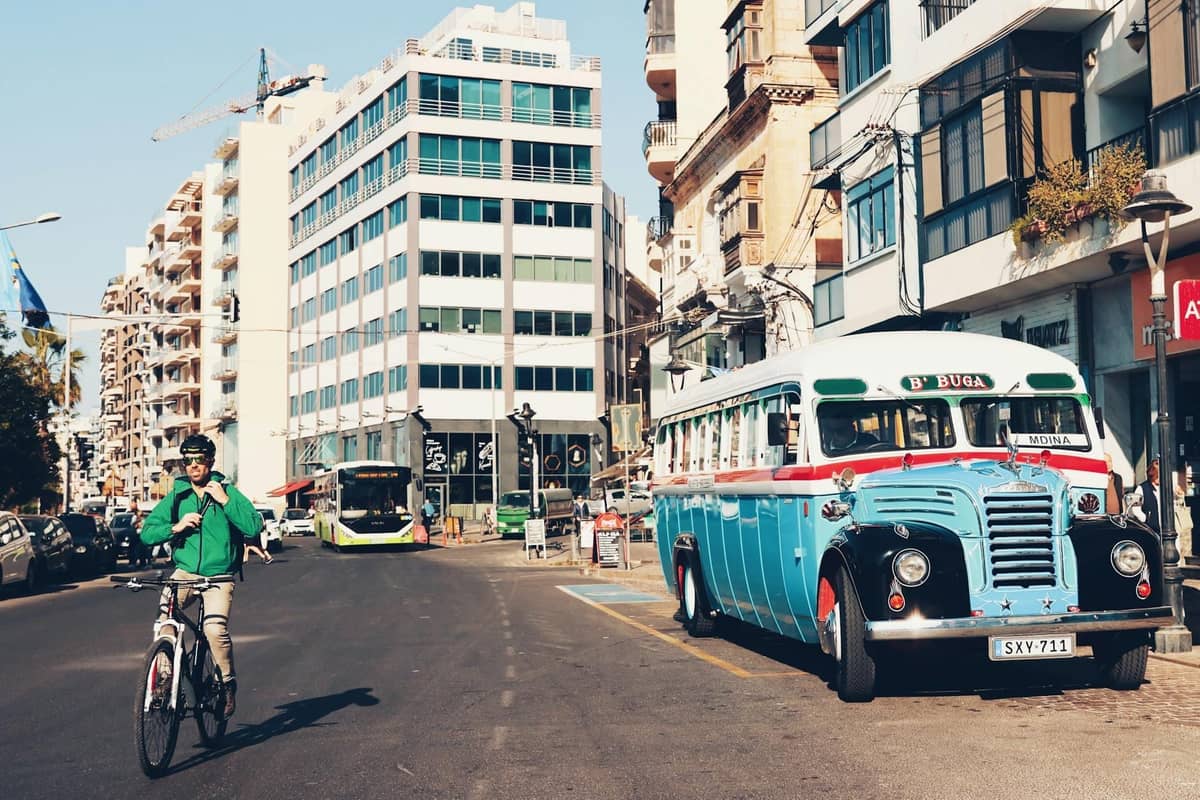
Malta has no passenger rail network. The island is 27 km long and 14 km wide — meaning the entire country is served by Malta Public Transport's bus network. A single journey costs €2 in winter and €2.50 in summer (June to October). The 7-day Explore card at €21 is the main multi-day option and pays for itself quickly if you're moving around daily. Bolt and Uber both operate in Malta for rides that buses don't cover conveniently, but regular taxi use will erode a budget fast. From Malta International Airport (MLA) to Valletta, the X1 or X4 bus costs €2 and takes 40-60 minutes — the taxi for the same trip runs €20-30. Always take the bus from the airport unless you are traveling late at night with heavy luggage. See more transport logistics in our getting around Malta guide.
- Single bus ticket €2, valid for one journey in any direction across Malta or Gozo
- 7-day Explore card €21 via the Tallinja card — best value for stays of 3+ days
- Airport to Valletta by bus €2, lines X1/X4, approx. 40-60 minutes
- Airport to Valletta by taxi €20-30 for the same trip, 20-30 minutes
- Ferry to Gozo Around €4.65 per person return from Ċirkewwa — check current Gozo Channel fares directly
💡 Local tip
Download the Tallinja app before you arrive. It shows real-time bus locations, schedules, and lets you top up your card digitally. Buses in Malta run frequently on main routes but can be irregular on minor ones — always build 10-15 minutes of buffer into your schedule.
Accommodation: Where to Stay Without Overpaying
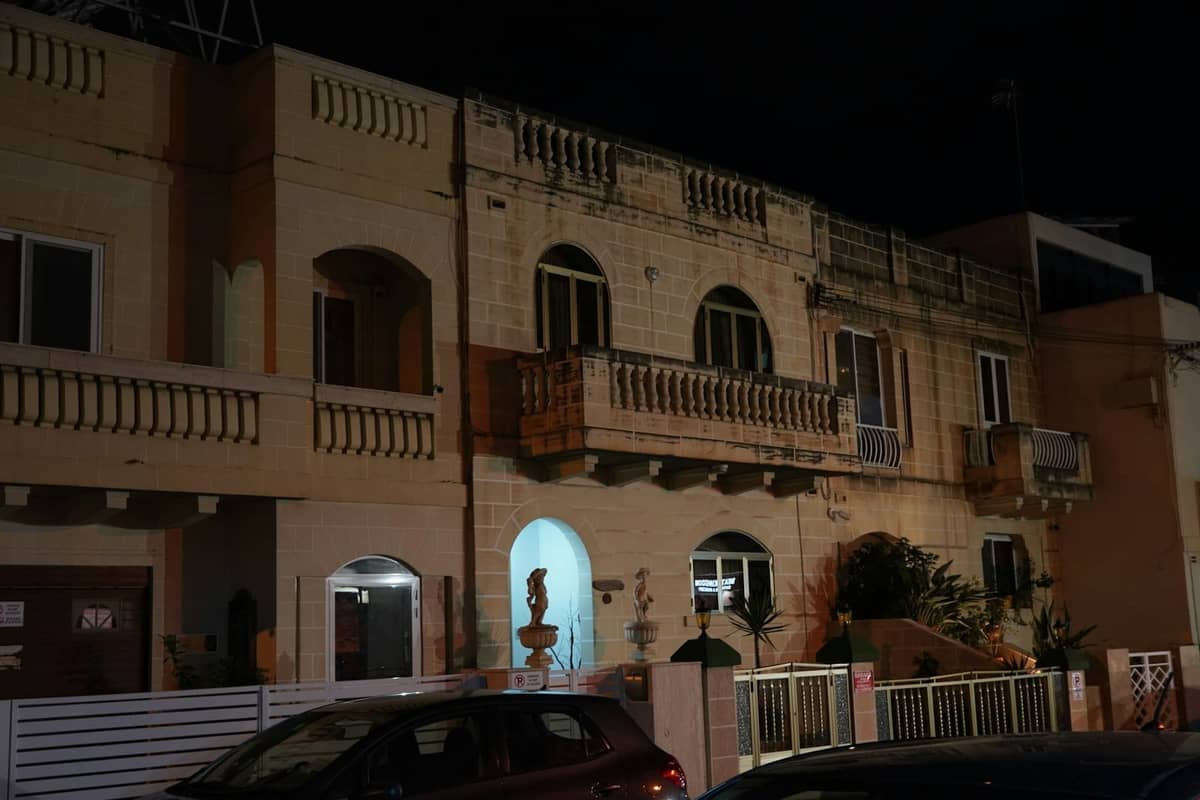
Hostel dorm beds in Malta average €25-35 per night in shoulder season, with the cheapest options typically found in St. Paul's Bay rather than Valletta or Sliema, where location premium pushes prices up. Budget hotels and guesthouses range from €50-90 per night for a private room. In peak summer (July-August), those same rooms can cost 40-60% more. Airbnb and apartment rentals become more competitive for stays of 5+ days, particularly if you are cooking some meals.
Staying in Sliema or St. Julian's puts you near the promenade, supermarkets, and easy bus connections, but comes at a price premium over more local areas. Valletta itself is compact and has a handful of guesthouses; the atmosphere justifies the slight extra cost if you want to walk everywhere. For a deeper look at the tradeoffs between neighborhoods, check our where to stay in Malta guide.
⚠️ What to skip
Avoid booking accommodation in Paceville if budget and sleep quality matter. It is Malta's nightlife district — noise runs until 4am on weekends, and hotels there charge for location, not value. It is fine for one late night out but not as a base.
Food and Drink: Eat Like a Local, Pay Almost Nothing
Food is where Malta genuinely surprises budget travelers. The pastizz, Malta's iconic flaky pastry filled with ricotta or mushy peas, costs around €0.30-0.50 at any local pastizzeria or bakery. A plate of ftira (a thick Maltese bread sandwich stuffed with tuna, capers, olives, and tomatoes) runs €3-5. These are not tourist snacks — they are what Maltese people eat for breakfast and lunch. Supermarkets including LIDL and PAMA have branches across the island, and buying groceries for a few meals per day cuts daily food costs dramatically.
Sit-down meals at non-tourist restaurants run €6-12 for a main course. Restaurants along the Valletta waterfront and in Sliema's main shopping strip charge tourist prices (€15-25 mains), and the food is rarely worth the premium. The Marsaxlokk Sunday fish market is worth visiting both for the atmosphere and for buying fresh seafood at fair prices. Rabbit stew (fenek), Malta's national dish, appears on menus across the island for €10-15 and is one of the best-value local experiences going.
- Pastizzi (ricotta or pea pastry): €0.30-0.50 each at local bakeries
- Ftira sandwich: €3-5 at a local cafe
- Main course at a non-tourist restaurant: €6-12
- Local beer (Cisk lager) at a bar: €2-3.50 depending on area
- Coffee (espresso or Maltese tea): €1.50-2.50
- Supermarket meal prep: €5-8 per day if buying bread, cheese, deli items, and fruit
Free and Low-Cost Attractions: What Costs Nothing
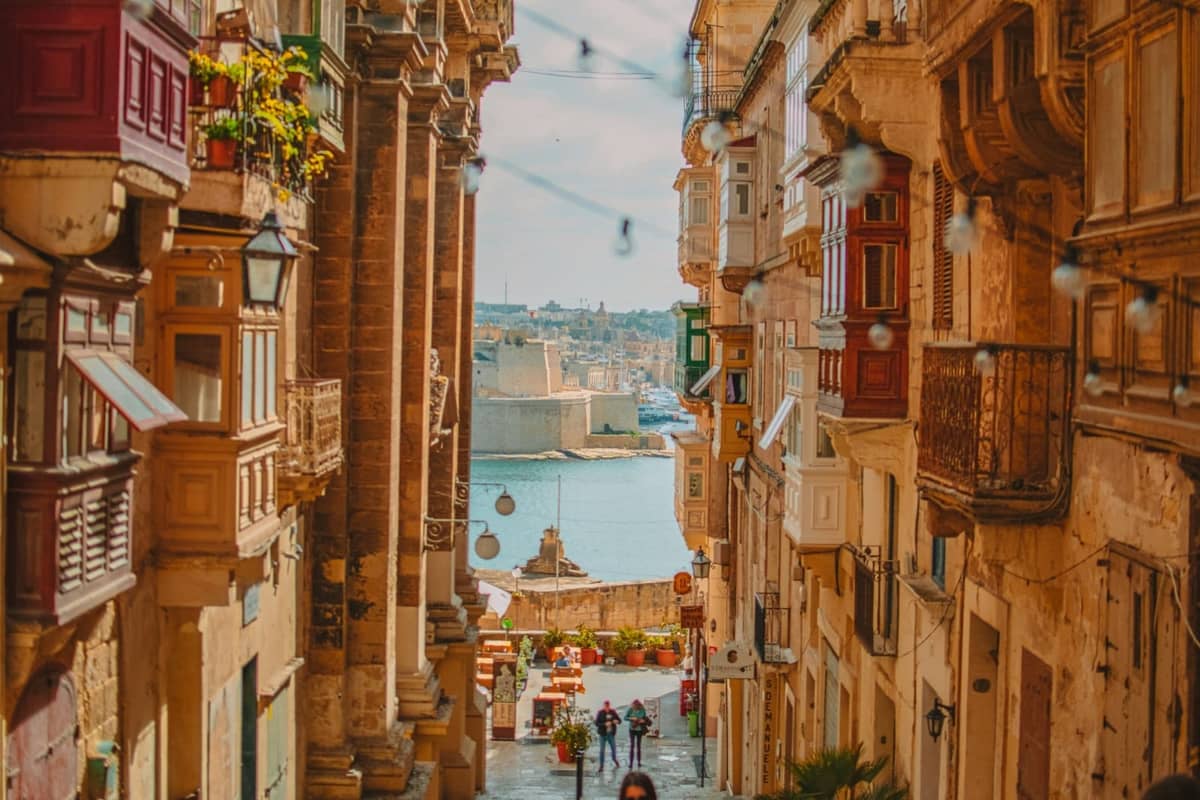
This is Malta's strongest budget argument: an enormous proportion of its best experiences are completely free. Walking the streets of Valletta — a UNESCO World Heritage Site and one of the most concentrated collections of Baroque architecture in Europe — costs nothing. The same is true for Mdina, the medieval walled city in the island's center, where entry to the old city itself is free even if individual museums charge. The Upper Barrakka Gardens offer what many consider the finest panoramic view in Malta, including the famous Grand Harbour and Three Cities, at no charge.
The Dingli Cliffs on the west coast reach 253 meters above sea level and are freely accessible by bus. Marsaxlokk village and its famous fish market involve no entrance fee. Public beaches including Golden Bay, Mellieha Bay, and Ghajn Tuffieha are all free. The Blue Grotto boat trips cost around €8-10 per person and are worthwhile, but the clifftop viewpoint above is free.
For paid attractions, prices are generally reasonable. The Hal Saflieni Hypogeum (one of the world's most remarkable prehistoric underground burial sites) costs €50 but books out weeks in advance — book on the Heritage Malta website immediately after confirming your travel dates. Hagar Qim and Mnajdra temples together cost €10. St. John's Co-Cathedral in Valletta charges €15 for standard entry but is free during Sunday morning mass if you attend the service rather than treat it as a tourist visit.
The Malta Pass, available for 24hr/48hr/72hr, bundles entry to 40+ attractions including the hop-on hop-off bus, various museums, and some boat trips. It is worth calculating against your planned itinerary before buying — for heavy museum days it saves money, but for travelers spending most time at free sites and beaches it may not break even. For a full breakdown of free activities, see our free things to do in Malta guide.
When to Visit: Timing Makes the Biggest Budget Difference
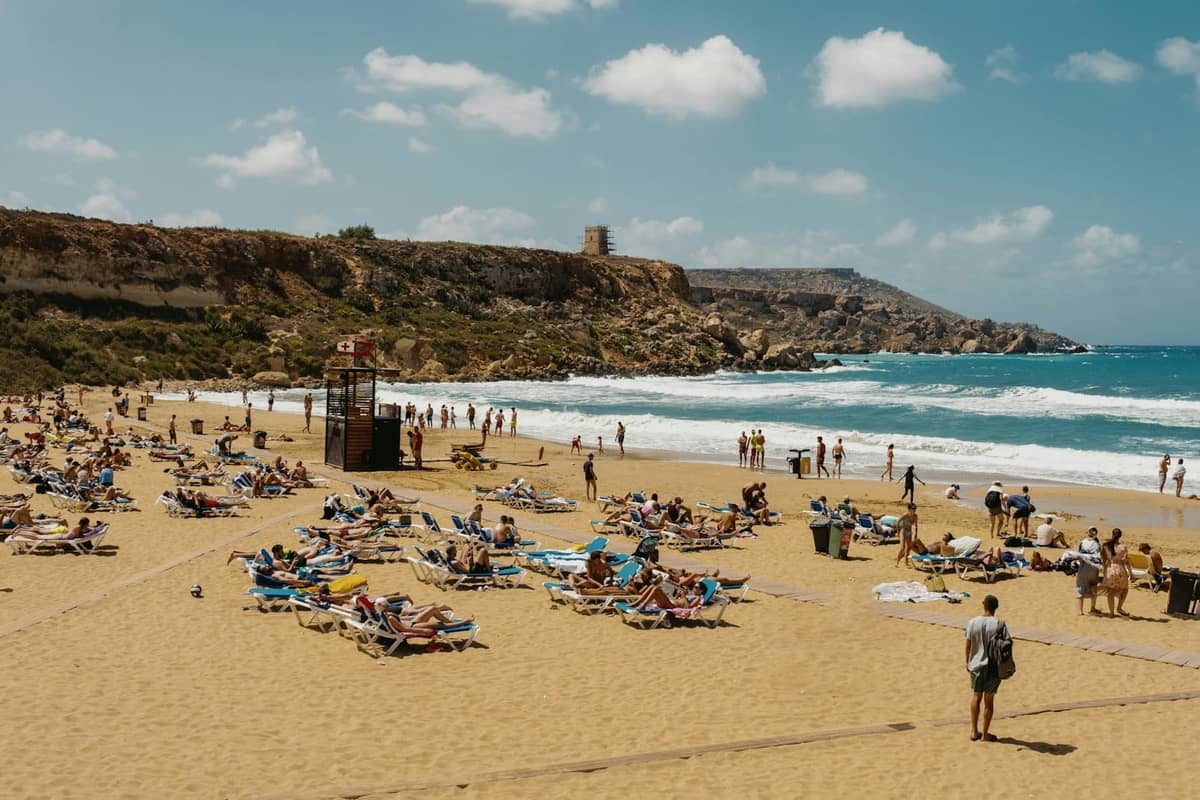
The single biggest lever on your Malta budget is timing. July and August are peak season: accommodation prices surge, beaches get crowded, and temperatures regularly hit 32-35°C, which makes outdoor sightseeing uncomfortable between 11am and 4pm. The shoulder seasons, April-June and September-October, offer the best combination of mild weather (20-28°C), manageable crowds, and significantly lower accommodation rates. Winter (December-February) has the cheapest prices and temperatures of 12-16°C, but expect occasional rain and some seasonal closures. For more on timing your visit, see our best time to visit Malta guide.
Beyond accommodation savings, shoulder season travel means shorter queues at the Hypogeum, uncrowded morning visits to Valletta before tour groups arrive, and boat trips to the Blue Lagoon on Comino that don't involve fighting for standing room on a crowded platform. The Blue Lagoon in July is genuinely overwhelming — day-tripper boats arrive back to back from Sliema and Mellieha, and the water turns into a floating car park by midday. In May or October, the same spot is a different experience entirely.
✨ Pro tip
If you visit in summer, book a morning boat departure to the Blue Lagoon on Comino (before 9am if possible) and leave by 11:30am before the main crowds arrive. Afternoon slots are markedly worse for value and enjoyment.
Practical Money Tips: Small Savings That Add Up
Tap water in Malta is safe to drink, which eliminates the daily cost of bottled water that many travelers assume is necessary in Mediterranean countries. Carry a refillable bottle. Tipping is not compulsory; 5-10% in restaurants is appreciated if service was good and no service charge has been added, but leaving nothing is not considered rude. Type G plugs (UK-style three-pin) are standard at 230V, so UK travelers need no adapters and other Europeans need a simple UK adapter rather than a voltage converter.
- Drink tap water Safe and free — saves €2-4 per day versus buying bottles
- Buy a Tallinja bus card Avoid paying €2 cash per journey; card journeys on some routes can be cheaper or offer daily caps
- Eat away from waterfronts One street back from Sliema seafront or Republic Street in Valletta, prices drop noticeably
- Visit churches for free Malta has over 360 churches — most are free to enter outside service times and contain remarkable art
- Use supermarkets for breakfast LIDL and PAMA have good selections of local bread, cheese, and fruit at local prices
- Book Heritage Malta sites in advance The Hal Saflieni Hypogeum sells out weeks ahead; no last-minute option exists
FAQ
Is Malta expensive for tourists compared to other Mediterranean destinations?
Malta sits in the middle range for Mediterranean Europe. It is cheaper than France, Italy, and Spain for most daily expenses, roughly comparable to Portugal, and more expensive than the Balkans or Turkey. Accommodation and dining out are the main costs, while transport and many attractions are genuinely affordable by EU standards.
How much money do I need per day in Malta?
Budget travelers spending on dorm beds, local food, and public buses need around €35-45 per day in shoulder season (spring and autumn). This rises to €50-60 per day in July-August. Mid-range travelers in a private hotel room with restaurant meals budget €80-120 per day. Couples sharing costs can often land below these per-person figures.
What is the cheapest way to get around Malta?
The Malta Public Transport bus network covers almost every major site for €2 per journey (€2.50 in summer). A 7-day Explore card costs €21 and covers most short-stay itineraries. Renting a car is not necessary and adds parking costs; taxis and Bolt/Uber are convenient for late nights but expensive for regular use.
Are there free things to do in Malta?
Many of Malta's most compelling experiences are free. Walking Valletta and Mdina, visiting the Upper and Lower Barrakka Gardens, exploring Dingli Cliffs, Marsaxlokk fishing village, and all public beaches cost nothing. Entry to most Catholic churches (of which there are over 360 on the islands) is also free.
Is it worth buying the Malta Pass?
The Malta Pass is worth it if you plan to visit 6-8 paid attractions in 2-3 days, including museums, the hop-on hop-off bus, and boat trips. For travelers who spend most time at beaches and free historic sites, the math usually does not work in the pass's favor. Calculate your planned paid admissions first before buying.