Where to Stay in Malta: Best Areas & Hotels Guide
Choosing where to stay in Malta shapes your entire trip. This guide breaks down the best neighborhoods, from the historic capital Valletta to the beach towns of the north, with honest advice on what each area actually delivers.
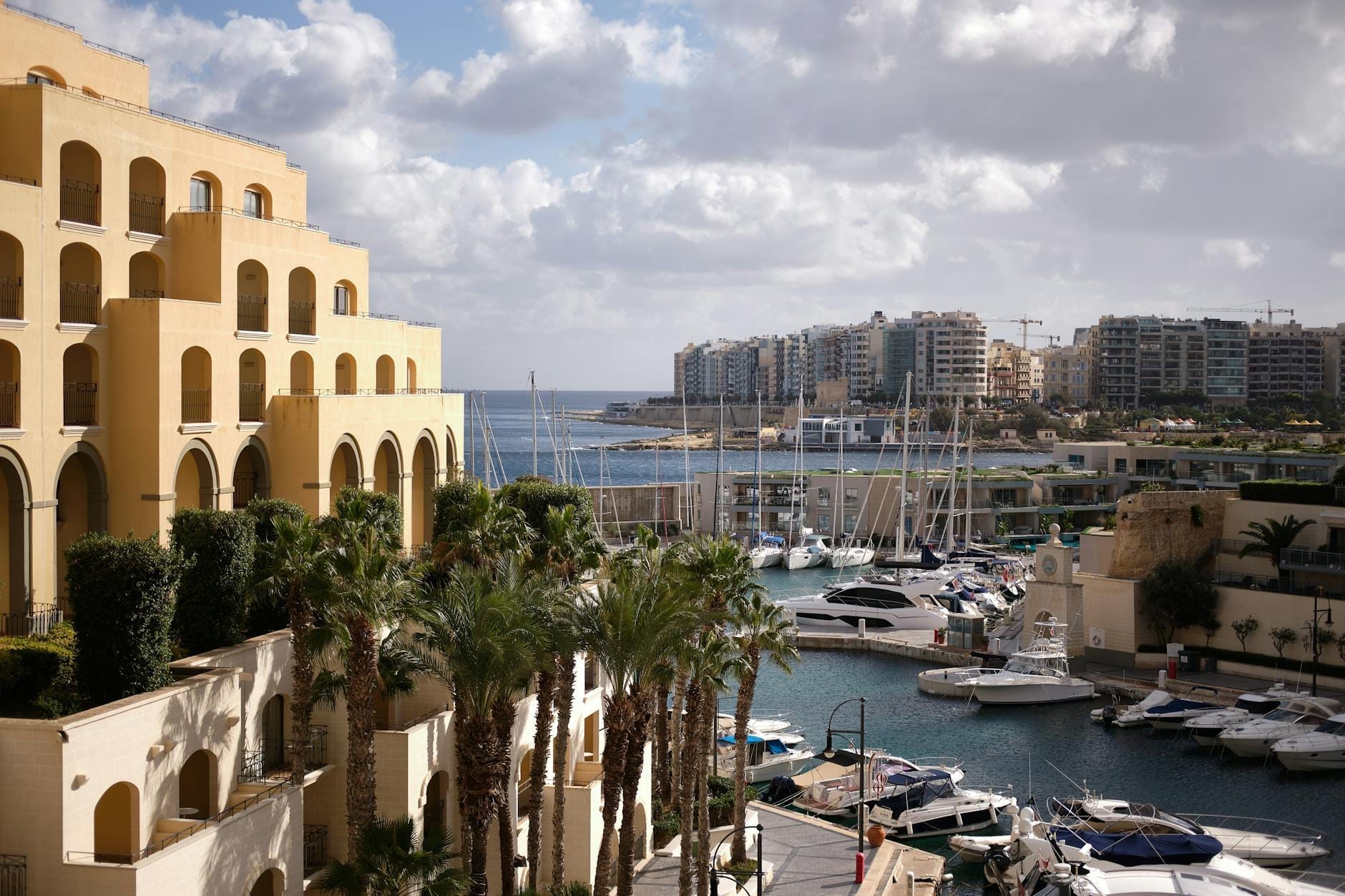
Plan and book this trip
Tools from our partner Travelpayouts help you compare flights and hotels. If you book through them, we may earn a commission at no extra cost to you.
Flights
Hotels map
TL;DR
- Valletta suits history-focused travelers; Sliema and St. Julian's work best for those wanting coast, dining, and nightlife close together. See what to do in Malta to match your base to your plans.
- Mellieha is the top pick for beach-first stays, with direct ferry access to Gozo and Comino.
- Malta hotels range from budget guesthouses to five-star resorts — prices spike sharply in July and August, so book early or go in shoulder season.
- The island is compact (316 sq km), so no area is truly inconvenient — but traffic in St. Julian's in summer can add 20-30 minutes to short journeys. Check the getting around Malta guide before committing to a base.
- English is an official language, making communication effortless in every neighborhood.
How to Choose Your Base in Malta
Malta is small enough that you could theoretically stay anywhere and reach most attractions in under an hour. That said, where you sleep still matters. The island has no passenger rail, so you rely on buses (Malta Public Transport covers 100+ routes), taxis, Bolt, or Uber to get around. If you do not want to depend on transport every day, staying close to the things you care about saves time and money.
The north-south divide is the most useful mental map. The capital Valletta and the adjacent coastal strip — Sliema, St. Julian's — sit in the centre-east and cover culture, nightlife, and waterfront dining. The north, anchored by Mellieha, is beach territory with a far quieter atmosphere. The ancient walled city of Mdina in the centre has only a handful of accommodation options, but they are exceptional if you can afford them.
💡 Local tip
If you want one base for a 7-day trip, Sliema is the most practical choice. It puts you 10-15 minutes from Valletta by ferry or bus, walking distance from St. Julian's, and on frequent bus routes to the rest of the island.
Valletta: Stay Inside History
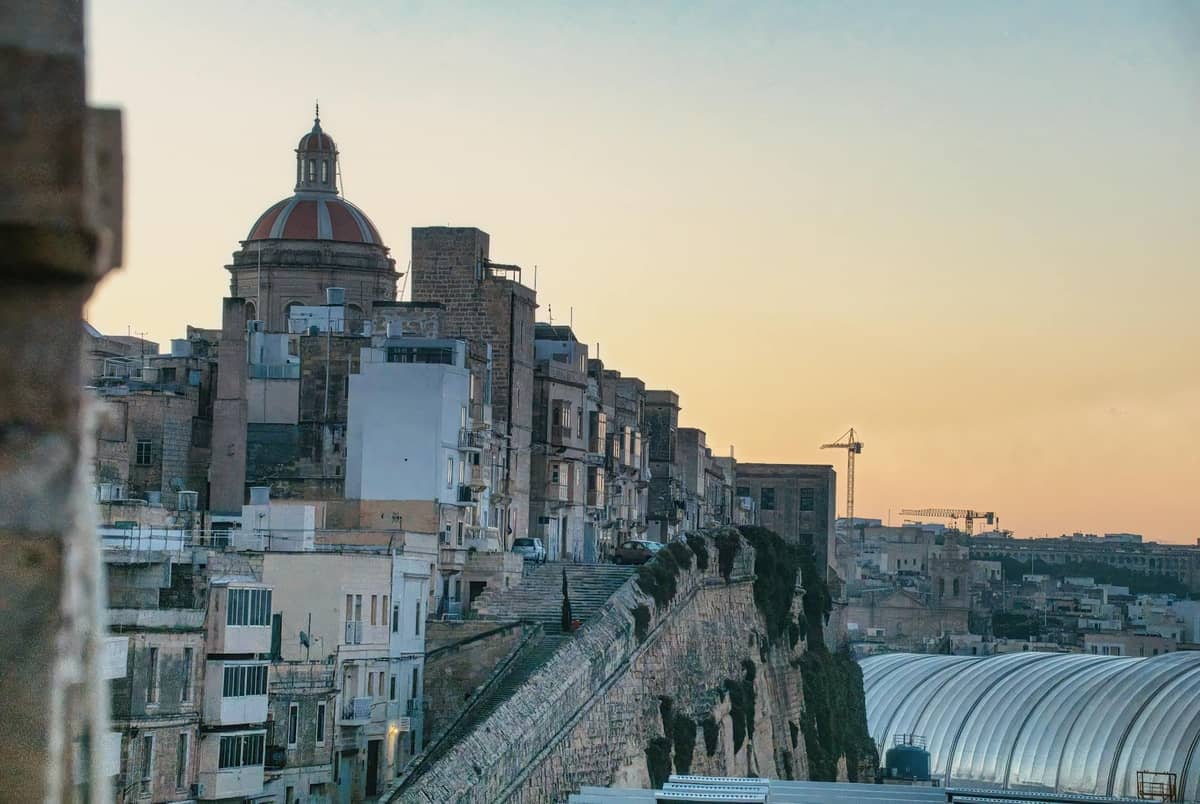
Valletta is the smallest EU capital by area, but it punches far above its size in terms of cultural density. St. John's Co-Cathedral, the Grandmaster's Palace, and the Upper Barrakka Gardens are all within a 10-minute walk of each other. Staying here means you can see the city before and after the day-trip crowds arrive and leave.
Hotels in Valletta tend to be boutique properties converted from historic palazzos. Rooms can be small and parking is essentially nonexistent inside the city walls, so this is best suited to travelers on foot. The streets are mostly hilly stone, which can be tiring with heavy luggage. That said, the atmosphere in the evenings, once tour groups clear out, is genuinely impressive. Restaurant prices here skew slightly higher than Sliema.
Worth noting: Valletta has a real residential population and is not purely a tourist zone. You get bakeries, local bars, and street markets alongside the heritage sites. It is not overrun in the way that comparable European capitals can feel.
Sliema and St. Julian's: The Practical Coastal Strip
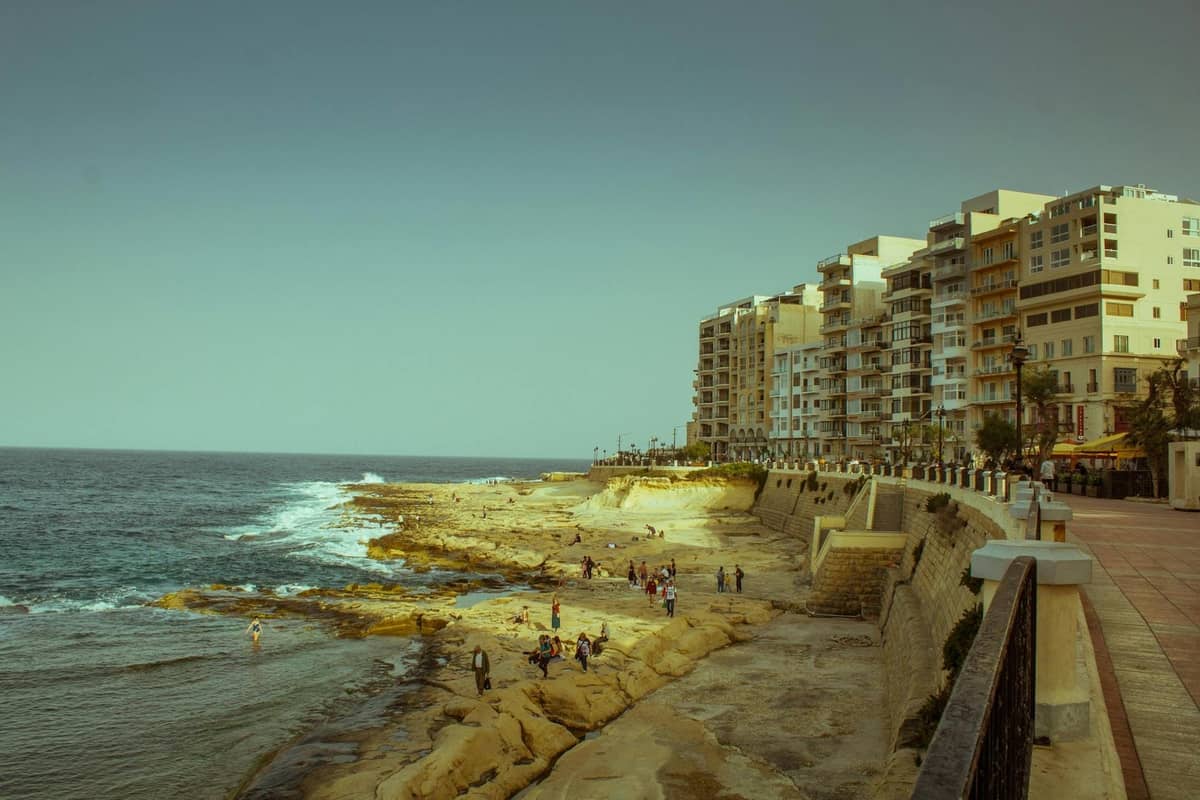
These two towns blur into each other along the northeast coast and together form Malta's main tourist corridor. Sliema and St. Julian's hold the island's widest range of Malta hotels, from international chains to independent boutiques. Both are walkable, well-served by buses, and have the densest concentration of restaurants, cafes, and shops outside Valletta.
Sliema is the calmer of the two. The Sliema Promenade stretches nearly 2 km along the waterfront and is good for morning walks or evening strolls. The area attracts families, couples, and older travelers who want convenience without the late-night noise. The Valletta ferry from Sliema takes about 8 minutes and runs frequently from early morning.
St. Julian's is louder and more energetic, particularly around Paceville, Malta's nightlife district. If you stay near Paceville in summer, expect noise until 3-4am on weekends. That is genuinely not for everyone. On the plus side, Spinola Bay is one of Malta's most photogenic spots, surrounded by seafood restaurants, and the area has some of the island's best hotel pools and spa facilities.
⚠️ What to skip
Avoid booking accommodation directly adjacent to the Paceville club strip unless nightlife is your primary reason for visiting. Noise complaints are consistent from June through September, and some hotels in this zone charge peak-season premiums that do not reflect their quality.
- Best for: Families and couples Choose northern Sliema, where the promenade is quieter and bus connections are strong.
- Best for: Nightlife and social travel St. Julian's near Spinola Bay puts you in the middle of the action without being directly on the club strip.
- Best for: Business or short stays Central Sliema has the most hotels with reliable Wi-Fi, early breakfast, and proximity to the Valletta ferry.
- Best for: Budget travelers Guesthouses and smaller B&Bs appear throughout both areas — rates are more competitive in Sliema compared to St. Julian's for similar quality.
Mellieha and the North: Beach-First Stays
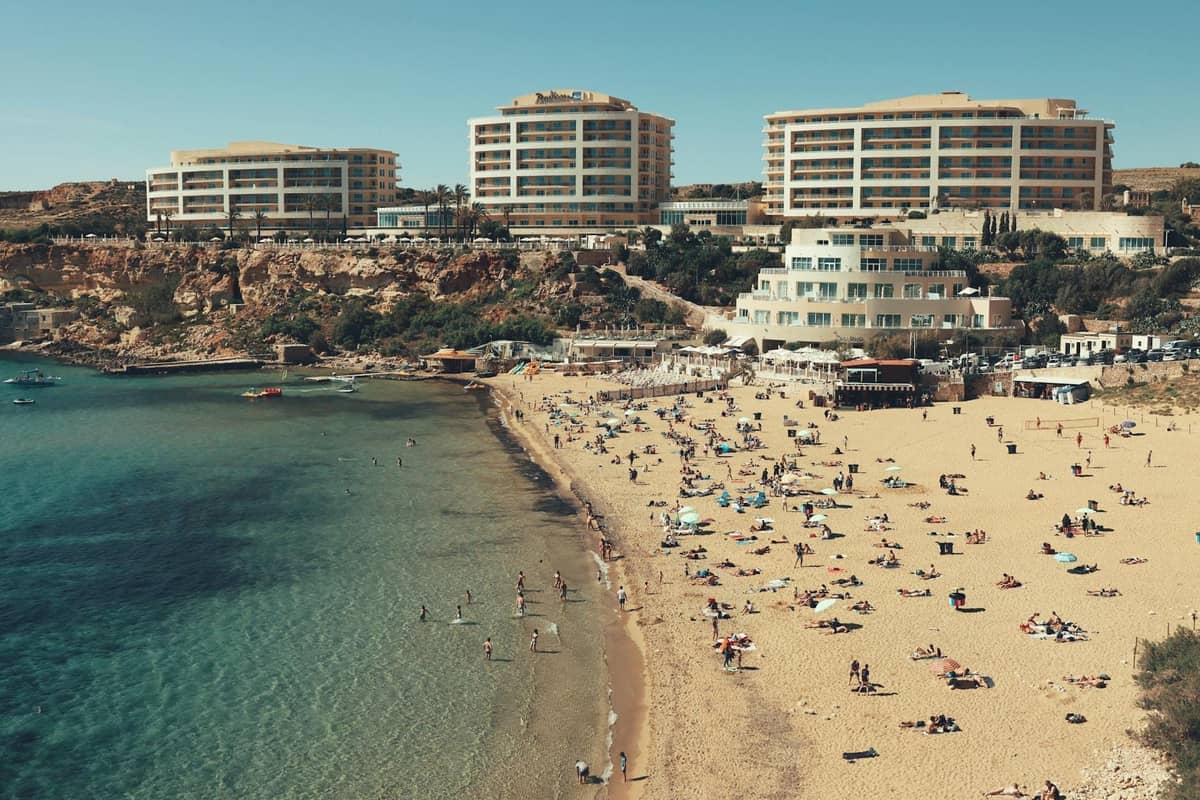
If the beach is your priority, Mellieha is the correct answer. Mellieha Bay (Għadira Bay) is Malta's largest sandy beach, and the town sits on a ridge above it with sweeping views north. From here, the ferries to Gozo and Comino depart from Cirkewwa, roughly 10 minutes away by car, making day trips to the Blue Lagoon genuinely easy.
The trade-off is distance from the cultural south. Getting to Valletta from Mellieha takes 45-60 minutes by bus or around 30 minutes by car, longer in summer traffic. It is manageable for day trips, but if you want to explore both beaches and Baroque heritage daily, you will feel the commute. This area suits one-week stays where you have designated beach days and designated sightseeing days rather than mixing them.
The north also gives you access to Golden Bay and Ghajn Tuffieha Bay, two of Malta's best beaches, both within 15 minutes of Mellieha town. Accommodation here ranges from large resort hotels with pools and spas to smaller boutique properties. Rates tend to be more competitive than St. Julian's at similar quality levels, and the area is noticeably less congested even in peak season.
Other Areas Worth Considering
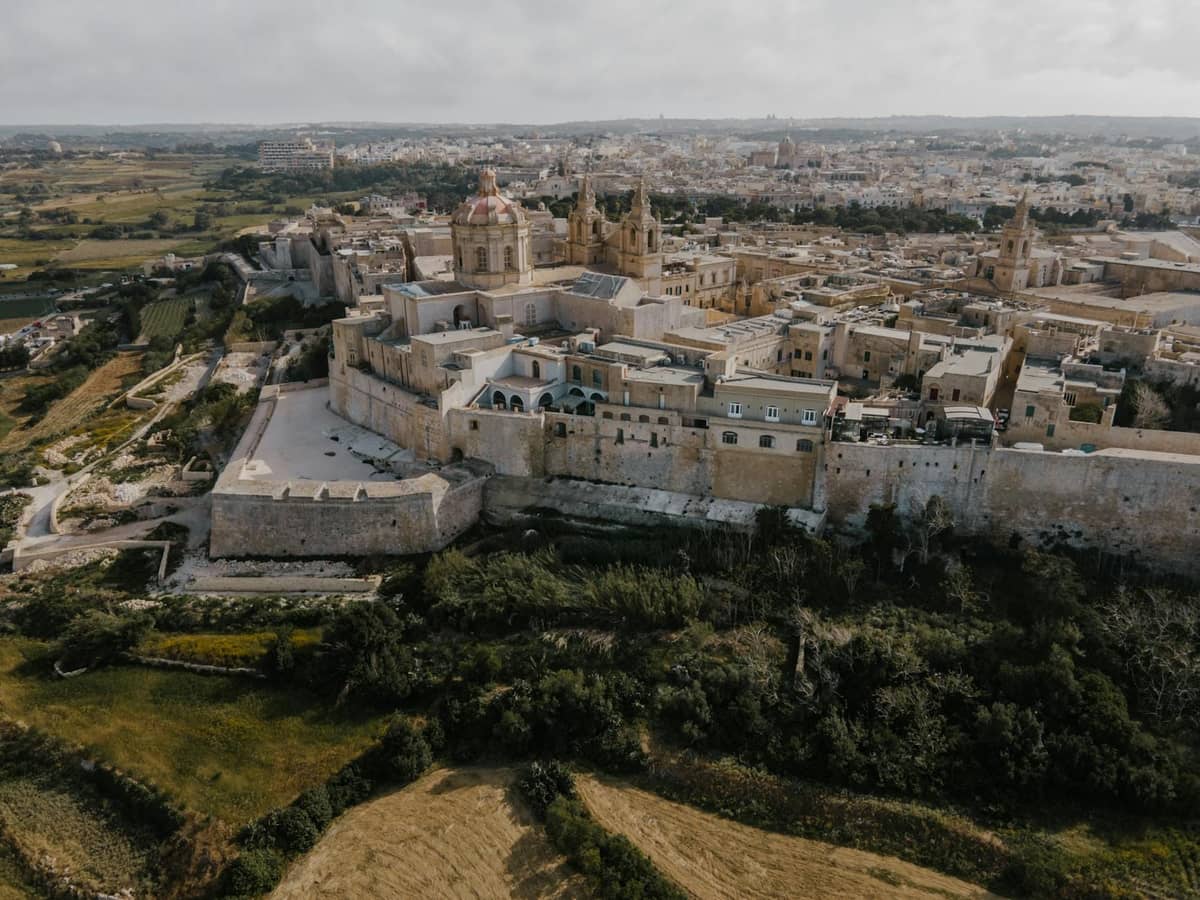
Mdina, the medieval walled capital, has only a small number of hotels inside its walls, but staying there is a legitimate once-in-a-lifetime experience. The city earns its nickname the Silent City — cars are restricted, there are no chain hotels, and after the day visitors leave around 6pm, the atmosphere is like stepping into another century. Nearby Rabat offers more affordable options just outside the walls with easy walking access.
The Three Cities (Vittoriosa, Senglea, and Cospicua) across the Grand Harbour from Valletta are an underrated base. Accommodation here is limited but often good value, and the fortified streetscapes around Fort St. Angelo are among Malta's most atmospheric. A water taxi (the dgħajsa) crosses to Valletta in minutes and costs around €10-15 per person. This area suits travelers who have already done Malta once and want something less obvious.
Gozo itself deserves mention for those planning a multi-island trip. Victoria (also called Rabat) in Gozo's centre is close to the Citadella and works as a base for exploring the whole island. Alternatively, the village of Xlendi or the area around Ramla Bay offer quieter coastal stays. Read the full Gozo travel guide if you are considering basing yourself there for part of your trip.
✨ Pro tip
Marsaxlokk in the south has a handful of guesthouses with harbor views and excellent fish restaurants steps from the water. It is not well-connected by bus for daily sightseeing, but as a slow-travel base for 2-3 nights, it offers an authentically local experience that most visitors completely skip.
Practical Booking Advice: Timing, Pricing, and What to Avoid
Malta hotel prices follow a sharp seasonal curve. June through August is peak season: rates in St. Julian's and Sliema can double or triple compared to November. The shoulder months of April to May and September to October offer the best value, with pleasant temperatures (20-28°C), lower rates, and manageable crowds. December through February is the cheapest period, but some beach facilities close and Comino day trips are limited by weather.
For a first visit, budget roughly €80-150 per night for a mid-range hotel in Sliema or St. Julian's during shoulder season, rising to €150-300+ in July-August. Valletta boutique hotels often command a premium year-round due to limited supply. For context on overall trip costs, the Malta on a budget guide covers daily spending estimates beyond accommodation.
- Book July and August stays at least 3-4 months in advance — popular properties sell out entirely.
- Request a sea-facing room explicitly if the view matters; many hotels charge a supplement and will not upgrade automatically.
- Self-catering apartments in Sliema and St. Julian's offer excellent value for stays of 5+ nights, particularly for families.
- Check whether breakfast is included — Malta hotels frequently charge €10-20 per person for buffet breakfast, which adds up quickly.
- Parking in Valletta is essentially impossible; if renting a car, stay in Sliema or further north where hotel parking is more available.
ℹ️ Good to know
Malta uses Type G plugs (UK-style, 230V). The currency is Euro (EUR). English is an official language alongside Maltese, so communication with hotel staff across the island is straightforward for English-speaking visitors.
FAQ
Where is the best area to stay in Malta for first-time visitors?
Sliema is the most practical base for first-timers. It has a wide range of hotels at different price points, a waterfront promenade, strong bus connections to the rest of the island, and a regular ferry to Valletta that takes under 10 minutes. It is relaxed enough for families but close enough to St. Julian's nightlife for those who want it.
Is it better to stay in Valletta or Sliema?
It depends on your priorities. Valletta offers an unmatched historic atmosphere and immediate access to the main cultural sites, but hotels are mostly boutique and expensive, streets are hilly, and there is no parking. Sliema is easier to navigate, has more hotel variety, and sits on flat ground along the seafront. For most visitors, Sliema is more practical; for a special-occasion trip focused on history, Valletta is worth the premium.
When is the cheapest time to book hotels in Malta?
November through February offers the lowest hotel rates, sometimes 50-60% below peak summer prices. The trade-off is cooler temperatures (12-16°C) and occasional rain. The best value window — combining reasonable prices with good weather — is late September through October or April through May.
Can I stay in Malta without a car?
Yes, easily. Malta has an extensive bus network (Malta Public Transport) covering 100+ routes, plus Bolt and Uber for on-demand rides. Staying in Sliema, St. Julian's, or Valletta means you can manage most tourist activities without a car. Mellieha and northern areas become less convenient without one, though buses do run to the main beaches.
Is Gozo worth staying on rather than visiting as a day trip?
If you have 7 or more days in Malta, spending 2-3 nights on Gozo is genuinely worthwhile. The island has a completely different character — rural, quieter, with dramatic coastlines and Neolithic temples. Staying overnight lets you experience it without the pressure of the last ferry. The ferry crossing from Ċirkewwa takes 45 minutes and runs frequently.