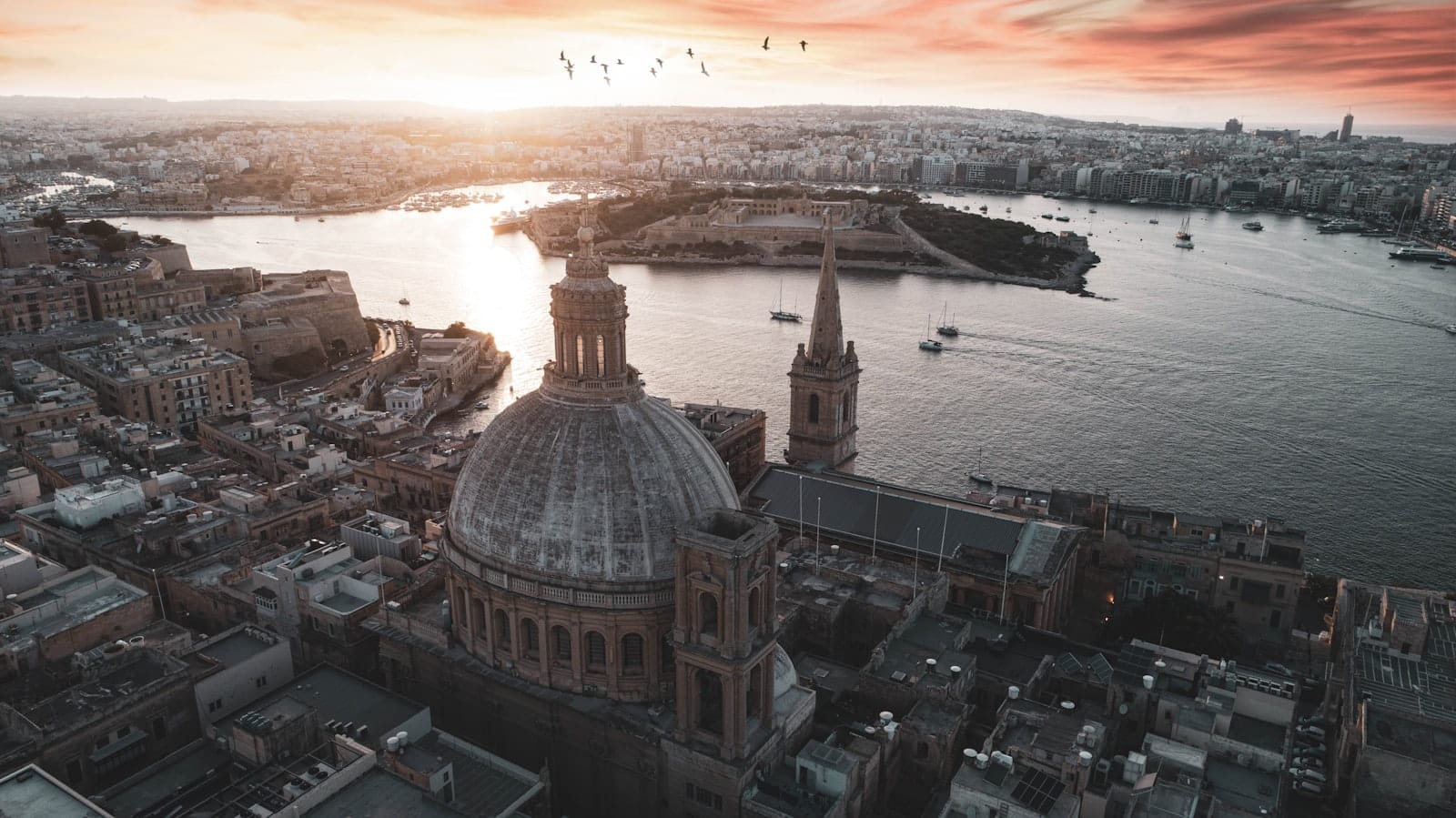
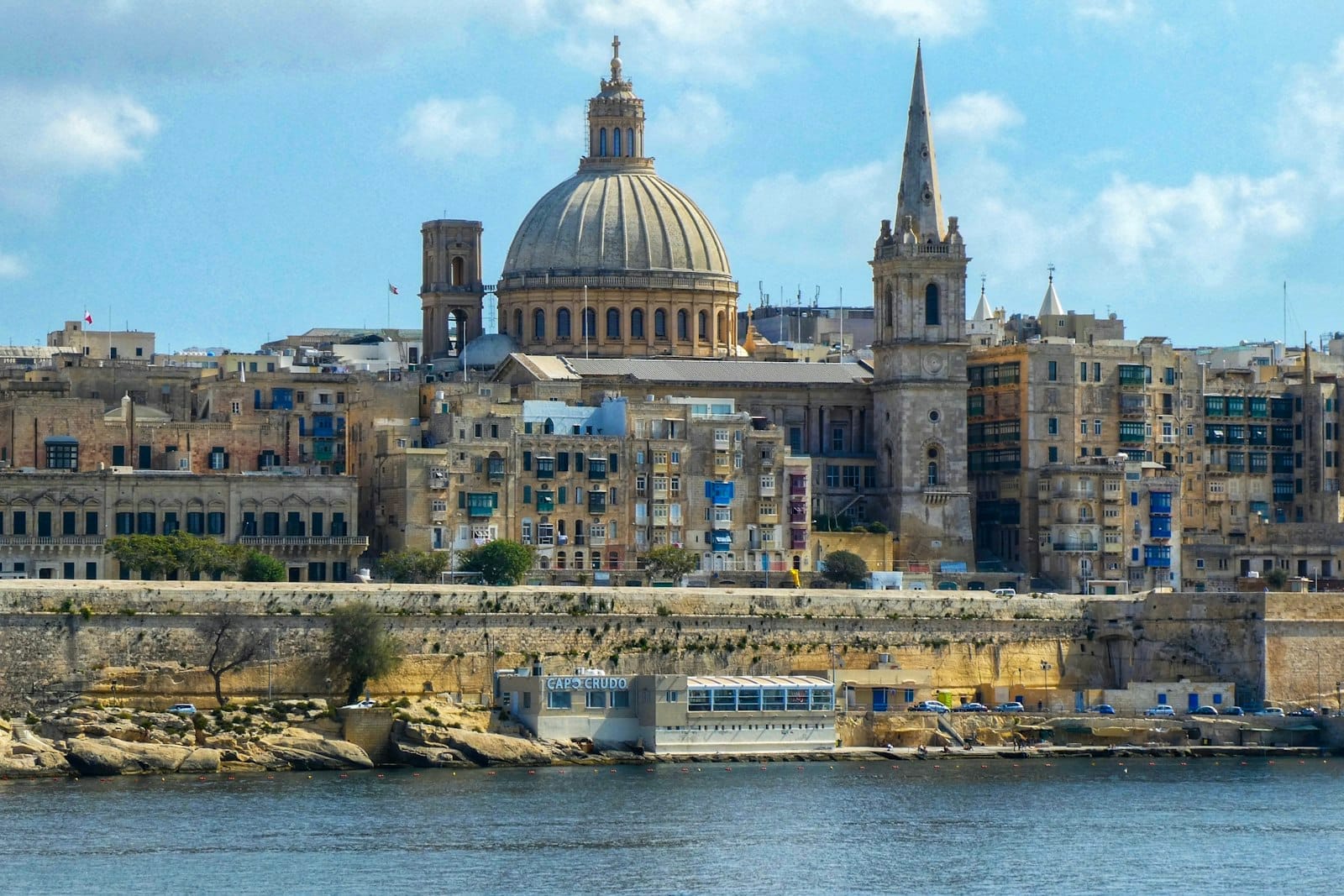
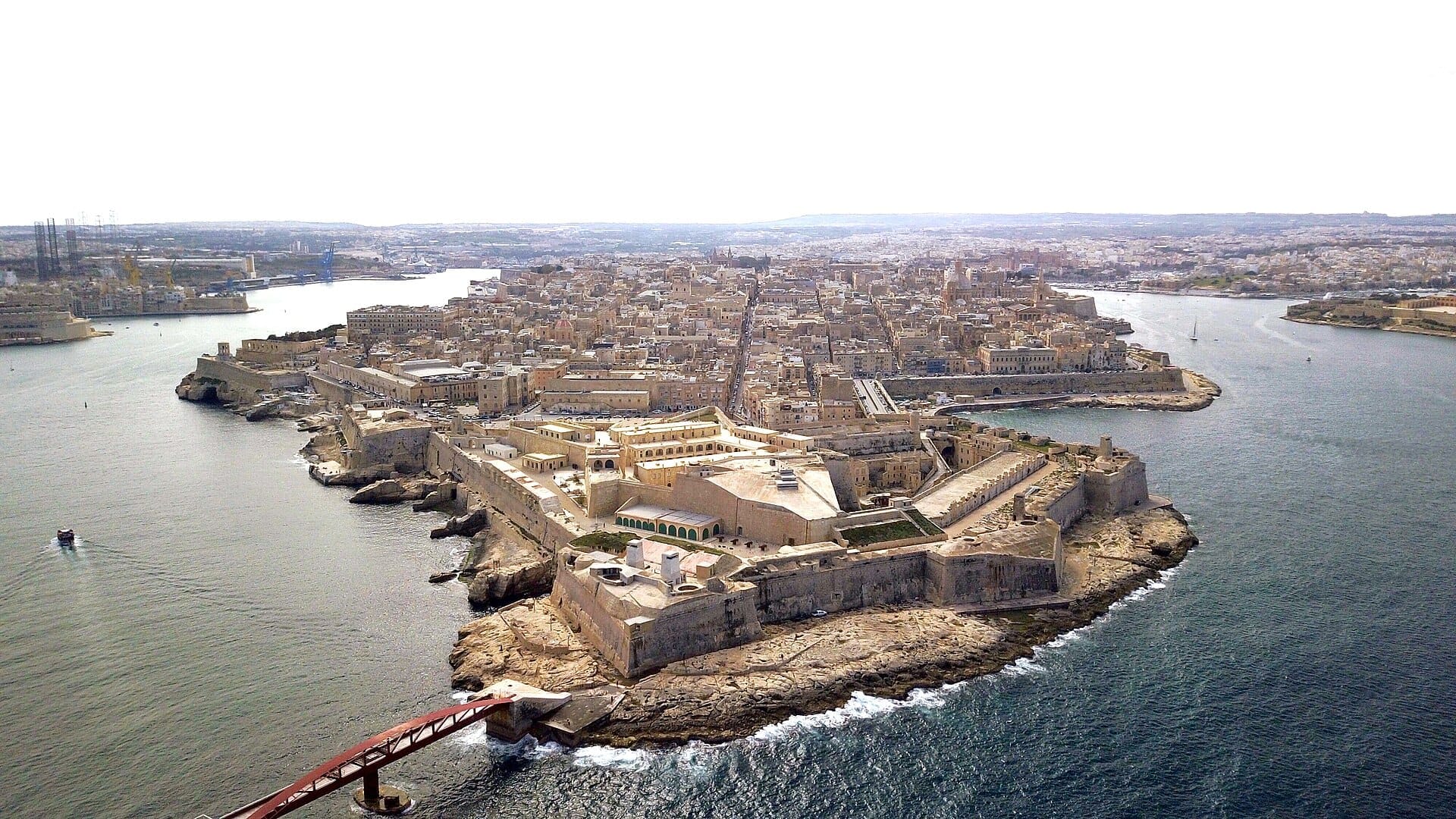
Valletta is the EU's smallest capital by area, packed onto a narrow promontory between two harbors in Malta. Founded by the Knights of St. John in 1566, it holds more monuments per square meter than almost anywhere in Europe, wrapped in honey-colored limestone and commanding views over the Grand Harbour.
Valletta is not just Malta's capital — it is the whole reason Malta matters architecturally. Built from scratch by the Knights Hospitaller after the Great Siege of 1565, this Baroque city of 0.61 square kilometers contains 320 registered monuments, two grand harbor views, and a street grid so rational it still baffles first-time visitors with its sudden staircases and canyon-like alleys. Small enough to walk end-to-end in 20 minutes, deep enough to fill three days.
Orientation
Valletta sits on the Sciberras peninsula, a thumb of land projecting southward into the water between Grand Harbour to the east and Marsamxett Harbour to the west. The city covers just 0.61 square kilometers, making it the smallest national capital in the European Union by both area and population — 5,157 residents as of 2021. Despite its size, its role as Malta's political, cultural, and commercial center gives it a weight entirely disproportionate to its footprint.
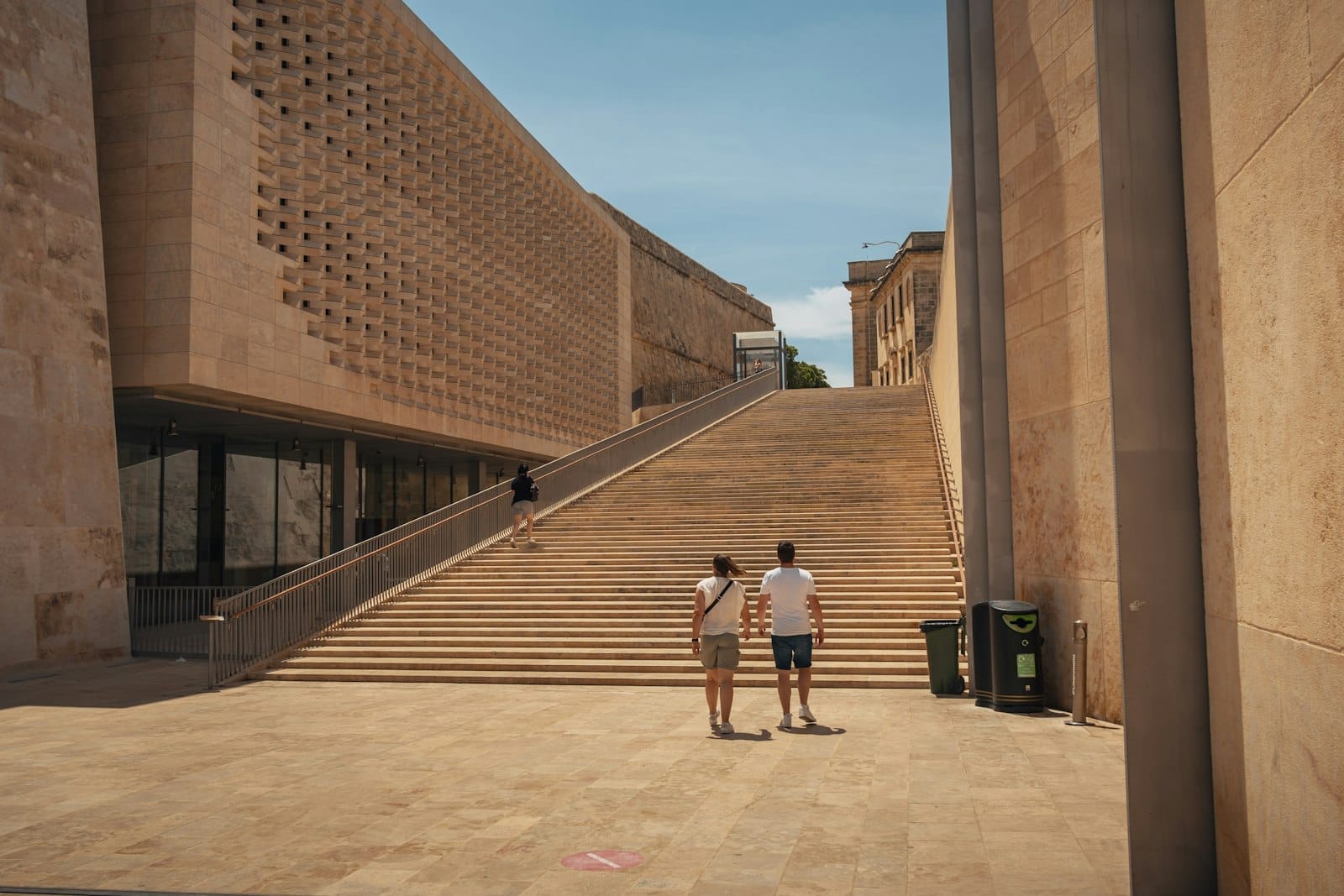
The peninsula's spine runs roughly northwest to southeast. City Gate, rebuilt in 2014 and now flanked by Renzo Piano's open-air theatre, marks the landward entrance. From there, Republic Street (Triq ir-Repubblika) runs the length of the city like a spine, passing St. George's Square and continuing toward Fort St. Elmo at the peninsula's tip. The Upper and Lower Barrakka Gardens sit along the southeastern fortification walls, a short detour from the main axis. Parallel streets, most of them stepped or steeply sloped, drop toward the harbors on either side.
The Three Cities — Birgu, Senglea, and Cospicua — sit across Grand Harbour to the south, reachable by a short ferry crossing. Sliema and St. Julian's lie across Marsamxett Harbour to the north, connected by regular ferry services or a longer bus ride around the water. Valletta is the transit hub for the entire island: the main bus terminus sits just outside City Gate, making it the easiest point to reach from anywhere in Malta.
Character & Atmosphere
Early mornings in Valletta belong to the locals. By 7am, Republic Street's cafés are filling with office workers ordering pastizzi — flaky pastry parcels stuffed with ricotta or mushy peas — alongside strong espresso. The light at this hour hits the limestone facades at a low angle and turns them the color of warm bread. The streets are quiet enough that you can hear church bells from multiple directions, often overlapping.
By mid-morning, tour groups begin arriving through City Gate, and Republic Street transitions into a pedestrian corridor of souvenir shops, café terraces, and visitors consulting maps. The heat in summer (June to August regularly exceeds 32°C) concentrates everyone in the narrow alleys where there is at least partial shade. Triq il-Merkanti and the streets running toward Marsamxett feel noticeably cooler and calmer than the main tourist artery.
Afternoons, especially in summer, slow down considerably. Many smaller shops observe a midday break. This is actually the best time to visit major interiors — the co-cathedral, the Grand Master's Palace — because smaller crowds and the quality of filtered afternoon light through high windows make the experience more contemplative. The Upper and Lower Barrakka Gardens catch the sea breeze and offer views across Grand Harbour that shift dramatically in color through the day.
After dark, Valletta is quieter than its reputation as a 2018 European Capital of Culture might suggest. The evening revolves around dinner, a walk along the waterfront, and occasional concerts at Teatru Manoel or the open-air venues around St. George's Square. It is not a nightlife destination — those who want late bars and clubs head to Paceville in St. Julian's. But Valletta at night, with its illuminated bastions and near-empty lanes, has a theatrical quality that the daytime crowds obscure.
💡 Local tip
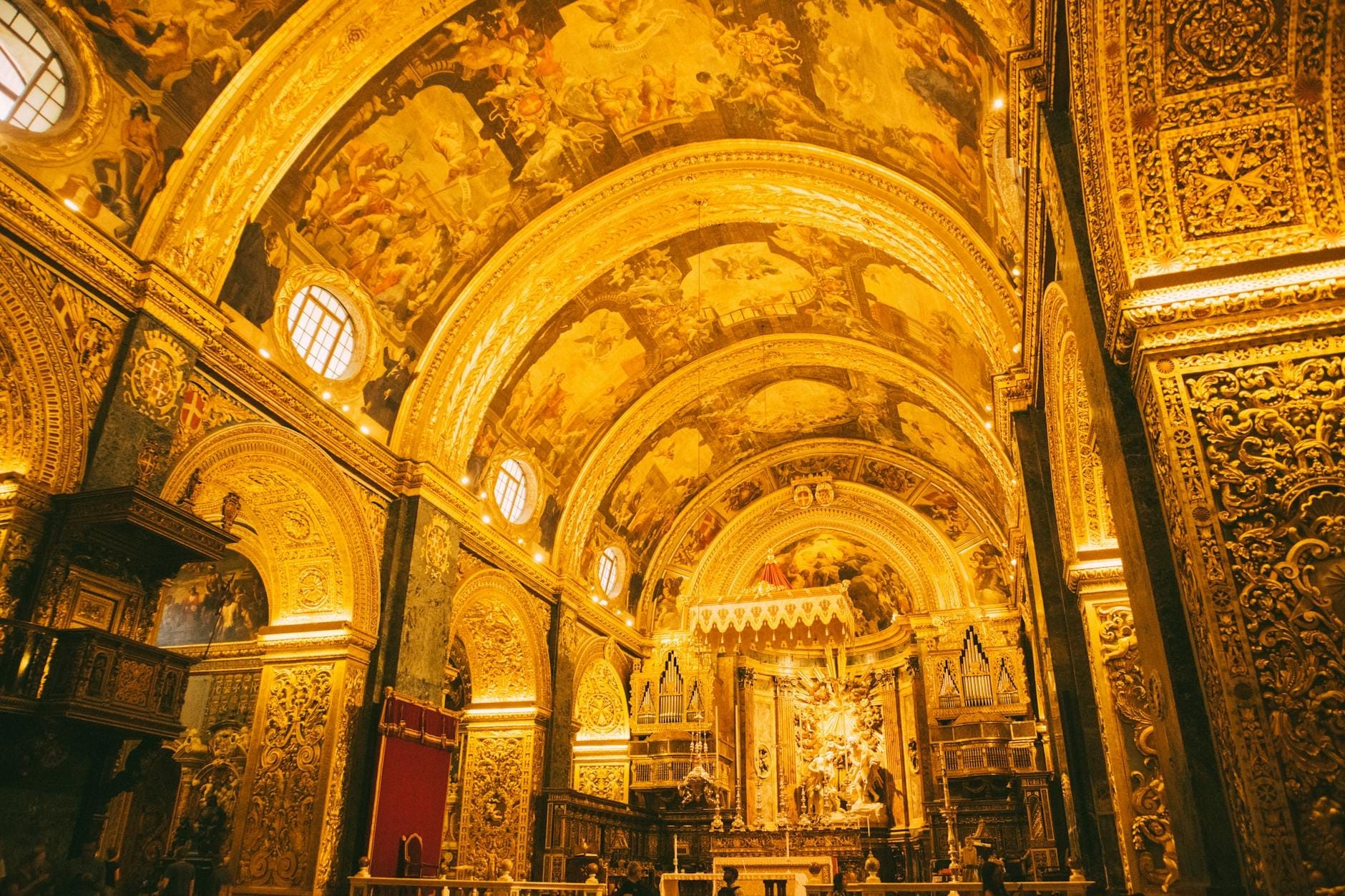
Visit St. John's Co-Cathedral just after it opens in the morning — around 9:30am — to see the Caravaggio paintings and marble tombstone floor before tour groups arrive en masse. By 11am, the queues outside grow noticeably longer.
What to See & Do
The undisputed centerpiece is St. John's Co-Cathedral, the Knights' most extravagant commission and one of the finest Baroque interiors in Europe. The exterior is deceptively plain — almost austere — which makes the gold-encrusted nave and the Caravaggio paintings inside all the more disorienting. The marble floor alone, made entirely of inlaid tombstones of Knights, is worth studying at length.
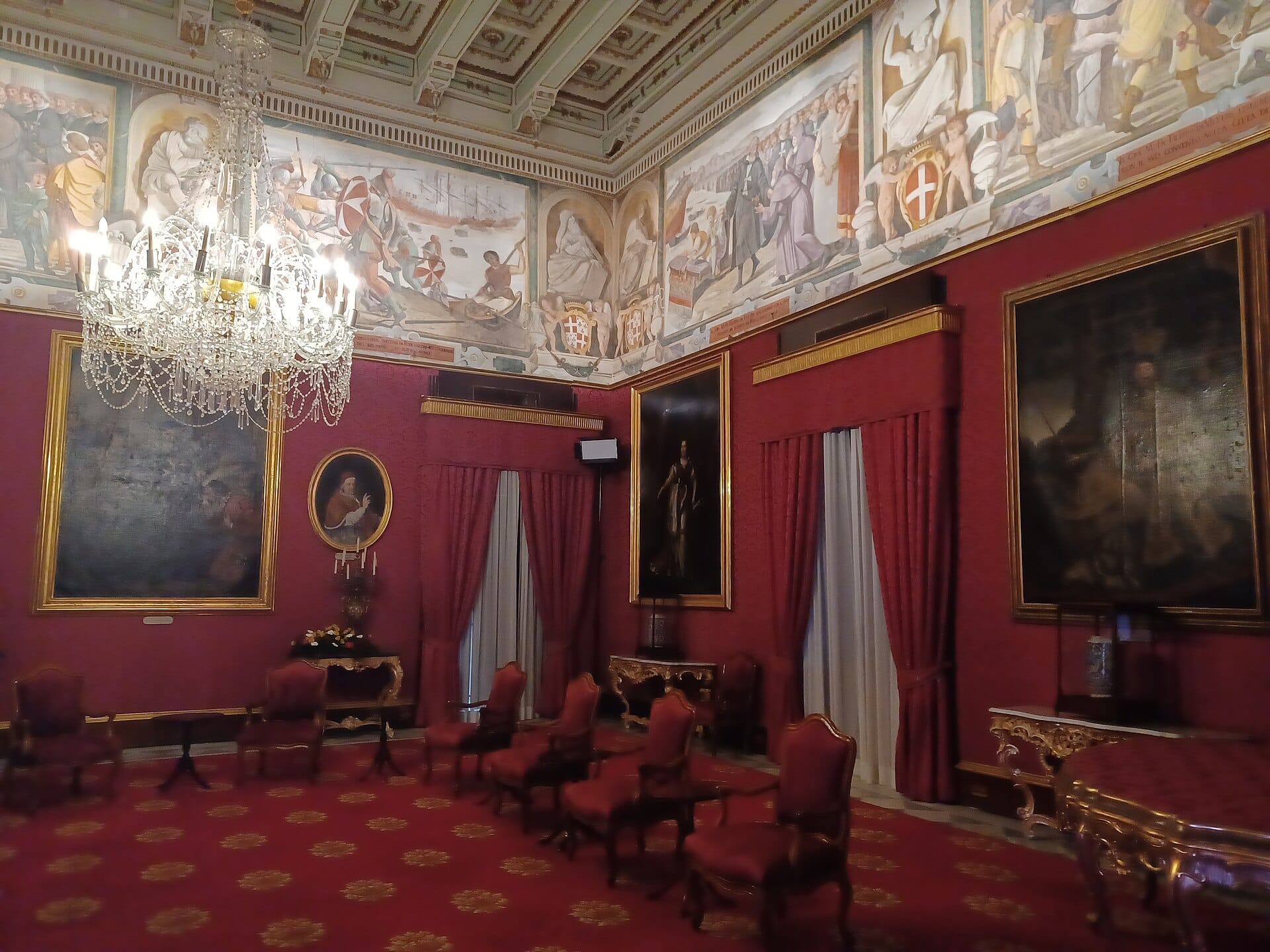
The Grand Master's Palace occupies the center of the city on St. George's Square, and its state rooms and armory offer the most complete account of the Knights of St. John's political history in Malta. The armory holds one of the finest collections of 16th-century weapons and armor in the Mediterranean, including personal suits worn during the Great Siege. Nearby, the Lascaris War Rooms provide a completely different historical layer — an underground operations center carved into the bastions that coordinated Allied movements during the Second World War.
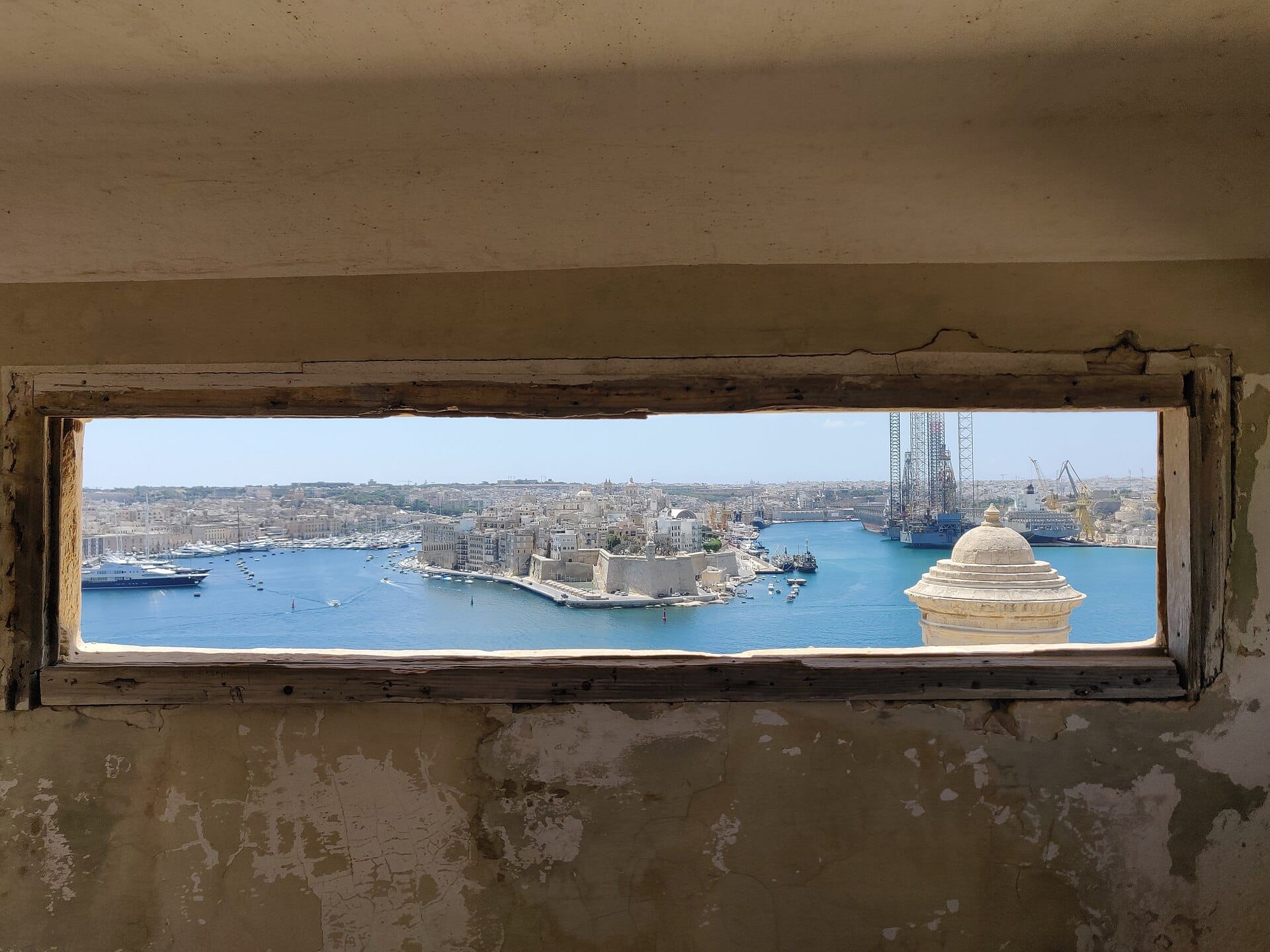
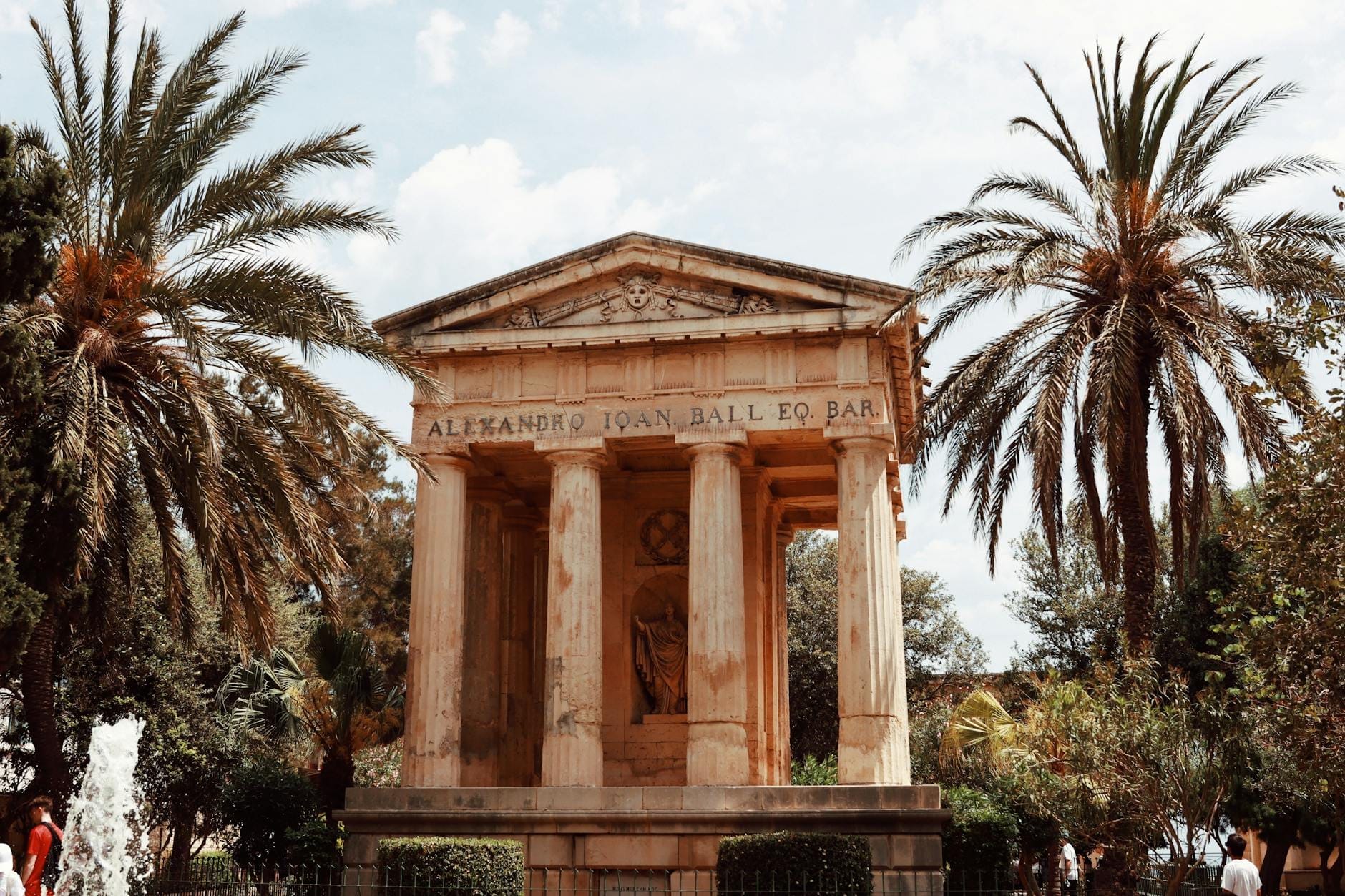
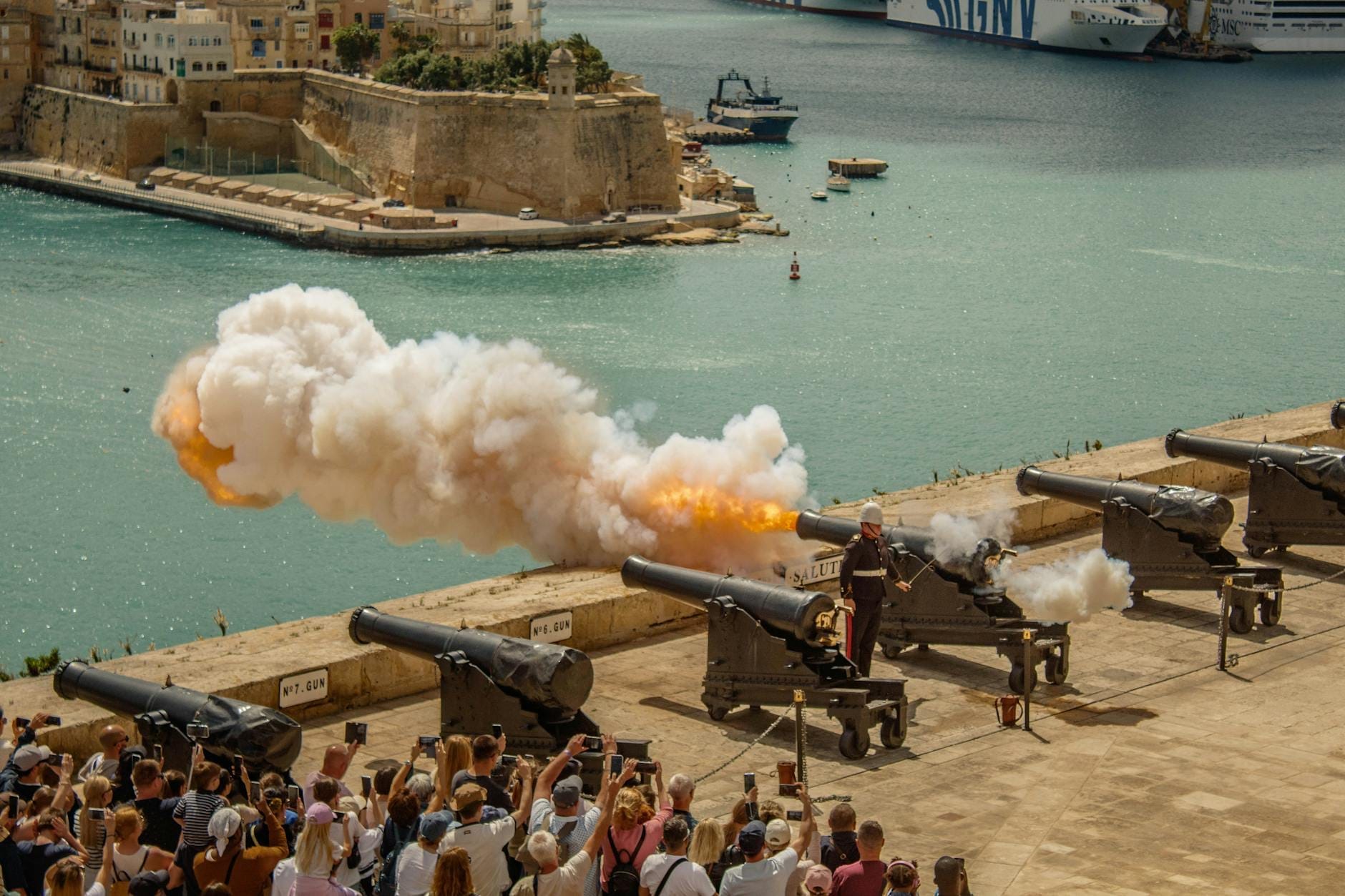
For views, the Upper Barrakka Gardens offer the most dramatic panorama over Grand Harbour, with Fort St. Angelo and the Three Cities across the water. The saluting battery below fires a cannon at noon and 4pm daily — audible across much of the city. The Lower Barrakka Gardens are smaller but less visited, with a Doric temple memorial and a slightly different angle on the harbor approach.
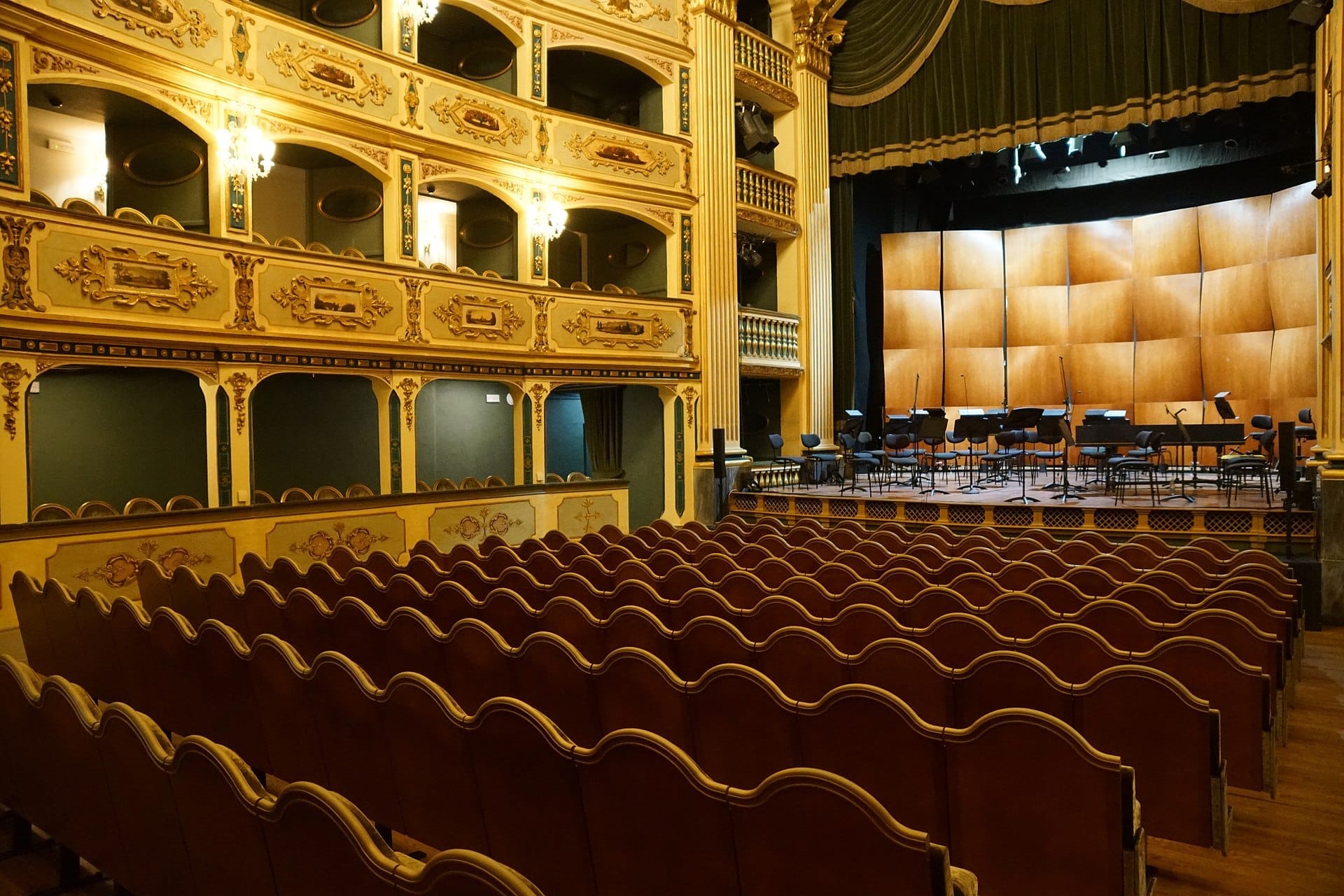
Valletta's performing arts scene is anchored by Teatru Manoel, one of the oldest working theatres in Europe, built in 1731. The programme runs from opera and ballet to drama, and the 18th-century interior is itself a reason to attend. For those interested in the deeper history of the Knights, the Knights of Malta history guide provides essential context before you explore the city.
St. John's Co-Cathedral: Baroque masterpiece with two Caravaggio paintings
Grand Master's Palace and Armory: political and military history of the Knights
Lascaris War Rooms: WWII underground command center
Upper Barrakka Gardens: harbor panorama and noon cannon salute
Teatru Manoel: one of Europe's oldest active theatres (1731)
Valletta Waterfront: 18th-century warehouses converted into restaurants and bars
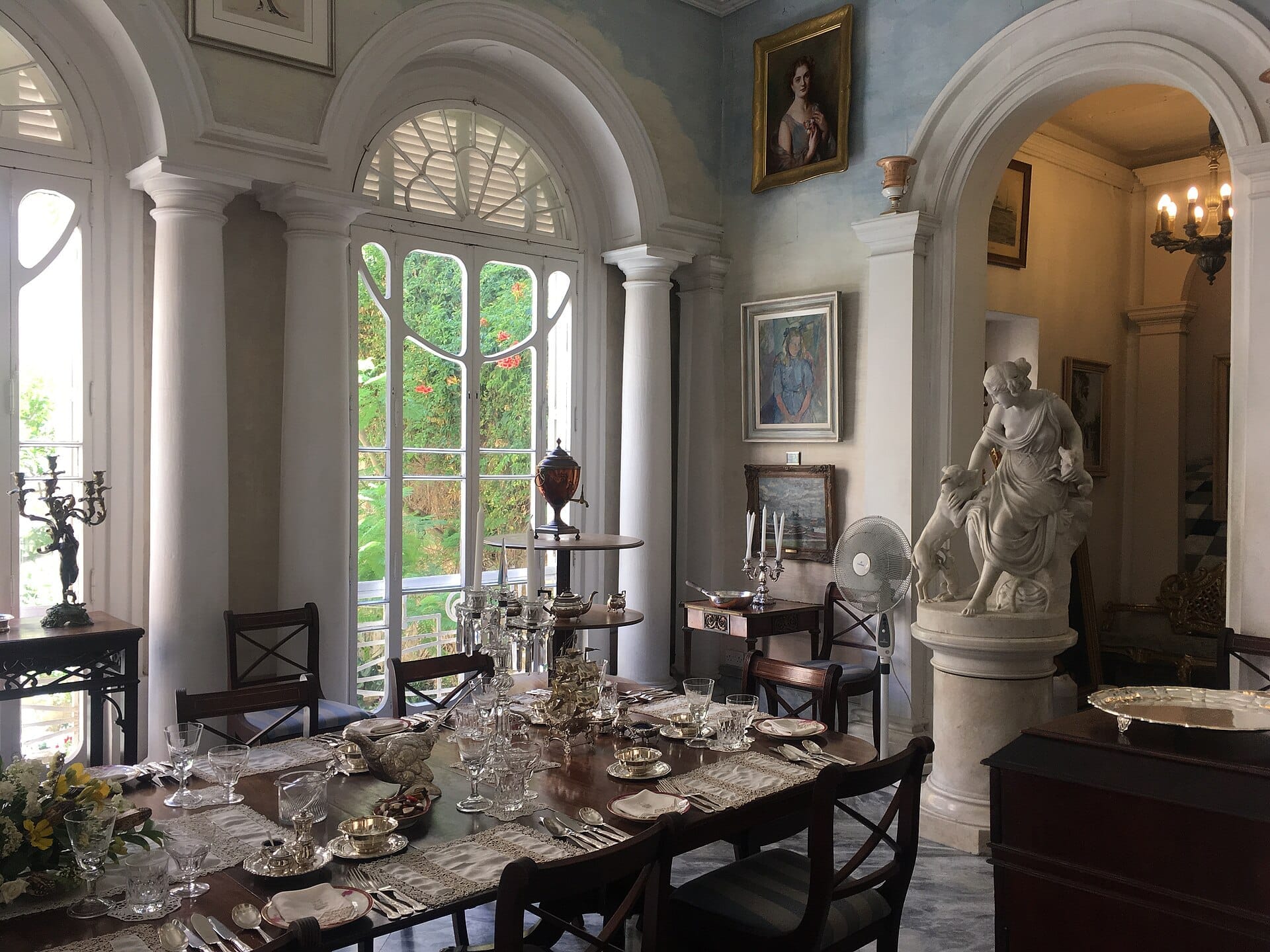
Casa Rocca Piccola: private aristocratic palazzo open for guided tours
Our Lady of Victory Church: the first building erected in Valletta
ℹ️ Good to know
Valletta was designated European Capital of Culture in 2018, and the programme left a lasting mark on the city's arts infrastructure. Several former warehouses and industrial spaces now serve as galleries and event venues year-round — ask at the City Gate visitor information point for current listings.
Eating & Drinking
Valletta's food scene has improved dramatically in the last decade, shifting from tourist-trap trattorias to restaurants that take Maltese ingredients seriously. The city is compact enough that you will never be more than a short walk from something worth eating, but the quality varies sharply by street. Republic Street and the immediate blocks around it skew toward average café fare aimed at day-trippers. Move one or two streets parallel — toward Merchants Street or the harbor-side lanes — and the options improve considerably.
Maltese cuisine draws on centuries of overlapping influences — Arab, Norman, Sicilian, British — and Valletta's better kitchens reflect this complexity. Look for braġjoli (thin beef rolls braised in wine), aljotta (fish soup with garlic and tomato), and rabbit prepared in multiple ways, which is the closest thing Malta has to a national dish. For street food, pastizzi from a pastizzerija are the essential starting point. Malta's food guide covers the full range of local specialties worth seeking out across the island.
The Valletta Waterfront, converted from 18th-century Pinto Stores warehouses along the Grand Harbour, houses a string of restaurants and bars in a striking setting. The food here is reliable rather than revelatory, and prices reflect the location, but the harbor views from a table at golden hour justify the premium on a drink or two. In the evenings, this strip also becomes the most pleasant place to linger.
For coffee, Valletta operates on a distinctly Italian rhythm — short, strong, and taken standing at the bar. Many of the city's older cafés have barely changed in 40 years, with marble counters, display cases of pastries, and a clientele of regulars who arrive at the same time daily. This is the best introduction to daily Valletta life for any visitor willing to stand at the counter rather than claim a terrace seat.
Pastizzi: the non-negotiable street snack, available at pastizzeriji across the city for under €1
Ftira: Maltese flatbread sandwich, often filled with tuna, capers, and sundried tomatoes
Rabbit stew (stuffat tal-fenek): slow-cooked with wine and herbs, found in traditional restaurants
Kinnie: local bittersweet citrus soft drink, worth trying at least once
Gbejniet: small sheep or goat milk cheeselets, eaten fresh or dried with pepper
⚠️ What to skip
Restaurants directly on Republic Street and immediately around St. George's Square tend to charge significantly more for average food. Walk two blocks in any direction for better value — the neighborhood's small footprint means nothing is truly out of the way.
Getting There & Around
Valletta is the central hub of Malta's bus network. The main terminus sits just outside City Gate, and virtually every route on the island passes through or connects here. From Malta International Airport (MLA), the X1 and X4 express bus lines run directly to Valletta, taking 40 to 60 minutes depending on traffic and stopping pattern, at a fare of around €2. Taxi and ride-hailing apps including Bolt and Uber cover the same journey in 20 to 30 minutes for approximately €20 to €30. For general guidance on navigating the island, the Malta transport guide explains all the main options in detail.
From Sliema, the most pleasant approach is the Sliema-Valletta ferry, which crosses Marsamxett Harbour in about 10 minutes and drops passengers at the Valletta ferry landing near the Strand. This is significantly faster than the bus route around the harbor, and the crossing itself offers excellent views of Valletta's fortifications from the water. Ferries run frequently throughout the day and the fare is minimal.
Within Valletta, everything is walkable — the city is roughly 1 kilometer from City Gate to the tip of the Barrakka Gardens. The main challenge is the topography: the streets running perpendicular to Republic Street descend steeply to the waterfront on both sides, and several of them are entirely staircased. Anyone with mobility difficulties should plan routes carefully, as the historic street grid was not designed with accessibility in mind. The main spine along Republic Street and the parallel Merchants Street are largely level.
Grand Harbour also connects Valletta to the Three Cities via a passenger ferry from the Valletta Waterfront to Birgu — a short crossing that is one of the most dramatic approaches to the historic harbor area.
Where to Stay
Staying inside Valletta's walls puts you within walking distance of every major attraction and eliminates the need for any transport during the day. The accommodation scene has expanded considerably since the 2018 Capital of Culture designation, with boutique hotels now occupying restored palazzo buildings throughout the city. This is the best choice for travelers focused on history, architecture, and culture. For those who want beaches, nightlife, or a larger resort experience, Sliema or St. Julian's are better bases, with Valletta easily reachable by ferry.
Most of Valletta's hotels occupy historic buildings — former townhouses, merchant palazzos, and even converted institutional buildings — which means rooms tend to have thick stone walls, high ceilings, and occasionally complicated layouts. Some buildings lack lifts, which combined with Valletta's hilly streets means guests with heavy luggage should confirm accessibility in advance. The streets around Merchants Street and the harbor-side lanes tend to be quieter than those near Republic Street, which can get noisy on weekend evenings when bars open up.
Prices are higher than elsewhere in Malta and reflect the limited supply of rooms in a protected UNESCO site. For a broader look at how Valletta compares to other accommodation options across the island, the Malta accommodation guide covers all the main bases and neighborhoods. Budget travelers may find better value in Sliema or Floriana, a short bus ride from City Gate, while remaining close enough to Valletta that day visits are effortless.
Practical Information
Valletta operates on Central European Time (UTC+1, with summer daylight saving shifting it to UTC+2). English is widely spoken throughout the city — Malta's dual official languages are Maltese and English, and virtually all signage, menus, and tourist information is available in English. Italian is also understood by many locals, reflecting centuries of proximity to Sicily.
Churches are everywhere in Valletta — the city has more places of worship per square meter than almost any city its size — and the dress code applies in all of them: cover shoulders and knees before entering. This catches visitors off guard at St. John's Co-Cathedral, where a cover-up is required and staff at the entrance enforce it. Lightweight scarves or fabric wraps work perfectly and can be bought from vendors near the entrance.
The currency throughout Malta is the Euro. Tap water is safe to drink. The emergency number is 112. Tipping is not compulsory but 5 to 10 percent is appropriate in restaurants if service is not already included. For safety considerations across Malta more broadly, the Malta safety guide covers the island's general low-risk environment in more detail. Valletta itself has no notable safety concerns — the city is small, well-lit at night, and receives a high volume of visitors year-round without significant incident.
TL;DR
Valletta is the EU's smallest capital and one of its most monument-dense cities — a UNESCO World Heritage Site built by the Knights Hospitaller on a harbor peninsula in Malta.
Best suited to travelers who prioritize history, architecture, and culture: the Baroque churches, fortifications, and museums are genuinely world-class.
Walkable end-to-end in 20 minutes, but the steep cross-streets require some fitness; not ideal for travelers with significant mobility difficulties.
Quieter after dark than many expect — excellent for a peaceful evening walk or dinner along the waterfront, but head to St. Julian's for nightlife.
The central bus terminus at City Gate makes Valletta the easiest point to reach on the island, and a logical base for day trips to Mdina, Marsaxlokk, or the Three Cities.
Malta's megalithic temples are among the oldest free-standing stone structures on Earth, predating Stonehenge by over a thousand years. This guide covers every major site, practical logistics, seasonal advice, and the archaeological context that makes these temples worth the trip.
Malta's coastline is far more varied than the island's small size suggests. From the turquoise waters of Comino's Blue Lagoon to Gozo's red-sand Ramla Bay and Malta's dramatic rocky inlets, this guide covers every type of beach the archipelago has to offer — with candid notes on crowds, access, and the best times to go.
Malta is a year-round destination, but the timing of your trip changes everything. This guide breaks down every season honestly — weather, crowds, prices, and what's actually open — so you can choose the right month for your priorities.
For a country this small, Malta packs a remarkable density of dramatic scenery. These are the viewpoints that earn the detour, from clifftop sunsets and fortress panoramas to harbor vistas and Gozitan sea inlets.
Malta is small enough to explore fully in a week, but the islands around it reward dedicated day trips. From the prehistoric temples of Gozo to the sea caves of the Blue Grotto and the medieval streets of Mdina, these are the best excursions to take from Malta's main island.
Malta packs an extraordinary amount of history, scenery, and culture into a tiny island, and much of it costs nothing. From UNESCO-listed prehistoric temples to cliff-top walks, baroque city streets, and crystal-clear swimming coves, this guide covers the best free experiences across Malta, Gozo, and Comino.
Malta is small — just 316 sq km — but navigating it efficiently takes some planning. This guide covers every transport option available, from the Tallinja bus network to Gozo ferries, ride-hailing apps, and car rental, with straightforward takes on what works and what doesn't.
Gozo is smaller, quieter, and slower-paced than Malta — and that is exactly the point. This guide covers the ferry, the best things to do, where to focus your time, and why two days here beats a rushed day trip.
Malta rewards curious travelers who look beyond the postcard highlights. From sheltered limestone inlets and rock-cut swimming holes to ancient temples and baroque palaces lost in the countryside, these are the places where the real Malta reveals itself.
Malta packs prehistoric temples, Baroque cityscapes, clear-water diving, and surprisingly good food into just 316 square kilometres. But summer crowds, rocky beaches, and rising prices give some travellers pause. Here is a clear-eyed breakdown of what you get and what to watch out for.
The Knights of Malta left an indelible mark on this archipelago across more than two centuries of rule. This guide traces their history through the fortresses, cathedrals, and palaces they built, with practical advice on visiting each key site today.
Three days is enough to cover Malta's greatest hits if you plan smartly. This itinerary takes you through UNESCO-listed Valletta, the ancient Silent City of Mdina, the prehistoric temples of the south coast, and the rural island of Gozo, with practical advice on timing, transport, and what to skip.
Malta is best understood from the water. Whether you want to drift through sea caves glowing electric blue, anchor above the clearest lagoon in the Mediterranean, or cruise past 700 years of Grand Harbour fortifications, these are the boat trips worth planning your days around.
Malta is one of the Mediterranean's top diving destinations, with crystal-clear water, dramatic underwater topography, and wrecks accessible to every skill level. This guide covers the best dive sites on Malta and Gozo, what to expect at each depth, seasonal conditions, and everything you need to plan a successful dive trip.
Malta makes a compelling case as a romantic destination despite its size. Medieval walled cities, cliff-top sunsets, private boat trips to turquoise lagoons, and candlelit wine bars in a Baroque capital — this guide covers the best romantic experiences in Malta for couples, with clear advice on what's worth booking and what to skip.
Seven days is enough time to experience Malta's greatest hits without burning out. This day-by-day itinerary covers the UNESCO capital of Valletta, the island of Gozo, the Blue Lagoon at Comino, medieval Mdina, and the fishing villages of the south coast, with practical advice on what to skip and how to get around without a car.
Malta's nightlife ranges from the dense club strip of Paceville to the refined jazz bars of Valletta's Strait Street. This guide breaks down where to go by neighbourhood, what to expect at each type of venue, and how to avoid the most common tourist mistakes.
Malta surprises most travelers: it is an EU country with a UNESCO capital, 7,000 years of history, and genuinely affordable daily costs if you know where to look. This guide breaks down realistic daily budgets, free and cheap attractions, transport costs, food prices, and the seasonal timing that makes the biggest difference.
Malta consistently ranks among the world's top 10 countries for personal safety, but that doesn't mean risks don't exist. This guide covers crime statistics, common scams, road dangers, beach hazards, and neighborhood-by-neighborhood safety so you can visit with confidence.
The Malta to Sicily ferry is one of the most rewarding short trips in the Mediterranean. This guide covers the Virtu Ferries catamaran route, ticket prices, seasonal schedules, what to do in Pozzallo and beyond, and everything you need to plan a seamless day trip from Malta.
Malta is a surprisingly strong family destination for its size. English is widely spoken, the country is genuinely safe, distances are short, and the mix of beaches, history, and interactive attractions keeps children of all ages engaged. This guide covers the best kid-friendly spots, seasonal advice, transport logistics, and frank assessments of what works and what doesn't.
Malta packs an extraordinary range of experiences into just 316 square kilometres. This guide covers the best things to do across the archipelago, from Valletta's Baroque cathedrals and prehistoric temples to sea caves, clifftop walks, and the famous Blue Lagoon, with practical advice on what's worth your time and what to skip.
Valletta packs more history per square metre than almost any capital in Europe. This guide covers the top things to do in Valletta, from its world-class Baroque cathedral and a 500-year-old star fort to harbour boat tours and the best spots for Maltese coffee. Practical, opinionated, and built for real trips.
Maltese food is one of the Mediterranean's most underrated culinary traditions. This guide covers the essential dishes, the best street food, seasonal specialities, and practical advice on where to eat well without overpaying.
Choosing where to stay in Malta shapes your entire trip. This guide breaks down the best neighborhoods, from the historic capital Valletta to the beach towns of the north, with honest advice on what each area actually delivers.