Malta in 7 Days: The Perfect One-Week Itinerary
Seven days is enough time to experience Malta's greatest hits without burning out. This day-by-day itinerary covers the UNESCO capital of Valletta, the island of Gozo, the Blue Lagoon at Comino, medieval Mdina, and the fishing villages of the south coast, with practical advice on what to skip and how to get around without a car.
Plan and book this trip
Tools from our partner Travelpayouts help you compare flights and hotels. If you book through them, we may earn a commission at no extra cost to you.
Flights
Hotels map
TL;DR
- Seven days covers Malta's three main islands (Malta, Gozo, Comino) plus the capital, beaches, and south coast without feeling rushed.
- Spend 2 days in Valletta, 1 day each on Gozo and Comino, 1 day in Mdina and the south coast, 1 day at the beaches, and 1 day in the fishing villages. See our Malta 3-day itinerary if you're short on time.
- No car required: Malta's bus network plus the Gozo ferry handles every destination in this itinerary.
- The best time to do this trip is late May through June or September through October. For more on timing, see the best time to visit Malta guide.
- Book the Hal Saflieni Hypogeum and Comino boat tours well in advance, especially in summer. Availability disappears weeks ahead.
How to Structure a Week in Malta
Malta is a small country, just 246 sq km for the main island, but it packs in a remarkable range of experiences: prehistoric temples older than Stonehenge, Baroque fortified cities, crystal-clear bays, and ferry-accessible islands with their own distinct character. One week gives you enough time to hit the major sights properly without turning every day into an endurance march.
The rough shape of a 7-day Malta trip looks like this: 2 days in Valletta and the Three Cities, 1 day on Gozo, 1 day on Comino, 1 day covering Mdina and the south coast, 1 day at the best beaches, and 1 day in the fishing villages. You can reorder days based on weather (save Comino for a clear day) or your own interests, but this sequence avoids backtracking and keeps transport efficient.
💡 Local tip
Malta runs on Central European Time (UTC+1 in winter, UTC+2 in summer). Days are long in summer, with sunset around 8pm, which gives you flexibility in the evenings. In shoulder season (April-June, September-October), temperatures sit between 20-28°C, crowds thin out, and accommodation prices drop noticeably from peak July-August rates.
Days 1-2: Valletta and the Three Cities
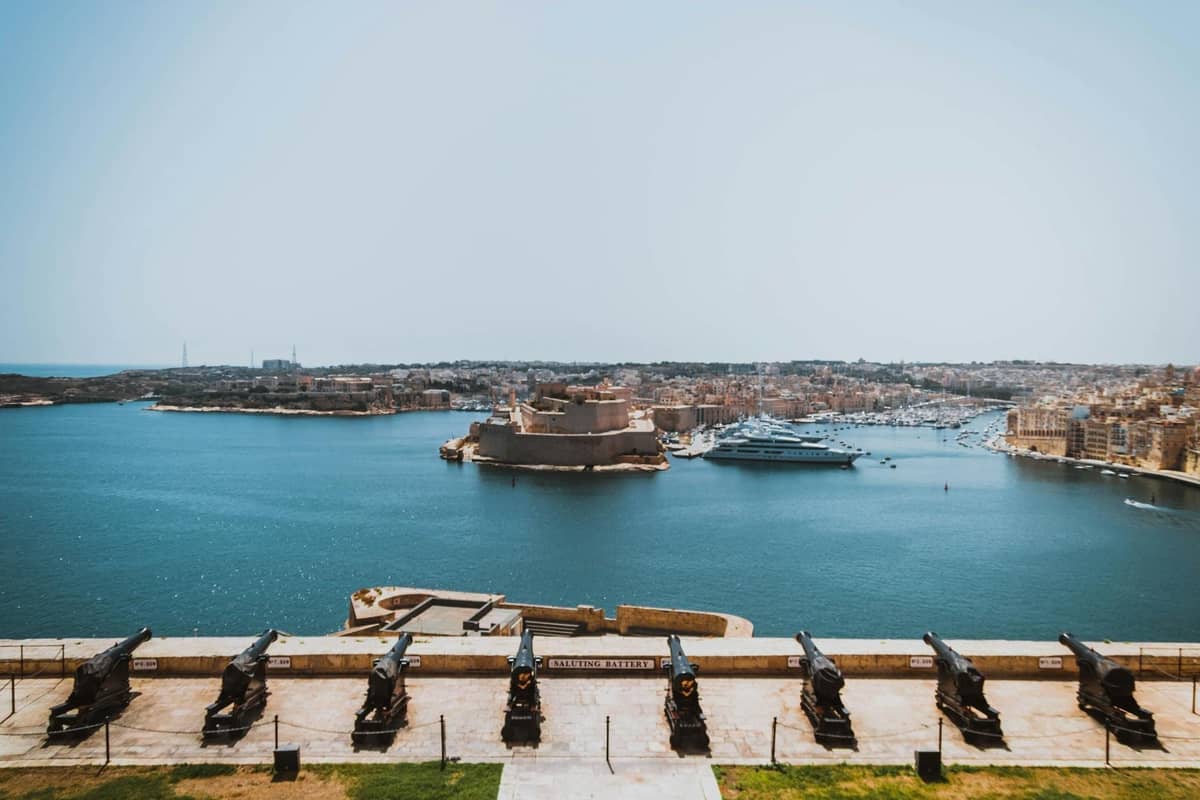
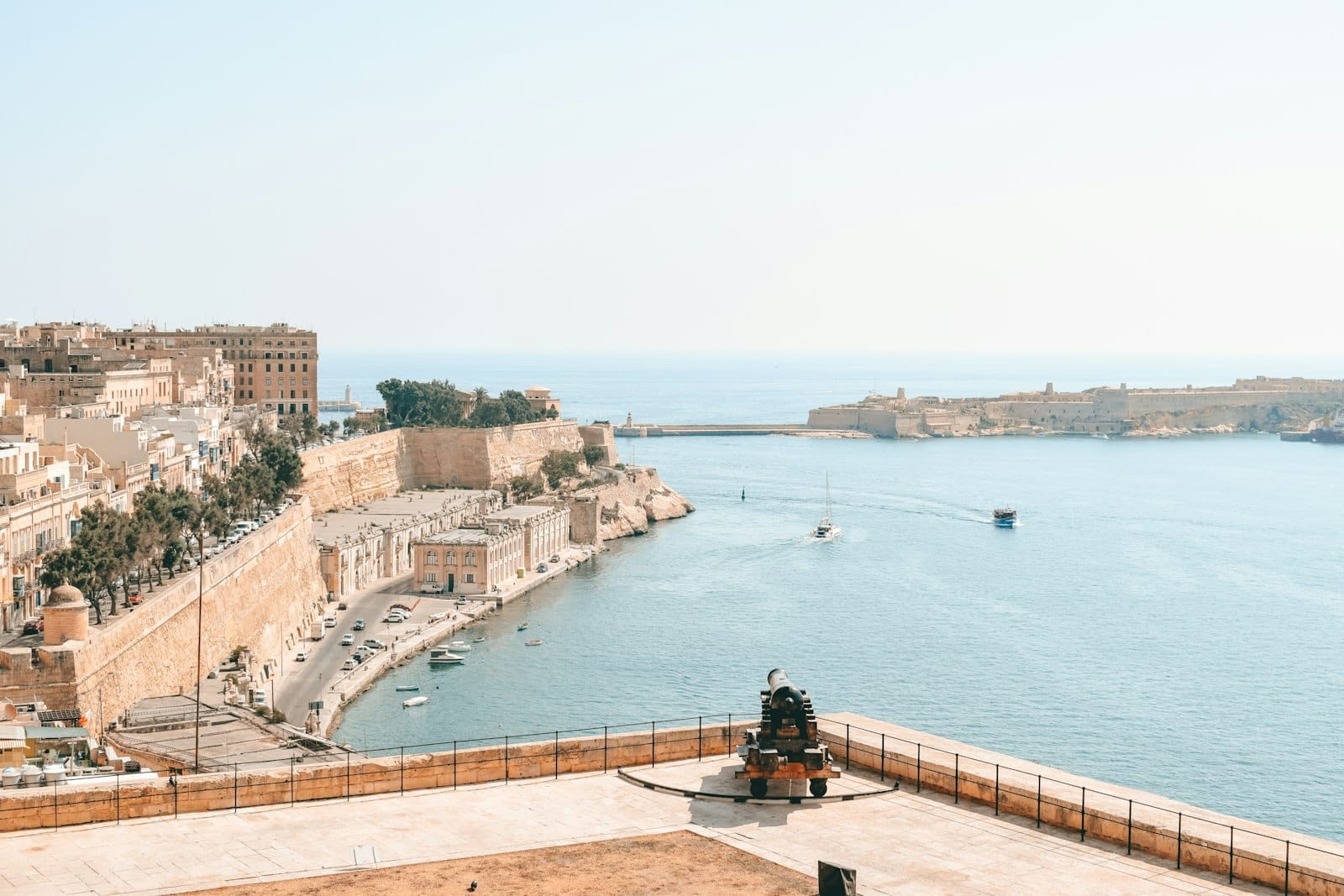
Malta's capital is the smallest EU capital by area, but it's dense with UNESCO-listed Baroque architecture, world-class museums, and harbor views that earn their reputation. Arrive on Day 1 and use your first afternoon to orient yourself: walk from City Gate along Republic Street to the Grand Master's Palace, then cut south to the Upper Barrakka Gardens for the harbor panorama. The cannon salute fires at noon and 4pm daily from the Saluting Battery, free to watch.
On Day 2, go deeper. St. John's Co-Cathedral is genuinely one of the most ornate interiors in Europe, and the Caravaggio paintings alone justify the entrance fee (€15 for adults). Book ahead online to avoid the queue. After the cathedral, head to the Lascaris War Rooms for a fascinating underground look at Malta's role in WWII, then cross to the Three Cities by traditional dgħajsa water taxi from the Valletta Waterfront. The crossing takes about 10 minutes and costs a couple of euros each way.
The Three Cities, Birgu, Senglea, and Cospicua, offer a less polished but more authentic view of Maltese life than Valletta. Fort St. Angelo in Birgu is a serious fortification with layers of history from the Knights of St. John, and the Inquisitor's Palace is one of the few surviving inquisitor's palaces in the world. Spend a couple of hours here, have lunch in Birgu, and return to Valletta via the water taxi before evening.
⚠️ What to skip
The Hal Saflieni Hypogeum, a 5,000-year-old underground necropolis near Valletta, limits daily visitors to around 80 people and sells out weeks or even months in advance in peak season. If you want to see it, book before you book your flights. It's a genuinely extraordinary site and worth planning your schedule around.
Day 3: Gozo Island
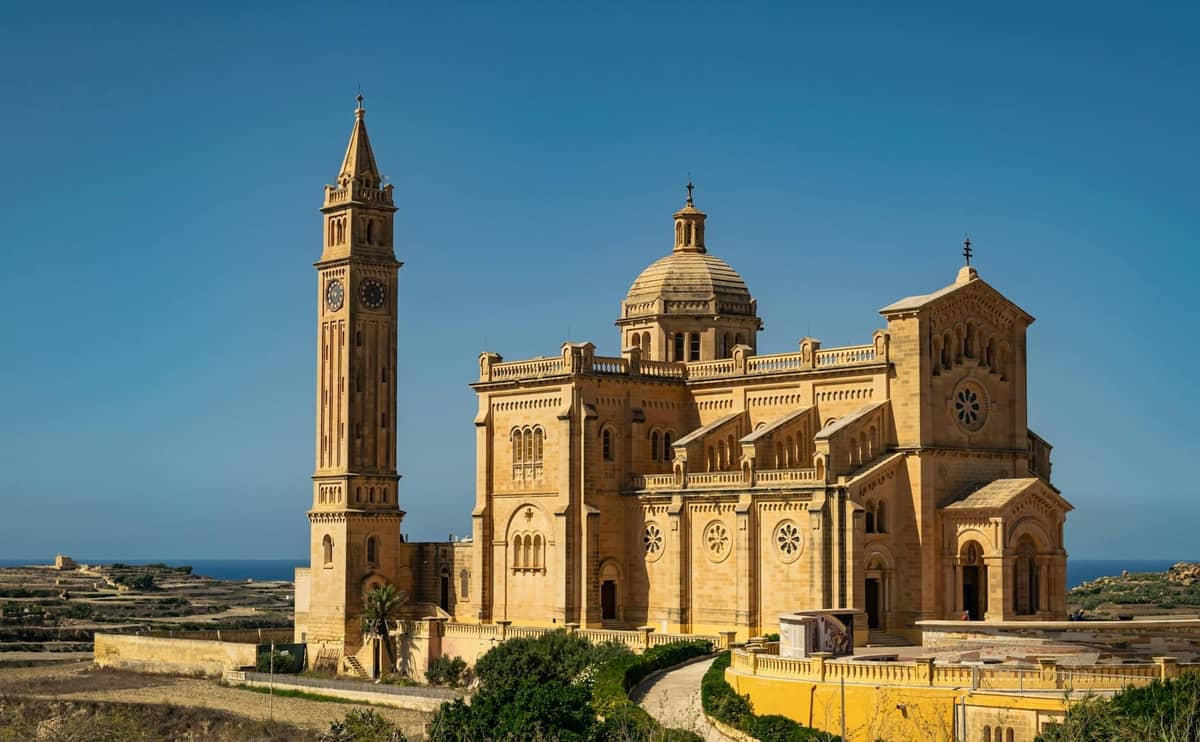
Take the ferry from Ċirkewwa (northern Malta) to Mġarr on Gozo. The crossing takes about 25 minutes and runs frequently throughout the day. You can do Gozo without a car using the island's buses, but a rental car or organized tour gives you the freedom to reach Gozo's best spots efficiently. If you're car-free, a guided day trip from Sliema or Valletta is a practical option and usually cheaper than you'd expect.
Start at the Citadella in Victoria, Gozo's hilltop fortified city with sweeping views over the whole island. Then head to the Ggantija Temples, a UNESCO-listed megalithic site from around 3600 BC, older than the Egyptian pyramids. In the afternoon, drive (or take a bus) to the salt pans at Xwejni and the dramatic gorge at Wied il-Ghasri for a swim. End the day with dinner in Xlendi Bay before catching the last ferry back.
✨ Pro tip
The Azure Window at Dwejra collapsed in 2017. It no longer exists. Some itineraries still list it, which is outdated. The Dwejra area is still worth visiting for the Inland Sea and snorkeling around the Blue Hole, but adjust your expectations if you've seen older photos or guides.
Day 4: Comino and the Blue Lagoon
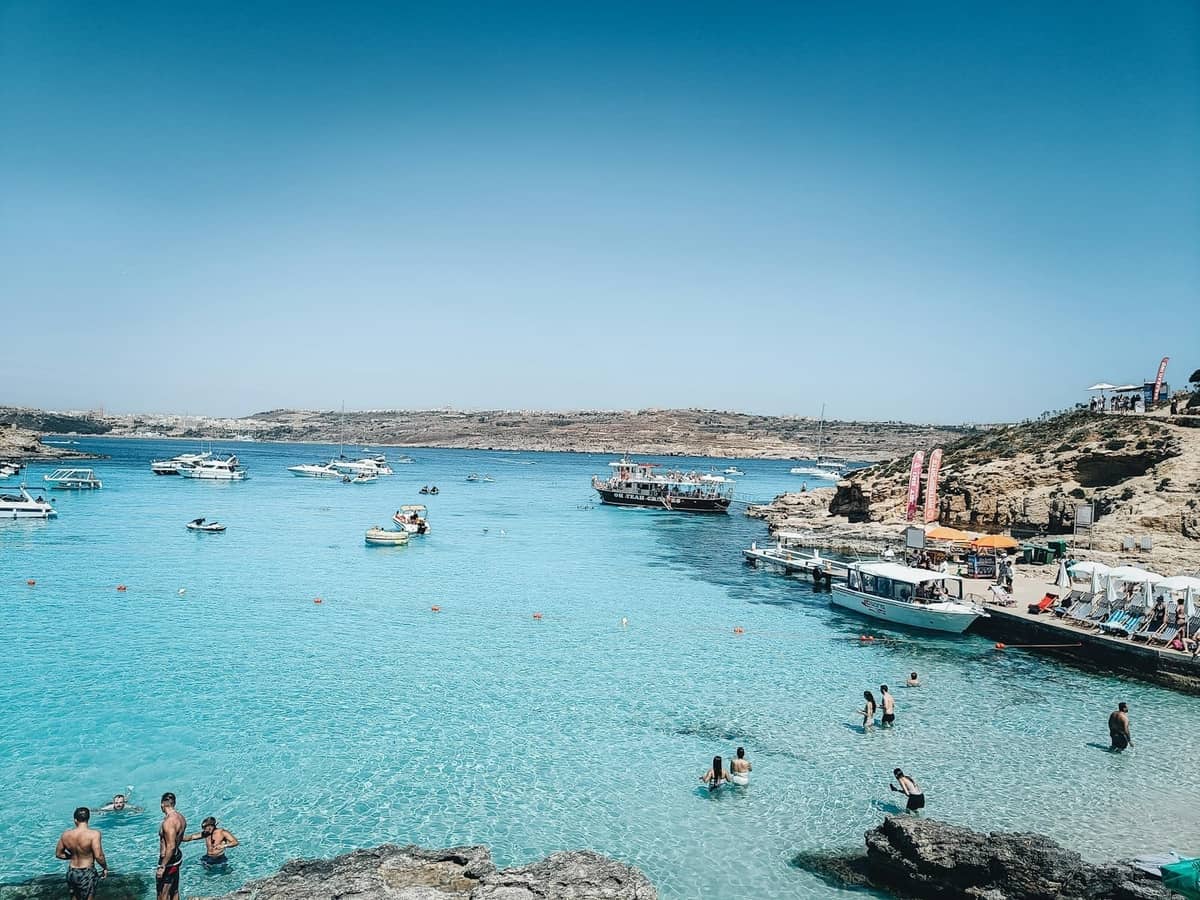
Book a morning boat tour from Sliema, St. Julian's, or Ċirkewwa to Comino. The Blue Lagoon is the primary draw, with water so clear and turquoise that it looks digitally enhanced in photos. The reality is just as striking. The snag: in July and August it can be overwhelmingly crowded, with dozens of boats anchored and hundreds of tourists on a small strip of beach. Going in May, June, or September gives you the same water with a fraction of the crowd.
Most boat tours include stops at the Crystal Lagoon and Santa Marija Bay, both quieter alternatives on the same small island. Some tours also circle Comino's cliffs and sea caves, which is worthwhile. Bring your own snorkel gear if you have it, sunscreen, and more water than you think you need. There are limited facilities on the island itself. Budget around €15-25 per person for a standard day tour, depending on the operator and departure point.
Day 5: Mdina, Rabat, and the South Coast
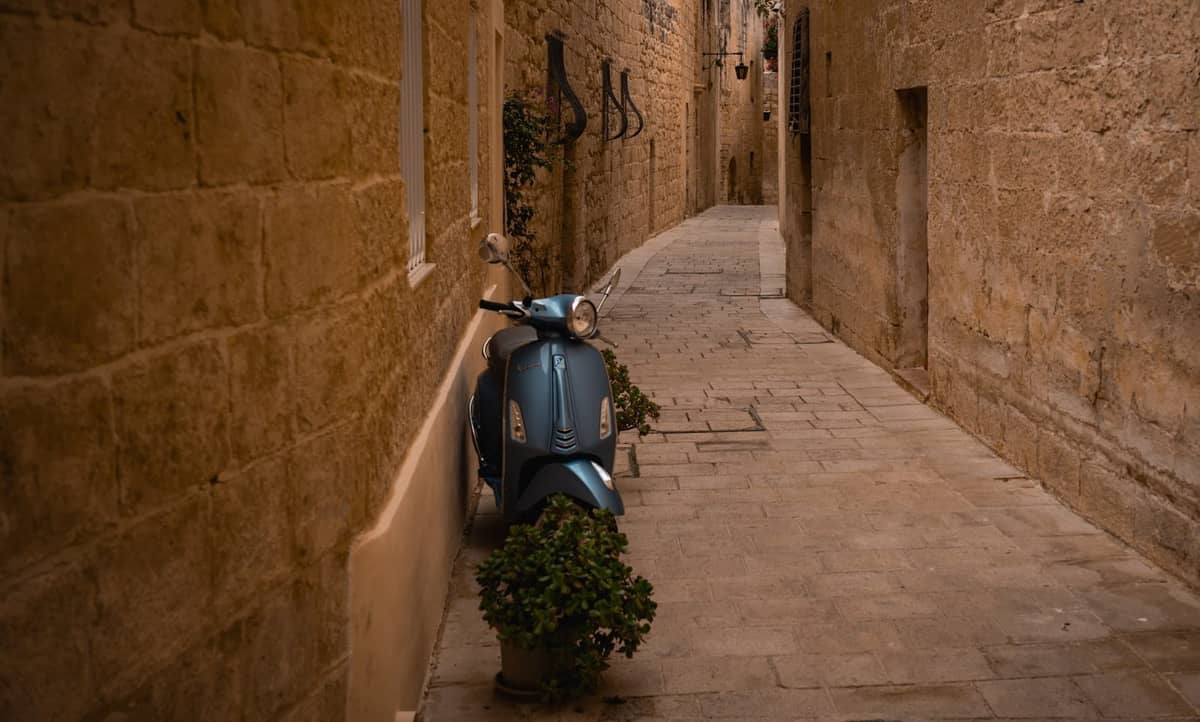
Malta's ancient walled capital, known locally as the Silent City, is best visited early, before 10am, when the tour groups arrive. Mdina is genuinely atmospheric, with narrow limestone alleys, Baroque palaces, and almost no cars. Walk the perimeter walls for views across the island toward Valletta and the sea. Admission to the city itself is free.
Adjacent to Mdina, Rabat is worth an hour for the St. Paul's Catacombs, a genuinely impressive network of early Christian underground burial chambers. Then head south toward the prehistoric temples of Hagar Qim and the nearby Mnajdra Temples. These are some of the best-preserved megalithic structures in the world, dating to around 3600-2500 BC, and far less visited than the sites in Rome or Athens.
Finish the day at the Blue Grotto, a series of sea caves on the southwest coast with striking water coloring from mineral reflections. Boat trips into the caves depart from the small village of Wied iż-Żurrieq and take about 25 minutes. Don't bother if there's swell or heavy wind, as trips are cancelled and the experience is diminished anyway.
Day 6: Beaches and the Northern Coast
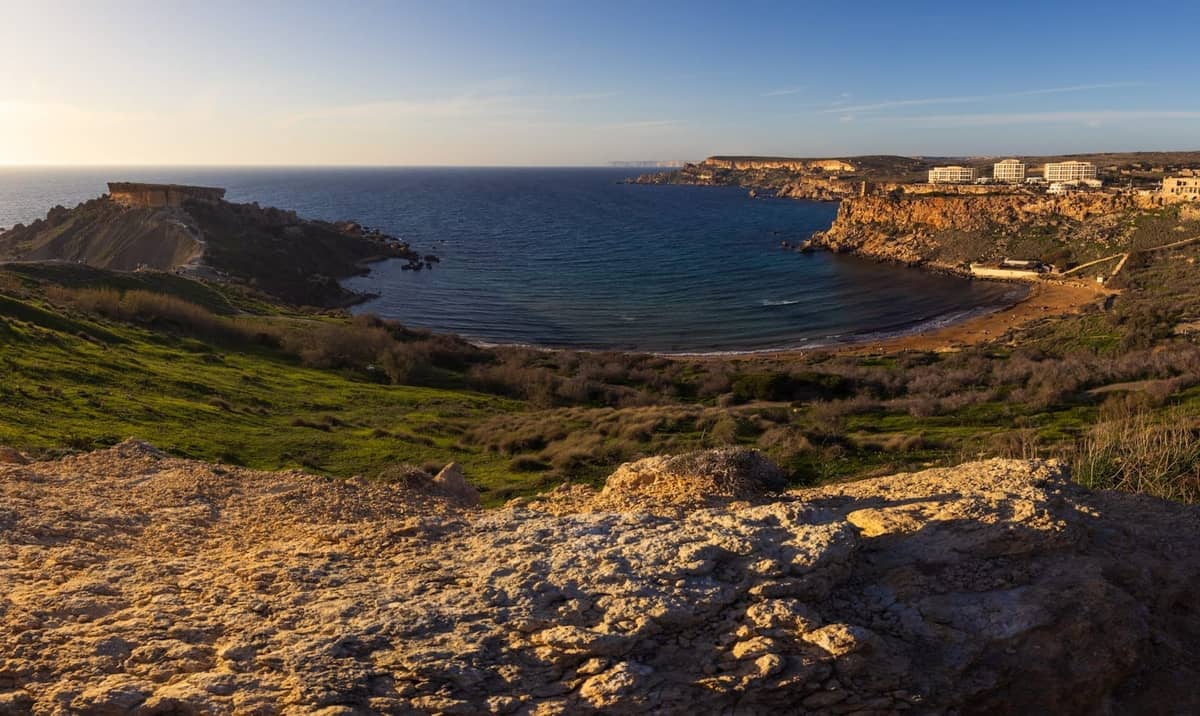
Malta's best sandy beaches are in the north. Golden Bay is the most accessible, with a lifeguard, sunbed rentals, and a hotel bar at the top of the beach. It gets crowded in August but is manageable in shoulder season. For something quieter, Għajn Tuffieħa Bay is a 15-minute walk from Golden Bay across a headland and typically far less crowded, partly because of the 200-step staircase down to the sand.
- Golden Bay Most popular north-coast beach with facilities, lifeguard, and sunbed hire. Accessible by bus from Valletta or Sliema.
- Għajn Tuffieħa Bay Red clay cliffs and a steeper descent deter casual visitors. Cleaner water and more space than its neighbor.
- Mellieħa Bay Malta's longest sandy beach and the most family-friendly, with shallow water and a beach bar. Can feel like a package-holiday resort in peak season.
- Armier Bay Far northeast, requires a car or longer bus journey. Calmer, local crowd, summer-holiday vibe.
- St. Peter's Pool Natural rock pool near Marsaxlokk with no sand, great for cliff jumping and snorkeling. No facilities.
Day 7: Marsaxlokk, the Southeast, and a Final Evening
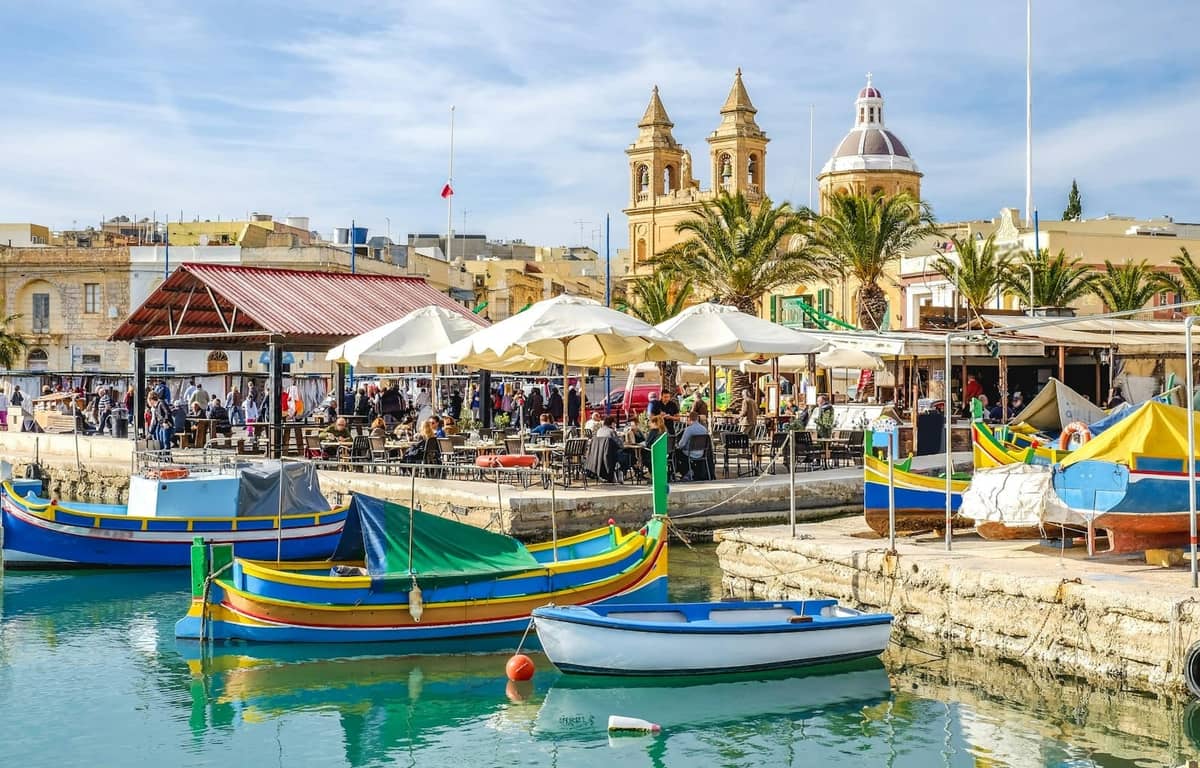
Save your last day for the southeast, starting at Marsaxlokk. This traditional fishing village is the most photogenic in Malta, with rows of brightly painted luzzu boats in the harbor. The Sunday fish market runs from early morning until around noon and is a genuine local institution, not a tourist performance. Come by 9am for the best atmosphere and freshest catch.
After the market, walk south along the coast to St. Peter's Pool, about 3km on foot or a short drive. It's a natural limestone swimming hole with deep, clear water and no beach facilities. Local families come here on weekends; on a weekday you may have it nearly to yourself. Bring water and shoes with grip for the rocky approach.
For your final evening, return to Valletta or Sliema and eat properly. Malta's food culture runs deep: rabbit (fenek) braised in wine and garlic is the national dish, and seafood is generally excellent given the island's location. Skip the tourist-facing restaurants on Republic Street in Valletta and look for places with Maltese menus in the side streets, or head to Sliema's seafront for a broader range of options and sea views.
Practical Logistics for 7 Days in Malta
Malta International Airport (MLA) is about 8 km from Valletta. Bus lines X1 and X4 connect the airport to Valletta for €2.50 and take 40-60 minutes depending on traffic. Taxis cost €20-30 and take 20-30 minutes. Most visitors base themselves in Sliema or St. Julian's for central access to the bus network and nightlife, or in Valletta itself for maximum walking convenience to the historic center.
- The entire 7-day itinerary is doable without a car using Malta Public Transport (100+ bus routes) and the Gozo ferry.
- Bolt and Uber both operate in Malta and are often cheaper than metered taxis for short trips.
- English is an official language, so communication is never an issue anywhere on the islands.
- Tap water is safe to drink, though many locals prefer bottled water due to taste. Pack a refillable bottle.
- Dress modestly when entering churches: shoulders and knees covered. This applies even in summer heat.
- Tipping is 5-10% in restaurants if service is not already included. Not obligatory but appreciated.
- Emergency number across Malta is 112. Country dialing code is +356.
- UK-style Type G plugs are standard; bring an adapter if you're coming from continental Europe or the US.
ℹ️ Good to know
Malta uses the Euro (EUR). EU and Schengen-area passport holders enter without a visa. US, Canadian, and Australian passport holders can stay up to 90 days under Schengen short-stay rules without a visa. If you're unsure about your nationality's requirements, check the Maltese government's official immigration portal before booking.
FAQ
Is 7 days enough time for Malta?
Yes, a week is a solid amount of time. You can cover Valletta, the Three Cities, Gozo, Comino, Mdina, the south coast, and the best beaches without feeling rushed. Seven days is actually the ideal length for most travelers: long enough to go deep but not so long that you run out of things to do.
Do I need a car for a 7-day Malta itinerary?
No. Malta's bus network is comprehensive and covers all the main destinations in this itinerary. The Gozo ferry is frequent and affordable. Bolt and Uber supplement buses for late nights or awkward routes. That said, having a car on Gozo specifically makes a big difference, as the island's buses are less frequent. Consider renting just for a day on Gozo.
When is the best time to do a week in Malta?
Late May through June or September through October. Temperatures are comfortable at 20-28°C, the sea is warm enough to swim, and the crowds at sites like the Blue Lagoon and Mdina are significantly smaller than in July and August. July and August are still great for beaches but be prepared for heat (up to 32°C), full hotels, and premium prices.
How do I get from Valletta to Gozo?
By bus to Ċirkewwa in northern Malta (around 1-1.5 hours depending on where you start), then the Gozo Channel ferry from Ċirkewwa to Mġarr. The ferry crossing takes about 25 minutes and runs frequently throughout the day. The ferry costs €4.65 per passenger each way (cars €17.70 each way) and runs frequently.
What should I book in advance for a week in Malta?
Two things: the Hal Saflieni Hypogeum (book weeks or months ahead, as only around 80 visitors per day are allowed) and Comino boat tours in summer (popular morning slots fill up). St. John's Co-Cathedral can be booked online to skip the queue. For everything else, showing up on the day is usually fine outside of peak August.