Comino is Malta's smallest inhabited island, a car-free, near-deserted slice of the Mediterranean with some of the clearest water in Europe. Famous for the Blue Lagoon but rewarding for those who venture beyond it, Comino is best visited as a day trip from Malta or Gozo, ideally outside the peak summer crush.
Comino sits between Malta and Gozo like a forgotten piece of the Mediterranean, just 3.5 square kilometres of limestone, wild herbs, and impossibly clear water. With only two or three permanent residents and zero cars, it operates on a completely different rhythm from the rest of the Maltese archipelago. Come for the Blue Lagoon, stay to walk the cliffs and understand why this tiny island has attracted everyone from medieval knights to modern-day snorkelers.
Orientation
Comino (Maltese: Kemmuna) occupies a strategic position in the channel between Malta to the southeast and Gozo to the northwest. The island measures roughly 2.66 km long by 1.74 km wide, totalling 3.5 sq km, making it the smallest inhabited island in the Maltese archipelago but by far the least developed. There are no public roads, no bus routes, and no cars. What exists instead is a network of footpaths connecting a handful of bays, a watchtower, a small chapel, and one hotel.
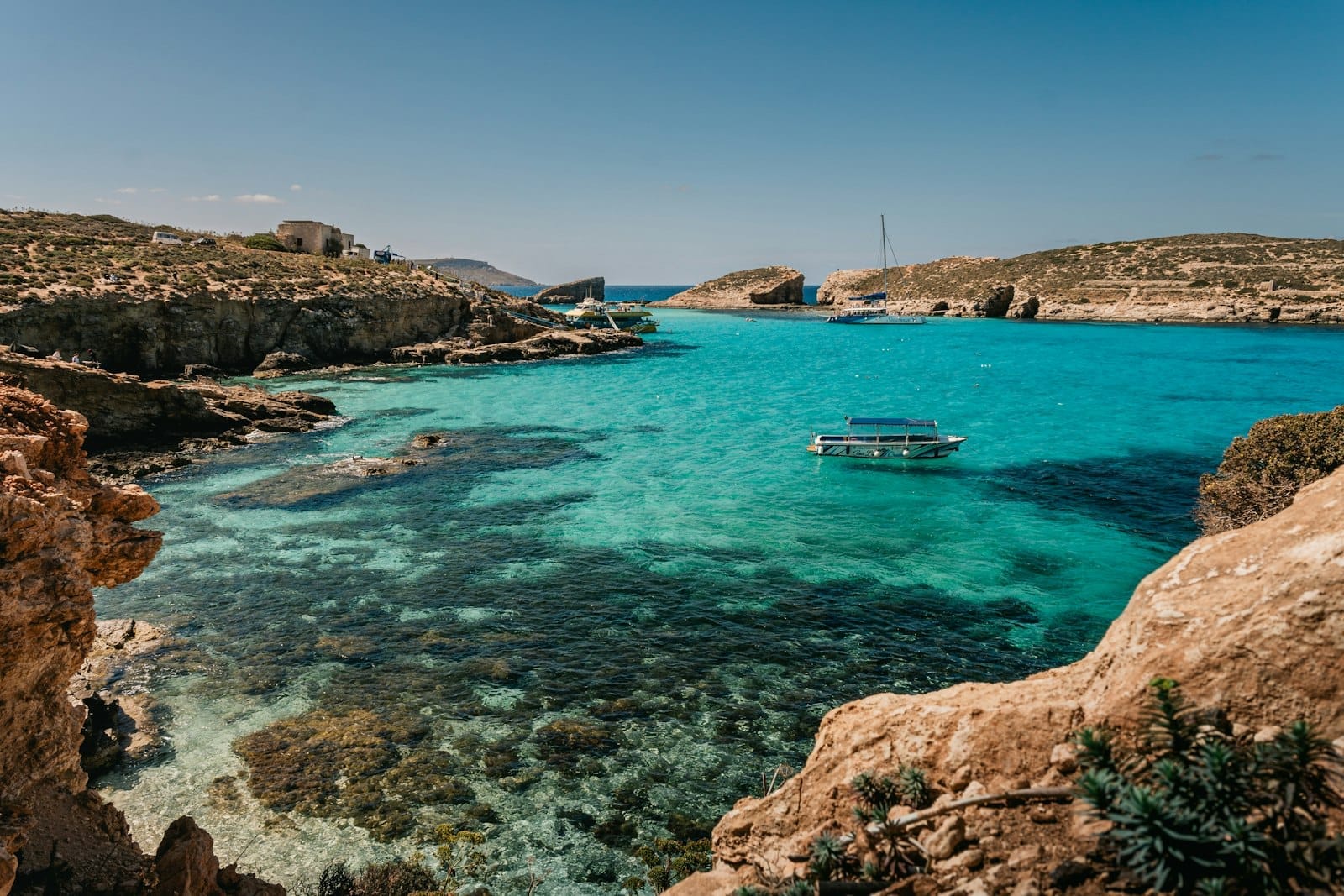
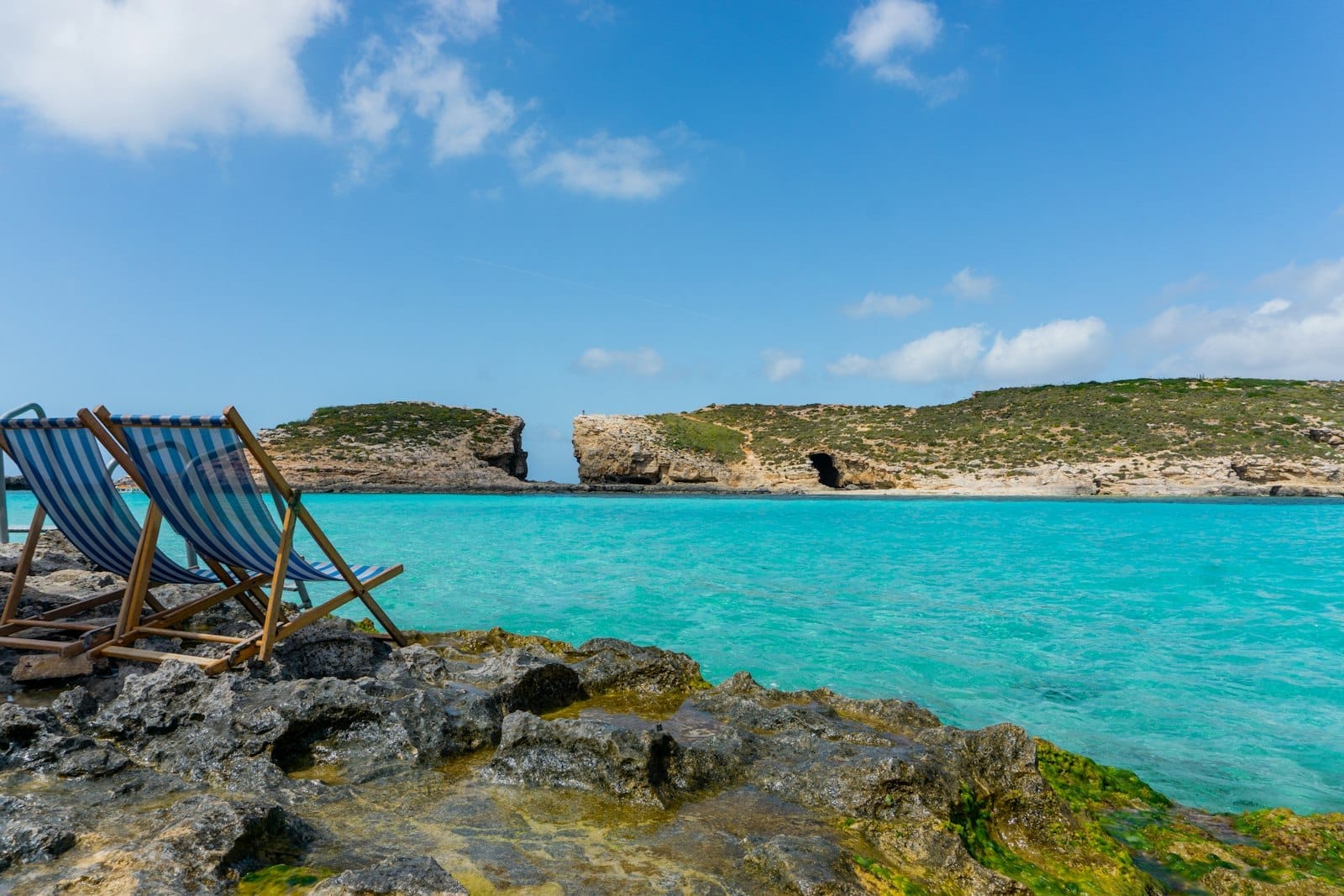
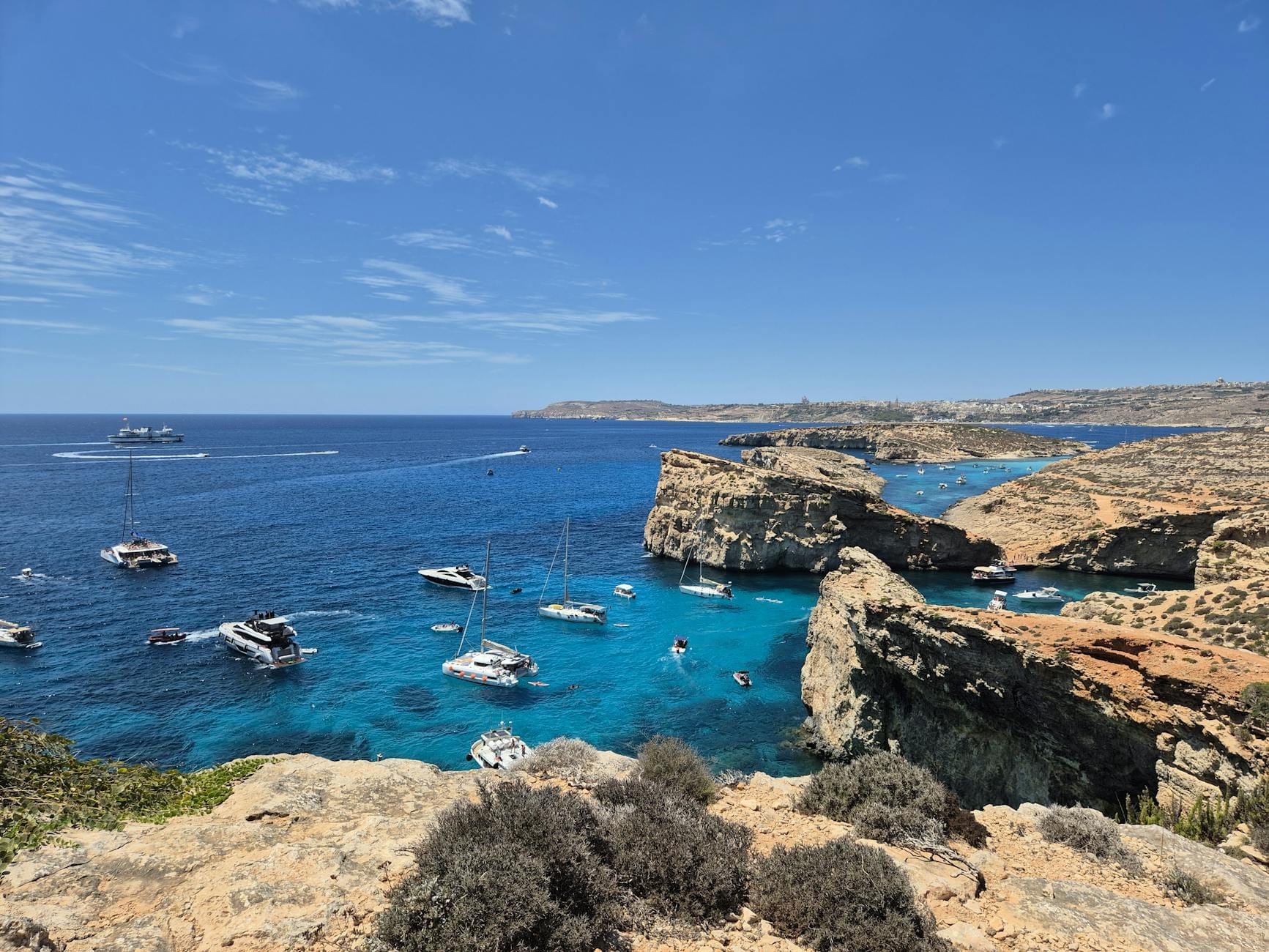
The island's most famous feature, the Blue Lagoon (locally called Bejn il-Kmiemen, meaning 'between the two islands'), sits at the western tip of Comino, separated from the tiny uninhabited island of Cominotto by a shallow, brilliantly turquoise channel. Santa Marija Bay curves along the northeast coast, calmer and less visited. San Niklaw Bay sits between them, sheltered and shallow. The Santa Marija Tower rises near the centre of the island at roughly 80 metres above sea level, visible from ferries crossing from Malta.
Comino is protected as a Natura 2000 nature reserve, which limits development and keeps the interior of the island largely wild. It is part of the same archipelago you can explore through a visit to Gozo, and many travellers combine both islands in a single day or a two-day trip from the Maltese mainland.
Character and Atmosphere
Arrive at the Blue Lagoon before 9am on a summer morning and you get a rare version of Comino: the water reads as electric blue-green in the low light, the wooden pontoons are quiet, and the only sounds are lapping waves and the distant groan of a ferry engine. The limestone cliffs of Cominotto glow amber. Thyme and other wild herbs release a faint scent where footpaths cut through the low scrub. For about an hour, the place feels genuinely remote.
By 10am on any July or August day, the first wave of boats arrives. By noon, the Blue Lagoon is a dense patchwork of anchored yachts, inflatable dinghies, and day-trippers in the water. The surrounding pontoons fill with sun loungers and parasols. The noise level rises steadily. This is the honest reality of summer Comino: one of the most photographed corners of the Mediterranean has become extraordinarily popular, and the Blue Lagoon in high season is less a peaceful retreat than a floating festival.
Away from the Blue Lagoon, the island's character changes almost immediately. Follow the footpath east toward Santa Marija Tower or down to Santa Marija Bay and the crowds thin fast. The scrubland attracts migratory birds in spring and autumn, and the limestone cliffs along the southern coast have a raw, elemental quality with no concession to tourism. The island's handful of permanent residents live near the hotel complex, and outside of that cluster there is very little human infrastructure to look at.
Evenings on Comino belong to hotel guests and, occasionally, boats anchored overnight. Once the day-trip ferries leave around late afternoon, the island becomes almost entirely silent. The quality of that silence, and the darkness of the sky without light pollution, is something visitors staying overnight consistently describe as the highlight of their time there.
⚠️ What to skip
Comino in July and August is genuinely crowded at the Blue Lagoon. If you are visiting primarily for the turquoise water and postcard views, aim for a morning arrival on a weekday, or consider visiting in May, early June, or September when the water is still warm but the crowds are significantly smaller.
What to See and Do
The Blue Lagoon is the obvious starting point and deservedly famous. The water is shallow enough to walk in for some distance, clear enough to see every rock on the bottom, and the colour shifts between shades of turquoise, aquamarine, and pale green depending on the light and cloud cover. Snorkelling here is rewarding even for beginners, with decent visibility and a variety of fish species. The small beach on Cominotto, accessible by a very short swim or paddleboard across the channel, tends to be quieter than the main Comino side.
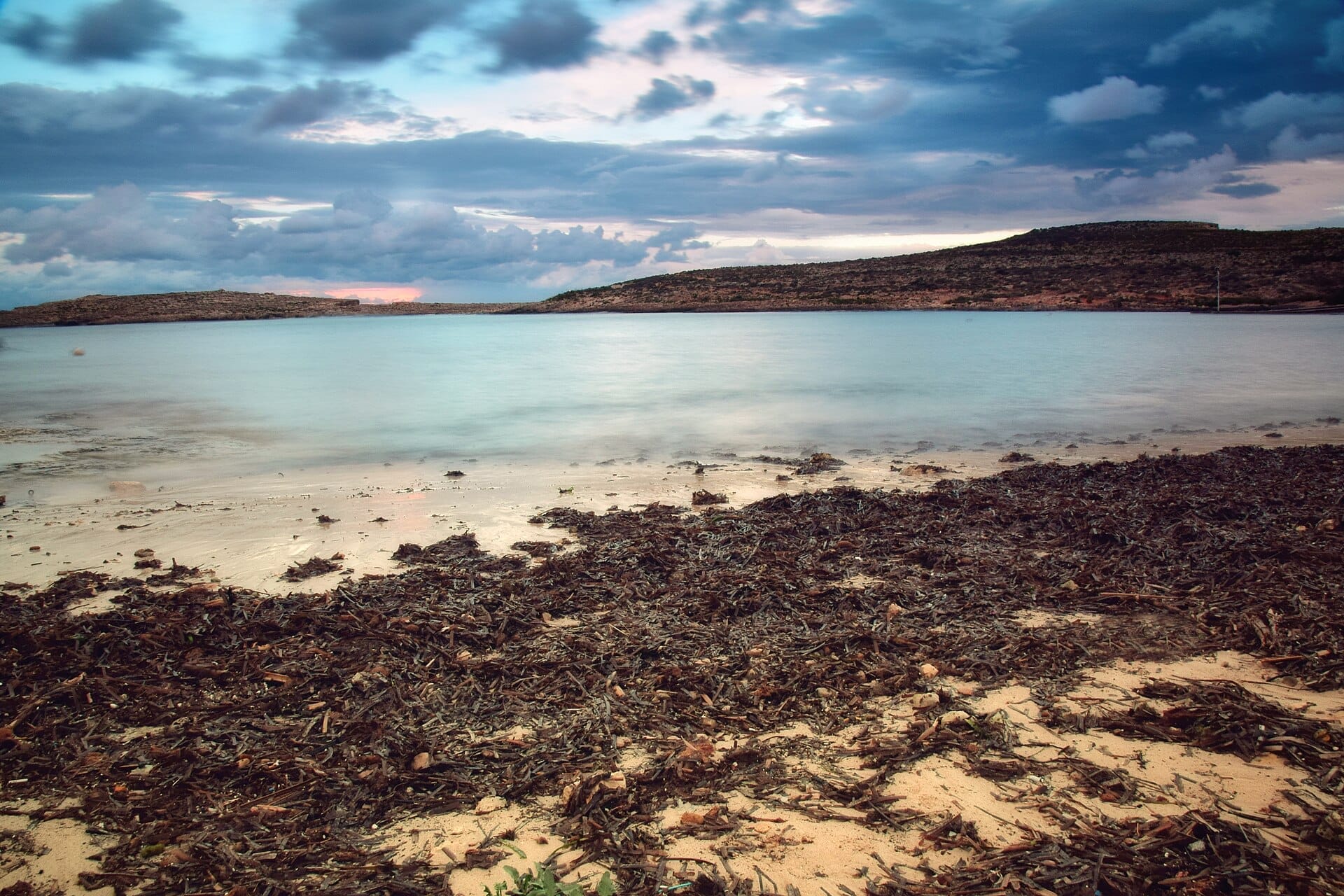
The Santa Marija Bay on the northeast coast offers a contrasting experience: a proper sandy beach with calm, clear water and far fewer visitors than the Blue Lagoon. It is the preferred spot for those staying at the Comino Hotel and for sailors anchoring overnight. The bay is less dramatic visually than the Blue Lagoon but considerably more relaxed.
Santa Marija Tower is Comino's most significant historical landmark. Built in 1618 by the Knights of St. John, the tower formed part of a coastal defence network stretching across the Maltese islands. It stands about 80 metres above sea level near the centre of the island and is visible from a considerable distance at sea. The tower has been restored and is occasionally open to visitors, though access times vary. Even seen from the outside, it provides useful orientation and good views over the surrounding channels.
Hiking across the island is straightforward though the paths are rough and signage is minimal. A circuit taking in the southern cliffs, the tower, and both main bays takes two to three hours at an easy pace. The cliff edges along the southern coast are spectacular and largely unvisited by day-trippers who stay near the water. Bring water, as there are no facilities once you leave the beach areas.
Comino is also a respected diving destination. The caves along the southern coastline, historically said to have provided shelter for pirates, now shelter marine life and offer cave-diving opportunities for certified divers. Crystal Lagoon, a smaller inlet accessible from the water, is another popular site. For a full picture of diving around the Maltese islands, the Malta diving guide covers Comino alongside the main island's best sites.
Blue Lagoon: swimming, snorkelling, kayaking, paddleboarding
Santa Marija Bay: quieter swimming and relaxed sunbathing
Santa Marija Tower: historical watchtower with panoramic views
Southern cliff walks: raw limestone scenery with no tourist facilities
Cave diving: certified dives along the southern coast
Bird watching: migratory species in spring and autumn (Natura 2000 reserve)
Cominotto: the tiny adjacent islet with its own small beach
💡 Local tip
If you want to snorkel the Blue Lagoon without fighting for space in the water, arrive on the first ferry of the day and get in the water immediately. By the time the main flotilla of boats arrives around 10-11am, you can move to a quieter spot or head across to Cominotto.
Eating and Drinking
Comino has almost no food infrastructure beyond what the Comino Hotel provides for its guests and the seasonal beach kiosks at the Blue Lagoon and Santa Marija Bay. The kiosks at the Blue Lagoon sell cold drinks, ice cream, and basic snacks during the summer season. Do not count on these as a reliable meal: they run out of stock, operate inconsistent hours, and are overwhelmed on busy days.
The practical approach for day-trippers is to bring everything you need. Pack water, more than you think you will need given the heat and the walking, plus food for the day. There are no supermarkets, no restaurants open to walk-in visitors outside the hotel, and no cafes in the interior of the island.
If eating well is a priority on your Malta trip, treat Comino as a half-day excursion and plan meals in Sliema, Valletta, or the Gozo countryside on either side of your visit. The food scene across Malta is genuinely excellent; Comino just isn't part of it.
ℹ️ Good to know
The Comino Hotel has been closed since 2019, so there is no sit-down restaurant on the island. Seasonal beach kiosks at the Blue Lagoon and Santa Marija Bay sell basic food and drinks during summer, but availability is limited. Bring your own food and water to be safe.
Getting There and Around
There is no public ferry service to Comino operated by Malta Public Transport. Access is via private ferry companies that run regular services from two departure points: Cirkewwa ferry terminal on the northwest tip of Malta, and Mgarr harbour on Gozo. The crossing from Cirkewwa takes approximately 20-25 minutes; from Mgarr it is shorter, around 15 minutes. Several operators run these routes, and during peak summer the services run frequently throughout the day. Outside summer, schedules reduce significantly and it is worth confirming departure times before you go.
From Valletta or Sliema, reaching Cirkewwa involves a bus journey of roughly 60-90 minutes. Bus routes from Valletta's main bus terminus serve Cirkewwa. If you are combining Comino with a day on Gozo, the standard approach is to take the Gozo Channel ferry from Cirkewwa to Mgarr, spend time on Gozo, and pick up the Comino ferry from Mgarr on the way back. The guide to getting around Malta has current fare and schedule information for the full transport network.
On the island itself, movement is entirely on foot. The paths are unpaved and can be slippery near cliff edges after rain, but generally manageable in ordinary walking shoes. Flip-flops are fine for the beach areas but inadequate for exploring the interior or the cliffs. The island is small enough that you can walk from the Blue Lagoon to Santa Marija Bay in around 20-25 minutes at a moderate pace.
Boat trips from Sliema and other departure points on Malta often include Comino as part of a longer itinerary, sometimes combined with the Malta boat trip circuit around the western coast. These organised trips can be convenient but typically give you limited time at the Blue Lagoon and no opportunity to explore the rest of the island.
Ferry from Cirkewwa (northwest Malta): 20-25 minutes crossing
Ferry from Mgarr (Gozo): approximately 15 minutes crossing
No cars, buses, or public roads on the island
All exploration on foot via unpaved paths
Blue Lagoon to Santa Marija Bay on foot: 20-25 minutes
Full island circuit including cliffs and tower: 2-3 hours
Where to Stay
The Comino Hotel was the island's only accommodation before it ceased operations in 2019. It sits near Santa Marija Bay on the northeast coast, away from the Blue Lagoon crowds. As of 2026, the hotel remains closed and its future is uncertain — check for updates before planning an overnight stay on the island. It offers beach access, watersports facilities, and a relatively self-contained resort experience.
Staying overnight on Comino is a genuinely different experience from visiting as a day-tripper. Once the last ferries leave in the late afternoon, the island empties almost completely. The evening light on the cliffs and water is remarkable, and the absence of light pollution makes the night sky unusually clear. For couples or anyone wanting genuine quiet, an overnight stay has real appeal. That said, it is not a budget option, and the hotel experience itself is fairly standard resort fare.
For most visitors, particularly those travelling on a budget or wanting easy access to restaurants and nightlife, the better strategy is to base yourself in Sliema, St. Julian's, or Valletta on the main island and visit Comino as a day trip. The Malta accommodation guide covers the full range of options across the archipelago and can help you decide which base makes most sense for your itinerary.
Planning Your Visit
Comino fits naturally into a broader exploration of the western part of the Maltese archipelago. The most efficient itinerary combines it with a day on Gozo, since the two islands are connected by a short ferry hop. The Gozo travel guide covers everything from the Citadella in Victoria to the beaches at Ramla Bay, all of which make ideal companions to a morning at the Blue Lagoon.
The best time to visit Comino is May, early June, or September. The water temperature is comfortable for swimming, the crowds are manageable, and the ferry schedules are running at or near full summer frequency. Visiting in July or August remains worthwhile, but go in with clear expectations about the crowds at the Blue Lagoon. April can be cooler for swimming but the island is peaceful and the Natura 2000 birdlife is at its most active. For a full picture of timing across Malta, the best time to visit Malta guide breaks down weather patterns and crowd levels by month.
Practical essentials: bring cash for the ferry and beach kiosks as card payment is not always available on smaller operators. Wear reef-safe sunscreen, particularly if swimming at the Blue Lagoon where the water clarity reflects heavy use. The limestone coastline in some areas is sharp underfoot, so water shoes are worth considering. Mobile signal from Maltese networks generally reaches the island but can be weak in the interior.
💡 Local tip
Comino is one of the few places in Malta where you can combine an excellent swimming spot with genuine nature and historical interest in a single day, as long as you plan the sequence. Start at the Blue Lagoon early, walk the interior and cliffs in the middle of the day when beach crowds peak, and return to Santa Marija Bay in the late afternoon when most day-trippers have left.
TL;DR
Comino is best visited as a day trip from Malta or Gozo, ideally in May, early June, or September to avoid the intense summer crowds at the Blue Lagoon.
The Blue Lagoon is genuinely spectacular but genuinely packed in July and August; the rest of the island including the southern cliffs, Santa Marija Bay, and Santa Marija Tower rewards those willing to walk ten minutes from the water.
There is almost no food infrastructure for day visitors; bring everything you need to eat and drink.
The island suits swimmers, snorkellers, divers, hikers, and anyone wanting genuine quiet, though overnight accommodation is no longer available as the hotel ceased operations in 2019.
Comino is not ideal for travellers primarily interested in restaurants, nightlife, or cultural monuments; it is a nature and water destination, full stop.
Malta's megalithic temples are among the oldest free-standing stone structures on Earth, predating Stonehenge by over a thousand years. This guide covers every major site, practical logistics, seasonal advice, and the archaeological context that makes these temples worth the trip.
Malta's coastline is far more varied than the island's small size suggests. From the turquoise waters of Comino's Blue Lagoon to Gozo's red-sand Ramla Bay and Malta's dramatic rocky inlets, this guide covers every type of beach the archipelago has to offer — with candid notes on crowds, access, and the best times to go.
Malta is a year-round destination, but the timing of your trip changes everything. This guide breaks down every season honestly — weather, crowds, prices, and what's actually open — so you can choose the right month for your priorities.
For a country this small, Malta packs a remarkable density of dramatic scenery. These are the viewpoints that earn the detour, from clifftop sunsets and fortress panoramas to harbor vistas and Gozitan sea inlets.
Malta is small enough to explore fully in a week, but the islands around it reward dedicated day trips. From the prehistoric temples of Gozo to the sea caves of the Blue Grotto and the medieval streets of Mdina, these are the best excursions to take from Malta's main island.
Malta packs an extraordinary amount of history, scenery, and culture into a tiny island, and much of it costs nothing. From UNESCO-listed prehistoric temples to cliff-top walks, baroque city streets, and crystal-clear swimming coves, this guide covers the best free experiences across Malta, Gozo, and Comino.
Malta is small — just 316 sq km — but navigating it efficiently takes some planning. This guide covers every transport option available, from the Tallinja bus network to Gozo ferries, ride-hailing apps, and car rental, with straightforward takes on what works and what doesn't.
Gozo is smaller, quieter, and slower-paced than Malta — and that is exactly the point. This guide covers the ferry, the best things to do, where to focus your time, and why two days here beats a rushed day trip.
Malta rewards curious travelers who look beyond the postcard highlights. From sheltered limestone inlets and rock-cut swimming holes to ancient temples and baroque palaces lost in the countryside, these are the places where the real Malta reveals itself.
Malta packs prehistoric temples, Baroque cityscapes, clear-water diving, and surprisingly good food into just 316 square kilometres. But summer crowds, rocky beaches, and rising prices give some travellers pause. Here is a clear-eyed breakdown of what you get and what to watch out for.
The Knights of Malta left an indelible mark on this archipelago across more than two centuries of rule. This guide traces their history through the fortresses, cathedrals, and palaces they built, with practical advice on visiting each key site today.
Three days is enough to cover Malta's greatest hits if you plan smartly. This itinerary takes you through UNESCO-listed Valletta, the ancient Silent City of Mdina, the prehistoric temples of the south coast, and the rural island of Gozo, with practical advice on timing, transport, and what to skip.
Malta is best understood from the water. Whether you want to drift through sea caves glowing electric blue, anchor above the clearest lagoon in the Mediterranean, or cruise past 700 years of Grand Harbour fortifications, these are the boat trips worth planning your days around.
Malta is one of the Mediterranean's top diving destinations, with crystal-clear water, dramatic underwater topography, and wrecks accessible to every skill level. This guide covers the best dive sites on Malta and Gozo, what to expect at each depth, seasonal conditions, and everything you need to plan a successful dive trip.
Malta makes a compelling case as a romantic destination despite its size. Medieval walled cities, cliff-top sunsets, private boat trips to turquoise lagoons, and candlelit wine bars in a Baroque capital — this guide covers the best romantic experiences in Malta for couples, with clear advice on what's worth booking and what to skip.
Seven days is enough time to experience Malta's greatest hits without burning out. This day-by-day itinerary covers the UNESCO capital of Valletta, the island of Gozo, the Blue Lagoon at Comino, medieval Mdina, and the fishing villages of the south coast, with practical advice on what to skip and how to get around without a car.
Malta's nightlife ranges from the dense club strip of Paceville to the refined jazz bars of Valletta's Strait Street. This guide breaks down where to go by neighbourhood, what to expect at each type of venue, and how to avoid the most common tourist mistakes.
Malta surprises most travelers: it is an EU country with a UNESCO capital, 7,000 years of history, and genuinely affordable daily costs if you know where to look. This guide breaks down realistic daily budgets, free and cheap attractions, transport costs, food prices, and the seasonal timing that makes the biggest difference.
Malta consistently ranks among the world's top 10 countries for personal safety, but that doesn't mean risks don't exist. This guide covers crime statistics, common scams, road dangers, beach hazards, and neighborhood-by-neighborhood safety so you can visit with confidence.
The Malta to Sicily ferry is one of the most rewarding short trips in the Mediterranean. This guide covers the Virtu Ferries catamaran route, ticket prices, seasonal schedules, what to do in Pozzallo and beyond, and everything you need to plan a seamless day trip from Malta.
Malta is a surprisingly strong family destination for its size. English is widely spoken, the country is genuinely safe, distances are short, and the mix of beaches, history, and interactive attractions keeps children of all ages engaged. This guide covers the best kid-friendly spots, seasonal advice, transport logistics, and frank assessments of what works and what doesn't.
Malta packs an extraordinary range of experiences into just 316 square kilometres. This guide covers the best things to do across the archipelago, from Valletta's Baroque cathedrals and prehistoric temples to sea caves, clifftop walks, and the famous Blue Lagoon, with practical advice on what's worth your time and what to skip.
Valletta packs more history per square metre than almost any capital in Europe. This guide covers the top things to do in Valletta, from its world-class Baroque cathedral and a 500-year-old star fort to harbour boat tours and the best spots for Maltese coffee. Practical, opinionated, and built for real trips.
Maltese food is one of the Mediterranean's most underrated culinary traditions. This guide covers the essential dishes, the best street food, seasonal specialities, and practical advice on where to eat well without overpaying.
Choosing where to stay in Malta shapes your entire trip. This guide breaks down the best neighborhoods, from the historic capital Valletta to the beach towns of the north, with honest advice on what each area actually delivers.