What to Eat in Malta: A Guide to Traditional Maltese Food
Maltese food is one of the Mediterranean's most underrated culinary traditions. This guide covers the essential dishes, the best street food, seasonal specialities, and practical advice on where to eat well without overpaying.
Tickets & tours
Live prices and dates from our booking partner. If you book, we may earn a commission at no extra cost to you.
TL;DR
- Stuffat tal-Fenek (rabbit stew) is Malta's national dish and the benchmark for any traditional Maltese restaurant.
- Pastizzi are the defining street food: flaky pastries under €1, found at every bakery and most petrol stations across Valletta and beyond.
- Ftira (traditional Maltese bread) earned UNESCO Intangible Cultural Heritage status in 2021 and makes the best cheap lunch on the island.
- Lampuki pie is only available September to December, so if you visit in autumn, order it.
- For the full picture on planning your trip around food and festivals, see the best time to visit Malta guide.
The Culinary Identity of Malta
Maltese food doesn't belong neatly to any single tradition. Sitting at the crossroads of Europe, North Africa, and the Middle East, the archipelago absorbed influences from every culture that passed through or occupied it: Arab traders, Norman rulers, the Knights of St. John, the French, and the British. The result is a cuisine that pairs sun-ripened tomatoes and olive oil with spices like cumin and curry, combines hearty braised meats with fresh Mediterranean seafood, and wraps it all in a pastry tradition that rivals anything in Sicily.
The core pantry is simple but high quality: local sheep's milk cheese (ġbejna), capers grown on the limestone cliffs of Gozo, hand-pressed olive oil, wild fennel, and whatever fish came in that morning at the Marsaxlokk fish market. Understanding these base ingredients helps explain why Maltese cooking is richer and more complex than you might expect from its peasant roots.
ℹ️ Good to know
Maltese and English are both official languages, so menus across the islands typically appear in both. Many traditional dish names are in Maltese — knowing a few (like 'fenek' for rabbit and 'lampuki' for dorado) helps you identify the real deal from tourist-facing menus.
Stuffat tal-Fenek: Malta's National Dish
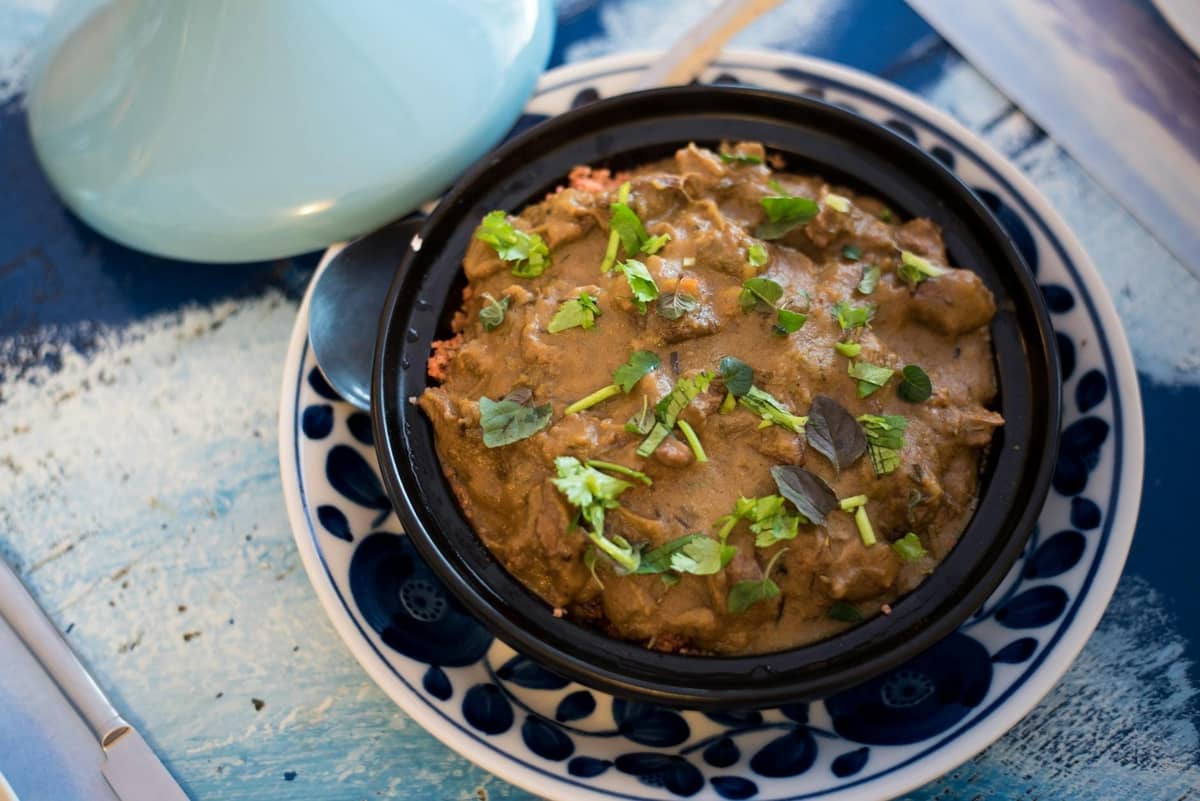
Stuffat tal-Fenek is rabbit stew, and it holds the title of Malta's official national dish without much debate. Rabbit is slow-cooked in red wine with garlic, onions, tomatoes, bay leaves, and Mediterranean herbs until the meat is completely tender and the sauce has reduced to something deeply savoury. It's the kind of dish that takes three hours to cook properly and tastes like it.
The tradition behind it matters too. Historically, Maltese farmers raised rabbits because the Knights of St. John restricted hunting rights on the islands. Rabbit became the meat of the people, and fenek dishes are now inseparable from Maltese identity. The communal Sunday rabbit meal, known as a fenkata, is still practised in many Maltese families and in dedicated restaurants called 'fenek restaurants' in rural villages. Expect to pay around €12-18 for a serving at a traditional restaurant.
💡 Local tip
For the most authentic fenkata experience, head to villages like Rabat or Dingli rather than tourist-heavy Valletta. Rural restaurants often serve rabbit as a multi-course affair starting with pasta in rabbit sauce, followed by the stew itself.
Pastizzi and Ftira: The Street Food You Should Eat Every Day
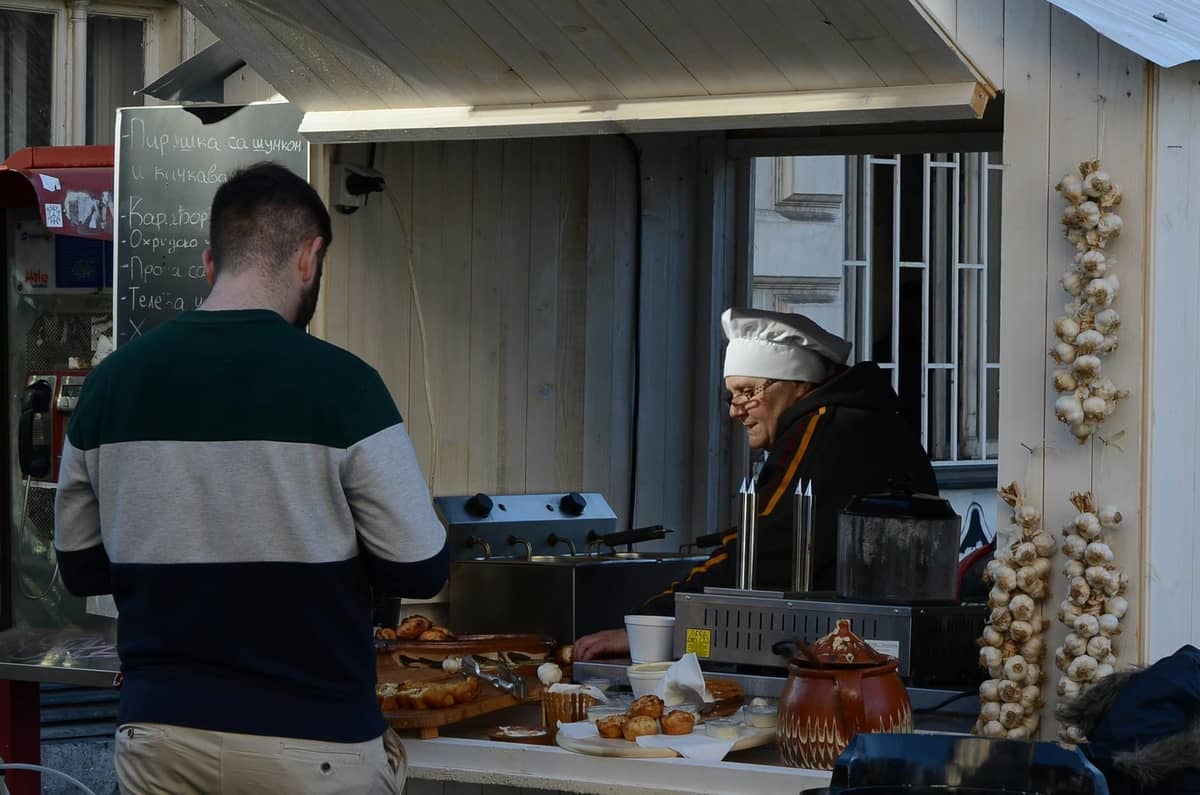
If there is one food that defines daily life in Malta more than any other, it's pastizzi. These small, diamond-shaped pastries have a shatteringly crisp, layered exterior and come filled with either ricotta (pastizzi tal-irkotta) or curried peas (pastizzi tal-piżelli). They cost under €1 each, sometimes as little as €0.30-0.50 at a local pastizzeria. You'll find them freshly baked from dawn through to mid-morning at bakeries, petrol stations, and corner bars across every town on the island. Less common but worth trying: variations filled with anchovies, corned beef, or even apple.
Ftira is the other street food essential. Malta's traditional sourdough bread, ring-shaped with a thick crust and an airy, chewy interior, was added to UNESCO's Intangible Cultural Heritage List in 2020, one of only a handful of breads globally to receive that recognition. The most popular preparation is hobz biz-zejt: a split ftira rubbed with ripe tomato pulp, drizzled with olive oil, and filled with tuna, capers, olives, onions, and optionally sundried tomatoes or anchovies. At a village bakery or a dedicated hobz biz-zejt stall, it runs around €3-5. It's a better lunch than most sit-down restaurants offer at three times the price.
- Pastizzi tal-irkotta Flaky pastry filled with smooth, lightly seasoned ricotta. The classic version. Best eaten warm straight from the oven.
- Pastizzi tal-piżelli Filled with spiced curried peas. More savoury and filling than the ricotta version. Good if you want something more substantial.
- Hobz biz-zejt Ftira bread rubbed with tomato and olive oil, loaded with tuna, capers, and olives. The Maltese answer to a banh mi. Incredibly good value at €3-5.
- Imqaret Deep-fried date pastries, flavoured with anise, citrus peel, and cloves. Sold at street kiosks, particularly in Valletta. Sweet, dense, and habit-forming.
Seasonal Dishes Worth Timing Your Trip Around
Lampuki pie (Torta tal-Lampuki) is Malta's most celebrated seasonal dish and the clearest example of the island's relationship with its waters. Lampuki is the Maltese name for dorado, also known as mahi-mahi, a firm, sweet fish caught off the Maltese coast between roughly August and December, with peak season from September to November. The pie combines flaked lampuki with spinach, cauliflower, olives, capers, and tomatoes, baked inside a shortcrust pastry case. The combination sounds unusual but works: the richness of the pastry balances the fresh, flaky fish and the sharp brininess of the capers and olives.
If you're visiting in autumn, ordering lampuki pie is non-negotiable. It disappears from menus entirely once the season ends. Outside the lampuki window, look for torta tal-ħut (general fish pie) as a year-round alternative. Spring is the season for bigilla, a thick dip made from dried broad beans blended with garlic, olive oil, and fresh herbs. It's often served free with bread at traditional restaurants and is completely addictive.
✨ Pro tip
Ask restaurants whether the lampuki is fresh or frozen before ordering in peak season. Some establishments freeze it for use beyond the season window. Fresh lampuki has a firmer texture and sweeter flavour; frozen tends to go mushy in the pie filling.
Meat Dishes, Baked Pasta, and the Maltese Table
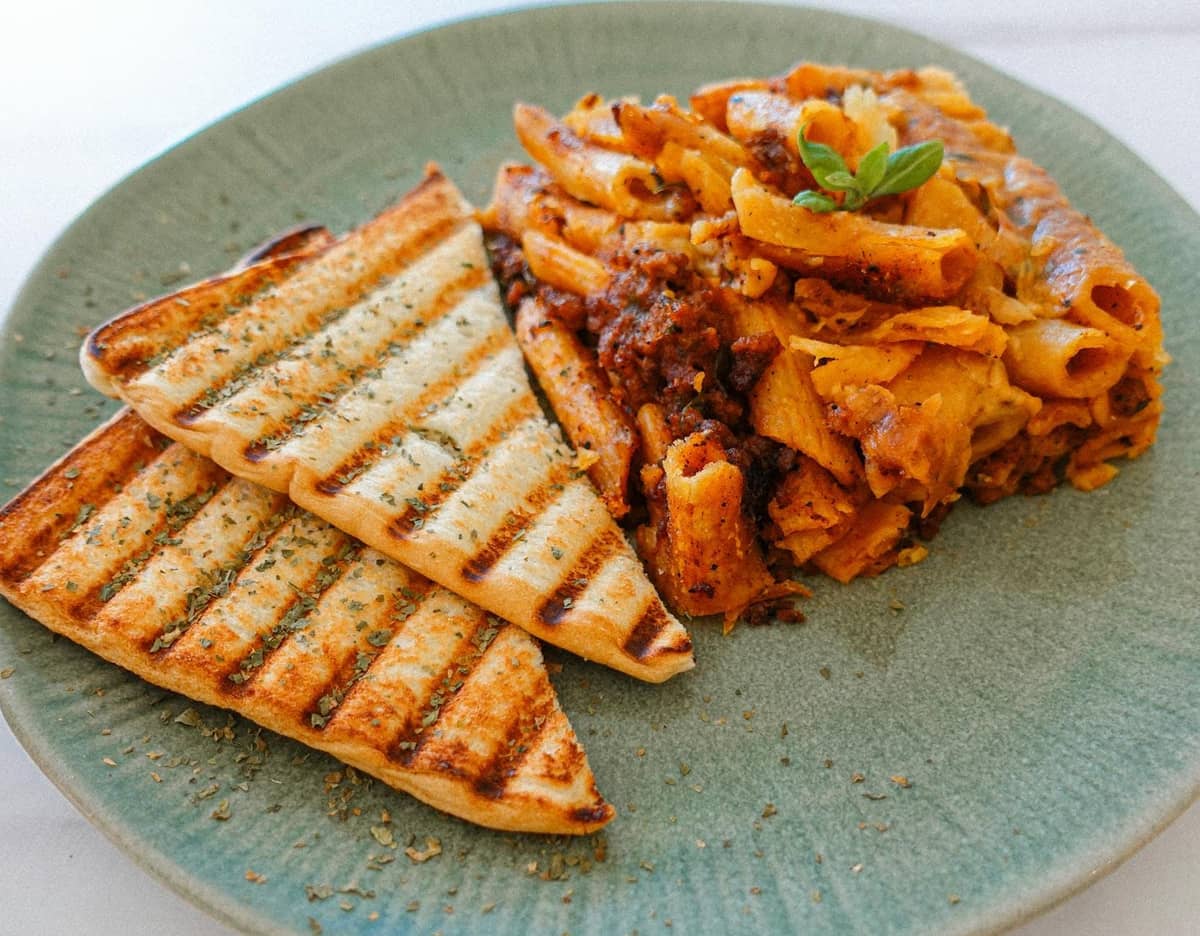
Beyond rabbit, the Maltese table is built around slow-cooked, oven-finished dishes that reflect both the Mediterranean climate and historically modest kitchen resources. Imqarrun il-forn is baked pasta: rigatoni or similar shapes layered with a meat and tomato sauce seasoned with an almost North African spice mix of garlic, cumin, paprika, bay leaves, thyme, and rosemary, with a note of curry that surprises most visitors. The finished dish has a firm, slightly caramelised top layer and a dense, richly flavoured interior. It's comfort food with complexity.
Ross il-forn follows the same logic but with medium-grain rice instead of pasta. Onions, garlic, herbs, tomatoes, and minced beef or pork are layered with the rice and baked until the top is golden and the whole dish is fragrant. Both imqarrun and ross il-forn are Sunday staples in Maltese homes and appear on the menus of most traditional restaurants for around €10-14.
Bragioli, often translated as 'beef olives', contain no olives whatsoever. The name comes from the rolled shape of the dish: thin slices of beef wrapped around a stuffing of breadcrumbs, bacon, garlic, parsley, and sometimes hard-boiled egg, then braised slowly in red wine and tomato sauce until the rolls are tender and the sauce is thick. It's worth flagging because tourist menus don't always explain this, and people who dislike olives sometimes avoid it unnecessarily.
Cheese, Sweets, and What to Drink
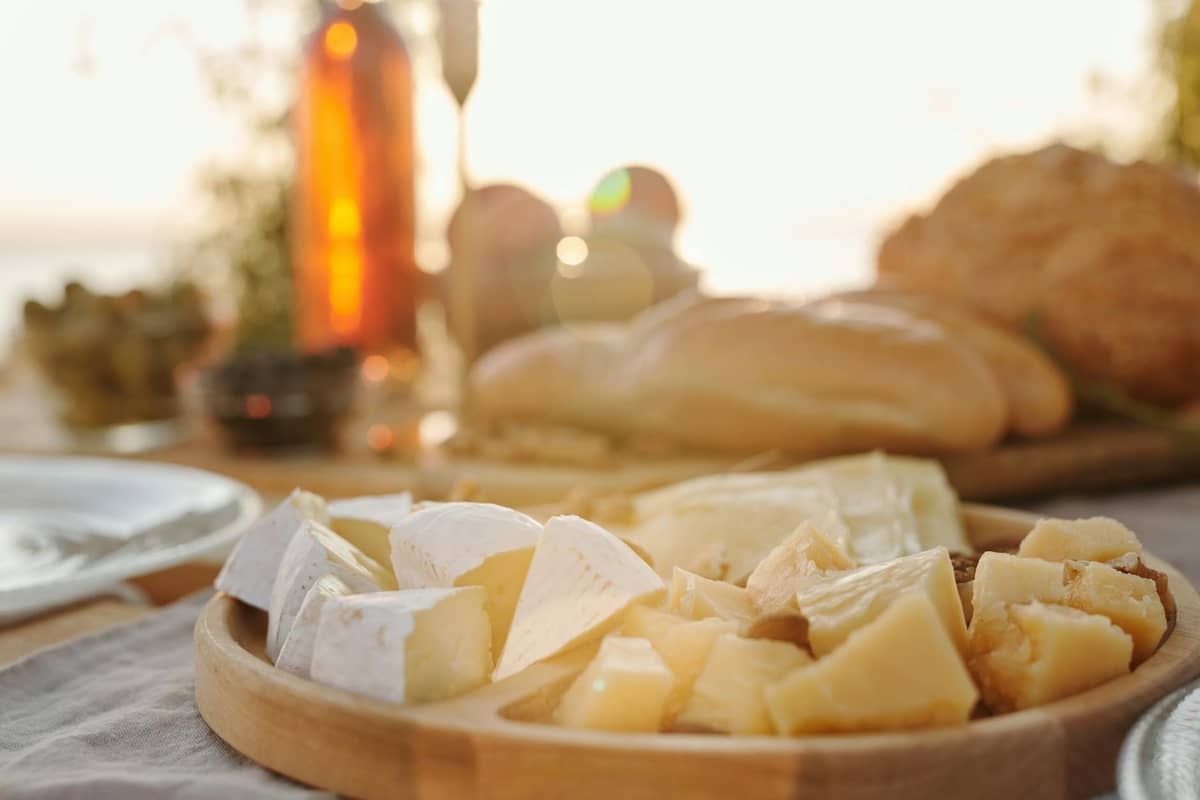
Ġbejna is Malta's indigenous sheep's milk cheese, made in small rounds and available fresh (friski), dried (moxxa), or marinated in olive oil with herbs and pepper (tal-bżar). The dried and peppered versions are firm enough to grate but usually eaten sliced with hobz biz-zejt or paired with local wine. Gozo produces the most highly regarded ġbejna, and if you're visiting Gozo, buying it directly from a farm market is noticeably better than anything shrink-wrapped for tourists.
For sweets, kannoli (Maltese-style ricotta-filled pastry tubes, similar to but distinct from Sicilian cannoli), mqaret (date pastries), and figolli (almond-filled Easter biscuits cut into elaborate shapes) are the main traditions. Figolli are deeply seasonal and only appear around Easter, but mqaret are available year-round at street kiosks, particularly in Valletta. On the drinks side, Kinnie is the local soft drink: a bitter orange soda flavoured with aromatic herbs that functions as a kind of Maltese Aperol without the alcohol. It pairs well with pastizzi. Cisk is the dominant local lager, light and clean, widely available on draught for around €2-3.
- Ġbejna tal-bżar: Dried sheep's cheese rolled in cracked pepper. Sharp, firm, and the best version to buy as a souvenir.
- Kannoli: Crisp pastry tubes filled with sweetened ricotta. Order from a bakery, not a supermarket shelf.
- Mqaret: Deep-fried date pastries spiced with anise and orange zest. Found at street kiosks near Valletta's city gate.
- Kinnie: Bitter orange and herb soda. The Maltese alternative to fizzy drinks. Try it once at least.
- Cisk lager: The default local beer. Pairs well with fried rabbit or fish dishes.
⚠️ What to skip
Restaurant quality varies enormously in tourist-heavy areas like Sliema and St. Julian's. Places with large English-language signs and photos on the menu often serve overpriced, generic 'Mediterranean' food with little connection to Maltese tradition. For authentic cooking, look for smaller family-run restaurants in Rabat, Marsaxlokk, or the backstreets of Valletta where menus are shorter and change with the season.
Where to Eat Well in Malta
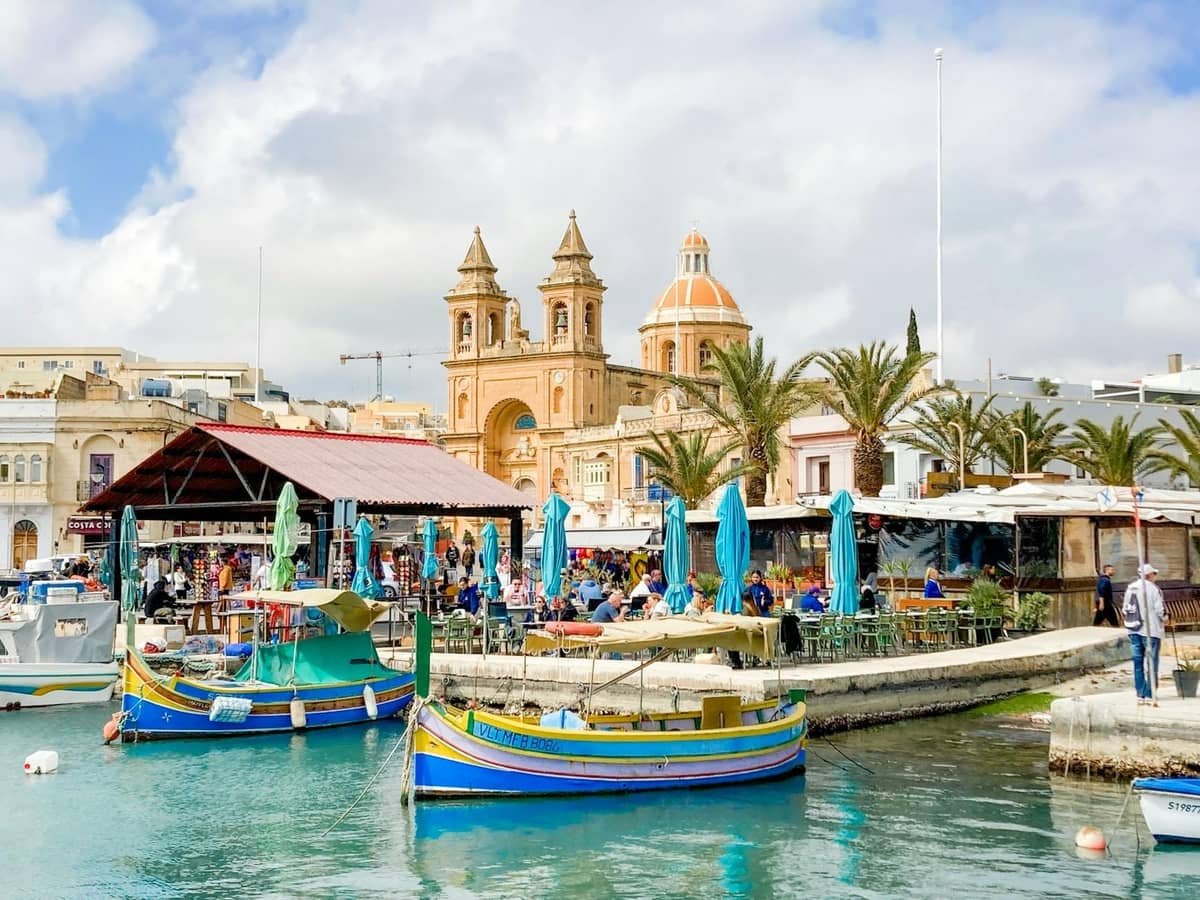
The best traditional Maltese cooking is found in village restaurants rather than coastal tourist strips. Marsaxlokk has a cluster of seafood restaurants along the waterfront that serve fresh fish simply prepared, though Sunday is when the market draws the biggest crowds. Rabat and the area around Mdina have reliable traditional restaurants that serve rabbit and baked pasta to a mostly local clientele.
In Valletta itself, the streets around the St. John's Co-Cathedral and Merchants Street have a mix of quality levels. Budget roughly €15-25 per person for a two-course meal with a drink at a mid-range traditional restaurant. Tipping is not compulsory but 5-10% is appreciated when service isn't already included in the bill. For a comprehensive overview of eating as part of a broader trip, the Malta on a budget guide covers food costs alongside accommodation and transport.
FAQ
What is the most traditional food in Malta?
Stuffat tal-Fenek (rabbit stew) is Malta's national dish and the most emblematic of traditional Maltese cooking. It's slow-cooked in red wine with garlic and Mediterranean herbs and appears on virtually every traditional restaurant menu. Pastizzi (flaky ricotta or pea pastries) are the most commonly eaten food day-to-day and are available everywhere for under €1.
What street food should I try in Malta?
Pastizzi are the essential street food: small flaky pastries filled with ricotta or spiced peas, costing around €0.30-0.50 each. Hobz biz-zejt (ftira bread with olive oil, tuna, capers, and olives) is the best cheap lunch option. Imqaret, deep-fried date pastries flavoured with anise, are worth picking up from a street kiosk near Valletta.
Is Maltese food spicy?
Not typically, but it's more spiced than Italian food. Dishes like imqarrun il-forn and stuffed vegetables use cumin, curry powder, and paprika in ways that reflect Arab and North African influence. The spicing adds warmth and depth rather than heat. Very few traditional dishes are actually hot-spicy.
When is the best time to try lampuki pie in Malta?
Lampuki (dorado/mahi-mahi) is in season from roughly August to December, with September to November being the prime window. During this period, lampuki pie appears on menus across the island. Outside this season, it's either unavailable or made with frozen fish, which significantly affects the quality.
Are there vegetarian options in traditional Maltese cuisine?
Vegetarian options exist but traditional Maltese cooking is heavily meat and fish-focused. Bigilla (broad bean dip with garlic and olive oil), hobz biz-zejt without the tuna, ricotta pastizzi, and various oven-baked vegetable dishes are reliable meat-free options. Upmarket restaurants in Valletta and Sliema tend to have broader vegetarian menus than village restaurants.
Tickets & tours
Live prices and dates from our booking partner. If you book, we may earn a commission at no extra cost to you.
Planning a trip? Discover personalized activities with the Nomado app.