Best Time to Visit Malta: Month-by-Month Guide
Malta is a year-round destination, but the timing of your trip changes everything. This guide breaks down every season honestly — weather, crowds, prices, and what's actually open — so you can choose the right month for your priorities.
Plan and book this trip
Tools from our partner Travelpayouts help you compare flights and hotels. If you book through them, we may earn a commission at no extra cost to you.
Flights
Hotels map
TL;DR
- April-May and September-October are the best overall months: temperatures of 17-28°C, lower prices than summer, and manageable crowds — see top things to do in Malta to plan your days.
- June-August is peak season: 25-32°C, crowded beaches, and significantly higher hotel rates — good if you prioritize swimming and nightlife.
- November-February is the cheapest window, but rainfall peaks and some Gozo dive resorts close entirely.
- October stands out for value: sea temperatures stay warm (around 23°C), summer crowds thin out, and prices drop noticeably.
- Malta gets approximately 300 days of sunshine per year, so even 'winter' visits are rarely a washout — but pack a light jacket for evenings.
Malta's Climate at a Glance
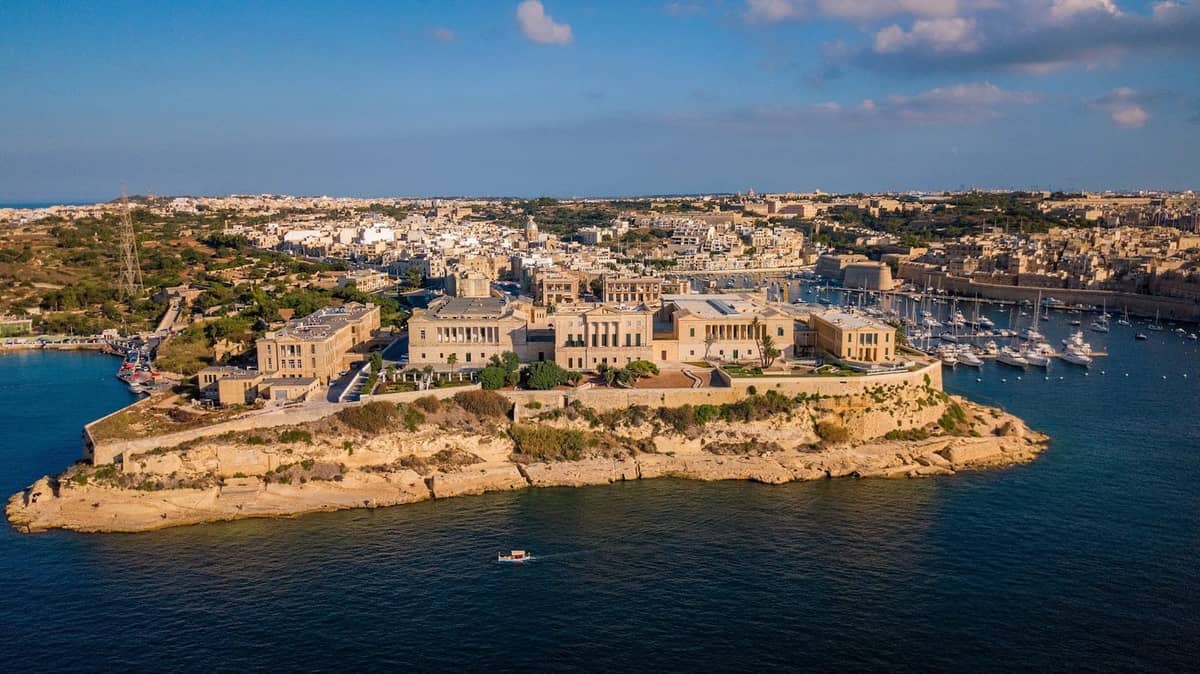
Malta sits at roughly 35.9°N in the central Mediterranean, about 80 km south of Sicily. That geography gives it one of the most reliably sunny climates in Europe — around 300 sunny days per year — but it also means summers get genuinely hot and humid in a way that can frustrate walkers and sightseers. The island is small (316 km² total), so there's no altitude escape when July temperatures push 32°C.
The climate follows a classic Mediterranean pattern: hot, dry summers from June through September, and mild, wetter winters from October through April. Rain peaks in November and December but rarely lasts for days on end — showers are typically sharp and short. Winters average 12-16°C, which is cool enough to need a jacket but warm enough to walk around comfortably and visit sites without sweating through your clothes.
- Spring (March-May) 17-20°C, low rainfall, wildflowers across countryside, ideal for temples and coastal walking.
- Summer (June-August) 25-32°C, virtually no rain, peak crowds at beaches and Blue Lagoon, highest hotel prices.
- Autumn (September-October) 24-28°C in September dropping to around 22°C in October, warm sea, post-summer pricing.
- Winter (November-February) 12-16°C, rainfall peaks November-January, lowest prices, fewer tourists, some facilities closed.
ℹ️ Good to know
Malta uses Central European Time (CET, UTC+1) and switches to CEST (UTC+2) in summer. Sunrise in June is around 5:45am and sunset after 8:15pm — excellent daylight hours for sightseeing in peak season.
The Best Months to Visit Malta: April, May, September, and October
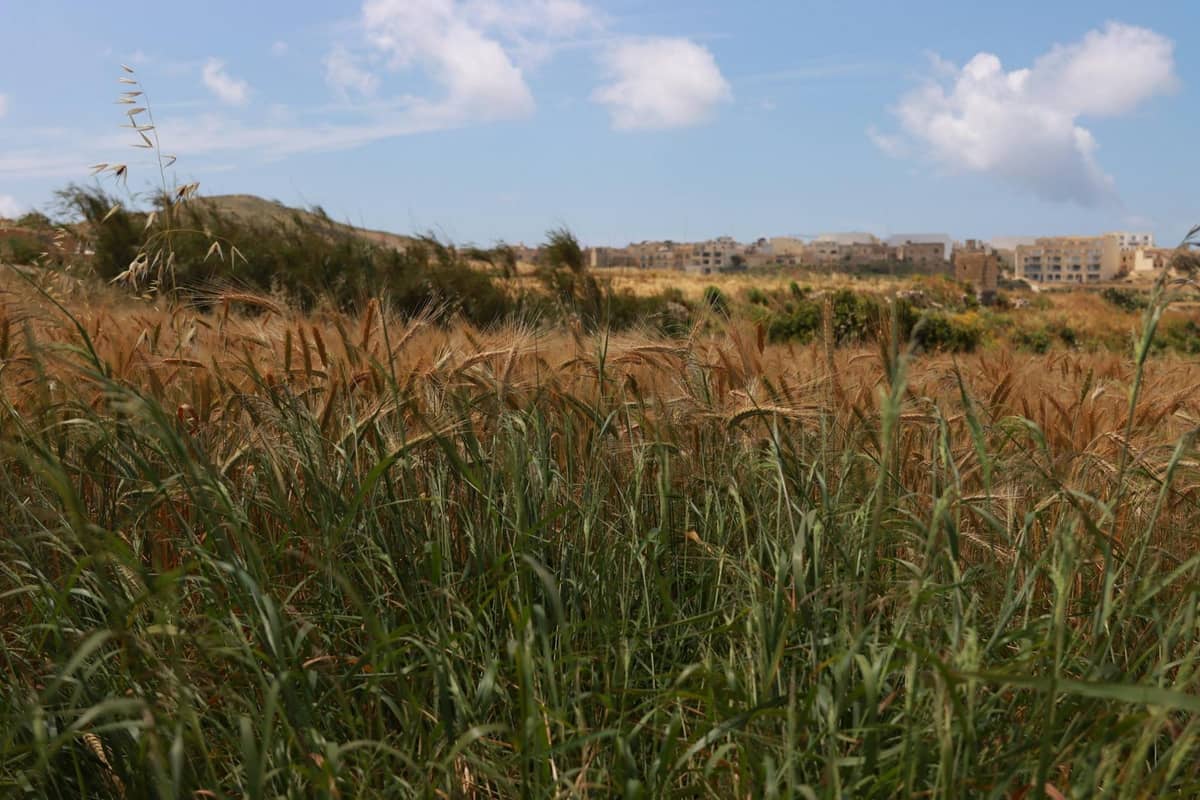
If you want one clear answer on the best time to visit Malta, it's the shoulder seasons. May and October are the standout months. May brings temperatures of around 20-24°C, almost no rain, and the countryside is still green from winter rains. The sea is warming up (around 19-20°C in May) — cool for some swimmers, fine for snorkelers with a shorty wetsuit. October flips the equation: the sea holds its summer warmth (around 23°C) while air temperatures drop to a comfortable 22-25°C range. Combine that with post-summer price drops and you have arguably the single best month for a balanced week-long Malta itinerary.
April is excellent for walkers and history lovers. The Maltese countryside is at its most photogenic before summer bleaches everything brown. Ancient temple sites like Hagar Qim and the Hal Saflieni Hypogeum feel less rushed, and you can actually linger at viewpoints without queuing. September splits the difference between summer and autumn — still very warm (26-28°C), sea is perfect for swimming and diving, but Italian and British school holidays are winding down, which helps with crowd levels from mid-September onward.
✨ Pro tip
Book the Hal Saflieni Hypogeum months in advance regardless of when you travel — tickets are capped at around 80 visitors per day year-round. This is not a seasonal issue; it's always a bottleneck.
Summer (June-August): Great for Beaches, Tough for Everything Else
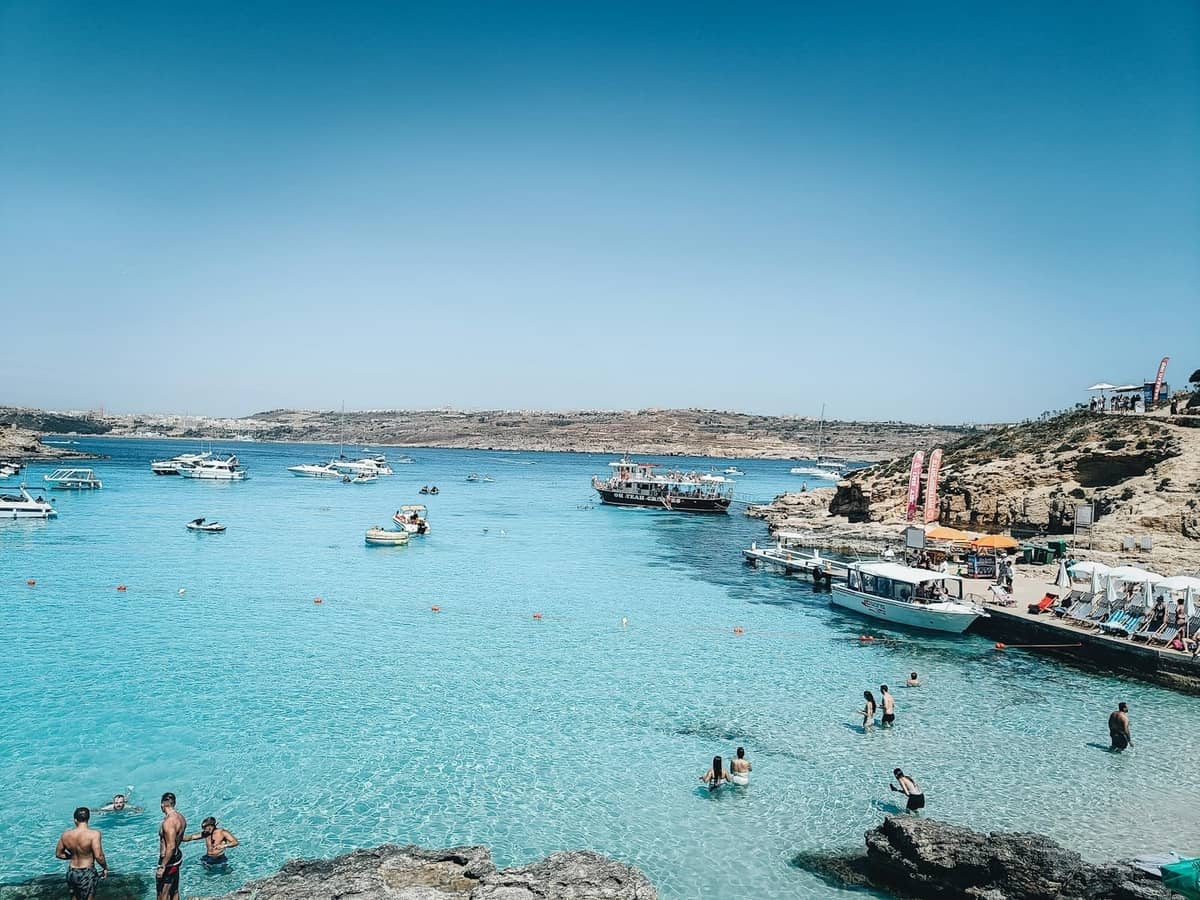
Summer is when Malta gets absolutely packed. The Blue Lagoon on Comino is a perfect example of peak-season overload: by 10am in July, the turquoise waters are surrounded by hundreds of day-trippers on packed ferries. The experience is still photogenic, but it's not the tranquil swim it appears to be in Instagram posts. If the Blue Lagoon is on your list, go in June or early September to find it at its least chaotic.
That said, summer has genuine appeal. Nightlife in St. Julian's and Paceville peaks in July and August, beach bars open late, and the social energy across Sliema and Valletta is high. The Malta International Fireworks Festival typically runs in late April into May, but summer brings its own village festas — every parish has a patron saint feast with fireworks, brass bands, and street food, running almost every weekend from June through September. These local festas are one of Malta's most authentic experiences and don't cost anything to attend.
For beach days, Golden Bay and Għajn Tuffieħa Bay are the best sandy options on the main island. Għajn Tuffieħa requires a steep staircase descent, which keeps casual crowds slightly lower than Golden Bay. Both get very busy on summer weekends — arriving before 9am makes a real difference. Budget travelers should note that sun-lounger rental can add €10-15 per person per day at popular beaches.
⚠️ What to skip
July and August hotel prices in Sliema and St. Julian's can be 40-60% higher than the same properties in October. If your dates are flexible, shifting to late September can save significant money without sacrificing beach weather.
Winter (November-February): Cheap, Quiet, and Wetter Than People Expect
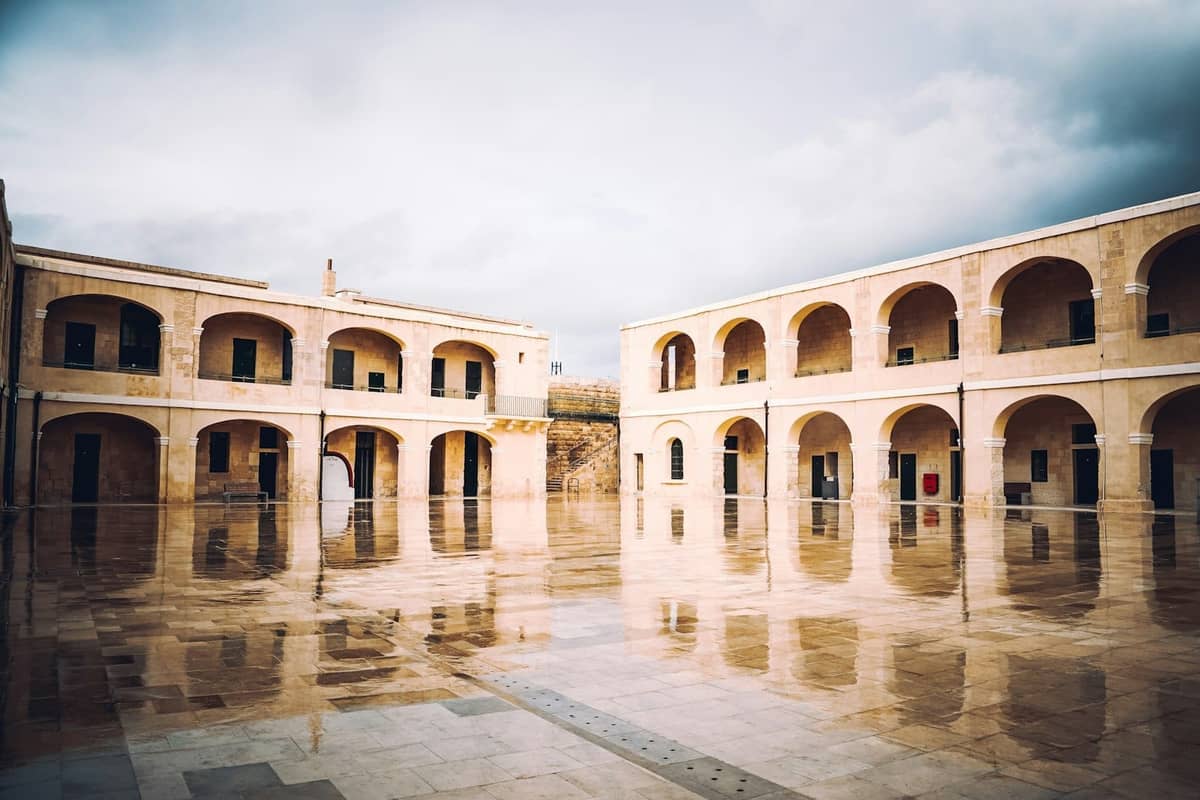
Winter is genuinely underrated for certain types of traveler. If your priority is cultural depth over beach time — wandering Valletta, exploring Mdina's medieval streets, or visiting sites like Ħaġar Qim and the Grand Master's Palace without crowds — then January and February offer the quietest, cheapest version of Malta.
The trade-off is real: November through January is the rainiest period, and while showers rarely last all day, you can get several consecutive grey days. Average temperatures of 12-16°C require a proper jacket, particularly in the evenings. Some tourist facilities on Gozo close entirely between November and March, including several dive operators. If diving or snorkeling is your main reason for visiting, winter is genuinely the wrong season.
February brings Malta's Carnival, centered on Valletta and Floriana. It's a legitimate local celebration with elaborate floats and costumes, and accommodation books up fast for the event week. This is one of those dates where booking several months ahead isn't optional — it's essential. If Carnival weekend aligns with your trip, treat it as a highlight rather than an inconvenience.
Planning by Activity: What to Do and When
The best time to visit Malta depends significantly on what you want to do there. History and archaeology travelers have more flexibility than beach-goers. Sites like the Ġgantija Temples on Gozo and Hal Saflieni Hypogeum are open year-round and are genuinely better visited in spring or autumn when you can take your time without the summer rush.
- Diving and snorkeling May through October for warm water (19-26°C). The Dwejra Blue Hole on Gozo and St. Peter's Pool are best in calm summer and early autumn conditions.
- Hiking and coastal walks March through May is ideal. Dingli Cliffs and the coastal paths around Mellieħa are comfortable in mild spring temperatures. Avoid hiking mid-day in July-August.
- Valletta and city sightseeing Year-round, but spring and autumn give you cooler temperatures for walking between sites. Summer mornings before 10am are manageable; afternoons are brutal.
- Budget travel November through February for lowest accommodation rates. January is the cheapest month overall.
- Nightlife and social scene July and August peak. The Paceville area in St. Julian's runs year-round but at significantly lower energy from November through March.
- Family travel June and September offer warm swimming weather without the absolute peak of July-August crowds and pricing.
For diving specifically, Malta's diving guide covers the best sites across the archipelago — but timing matters. The visibility around Comino and Gozo tends to be exceptional in September and October when summer plankton blooms have settled.
Month-by-Month Quick Reference
Use this as a fast planning reference. All temperatures are approximate averages.
- January 16°C, cheapest month, rainiest period, very quiet. Best for budget sightseeing trips with no beach agenda.
- February 16°C, Carnival week drives accommodation prices up sharply. Quiet otherwise.
- March 17°C, rain decreasing, countryside green, excellent for walking. Crowds minimal.
- April 19°C, Easter celebrations, countryside at peak color, sea still cool (17°C). Excellent all-round.
- May 22°C, near-ideal conditions, sea warming to 19-20°C, popular month — book ahead.
- June 26°C, summer begins, beach season opens, prices rising. Still manageable crowd-wise in early June.
- July 30°C, absolute peak season, Blue Lagoon overrun, highest prices, excellent for nightlife and swimming.
- August 31°C, hottest month, maximum crowds, village festas most frequent. Plan indoor activities for midday.
- September 28°C, sea still 25°C+, crowds easing from mid-month, prices starting to drop. Strong month overall.
- October 24°C, sea 23°C, significant price drops, excellent visibility for diving. Best month for value.
- November 20°C, rain increases, some Gozo facilities closing, very quiet. Good for city breaks.
- December 17°C, Christmas markets in Valletta, low prices, rainier. Some tourist infrastructure limited.
FAQ
What is the best time to visit Malta for good weather and fewer crowds?
May and October hit the sweet spot. May offers temperatures around 20-24°C with minimal rainfall and manageable crowds before the summer rush. October keeps sea temperatures around 23°C while air temperatures drop to a comfortable range and prices fall noticeably from peak summer rates.
Is Malta worth visiting in winter?
Yes, if beaches aren't your priority. January and February are the cheapest months, Valletta and cultural sites are uncrowded, and temperatures stay around 12-16°C — cold for swimming but fine for sightseeing. The main drawbacks are increased rainfall and the closure of some facilities on Gozo.
When should I avoid visiting Malta?
The peak weeks of late July and August are the most crowded and expensive. If you're sensitive to heat, that period is also the most uncomfortable for walking and sightseeing — temperatures regularly hit 30-32°C. Budget travelers and those who dislike crowds should avoid these weeks unless beach and nightlife access is the specific goal.
Can you swim in the sea year-round in Malta?
Technically yes, but practically no for most people. Sea temperatures drop to around 15-16°C in February and March, which is cold without a wetsuit. The comfortable swimming window runs from late May through October, when sea temperatures range from 19°C to 26°C.
How far in advance should I book for a summer Malta trip?
For July and August, book accommodation at least 3-4 months ahead, especially in Sliema, St. Julian's, and Valletta. Popular boat trips to Comino and the Blue Lagoon sell out days in advance during peak weeks. For the Hal Saflieni Hypogeum, book as early as possible regardless of season — availability is limited year-round.