Diving in Malta: Best Dive Sites & Complete Practical Guide
Malta is one of the Mediterranean's top diving destinations, with crystal-clear water, dramatic underwater topography, and wrecks accessible to every skill level. This guide covers the best dive sites on Malta and Gozo, what to expect at each depth, seasonal conditions, and everything you need to plan a successful dive trip.
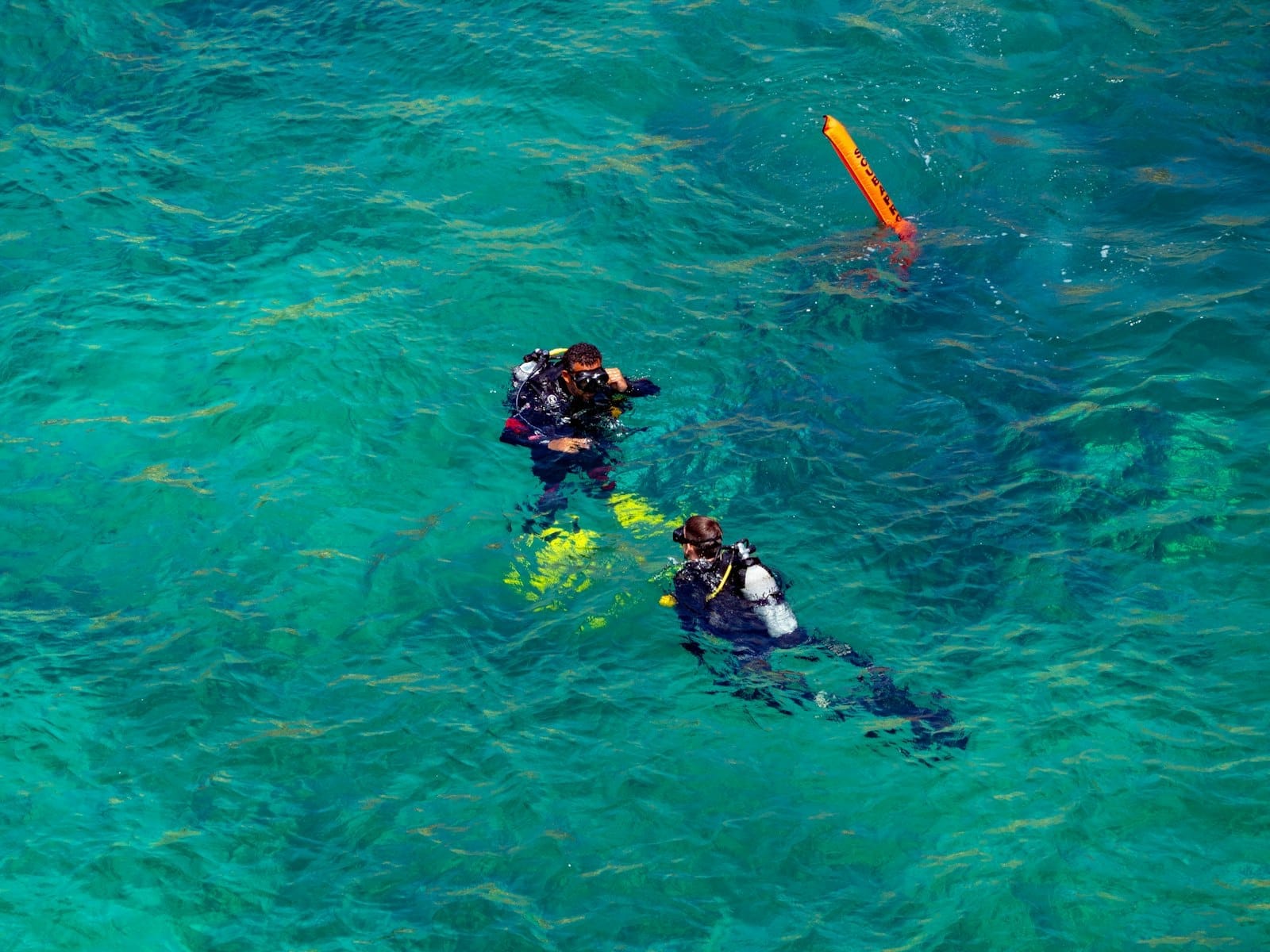
Plan and book this trip
Tools from our partner Travelpayouts help you compare flights and hotels. If you book through them, we may earn a commission at no extra cost to you.
Flights
Hotels map
TL;DR
- Malta offers exceptional diving year-round, with visibility regularly reaching 20-30m and water temperatures ranging from 17°C in winter to around 27°C in summer.
- The three main diving regions are Cirkewwa in the northwest, Zurieq in the south, and Sliema in the north. Gozo's northwest coast is famous for caves, caverns, and tunnels.
- Top wreck dives include the P29 Patrol Boat, Tugboat Rozi, Um El Faroud, and three wrecks off Gozo's south coast.
- Beginners have plenty of accessible shore entries; advanced and technical divers can reach sites down to 45m-plus at Dwejra.
- April to June and September to October are the best months, combining comfortable water temperatures with calm seas. See the best time to visit Malta for full seasonal context.
Why Malta Is a World-Class Dive Destination
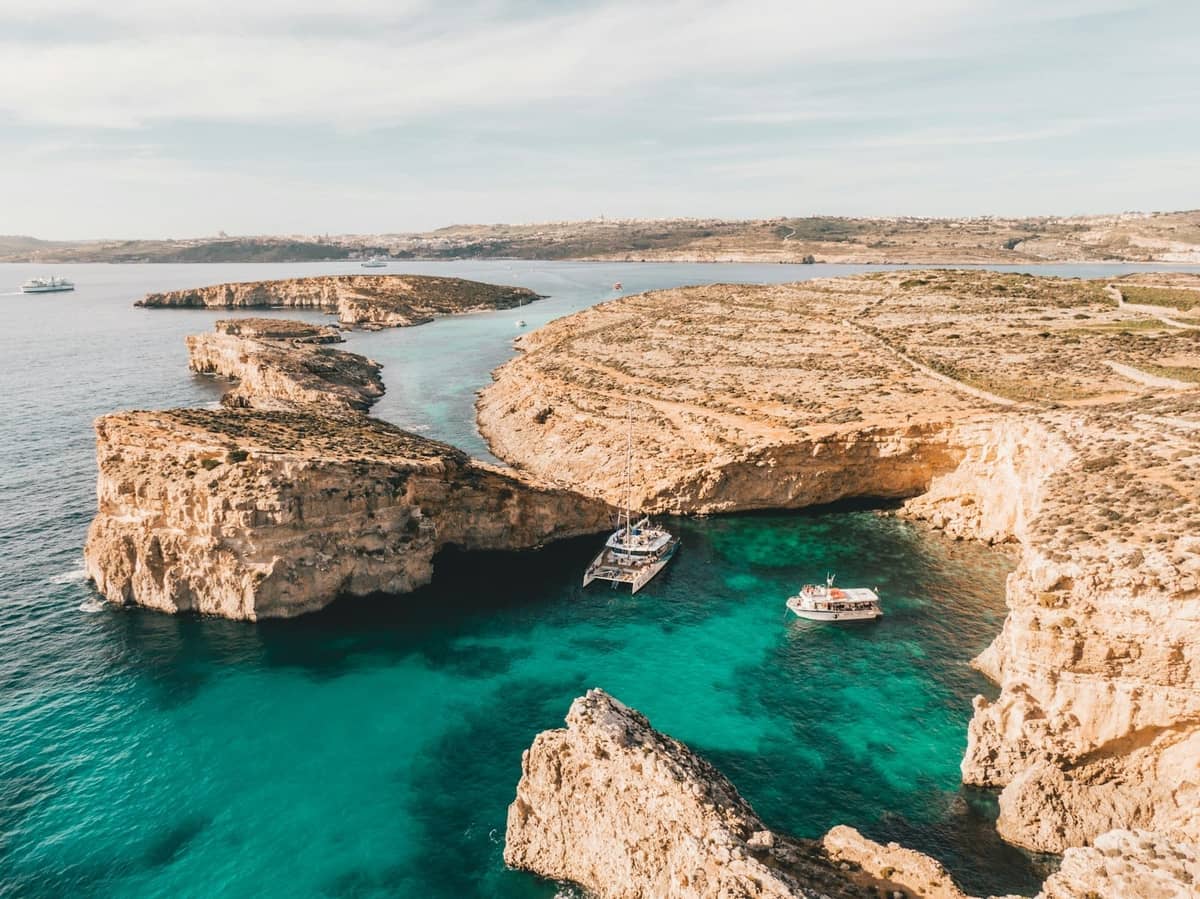
Malta has earned a serious reputation as a dive destination. The archipelago sits at the centre of the Mediterranean, roughly 80 km south of Sicily, where water clarity is among the best in the region. Visibility of 20-30 metres is routine at most sites, and the absence of strong currents at the majority of dives makes it forgiving for less experienced divers. Add a genuinely varied underwater landscape, including limestone caverns, sea tunnels, sheer drop-offs, purpose-sunk wrecks, and rich marine life, and the appeal becomes obvious.
The archipelago consists of three inhabited islands: Malta, Gozo, and Comino. Each has its own diving character. The main island of Malta offers the most convenient access, with dive schools concentrated around Sliema, St. Julian's, and the northwest. Gozo is generally considered the standout destination for experienced divers, thanks to deeper sites and more dramatic underwater geology. Comino contributes a few shallow, photogenic dives near the Blue Lagoon that work well as add-ons to a boat trip.
ℹ️ Good to know
Malta uses the Euro (EUR) and English is an official language, so booking dive courses, communicating with operators, and reading site briefings is straightforward for English-speaking visitors. Equipment rental, guided dives, and PADI courses are widely available at competitive Mediterranean prices.
Water Temperature, Visibility, and Seasonal Conditions
Water temperature is the single biggest factor in planning a Malta dive trip. In winter (December to February), sea temperatures drop to around 14-17°C, which is cold enough to make a drysuit a serious consideration for multiple daily dives. A 7mm wetsuit is the practical minimum. By spring (April to May), temperatures rise to roughly 18-21°C. Summer peaks at approximately 25-27°C in July and August, making a 3mm wetsuit comfortable. Autumn, particularly September and October, holds warmth from the summer and is many divers' preferred window.
- Spring (April-June) Water 18-22°C, good visibility, calmer seas than winter, fewer crowds than summer. Best all-round window for diving.
- Summer (July-August) Water 25-27°C, excellent surface conditions, but busiest season. Popular boat dives can feel crowded.
- Autumn (September-October) Water still warm from summer, visibility at its best, crowds thinning. Many experienced divers consider this the peak window.
- Winter (November-March) Water drops to 14-17°C. Fewer divers, most operators still run trips, but drysuit or thick wetsuit required. Shore dives in rough conditions require extra caution.
💡 Local tip
Visibility in Malta is genuinely exceptional, but it varies by site and depth. The Blue Hole at Dwejra routinely offers 30m-plus visibility. Wreck sites near Sliema harbour can be noticeably murkier after heavy rainfall or boat traffic. Plan wreck dives at harbour-adjacent sites for morning slots when the water has settled.
Best Dive Sites on the Main Island of Malta
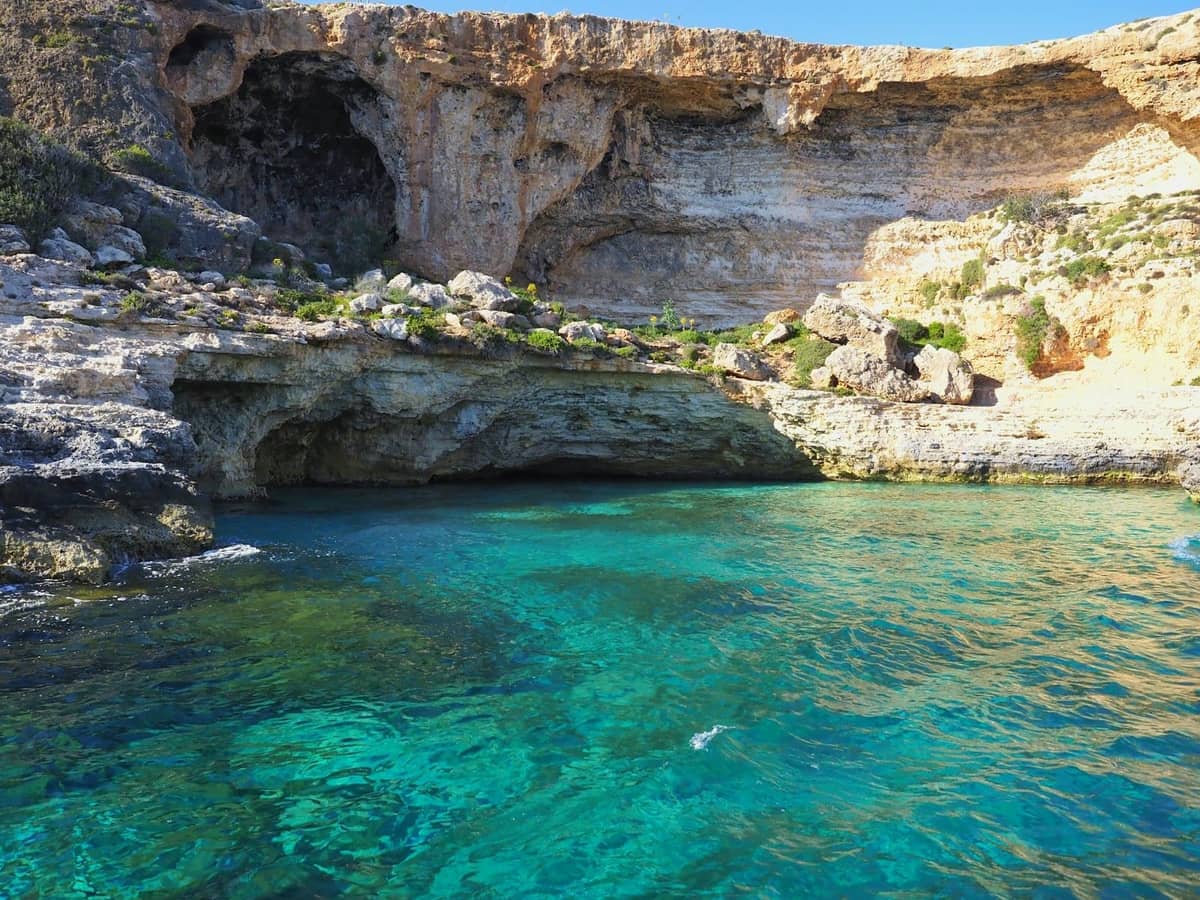
The northwest tip of Malta around Cirkewwa is the most popular area for diving, and for good reason. The P29 Patrol Boat wreck sits at a maximum depth of 36 metres and is deliberately positioned to be accessible to advanced open water divers. The vessel was originally German Navy property, sold in 1997, entered service with the Maltese Armed Forces until 2005, and was then purchased by the Malta Tourism Authority and sunk as an artificial reef. It now sits upright on a sandy bottom and is one of the most-photographed wrecks in the Mediterranean. Nearby, the Tugboat Rozi is shallower and well-suited to divers completing their first wreck dives.
The south of the island, accessible from Zurieq near the Blue Grotto, offers a completely different experience. The Um El Faroud wreck is a large oil tanker deliberately sunk in 1995 after a gas explosion killed several workers during dry-dock repairs. It now lies at 18-36 metres, split into two sections, and is covered in marine growth. It is one of the largest wrecks in the Mediterranean accessible to sport divers. Cave and cavern diving is also available in this area, though some sites require guided access.
Anchor Bay in the northwest offers the Scorpion Cave, a shallow cavern dive at just 7-10 metres with a large, open entrance that makes it genuinely comfortable for less experienced divers. It is one of the best introductory cave experiences in Malta. The Sliema area provides training shipwrecks and reef dives that are frequently used by dive schools for introductory and certification courses, with the added convenience of urban infrastructure nearby.
⚠️ What to skip
Shore diving in Malta often means navigating steep stairs cut into limestone, rocky entries, and swims of 10-12 minutes before reaching the dive site. Carrying heavy equipment across exposed rock in fins is awkward and occasionally hazardous. Dive with a buddy, take your time at entries and exits, and consider hiring a local guide for unfamiliar sites.
Diving in Gozo: The Advanced Diver's Island
Gozo consistently ranks among the top ten dive destinations in Europe, and the site that defines its reputation is the Dwejra Blue Hole. This natural rock arch drops from a shallow platform into the open sea and reaches approximately 45-50 metres in depth, though the most popular dive profile stays within 15-40 metres. The site also includes the Azure Reef, a spectacular wall dive running along the outside of the arch, and the Inland Sea Tunnel, where boats from the sheltered lagoon pass through a narrow rock corridor into the open Mediterranean.
The Double Arch site, accessible via a walk across the salt pans on Gozo's northwest coast, is a technical dive reaching up to 45 metres. It requires experience and ideally a guide who knows the site. This is not a dive to attempt casually: the walk to the entry point is part of the commitment, and the depth demands proper dive planning.
Gozo's south coast has a trio of purpose-sunk wrecks: the MV Xlendi, the MV Cominoland, and the MV Karwela. The Karwela in particular is a passenger ferry sunk in 2006 and remains largely intact at around 40 metres, with accessible interior sections for penetration dives. These wrecks sit close to each other and can be combined into a multi-dive day with a local Gozo operator.
- Blue Hole (Dwejra): 15-40m, all levels with a guide, world-class wall and arch diving
- Azure Reef (Dwejra): 5-30m, intermediate, outstanding wall dive adjacent to the Blue Hole
- Inland Sea Tunnel: 5-18m, beginner-friendly, dramatic swim-through into open water
- Double Arch: up to 45m, advanced/technical, requires experience and local guidance
- MV Karwela wreck: around 40m, advanced, intact passenger ferry with penetration options
- MV Xlendi and MV Cominoland: 20-45m, advanced, south coast wreck cluster
Choosing a Dive Operator and What to Expect
Malta has a large and competitive dive industry. Most operators are PADI-affiliated and cater to a spectrum from complete beginners taking a Discover Scuba session to technical divers looking for guided deep dives. Prices for a two-tank boat dive typically fall in the range of €50-80 depending on the operator, site, and whether equipment is included. PADI Open Water courses generally run €350-450 for the full certification. Equipment rental is widely available if you are not travelling with your own gear.
For Gozo-specific diving, operators based on the island offer the most efficient access to Dwejra and the south coast wrecks. You can also reach Gozo as a day trip from Malta and join a dive school there for the day. The ferry crossing takes around 25 minutes from Cirkewwa. If you are planning multiple Gozo dive days, staying on the island is worth considering. See the Gozo travel guide for accommodation and logistics.
Before booking, check that your chosen operator provides a detailed site briefing, uses small enough groups for the dive complexity, and has clearly maintained equipment. The Malta Tourism Authority regulates diving operators and maintains standards, but doing basic due diligence, including reading recent reviews, is always sensible. For independent shore diving at sites you know well, there is no requirement to book through an operator, but having a surface marshal or dive buddy is strongly recommended at cliff-entry sites.
✨ Pro tip
Book early for Gozo dive trips in July and August. Popular sites like the Blue Hole can attract queues of dive groups in peak summer, and the best morning slots with reputable operators fill quickly. Shoulder season (May-June or September-October) gives you the same quality sites with a fraction of the surface-interval company.
Practical Logistics for Diving in Malta
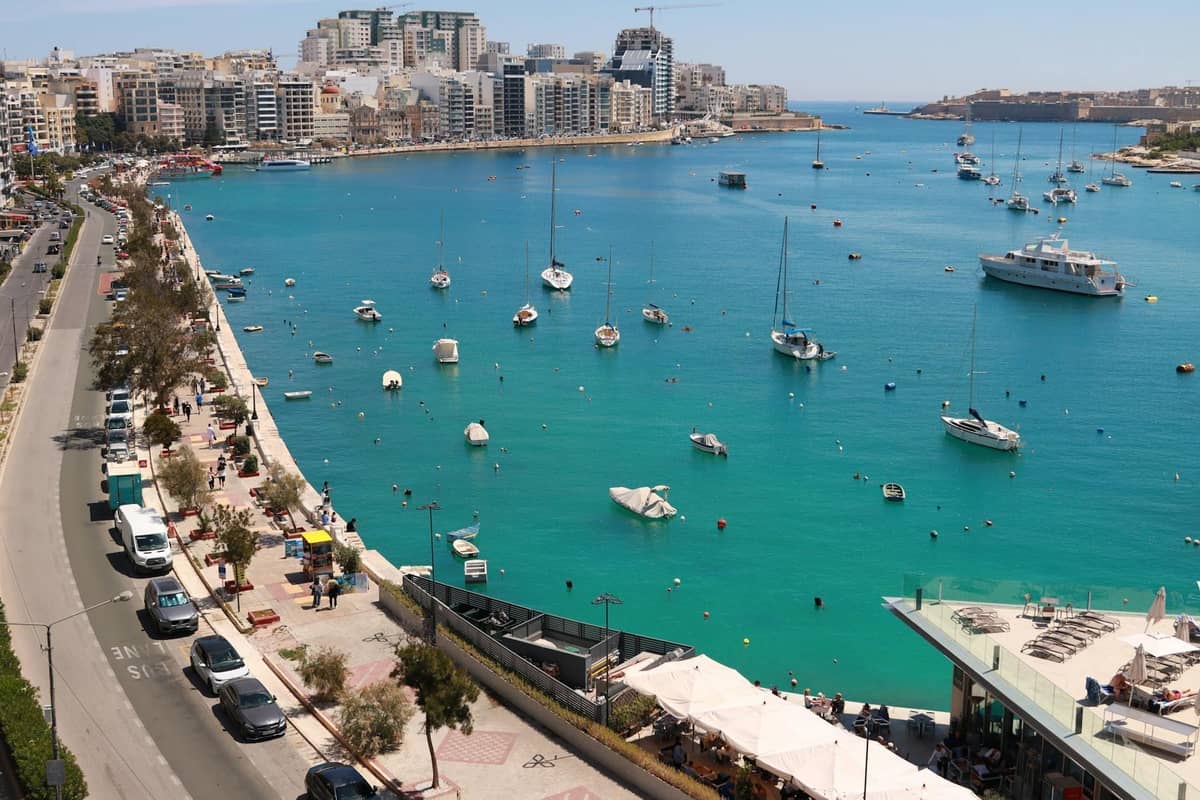
Most divers base themselves in Sliema, St. Julian's, or around Cirkewwa for easy access to the northwest sites. The Sliema and St. Julian's area has the highest concentration of dive schools, the most accommodation options, and good transport links. Valletta is only a short ferry or bus ride away, and many divers combine a week of diving with some time exploring the Maltese capital.
Getting around Malta to reach dive sites without a car is feasible but inconvenient. The public bus network covers most areas, but travelling with dive equipment on crowded buses is not ideal. Car hire is relatively affordable and gives you the freedom to reach entry points like Wied iz-Zurrieq, Cirkewwa, and Anchor Bay at your own schedule. For those relying on public transport or taxis, most dive operators include pick-up in their pricing. See the getting around Malta guide for transport options and costs.
- Dive certification: PADI Open Water is sufficient for most Malta dive sites up to 18m; Advanced Open Water opens up the majority of sites; technical certification needed for deeper Gozo dives above 40m.
- Insurance: Standard travel insurance rarely covers diving beyond 10m. Specialist dive insurance (DAN Europe is widely recognised) is strongly recommended.
- Hyperbaric chamber: A recompression chamber is located at Mater Dei Hospital, accessible from most parts of Malta within 30-40 minutes. Emergency number: 112.
- Nitrox: Widely available from Maltese operators, useful for multiple daily dives extending bottom time at shallower wreck sites.
- Underwater photography: Visibility levels make Malta excellent for photography. Rental of underwater camera rigs is available from several Gozo operators.
FAQ
Is Malta good for beginner divers?
Yes. Malta has a large number of sites suitable for newly certified or trainee divers, including shallow cave dives like Scorpion Cave at Anchor Bay (7-10m), training wrecks off Sliema, and reef dives at Cirkewwa. The calm, clear water and abundance of certified PADI schools make it an excellent destination for learning or building early experience.
What is the best time of year to dive in Malta?
April to June and September to October offer the best combination of warm water (18-24°C), calm sea conditions, good visibility, and fewer crowds. Summer (July-August) is warm but very busy at popular sites. Winter diving is possible but requires a drysuit or thick 7mm wetsuit, as water drops to 14-17°C.
Do I need a dive guide for sites like Dwejra Blue Hole?
Technically, experienced divers with appropriate certification can dive the Blue Hole independently, but a local guide is strongly recommended for your first visit. The site has multiple zones at varying depths, and a guide ensures you do not accidentally exceed planned depth limits on the outer wall. For technical dives like Double Arch, local guidance is effectively essential.
How do I get from Malta to Gozo for diving?
The Gozo Channel ferry departs from Cirkewwa in northwest Malta and takes approximately 20-25 minutes. Ferries run frequently throughout the day. Many divers drive or hire a car with equipment for the crossing. Alternatively, Gozo-based dive operators can arrange transfers. The first ferry typically departs early enough to reach Dwejra for a morning dive.
What marine life can I expect to see diving in Malta?
Common sightings include octopus, moray eels, grouper, sea bream, barracuda, scorpionfish, and various nudibranch species. Posidonia seagrass meadows support diverse invertebrate communities. Larger pelagic species including amberjack and occasional tuna appear at deeper open-water sites. Dolphins are sometimes spotted on boat rides to dive sites, particularly around Gozo.