Sliema and St. Julian's form Malta's most cosmopolitan stretch of coastline, where 19th-century townhouses stand beside modern hotels, and the waterfront shifts from quiet morning joggers to late-night crowds. This is where most visitors end up staying, and for good reason: the transport links are excellent, the dining scene is the island's strongest, and Valletta is just a short ferry ride across Marsamxett Harbour.
Sliema and St. Julian's run together so seamlessly that most visitors treat them as one continuous neighborhood, even though locals are quick to point out the differences. Sliema carries the history and the high street; St. Julian's has the nightlife and the marina. Together, they form the commercial and social heart of modern Malta.
Orientation
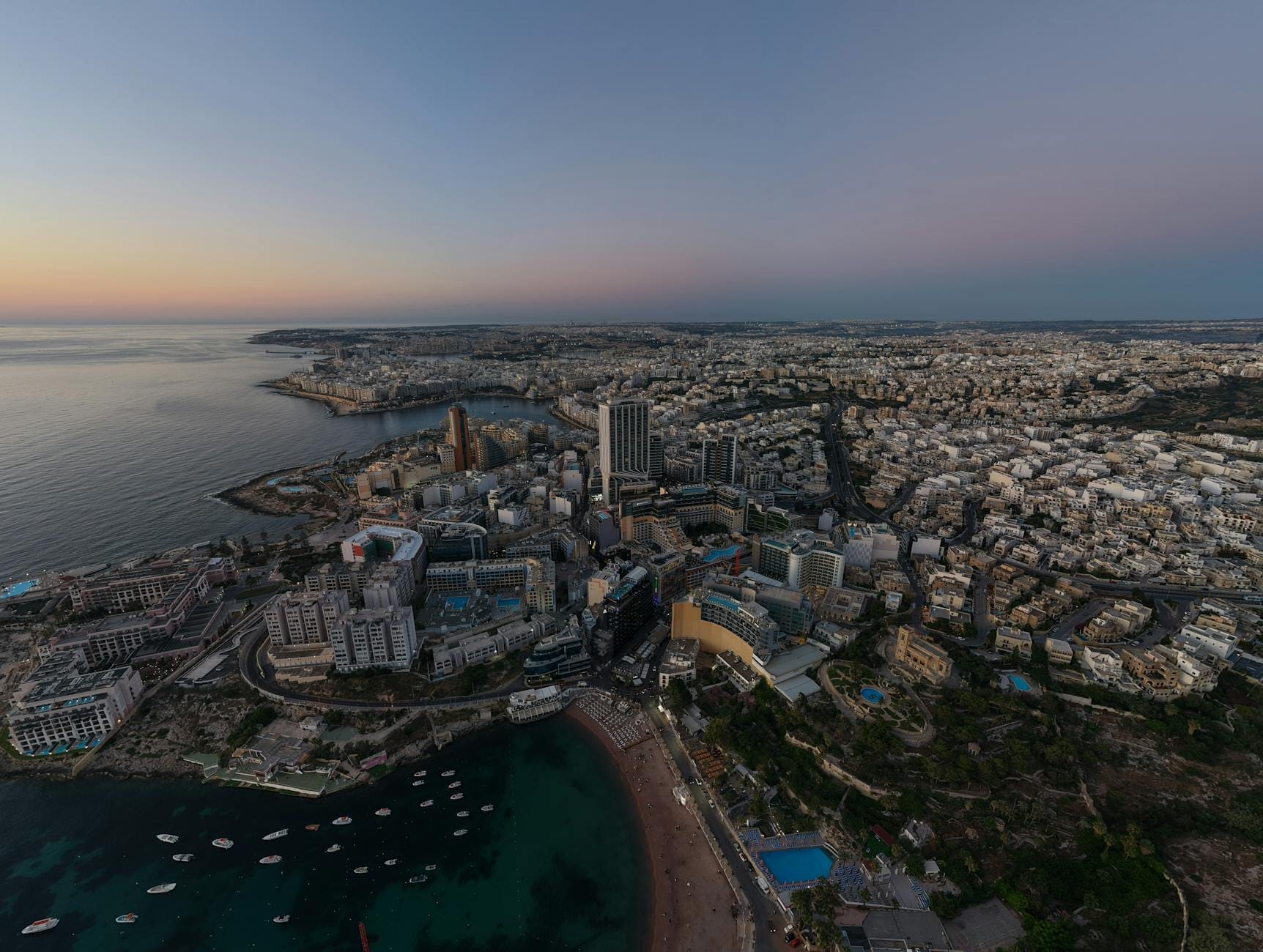
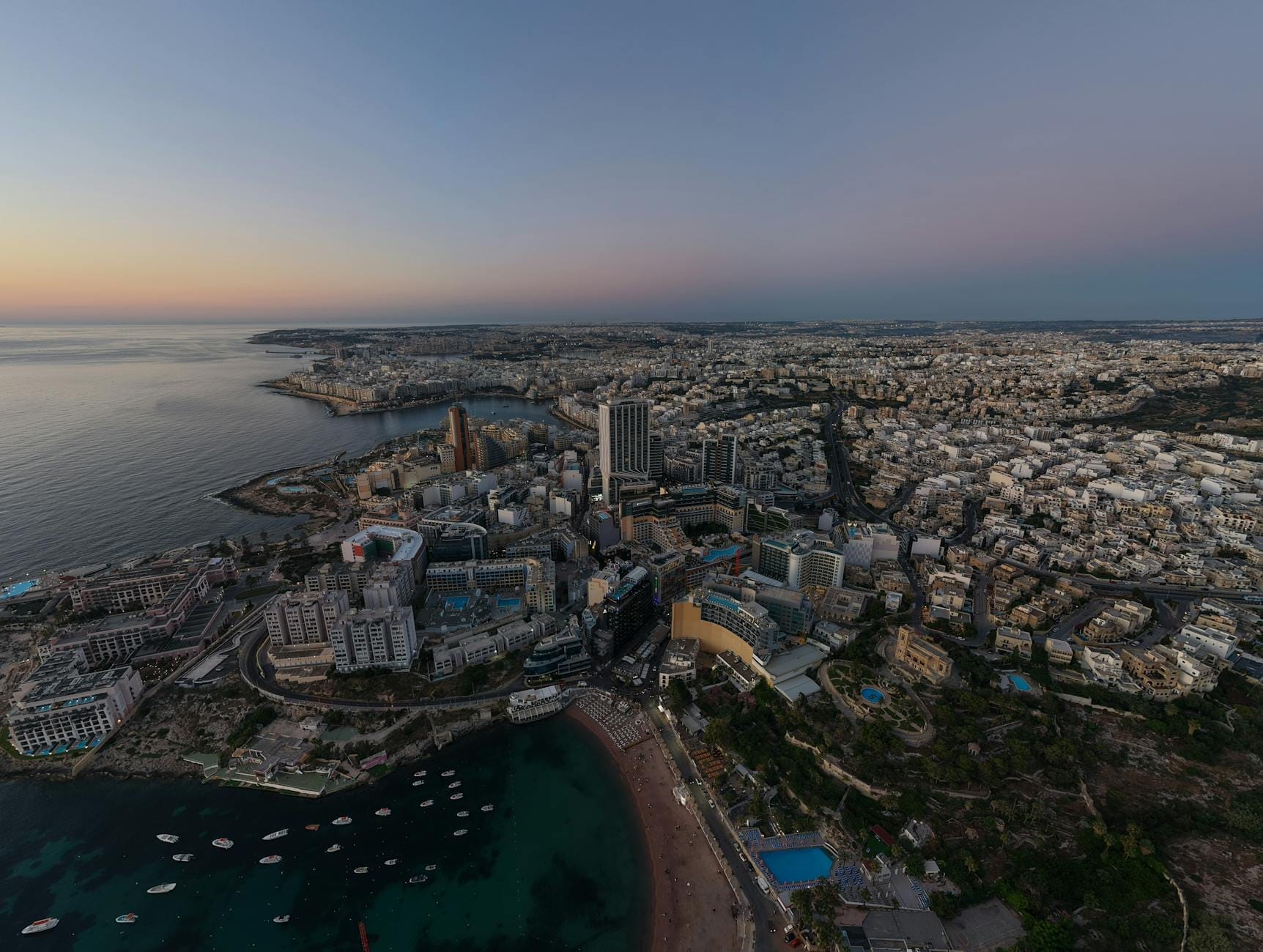
Sliema and St. Julian's sit on Malta's northeast coast, roughly 4 km north of Valletta as the crow flies. They occupy the Northern Harbour District, bordered by Gżira and Msida to the west, with the waterfront curving north from Sliema Creek all the way up through Balluta Bay and into Paceville. Marsamxett Harbour separates Sliema from the Valletta peninsula to the south, and on clear mornings you can read the bastions of the capital from the seafront promenade.
Think of the area in three loose zones. Sliema proper runs from the ferry terminal at the southern tip up along the rocky coastline to the Tower Road promenade. The transitional zone around Balluta Bay and Spinola Bay bridges the two towns and is where the older residential character gives way to restaurants and hotels. St. Julian's then opens out around Portomaso Marina to the north, anchored by the glass tower of the InterContinental and a cluster of luxury developments along the waterfront.
Malta International Airport at Luqa is about 8 km to the south, typically 15 to 25 minutes by taxi. Valletta is accessible by ferry in under 10 minutes, making this area one of the best-positioned bases for exploring the island. For a broader sense of how to plan your time, the where to stay in Malta guide compares this area against Valletta, Mdina, and the northern resorts.
Character & Atmosphere
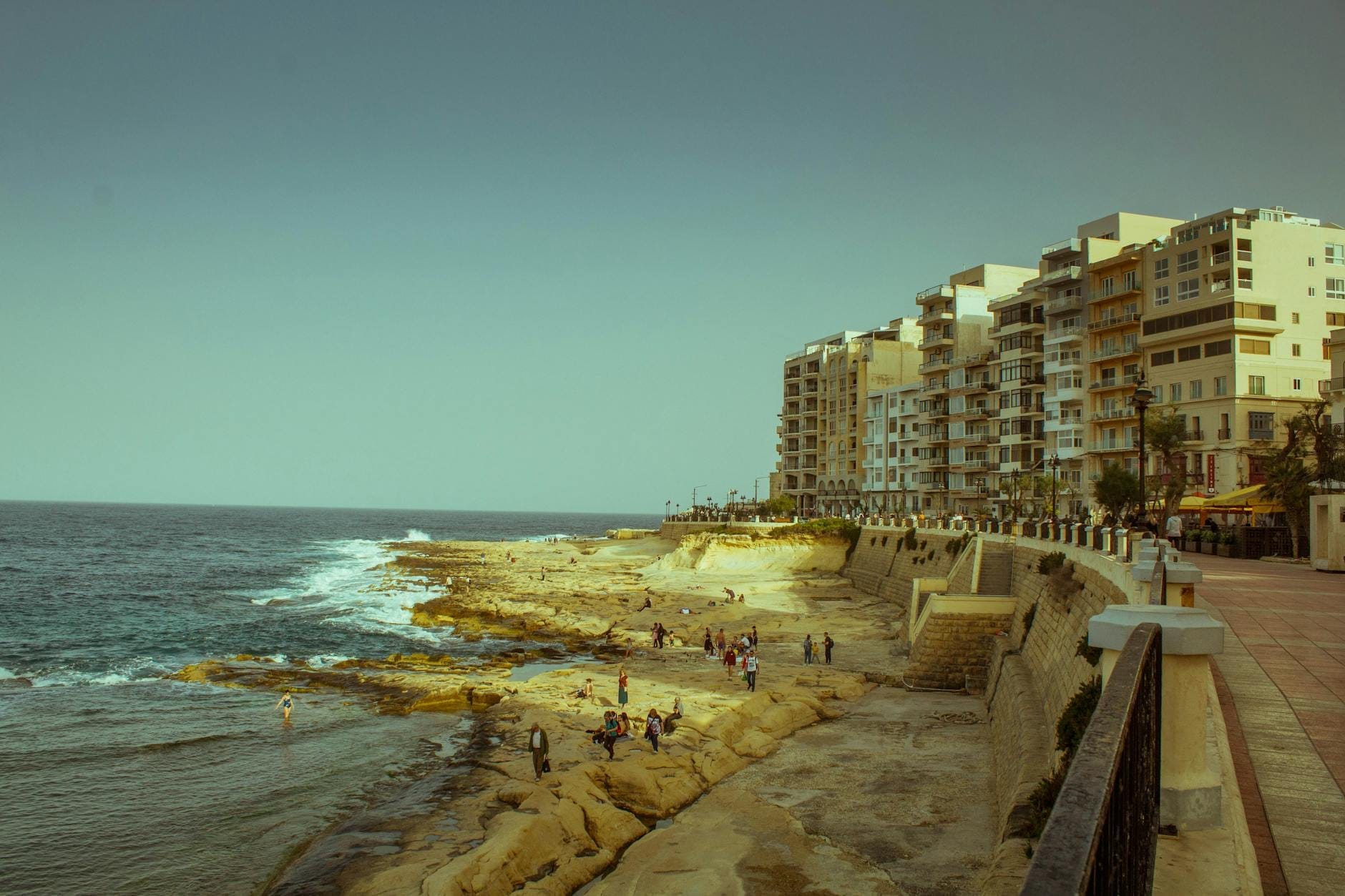
Sliema's name derives from the Maltese for peace or comfort, and there is still something of that original ease in the early morning. By 7am, Tower Road is the domain of joggers and dog walkers, the limestone promenade catching the low eastern light in a warm amber. Café chairs are being set out along the seafront, and the smell of fresh pastizzi drifts from the bakeries tucked into side streets behind the main drag. The pace is unhurried, almost village-like, which surprises first-time visitors who expected a resort town.
By mid-morning the promenade fills with both locals and tourists. The shopping stretch along Bisazza Street and the blocks around The Point shopping mall become genuinely busy, with Sliema functioning as the island's primary high street. Internationally familiar brands share space with local pharmacies, jewellers, and fast-casual restaurants. This is a working commercial town first, a resort second, which gives it a grounding that many Mediterranean beach destinations lack.
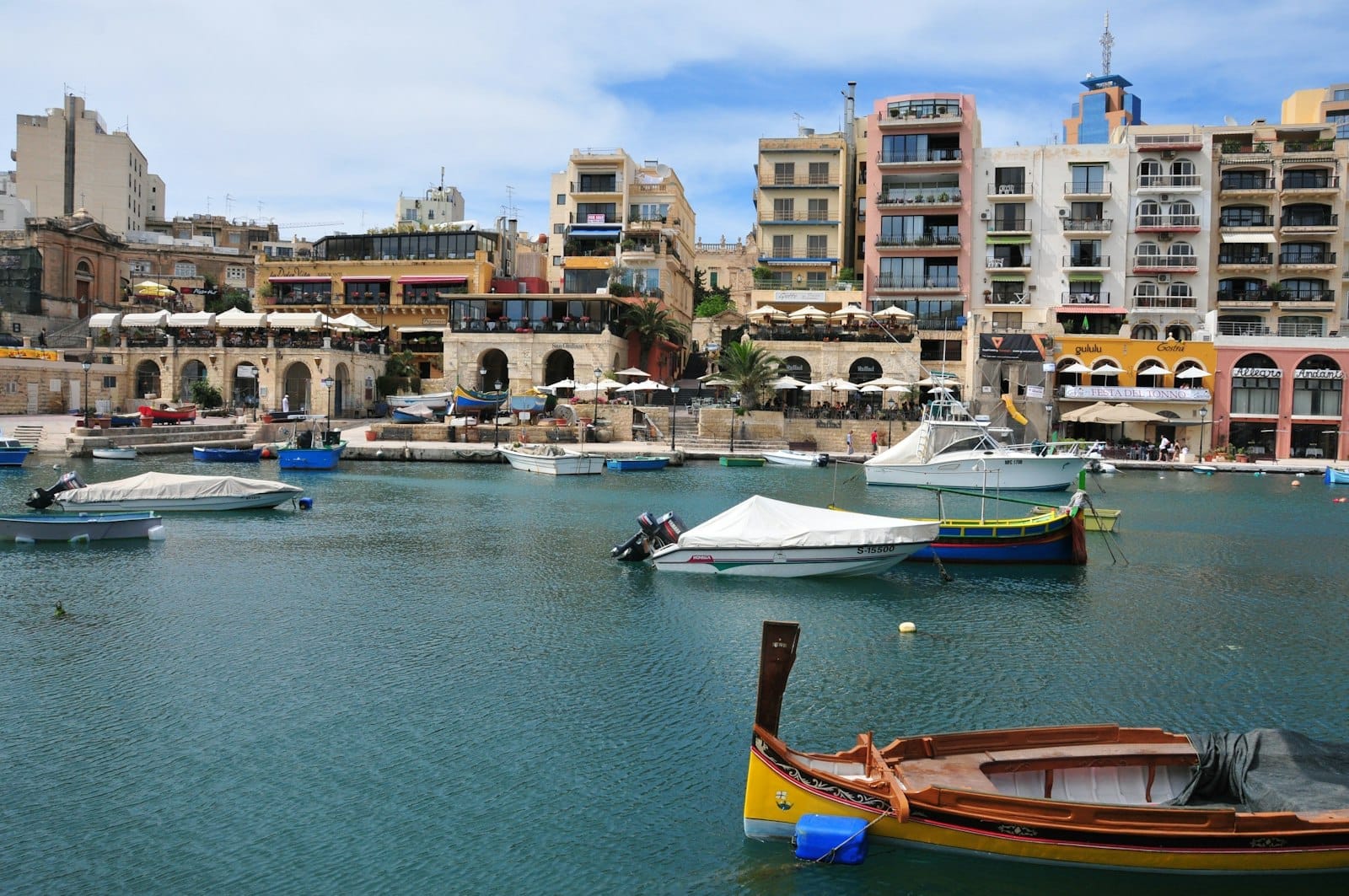
The mood shifts noticeably as you move north toward St. Julian's. Spinola Bay, with its cluster of fishing boats still moored in the water, has a more photogenic, postcard quality. The restaurants lining the bay are aimed squarely at tourists and the prices reflect it, but the setting is genuinely attractive. Continue around the headland and the atmosphere becomes younger and louder: the Paceville strip in St. Julian's is where Malta's nightlife concentrates, with bars and clubs running into the early hours on weekends.
After dark, the two towns diverge sharply in character. The Sliema waterfront quietens to a pleasant evening stroll, with couples and families taking the air along the promenade. St. Julian's, particularly around Paceville, gets loud and crowded from about 10pm onward. If you are staying here and value quiet nights, pick accommodation in central or southern Sliema rather than anywhere within a few blocks of St. George's Bay.
💡 Local tip
For the best light and fewest crowds, walk the Tower Road promenade from the Ferries area toward Balluta Bay early in the morning. The sun rises behind Valletta's bastions across the harbour, and the rocky coastline is almost entirely to yourself before 8am.
What to See & Do
The area is not defined by museums or historic monuments in the way that Valletta or Mdina are. What it offers instead is a particular quality of waterfront life: the combination of a working urban seafront, accessible rock swimming spots, and a concentration of leisure infrastructure that makes it easy to fill a day without planning very hard.
The Sliema Promenade is the defining feature of the area. Tower Road runs along the rocky coastline for well over a kilometre, lined with benches, small kiosks, and access ladders down to the sea. Swimming from the rocks is a local tradition, and in summer every flat slab of limestone is occupied by sunbathers. There are no sandy beaches here in Sliema itself, but the water is clean and the entry points are well established.
At Spinola Bay, the water is calmer and the setting is distinctly more scenic. Spinola Bay is small enough that you can absorb it in a short walk, but it has a quality of light in the late afternoon, particularly when the fishing boats catch the low sun, that makes it worth lingering over. The neo-Gothic facade of the Balluta Bay church is one of the more photographed streetscapes in Malta and sits just a short walk north.
The 17th-century St. Julian's Tower on the Sliema headland is one of the original De Redin watchtowers built to defend the island's coastline. Completed in 1658 and updated with additional fortifications in 1715, it is now used as a restaurant rather than a public heritage site, but its silhouette against the sea is one of the area's most recognisable images. Independence Garden, a small public park behind the main waterfront, offers a quieter pause from the promenade and good views across to Valletta.
For those who want to range further, the ferry from Sliema to Valletta is the most efficient way to reach the historic capital for a day of sightseeing, from the St. John's Co-Cathedral to the Upper Barrakka Gardens. Malta's public bus network also connects this area to nearly every other destination on the island.
Walk the full Tower Road promenade from the ferry terminal to Balluta Bay
Rock swimming from the accessible entry points along the seafront
Explore Spinola Bay in the late afternoon for the best light
Visit The Point shopping mall for air-conditioned browsing in summer
Take the short ferry across to Valletta for a half-day of historic sightseeing
Walk north to Portomaso Marina to see the luxury yacht moorings and waterfront development
ℹ️ Good to know
The Sliema ferry to Valletta runs frequently throughout the day and costs a few euros each way. It departs from the Ferries area at the southern end of the promenade and docks just below the Lower Barrakka Gardens in Valletta. Check current schedules and fares with Malta Public Transport before travelling, as these change seasonally.
Eating & Drinking
This stretch of coastline has the most concentrated and diverse food scene in Malta. The range runs from quick-service pastizzi bars and seafood kiosks to proper sit-down restaurants with serious wine lists, and everything in between. The key is knowing which part of the area you are eating in, because the quality and price range vary considerably depending on how close you are to the tourist waterfront.
The streets behind the main promenade in Sliema, particularly around the Bisazza Street area and the blocks running inland from Tower Road, tend to offer better value than anything directly on the seafront. Local bakeries serving pastizzi (the flaky pastry parcels filled with ricotta or mushy peas that are Malta's most democratic food) are easy to find and cost very little. Ftira, the traditional Maltese bread ring with tuna, capers, and tomato, is another cheap and satisfying option available at sandwich bars throughout the area.
Spinola Bay is lined with restaurants aimed primarily at tourists, and the seafood menus tend to be good if predictable. Prices are higher here than anywhere else in the area. If you want a waterfront dinner without overpaying, look for places one or two streets back from the bay. For a wider overview of what to order across Malta, the what to eat in Malta guide covers everything from street food to traditional feasts.
The bar scene in St. Julian's is the most active on the island. Paceville, the grid of streets around St. George's Bay, is where the nightclubs and late-night bars concentrate. Cocktail bars and sports pubs operate here at volume until very late on weekends, and the crowd skews young. For a more relaxed drink, the hotel rooftop bars in Sliema and the wine bars around Balluta Bay offer considerably better atmosphere and a more mixed clientele.
Pastizzi from a local bakery: under €1 per piece, the definitive Maltese snack
Ftira sandwiches: traditional bread ring with local fillings, available at most delis
Fresh seafood: best along the Spinola Bay waterfront, though prices are tourist-facing
Rooftop bars: several hotels in Sliema have rooftop terraces with Valletta views
Paceville clubs and bars: lively from 10pm, loud and crowded on weekend nights
Getting There & Around
From Malta International Airport, a taxi or Bolt ride to Sliema or St. Julian's takes 15 to 25 minutes and costs roughly €15 to €25 depending on exact destination and traffic. Bus routes from the airport serve the area but involve a change in Valletta and take considerably longer. For general advice on moving around the island, the getting around Malta guide covers all the main options.
Within the Sliema and St. Julian's area, walking is the most practical way to get around. The distance from the Sliema ferry terminal at the southern end to Portomaso Marina at the north is roughly 3 km along the waterfront, manageable in under an hour at a relaxed pace. The terrain is almost entirely flat along the promenade, though some of the streets inland have steps and slopes.
Malta's public bus network connects both towns to Valletta and to most other points of interest across the island, including Mdina, the northern beaches, and the Three Cities. Buses run frequently from several stops along Tower Road and the main commercial streets. Fares are fixed at €2 per journey within Malta (€1.50 off-peak in winter), with a day pass available for better value if you are planning multiple trips. Bolt operates widely and is generally reliable for short hops.
The Sliema ferry to Valletta deserves particular mention as the most enjoyable and efficient connection between the two areas. The crossing takes under 10 minutes and provides an unrepeatable view of both waterfronts. Services run throughout the day, and the terminal is at the bottom of the main seafront strip, easy to find on foot.
⚠️ What to skip
Driving and parking in Sliema is genuinely difficult. Street parking is extremely limited, one-way systems make navigation confusing, and the area is congested throughout the day. If you are based here, there is very little reason to hire a car unless you plan to spend significant time in rural areas of Malta. Taxis, Bolt, and buses cover virtually all practical journeys.
Where to Stay
Sliema and St. Julian's together represent the largest concentration of accommodation in Malta, ranging from budget guesthouses in converted townhouses to five-star hotels with rooftop infinity pools. The choice of where to position yourself within this area matters quite a bit in terms of what you experience day-to-day.
Central Sliema, particularly the streets around the main shopping area and the mid-section of the promenade, offers the best balance of convenience and relative quiet. You are within easy walking distance of the ferry, the bus stops, and the restaurants, without being close enough to Paceville to hear it at 2am. This part of Sliema suits couples, families, and older travellers who want an accessible base without the resort-strip atmosphere.
Balluta Bay and the Spinola area work well for travellers who prioritise the dining and social scene. There are good mid-range and higher-end hotels here, and the waterfront is genuinely attractive. St. Julian's itself, especially around Paceville and St. George's Bay, is the place to stay if you are primarily here for nightlife and do not mind the noise that comes with it. Hotels in Portomaso cater to the luxury end of the market with marina views and upscale amenities.
For travellers weighing Sliema against staying in the capital itself, note that Valletta's accommodation is more limited and significantly more expensive, while offering an unmatched historic atmosphere. The Valletta neighbourhood page covers that option in detail.
Honest Drawbacks
Sliema is Malta's most densely populated town, and it shows. The streets inland from the promenade are a mix of older Maltese architecture and blunt modern apartment buildings that replaced what were once elegant villas. The pace of development over recent decades has not always been kind to the area's visual character, and parts of the town feel more functional than attractive.
There are no sandy beaches within the Sliema or St. Julian's area itself. Swimming is from rock platforms along the promenade, which suits some people perfectly well but will disappoint anyone who came to Malta specifically for a beach holiday. The nearest sandy options require a bus or taxi ride: Golden Bay and Mellieha Bay are the most popular, both to the north of the island.
Paceville is genuinely raucous on Friday and Saturday nights, and the character of St. Julian's around St. George's Bay changes dramatically after 10pm. If Malta's bar and club scene is not what you came for, the noise and street activity can be a real inconvenience. Travellers seeking a quieter, more characterful base might find Mdina or even the Three Cities more rewarding, though both require more planning for daily logistics.
TL;DR
Sliema and St. Julian's are the most practical base in Malta for first-time visitors: excellent transport links, the best dining variety on the island, and a direct ferry connection to Valletta.
The area suits active travellers, couples who want a social atmosphere, and anyone who values convenience over historic character.
Nightlife is centred on Paceville in St. Julian's and is genuinely loud on weekends; choose accommodation in central Sliema if you want evening quiet.
There are no sandy beaches here; swimming is from rock platforms along the promenade, and sandy beaches require transport to the north of the island.
Sliema functions as Malta's commercial high street as much as a resort town, which gives it a grounded, local energy that feels less manufactured than many coastal resorts.
Malta's megalithic temples are among the oldest free-standing stone structures on Earth, predating Stonehenge by over a thousand years. This guide covers every major site, practical logistics, seasonal advice, and the archaeological context that makes these temples worth the trip.
Malta's coastline is far more varied than the island's small size suggests. From the turquoise waters of Comino's Blue Lagoon to Gozo's red-sand Ramla Bay and Malta's dramatic rocky inlets, this guide covers every type of beach the archipelago has to offer — with candid notes on crowds, access, and the best times to go.
Malta is a year-round destination, but the timing of your trip changes everything. This guide breaks down every season honestly — weather, crowds, prices, and what's actually open — so you can choose the right month for your priorities.
For a country this small, Malta packs a remarkable density of dramatic scenery. These are the viewpoints that earn the detour, from clifftop sunsets and fortress panoramas to harbor vistas and Gozitan sea inlets.
Malta is small enough to explore fully in a week, but the islands around it reward dedicated day trips. From the prehistoric temples of Gozo to the sea caves of the Blue Grotto and the medieval streets of Mdina, these are the best excursions to take from Malta's main island.
Malta packs an extraordinary amount of history, scenery, and culture into a tiny island, and much of it costs nothing. From UNESCO-listed prehistoric temples to cliff-top walks, baroque city streets, and crystal-clear swimming coves, this guide covers the best free experiences across Malta, Gozo, and Comino.
Malta is small — just 316 sq km — but navigating it efficiently takes some planning. This guide covers every transport option available, from the Tallinja bus network to Gozo ferries, ride-hailing apps, and car rental, with straightforward takes on what works and what doesn't.
Gozo is smaller, quieter, and slower-paced than Malta — and that is exactly the point. This guide covers the ferry, the best things to do, where to focus your time, and why two days here beats a rushed day trip.
Malta rewards curious travelers who look beyond the postcard highlights. From sheltered limestone inlets and rock-cut swimming holes to ancient temples and baroque palaces lost in the countryside, these are the places where the real Malta reveals itself.
Malta packs prehistoric temples, Baroque cityscapes, clear-water diving, and surprisingly good food into just 316 square kilometres. But summer crowds, rocky beaches, and rising prices give some travellers pause. Here is a clear-eyed breakdown of what you get and what to watch out for.
The Knights of Malta left an indelible mark on this archipelago across more than two centuries of rule. This guide traces their history through the fortresses, cathedrals, and palaces they built, with practical advice on visiting each key site today.
Three days is enough to cover Malta's greatest hits if you plan smartly. This itinerary takes you through UNESCO-listed Valletta, the ancient Silent City of Mdina, the prehistoric temples of the south coast, and the rural island of Gozo, with practical advice on timing, transport, and what to skip.
Malta is best understood from the water. Whether you want to drift through sea caves glowing electric blue, anchor above the clearest lagoon in the Mediterranean, or cruise past 700 years of Grand Harbour fortifications, these are the boat trips worth planning your days around.
Malta is one of the Mediterranean's top diving destinations, with crystal-clear water, dramatic underwater topography, and wrecks accessible to every skill level. This guide covers the best dive sites on Malta and Gozo, what to expect at each depth, seasonal conditions, and everything you need to plan a successful dive trip.
Malta makes a compelling case as a romantic destination despite its size. Medieval walled cities, cliff-top sunsets, private boat trips to turquoise lagoons, and candlelit wine bars in a Baroque capital — this guide covers the best romantic experiences in Malta for couples, with clear advice on what's worth booking and what to skip.
Seven days is enough time to experience Malta's greatest hits without burning out. This day-by-day itinerary covers the UNESCO capital of Valletta, the island of Gozo, the Blue Lagoon at Comino, medieval Mdina, and the fishing villages of the south coast, with practical advice on what to skip and how to get around without a car.
Malta's nightlife ranges from the dense club strip of Paceville to the refined jazz bars of Valletta's Strait Street. This guide breaks down where to go by neighbourhood, what to expect at each type of venue, and how to avoid the most common tourist mistakes.
Malta surprises most travelers: it is an EU country with a UNESCO capital, 7,000 years of history, and genuinely affordable daily costs if you know where to look. This guide breaks down realistic daily budgets, free and cheap attractions, transport costs, food prices, and the seasonal timing that makes the biggest difference.
Malta consistently ranks among the world's top 10 countries for personal safety, but that doesn't mean risks don't exist. This guide covers crime statistics, common scams, road dangers, beach hazards, and neighborhood-by-neighborhood safety so you can visit with confidence.
The Malta to Sicily ferry is one of the most rewarding short trips in the Mediterranean. This guide covers the Virtu Ferries catamaran route, ticket prices, seasonal schedules, what to do in Pozzallo and beyond, and everything you need to plan a seamless day trip from Malta.
Malta is a surprisingly strong family destination for its size. English is widely spoken, the country is genuinely safe, distances are short, and the mix of beaches, history, and interactive attractions keeps children of all ages engaged. This guide covers the best kid-friendly spots, seasonal advice, transport logistics, and frank assessments of what works and what doesn't.
Malta packs an extraordinary range of experiences into just 316 square kilometres. This guide covers the best things to do across the archipelago, from Valletta's Baroque cathedrals and prehistoric temples to sea caves, clifftop walks, and the famous Blue Lagoon, with practical advice on what's worth your time and what to skip.
Valletta packs more history per square metre than almost any capital in Europe. This guide covers the top things to do in Valletta, from its world-class Baroque cathedral and a 500-year-old star fort to harbour boat tours and the best spots for Maltese coffee. Practical, opinionated, and built for real trips.
Maltese food is one of the Mediterranean's most underrated culinary traditions. This guide covers the essential dishes, the best street food, seasonal specialities, and practical advice on where to eat well without overpaying.
Choosing where to stay in Malta shapes your entire trip. This guide breaks down the best neighborhoods, from the historic capital Valletta to the beach towns of the north, with honest advice on what each area actually delivers.