Malta Nightlife: Best Bars, Clubs & Evening Spots
Malta's nightlife ranges from the dense club strip of Paceville to the refined jazz bars of Valletta's Strait Street. This guide breaks down where to go by neighbourhood, what to expect at each type of venue, and how to avoid the most common tourist mistakes.
Plan and book this trip
Tools from our partner Travelpayouts help you compare flights and hotels. If you book through them, we may earn a commission at no extra cost to you.
Flights
Hotels map
TL;DR
- Paceville in St. Julian's is Malta's main nightlife district, with 20+ clubs and bars in a walkable area open until 5am on peak nights.
- Valletta offers a calmer evening scene focused on cocktails, live music, and dining along Strait Street — no clubs.
- Peak season runs June to August; Paceville gets extremely crowded and Café del Mar pool parties sell out weeks in advance.
- Most clubs don't fill up until midnight or later — arriving before 11pm is pointless on weekends.
- Pub crawls and boat parties are a practical way to cover multiple venues — check the Malta boat trips guide for floating party options.
Understanding Malta's Nightlife Geography
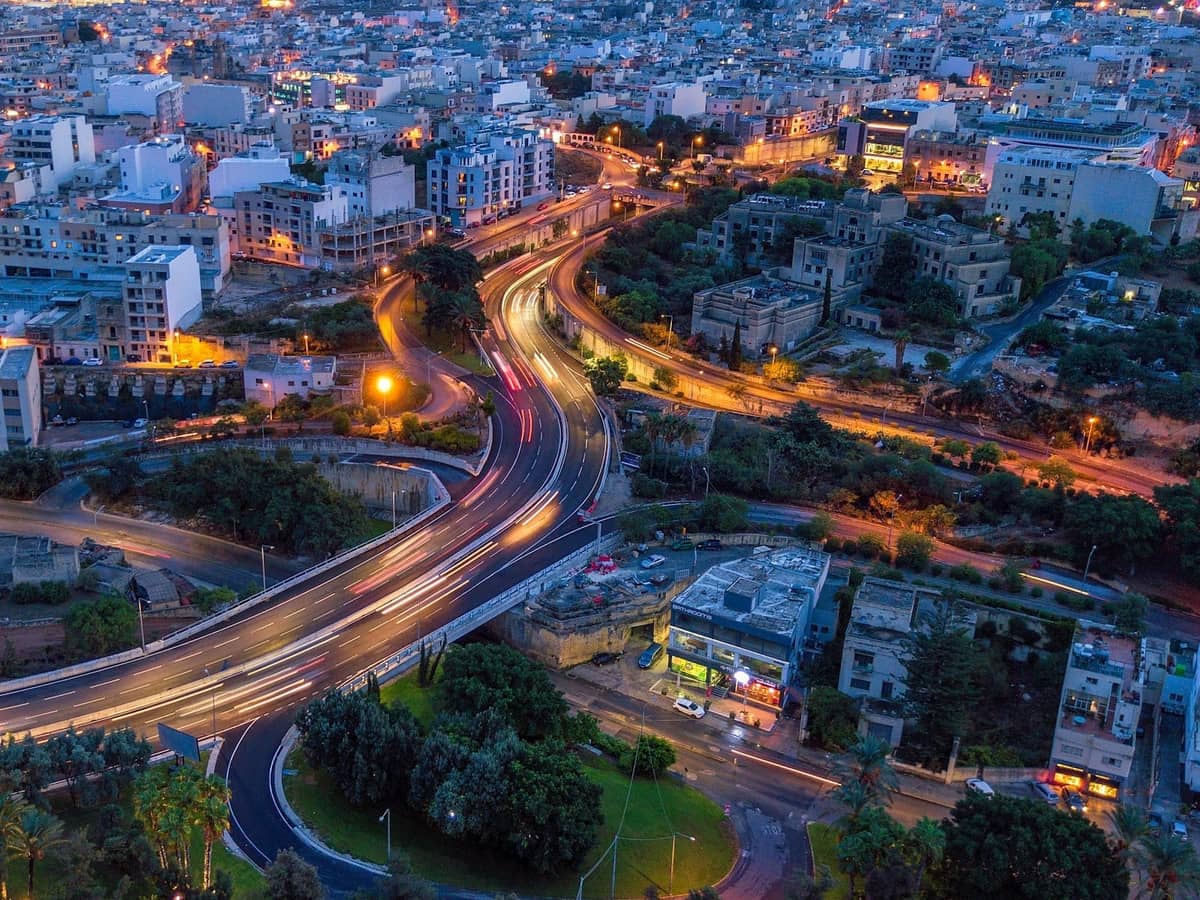
Malta nightlife is geographically concentrated in a way that makes it easy to plan. The island's most intense after-dark activity happens in a roughly 500-metre radius around Paceville in St. Julian's. Everything else, from Valletta's cocktail bars to Buġibba's beach clubs, operates at a noticeably different pace. If you're staying in Sliema or St. Julian's, you're already within walking distance of the main action.
Paceville itself is centered on Paceville Piazza, with additional venues spreading along Rita Steps, Wilga Street, and St. George's Road. It's compact enough that most people move between three or four venues in a single night without needing transport. Taxis and Bolt are plentiful after midnight, but surge pricing applies in the early hours of weekend mornings, particularly in summer.
Buġibba and Qawra, about 12 kilometres north on the coast, offer a noticeably more relaxed scene. Think seafront pubs, karaoke bars, and the famous Café del Mar venue rather than multi-floor clubs. It suits a slightly older crowd or anyone who finds Paceville overwhelming. The trade-off is that getting back to Valletta or Sliema late at night requires a taxi or ride-hail, as night bus coverage is limited.
ℹ️ Good to know
Malta operates on Central European Time (UTC+1, or UTC+2 in summer). Nightlife starts late by southern European standards — most clubs don't see serious crowds until midnight, and peak hours are 1am to 3am on Friday and Saturday nights.
Paceville: What to Expect at Malta's Main Club Strip
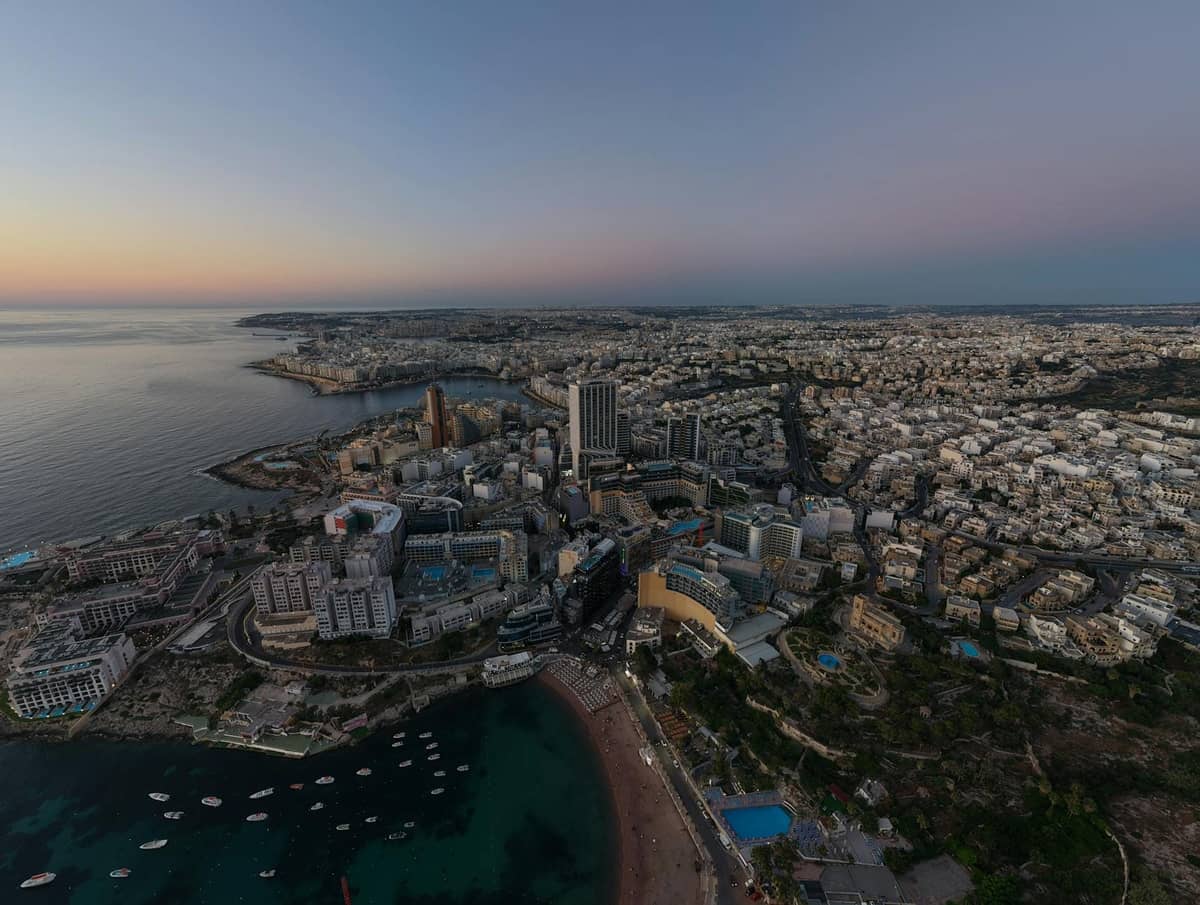
Paceville is to Malta what Plaka is to Athens or Las Ramblas to Barcelona: the obvious tourist nightlife zone, occasionally chaotic, sometimes brilliant, always worth at least one visit. The cluster of venues here ranges from enormous indoor clubs to rooftop terraces and everything in between.
- Sky Club Malta The largest indoor club on the island, with a capacity rumoured between 1,200 and 3,400 depending on the configuration. Hosts international EDM DJs and produces a recognisable light-and-smoke spectacle. Entry prices vary by event — expect to pay more for named acts.
- TwentyTwo Malta A rooftop venue atop Portomaso Tower with panoramic views over St. Julian's Bay. Dress code is strictly enforced: no trainers, smart-casual minimum. Predominantly electronic and jazz programming. Entry around €10 after 11pm; tends to attract a 21+ crowd.
- Havana Club Malta Three floors on St. George's Road with a recognisable neon sign. Free entry most nights, broad music mix from R&B to reggaeton. More accessible than Sky Club in terms of both price and dress code.
- Hugo's Rooftop Outdoor rooftop setting with views over the bay, house and chillout music programming. Pool party events in summer sell out in advance. Better suited to those who prefer atmosphere over volume.
The crowd composition in Paceville shifts through the night. British and Italian visitors tend to arrive earlier, between 10pm and midnight. French and Spanish groups typically arrive after midnight and stay until closing. In high season (June to August), the streets around Paceville Piazza become genuinely crowded, with queues for the larger clubs stretching well beyond the doors. Midweek nights in peak season can still surprise visitors with their energy, particularly Wednesdays and Thursdays when student groups are active.
⚠️ What to skip
Paceville has a reputation for pickpocketing during peak summer nights. Keep phones and wallets in front pockets, and avoid leaving drinks unattended. The area is generally safe, but like any dense late-night entertainment district, basic awareness matters.
Valletta After Dark: A Different Kind of Evening
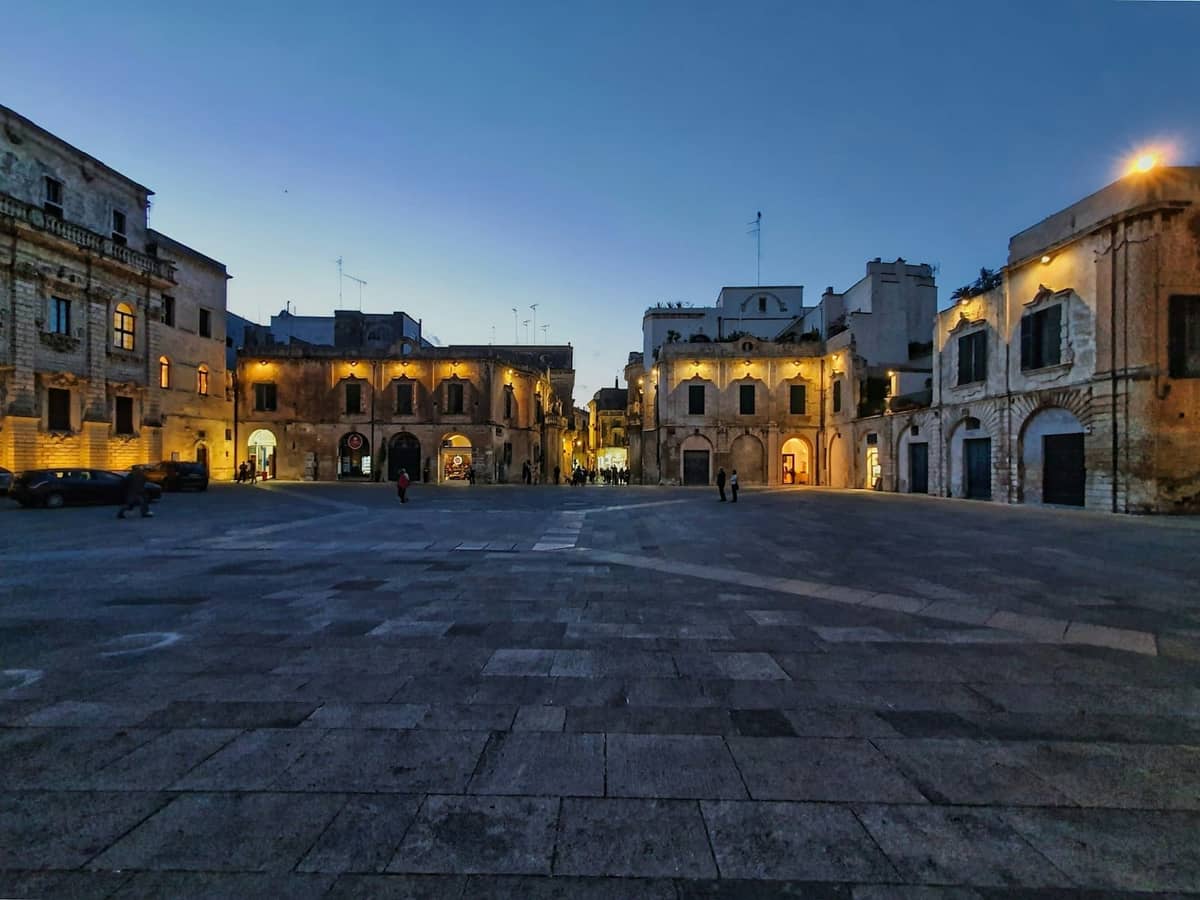
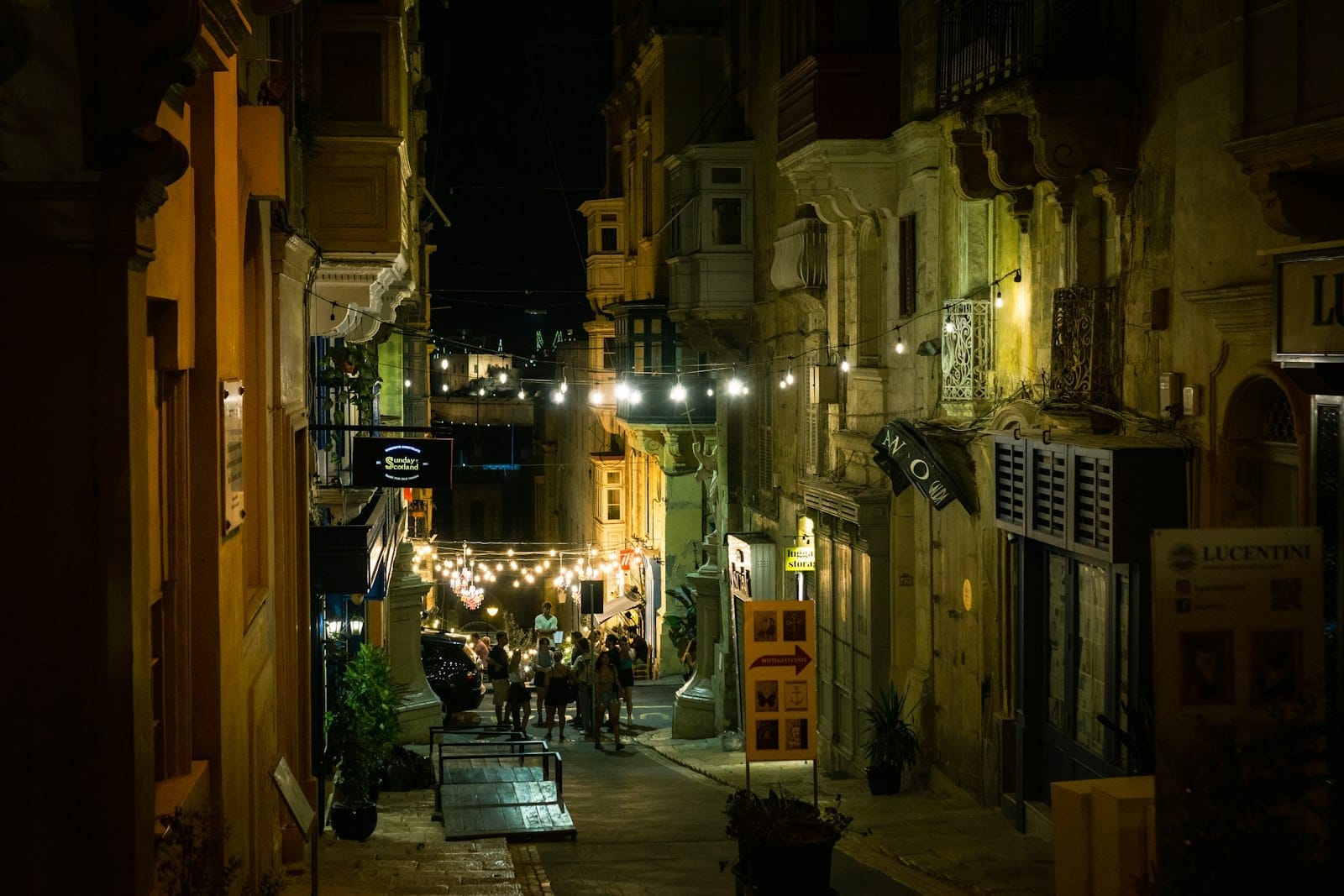
If Paceville isn't your scene, Valletta offers one of the most atmospheric evening experiences in the Mediterranean. The capital comes alive in a quieter register: candlelit cocktail bars, live jazz, and long dinners in Baroque courtyards rather than strobes and queues.
Strait Street (known locally as 'The Gut') was historically a sailors' quarter and is now Valletta's main evening strip. Venues like Bridge Bar, Loop Bar, and Yard 32 serve well-made cocktails in settings that make the most of the city's 16th-century stonework. There are no nightclubs in Valletta by design — the city is a UNESCO World Heritage Site and strict noise ordinances apply. What you get instead is a genuine local crowd mixed with visitors, good food, and the possibility of live music until around midnight or 1am.
For a pre-evening drink with serious views, the terraces near the Upper Barrakka Gardens are hard to beat at sunset. The gardens themselves close at dusk, but several nearby bars and rooftop spaces stay open well into the evening.
Café del Mar, Buġibba, and the Beach Club Circuit
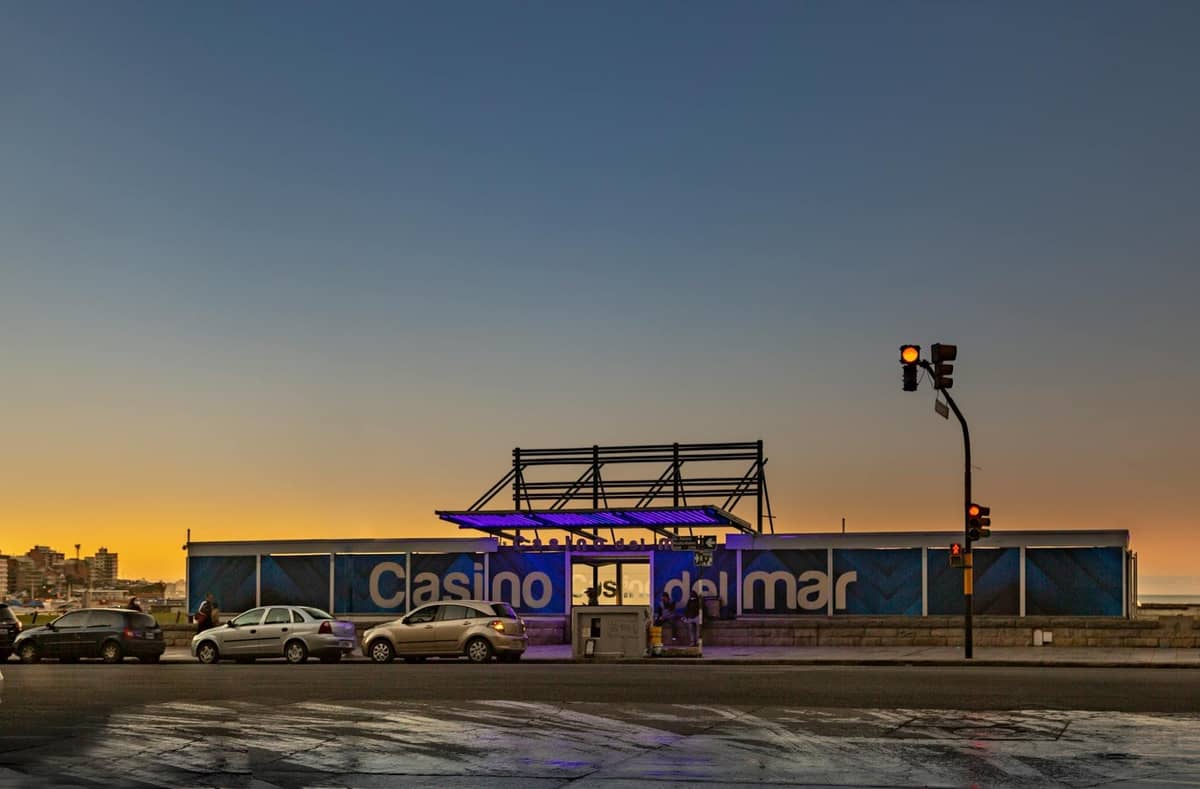
Café del Mar Malta has become one of the island's most talked-about summer venues, borrowing the brand's Ibiza-affiliated identity and applying it to a purpose-built sea-facing complex in Buġibba. During the day it operates as a lido and chillout space. From around 9pm, the programming shifts to house and techno, with pool party events running through July and August. Tickets for the most popular events run around £40 per person and sell out weeks in advance — booking online before arriving is not optional, it's essential.
Buġibba and Qawra more broadly cater to a crowd that wants evenings without the intensity of Paceville. Seafront pubs showing live sport, karaoke venues, and quieter cocktail bars give the area a different feel. It's not exciting in the way Paceville is, but it's considerably more relaxed and better suited to mixed-age groups or those on longer stays who want variety.
✨ Pro tip
For Café del Mar pool parties in July and August, book at least 3-4 weeks ahead. The venue's official website and local booking platforms release tickets in batches — once they're gone, secondary prices are significantly inflated.
Organised Nightlife: Pub Crawls and Boat Parties
Organised pub crawls through Paceville are a practical option for solo travellers or small groups who want to cover more ground and skip entry queues. Most include a fixed number of drinks, bar games, and VIP entry to two or three clubs. They depart several nights a week in high season and can be booked through platforms like GetYourGuide. For something more unusual, Malta boat trips also include evening and sunset party options that move the party offshore.
Boat parties typically run from the Sliema and St. Julian's waterfronts during summer, combining a cruise around the harbour or coastal waters with music and open bar packages. They tend to draw a younger crowd in the 20-35 age range and last three to four hours. Departure times vary, but most run from around 8pm or 9pm, which makes them a good option before heading to Paceville for the rest of the night.
Seasonal Patterns, Dress Codes, and Practical Notes
Malta's nightlife operates year-round but behaves very differently by season. June to August is peak intensity, with beach clubs and outdoor venues at full capacity and Paceville drawing thousands of visitors on weekend nights. September and October see crowds thin but quality actually improve — the hardcore tourist surge is gone, prices soften, and venues run more considered programming. The best time to visit Malta for nightlife specifically is probably late September: weather is still warm enough for rooftop venues, but the summer stampede has passed.
Winter nightlife (December to February) is a different experience entirely. Paceville slims down significantly, with some venues closed or running reduced hours. The indoor clubs and Valletta bars remain active, but the energy is nothing like summer. Locals reclaim these months, which gives the scene a more authentic feel if you're interested in that.
- Dress codes: TwentyTwo Malta and a few upmarket venues enforce smart-casual rules strictly — no trainers, no sportswear. Most other Paceville clubs are relaxed. Valletta bars are generally smart-casual by natural selection rather than enforcement.
- Entry prices: Free entry is common at many Paceville venues midweek. Weekend entry for larger clubs ranges from €5-15. Named DJ events at Sky Club or special pool parties can go higher.
- Currency: All venues operate in Euro. Card payment is widely accepted, though smaller bars may be cash-only.
- Language: English is an official language in Malta — you'll have no communication difficulties anywhere.
- Transport home: Bolt and Uber operate in Malta and are the most practical option after midnight. Standard taxis from the rank outside Paceville are available but negotiate the fare before getting in, or use the meter.
💡 Local tip
Monday and Tuesday nights in Paceville are almost dead outside of high season. If you're visiting mid-week in spring or autumn, Thursday is the better bet — many venues run student or pre-weekend specials, and the crowd is local-heavy.
For visitors who want to mix nightlife with other evening experiences, Malta has options beyond bars and clubs. The Three Cities across the Grand Harbour from Valletta have a growing number of waterfront restaurants and wine bars that make for a quieter but genuinely memorable evening, particularly when the harbour is lit at night. Alternatively, Spinola Bay in St. Julian's has a string of seafood restaurants and lower-key cocktail bars that are worth exploring before heading to Paceville.
FAQ
What is the legal drinking age in Malta?
The legal drinking age in Malta is 18. However, most upmarket clubs and venues like TwentyTwo Malta operate an informal 21+ preference, and some enforce this at the door. Standard venues in Paceville will serve anyone of legal age.
Is Paceville safe at night?
Paceville is generally safe, but it's a dense late-night entertainment area and basic precautions apply: watch for pickpockets in crowds, don't leave drinks unattended, and use app-based taxis rather than unlicensed drivers. Malta's overall crime rate is low by European standards, but the Paceville strip in peak summer can get rowdy in the early hours.
What time does nightlife start in Malta?
Venues open from around 10pm, but most clubs don't fill meaningfully until midnight or later. Peak hours in Paceville are between 1am and 3am on Friday and Saturday nights. Arriving before 11pm on a weekend means you'll largely be standing in an empty room.
Is Malta nightlife only for young people?
Paceville skews younger (18-30), but it's not exclusively so. Rooftop venues like TwentyTwo and Hugo's Rooftop attract a broader age range. Valletta's Strait Street scene, Buġibba's pub circuit, and Café del Mar all work well for mixed-age groups. The diversity of the scene is often underestimated.
How do I get back from Paceville to Valletta late at night?
Bolt is the most reliable option after midnight. The journey from Paceville to Valletta takes around 10-15 minutes depending on traffic and costs roughly €8-12. Standard metered taxis are also available at ranks outside the main club area. Night bus coverage is limited and not practical for getting home after 2am.