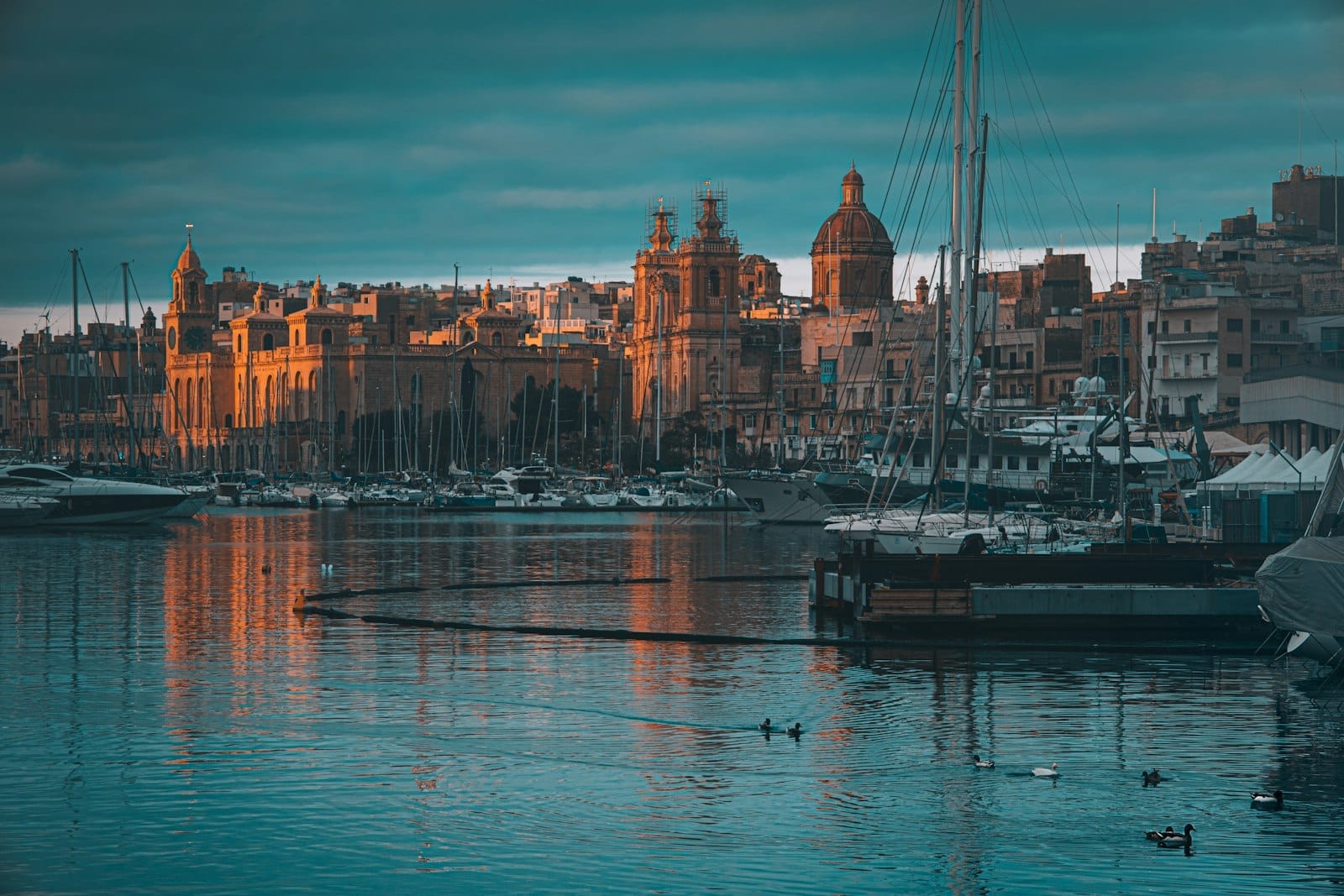
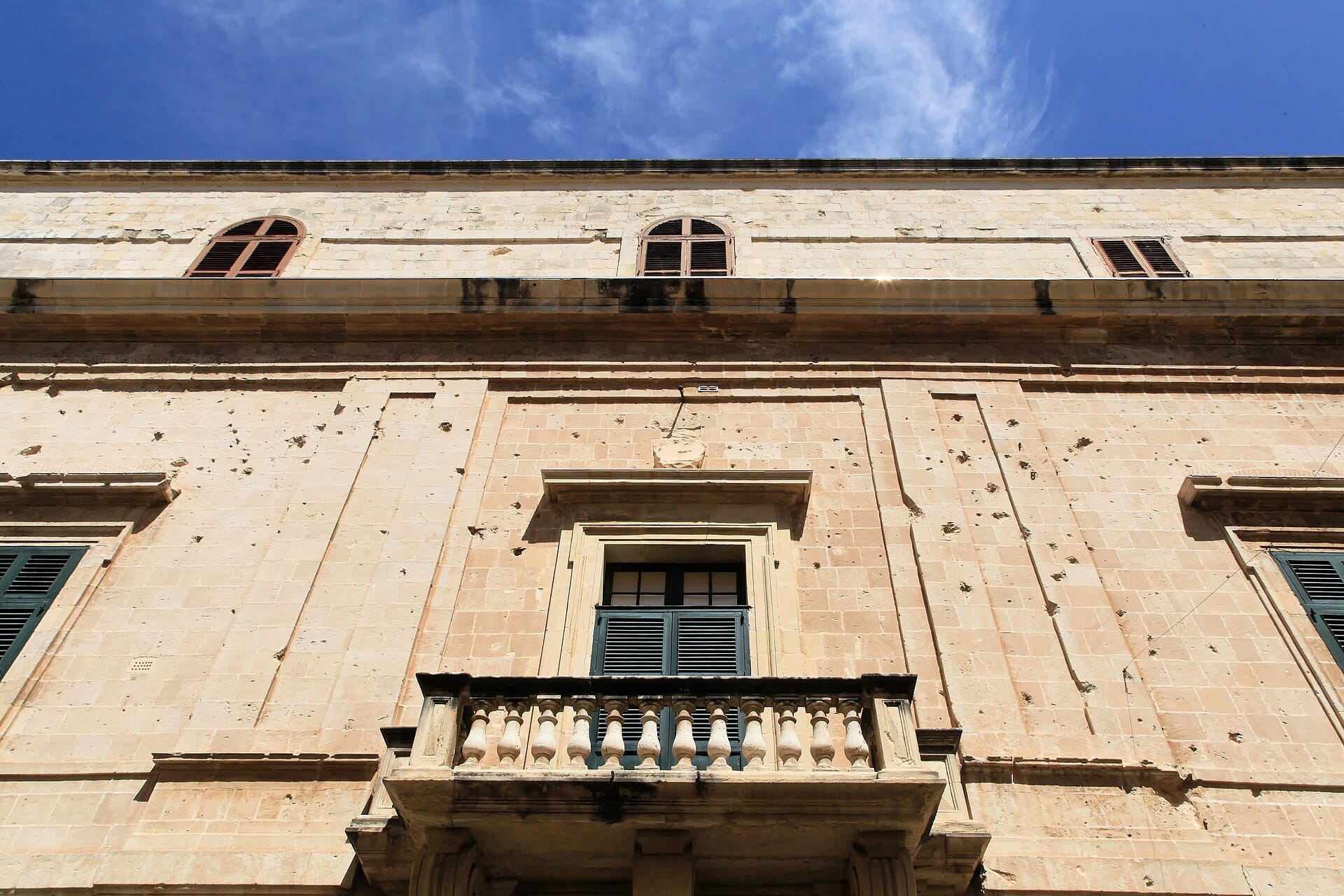
The Three Cities, comprising Birgu (Vittoriosa), Senglea (L-Isla), and Cospicua (Bormla), occupy a fortified peninsula in Malta's Grand Harbour directly opposite Valletta. Steeped in Knights of St. John history and largely untouched by mass tourism, they offer some of the most authentic street-level experience in the Maltese archipelago.
Across the Grand Harbour from Valletta, the Three Cities form a compact world of limestone bastions, narrow streets, and working-class Maltese pride that most visitors see only from a distance. Birgu, Senglea, and Cospicua were the original stronghold of the Knights of St. John, and their fortifications, waterfronts, and ancient churches still carry the weight of that extraordinary history. Come here if you want Malta without the performance.
Orientation: Malta's Grand Harbour Fortresses
The Three Cities sit on a pair of peninsulas that jut into the Grand Harbour from the southeast, directly across the water from Valletta's imposing walls. Collectively, they form a compact urban area, making them extraordinarily compact for the weight of history they contain. Birgu (officially Vittoriosa) occupies the southernmost and most historically significant peninsula. Senglea (L-Isla) sits on the adjacent peninsula to the west, separated from Birgu by Dockyard Creek. Cospicua (Bormla) connects both from the landward side, forming the third corner of this triangular urban cluster.
The entire area is encircled by the Cottonera Lines, a vast network of 17th and 18th century bastions and curtain walls commissioned by the Knights of St. John and later reinforced by the British. An earlier ring, the Santa Margherita Lines, sits inside the Cottonera fortifications. These walls define the psychological as well as physical boundary of the Three Cities: once you pass through one of the old city gates, the urban texture changes completely. There are no chain restaurants inside. There are no hotel resorts. There are streets so narrow that two people holding shopping bags have to turn sideways to pass.
The closest major reference point for orientation is Valletta, which sits across the Grand Harbour to the north. The wider Valletta area is easily visible from the Senglea waterfront and from the gardjola (watchtower) garden at Senglea's tip. Marsaxlokk and the southeast coast lie further along the harbor to the south. For a wider view of how Malta's places connect, the where to stay in Malta guide covers how the Three Cities compare to other neighborhoods as a base.
Character & Atmosphere: What It Feels Like to Walk Here
Early mornings in Birgu are quiet in the way that only lived-in places can be. Residents hang laundry from wrought-iron balconies painted in faded greens and reds. The smell of fresh bread from a nearby bakery drifts down Triq il-Majjistral before the coffee bars open their shutters. A cat or two stake territory on a sun-warmed doorstep. The streets are still amber-lit by low morning sun bouncing off limestone facades. At this hour, you are almost certainly the only visitor in sight.
By mid-morning, especially in the warmer months, day-trippers begin arriving via ferry from Valletta. They tend to concentrate on Birgu's main drag along the waterfront near the yacht marina and Fort St. Angelo. Senglea draws fewer visitors in general. If you walk inland from Senglea's waterfront and up through its residential streets, you will find yourself in a remarkably ordinary Maltese neighborhood: children cycling to school, women exchanging conversation outside doorways, the occasional nanna (grandmother) perched on a plastic chair watching the street. This is not performance. This is just how people live here.
Afternoons in summer can be intensely hot, with the limestone amplifying rather than absorbing the heat. The light in late afternoon falls dramatically across the Grand Harbour, turning the water a deep indigo and the bastions a glowing amber. This is the hour to sit at one of the waterfront cafes in Birgu and simply watch the cruise ships anchoring in the harbor and the ferry shuttles crossing back and forth. After dark, the Three Cities are calm rather than lively. The waterfront restaurants in Birgu attract some evening trade, but the streets largely belong to residents. This is not a place with a nightlife scene.
💡 Local tip
The best light for photography falls on the Grand Harbour between 4pm and 6pm in summer, when the bastions glow golden and the water reflects the sky. Position yourself along Senglea's waterfront promenade or at the Safe Haven Garden at Senglea's tip for unobstructed views back toward Valletta and Fort St. Angelo.
What to See & Do
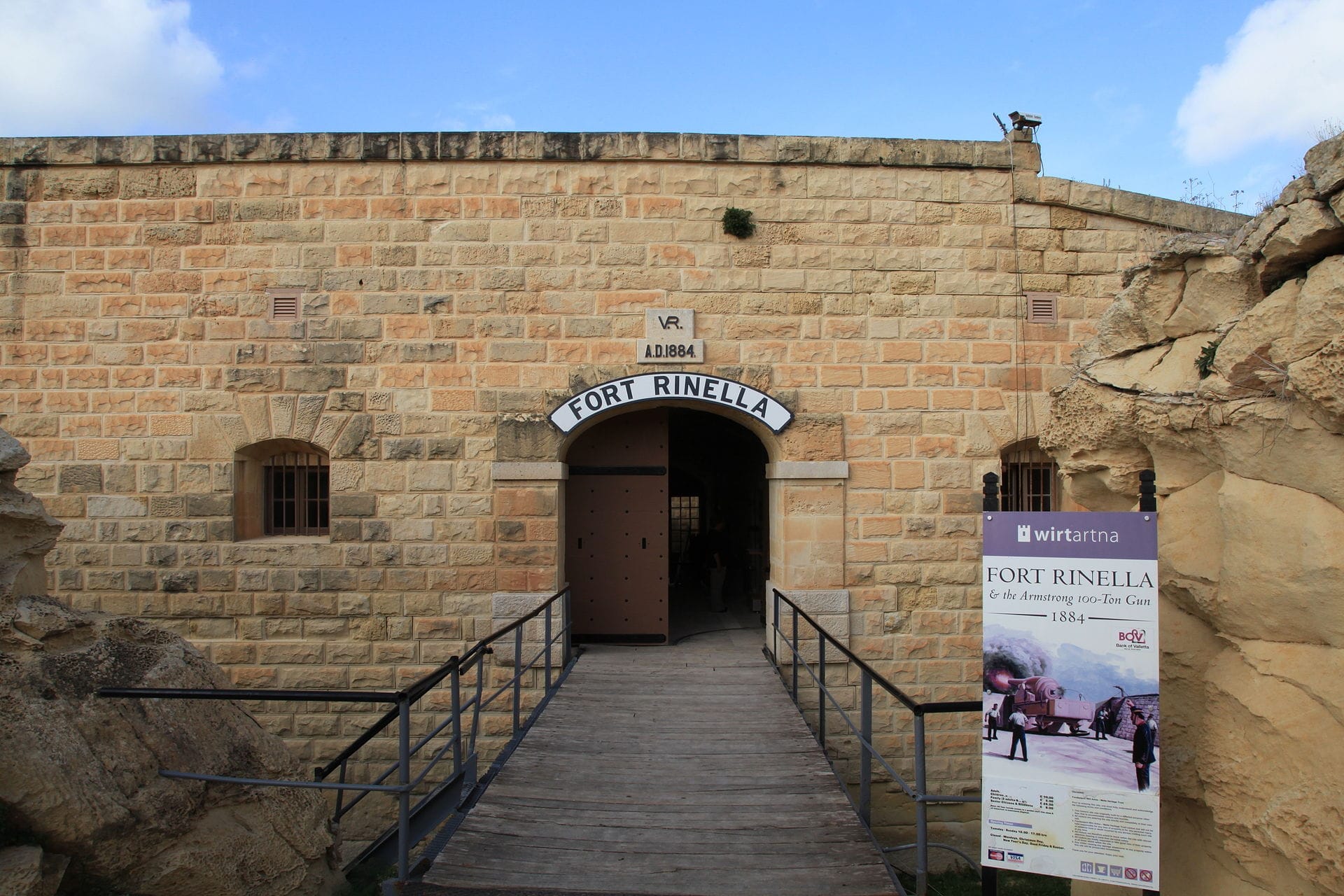
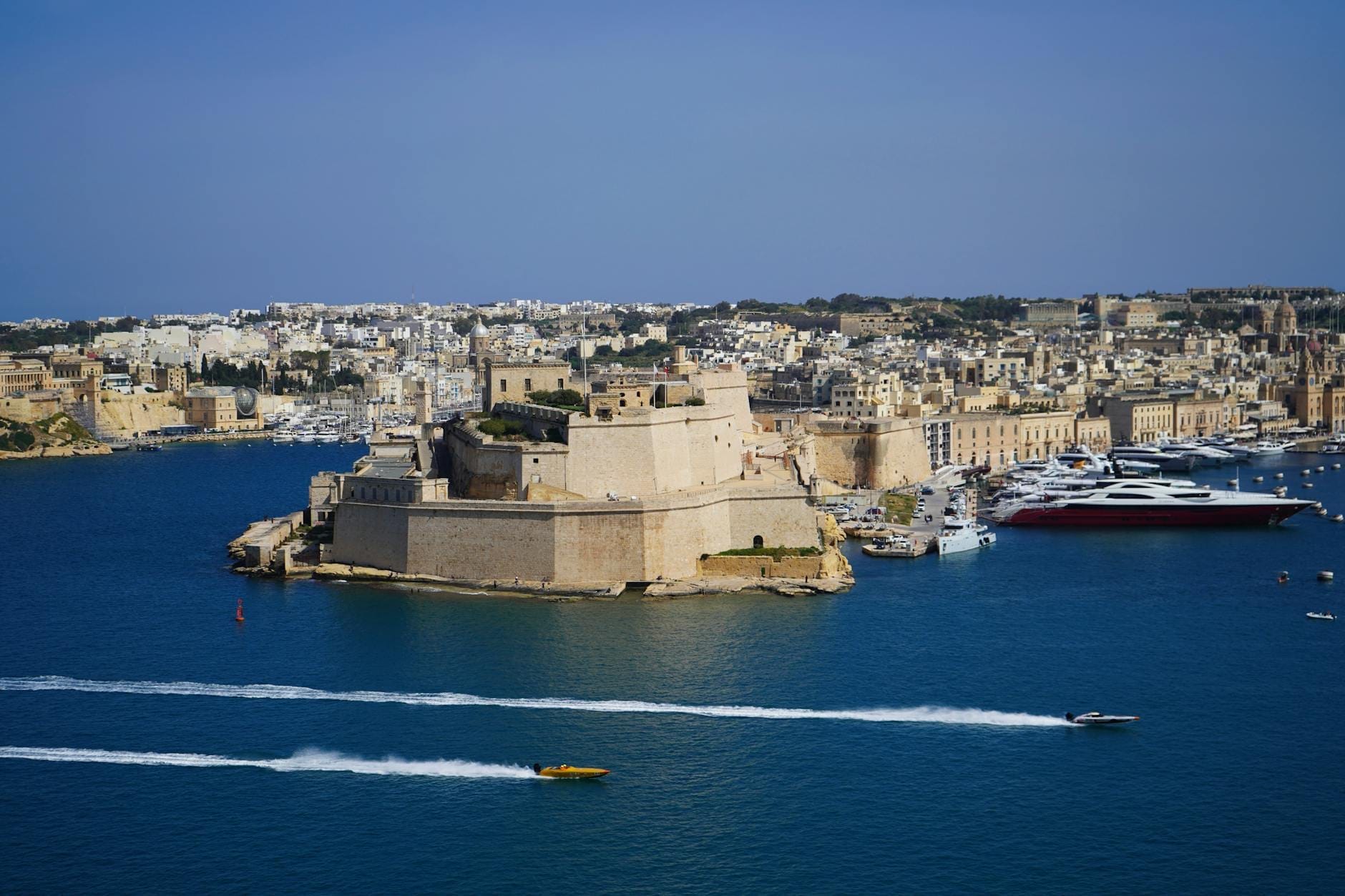
Fort St. Angelo is the gravitational center of the Three Cities. This layered fortification dates back at least to the medieval period, with Phoenician and Arab precursors, and became the headquarters of the Knights of St. John after their arrival in Malta in 1530. It played a central role in the Great Siege of 1565, when the Ottoman fleet attempted to take Malta over four brutal months. The fort is now managed by Heritage Malta and is open to visitors, with audiovisual exhibits explaining its layered military and ecclesiastical history. Read more about the broader Fort St. Angelo and its significance in Maltese history.
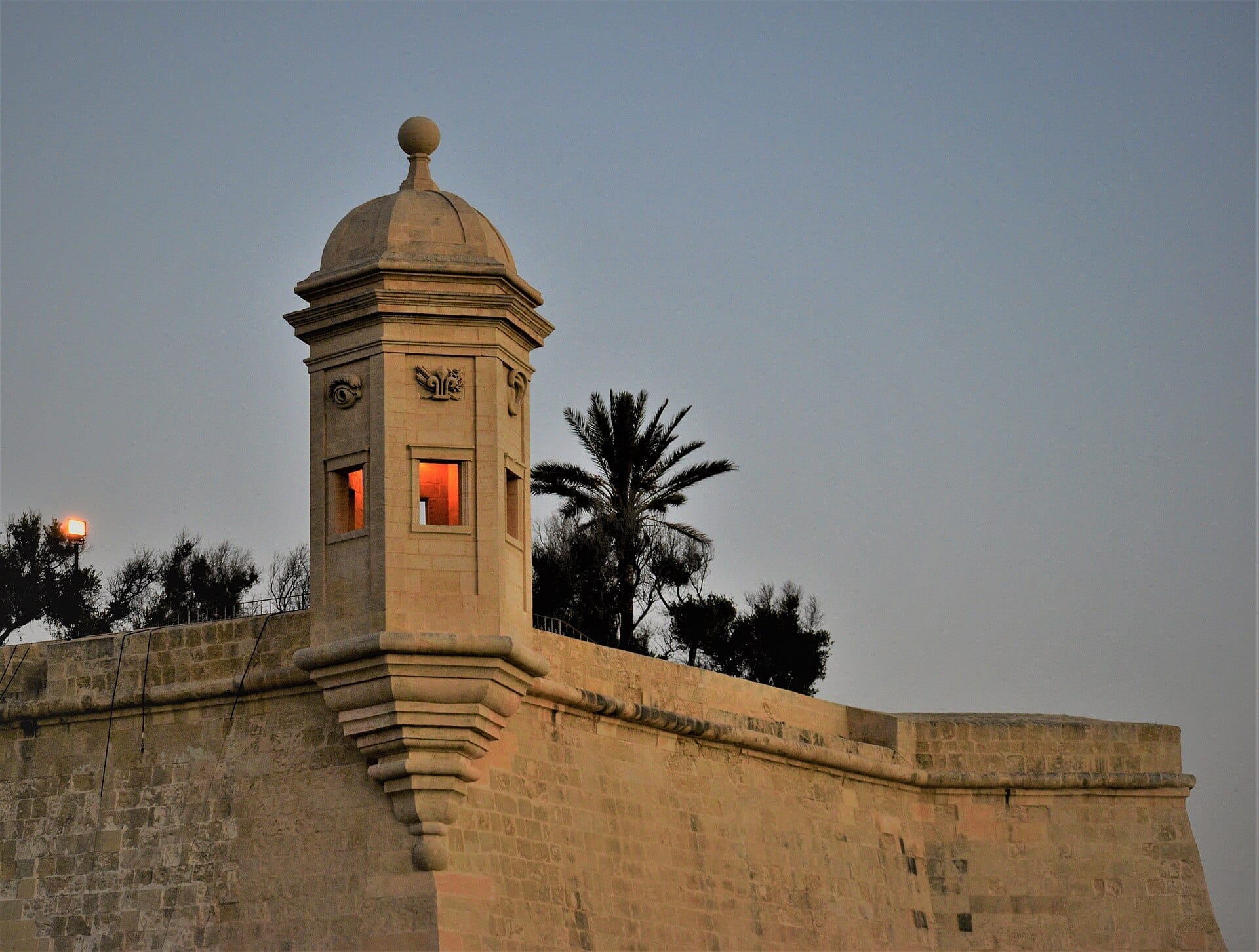
In Senglea, the Safe Haven Garden (Il-Gardjola) at the tip of the peninsula is one of those quietly extraordinary spots that rewards the walk to find it. The carved stone watchtower at its edge features sculpted eyes and ears, symbols of vigilance placed here by the Knights. The view from the garden takes in the full sweep of the Grand Harbour, Fort St. Angelo to one side and Valletta's imposing walls to the other. For context on why these fortifications matter so much to Maltese identity, the Knights of Malta history guide gives essential background.
Fort St. Angelo, Birgu: the defining landmark of the Three Cities, open to visitors
Malta Maritime Museum, Birgu: housed in the former naval bakery of the Knights, covering Maltese seafaring history
Malta at War Museum, Birgu: focused on the WWII siege experience, with access to underground shelter tunnels
St. Lawrence Church, Birgu: the parish church of Birgu predates the Knights and has been rebuilt multiple times; the current Baroque structure is impressive
Safe Haven Garden (Il-Gardjola), Senglea: the watchtower garden at Senglea's tip with carved stone lookout and panoramic Grand Harbour views
Vittoriosa Yacht Marina: a working luxury marina along Birgu's waterfront, attractive for an evening walk
Cottonera Lines: the outer bastions are walkable and provide excellent views of the surrounding urban landscape
The Three Cities sit within easy reach of Malta's wider network of historic sites. If you are building a day around the Grand Harbour area, combine a morning in the Three Cities with an afternoon in Valletta. The things to do in Valletta guide makes planning that combination straightforward. For travelers with more time, the Malta 7-day itinerary shows how to fit the Three Cities into a longer trip.
Eating & Drinking
The food scene in the Three Cities is small, local, and almost entirely honest. This is not a neighborhood where restaurants have been designed to impress tourists. The places that do well here succeed because residents eat in them regularly, which means portion sizes are generous, prices are reasonable by Maltese standards, and nobody is serving you a miniaturized version of a Maltese classic for eight times its worth.
Birgu's waterfront strip along the marina has the highest concentration of restaurants and cafes, leaning toward Maltese and Mediterranean menus. You will find grilled fish, pasta, rabbit stew (fenkata, a Maltese staple), and fresh seafood on most menus. Lunch is a better value than dinner here, and the midday light on the water is hard to beat. Cospicua has a scattering of village-style cafes and grocers. Senglea is the most residential of the three and has the fewest eating options, though small neighborhood bars open early and serve Kinnie (the local bitter soft drink), Cisk lager, and pastizzi (flaky pastry parcels filled with ricotta or mushy peas, essentially Malta's street food staple).
For context on what to order across Malta more broadly, the guide to Maltese food covers everything from pastizzi to aljotta fish soup. Budget travelers should know that eating in the Three Cities is generally cheaper than eating in Valletta or Sliema, particularly if you stick to neighborhood bars and daily specials.
ℹ️ Good to know
Most eating options in the Three Cities cluster along the Birgu waterfront near the yacht marina. If you are visiting Senglea or Cospicua specifically, it is worth eating before you arrive or carrying snacks. Options thin out quickly once you move away from the marina strip.
Getting There & Around
The most atmospheric way to arrive is by ferry from Valletta. A regular water taxi service crosses the Grand Harbour between Valletta's Lower Barrakka waterfront and Birgu's marina. The crossing takes approximately 5 minutes and costs a small fare (verify current pricing before travel, as fares change seasonally). Watching Fort St. Angelo grow larger as you cross the harbor sets the tone for everything that follows. This is the recommended arrival method for any first visit.
By bus, the Three Cities are accessible from Valletta's main bus terminus via Malta Public Transport services. Journey times average around 25 minutes, and fares are around €2 for a single journey. Bus routes serve Cospicua most directly, as it sits on the landward side of the Three Cities. From Cospicua, Birgu is a short walk through the Cottonera gate, and Senglea is reachable on foot from there.
Within the Three Cities, walking is the only sensible option. Streets in Birgu and Senglea are too narrow for anything else, and most of the key sites are within 15 minutes of each other on foot. The walk from Birgu to Senglea's tip is approximately 1.2 kilometers. Reaching Cospicua from Senglea is around 1.7 kilometers. Wear comfortable shoes because the streets are cobbled or paved in rough limestone. For broader guidance on navigating Malta by public transport, the getting around Malta guide covers bus passes, ferry routes, and taxi apps including Bolt and Uber.
💡 Local tip
Take the ferry from Valletta to arrive. The five-minute crossing gives you a view of Fort St. Angelo and the Grand Harbour that no bus journey can replicate. Return by bus if you prefer variety, or take the ferry back for the evening light on Valletta's walls.
Where to Stay
Accommodation options in the Three Cities are limited in number but distinctive in character. There are no large hotel chains here. What exists tends to be small guesthouses, boutique properties, and self-catering apartments converted from historic townhouses. Birgu is the only one of the three cities with a meaningful choice of places to stay, mostly concentrated near the waterfront and the Vittoriosa Yacht Marina.
Staying in the Three Cities suits travelers who want complete immersion in historic Malta without the pace and noise of Valletta or the resort atmosphere of Sliema. The trade-off is that you are away from the main concentration of restaurants, bars, and shops that other neighborhoods offer. The ferry connection to Valletta makes day trips across the harbor straightforward, but after the last ferry of the evening, you are reliant on taxis or the bus network to get back from nights out elsewhere.
For travelers who want the historic atmosphere but with more accommodation choice and nightlife access, Valletta is the obvious comparison. The full Malta accommodation guide compares neighborhoods across the island. Families or travelers seeking beach access should also consider whether the Three Cities is the right base, given the absence of nearby beaches.
Honest Assessment: Who This Place Is For
The Three Cities ask something of you as a visitor. There are no large museums with multilingual audioguides on every corner. There is no well-lit walking trail with explanatory plaques at every junction. Much of the pleasure here comes from simply being present in streets that have barely changed in centuries and letting the weight of that history settle on you gradually. If you are looking for a tightly structured tourist experience, this is not the right place.
There are also practical limitations to acknowledge. Restaurants and cafes are limited in number. Evening entertainment is minimal. The streets can feel quite empty after 9pm. In summer, the heat radiating from the limestone makes midday walking uncomfortable. And while the Three Cities are perfectly safe to walk at any hour, the combination of empty streets and low lighting in some residential areas can feel isolated to travelers who are not used to quiet environments.
For travelers interested in Malta's military and siege history, the Three Cities are essential. Fort St. Angelo, the Malta at War Museum, and the Cottonera fortifications together form one of the most significant concentrations of martial heritage in the Mediterranean. Pair a visit here with the Lascaris War Rooms in Valletta and the Fort St. Elmo for a comprehensive picture of how Malta defended itself through centuries of conflict.
⚠️ What to skip
The Three Cities are not a full-day destination for most visitors unless you are genuinely absorbed in the history. A half-day, particularly combining a ferry crossing with a walk through Birgu and Senglea, is the natural rhythm. Build in a long lunch on the waterfront to avoid rushing.
TL;DR
The Three Cities (Birgu, Senglea, Cospicua) are Malta's most authentic historic urban environment, across the Grand Harbour from Valletta and accessible by a short ferry crossing.
Fort St. Angelo, the Malta at War Museum, and the Safe Haven Garden in Senglea are the key attractions; together they make a compelling half-day itinerary.
Best suited to travelers interested in Maltese and Knights of St. John history, architecture, and street-level authenticity rather than resort amenities.
Eating and accommodation options are limited; Birgu's waterfront strip has the main concentration of restaurants, mostly serving Maltese and Mediterranean menus at honest prices.
Not ideal for travelers seeking nightlife, beach access, or a wide range of restaurants; for those needs, Sliema or St. Julian's are better bases.
Malta's megalithic temples are among the oldest free-standing stone structures on Earth, predating Stonehenge by over a thousand years. This guide covers every major site, practical logistics, seasonal advice, and the archaeological context that makes these temples worth the trip.
Malta's coastline is far more varied than the island's small size suggests. From the turquoise waters of Comino's Blue Lagoon to Gozo's red-sand Ramla Bay and Malta's dramatic rocky inlets, this guide covers every type of beach the archipelago has to offer — with candid notes on crowds, access, and the best times to go.
Malta is a year-round destination, but the timing of your trip changes everything. This guide breaks down every season honestly — weather, crowds, prices, and what's actually open — so you can choose the right month for your priorities.
For a country this small, Malta packs a remarkable density of dramatic scenery. These are the viewpoints that earn the detour, from clifftop sunsets and fortress panoramas to harbor vistas and Gozitan sea inlets.
Malta is small enough to explore fully in a week, but the islands around it reward dedicated day trips. From the prehistoric temples of Gozo to the sea caves of the Blue Grotto and the medieval streets of Mdina, these are the best excursions to take from Malta's main island.
Malta packs an extraordinary amount of history, scenery, and culture into a tiny island, and much of it costs nothing. From UNESCO-listed prehistoric temples to cliff-top walks, baroque city streets, and crystal-clear swimming coves, this guide covers the best free experiences across Malta, Gozo, and Comino.
Malta is small — just 316 sq km — but navigating it efficiently takes some planning. This guide covers every transport option available, from the Tallinja bus network to Gozo ferries, ride-hailing apps, and car rental, with straightforward takes on what works and what doesn't.
Gozo is smaller, quieter, and slower-paced than Malta — and that is exactly the point. This guide covers the ferry, the best things to do, where to focus your time, and why two days here beats a rushed day trip.
Malta rewards curious travelers who look beyond the postcard highlights. From sheltered limestone inlets and rock-cut swimming holes to ancient temples and baroque palaces lost in the countryside, these are the places where the real Malta reveals itself.
Malta packs prehistoric temples, Baroque cityscapes, clear-water diving, and surprisingly good food into just 316 square kilometres. But summer crowds, rocky beaches, and rising prices give some travellers pause. Here is a clear-eyed breakdown of what you get and what to watch out for.
The Knights of Malta left an indelible mark on this archipelago across more than two centuries of rule. This guide traces their history through the fortresses, cathedrals, and palaces they built, with practical advice on visiting each key site today.
Three days is enough to cover Malta's greatest hits if you plan smartly. This itinerary takes you through UNESCO-listed Valletta, the ancient Silent City of Mdina, the prehistoric temples of the south coast, and the rural island of Gozo, with practical advice on timing, transport, and what to skip.
Malta is best understood from the water. Whether you want to drift through sea caves glowing electric blue, anchor above the clearest lagoon in the Mediterranean, or cruise past 700 years of Grand Harbour fortifications, these are the boat trips worth planning your days around.
Malta is one of the Mediterranean's top diving destinations, with crystal-clear water, dramatic underwater topography, and wrecks accessible to every skill level. This guide covers the best dive sites on Malta and Gozo, what to expect at each depth, seasonal conditions, and everything you need to plan a successful dive trip.
Malta makes a compelling case as a romantic destination despite its size. Medieval walled cities, cliff-top sunsets, private boat trips to turquoise lagoons, and candlelit wine bars in a Baroque capital — this guide covers the best romantic experiences in Malta for couples, with clear advice on what's worth booking and what to skip.
Seven days is enough time to experience Malta's greatest hits without burning out. This day-by-day itinerary covers the UNESCO capital of Valletta, the island of Gozo, the Blue Lagoon at Comino, medieval Mdina, and the fishing villages of the south coast, with practical advice on what to skip and how to get around without a car.
Malta's nightlife ranges from the dense club strip of Paceville to the refined jazz bars of Valletta's Strait Street. This guide breaks down where to go by neighbourhood, what to expect at each type of venue, and how to avoid the most common tourist mistakes.
Malta surprises most travelers: it is an EU country with a UNESCO capital, 7,000 years of history, and genuinely affordable daily costs if you know where to look. This guide breaks down realistic daily budgets, free and cheap attractions, transport costs, food prices, and the seasonal timing that makes the biggest difference.
Malta consistently ranks among the world's top 10 countries for personal safety, but that doesn't mean risks don't exist. This guide covers crime statistics, common scams, road dangers, beach hazards, and neighborhood-by-neighborhood safety so you can visit with confidence.
The Malta to Sicily ferry is one of the most rewarding short trips in the Mediterranean. This guide covers the Virtu Ferries catamaran route, ticket prices, seasonal schedules, what to do in Pozzallo and beyond, and everything you need to plan a seamless day trip from Malta.
Malta is a surprisingly strong family destination for its size. English is widely spoken, the country is genuinely safe, distances are short, and the mix of beaches, history, and interactive attractions keeps children of all ages engaged. This guide covers the best kid-friendly spots, seasonal advice, transport logistics, and frank assessments of what works and what doesn't.
Malta packs an extraordinary range of experiences into just 316 square kilometres. This guide covers the best things to do across the archipelago, from Valletta's Baroque cathedrals and prehistoric temples to sea caves, clifftop walks, and the famous Blue Lagoon, with practical advice on what's worth your time and what to skip.
Valletta packs more history per square metre than almost any capital in Europe. This guide covers the top things to do in Valletta, from its world-class Baroque cathedral and a 500-year-old star fort to harbour boat tours and the best spots for Maltese coffee. Practical, opinionated, and built for real trips.
Maltese food is one of the Mediterranean's most underrated culinary traditions. This guide covers the essential dishes, the best street food, seasonal specialities, and practical advice on where to eat well without overpaying.
Choosing where to stay in Malta shapes your entire trip. This guide breaks down the best neighborhoods, from the historic capital Valletta to the beach towns of the north, with honest advice on what each area actually delivers.