3 Days in Malta: The Definitive Short Trip Itinerary
Three days is enough to cover Malta's greatest hits if you plan smartly. This itinerary takes you through UNESCO-listed Valletta, the ancient Silent City of Mdina, the prehistoric temples of the south coast, and the rural island of Gozo, with practical advice on timing, transport, and what to skip.
Plan and book this trip
Tools from our partner Travelpayouts help you compare flights and hotels. If you book through them, we may earn a commission at no extra cost to you.
Flights
Hotels map
TL;DR
- Day 1: Valletta, St. John's Co-Cathedral, the Barrakka Gardens, and Fort St. Elmo. Arrive early before cruise ship crowds.
- Day 2: Mdina in the morning, then south to Hagar Qim temples and Marsaxlokk fishing village in the afternoon.
- Day 3: Full-day Gozo trip via the Cirkewwa ferry (€4.65-€9.50 round-trip). Pair it with a stop at the Blue Lagoon on Comino if visiting May through October.
- A Tallinja weekly bus card (€26) covers almost all transport on the islands without needing a car.
- Malta rewards early risers: most major sites get overrun by late morning, especially July through September.
Before You Arrive: Logistics Worth Sorting in Advance

Malta International Airport (MLA) sits about 8 km from Valletta by road. The X1 and X4 bus lines connect the airport to the capital in 20 to 45 minutes for €2.50 per journey, though the Tallinja weekly card at €26 makes more sense if you're moving around daily. Taxis cost €20 to €30 and take around 20 to 30 minutes. Bolt and Uber both operate here and are often cheaper than official airport taxis.
You don't need a rental car for 3 days. Malta's bus network covers over 100 routes across the main island and connects to the Gozo ferry. The roads are narrow, parking in Valletta is a headache, and drivers are notoriously assertive. Save the car for a longer trip. For a complete breakdown of getting between towns and across to the smaller islands, see the guide to getting around Malta.
💡 Local tip
Book St. John's Co-Cathedral tickets online in advance. Walk-up queues can add 30-45 minutes during peak season, and slots for the cathedral oratory (home to Caravaggio's 'The Beheading of Saint John the Baptist') sometimes sell out by mid-morning.
Day 1: Valletta, Start to Finish
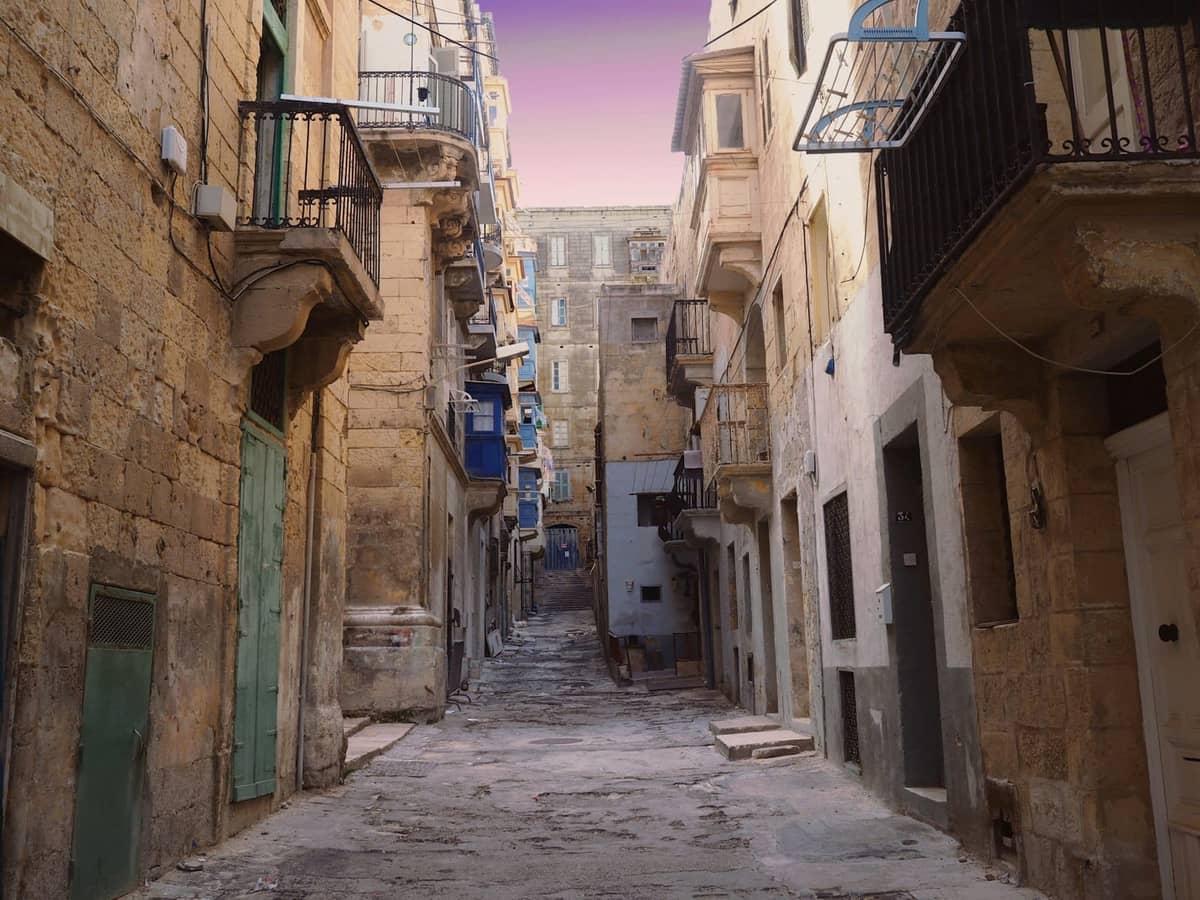
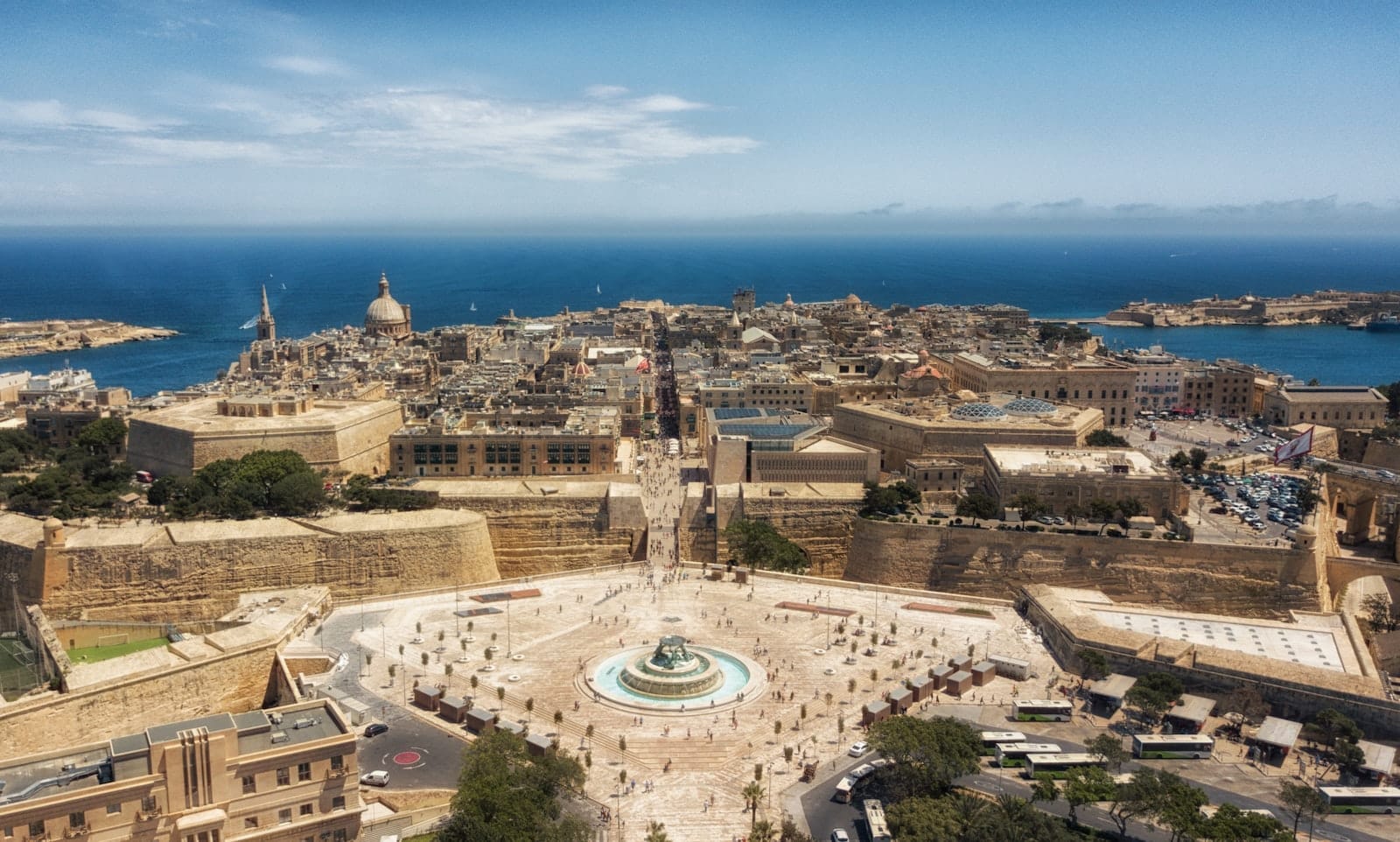
Valletta is the smallest capital city in the European Union by area, but it packs an extraordinary concentration of Baroque architecture, military history, and cultural weight into roughly 0.8 square kilometres. Start before 9 AM to get the narrow streets to yourself before cruise ship passengers arrive. The city is almost entirely walkable once you're inside the walls.
The anchor attraction is St. John's Co-Cathedral, arguably the finest Baroque interior in Southern Europe. Entry costs €15 and includes an audio guide. The floor alone, made up of 400 marble tombstones of Knights of St. John, takes time to appreciate. Allow 60 to 90 minutes. From there, walk 10 minutes uphill to the Grandmaster's Palace, which houses an armour museum and is worth at least an hour.
After lunch, head to the Upper Barrakka Gardens for the best view of the Grand Harbour. The noon cannon fires Monday through Saturday. Walk down through the Saluting Battery to the waterfront, then follow the bastions east to Fort St. Elmo, which guards the tip of the Valletta peninsula and now houses the National War Museum. In the evening, the Lower Barrakka Gardens offer a quieter, less-photographed view of the harbour at golden hour.
ℹ️ Good to know
Valletta's restaurants around Republic Street are touristy and overpriced. Walk one or two streets back from the main drag to find local lunch spots where a full meal with a drink costs €10-14 rather than €20+.
Day 2: Mdina and the South Coast
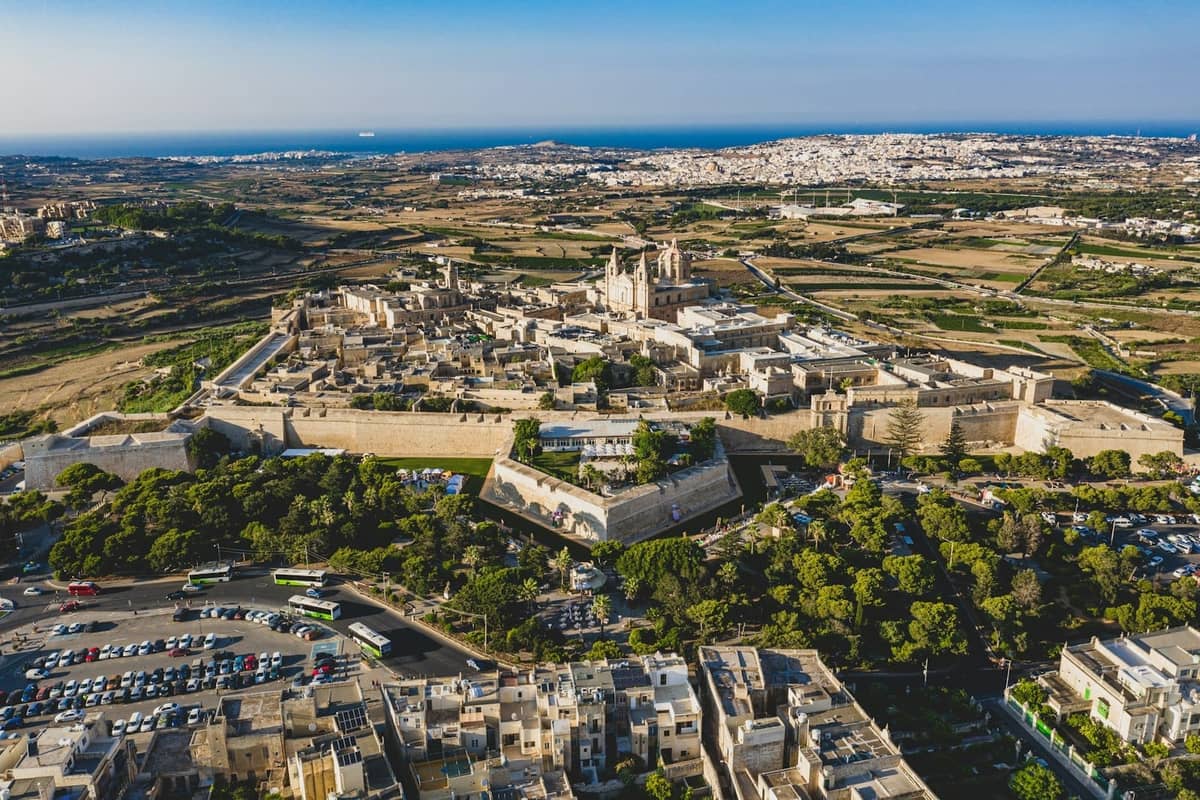
Leave your accommodation by 8:30 AM to reach Mdina before the tour buses. The walled city, known locally as the Silent City, sits on a hilltop roughly 15 km from Valletta and takes 30 to 40 minutes by bus. Inside, the population is fewer than 300 residents, and by 10 AM it can feel like a movie set overrun with day-trippers. The main draw is wandering the medieval lanes, the bastion views across the island, and St. Paul's Cathedral (entry €15). The adjacent town of Rabat has the St. Paul's Catacombs, a genuinely impressive underground burial complex that most visitors skip.
In the afternoon, head south to the Hagar Qim temples, which at over 5,500 years old predate both Stonehenge and the Egyptian pyramids. Entry costs €10 and includes the adjacent Mnajdra site, set on a clifftop with views over the sea. From here, it's a short drive or bus ride to the Blue Grotto, where boat trips (around €8 to €12 per person) take you through sea caves with remarkably vivid blue water. Skip it if the sea is rough since the caves lose most of their colour in choppy conditions.
Wind up the day at Marsaxlokk, the fishing village on the southeast coast. The weekly Sunday market is the main draw, but on weekdays the harbour is quieter and the seafood restaurants along the waterfront serve the freshest fish on the island. The colourful luzzu fishing boats make for excellent early evening photography.
- Hagar Qim + Mnajdra temples Allow 90 minutes minimum. Arrive before 10 AM. Combined entry around €10.
- Blue Grotto boat trip Best in morning light when the sea reflects brightest blue. Skip in rough weather.
- Mdina at dusk If you can't do early morning, visit late afternoon after 4 PM when day-tripper crowds thin out and the limestone glows gold.
- Marsaxlokk Sunday market Lively and worth restructuring Day 2 if your trip includes a Sunday. Seafood stalls, local produce, and crafts along the harbour.
Day 3: Gozo and Comino
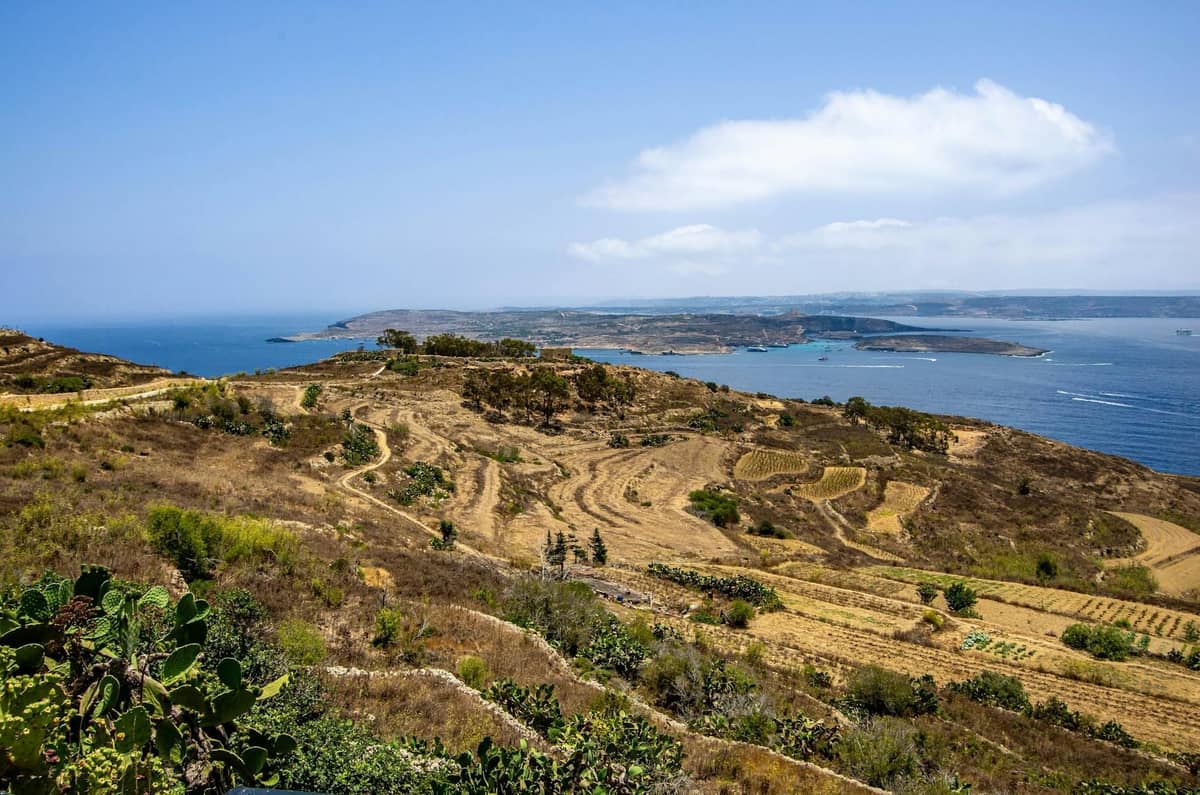
The Gozo ferry departs from Cirkewwa in the north of Malta and takes about 25 minutes. Ferries run every 45 minutes, from around 6 AM to 10 PM, and cost €6 to €12 round-trip for foot passengers. There's no need to book in advance unless you're taking a car. From Valletta, the bus to Cirkewwa takes about 75 minutes. Budget at least 8 hours for the day to do it properly. The full Gozo travel guide covers the island in much more depth if you're considering a longer stay.
The top priority on Gozo is the Citadella in Victoria (also called Rabat), the island's fortified capital. Entry to the citadel walls is free and the views over the Gozo countryside are excellent. Victoria itself has good lunch options at prices noticeably lower than Valletta. In the afternoon, head to the coast: Dwejra Bay is a favourite with divers and non-divers alike, though the famous Azure Window collapsed in 2017, so manage expectations. The Ggantija Temples near Xaghra are among the oldest freestanding structures on Earth and worth the detour if temples interest you.
If your trip falls between May and October, combine the Gozo ferry with a stop at the Blue Lagoon on Comino. Boat trips from Malta and Gozo typically stop here as part of a circuit (€20 to €30). Go early: by midday in summer, the lagoon is packed with dozens of boats and hundreds of swimmers. The water clarity is exceptional but it's not a serene experience in peak season. Come before 9 AM or after 4 PM if possible.
⚠️ What to skip
The Blue Lagoon is genuinely overcrowded in July and August between 10 AM and 3 PM. If swimming there is a priority, book a morning-departure tour that arrives before the main rush, or reconsider and visit one of Malta's less-visited bays instead.
Where to Stay for a 3-Day Trip
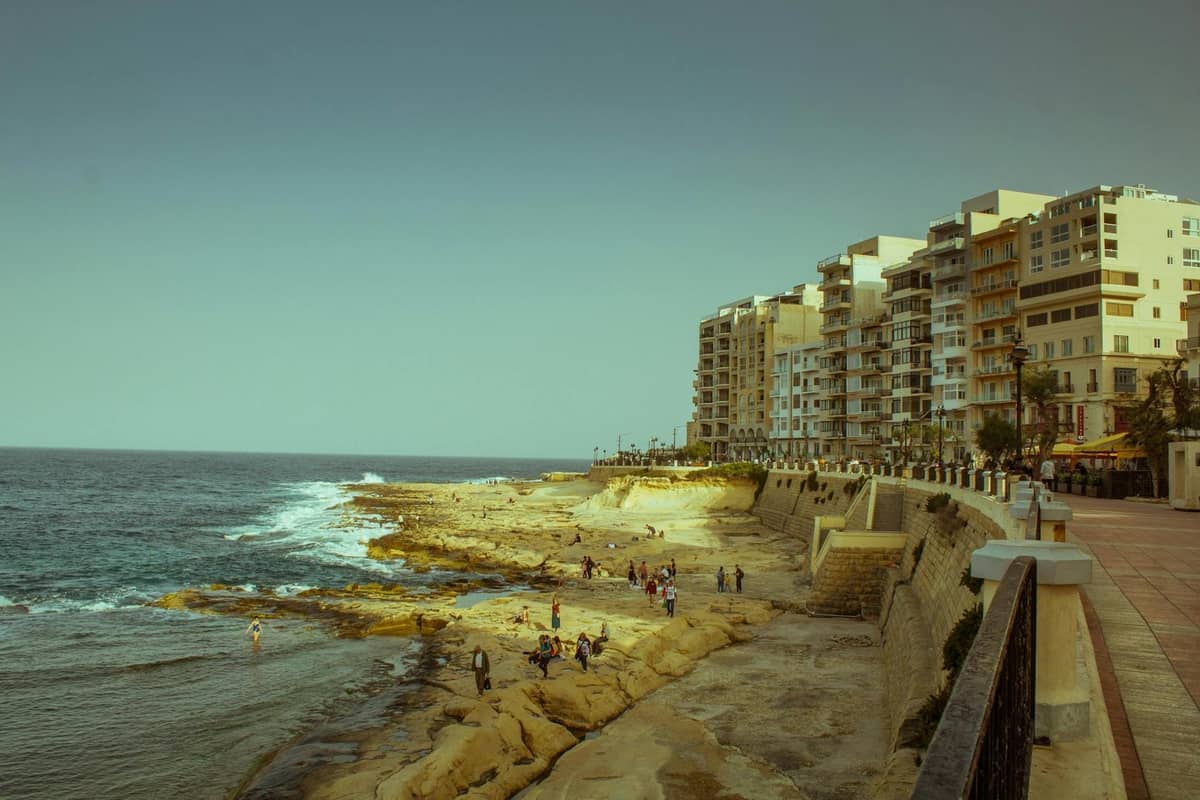
Base yourself in Valletta or Sliema/St. Julian's for a 3-day trip. Valletta is atmospheric and within walking distance of Day 1's attractions, but the city essentially closes at night and has limited dining options after dark. Sliema and St. Julian's are more practical as transport hubs, have better restaurant variety, and sit on the ferry route to Valletta (Sliema Ferry, around €2.80 each way, runs frequently). For a full breakdown of neighbourhood options and price ranges, see where to stay in Malta.
- Valletta: Best for history immersion and early-morning access to the city. Limited nightlife and fewer budget options.
- Sliema: Most practical base. Good transport links, coastal promenade, wide range of hotels and apartments at all price points.
- St. Julian's: Best for nightlife access and younger travellers. Can be noisy on weekends.
- Mdina/Rabat: One boutique hotel inside the walls exists. Quiet but inconvenient for island-wide day trips without a car.
Practical Tips for Getting the Most Out of 3 Days
Malta is small at 316 square kilometres, but distances can be deceptive when buses get stuck in traffic. The Valletta to Cirkewwa (Gozo ferry terminal) route takes 75 to 90 minutes by bus. Factor this in when planning Day 3: an early departure is essential to have meaningful time on Gozo.
The best months for a 3-day trip are April through June and September through October. Temperatures sit between 20 and 28°C, the sea is swimmable from June onward, and the peak summer crush of July and August has not yet arrived or has passed. Winter visits (December through February) are viable if your focus is history and culture rather than beaches, with temperatures around 12 to 16°C and noticeably fewer crowds at every site.
English is an official language in Malta alongside Maltese, so communication is never a barrier. Tap water is safe to drink. Church visits require covered shoulders and knees, which applies to both the Co-Cathedral in Valletta and virtually every other church on the island. Tipping around 5 to 10% in restaurants is appreciated but not obligatory. For wider cultural context and what to expect before arrival, the guide on whether Malta is worth visiting covers common expectations versus reality.
- Buy the Tallinja weekly card (€26) on arrival at the airport bus stop. It covers unlimited bus travel and pays for itself within 2 days of regular use.
- Carry a reusable water bottle. Tap water is safe and free, and plastic bottle prices at tourist sites are steep.
- Type G plugs (UK-style, 230V) are used across Malta. Pack an adapter if your devices use a different standard.
- The emergency number is 112. Malta's crime rate is low, but keep standard big-city awareness around Paceville at night.
- Modest dress is non-negotiable for churches, even in peak summer heat. A lightweight scarf or sarong solves this.
FAQ
Is 3 days enough time to see Malta?
Three days covers Malta's core highlights well if you stay focused: Valletta, Mdina, the south coast temples, and a Gozo day trip. You won't see everything, and some areas like the northwest beaches or the Three Cities across the Grand Harbour require extra time. A 5 to 7 day trip allows a more relaxed pace and access to lesser-visited parts of the island.
Do I need a rental car to get around Malta in 3 days?
No. The public bus network covers all major attractions on Malta, and the Gozo ferry is straightforward as a foot passenger. A Tallinja weekly card costs €26 and covers unlimited bus travel. A car adds flexibility but also adds parking headaches in Valletta and Mdina, where the streets are extremely narrow.
What is the best time of year for a 3-day Malta trip?
April to June and September to October offer the best balance of warm weather (20-28°C), manageable crowds, and low rainfall. July and August are hot (up to 32°C), very crowded at top sites, and the Blue Lagoon becomes extremely congested. Winter is quiet and mild (12-16°C) but some boat tours are reduced or cancelled due to rougher seas.
How do I get from Valletta to Gozo?
Take a bus from Valletta to Cirkewwa terminal in the north of Malta (around 75-90 minutes), then board the Gozo Channel ferry for the 25-minute crossing. Ferries run every 45 minutes from approximately 6 AM to 10 PM. Round-trip foot passenger tickets cost €6 to €12. No advance booking is needed for foot passengers.
What should I skip if I only have 3 days in Malta?
Skip Paceville nightlife unless that's specifically why you're visiting — it takes up evening time that's better spent in Valletta or resting for early starts. The Popeye Village theme park is a novelty for families but not worth the time on a short cultural trip. The Three Cities (Vittoriosa, Cospicua, Senglea) are genuinely rewarding but better saved for a longer trip when you can do them justice.