Gozo Travel Guide: How to Visit Malta's Sister Island
Gozo is smaller, quieter, and slower-paced than Malta — and that is exactly the point. This guide covers the ferry, the best things to do, where to focus your time, and why two days here beats a rushed day trip.
Plan and book this trip
Tools from our partner Travelpayouts help you compare flights and hotels. If you book through them, we may earn a commission at no extra cost to you.
Flights
Hotels map
TL;DR
- Gozo is a 67 km² island in the Maltese archipelago, reachable by a 25-minute ferry from Ċirkewwa on the north coast of Malta.
- Two full days is the minimum to do Gozo justice — it rewards slower travel far more than a quick day trip from Valletta.
- Top priorities: the Cittadella in Victoria, the Ġgantija Temples at Xagħra, Ramla Bay's red-sand beach, and diving at Dwejra.
- Ferry fares run roughly €4.65–€5.50 one-way for foot passengers; ferries depart approximately every 45 minutes from Gozo Channel Line.
- The Azure Window collapsed in 2017 — but Dwejra remains one of the best diving spots in Malta and is still well worth visiting.
What Makes Gozo Different from Malta
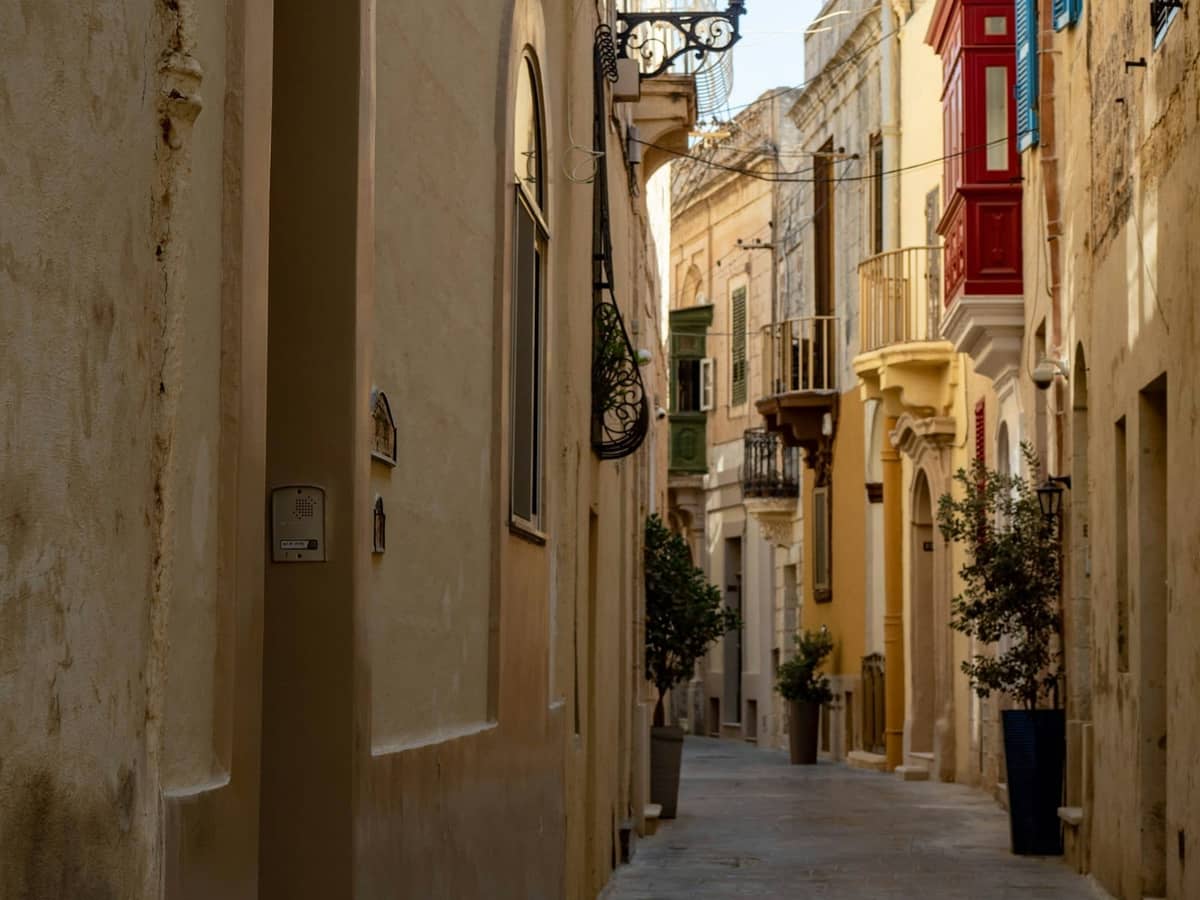
Gozo is the second-largest island in the Maltese archipelago, measuring roughly 8 miles by 4 miles with a population of around 30,000 people. It shares the same Baroque churches, limestone palette, and crystalline water as its larger neighbour, but the pace here is noticeably different. Villages still close for the afternoon. Farmers sell produce from roadside stalls. There is no Paceville, no Strip, and very little of the resort-town energy that defines Sliema or St Julian's.
That contrast is the draw. Visitors who come to Gozo specifically for that quieter atmosphere tend to extend their stay. Those who arrive expecting a condensed version of Malta's main island highlights often feel underwhelmed after a single afternoon. The island rewards patience: the light in late afternoon across the terraced fields near Xagħra, the silence inside the Cittadella at 8am before the coaches arrive, the water temperature at Ramla Bay in early October when the summer crowds have cleared.
ℹ️ Good to know
Gozo is officially part of the Gozo and Comino region, one of Malta's six administrative regions. Its largest town is Victoria (also known by its traditional name, Rabat), which serves as the island's commercial and cultural centre.
Getting to Gozo: The Ferry and Your Options
The standard route is the Gozo Channel Line ferry, which runs between Ċirkewwa on Malta's north coast and Mġarr harbour on Gozo. Crossings take approximately 25 minutes and run frequently throughout the day and night, roughly every 45 minutes during peak hours. Foot passenger fares are around €4.65 one-way; the return is included in the Malta-to-Gozo ticket, so you only pay going one way if you're returning the same day. Taking a car across costs significantly more and requires booking in advance during summer.
To reach Ċirkewwa from Valletta or Sliema, you can take Malta Public Transport bus routes (the 222 from Valletta is the most direct option), hire a car, or book a transfer. Journey time from Valletta to the ferry terminal is around 45–60 minutes depending on traffic. If you'd rather skip the logistics entirely, organised day trips from Malta include ferry crossings and transport around Gozo in one package — practical if you're visiting for a single day.
💡 Local tip
Travel to Gozo on a weekday in summer if you're taking a car. Weekend ferry queues at Ċirkewwa can stretch back significantly, and waiting times of 1–2 hours are not unusual in July and August. Foot passengers almost never face delays.
The Best Things to Do in Gozo
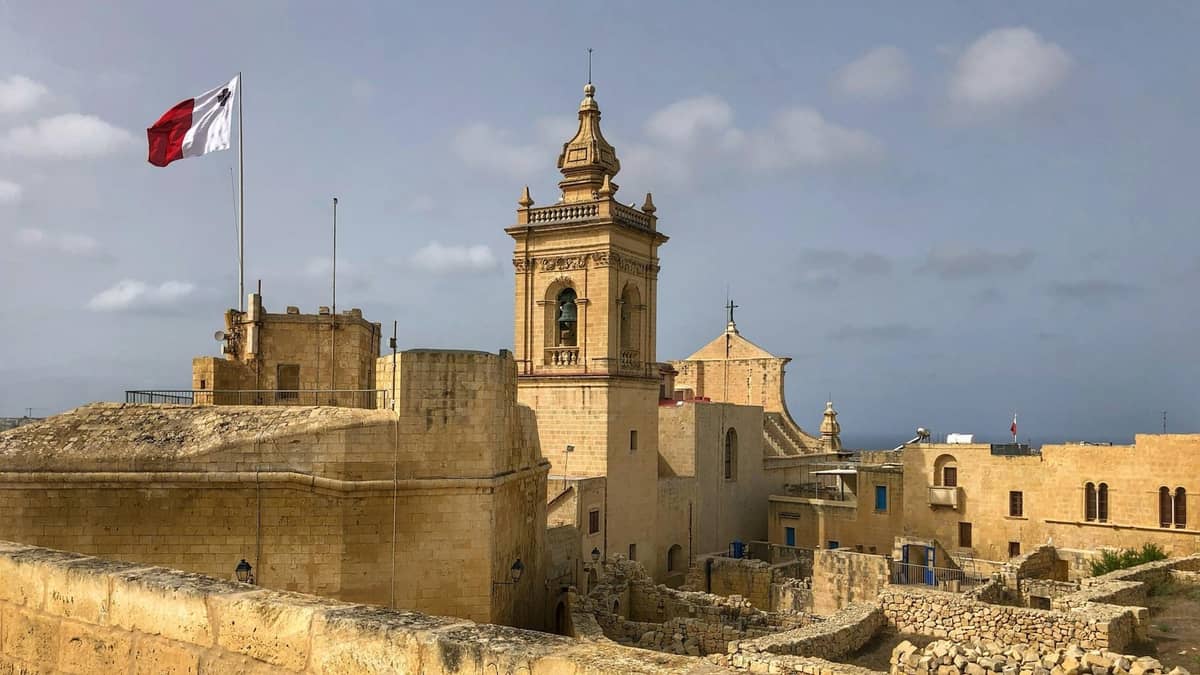
The Cittadella in Victoria is the non-negotiable starting point. This restored medieval fortress sits on a hilltop at the centre of the island and has been fortified since antiquity. Inside the walls you'll find a cathedral, several small museums, a network of WWII-era tunnels, and some of the best panoramic views in the Maltese archipelago. Arrive early — by 9am the interior is largely to yourself. The Cittadella in Victoria is well worth two to three hours, not the forty-five minutes most day-trippers allow.
A few kilometres east, the village of Xagħra is home to the Ġgantija Temples, a pair of Neolithic structures dating to around 3600–3200 BCE. That makes them older than Stonehenge and among the oldest free-standing buildings on earth. Entry costs around €10, with combo tickets available through Heritage Malta that also cover other archaeological sites on the main island. The site is compact but genuinely extraordinary — the megalithic stones used in construction are some of the largest in prehistoric architecture anywhere in the world.
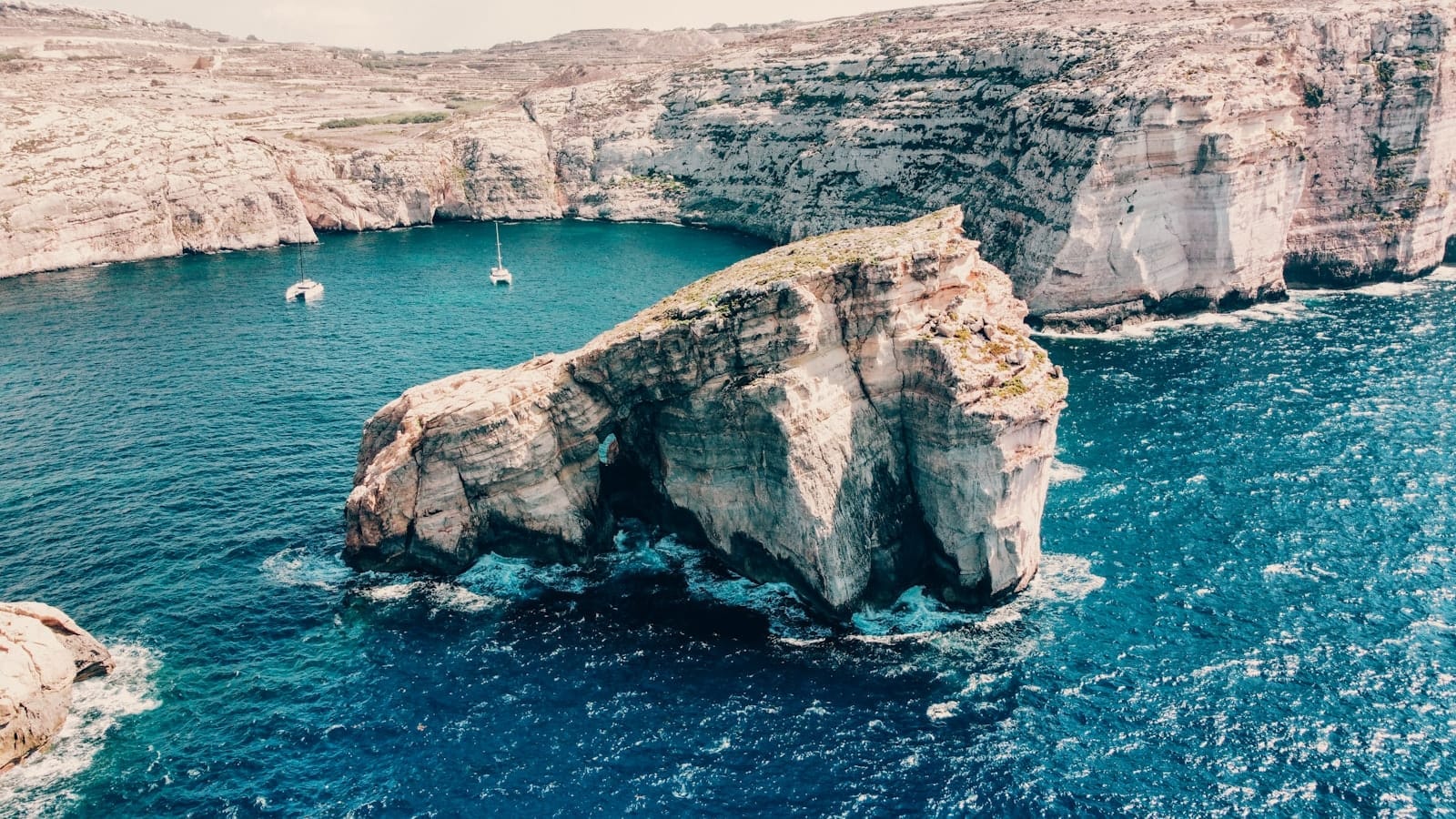
Dwejra on the west coast deserves honest framing. The Azure Window, which made this bay famous, collapsed into the sea in March 2017. The loss was real. But the area around Dwejra — the Inland Sea, the Blue Hole, the dramatic cliff formations — remains among the most striking coastal scenery on Gozo. Short boat trips through the Inland Sea tunnel into open water cost around €4–€5 and run frequently in summer. For divers, the Blue Hole at Dwejra is considered one of the best dive sites in the Mediterranean. See the Dwejra Blue Hole listing for more detail on conditions and access.
- Ramla Bay Gozo's largest and most distinctive beach, with reddish-orange sand rather than the white or grey of Malta's northern beaches. Calm water and a shallow approach make it good for families. Gets busy in July and August.
- Xlendi Bay A narrow inlet on the south coast surrounded by cliffs, with a small fishing village at its base. Good for snorkelling around the rocky edges. Less crowded than Ramla but the beach itself is small.
- Wied il-Għasri A narrow sea gorge on the north coast that opens to a tiny shingle beach. One of the more atmospheric spots on the island — and genuinely difficult to find without a good map.
- Salt Pans of Xwejni Ancient salt pans carved into the rock near Marsalforn on the north coast. Still in use today. Visually striking, especially in morning light, and completely free to visit.
- Ta' Pinu Basilica A striking neo-Romanesque basilica near Għarb with a remarkable interior and an unusual history rooted in a reported apparition in 1883. Worth a short stop even for non-religious visitors.
Walkers should note that Gozo has a 47-mile Coastal Path that circumnavigates the entire island. It can be broken into day sections or shorter loops. The Sanap Cliffs on the south coast offer some of the most dramatic scenery on the route, with drops straight into deep blue water and almost no tourist infrastructure around them.
How Long to Stay and When to Visit
A single day in Gozo is enough to see two or three things at pace. It is not enough to understand the island. Most people who visit Gozo as a day trip from Malta come away thinking they saw it — most people who stay overnight come away wishing they had stayed longer. Two nights is a comfortable minimum for covering the Cittadella, the temples, a beach, and Dwejra without feeling rushed. Three to four nights is better if you plan to hike sections of the coastal path or dive.
Timing matters. June through August brings reliable sunshine and warm water (around 26–28°C at peak), but the beaches at Ramla Bay and Xlendi fill up, and the ferry crossings are busier. April, May, September, and October are the strongest months: temperatures sit between 20°C and 28°C, the water is still swimmable, rainfall is low, and the island operates at a noticeably calmer pace. This aligns with the broader advice in any Malta travel guide on timing — shoulder season tends to outperform summer for most types of travel.
Winter visits (December through February) are not for everyone. Temperatures drop to 12–16°C, rain is possible, and some smaller guesthouses and restaurants close or reduce hours. But the island has its own character in winter: village feast days, quiet coastlines, and none of the summer crowds. Divers in particular find winter conditions workable in sheltered sites.
⚠️ What to skip
Gozo's village feast days (festas) can affect transport and accommodation availability. Check local calendars before booking if you're visiting between June and September — some roads near village centres close completely, and ferry demand spikes on festa weekends.
Getting Around Gozo
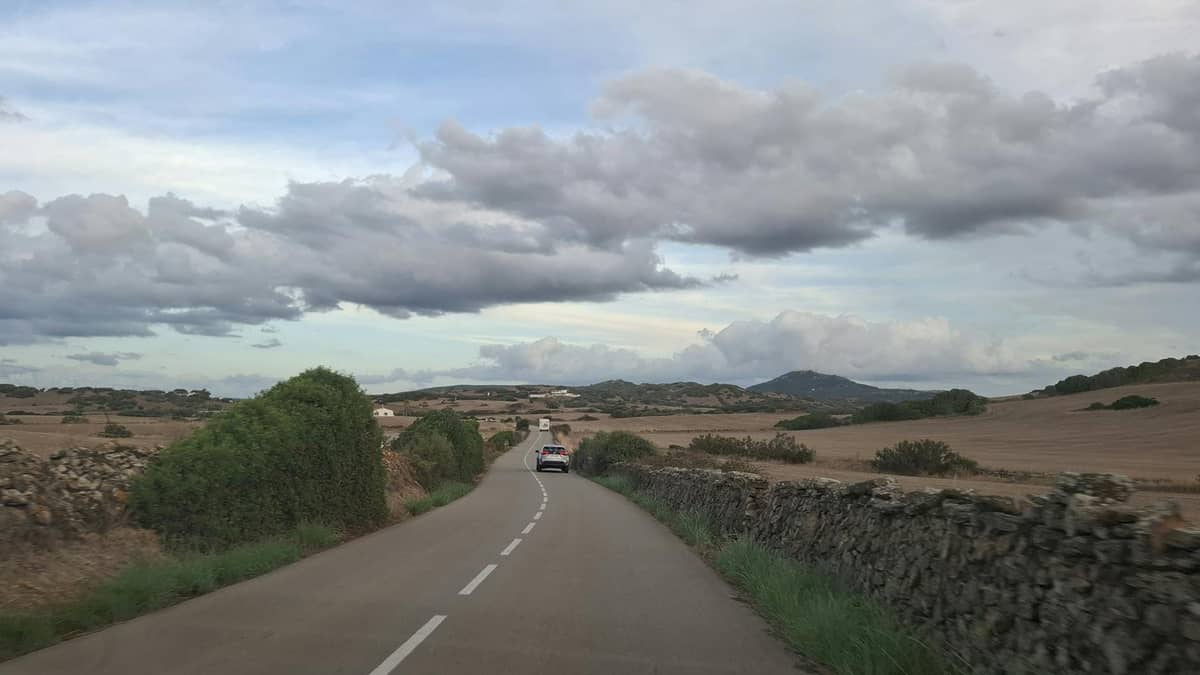
Gozo has a public bus network operated by Malta Public Transport, but routes are limited and schedules are infrequent compared to the main island. For a day trip covering multiple sites, a rental car or scooter is significantly more practical. Car hire is available at Mġarr harbour and in Victoria; rates are generally lower than on Malta. Alternatively, shared minibus tours from the ferry terminal offer pre-set routes around the island's main attractions — not particularly flexible, but convenient for solo travellers without a licence.
Taxis and ride-hailing apps (Bolt and Uber operate in Malta and extend to Gozo) are available but expensive for covering multiple stops in a day. If you're staying two or more nights and want freedom, renting a car for one or two days and using buses or taxis for shorter movements works well in practice.
Practical Information for Visiting Gozo
Gozo uses the Euro (EUR), and most restaurants, shops, and attractions accept cards. English is an official language in Malta and Gozo, so communication is straightforward for English-speaking visitors. The island follows Central European Time (UTC+1 in winter, UTC+2 in summer). For general safety and practical Malta-wide advice, the Malta safety and travel tips guide covers the essentials including emergency numbers, health care access, and local customs.
- Dress modestly when entering churches — cover shoulders and knees. This applies to the Cittadella cathedral and Ta' Pinu Basilica.
- Tap water is safe to drink throughout Gozo, though many locals prefer bottled water for taste reasons.
- Tipping is not compulsory but 5–10% is appreciated in restaurants where service is not already included.
- Electricity uses Type G plugs (UK-style, 230V) — bring an adapter if travelling from continental Europe or North America.
- Mobile coverage is generally good, including on the ferry crossing. Most EU roaming rules apply for European visitors.
- Ġgantija Temples and other Heritage Malta sites benefit from combo tickets if you're also visiting sites on the main island — check heritagemalta.org before buying individual tickets.
If Gozo is part of a longer Malta trip, consider pairing it with a stop on Comino for the Blue Lagoon — though be aware that Comino's famous lagoon is extremely crowded in peak summer. Some operators run combined Gozo and Comino boat excursions that let you tick both in a single long day, departing from Sliema or Valletta.
FAQ
How do you get from Malta to Gozo?
Take the Gozo Channel Line ferry from Ċirkewwa on Malta's north coast to Mġarr on Gozo. The crossing takes approximately 25 minutes and ferries run roughly every 45 minutes. Foot passenger tickets cost around €4.65–€9.50 one-way. To reach Ċirkewwa from Valletta, take bus route 222 (around 45–60 minutes) or hire a car or transfer.
Is Gozo worth visiting, or is it just a day trip from Malta?
Gozo is worth more than a day trip if you have the time. A single day allows you to visit two or three sites at pace, but the island's appeal — slower pace, rural scenery, quality diving, coastal hiking — is better appreciated over two or more nights. Day trips are fine for a quick taste, but most people who stay overnight wish they had planned longer.
What happened to the Azure Window in Gozo?
The Azure Window, a famous limestone arch at Dwejra on the west coast of Gozo, collapsed into the sea in March 2017 during a storm. The site at Dwejra — including the Inland Sea, the Blue Hole, and the surrounding cliffs — is still one of the most scenic areas on the island and remains a top destination for divers and boat trips.
What is the best time of year to visit Gozo?
April to June and September to October offer the best combination of warm weather (20–28°C), swimmable sea temperatures, lower rainfall, and fewer crowds than peak summer. July and August are reliable for sunshine but the most popular beaches get busy and the ferry sees higher demand. Winter visits (December–February) suit divers and hikers but some facilities reduce hours.
Do I need a car to get around Gozo?
A car makes getting around Gozo significantly easier, especially if you want to cover multiple sites in a day. Public buses exist but are infrequent on many routes. Car hire is available at Mġarr harbour and in Victoria. Alternatively, shared minibus tours from the ferry terminal cover the main attractions — less flexible but practical for a single-day visit without a vehicle.