Is Malta Safe? An Honest Safety Guide for Travelers
Malta consistently ranks among the world's top 10 countries for personal safety, but that doesn't mean risks don't exist. This guide covers crime statistics, common scams, road dangers, beach hazards, and neighborhood-by-neighborhood safety so you can visit with confidence.
Plan and book this trip
Tools from our partner Travelpayouts help you compare flights and hotels. If you book through them, we may earn a commission at no extra cost to you.
Flights
Hotels map
TL;DR
- Malta is extremely safe by global and European standards, ranking around 10th in personal safety according to the World Justice Project, ahead of Germany, Spain, France, and Italy.
- Violent crime is rare. The main risks for tourists are petty theft (pickpocketing, bag-snatching) in crowded areas like Valletta, Sliema, and Paceville.
- Roads are the most underrated danger: left-hand driving, narrow lanes, and aggressive local drivers cause frequent accidents, especially for rental car tourists. Read our guide on getting around Malta before renting a vehicle.
- Emergency number is 112 (free from any phone). Tap water is safe to drink. English is an official language, so communication is never a barrier.
- Summer sun and cliff edges are genuinely hazardous. SPF 50+, beach flag awareness, and staying on marked cliff paths are non-negotiable.
How Safe Is Malta? The Real Numbers
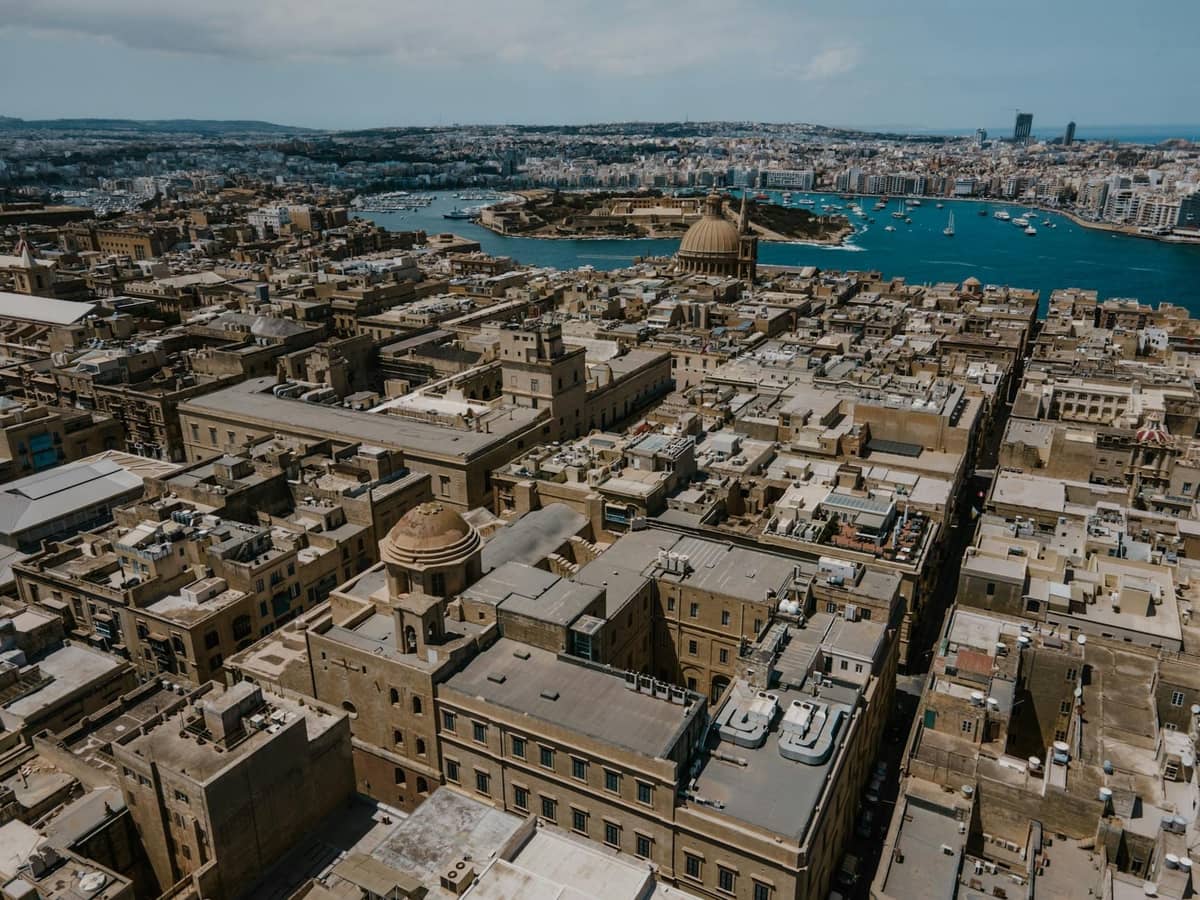
Is Malta safe? By any objective measure, yes. The World Justice Project places Malta 12th globally for order and security, ahead of most Western European nations including Germany (21st), Spain (35th), France (49th), and Italy (64th). For context: roughly 3.5 million tourists visit Malta each year against a resident population of 563,433, and the country recorded just 4 homicides in 2024. That ratio is extraordinarily low.
The 2024 crime data from Malta's police shows 2,225 incidents of violence, 650 cases of pickpocketing, and 513 burglaries across the entire archipelago. These are not alarming figures for a country receiving millions of international visitors annually. Compare that to any major European capital and Malta looks quietly impressive. The EU ranks Malta among its lowest-crime member states, which is consistent year after year.
That said, numbers can obscure patterns. Crime is not evenly distributed. St. Julian's (San Ġiljan), Mosta, Floriana, Valletta, and Mdina each report crime rates 2 to 5 times the national average, largely driven by the concentration of tourists, nightlife, and commercial activity. Being aware of where you are matters more than national averages suggest.
ℹ️ Good to know
Malta uses the euro (EUR), drives on the left, and uses UK-style Type G electrical plugs (230V). English is an official language alongside Maltese, so navigating any situation including reporting an incident to police is straightforward for English speakers.
Petty Theft: Where and How It Happens
Pickpocketing and bag-snatching are the most common crimes affecting tourists in Malta. They follow predictable patterns: crowded public spaces, distraction techniques, and opportunistic grabs in nightlife areas. Knowing the hotspots is the most effective prevention.
- Valletta's main streets and markets Republic Street and Merchants Street attract dense foot traffic, especially during festivals and lunchtime. Keep bags zipped and in front of you.
- Sliema and St. Julian's promenades Busy with tourists year-round. Bag-snatching from café chairs is reported. Don't leave phones or wallets on tables.
- Paceville nightclub strip The highest-risk area in Malta at night. Crowded clubs, alcohol, and poor lighting create ideal conditions for pickpockets. Use a money belt or leave valuables at your hotel.
- Public buses Malta Public Transport buses get very crowded in summer, especially on routes to popular beaches. Front-zip bags and body-worn pouches are the most effective deterrent.
- ATMs and car parks Card skimming has been reported at standalone ATMs. Use bank-branded machines where possible, and never leave valuables visible in a parked rental car.
- Marsaxlokk Sunday market The fish market draws large crowds and is a known pickpocketing location. Keep aware of your surroundings while browsing stalls.
⚠️ What to skip
Never leave a bag unattended on a beach, even for a short swim. Opportunistic theft from beach bags is common at popular spots like Mellieha Bay and Golden Bay during peak summer months (July-August).
Road Safety: Malta's Most Underrated Hazard
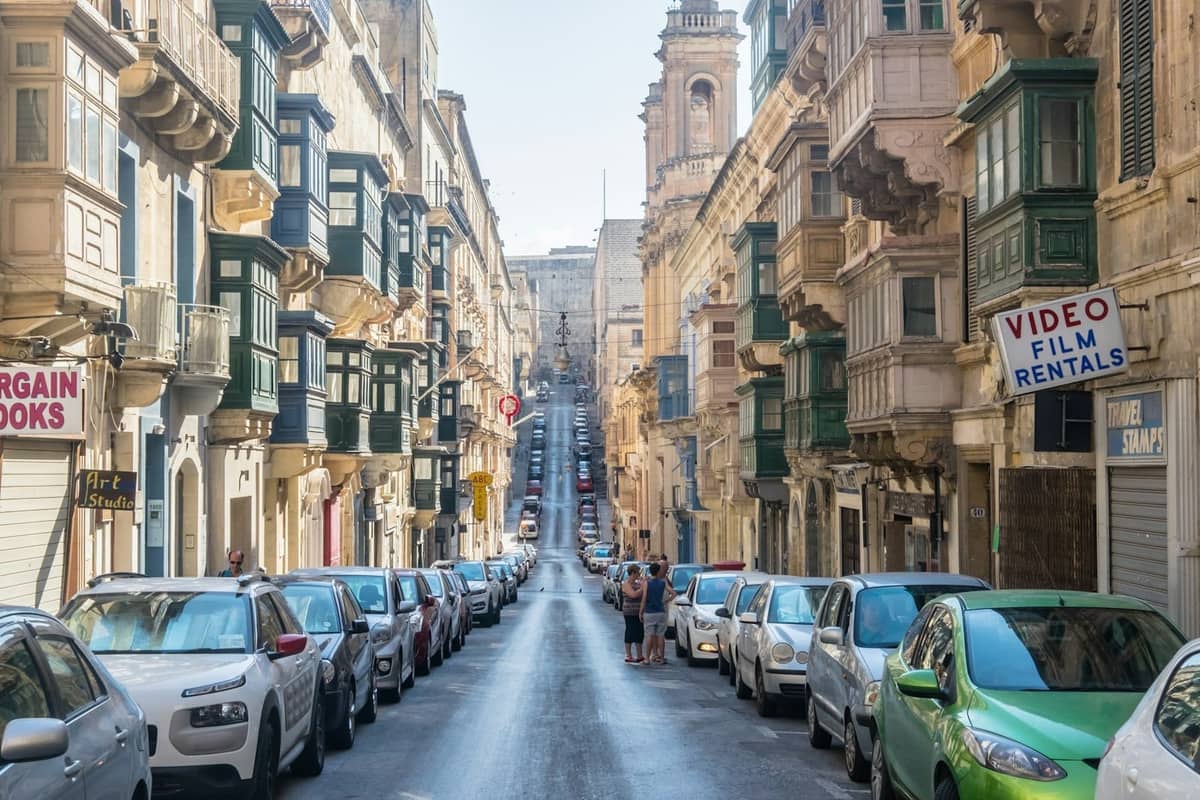
Malta drives on the left, British-style. For visitors from continental Europe and North America, this alone takes adjustment. The roads compound the challenge: many are narrow, poorly signposted, and in worse condition than you'd expect from an EU country. Local driving can be aggressive, with frequent lane-switching and close tailgating. Rental car minor accidents are extremely common, particularly on rural roads in Gozo. The honest recommendation: use Malta Public Transport buses or book through reliable transport options rather than renting a car unless you have extensive left-hand driving experience.
Scooter and motorbike rentals are especially risky. Road surfaces can be slippery from heat and dust in summer, and the combination of narrow lanes and tourist inexperience leads to a disproportionate number of accidents. If you do rent a vehicle, take out the maximum insurance coverage available and photograph every pre-existing scratch before you drive away.
✨ Pro tip
Malta International Airport (MLA) is about 8 km from Valletta city centre. The X1 and X4 bus lines run to Valletta for around €2 and take 40-60 minutes. A metered taxi costs €20-30 and takes 20-30 minutes. Shuttle services run €10-15. The bus is perfectly safe and saves money — skip the unlicensed 'taxi touts' who approach arrivals in the terminal.
Beach and Outdoor Safety
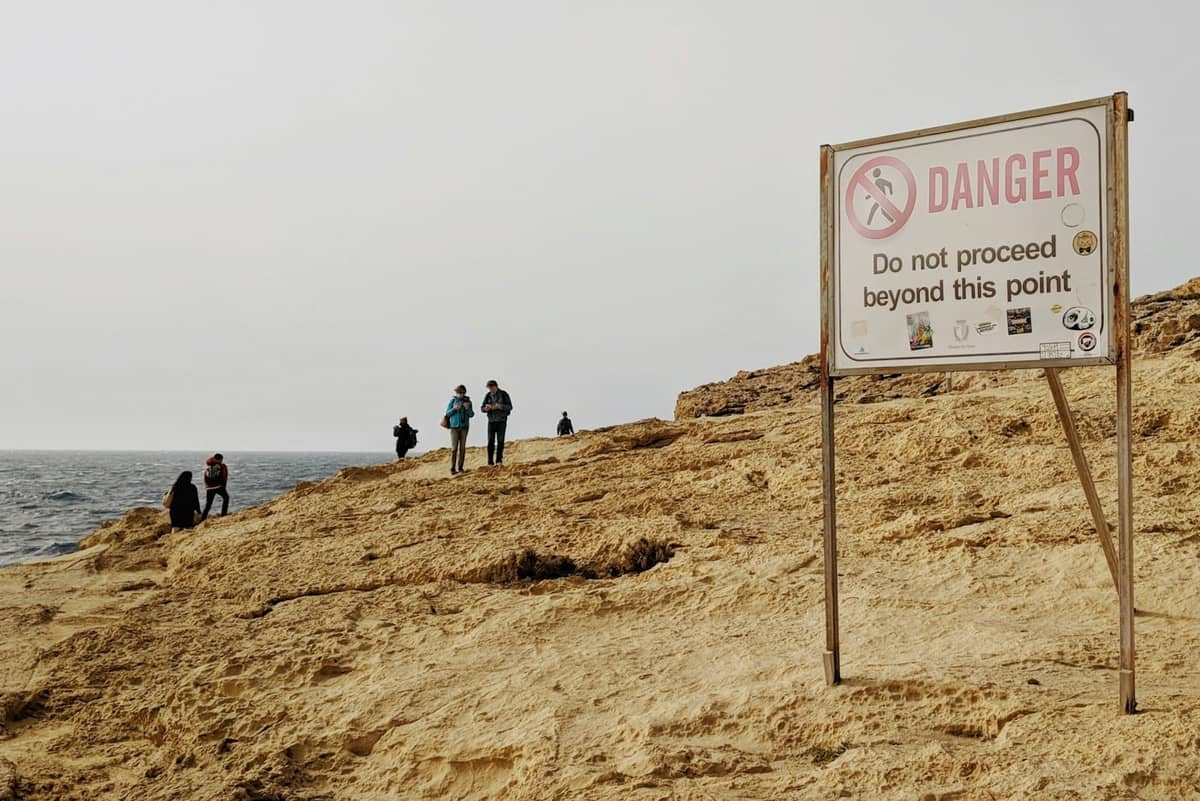
Malta's coastline is genuinely beautiful, but it demands respect. Supervised beaches operate a flag system during summer months: green means safe swimming, yellow means caution, and red means do not enter the water. Flags are not decorative. The Mediterranean can generate strong undercurrents, particularly on the northwest coast, and these are responsible for more drownings than any other hazard. For the best family-friendly beaches with lifeguard supervision, see the guide to the best beaches in Malta.
Jellyfish blooms occur intermittently, typically in late summer (August-September), and can cause painful stings. Local beach authorities usually post warnings, but checking with the Malta Tourism Authority's beach code before heading out is worthwhile. For cliff areas like Dingli Cliffs or the coastal paths around Gozo, stay on marked trails. Cliff edges are unstable in places, and falls have occurred. This is not a dramatic warning, just a practical one: the views are worth seeing, and they're best seen from a safe distance from the edge.
Sun protection is genuinely critical from May through September. Malta receives over 12 hours of direct sun daily in peak summer, with temperatures regularly reaching 32°C and limited natural shade along coastal paths. SPF 50+ sunscreen, a hat, and hydration are basics, not optional extras. Heat exhaustion affects more tourists in Malta than most visitors anticipate before arriving.
Common Tourist Scams in Malta
Malta is not a high-scam destination by Mediterranean standards, but a few recurring situations catch tourists off guard. Understanding them in advance takes away their power entirely.
- Airport and harbour taxi touts Unlicensed drivers approach tourists at Malta International Airport and the Valletta ferry terminal offering rides. Always use the official metered taxi rank or pre-booked Bolt/Uber. Legitimate metered fares to Valletta centre should be €20-30.
- Overpriced restaurant menus near attractions Restaurants immediately adjacent to St. John's Co-Cathedral and the Upper Barrakka Gardens in Valletta often charge significantly above average. Walk one or two streets inland for the same food at better prices.
- Boat trip inflated pricing Informal boat trips to the Blue Lagoon on Comino can involve unclear pricing structures. Book through established operators with published rates to avoid disputes on the water.
- Rental car pre-existing damage disputes Not a scam per se, but rental companies have been known to claim damage costs for pre-existing scratches. Photograph every angle of the vehicle before driving and keep photos timestamped.
- Souvenir shops selling 'local' products Items labelled as Maltese-made (lace, glassware, filigree) are sometimes imported. Buy from official craft shops or markets in Valletta and Gozo for genuinely local products.
Neighborhood Safety Breakdown
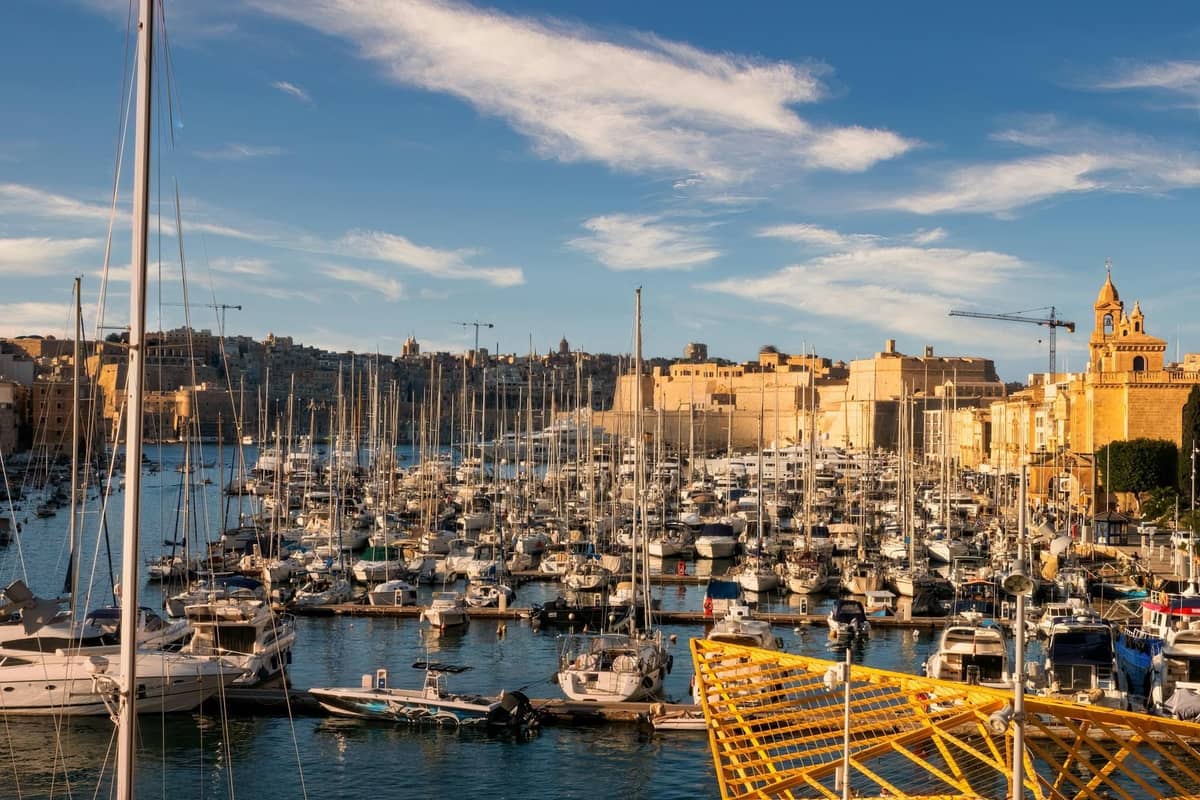
Valletta is safe to walk at most hours, but pickpocketing increases significantly during peak festival periods like Carnival (February) and the Malta International Arts Festival. The Three Cities across the Grand Harbour are quieter and generally safer feeling than Valletta's tourist core. The Three Cities are worth the short ferry ride and see a fraction of the tourist footfall.
Sliema and St. Julian's are comfortable during the day but require more awareness after dark, particularly around the Paceville nightlife district. This is Malta's main party area: it gets very crowded on weekends, alcohol-fuelled incidents happen, and pickpocketing is concentrated here more than anywhere else on the island. Travelling in groups and keeping valuables secured makes a significant difference.
Mdina, the ancient walled city, is extremely quiet after the tour groups leave by late afternoon, which makes solo walks genuinely peaceful but also isolated. The surrounding area of Rabat is a normal residential town with no particular safety concerns. Gozo overall is calmer and less touristy than Malta's main island, with lower crime rates across the board. If you want a relaxed, low-stress base, Gozo delivers that consistently.
💡 Local tip
Malta's emergency number is 112, free from any phone including foreign SIMs. English is an official language, so speaking to police or emergency services is straightforward. The country dialing code is +356 if you need to call local services from abroad.
Practical Safety Essentials Before You Go
Travel insurance is strongly recommended, particularly for water sports, boat trips, and car hire. EU citizens with a European Health Insurance Card (EHIC) have access to Malta's public healthcare system, but it does not cover everything. Non-EU travelers should carry comprehensive medical and evacuation cover. For trip inspiration that factors in safety considerations alongside experiences, a 7-day Malta itinerary can help you plan a well-structured, low-stress visit.
- Carry a photocopy of your passport rather than the original when sightseeing
- Use hotel safes for passports, extra cash, and spare cards
- Tap water is safe to drink throughout Malta — no need to buy bottled water constantly
- Electricity: Type G plugs (UK-style), 230V — bring an adapter if coming from continental Europe or North America
- Dress modestly when visiting churches: covered shoulders and knees are required at most religious sites, including St. John's Co-Cathedral in Valletta
- Bolt and Uber both operate in Malta and are generally safer and cheaper than unmetered street taxis
- Drug laws are strict. Possession carries significant penalties including potential Schengen zone bans, fines, and imprisonment
FAQ
Is Malta safe for solo female travelers?
Yes, Malta is generally considered safe for solo female travelers. Harassment is infrequent compared to many European destinations, though the usual nightlife precautions apply in Paceville and around St. Julian's after midnight. Walking alone in Valletta or Sliema during the day and early evening is comfortable and unremarkable. Standard solo travel awareness applies: stay in well-lit areas at night, share your location with someone you trust, and avoid accepting drinks from strangers in clubs.
Is Malta safe for families with children?
Malta is an excellent destination for families. The main considerations are sun protection (intense from May-September), beach flag compliance, and road safety if renting a car. Many beaches have gentle entry points suitable for children. Emergency services are accessible and English-speaking throughout. For ideas on keeping kids engaged, the Malta National Aquarium and Popeye Village are popular with younger visitors.
What areas of Malta should tourists avoid?
There are no areas in Malta that travelers need to avoid entirely. However, exercising more caution is sensible in Paceville at night (pickpocketing and alcohol-related incidents), around busy ATMs in tourist zones (card skimming risk), and on isolated cliff paths after dark. The areas with above-average crime rates — St. Julian's, Mosta, Floriana, Valletta, and Mdina — are all mainstream tourist destinations that millions visit safely each year.
Is the water safe to drink in Malta?
Yes, tap water in Malta is officially safe to drink and meets EU standards. It is treated and desalinated seawater, so some visitors notice a slightly different taste compared to mainland European tap water. Bottled water is widely available if you prefer it, but there's no health reason to avoid the tap.
Do I need travel insurance for Malta?
Travel insurance is strongly recommended, not legally required. EU citizens with an EHIC card can access Malta's public health system, but private treatment, emergency repatriation, trip cancellation, and activity-specific coverage (diving, water sports, car hire excess) require a separate policy. Non-EU travelers should treat comprehensive travel insurance as essential. Malta's healthcare is generally good, but costs for non-covered treatment can be significant.