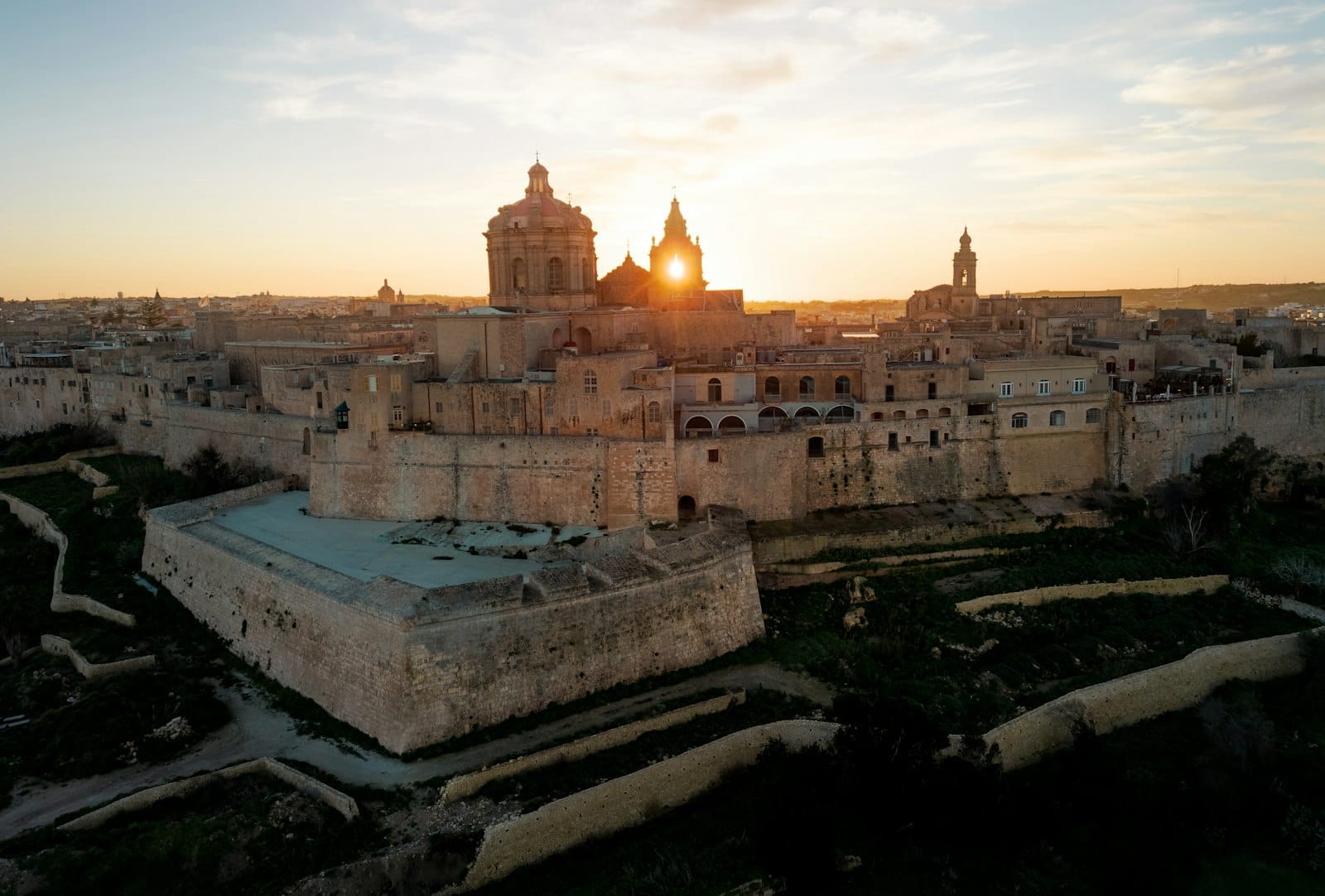
Mdina is Malta's ancient fortified capital, a walled city of fewer than 300 residents perched on a hilltop in the island's center-west. Known as the Silent City, its car-free limestone lanes, Baroque palaces, and cathedral square feel removed from the modern world entirely.
Mdina earns its nickname, the Silent City, honestly. With a permanent population of around 250 people and motor vehicles banned from most of its streets, this 0.05-square-kilometer fortress city feels less like a tourist attraction and more like a place that simply stopped in time. What makes it distinct is the contrast: step through the Mdina Gate and the noise, heat, and pace of the rest of Malta disappear almost immediately.
Orientation
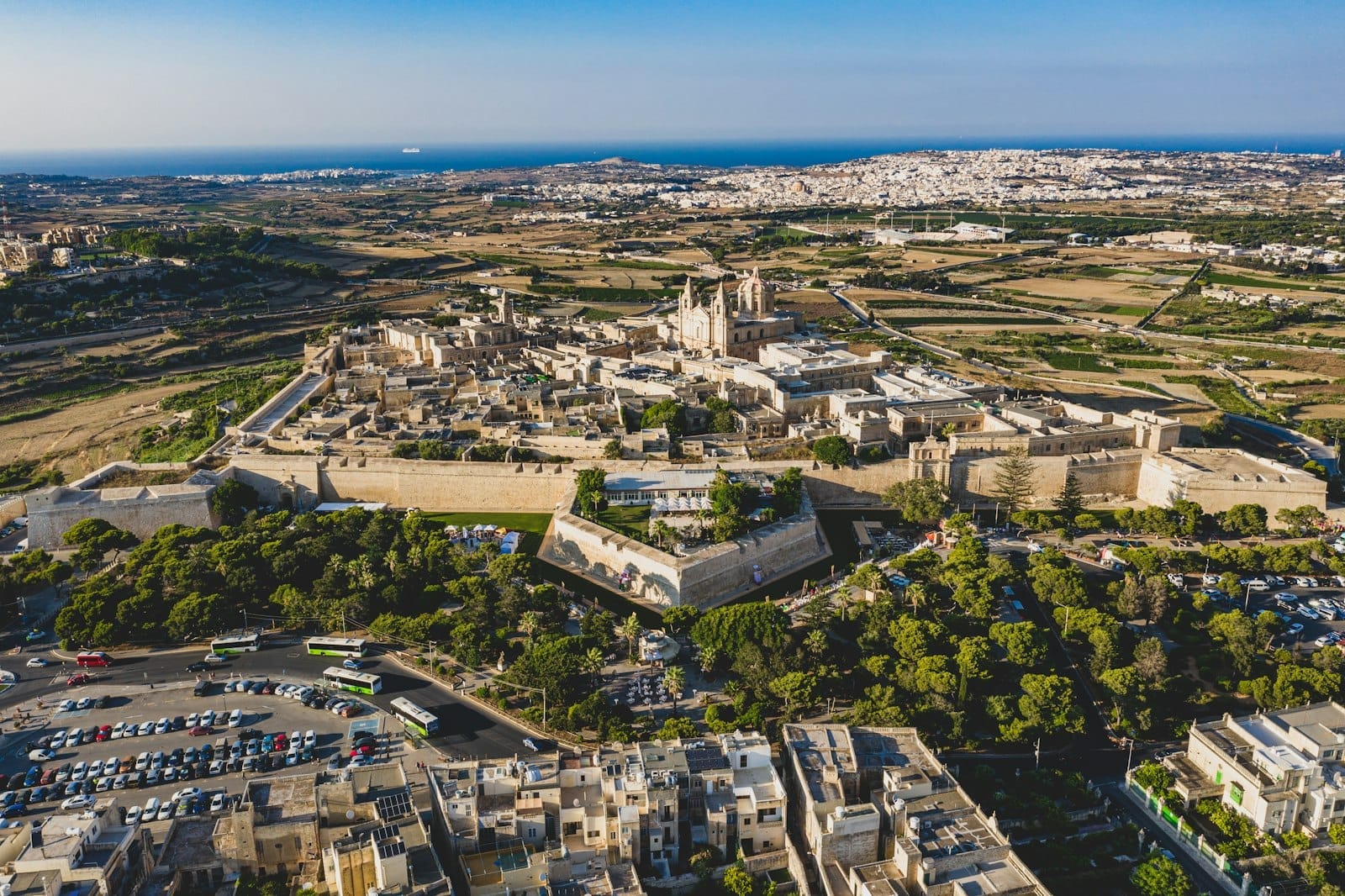
Mdina sits on a limestone plateau in Malta's Western Region, roughly in the geographic center of the main island. At 35°53′N, 14°24′E, it commands a ridge position roughly 12 kilometers west of Valletta by road, giving it sweeping views across Malta in almost every direction. The city itself is tiny, under 0.05 square kilometers, entirely enclosed within its medieval and later Baroque-era fortifications.
The main entrance is the Mdina Gate, also called Vilhena Gate, a Baroque structure built in 1724 that faces the adjacent town of Rabat. These two places are technically separate municipalities, but they share the same bus terminus and are separated only by the fortification walls. Visitors almost always arrive through Rabat first, either on foot from the bus stop or by car to the parking area just outside the gate. A secondary entrance, the Greeks Gate, sits on the northeastern side of the walls and is used far less often.
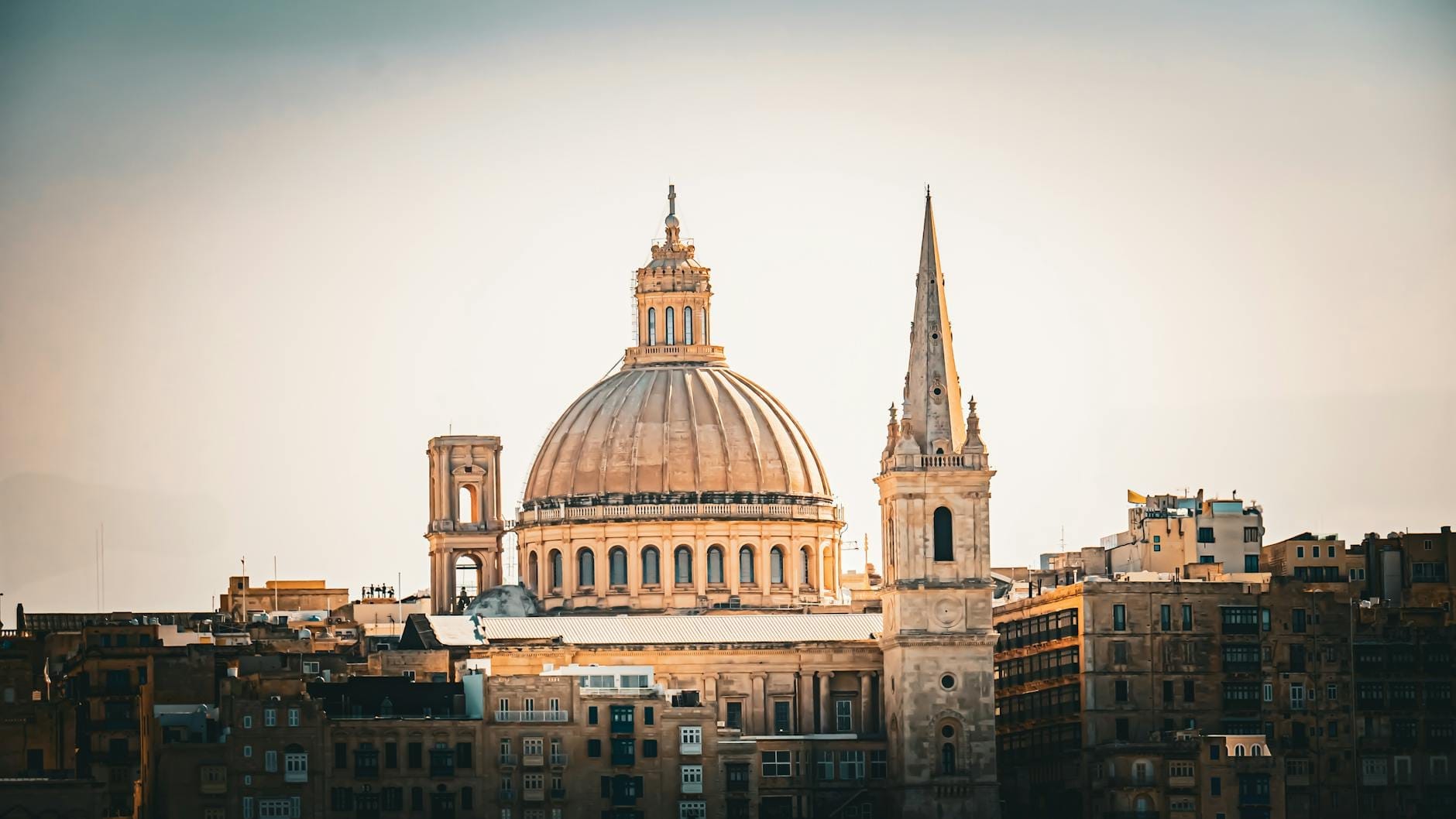
From Mdina, you can see Valletta's skyline on a clear day, and the Three Cities beyond it. The hilltop position also makes it easy to orient yourself with the rest of Malta. Walking south from the Mdina Gate into Rabat, you reach Rabat within minutes, a town with its own considerable depth in terms of catacombs and local life. Mdina is not a place you pass through on the way to somewhere else. It is a deliberate destination.
Character & Atmosphere
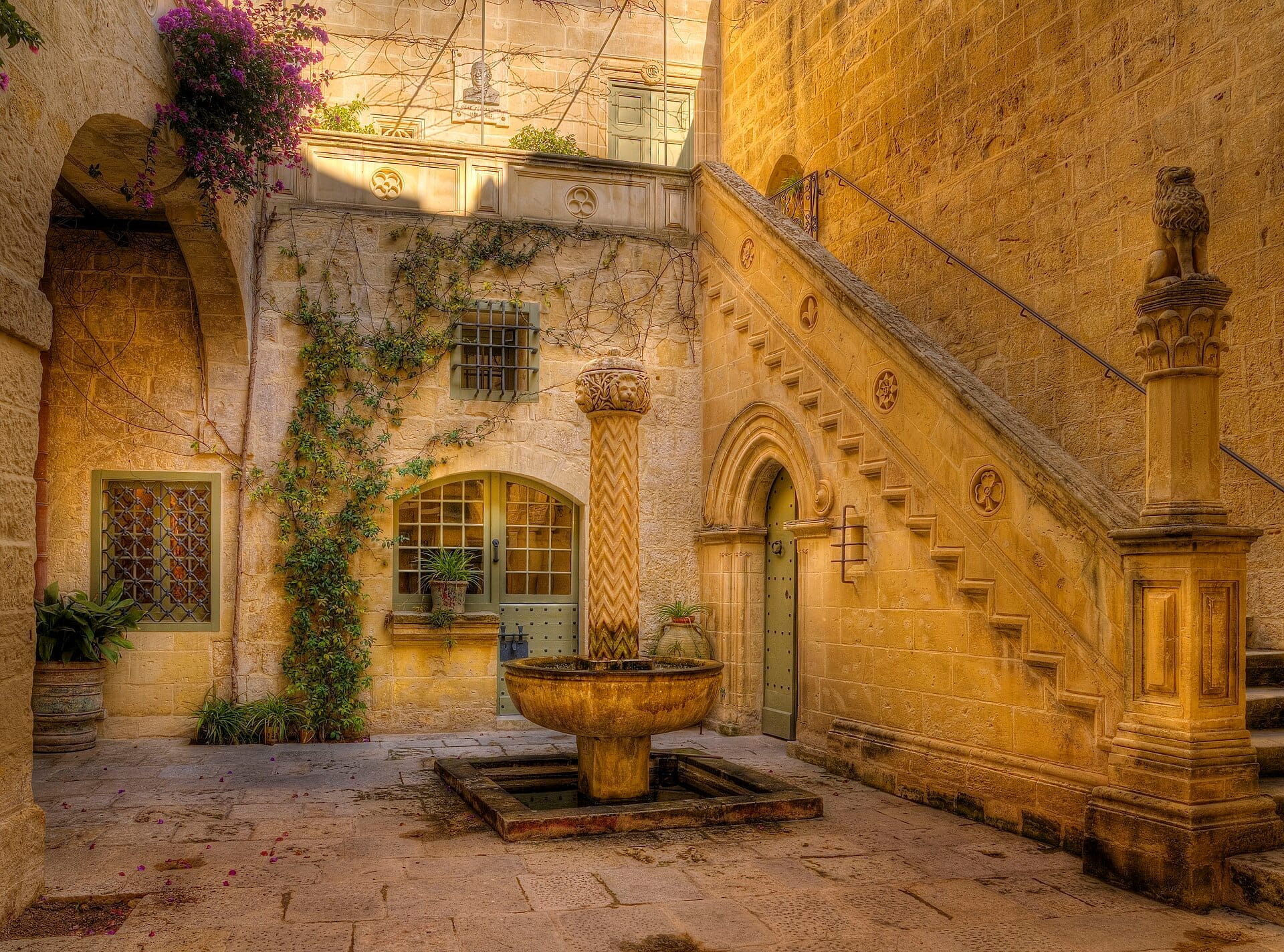
The difference between Mdina at 7am and Mdina at noon is significant enough that they almost feel like different places. Early morning, the light comes across the pale limestone in warm amber tones, the streets are nearly empty, and the only sounds are distant church bells and the occasional creak of a wooden shutter. Cats patrol the alleyways without urgency. The narrow streets, some barely wide enough for two people walking abreast, run between walls that are three, four, sometimes five stories high, which keeps them cool and shadowed even in summer.
By mid-morning, tour groups begin arriving, especially in the warmer months between April and October. The main throughfare from Mdina Gate toward St. Paul's Cathedral fills up. Guided horse-drawn karozzin carriages clatter across the stone streets. The central square in front of the cathedral becomes a focal point. At peak times, the volume of visitors creates a strange paradox: Mdina is called the Silent City but on a summer Tuesday morning it can feel thoroughly unsilent.
💡 Local tip
To experience Mdina the way residents do, arrive before 9am or after 5pm. The tour groups thin dramatically, the light is better for photography, and the streets return to something close to their natural quietude.
Afternoons in summer are genuinely hot. The stone streets retain heat, and the lack of shade on the wider sections of the main route makes the midday hours uncomfortable. The population of roughly 250 permanent residents means you might spot a resident crossing a courtyard, a delivery being made, or laundry strung between windows, which gives the place a quality most historic sites lack: it is still, quietly, lived in.
After dark, Mdina transforms again. Most day-trippers leave by early evening, and the floodlit limestone walls glow amber against the night sky. The interior streets become genuinely atmospheric, with near silence and the sense of walking through a city that has been here, mostly unchanged in layout, for over two thousand years. There are very few places to eat or drink after dark within the walls, so the evening calm is largely undisturbed.
What to See & Do
The cathedral is the natural starting point. St. Paul's Cathedral, Mdina stands on the site where tradition holds that the Roman governor Publius was converted to Christianity by St. Paul following his shipwreck on Malta in AD 60. The current Baroque structure replaced an earlier Norman cathedral destroyed in the 1693 earthquake. The interior holds a significant collection of Flemish tapestries and marble tombstones set into the floor, each one a piece of stone-carved history underfoot.
A few minutes' walk through the upper part of the city brings you to Palazzo Falson, a Norman-era palace that now operates as a museum of medieval and early modern decorative arts. The building has medieval origins, with the current structure dating primarily to the late 15th century, making it one of the oldest surviving secular buildings in Malta. Its collection includes arms, silverware, maps, and furniture that trace the successive cultures that controlled Malta. It is one of the more absorbing indoor experiences in Mdina, particularly in summer when the cooler interior is welcome.
The bastion walls themselves are an attraction that costs nothing. Walking the perimeter where accessible gives views across the island that explain immediately why this site was chosen as a capital: to the south you see the farmland plain toward Luqa and the airport, to the northwest the sea is visible on clear days, and to the northeast Valletta and its harbors are identifiable in the middle distance. The Bastion Square at the northwestern corner of the walls is the most popular viewpoint and is especially crowded at sunset.
Just outside the Mdina Gate, within a five-minute walk in Rabat, the St. Paul's Catacombs and the Domus Romana are among Malta's most significant archaeological sites. The catacombs are an extensive underground Christian burial network dating to the 3rd and 4th centuries AD, and the Domus Romana displays mosaic floors and artifacts from a Roman town house. Both are walkable from Mdina Gate and are worth combining into a half-day visit.
Mdina Gate (Vilhena Gate): the 1724 Baroque entrance arch, free to view
St. Paul's Cathedral: Baroque interior, marble floors, Flemish tapestries
Palazzo Falson: Norman palace turned decorative arts museum, entrance fee applies
Bastion Square viewpoint: panoramic views west and north, free
Greeks Gate: quieter secondary entrance with a view over the moat
Palazzo Santa Sofia: one of Malta's oldest surviving domestic buildings, exterior only
St. Paul's Catacombs (Rabat): underground burial complex, short walk from the gate
Domus Romana (Rabat): Roman-era mosaic floors and archaeological museum
ℹ️ Good to know
Mdina and its walls served as a filming location for the first season of Game of Thrones, where it stood in for King's Landing. The Mdina Gate and the main courtyard near the cathedral are the most recognizable spots for fans of the series.
Eating & Drinking
Options within Mdina's walls are limited by design, given the size and population. What does exist tends to be aimed squarely at tourists, with pricing to match. The café and restaurant options along the main street approaching the cathedral and around the square offer Maltese pastries, coffee, and sit-down meals in atmospheric settings. Expect to pay more here than in Valletta or Sliema for equivalent food. The setting is part of what you're paying for.
One category of local food worth seeking out is the pastizzi, flaky pastry parcels filled with ricotta or mushy peas that are Malta's most recognizable street snack. You will not find them fresh and cheap within Mdina's walls. For that, walk five minutes into Rabat where several bakeries and local cafes sell them at proper local prices, usually under one euro each. This is a consistent pattern: the more atmospheric the location inside the walls, the higher the markup.
Rabat immediately outside the gate has a more practical food scene serving residents as much as visitors, with cafes, bakeries, and small restaurants on the main streets. For a fuller picture of Maltese food, explore what to eat in Malta before you visit. Local specialties beyond pastizzi include bragioli (beef olives), fenkata (rabbit stew), and seasonal ftira sandwiches.
After dark, dining options inside the walls are sparse. There are a handful of restaurants that operate into the evening, some housed in historic palazzos with candelit interiors that make the setting memorable even when the menu is unremarkable. If a late dinner is the plan, Valletta or Rabat are more reliable options with a broader range of choices.
Getting There & Around
Malta has no passenger rail network. Public transport across the island runs entirely on buses, operated by Malta Public Transport. From Valletta, bus routes 51, 52, 53, 109, 202, X3, and N52 serve the Rabat bus terminus, which sits immediately adjacent to the Mdina Gate. The journey from Valletta takes roughly 30 to 40 minutes depending on traffic and route. Bus fares are fixed at €2 per trip (verify current fares at the Malta Public Transport website or getting around Malta guide). From Sliema or St. Julian's, you will typically change at Valletta or take a route that goes via Hamrun.
By car, Mdina is straightforward to reach via the main road from Valletta or from the island's central highway. Parking is available in a designated area just outside the Mdina Gate, operated on a pay-and-display basis. Vehicles are restricted inside the walls except for residents and authorized deliveries, so parking outside and entering on foot is the only practical option.
Taxis and ride-hailing apps including Bolt and Uber operate across Malta and can drop you at the Mdina Gate. From Valletta, expect a fare in the range of €12 to €20 depending on traffic and time of day. From the airport, the journey is around 15 to 20 minutes without heavy traffic.
Inside Mdina, everything is walkable. The entire walled city can be crossed on foot in under 15 minutes, though the narrow, uneven stone streets mean flat footwear is genuinely recommended rather than just a polite suggestion. Horse-drawn karozzin carriages are available for hire at the main gate for those who want a guided circuit, though the streets are narrow enough that walking gives far more freedom to explore the quieter corners.
⚠️ What to skip
The stone streets inside Mdina are uneven and can be slippery, especially after rain. Avoid heels entirely. In summer, the lack of shade on the main route between the gate and the cathedral makes midday visits genuinely uncomfortable, so bring water and sun protection.
Where to Stay
Accommodation options within Mdina's walls are extremely limited by the city's small size and resident population. A small number of boutique stays and guesthouses exist inside the fortifications, offering an experience that is genuinely unlike anything else in Malta. Staying inside the walls means access to Mdina after the day-trippers leave, which transforms the experience entirely. Rates reflect the exclusivity, and options book up well in advance.
Most visitors use Mdina as a half-day or full-day excursion from bases in Valletta, Sliema, or St. Julian's. For those prioritizing the Mdina experience, staying in Rabat immediately outside the walls offers easier access and a quieter base than the coastal towns. A full breakdown of accommodation options across Malta is available in the where to stay in Malta guide, which covers price ranges, neighborhood character, and what type of traveler each area suits.
If a morning visit to Mdina is planned, staying in Valletta and catching an early bus puts you at the gate before 9am without needing to overnight in the area. This is the approach most independent travelers take, and it works well for a focused half-day that combines Mdina with Rabat's catacombs before returning to the coast.
Practical Tips & Honest Drawbacks
Mdina's main weakness as a destination is the mid-morning crowd surge. In summer, large coach tour groups arrive between 9:30am and 12:30pm, and the main route from the gate to the cathedral can feel congested. The city is small enough that there is no real way to escape the crowds except by timing your visit. The quieter lanes off the main route, toward the Greeks Gate side, see significantly fewer people and give a better sense of the residential character.
Mdina is appropriate for most fitness levels but is not entirely flat. The streets slope and the stone surfaces require attention. Visitors with significant mobility limitations may find some sections challenging. For children, the history is more abstract, but the walls, the views, and the horse-drawn carriages tend to hold their interest. More advice on managing Malta with younger travelers is in the Malta with kids guide.
Dress codes apply inside the cathedral and any active churches: shoulders and knees should be covered. This is consistently enforced. Photography inside the cathedral may require a fee or may be restricted in certain areas; check on arrival. For those looking to explore Malta beyond Mdina, a Malta 3-day itinerary can help structure a visit that takes in the fortified cities, the prehistoric sites, and the coastline in a logical sequence.
Safety in Mdina presents no particular concerns. The city's low population and near-total absence of nighttime activity make street crime extremely unlikely. The same general common sense that applies across Malta applies here: watch your belongings in crowded spots near the main gate, particularly during peak hours. For broader context on safety across the island, the Malta safety tips guide covers the key points.
TL;DR
Mdina is Malta's ancient walled capital with a permanent population of around 250, making it one of Europe's smallest and quietest inhabited cities.
Best visited early morning or after 5pm to avoid peak tour group hours and experience the atmosphere the city is actually known for.
Combine with Rabat immediately outside the walls for St. Paul's Catacombs and the Domus Romana, both of which add significant historical depth to the visit.
Accommodation inside the walls is rare and expensive; most travelers visit as a half-day excursion from Valletta, Sliema, or St. Julian's via public bus.
Ideal for travelers who appreciate history, architecture, and atmosphere over nightlife or beach activities; less suited to those expecting comprehensive food and drink options or who want to stay only in coastal resorts.
Malta's megalithic temples are among the oldest free-standing stone structures on Earth, predating Stonehenge by over a thousand years. This guide covers every major site, practical logistics, seasonal advice, and the archaeological context that makes these temples worth the trip.
Malta's coastline is far more varied than the island's small size suggests. From the turquoise waters of Comino's Blue Lagoon to Gozo's red-sand Ramla Bay and Malta's dramatic rocky inlets, this guide covers every type of beach the archipelago has to offer — with candid notes on crowds, access, and the best times to go.
Malta is a year-round destination, but the timing of your trip changes everything. This guide breaks down every season honestly — weather, crowds, prices, and what's actually open — so you can choose the right month for your priorities.
For a country this small, Malta packs a remarkable density of dramatic scenery. These are the viewpoints that earn the detour, from clifftop sunsets and fortress panoramas to harbor vistas and Gozitan sea inlets.
Malta is small enough to explore fully in a week, but the islands around it reward dedicated day trips. From the prehistoric temples of Gozo to the sea caves of the Blue Grotto and the medieval streets of Mdina, these are the best excursions to take from Malta's main island.
Malta packs an extraordinary amount of history, scenery, and culture into a tiny island, and much of it costs nothing. From UNESCO-listed prehistoric temples to cliff-top walks, baroque city streets, and crystal-clear swimming coves, this guide covers the best free experiences across Malta, Gozo, and Comino.
Malta is small — just 316 sq km — but navigating it efficiently takes some planning. This guide covers every transport option available, from the Tallinja bus network to Gozo ferries, ride-hailing apps, and car rental, with straightforward takes on what works and what doesn't.
Gozo is smaller, quieter, and slower-paced than Malta — and that is exactly the point. This guide covers the ferry, the best things to do, where to focus your time, and why two days here beats a rushed day trip.
Malta rewards curious travelers who look beyond the postcard highlights. From sheltered limestone inlets and rock-cut swimming holes to ancient temples and baroque palaces lost in the countryside, these are the places where the real Malta reveals itself.
Malta packs prehistoric temples, Baroque cityscapes, clear-water diving, and surprisingly good food into just 316 square kilometres. But summer crowds, rocky beaches, and rising prices give some travellers pause. Here is a clear-eyed breakdown of what you get and what to watch out for.
The Knights of Malta left an indelible mark on this archipelago across more than two centuries of rule. This guide traces their history through the fortresses, cathedrals, and palaces they built, with practical advice on visiting each key site today.
Three days is enough to cover Malta's greatest hits if you plan smartly. This itinerary takes you through UNESCO-listed Valletta, the ancient Silent City of Mdina, the prehistoric temples of the south coast, and the rural island of Gozo, with practical advice on timing, transport, and what to skip.
Malta is best understood from the water. Whether you want to drift through sea caves glowing electric blue, anchor above the clearest lagoon in the Mediterranean, or cruise past 700 years of Grand Harbour fortifications, these are the boat trips worth planning your days around.
Malta is one of the Mediterranean's top diving destinations, with crystal-clear water, dramatic underwater topography, and wrecks accessible to every skill level. This guide covers the best dive sites on Malta and Gozo, what to expect at each depth, seasonal conditions, and everything you need to plan a successful dive trip.
Malta makes a compelling case as a romantic destination despite its size. Medieval walled cities, cliff-top sunsets, private boat trips to turquoise lagoons, and candlelit wine bars in a Baroque capital — this guide covers the best romantic experiences in Malta for couples, with clear advice on what's worth booking and what to skip.
Seven days is enough time to experience Malta's greatest hits without burning out. This day-by-day itinerary covers the UNESCO capital of Valletta, the island of Gozo, the Blue Lagoon at Comino, medieval Mdina, and the fishing villages of the south coast, with practical advice on what to skip and how to get around without a car.
Malta's nightlife ranges from the dense club strip of Paceville to the refined jazz bars of Valletta's Strait Street. This guide breaks down where to go by neighbourhood, what to expect at each type of venue, and how to avoid the most common tourist mistakes.
Malta surprises most travelers: it is an EU country with a UNESCO capital, 7,000 years of history, and genuinely affordable daily costs if you know where to look. This guide breaks down realistic daily budgets, free and cheap attractions, transport costs, food prices, and the seasonal timing that makes the biggest difference.
Malta consistently ranks among the world's top 10 countries for personal safety, but that doesn't mean risks don't exist. This guide covers crime statistics, common scams, road dangers, beach hazards, and neighborhood-by-neighborhood safety so you can visit with confidence.
The Malta to Sicily ferry is one of the most rewarding short trips in the Mediterranean. This guide covers the Virtu Ferries catamaran route, ticket prices, seasonal schedules, what to do in Pozzallo and beyond, and everything you need to plan a seamless day trip from Malta.
Malta is a surprisingly strong family destination for its size. English is widely spoken, the country is genuinely safe, distances are short, and the mix of beaches, history, and interactive attractions keeps children of all ages engaged. This guide covers the best kid-friendly spots, seasonal advice, transport logistics, and frank assessments of what works and what doesn't.
Malta packs an extraordinary range of experiences into just 316 square kilometres. This guide covers the best things to do across the archipelago, from Valletta's Baroque cathedrals and prehistoric temples to sea caves, clifftop walks, and the famous Blue Lagoon, with practical advice on what's worth your time and what to skip.
Valletta packs more history per square metre than almost any capital in Europe. This guide covers the top things to do in Valletta, from its world-class Baroque cathedral and a 500-year-old star fort to harbour boat tours and the best spots for Maltese coffee. Practical, opinionated, and built for real trips.
Maltese food is one of the Mediterranean's most underrated culinary traditions. This guide covers the essential dishes, the best street food, seasonal specialities, and practical advice on where to eat well without overpaying.
Choosing where to stay in Malta shapes your entire trip. This guide breaks down the best neighborhoods, from the historic capital Valletta to the beach towns of the north, with honest advice on what each area actually delivers.