Best Things to Do in Valletta, Malta
Valletta packs more history per square metre than almost any capital in Europe. This guide covers the top things to do in Valletta, from its world-class Baroque cathedral and a 500-year-old star fort to harbour boat tours and the best spots for Maltese coffee. Practical, opinionated, and built for real trips.
Plan and book this trip
Tools from our partner Travelpayouts help you compare flights and hotels. If you book through them, we may earn a commission at no extra cost to you.
Flights
Hotels map
TL;DR
- Valletta is a UNESCO World Heritage city and the EU's smallest capital by area, with a walkable grid of Baroque streets that rewards slow exploration. See our full Malta things-to-do guide for context beyond the capital.
- St. John's Co-Cathedral is the single best attraction in Valletta — book tickets in advance online to avoid sell-outs, especially from April through October.
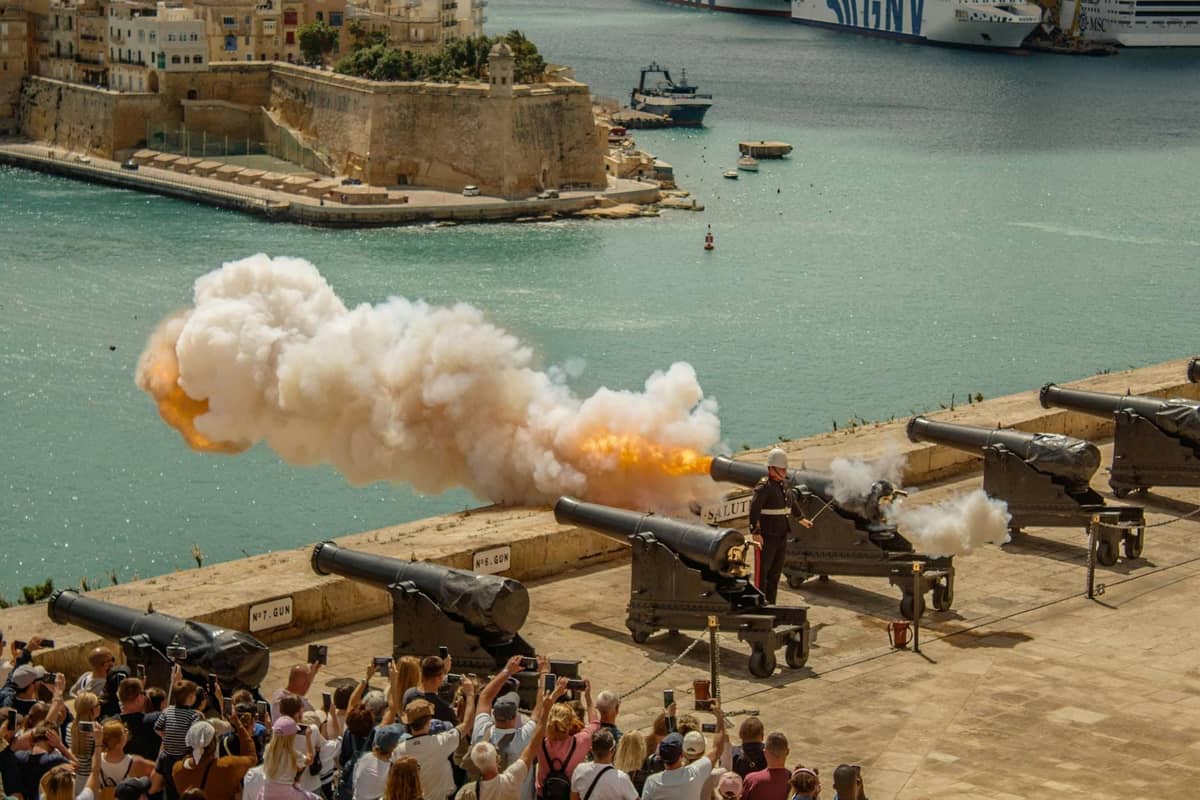
- The noon cannon at Upper Barrakka Gardens fires every day at 12:00; arrive 10 minutes early for a good spot and harbour views.
- Most of Valletta's top sights can be covered in one full day, but two days allows you to go deeper: afternoon light in the gardens, an evening on Republic Street, and a harbour boat trip at sunrise.
- April to June and September to October are the best months to visit. Summer (July-August) is hot and crowded. See the best time to visit Malta for a full seasonal breakdown.
St. John's Co-Cathedral: The Interior That Changes Everything
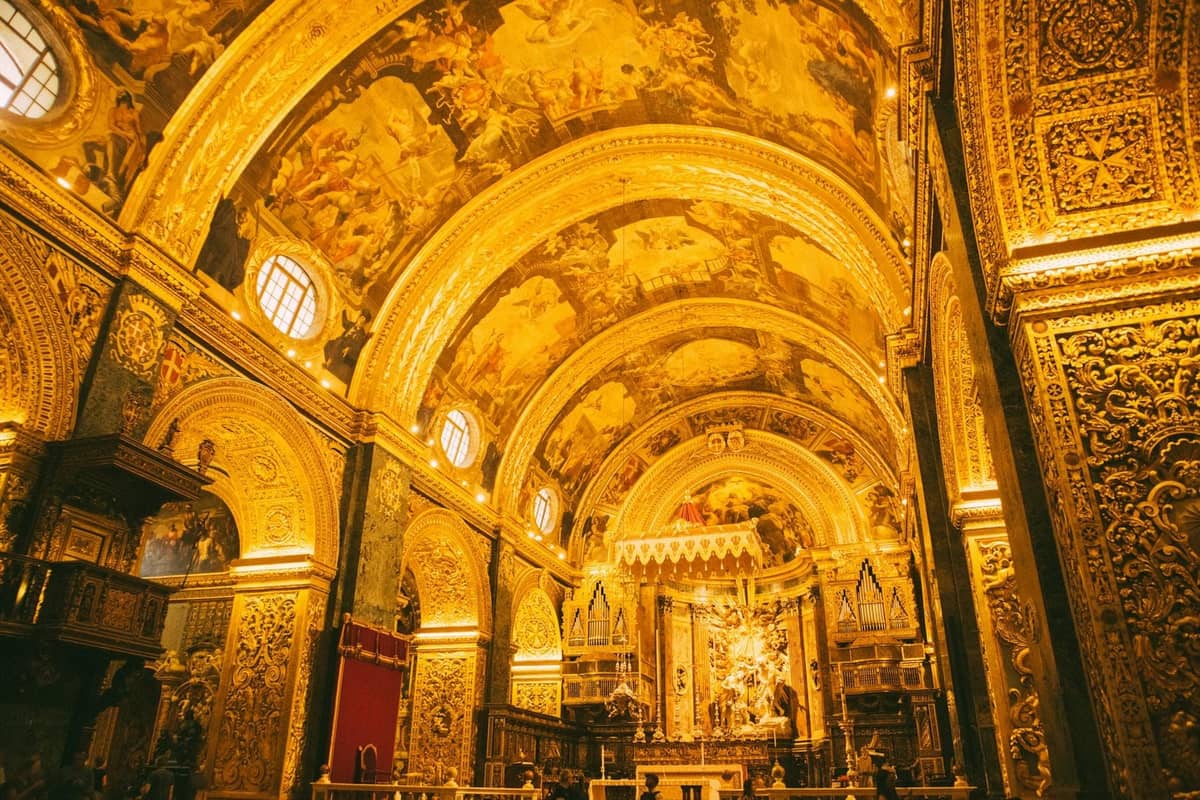
The exterior of St. John's Co-Cathedral is deliberately understated, a plain Baroque facade that blends into the surrounding streetscape. Step inside and the contrast is disorienting in the best way. Every inch of the nave walls is covered in gilded carvings, heraldic shields, and painted marble. The floor is entirely composed of Knights of Malta tombstones, over 375 of them, each one a masterpiece of inlaid coloured marble. Most visitors stop walking just to stare down.
The cathedral holds two Caravaggio paintings, both housed in the Oratory off the main nave. The larger work, The Beheading of St. John the Baptist, is the only painting Caravaggio ever signed and is considered one of the most important Baroque paintings in existence. The smaller piece, St. Jerome Writing, is equally compelling. Neither reproduction prepares you for the scale and drama of the originals. Allocate at least 45 to 60 minutes here, not 20. Tickets are available at stjohnscocathedral.com and sell out during peak season. Modest dress applies: shoulders and knees must be covered.
💡 Local tip
Book St. John's Co-Cathedral tickets online before you travel, not the morning you arrive. During April to October, entry slots fill by mid-morning. The audio guide is genuinely excellent and worth the small extra cost — it explains the tombstone iconography and Caravaggio's time in Malta, which adds real depth to what you're seeing.
Upper Barrakka Gardens and the Noon Gun
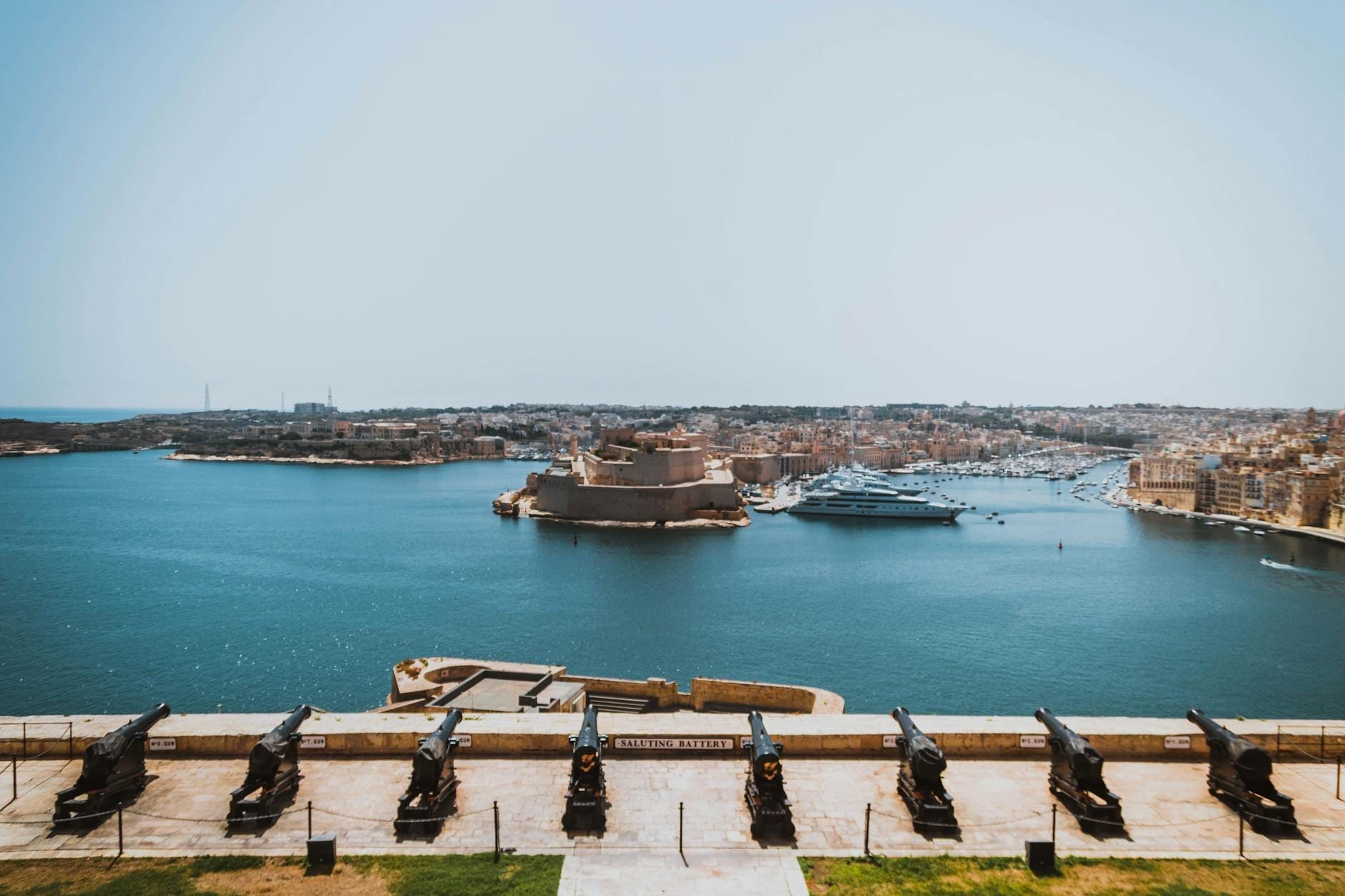
The Upper Barrakka Gardens sit at the highest point of Valletta's bastions, directly above the Grand Harbour. Originally built as a private loggia for Italian Knights in the 16th century, they were opened to the public in 1824 and remain the best free viewpoint in the city. The view across to the Three Cities — Vittoriosa, Senglea, and Cospicua — is one of the most photographed in Malta for good reason.
At noon every day, a cannon fires from the Saluting Battery directly below the gardens. The tradition dates to the 16th century when it was used to signal to ships in the harbour. Today Heritage Malta manages the battery, and you can descend to watch the gun crew up close. Arrive by 11:50 to secure a position near the balustrade. The Barakka Lift connects the gardens to the waterfront below and costs €1 each way, which makes it a convenient link to harbour-level activities.
Fort St. Elmo and Malta's WWII Story
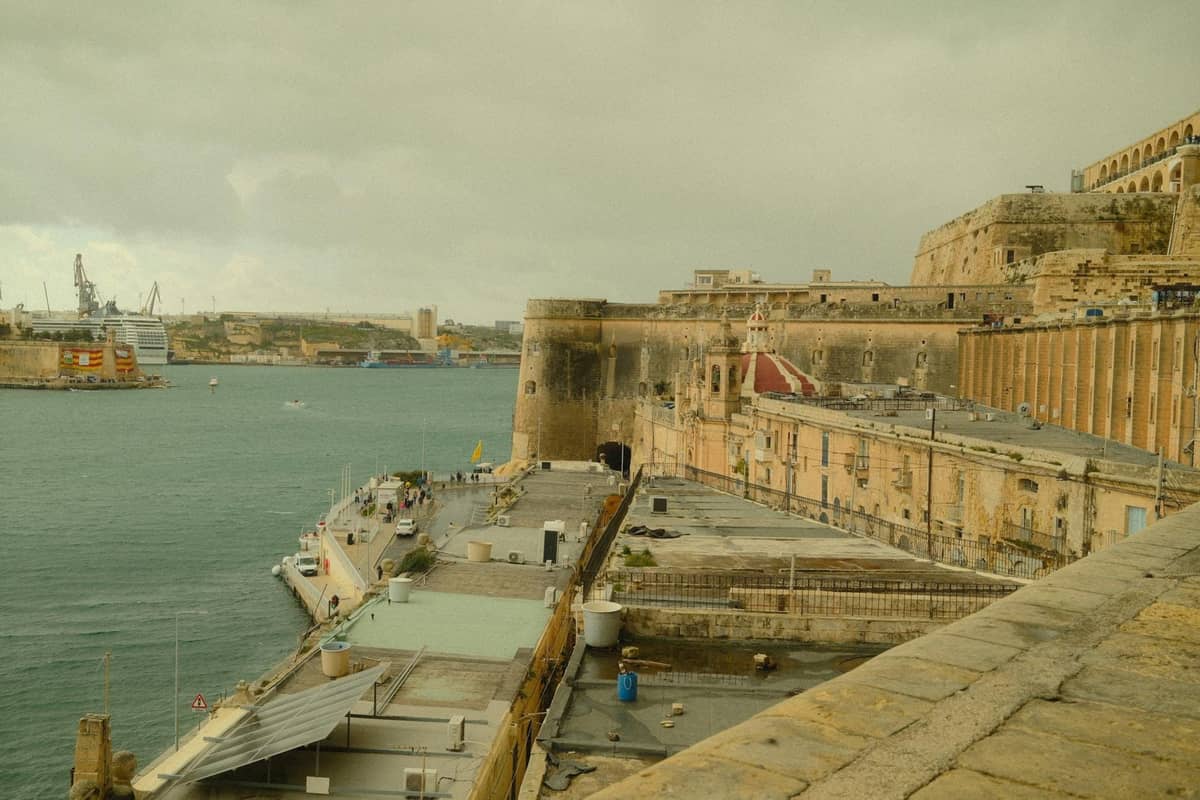
Fort St. Elmo guards the tip of the Valletta peninsula and has been at the centre of every major conflict in Maltese history. Built in the 16th century by the Knights of St. John, it held out against the Ottoman siege of 1565 in one of the most celebrated defensive actions in European military history. The fort's star-shaped layout is a textbook example of Renaissance military architecture and is best appreciated from the harbour, either from a boat or from the opposite shore.
The National War Museum inside the fort focuses heavily on Malta's role in World War II. Malta was the most heavily bombed place per square kilometre during the war, primarily by Italian and German air forces between 1940 and 1942. Over 30,000 buildings were destroyed or damaged. In recognition of the civilian population's endurance, King George VI awarded Malta the George Cross in 1942, a collective honour given to an entire country rather than an individual. The museum displays the original George Cross, alongside aircraft, weapons, and documentary footage. Budget 1.5 to 2 hours and check current opening times at heritagemalta.mt before visiting.
ℹ️ Good to know
The Lascaris War Rooms, a network of underground tunnels cut into the Valletta bastion, served as the Allied Forces' command centre during the WWII Mediterranean campaign. They operated independently of Fort St. Elmo and offer a different, more intimate perspective on the war. The two sites complement each other well if you have a full day.
The Grand Master's Palace and Republic Street
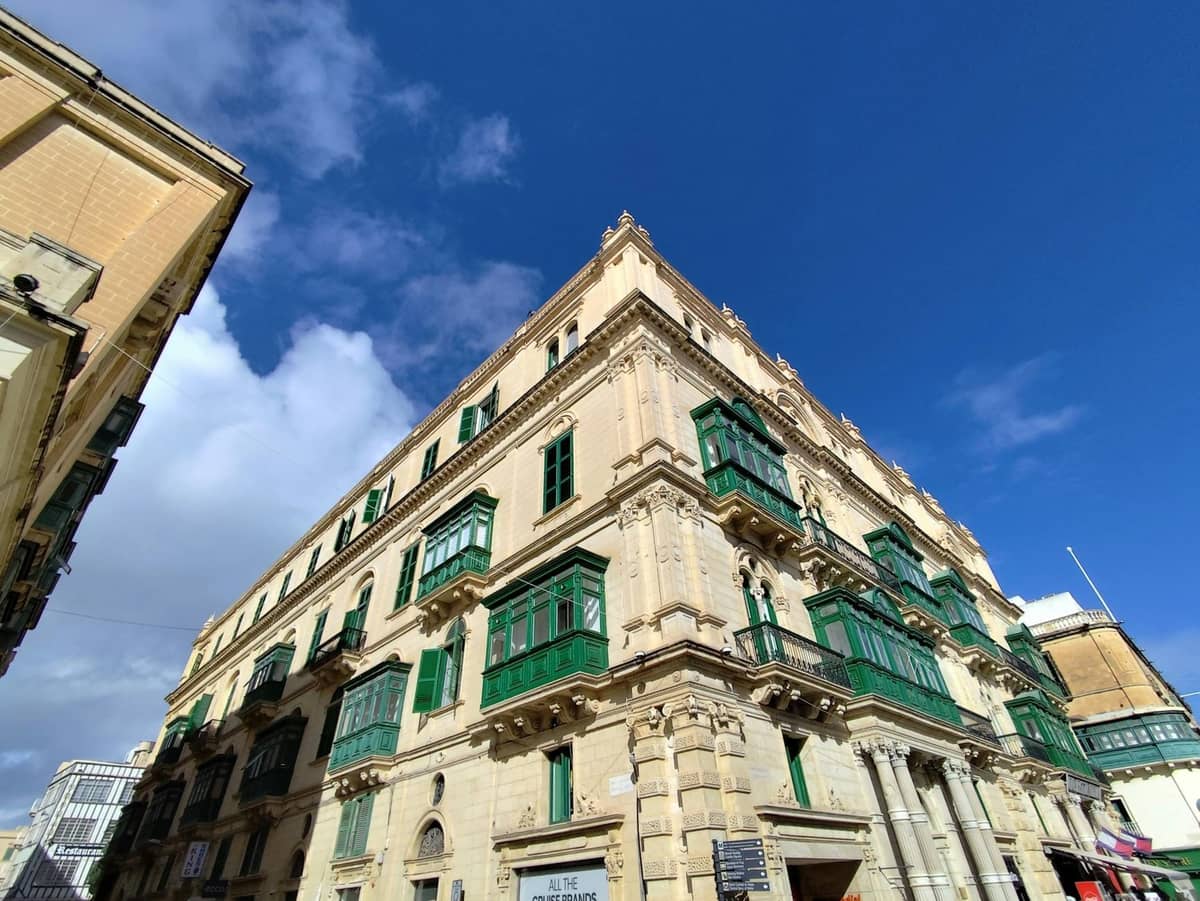
The Grand Master's Palace on Republic Street was the seat of power for the Knights of Malta and later the British colonial government. It now serves as the official office of Malta's President. The State Rooms reopened in April 2024 following a significant restoration and are open for guided visits on selected days — check the Heritage Malta website for the current schedule, as days vary by season.
Republic Street itself is the main artery of the city, running from City Gate to Fort St. Elmo. It becomes increasingly pedestrianised as you move toward the centre and has a mix of cafes, bookshops, and baroque facades. Caffe Cordina, a historic pastry cafe on Republic Square, has been operating since 1837. It is the kind of place that tourists discover and locals still use, which is a reasonable sign of quality. The tables outside get crowded in summer; standing at the bar inside with a pastizz and a black coffee is both cheaper and more local.
The Grand Harbour: Boat Trips and the View from the Water
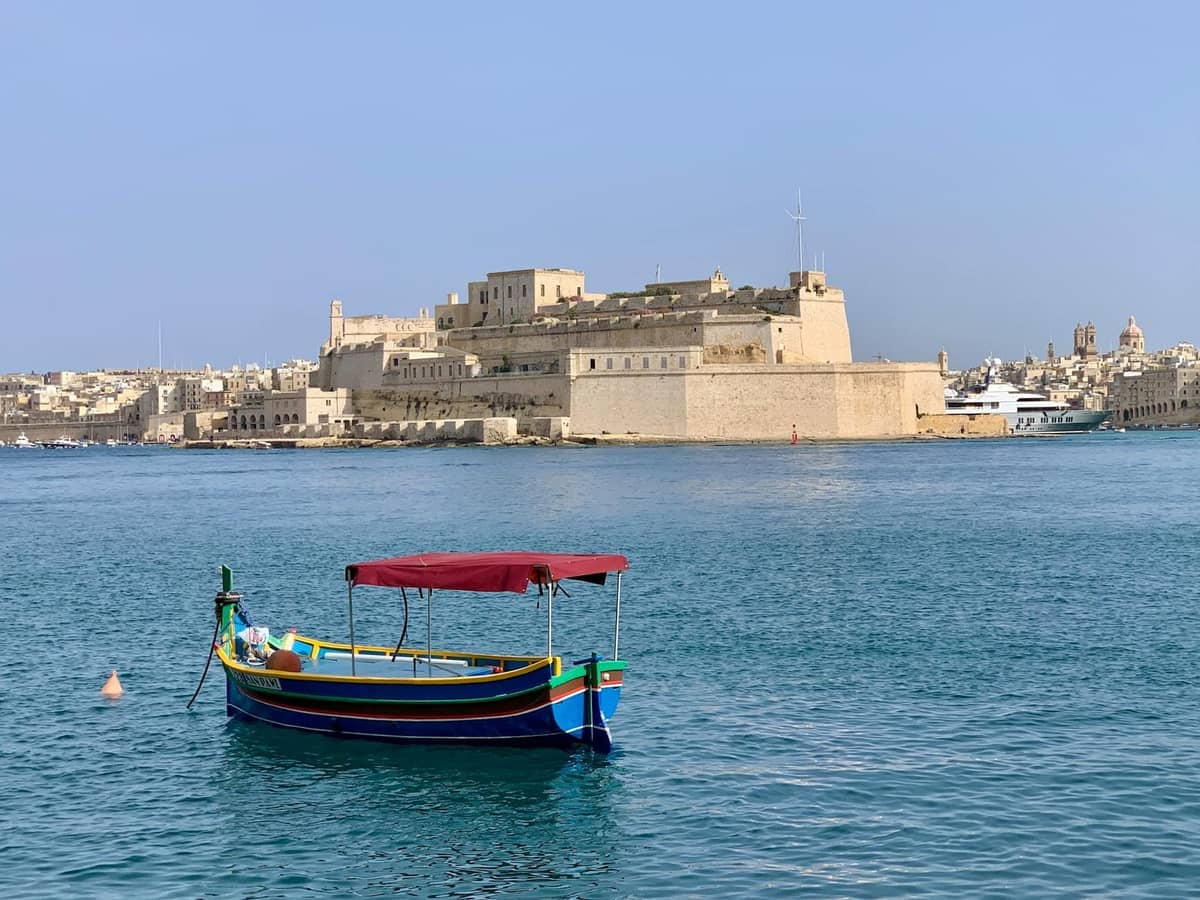
The Grand Harbour is one of the finest natural harbours in the Mediterranean and the reason Valletta exists at all. Seeing it from the water gives you a scale that no land-based viewpoint replicates. Traditional dgħajsa boats (pronounced d-eye-sa) ferry passengers between Valletta and the Three Cities for a few euros each way, and the crossing takes under 10 minutes. For a longer perspective, Malta boat trip operators run Grand Harbour tours departing from the Valletta waterfront, typically lasting 45 to 90 minutes and covering all three harbour creeks, the dockyard area, and the fortified coastline.
Early morning is the best time on the water. The light is softer, the harbour traffic lighter, and the fortifications of the Three Cities look almost amber against the pale stone of Valletta's bastions. If you cross via dgħajsa, spend at least an hour walking the streets of Vittoriosa (also called Birgu) before returning. The atmosphere is noticeably quieter than Valletta and the scale of Fort St. Angelo, viewed from its own waterfront, is extraordinary.
Practical Tips for Visiting Valletta
Valletta is extremely compact. The entire city is about 600 metres wide and 1,100 metres long, so almost everything is reachable on foot within 15 minutes. The street grid laid out by the Knights in the 1560s is still intact, which means streets run in logical parallel lines. Getting lost is nearly impossible and somewhat hard to do even if you try. The main city bus terminus is outside City Gate, which connects Valletta to the rest of Malta. Bus fares are around €2 per journey.
- Getting there from the airport Malta International Airport (MLA) is about 8 km from Valletta. The X1/X4 bus lines run directly and cost around €2 (journey time 40-60 minutes depending on traffic). A taxi costs €20-30 and takes 20-30 minutes. Shuttle services are available for around €10-15.
- When to go April to June and September to October offer the best balance of mild temperatures (20-28°C), manageable crowds, and good light. July and August are hot (up to 32°C) and extremely busy. Winter months are quiet but some sites reduce opening hours.
- What to wear Comfortable walking shoes are essential — the streets are flat but paved with uneven stone. Churches require covered shoulders and knees; a light scarf or sarong tucked in a bag solves this for all genders.
- Paying and tipping Most sites accept cards, though smaller cafes and the dgħajsa boats are cash only. Tipping is not compulsory; 5-10% in restaurants is appreciated if service charge is not included.
- Language English is an official language and universally spoken in Valletta. Maltese (a Semitic language written in Latin script) is the other official language. Many locals also speak Italian.
⚠️ What to skip
Valletta has very few shaded streets and almost no trees in the central grid. In July and August between 11:00 and 16:00, the heat reflected off the pale limestone streets is intense. If you visit in summer, start early (by 08:30), take a long lunch break indoors, and return in the late afternoon. The gardens at Upper Barrakka have some tree cover but not much.
- St. John's Co-Cathedral: book online in advance at stjohnscocathedral.com
- Fort St. Elmo and the National War Museum: check current hours at heritagemalta.mt
- Lascaris War Rooms: located in the bastion below Upper Barrakka Gardens
- Upper Barrakka Gardens: free entry, open daily, noon gun fires at 12:00
- Grand Master's Palace State Rooms: open selected days post-2024 restoration, verify schedule before visiting
- Grand Harbour boat tours: depart from Valletta Waterfront (near the cruise terminal); budget around €10-15 for a standard harbour tour
- Dgħajsa ferry to Three Cities: departs from near Customs House, a few euros each way
For those combining Valletta with the rest of the island, the city works well as a base or as a day trip from Sliema or St. Julian's. The bus connection is frequent and takes about 15-20 minutes. A logical two-day itinerary might pair Valletta's historic core on day one with Mdina and Rabat on day two. Both cities are manageable on foot and well-connected by public transport.
FAQ
How many days do you need in Valletta?
One full day covers the major highlights: St. John's Co-Cathedral, Upper Barrakka Gardens, the noon gun, Fort St. Elmo, and a walk along Republic Street. Two days allows you to add the Grand Harbour boat trip, a crossing to the Three Cities, and a more relaxed pace through the quieter side streets and museums.
Is Valletta worth visiting in Malta?
Yes, without reservation. The density of significant architecture, history, and art within such a small area is exceptional by any European standard. St. John's Co-Cathedral alone justifies the visit. The risk is rushing it — Valletta rewards walking slowly and eating lunch somewhere with a view.
What is Valletta best known for?
Valletta is best known for its Baroque architecture, its role as the capital of the Knights of Malta, and its status as a UNESCO World Heritage Site. The Grand Harbour, St. John's Co-Cathedral with its Caravaggio paintings, and its extraordinary WWII history are the defining features. It was European Capital of Culture in 2018.
Are there free things to do in Valletta?
Several. Upper Barrakka Gardens has free entry, the noon cannon is free to watch from the gardens level, and walking the city's streets and photographing the coloured balconies and Baroque facades costs nothing. The waterfront and lower harbour areas are also free to explore. For a broader list, see the Malta free activities guide.
Is Valletta easy to get around without a car?
Valletta is one of the few places in Malta where a car is a disadvantage, not an asset. The city is almost entirely pedestrianised in its historic core, parking is limited and expensive, and everything of interest is within a 15-minute walk. Use the bus to get there from elsewhere on the island, then walk.