Malta with Kids: The Complete Family Travel Guide
Malta is a surprisingly strong family destination for its size. English is widely spoken, the country is genuinely safe, distances are short, and the mix of beaches, history, and interactive attractions keeps children of all ages engaged. This guide covers the best kid-friendly spots, seasonal advice, transport logistics, and frank assessments of what works and what doesn't.
Plan and book this trip
Tools from our partner Travelpayouts help you compare flights and hotels. If you book through them, we may earn a commission at no extra cost to you.
Flights
Hotels map
TL;DR
- Malta is one of Europe's most manageable family destinations: small (316 km²), English-speaking, and safe.
- Top kid picks include Popeye Village, the Blue Grotto boat tour, Blue Lagoon on Comino, and Mdina's medieval streets.
- April to June and September to October offer the best balance of weather, manageable heat, and fewer crowds.
- You don't need a car. Buses, ferries, and ride-hailing apps (Bolt, Uber) cover the main family-friendly routes.
- Budget around €10-15 per adult and €5-8 per child for most paid attractions; see our Malta on a budget guide for money-saving strategies.
Why Malta Works So Well for Families
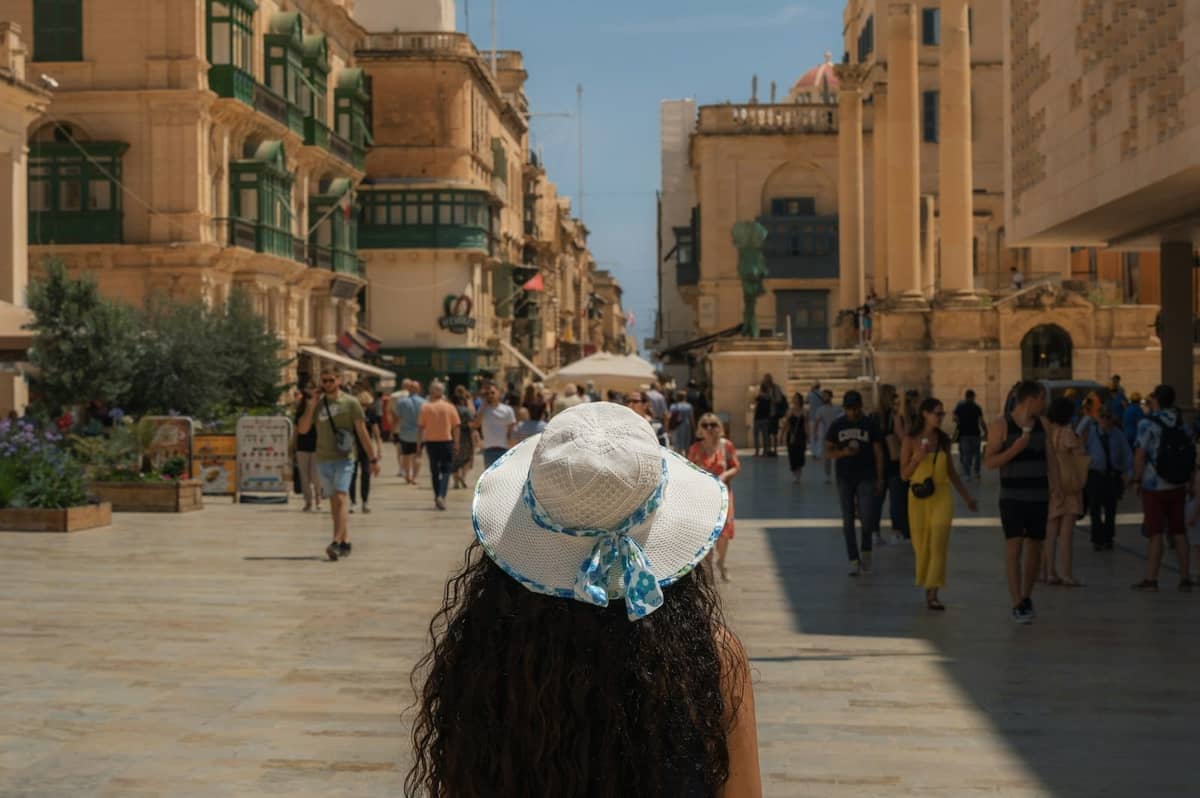
Malta's size is its greatest asset for family travel. The main island is roughly 27 km long and 14 km wide, meaning no journey between sites takes more than 45 minutes. Children don't endure long driving stretches, and if an afternoon nap is needed, you're never far from your accommodation. English is one of Malta's two official languages (alongside Maltese), so navigating public transport, ordering food, and asking for help is straightforward for English-speaking families.
Safety is another genuine strength. Malta consistently ranks among Europe's lowest-crime countries, and the culture is family-oriented. Children are welcomed in restaurants, cafes, and most attractions. The local attitude toward kids is warm rather than tolerant. For deeper context on what makes Malta worth the trip, this honest assessment covers the full picture, including the drawbacks.
ℹ️ Good to know
Malta uses Type G (UK-style) plugs at 230V. Pack a universal adapter. Tap water is safe to drink, though many locals and visitors prefer bottled water for taste reasons. Emergency number is 112.
Best Kid-Friendly Attractions in Malta
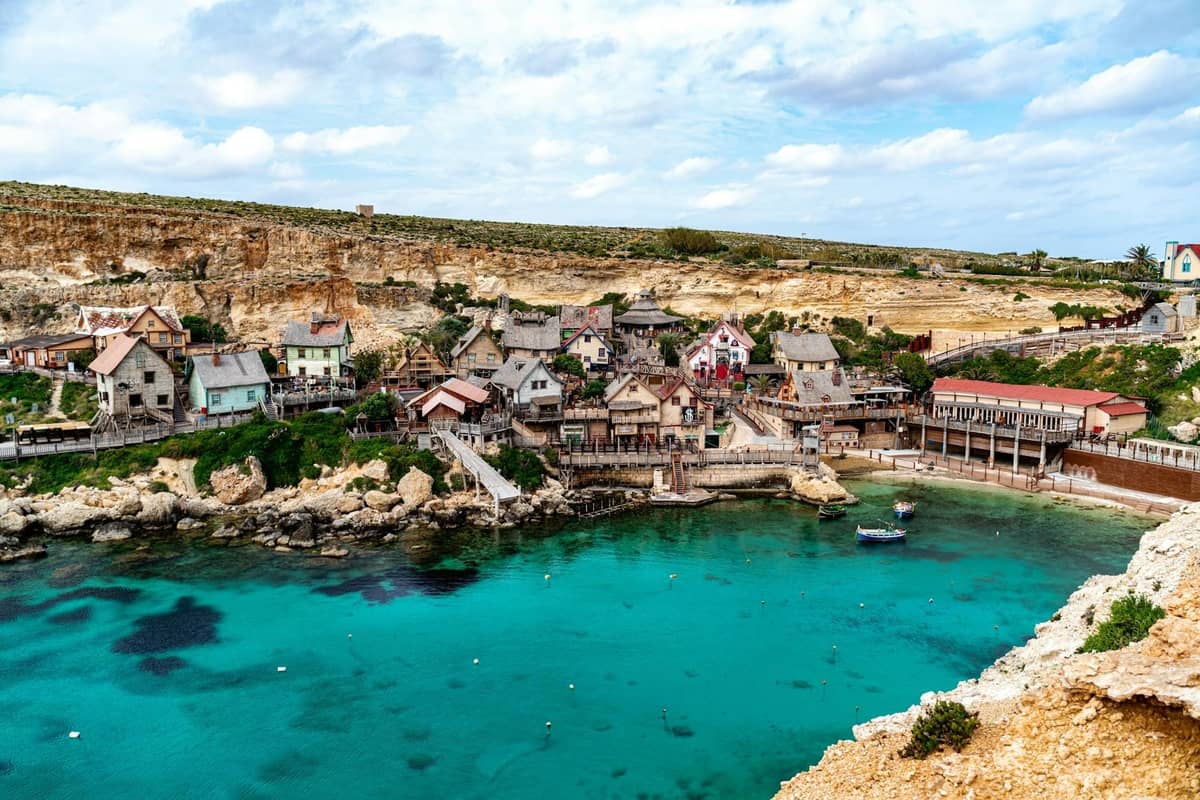
Popeye Village in Anchor Bay is the single most popular attraction with younger children. Built as the film set for the 1980 Popeye movie, it's been converted into a family activity park with boat rides, a small pool, mini-golf, a zip line, and a replica fishing village to explore. Admission includes most activities, and the setting against the rocky bay is genuinely photogenic. It's cheerfully kitsch, and older teenagers will probably find it underwhelming, but for ages 3-11 it's reliably entertaining for two to three hours.
The Blue Grotto boat tour is worth doing with children old enough to sit calmly in a small wooden boat (roughly age 4 and up). The 20-25 minute trip goes through seven sea caves with dramatic light effects and vivid blue water. Adults pay around €10 and children around €5, with under-3s free. Go early: summer tours stop by around 1 PM due to afternoon winds and wave conditions. Arrive by 9 AM to avoid queues.
The silent city of Mdina is surprisingly child-friendly. The traffic-free medieval streets, horse-drawn karozzin carriages, and dungeon-like passages in the old bastions fire up young imaginations. Mdina's association with Game of Thrones locations adds a hook for older kids and teens. Keep visits to 1.5-2 hours as there's limited shade and few child-specific activities inside the walls.
- Popeye Village (Anchor Bay) Activity park with boats, pool, mini-golf, and zip line. Best for ages 3-11. Allow 2-3 hours.
- Blue Grotto Boat Tour 20-25 min cave tour. Adults ~€10, children ~€5, under-3 free. Go before 9 AM in summer.
- Blue Lagoon, Comino Shallow, clear turquoise water. Best on a weekday or outside July-August peak crowds. Take the ferry from Cirkewwa (north Malta).
- Splash Water Park (Bahar ic-Caghaq) Malta's main water park with slides and a lazy river. Good for a full-day outing in summer.
- Malta National Aquarium (Qawra) Indoor option for hot afternoons or rainy days. Walk-through tunnel with sharks and rays.
- Mdina's Medieval Streets Car-free city, horse carriages, atmospheric passages. Best in the morning before heat builds.
⚠️ What to skip
Gozo's Azure Window, the iconic limestone arch, collapsed in March 2017 and no longer exists. Don't plan a trip to Gozo specifically to see it. The island still has excellent family attractions, but update any outdated itinerary that includes the Azure Window.
The Best Beaches for Families
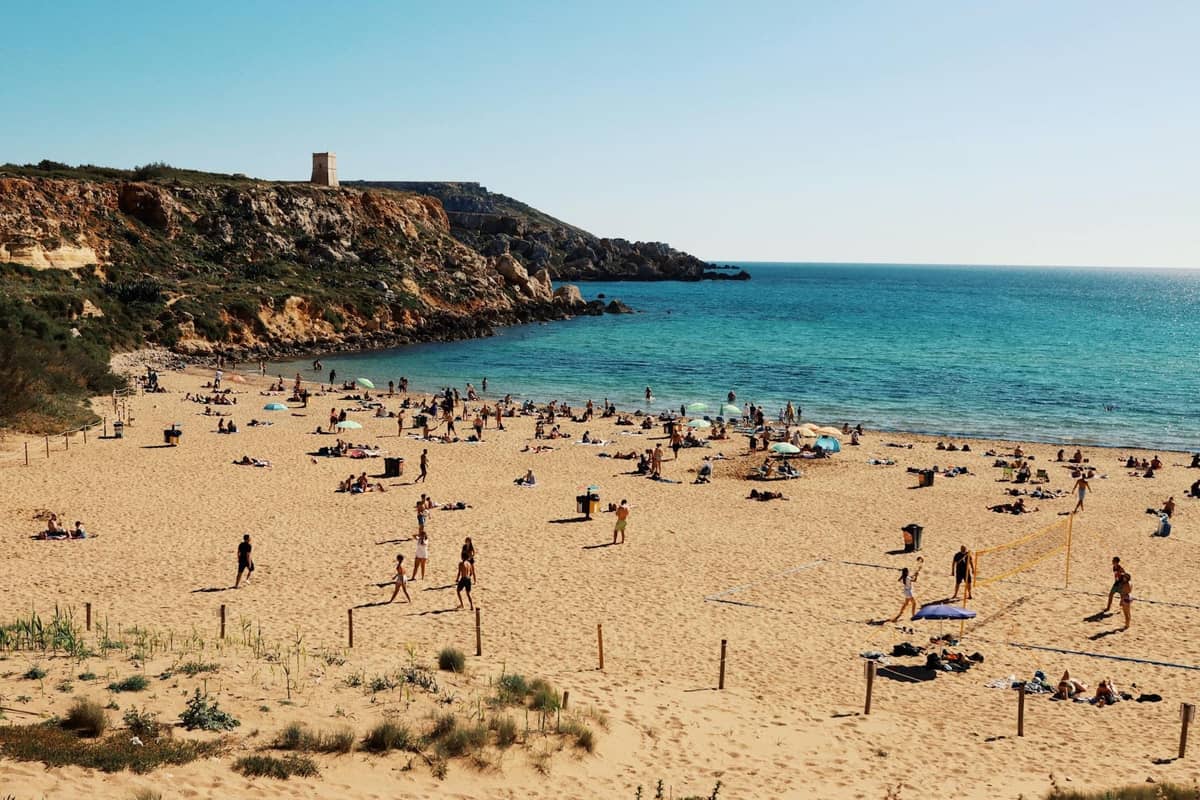
Malta's beaches vary significantly in character and child-friendliness. Mellieha Bay is the standout family beach: it's Malta's longest sandy stretch, the water is shallow for a long way out, and facilities (sun loungers, cafes, showers, lifeguards in summer) are well-developed. The bay faces northeast, so afternoon shade arrives earlier than at southwest-facing beaches. This is the beach to default to with young children or non-swimmers.
Golden Bay and Ghajn Tuffieha Bay are both sandy, scenic, and good for families with older children who can handle a steep descent. Neither has the shallow-water consistency of Mellieha. Golden Bay has more facilities; Ghajn Tuffieha requires a 200-step staircase. On Gozo, Ramla Bay offers a wide red-sand beach that is excellent for families, with shallower entry than most Malta-side beaches.
💡 Local tip
Rocky shores like St. Peter's Pool and Ghar Lapsi are beautiful but not safe for young children without supervision. Stick to sandy beaches if you have toddlers or early swimmers. Always check whether a beach has a summer lifeguard service before letting children enter the water alone.
Getting Around Malta with Kids
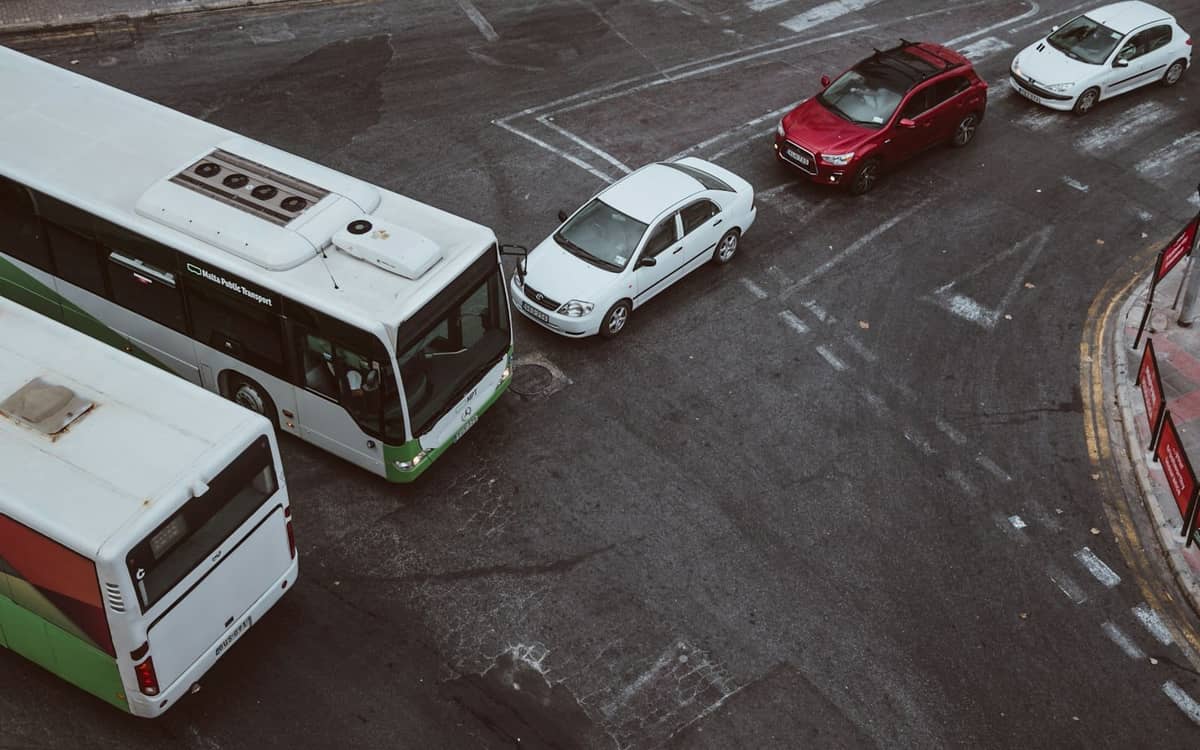
Many families assume they need to rent a car in Malta. They don't. The bus network (Malta Public Transport) covers over 100 routes and reaches every major family attraction. A single adult fare is around €2, with children under five typically travelling free. The main practical issue is that buses can be crowded and hot in July and August, and some routes run less frequently on Sundays. For short trips in the heat with young children, Bolt or Uber are more practical and cost around €8-15 for most inter-town journeys.
Getting from Malta International Airport (MLA, about 8 km from Valletta) to your accommodation is easy. The X1/X4 express bus costs around €2 per adult and takes 40-60 minutes. Taxis cost €20-30 and take 20-30 minutes depending on traffic. With young children and heavy luggage, a pre-booked taxi or shuttle (€10-15) is worth the premium. For families planning to explore Gozo, a ferry from Cirkewwa in the north takes around 25 minutes and runs frequently throughout the day. Read more in our complete guide to getting around Malta.
When to Go: Timing Your Family Trip
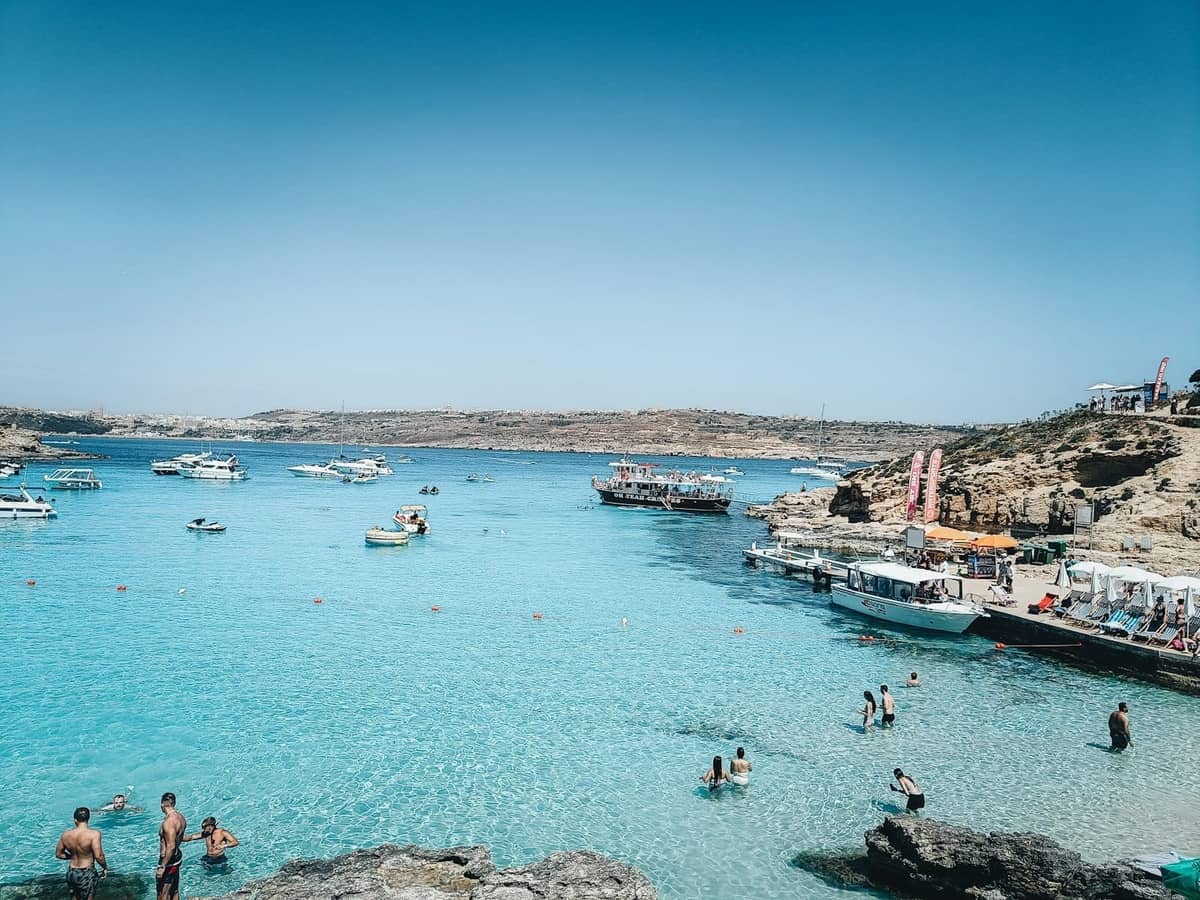
The honest answer: avoid July and August with very young children if you can. Temperatures regularly hit 32-35°C, the Blue Lagoon and popular beaches become genuinely overcrowded, and queues at Popeye Village and the Blue Grotto stretch significantly. For more detail on seasonal trade-offs, see our best time to visit Malta guide.
April to June is the sweet spot for families. Temperatures sit between 20-27°C, the sea is warm enough for swimming from late May onward, crowds are manageable, and accommodation prices are lower than peak season. September and October are equally strong: the sea is at its warmest (around 26°C), summer crowds have thinned, and the light is excellent. The Maltese fireworks festival (typically late April to June) is a spectacular experience for children.
Winter visits (December to February) work for families with older children focused on history and culture. It's mild (12-16°C) but can be rainy, beach days are unlikely, and some smaller attractions reduce hours or close. The upside is that Valletta and Mdina feel far less crowded, and you'll get a much more authentic sense of daily Maltese life.
- April to June: Best overall. Warm but not extreme. Sea swimmable from late May. Fireworks festival possible.
- July to August: Peak summer. Hot, crowded, expensive. Works if water activities are the primary goal.
- September to October: Excellent. Sea warmest, crowds thinner, prices drop.
- November to March: Cooler and potentially rainy. Good for history-focused trips with older children.
Practical Tips for Travelling Malta with Kids
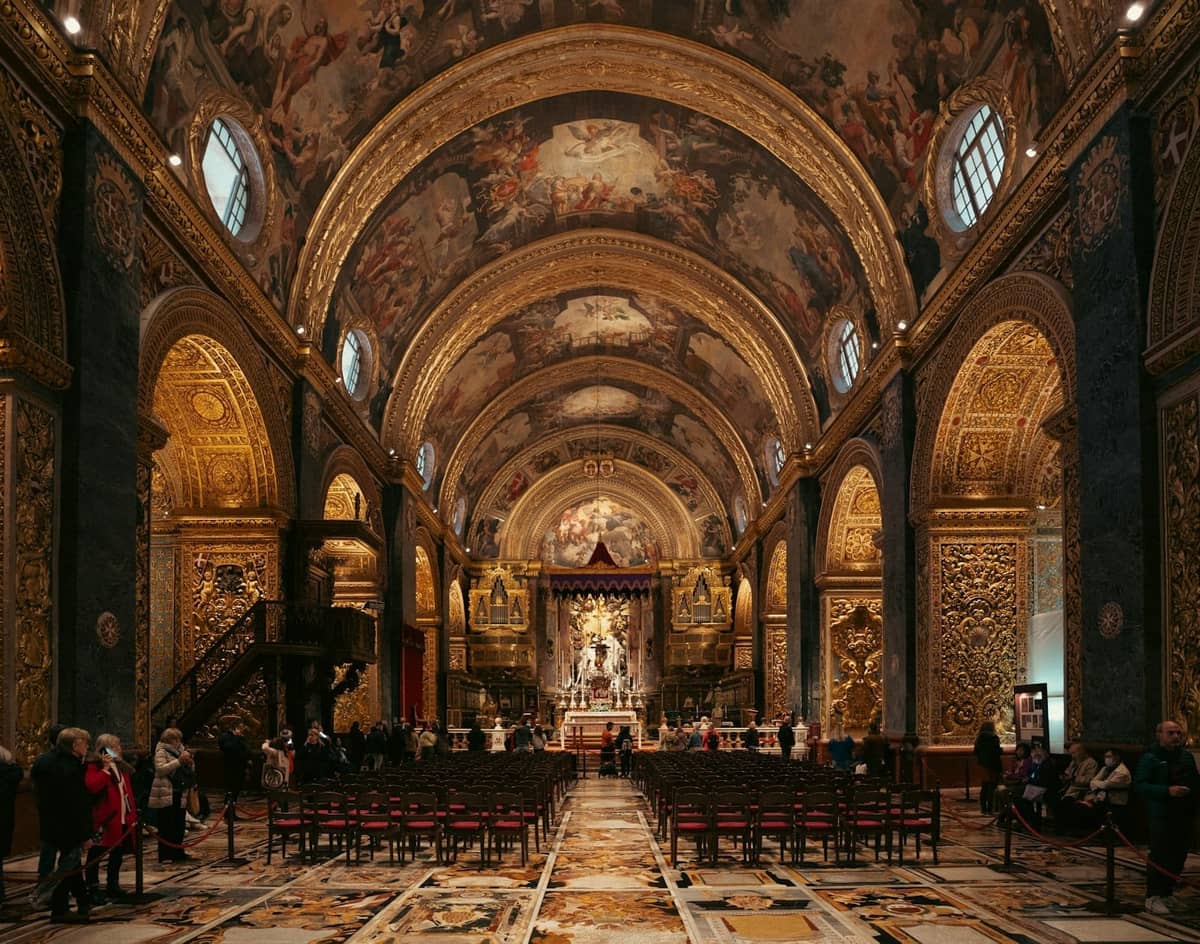
Malta's churches and historic sites require modest dress (covered shoulders and knees), which is worth briefing children on before visits. The St. John's Co-Cathedral in Valletta is arguably the most impressive interior in the country and is genuinely awe-inspiring even for children who aren't especially interested in history. Entry is around €15 for adults and includes an audioguide. Children under 12 are often free or reduced.
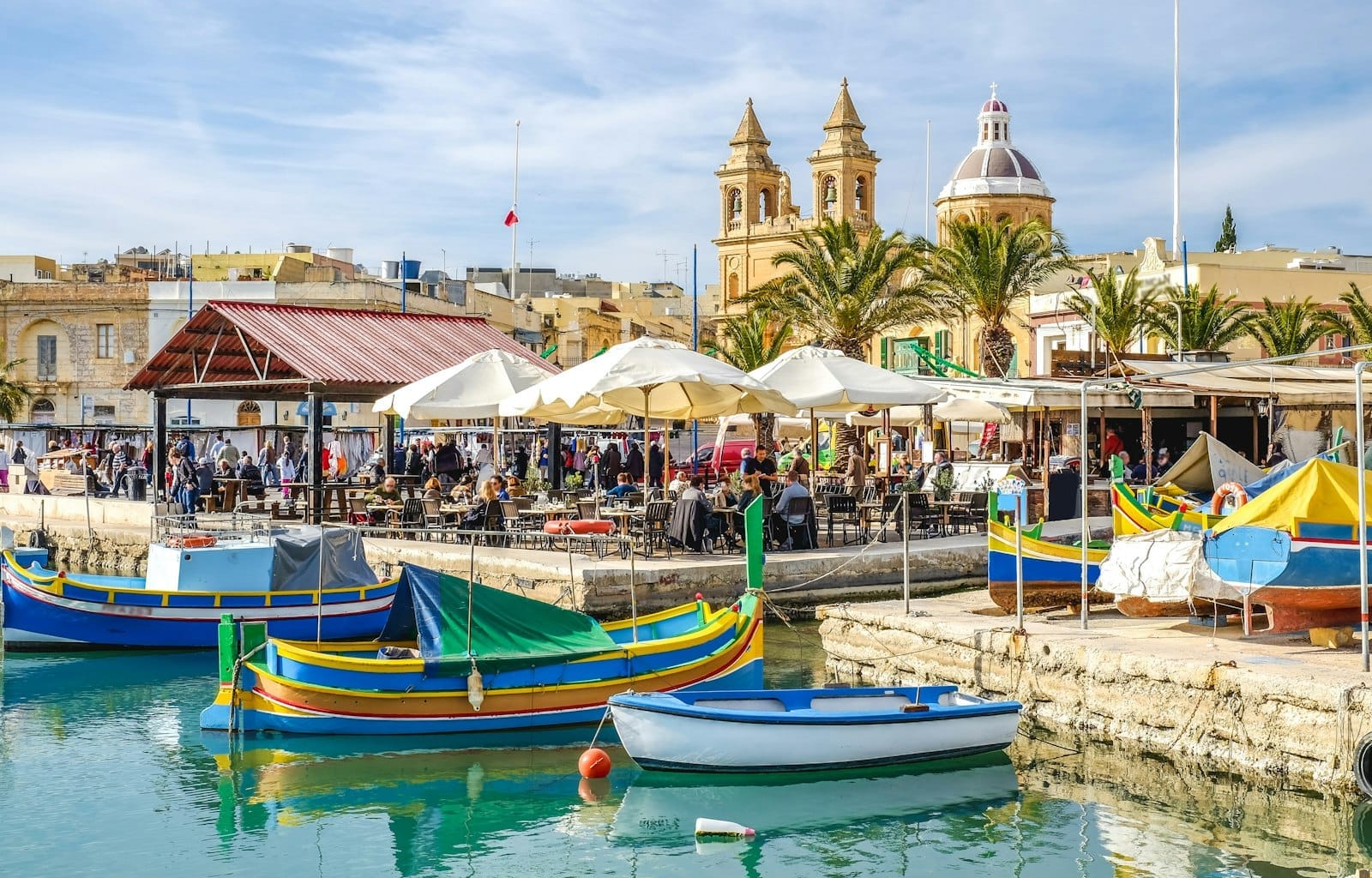
Food is rarely a problem with children. Maltese cuisine leans toward simple, familiar Mediterranean flavours: pasta, bread, grilled fish, and pastizzi (flaky pastry parcels filled with ricotta or peas) are widely available and inexpensive. Pastizzi from a local bakery cost around €0.50 each and are universally popular with children. Pizza and pasta restaurants are common in tourist areas. The Sunday fish market in Marsaxlokk is a worthwhile family outing: colourful boats, fresh seafood stalls, and a relaxed atmosphere that works well for all ages.
For families considering extending the trip, a day or overnight visit to Gozo is strongly recommended for children aged 5 and up. The island has a slower pace, better beaches, and the dramatic Citadella in Victoria offers panoramic views and a walkable fortified city that children find genuinely exciting. Read the full Gozo travel guide to plan a day trip or overnight stay.
✨ Pro tip
Book Hal Saflieni Hypogeum tickets well in advance, ideally months ahead. This 5,000-year-old underground burial site is one of Malta's most extraordinary UNESCO sites, but daily visitor numbers are strictly limited. It's suitable for children aged 6 and up who can follow guided instructions in a small, enclosed space.
FAQ
Is Malta a good holiday destination for families with young children?
Yes, Malta is one of the more practical European family destinations. It's small, English-speaking, and safe. The main considerations for young children are the summer heat (pack sun protection and plan for midday breaks) and the fact that many historical sites involve uneven stone surfaces and stairs, which can be tricky with pushchairs.
What is the best area to stay in Malta for families?
Mellieha is the top recommendation for families with young children: it's closest to Malta's best sandy beach, near Popeye Village, and quieter than St. Julian's or Sliema. Sliema works for families who want urban convenience and easy access to Valletta. St. Julian's has the most accommodation options but is the most lively at night, which can be disruptive.
Do children need a visa to visit Malta?
Malta is part of the Schengen Area. Children from EU/EEA countries travel visa-free. Citizens of the US, Canada, Australia, and many other countries can visit visa-free for up to 90 days under the Schengen short-stay rules. Check current entry requirements with your national government's travel advisory before booking.
Is the Blue Lagoon in Comino safe for children?
The Blue Lagoon has areas that are very shallow and calm, making it good for children who can swim or who wear buoyancy aids. However, it gets extremely crowded in July and August, which can be stressful with young children. Go on a weekday in June or September for the best experience. There are no lifeguards, so supervise children closely.
How many days do you need in Malta with kids?
A minimum of five to six days covers the main family highlights on Malta island: Valletta, Mdina, Mellieha Bay, the Blue Grotto, and Popeye Village. Add two to three days if you want to include Gozo and Comino. A full week is the most common and comfortable option for families.